Vintage & Thrift Shopping in Paris: Best Secondhand Stores
Paris has the densest vintage and second-hand shopping ecosystem in continental Europe — ranging from museum-grade Hermès Birkins resold at Parisian résale boutiques to one-euro paperbacks pulled...

No city on the continent does secondhand the way Paris does. On a single afternoon you can handle a museum-grade Hermès Birkin at a Right Bank résale boutique and pull a one-euro paperback out of a Sunday brocante crate, and both feel completely normal. This vintage and thrift shopping in paris guide maps the city by category and arrondissement: the curated resale boutiques of the Marais and Saint-Germain (Didier Ludot, Mam’Zelle Swing, Iglaine), the working-class friperies of the 11th and 18th, and the rotating Sunday brocantes that take over side streets all over town. Addresses, hours, price tiers, authentication tips, and how to haggle without sounding like a tourist — it’s all here.
Read it next to our Paris flea markets guide for the puces ecosystem, our best shopping streets piece for neighbourhood context, our souvenir guide, and our department store guide.
The Marais: the highest concentration of curated vintage
The Marais, spread across the 3rd and 4th, packs in more curated vintage boutiques than anywhere else in the city, which is exactly why most international visitors start here. The shops run Monday through Sunday, most of them open on weekend afternoons too, and the prices span an absurd range: twenty euros for a 1990s Chanel-style tweed jacket at a friperie, ten thousand for a vintage Hermès Kelly at the high-end résale specialists.
Vintage Désir (32 rue des Rosiers, 4th) is the cult stop — a tightly packed shop of 1960s through 1990s ready-to-wear pulled from estates all over France. The prices stay kind, forty to two hundred euros for most pieces, and the racks turn over weekly. Free’P’Star (8 rue Sainte-Croix-de-la-Bretonnerie, 4th) is a two-floor vintage warehouse where staff sort kilo-buys into themed bins; prices are marked and there’s no bargaining. Episode (12-16 rue de Tiquetonne, 2nd, right on the Marais edge) is the biggest single vintage store in central Paris, a thousand square metres of denim, leather jackets, band tees, and 1970s through 1990s designer.
Move up a tier and you reach Mam’Zelle Swing (35 bis rue du Roi de Sicile, 4th), the address for 1920s through 1960s couture: bias-cut silks, beaded flapper dresses, Dior New Look skirts. Figure three hundred to two thousand euros a piece, museum-grade condition, and an owner in Catherine Boyer who can tell you the provenance of every garment on the rack. Vintage Galerie (16 rue Charlot, 3rd) zeroes in on 1980s and 1990s designer — Mugler, Alaia, Jean Paul Gaultier — at three hundred to fifteen hundred euros.
Saint-Germain & the Palais Royal: museum-grade résale
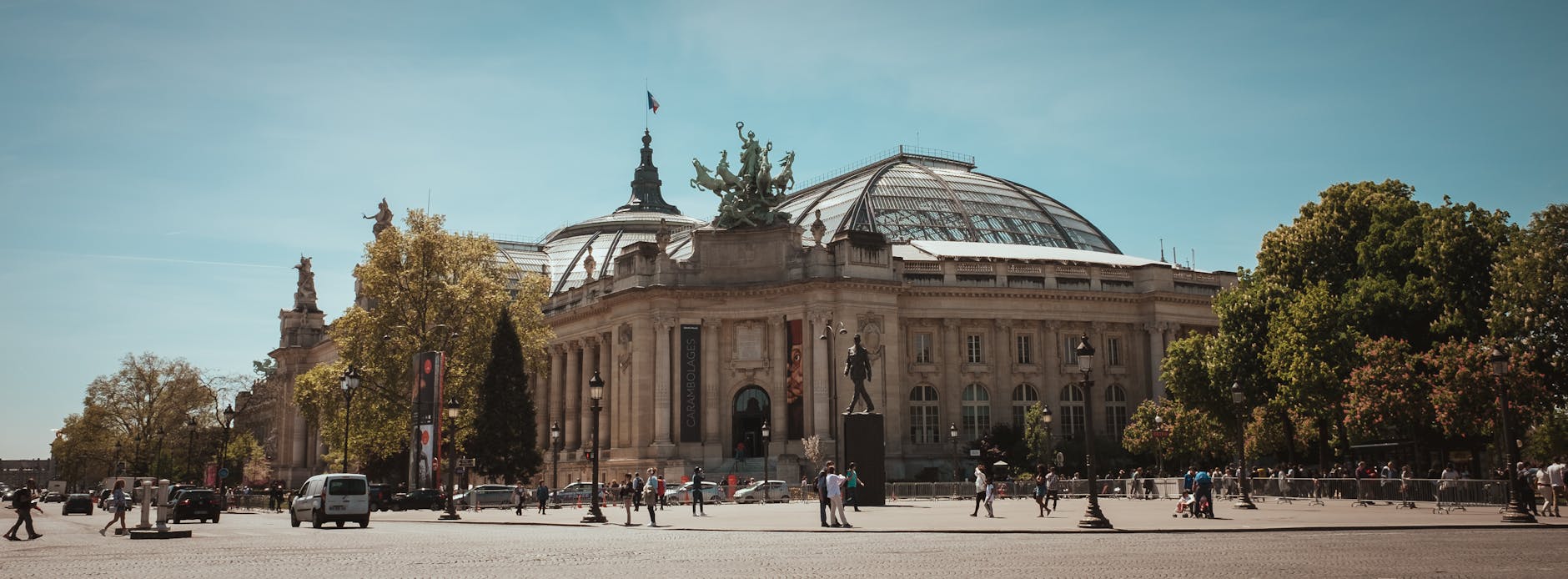
The 6th and the Palais Royal arcades are where the top-tier vintage and résale boutiques cluster — the places to track down a 1965 Chanel suit with its original buttons, a 1971 Saint Laurent Smoking, or a barenia-leather Birkin out of a private collector’s estate. The pricing is firmly luxury and the experience feels more like a private gallery than a shop. Most take walk-ins, but they appreciate an appointment.
Didier Ludot (24 Galerie de Montpensier, Palais Royal, 1st) is the elder statesman of Paris vintage couture, open since 1975, with a ruthlessly edited selection of museum-grade Chanel, Dior, Saint Laurent, Givenchy, and Lanvin. Ludot runs a second boutique across the arcade, La Petite Robe Noire, devoted entirely to vintage little black dresses, plus his own line of reproduction LBDs. Prices start around eight hundred euros for accessories and climb to fifteen thousand for a signed couture piece.
Iglaine (12 rue de la Grande Truanderie, 1st) and Rag (83-85 rue Saint-Martin, 4th) deal in 1970s and 1980s designer denim and leather. Studio W (6 rue du Pont aux Choux, 3rd) is where Parisian stylists go for 1990s and Y2K archive — Tom Ford-era Gucci, early Prada nylon, McQueen. And Falbalas (Saint-Ouen flea market, Marche Paul Bert) handles museum-grade silk scarves and accessories.
Résale luxury: where to buy and sell pre-owned designer
The Paris résale market has shot up since 2018, fuelled by demand for the handbags (Chanel, Hermès, Louis Vuitton) you can barely buy new at boutique level anymore. Three shops own the space:
- Fashion-S Vintage (44 rue de Sevigne, 3rd) — the in-store option for pre-loved Hermès Birkins and Kellys, usually twenty to thirty percent under new retail, each one authenticated and serviced. Stock moves fast, so come back twice if the first visit comes up empty.
- Collector Square (36 Boulevard Raspail, 7th) — the Saint-Germain branch of France’s leading online résale platform. Strongest on watches (Rolex, Patek Philippe, vintage Cartier), fine jewellery, and exceptional handbags. Authentication is independent, and the boutique often holds pieces straight from private estates.
- L’Habilleur (44 rue de Poitou, 3rd) — designer overstock and end-of-season pieces at fifty to seventy percent off. Not strictly vintage, but as close to a designer outlet as central Paris gets.

Friperies: the cheap end (twenty euros and under)
Friperies are kilo-shops: warehouses that sell secondhand clothing by weight (usually twenty to forty euros a kilo) or by piece (five to twenty euros). This is where the genuine 1990s denim, the oversized band tees, the leather jackets, and the slightly worn Levi’s 501s come from before the curated boutiques mark them up tenfold. The 11th, 18th, and 19th hold the densest concentration.
- Kilo Shop (69-71 rue de la Verrerie, 4th, plus a second branch on rue de la Roquette in the 11th) — the most approachable kilo friperie for visitors, sorted by colour and decade. Forty euros a kilo.
- Hippy Market (46 rue Vieille du Temple, 4th) — a small Marais shop selling mostly 1980s and 1990s vintage at fifteen to forty euros a piece.
- Bibou Vintage (8 rue Pierre Sarrazin, 6th) — tucked behind Saint-Michel, with secondhand Pierre Cardin, Yves Saint Laurent, and Burberry at thirty to one hundred fifty euros.
- Episode (12 rue de Tiquetonne, 2nd) — the largest single vintage store in central Paris, organised by category, a thousand square metres deep.
- Came Vintage (24 rue de la Roquette, 11th) — 1970s and 1980s prints, oversized blazers, vintage Wrangler denim.
- Tilt Vintage (15 rue de Lancry, 10th) — the Canal Saint-Martin friperie the art students favour, with thirty-five-euros-a-kilo days on Wednesdays.
The bouquinistes & vintage paper
The bouquinistes, those green boxes lining the Seine quays from the Pont Marie to the Quai Voltaire, have sold used and antiquarian books, prints, and old magazines since 1859. Roughly two hundred forty boxes open on most fair-weather days, each run by a licensed bookseller (the City of Paris grants the licence). The stock is a treasure chest of the unexpected: early-twentieth-century novels (Gallimard editions of Sartre, Camus, Beauvoir), original Belle Époque postcards, vintage Vogue and Elle covers, old playbills, World War I military memorabilia, and Dali and Picasso lithographs. Most of those last ones are reproductions, so ask before you pay originals money.
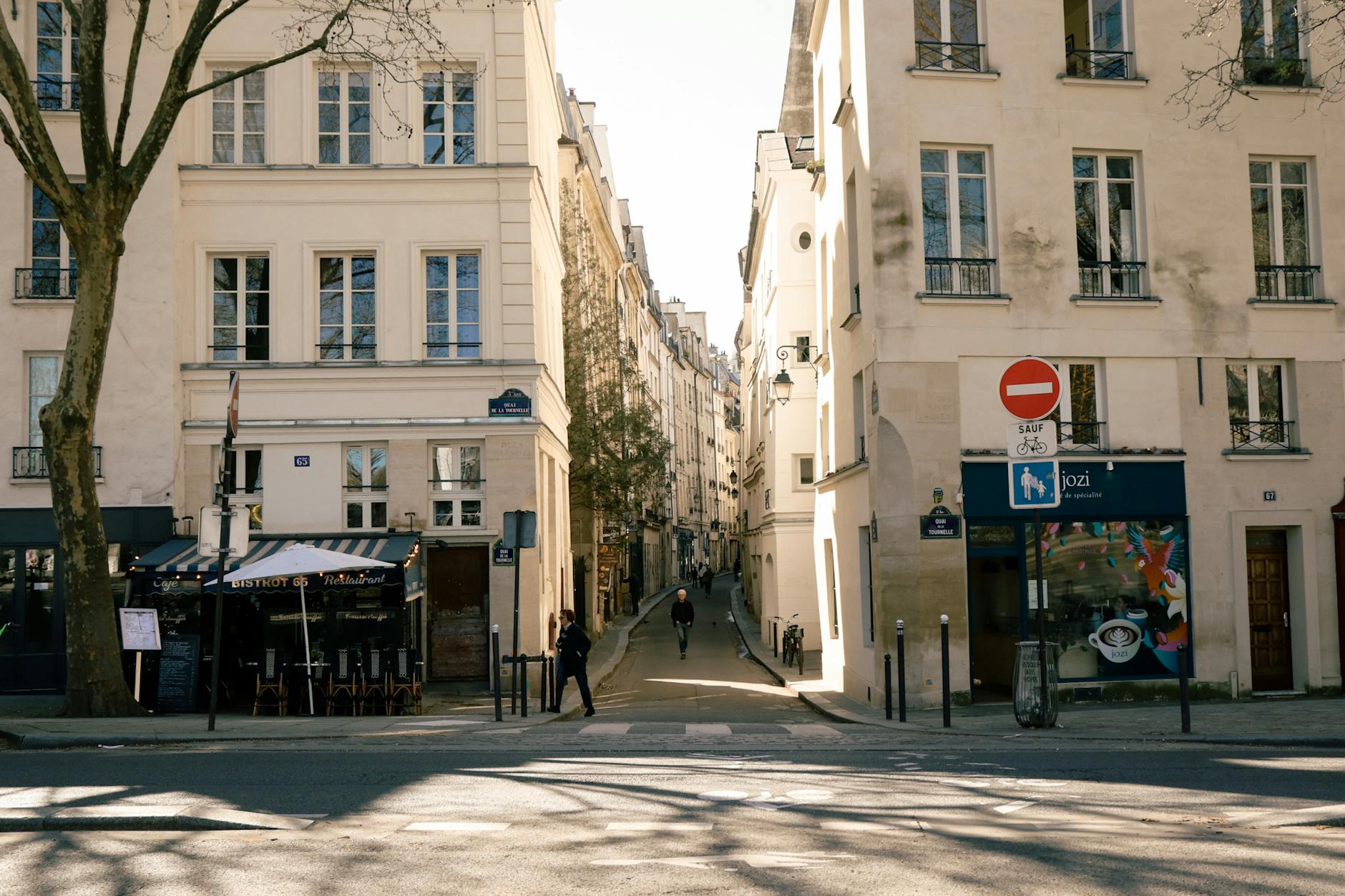
The richest stretch runs along Quai de Conti (6th) and Quai de la Tournelle (5th), with boxes specialising in literature, art books, vintage cinema posters, and original architectural drawings. Prices open at three euros for a paperback and reach eight hundred for an original 1880s Toulouse-Lautrec lithograph. Cash is preferred and bargaining is light, maybe ten to fifteen percent off on a multi-item haul, but always open with a polite bonjour.
Vintage furniture & objects: where the decorators shop
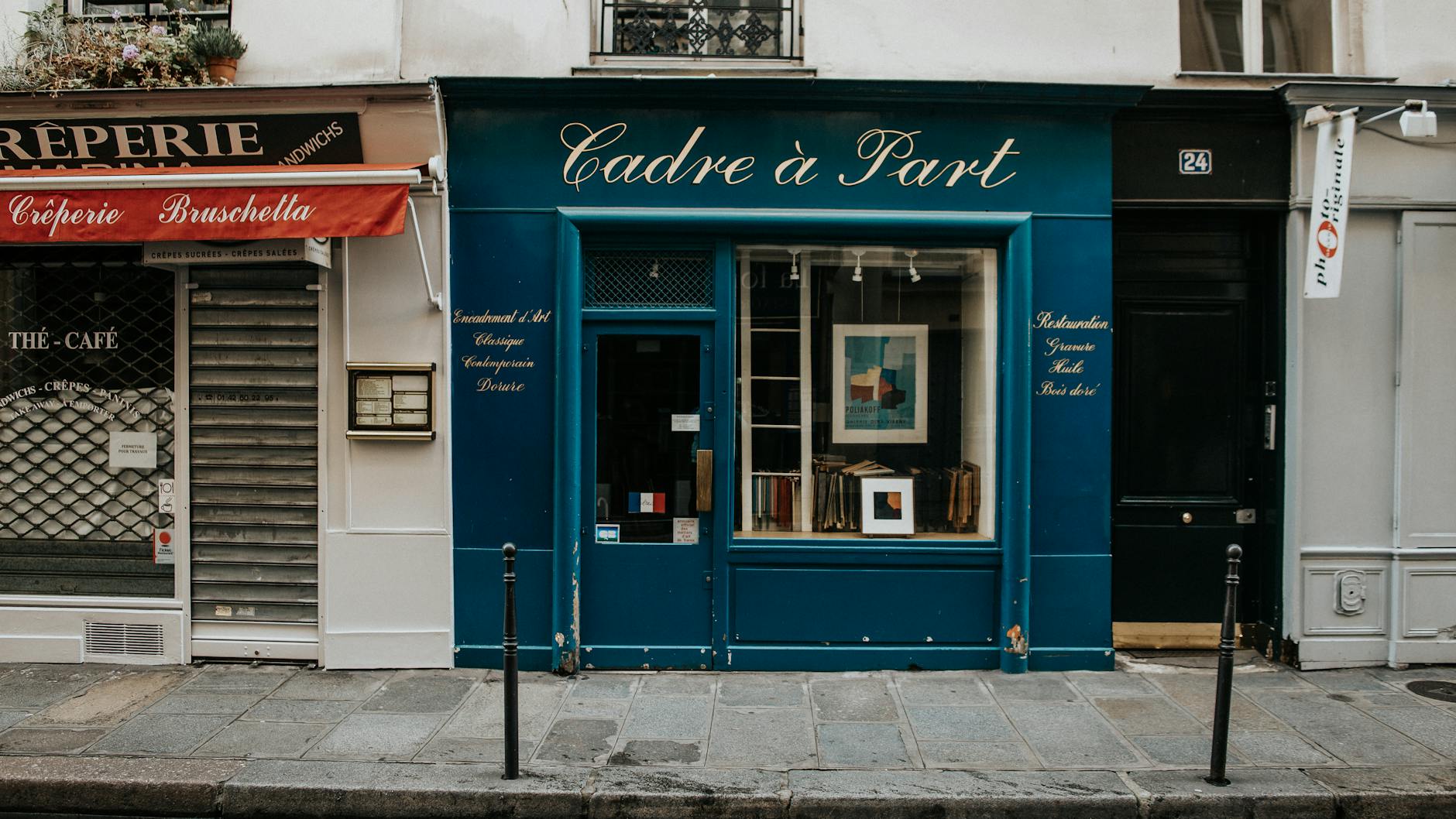
Paris vintage furniture sorts into three tiers: the high-end design galleries (Galerie Patrick Seguin, Galerie Downtown, Galerie 54), the curated mid-tier brocantes (the Saint-Ouen sub-markets Paul Bert Serpette and Biron), and the rotating Sunday street brocantes. For travellers, the mid-tier is the sweet spot — mid-century pieces that would fetch three to five times as much in New York, London, or Berlin.
Galerie Salon (Saint-Ouen, Paul Bert) is the reference for 1950s and 1960s Italian and French design (Gio Ponti, Joe Colombo, Pierre Jeanneret). The Conran Shop (117 rue du Bac, 7th) shuttered its in-store vintage department in 2024 but still sells curated vintage online. Paul Bert Serpette as a whole runs about three hundred dealers across two sub-markets; give it half a day to walk the four main aisles and take notes, then come back on a second visit to actually buy. Brocante de Vanves (Sat-Sun mornings, Porte de Vanves, 14th) is the most decorator-beloved of the small Sunday markets, its smaller-scale objects priced about thirty percent under Saint-Ouen.
Vintage jewellery & watches
Paris is the second-biggest vintage watch market in Europe after London. The high-end clusters around the Place Vendôme (1st), the mid-range around the Marais (4th), with separate pockets in Saint-Germain and Saint-Ouen. The vintage jewellery scene runs right alongside it.
- Cresus (15 rue de la Banque, 2nd) — the French pre-owned-watch leader, with Rolexes, Patek Philippes, and Cartiers at twenty to forty percent below boutique prices, authentication and warranty included.
- Bell & Ross at Trois Quartiers — limited-edition and discontinued models sold alongside the current retail line.
- Old école (Saint-Ouen, Biron) — signed Art Deco jewellery (Cartier, Boucheron, Van Cleef) with provenance documentation.
- White Bird (38 rue du Mont Thabor, 1st) — new and vintage fine jewellery from independent designers.
- Tribu (44 rue de Sevigne, 3rd) — tribal and ethnographic jewellery from West Africa, India, and the Middle East.
How to authenticate (and avoid fakes)
Three categories attract the most fakes in Paris vintage: Hermès and Chanel handbags, Rolex watches, and signed mid-century furniture. The rules worth memorising:
- Always ask for a facture (sales receipt) naming the brand, model, period, and seller details. A confident dealer hands one over without blinking.
- For handbags over a thousand euros, get independent authentication. The two leaders in France are Authentique by Ent (an entrupy.com partner) and Real Authentication; both charge fifty to eighty euros for a forty-eight-hour verdict based on photos and serial numbers.
- For watches, the dealer should disclose any replacement parts (dial, hands, crown) and provide either an original certificate or a service-history file. A Rolex without papers should price about twenty percent below one with papers.
- For mid-century furniture over five hundred euros, ask for documentation — stamped Cassina or Vitra inventory numbers, factory labels, gallery photographs. The Galerie Patrick Seguin and Galerie Downtown reference catalogues are the standard for French designers (Perriand, Prouvé, Jeanneret).
- Trust your gut. If the price feels too low for the piece, it usually is. A 1950s Eames lounge chair at three hundred euros is not real.
Practicalities: hours, payment, language
- Hours. Most vintage boutiques run Tuesday through Saturday, eleven to seven, with Sunday-afternoon openings in the Marais. Mondays are slow and plenty of shops just close. Friperies and kilo-shops open later (noon to eight, some until ten on weekends).
- Brocantes. Weekend only; get there by nine for first pick.
- Payment. Cards work in boutiques; cash is strongly preferred at brocantes and bouquinistes. Carry fifty- and one-hundred-euro notes for serious shopping.
- Language. English is widely spoken in the Marais and at Saint-Ouen, less so at the smaller friperies in the 11th, 18th, and 19th. Learn six phrases: bonjour, combien?, vous avez en taille? (do you have it in my size?), je peux essayer? (can I try it on?), vous faites un effort? (can you do something on the price?), and merci, bonne journée.
- Sizing. French vintage runs small. A French 38 fits roughly a US 6; a French 40 fits roughly a US 8.
- Tax-free shopping. Non-EU residents qualify for the VAT refund on single-store purchases over 100.75 euros; ask the boutique for the détaxe form. Our tax-free shopping guide has the full process.
Sample one-day vintage shopping itinerary
9:30 am — start at Saint-Ouen (Porte de Clignancourt, Métro 4). Walk Paul Bert Serpette for mid-century furniture and Vernaison for smalls, then break for steak frites and live gypsy jazz at La Chope des Puces around 12:30.
2:30 pm — Métro to Saint-Paul (4). Open at Vintage Désir for ready-to-wear, then Mam’Zelle Swing for couture, then Fashion-S Vintage for a Hermès browse.
4:30 pm — walk over to rue Charlot (3rd) for Vintage Galerie and Studio W. Coffee at Carette or Café Charlot.
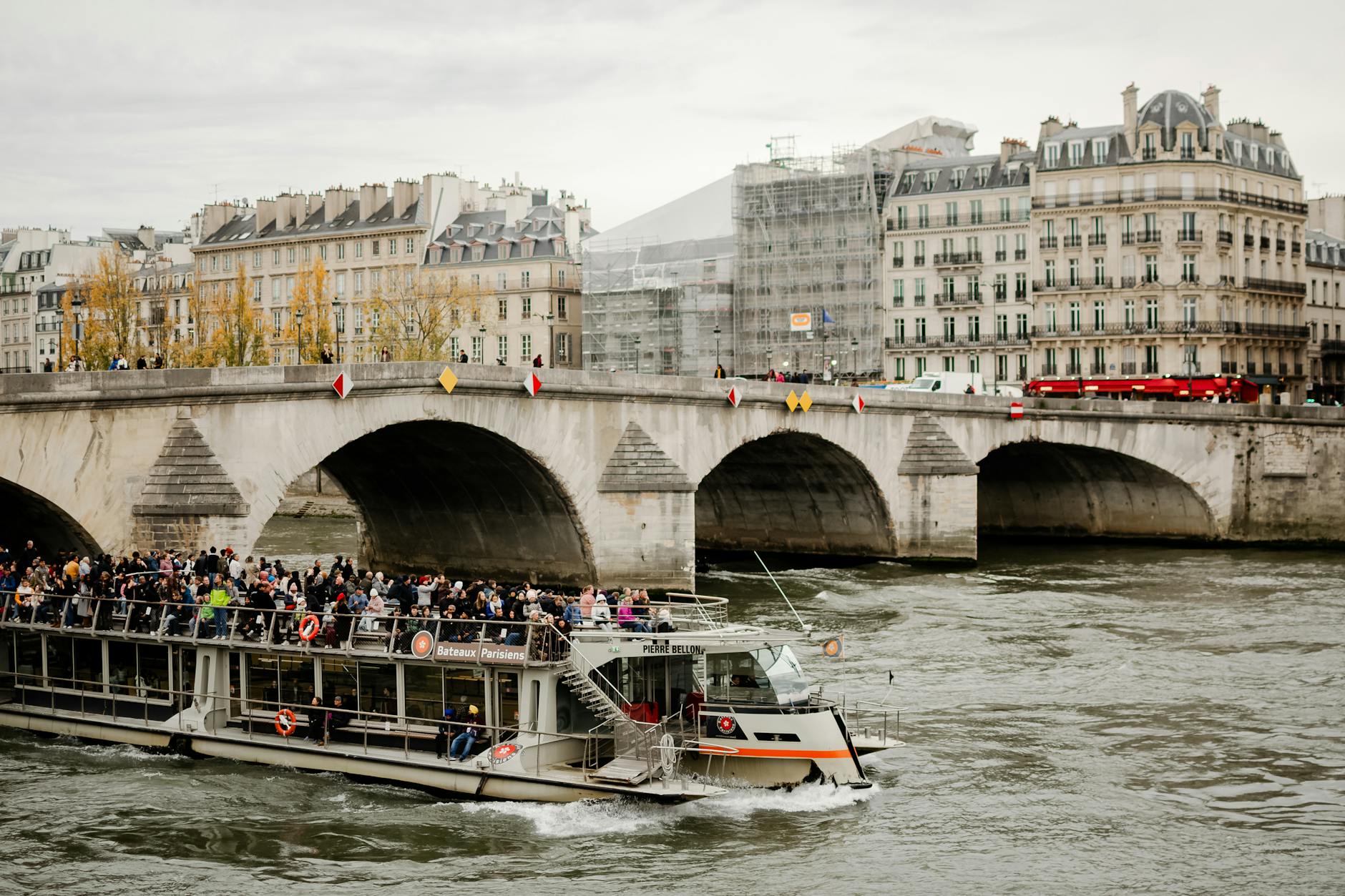
5:30 pm — the bouquinistes on Quai de Conti for prints and books, with the sun going down over the Seine.
7:30 pm — aperitif at Candelaria (52 rue de Saintonge) or Septime La Cave.
Frequently asked questions
Where do Parisians actually shop vintage?
Locals gravitate to the friperies in the 11th and 18th (Came Vintage, Tilt Vintage), the Sunday brocante in their own arrondissement, and Episode in the 2nd. The Marais is more touristed but still excellent.
Is Saint-Ouen worth visiting if I only have one day?
Yes, especially Saturday morning at Paul Bert Serpette. Even a two-hour walk turns up ideas and finds.
Can I find vintage Chanel and Dior?
You can. Mam’Zelle Swing, Didier Ludot, and Vintage Galerie are the three main addresses for archival couture, with prices from three hundred to fifteen thousand euros depending on the piece.
How do I ship furniture home?
The Saint-Ouen dealers all have preferred crating-and-shipping firms (Hedley’s Fine Art, Crown Worldwide). Budget three hundred to five hundred euros for a chair by air freight to the US, eight hundred to fifteen hundred for a sofa by sea. The dealer arranges it; you put down a deposit.
Is bargaining expected?
At the brocantes and Saint-Ouen, yes — expect ten to twenty-five percent off the ticket. At Marais boutiques and curated friperies, no; those prices are fixed.
Sunday opening hours?
Most Marais boutiques open Sunday eleven to seven. Saint-Ouen runs Saturday, Sunday, and Monday. Friperies in the 11th typically open Sunday two to eight.
Final word
Paris vintage rewards the patient and the focused. Pick three or four shops to work properly instead of a long list to graze, learn six French phrases of politeness and price-talk, carry cash and small bills, show up early at the brocantes and late at the boutiques. The payoff is the piece nobody else will own — a 1968 Saint Laurent silk scarf, a Pierre Jeanneret chair out of Chandigarh, a first edition of Hemingway’s A Moveable Feast bought from a bouquiniste who happened to know his great-niece.
Round out your trip
Use these to round out your trip: