French Perfume Shopping in Paris: Best Perfumeries & Scents to Try
Paris is the global capital of perfumery — the city where the niche-perfume movement was born in the 1960s with Jean Laporte and the Comptoir du Sud Pacifique, where Serge Lutens reset the language...

No other city decides what the world will smell like next. The niche-perfume movement was born here in the 1960s with Jean Laporte and the Comptoir Sud Pacifique; Serge Lutens rewrote the grammar of fragrance at the Palais Royal in the 1990s; and the seven biggest noses in French perfumery (Francis Kurkdjian, Olivier Polge, François Demachy, Dominique Ropion, Mathilde Laurent, Sophie Labbé, Aurélien Guichard) all keep ateliers inside the same tight cluster of streets between rue du Faubourg Saint-Honoré and Saint-Germain. This french perfume shopping in paris guide maps the city house by house, from the historic palaces (Guerlain, Caron, Jean Patou) to the modern niche names (Diptyque, Maison Francis Kurkdjian, Frédéric Malle, Serge Lutens, Buly 1803), with prices, signature scents, and how to book a consultation.
Read it next to our souvenir guide for packing perfumes home, our best shopping streets piece for context, our VAT refund guide for the twelve-percent tax saving, and our department store guide for the Galeries Lafayette Beauty Hall.
Why Paris is the perfume capital
French perfumery started in the 17th century, when Catherine de Medici’s personal perfumer set up in Grasse on the Côte d’Azur, a warm Mediterranean valley with exactly the climate to grow jasmine, rose, and tuberose. Three hundred years on, Grasse still grows the raw materials, but the noses, the houses, and the buyers all migrated to Paris, specifically the streets around rue du Faubourg Saint-Honoré (8th) and the Saint-Germain Left Bank (6th). Today roughly seventy percent of the world’s commercial fragrance launches are signed by a Paris-based nose, and the city holds the densest concentration of niche-perfume boutiques anywhere, perhaps two hundred fifty within central Paris alone.
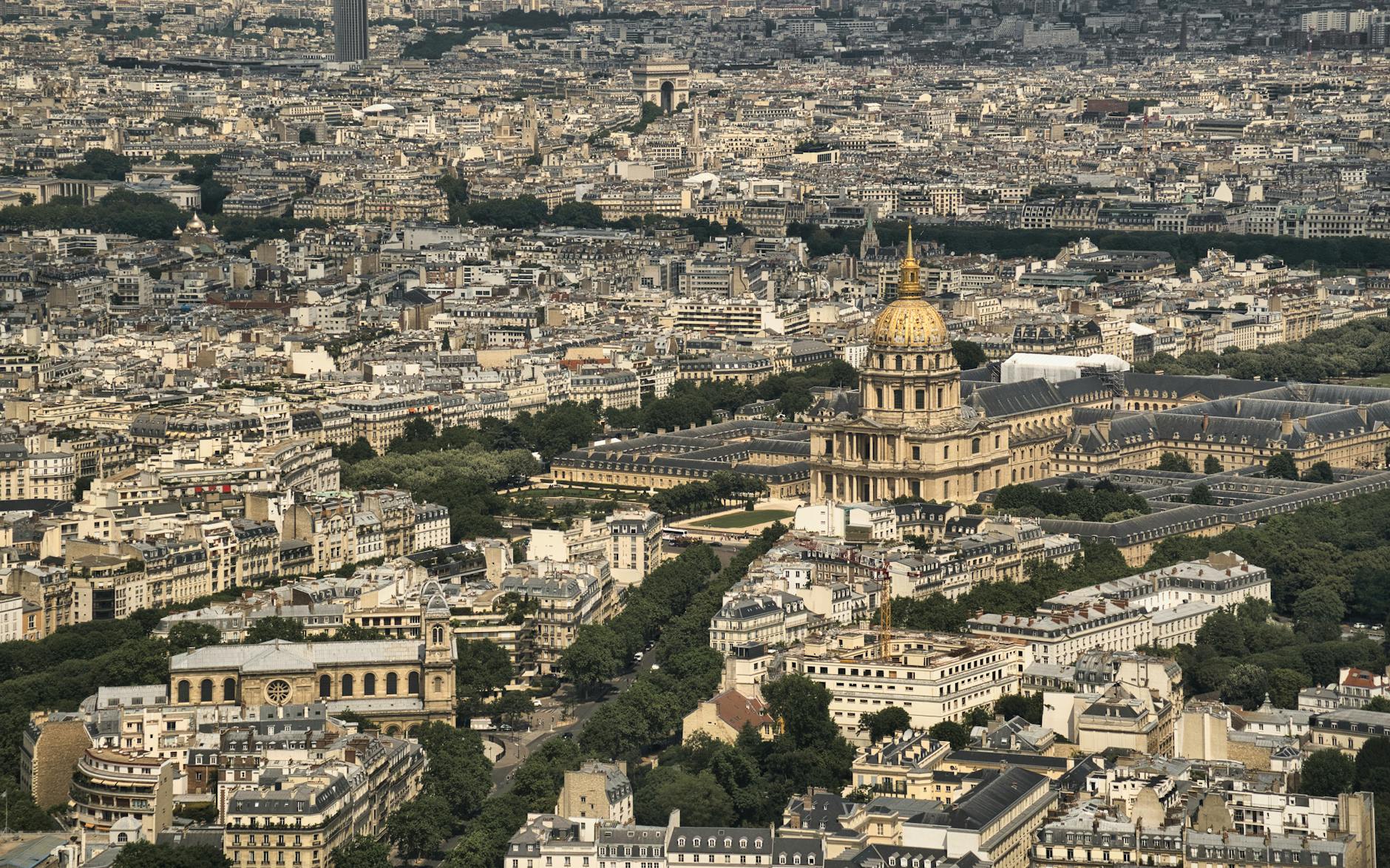
The seven historic French perfume houses
Guerlain (68 avenue des Champs-Élysées, 8th) is the oldest of the French houses, founded in 1828, with a flagship Maison Guerlain on the Champs designed by Jean-Michel Wilmotte. The signature is Shalimar (1925), the first oriental perfume, still in its original bottle. The flagship runs a private fragrance consultation (250 euros, two hours, by appointment) and a perfume-making class (350 euros, three hours, with a 100ml bottle to take home).
Caron (90 avenue des Champs-Élysées, 8th), founded in 1904, is remembered for the fountain bottle, the Baccarat crystal urn that perfume was decanted from in pre-war Paris. Signatures: Tabac Blond (1919), Pour un Homme (1934). The boutique still keeps a fountain bar where they decant straight into your own bottle.
Jean Patou (24 rue Cambon, 1st), the 1929 house, is famous for Joy (1930), billed at launch as the costliest perfume in the world. Patou was relaunched under LVMH in 2018, and the current Joy is by Thomas Fontaine.
Houbigant (founded 1775) is the oldest surviving perfume house in continental Europe, perfumer to Marie Antoinette in pre-revolutionary Paris. It sits today at 5 rue de Vendôme (1st), one street back from the Place Vendôme. Signature: Quelques Fleurs.
Lubin (1798) is another pre-revolutionary house, with a flagship in the 6th. Signatures: Black Jade, Idole de Lubin.
Roger & Gallet (4 rue Castiglione, 1st), founded 1862, is now best known for soap and eau de cologne. Its Jean-Marie Farina line is one of the few cologne formulas in continuous production since the 1700s.
Molinard (1849), the Grasse-born house, keeps a Paris boutique at 14 rue de Castellane (8th). It’s known for a personal-fragrance consultation (forty euros) where you build your own blend from forty raw materials.
The grandes maisons: Chanel, Dior, Hermes, Louis Vuitton, Guerlain
Past the historic standalone houses, the five great French fashion-and-perfume conglomerates run flagship perfume boutiques separate from their ready-to-wear shops. These are the names most visitors picture when they think of French perfume: Chanel No. 5, Miss Dior, Bal à Versailles, Terre d’Hermes, Coco Mademoiselle.
- Chanel Beaute (37 avenue Pierre 1er de Serbie, 8th) — the dedicated perfume-and-makeup flagship, open by appointment. Signature: No. 5 (1921), the most-purchased perfume in history.
- Le Grand Musée du Parfum at Dior, 30 avenue Montaigne (8th) — the maison Dior, with the perfume bar in the basement. The signature is Miss Dior (1947), alongside the modern heavyweights J’adore (1999) and Sauvage (2015), both noses by François Demachy.
- Hermès Parfums at 24 Faubourg (24 rue du Faubourg Saint-Honoré, 8th) — the perfume floor inside the historic flagship. The current nose, Christine Nagel, took over from Jean-Claude Ellena in 2014. Signatures: Terre d’Hermes (2006), Twilly (2017).
- Louis Vuitton Les Parfums (101 avenue des Champs-Élysées, 8th, and inside the Place Vendôme flagship) — perfume by Jacques Cavallier-Belletrud; signatures Apogee, Heures d’Absence.
- Guerlain Maison (described above) — the flagship of the founding French house.
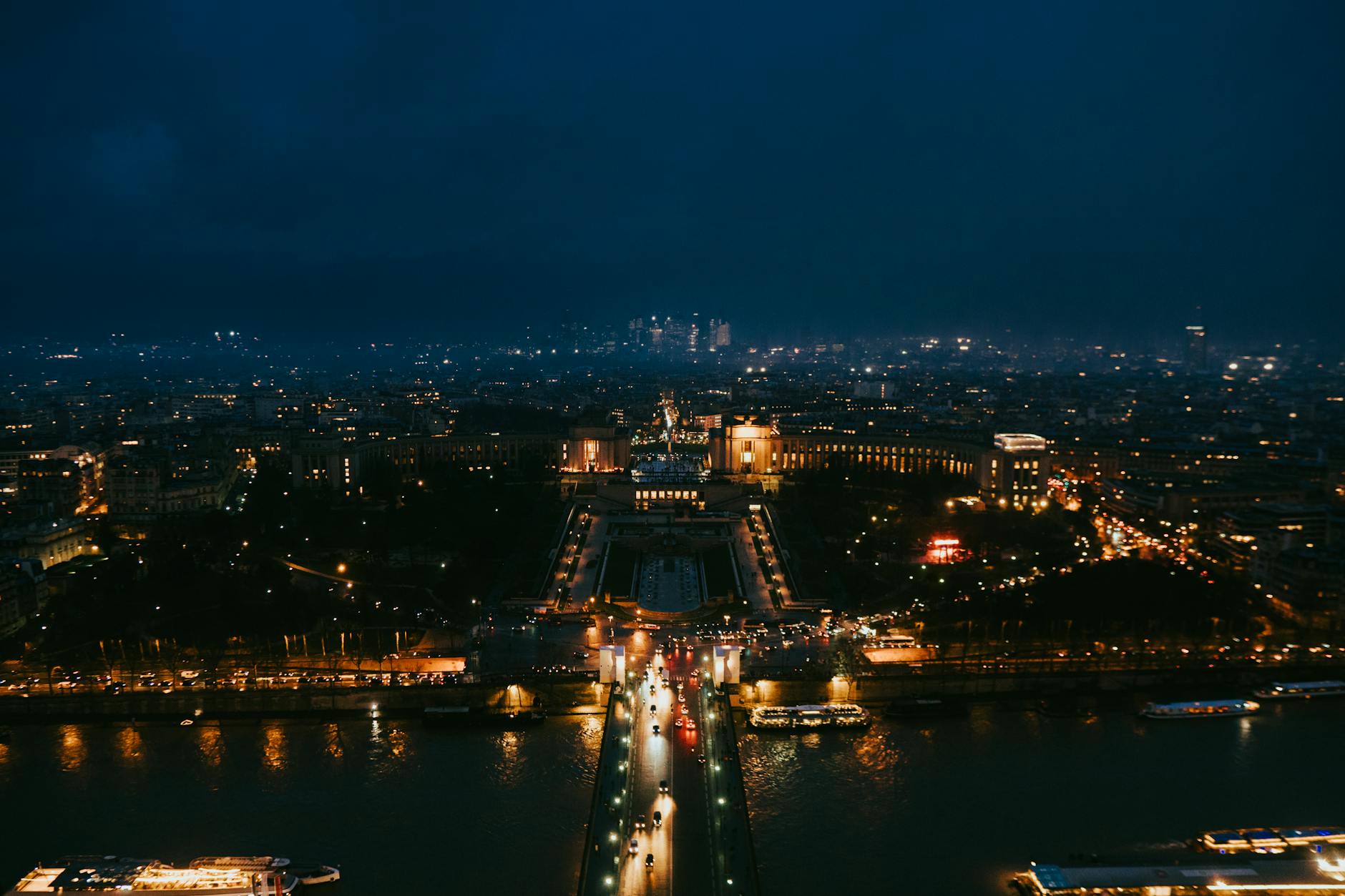
Niche perfume: where the connoisseurs shop
The niche-perfume movement was effectively invented in Paris by Jean Laporte (Comptoir Sud Pacifique, 1976) and pushed into art by Serge Lutens at the Palais Royal in 1992. The city now holds the largest, most concentrated niche scene on earth, roughly twenty-five major houses, each with at least one Paris boutique.
Serge Lutens (Palais Royal, 142 Galerie de Valois, 1st) is the cult house, set deep in the Palais Royal arcades. Signatures: Ambre Sultan, Féminité du Bois, Chergui. The boutique itself, designed by Christian Astuguevieille in purple and gold, reads like a cathedral built for perfume, and most of what’s inside is exclusive to this address and sold nowhere else.
Maison Francis Kurkdjian (5 rue d’Alger, 1st, and 16 rue Vignon, 8th) was founded in 2009 by Francis Kurkdjian, formerly the nose behind Jean Paul Gaultier and Acqua di Parma. Signature: Baccarat Rouge 540, the most-Googled niche perfume of the 2010s.
Éditions de Parfums Frédéric Malle (37 rue de Grenelle, 7th, and 21 rue du Mont Thabor, 1st) runs on Malle’s editorial idea: invite the world’s top noses to compose under their own names. Signatures: Carnal Flower by Dominique Ropion, Portrait of a Lady, Musc Ravageur, Bigarade Concentre.
Diptyque (34 boulevard Saint-Germain, 5th) is the candle-and-fragrance house founded in 1961 at this very address. Signatures: Philosykos, Tam Dao, Eau Duelle, Vetyverio.
L’Artisan Parfumeur (flagship at 24 boulevard Raspail, 6th) is Jean Laporte’s original niche house, founded 1976. Signatures: Mure et Musc, Thé pour un Été, Premier Figuier.
Buly 1803 (the loveliest branch is 6 rue Bonaparte, 6th) revived the Belle Époque pharmacy look in a 2014 relaunch. Signatures: Eau Triple Mexican Tuberose, Thé Manchurien.
Annick Goutal (12 place Saint-Sulpice, 6th), now called Goutal Paris, is the romantic niche house founded in 1981. Signatures: Eau d’Hadrien, Eau du Sud, Petite Cherie.
Other essential niches: Memo Paris (15 Rue des Saints-Pères, 6th), Atelier Cologne (8 rue Saint-Florentin, 1st), Le Labo (6 rue Bourg-Tibourg, 4th), Penhaligon’s (Galerie du Plaza Athenee), and Jovoy (4 rue de Castiglione, 1st, a multibrand niche temple carrying 150-plus houses).
Jovoy: the multibrand niche temple
Jovoy (4 rue de Castiglione, 1st) is the best-curated multibrand niche shop on the planet, the one place to compare twenty niche houses side by side in a single visit. The shelves run Naomi Goodsir, Histoires de Parfums, Olfactive Studio, MDCI, Profvmvm Roma, Tauer, Mona di Orio, and about one hundred fifty other houses. The smart way to navigate it is a thirty-minute consultation with one of the in-house perfumers, who will pull twelve to fifteen blends from what you describe and talk you through each one. The consultation is free, with no obligation to buy.
Pricing: what to expect
- Grandes maisons (Chanel, Dior, Hermès, LV) — 100ml eau de parfum 130 to 250 euros; 50ml 100 to 180 euros; 30ml 70 to 130 euros.
- Historic French houses (Guerlain, Caron, Patou) — 100ml 100 to 280 euros depending on concentration.
- Niche perfume (Maison Francis Kurkdjian, Frédéric Malle, Serge Lutens) — 100ml 200 to 400 euros; 50ml 130 to 250 euros; 35ml 70 to 130 euros.
- Diptyque, Buly, L’Artisan Parfumeur — 100ml 130 to 180 euros; 75ml 100 to 150 euros.
- Custom (bespoke) fragrance — Guerlain’s private bespoke service starts at 35,000 euros for a 100ml flacon (one client per year). Far more attainable: Molinard’s perfume-making class (40 euros, with a 100ml bottle of your own blend to take home).
- Pharmacy perfume — on a tight budget, City Pharma (26 rue du Four, 6th) stocks Embryolisse, Avene, Bioderma, plus a few niche edges (Le Couvent des Minimes, Acca Kappa) at 20 to 60 euros for 50ml.
Bespoke and personalised perfume experiences
Paris is the only city with several working bespoke-perfume studios where you can commission a scent of your own. The range is wide, from a drop-in class at forty euros to a full private commission north of 35,000.
- Molinard (14 rue de Castellane, 8th) — the most accessible. The class is forty euros for two hours and sends you home with a 100ml bottle of your own blend. Book online; runs daily.
- Candora (1 rue Charles V, 4th) — a Marais studio where you blend twenty raw materials into a personal scent. Two hours, 110 euros, with a 50ml bottle plus your formula kept on file for reorders.
- The Perfume Library at Guerlain (68 avenue des Champs-Élysées) — the flagship Maison Guerlain experience. 350 euros for three hours, with a 100ml bottle to take home.
- Officine Universelle Buly — a free in-store personal-blend consultation, plus engraving on your bottle (twenty euros).
- Chanel Le Grand Numero — the top-tier bespoke commission, by invitation only.
Packing perfume to fly home
Perfume is fragile, regulated cargo. Three rules cover it:
- Carry-on liquids cap at 100ml per container inside a single one-litre transparent zip-top bag. Carrying several 100ml flacons? Check at least one or two in the hold. For 30ml and 50ml sizes, carry-on is fine.
- Wrap each flacon in clothing or a padded sleeve. The danger is glass cracking from compression at altitude or rough handling. Most Paris boutiques will gift-wrap and bubble-wrap on request.
- Mind the customs declarations. Most countries wave through personal quantities (one or two bottles) duty-free, but commercial quantities (five or more identical flacons) can trigger import VAT and a declaration. UK travellers: perfume counts against the 390-pound personal allowance.
Itinerary: one-day perfume tour of Paris
10:00 am — Palais Royal (Métro Palais Royal-Musée du Louvre). Start at Serge Lutens, then walk the colonnade to Maison Francis Kurkdjian.
11:30 am — Jovoy (4 rue de Castiglione) for the multibrand niche temple. Schedule the thirty-minute consultation in advance.
1:00 pm — lunch at Café Marly (under the Louvre arcades, 93 rue de Rivoli) or Telescope Café (5 rue Villedo).
2:30 pm — Métro to Saint-Germain. Diptyque at 34 boulevard Saint-Germain, then Goutal Paris at place Saint-Sulpice, then Éditions de Parfums Frédéric Malle at 37 rue de Grenelle.
4:30 pm — Buly 1803 at 6 rue Bonaparte. Sit down with a pot of thé Manchurien and ask for an engraving on your bottle.
5:30 pm — walk to L’Artisan Parfumeur (24 boulevard Raspail) and Memo Paris (15 Rue des Saints-Peres). Finish at Le Bon Marché (24 rue de Sevres), which packs in more perfume counters than any other Paris department store.
8:00 pm — aperitif at Le Comptoir du Relais or Café de Flore.
Frequently asked questions
What is the most quintessentially French perfume to buy?
Chanel No. 5 is the classic answer. For something more individual, try Eau d’Hadrien by Goutal, Eau Sauvage by Dior, or Habanita by Molinard.
Is Paris cheaper for perfume than my home country?
For European and French brands, yes — usually twenty to thirty percent below US retail before the VAT refund, so closer to thirty-five to forty-five percent once the détaxe lands. For Italian and American brands, the gap is much smaller.
Can I sample before buying?
Always — every Paris perfume boutique wants you to sample. The niche shops (Lutens, Malle, Jovoy) keep a discovery bar with cards and blotters. Give each visit at least fifteen minutes, and don’t test more than six fragrances in one session or your nose stops being able to tell them apart.
Do they sell minis or sample sets?
Most niche houses offer 10ml and 35ml minis, the “discovery set,” usually six to twelve scents for twenty to forty euros total. Maison Francis Kurkdjian, Frederic Malle, Diptyque, and Le Labo all do excellent ones.
What about pharmacy perfume?
City Pharma (26 rue du Four, 6th) is the legendary discount pharmacy with the best perfume bargains in central Paris. The lines are long, but prices run forty percent below boutique. Bring patience and exact change.
Do the boutiques speak English?
They do. Every major perfume boutique in central Paris has at least one English-speaking associate, often a perfumer-trained consultant.
Final word
Perfume shopping in Paris is a sensory exercise more than a transaction. Space the visits at least an hour apart, walk the streets between boutiques to reset your nose, and bring a small sample of whatever you wear now so the in-store perfumer has a reference point. What you walk away with is almost always a scent fused to the city for good — the one bottle that, uncapped in a bathroom in Brooklyn, drops you straight back into a Tuesday afternoon at the Palais Royal.
Related Paris guides
Use these to round out your trip: