Paris Fashion Week: Can Tourists Attend? A Visitor’s Guide
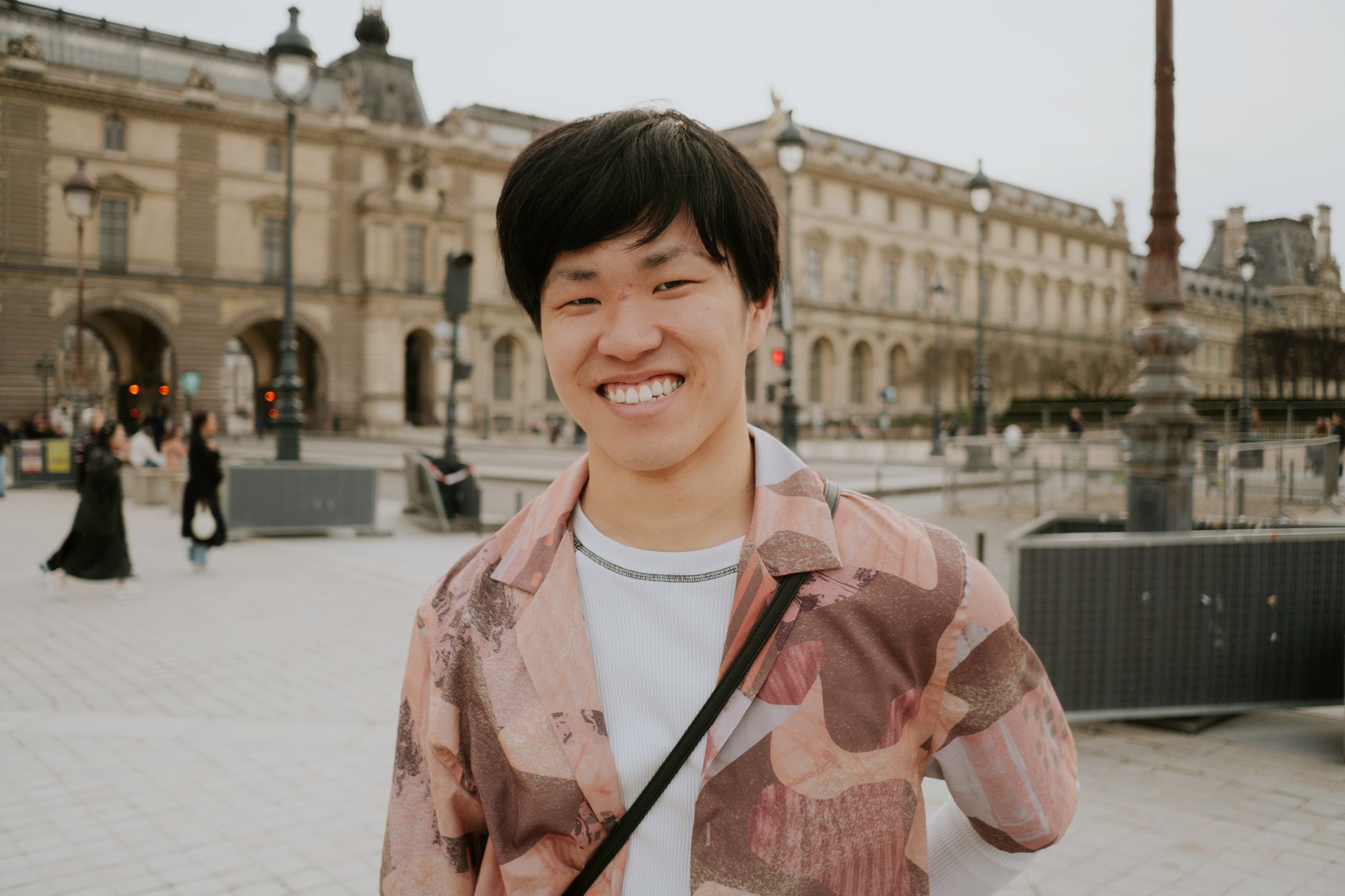
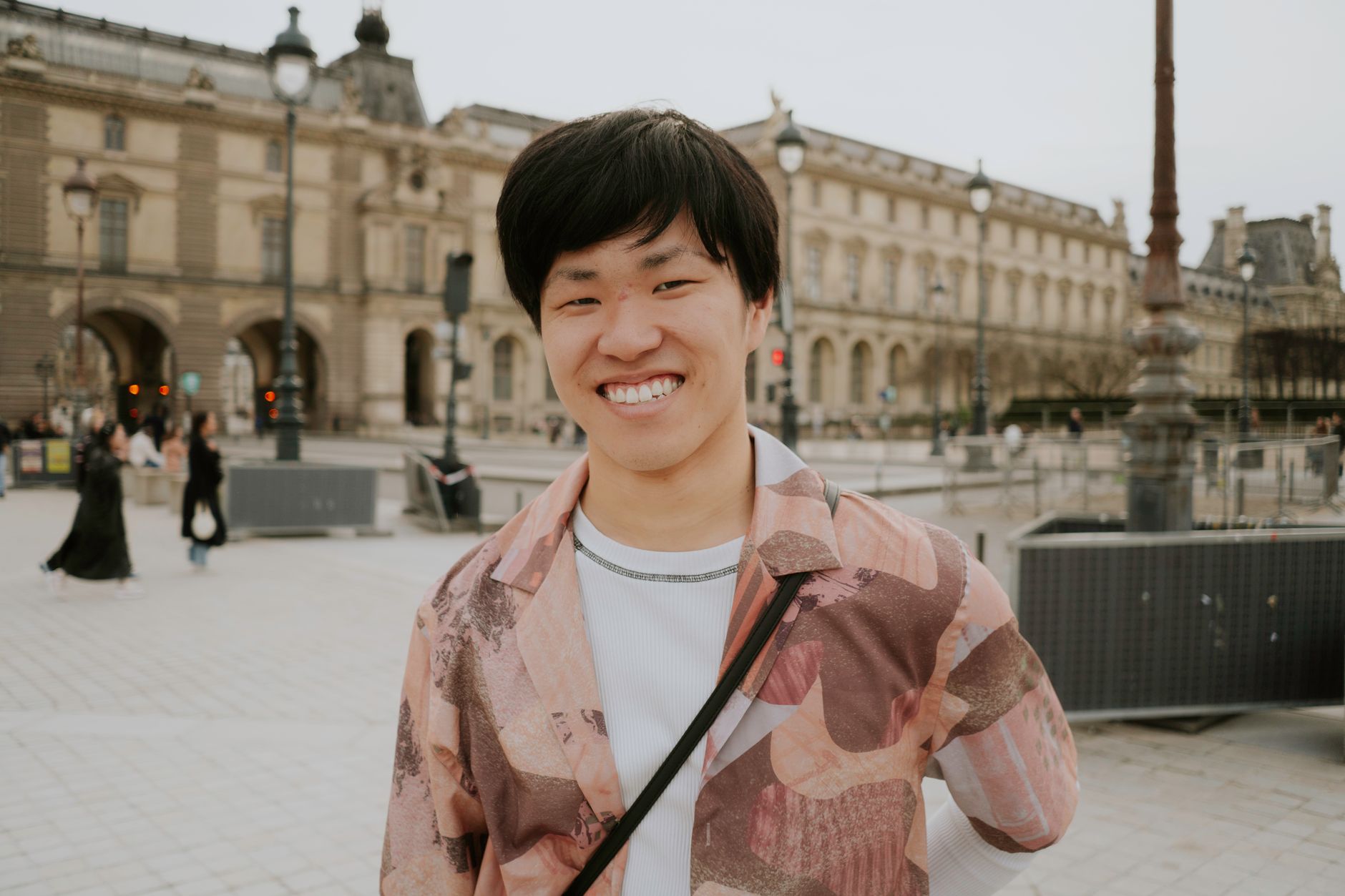
Here’s the thing nobody tells you about Paris Fashion Week: the part that matters to a visitor happens on the street, not inside the shows. The runways are invitation-only, full stop. But for ten days, twice a year (March for Autumn/Winter, September for Spring/Summer), the entire global fashion machine descends on Paris, and the city turns into a moving exhibition: editors with garment bags, photographers ambushing influencers, models stepping out of black SUVs onto the cobbles. Of the four big fashion weeks, alongside New York, London, and Milan, this is the one everyone treats as the main event. This paris fashion week visitor guide covers the 2026-2027 dates, the public events you can actually get into, the best corners for street-style watching, the free screening venues, and how to do the week without an industry pass.
Read it next to our best time to visit Paris guide, our vintage shopping guide, our perfume shopping guide, and our shopping streets guide for the wider fashion picture.
Paris Fashion Week 2026-2027 dates
The whole calendar is run by the Federation de la Haute Couture et de la Mode (FHCM), slotted in around the New York, London, and Milan dates. Here’s 2026 into early 2027:
- Couture Spring/Summer 2026 — 26 to 29 January 2026 (concluded).
- Men’s Autumn/Winter 2026-2027 — 20 to 25 January 2026 (concluded).
- Women’s Autumn/Winter 2026-2027 — 2 to 10 March 2026 (concluded).
- Men’s Spring/Summer 2027 — 23 to 28 June 2026.
- Couture Autumn/Winter 2026-2027 — 6 to 9 July 2026.
- Women’s Spring/Summer 2027 — 28 September to 6 October 2026.
If you only catch one, make it the Women’s Spring/Summer week in late September and early October. It’s the biggest and most prestigious of the year, when the heavy hitters show (Chanel, Dior, Louis Vuitton, Hermes, Saint Laurent, Givenchy, Balenciaga), and it’s when the street energy and the public programming hit their peak.
What is Paris Fashion Week, exactly?
Strip away the glamour and it’s a trade event. This is the week the big houses show next season’s collections to buyers, press, and influencers. Each major house stages a runway show (a defile) at a serious venue, the Grand Palais, the Palais de Tokyo, the Louvre’s Carrousel, a private hotel or townhouse, in front of an invited audience of 600 to 2,000. Out of those shows come the runway photos, the reviews, and the buying decisions that set the season’s retail in motion.
Around the shows sits a whole second economy: trade fairs for the buyers (Premiere Vision, Tranoi), showroom presentations from smaller designers, industry parties at hotels and clubs, brand activations all over town, and the influencer machine that now drives half of it, paid appearances and brand-partnered shoots.
The pace is brutal. Up to twelve shows a day across the city, with attendees shuttling between them by car. For the people working it, the week is exhausting and ruinously expensive. For you, it means photographers, models, editors, and stylists on practically every block, which is the whole appeal.
What tourists can do during Fashion Week
You can’t get into the runways, but the city lays on plenty you can. The genuinely open options:
Free runway screenings at the Hotel de Ville — the plaza in front of city hall hosts live big-screen broadcasts of selected shows on the main Fashion Week dates. Free, well attended, and surprisingly fun, with food trucks and music filling the gaps between shows. Check the City of Paris (paris.fr) Fashion Week page each season for the screening schedule.
Palais Galliera (Fashion Museum of Paris) — the city’s dedicated fashion museum at 10 avenue Pierre Ier de Serbie in the 16th. It runs major exhibitions year-round and times big ones to the fashion weeks. The collection holds haute couture from Worth, Vionnet, Chanel, Dior, Yves Saint Laurent, and living designers. Tickets 15-18 euros. If you care about fashion at all, the Fashion Week show here is the one fixed destination on your list.
Pop-up stores and brand activations — brands run week-long pop-ups across the Marais, Saint-Germain, and the 8th. They’re free to walk into, you can shop, try things, and talk to brand staff. Locations usually go up on the brand’s social channels a week or two before the week starts.
Department-store windows and floor displays — Galeries Lafayette, Printemps, Le Bon Marche, and BHV Marais sync special windows and ground-floor activations to the schedule, and they keep normal hours all week.
Concept stores — the big Paris concept shops (Merci, the Colette legacy carried on at L’Eclaireur, The Broken Arm, Empreintes, Officine Universelle Buly) all schedule Fashion Week events: product launches, designer appearances, afternoon teas.
Street style watching — the best locations
The logic is simple. Shows happen at fixed venues, audiences arrive and leave at fixed times, and the street-style photographers stake out the entrances to catch the editor and influencer arrivals. Stand where they stand. The venues worth positioning around:
Grand Palais Ephemere — the temporary glass-and-steel hall on the Champ de Mars (in service until the Grand Palais is fully back post-renovation). A lot of the major shows land here, and the plaza on the Eiffel Tower side is the iconic street-style spot.
Palais de Tokyo — 13 avenue du President Wilson, 16th. Several shows, with photographers working the plaza out front.
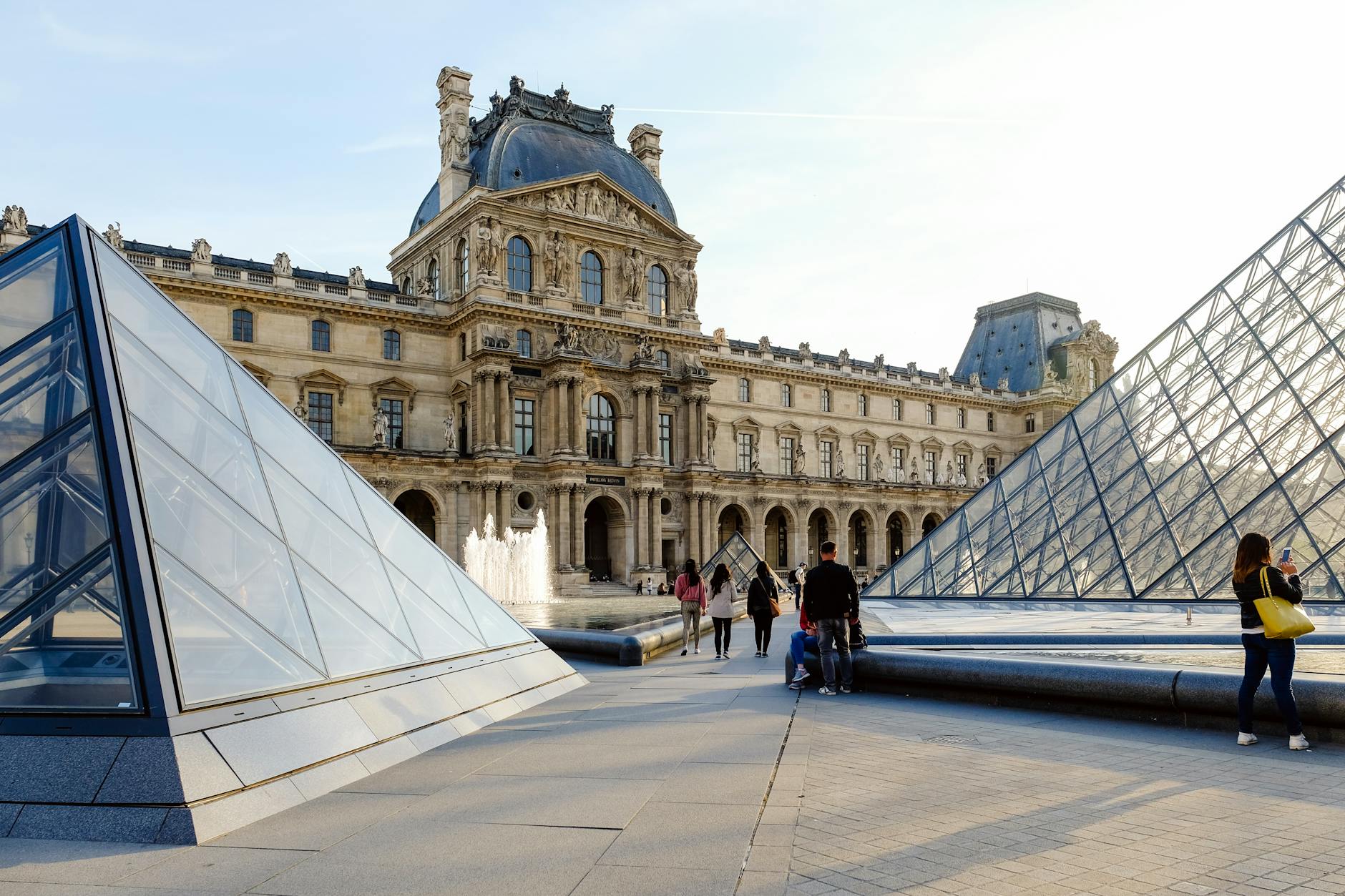
Louvre Carrousel — the underground hall beneath the Carrousel garden. Multiple shows through the week; the Place du Carrousel above is where the public can watch the comings and goings.
Hotel de Crillon — the grand hotel on the Place de la Concorde hosts couture presentations during the couture weeks, and the lobby and front entrance are open to anyone walking by.
Place Vendome — the jewellery and watch houses (Chanel, Cartier, Boucheron) run presentations and parties during the couture weeks, and the square itself is a nonstop parade of editor arrivals.
The Marais — this is where the pop-ups, presentations, and showroom appointments cluster thickest. Honestly, just walking the Marais during Fashion Week is the best show in town: garment bags everywhere, photographers chasing down the next influencer, models climbing out of black SUVs into narrow cobbled lanes.
Where to stay during Fashion Week
Hotels go fast. Book six to eight weeks out, and earlier for the top luxury names. Pricing peaks, roughly on a par with July. The industry hotels, which sell out first:
Hotel de Crillon — Place de la Concorde. An industry favorite for the couture weeks. Rooms from 1,400 euros.
Le Bristol — 112 rue du Faubourg Saint-Honore. Another industry favorite, where a lot of the editor breakfasts and meetings happen. Rooms from 1,200 euros.
Hotel Costes — 239 rue Saint-Honore. The lobby is the industry meeting point and the bar is booked solid. Rooms from 800 euros.
Plaza Athenee — 25 avenue Montaigne. Sitting on the luxury fashion avenue makes it about as convenient as it gets. Rooms from 1,200 euros.
The Hoxton, Paris — 30-32 rue du Sentier. The mid-priced industry-and-influencer pick, with a rooftop bar that doubles as a meeting spot. Rooms from 250 euros.
If you’re not in the trade, skip all that. The Marais boutiques (Le Petit Moulin, Hotel Paradis, Hotel Jules et Jim) and the Saint-Germain boutiques (Le Bel Ami, Hotel Saint-Germain, Le Saint-Andre-des-Arts) put you in the middle of everything for 250-450 euros a night during the week.
Restaurants and the industry circuit
The industry eats at the same handful of places every season, and they fill up fast. Book four to six weeks ahead for any of these:
Caviar Kaspia — 17 Place de la Madeleine. The classic industry lunch and dinner. Book ahead.
Loulou — in the Tuileries Gardens. That terrace lunch is the go-to for editors and influencers during the September week.
Hotel Costes restaurant — the dining room inside the industry hotel, and notoriously hard to book during the week.
L’Avenue — 41 avenue Montaigne. The lunch spot on the luxury avenue. Book ahead.
Le Voltaire — 27 quai Voltaire. A Saint-Germain favorite of the Anna Wintour generation of editors.
Anahi — 49 rue Volta, in the Marais. The Argentine steakhouse the industry decamps to for late dinners.
And it’s not just the industry spots. The regular Paris heavyweights (Septime, Frenchie, Le Clamato, Le Servan, Verjus) all tighten up too. The usual two-to-three-week booking window stretches to four to six during Fashion Week.
Fashion Week parties and after-show events
The parties themselves are invitation-only, but the venues that host them are open the rest of the time:
Silencio — 142 rue Montmartre. The David Lynch-designed members club that hosts the big fashion-house after-parties. The 23-hour evening session (11 pm to 6 am) on Saturday nights during the weeks is the legendary late-late party.
Castel — 15 rue Princesse. The Left Bank’s legendary club, an industry favorite on couture-week evenings.
Le Crillon — the hotel bar at the Crillon runs cocktail evenings through the weeks.
Bar Hemingway at the Ritz — the famous bar in the Place Vendome hotel, and a reliable industry meeting point.
Brach — 1-7 rue Jean Richepin, 16th. The Philippe Starck-designed hotel bar, another industry haunt.
For the rest of us, the rooftop bars (Le Perchoir Marais, Madame Reve, the Terrass” Hotel rooftop) pull in some of the industry crowd come evening. See our rooftop bars guide.
Shopping during Fashion Week
There’s no better moment to visit the flagship boutiques than this one, when the houses are showing off:
Avenue Montaigne — Chanel, Dior, Louis Vuitton, Givenchy, Celine, Saint Laurent, Valentino. The luxury avenue, where most of the houses keep their flagship.
Rue du Faubourg Saint-Honore — Hermes (at number 24), Lanvin, Goyard. The historic luxury street.
Rue Saint-Honore — Chanel Saint-Honore (the headquarters), Schiaparelli, Ami, and the major names on the rise.
Avenue George V — Givenchy, Balenciaga, and a run of Asian-and-French collaborations.
The Marais — the contemporary and emerging-designer end: Maje, Sandro, The Kooples, Acne Studios, A.P.C., and dozens of independents.
Pop-up shops and sample sales kick in during the weeks too. Watch the brands’ social media a week or two out for the addresses. Sample sales, where runway samples and unsold collections go at industry-discount prices, tend to happen in the Marais and the showrooms of the 11th.
Practical advice for visitors
Dress code: Paris dresses well all year, and Fashion Week dials it up, but you don’t need head-to-toe designer. Polished everyday clothes, the chic-casual Paris baseline, are plenty. A black trench and good jeans is the safe local uniform and holds up fine here.
Photography: shoot the public street scenes all you like. The pros won’t budge for you, so place yourself with some awareness of their sightlines. And read the room, if an editor or attendee clearly doesn’t want the lens, leave them be.
Transport: the venues are scattered. Walking between them by day is the best way to absorb the atmosphere, and the Metro handles the longer hops. Taxis are nearly impossible to find during the week (the industry pre-books black cars), so plan ahead.
Reservations: hotels, restaurants, and the major museums, six weeks out at the absolute minimum. The popular places go earlier than they normally would.
Budget: everything peaks, hotels, restaurants, shopping. Reckon on 30-40 percent more than a normal October trip.
Combining Fashion Week with other Paris activities
September Women’s Fashion Week happens to land in a crowded cultural stretch, which works in your favor. It overlaps with:
The gallery season opening — the contemporary art season kicks off in mid-September. Major shows at the Pompidou, the Palais de Tokyo, the Bourse de Commerce, the Fondation Louis Vuitton, and the Petit Palais are either opening or in their first weeks.
Nuit Blanche — the first Saturday of October, an all-night art crawl. The Fashion Week Saturday at the end of September sometimes brushes up against it.
Vendanges de Montmartre — the second weekend of October, the harvest festival, which can catch the tail end of Fashion Week.
FIAC art fair — the big international contemporary fair, mid-October at the Grand Palais Ephemere. It books out completely.
Plan around what you can actually attend. Build the trip from the public events you want, the Hotel de Ville screenings, the Palais Galliera shows, the gallery openings, and don’t waste energy chasing doors that won’t open.
Frequently asked questions
Can I get into a Fashion Week runway show?
Almost certainly not. The shows are invitation-only with tight access control. Buyers, press, and influencers with verified followings get in on their professional credentials; tourists don’t. The one exception is the occasional public-access show during couture week, which gets listed on the FHCM calendar.
What is the best Fashion Week to visit as a tourist?
The September Women’s Spring/Summer week, no contest, the largest, the liveliest, the most photographed. The March Women’s Autumn/Winter week is the runner-up. The men’s and couture weeks are smaller and far less visible from the street.
Are prices significantly higher during Fashion Week?
Yes. Hotels and restaurants charge premium rates. Budget 30-40 percent over a normal October trip, and flights run close to peak-summer prices.
Should I dress up?
Polished everyday clothes do the job, a trench, well-fitted basics, a scarf, smart but comfortable shoes. You don’t need designer head to toe. The streetwear-and-trainers tourist look is what actually stands out as out of place during the week.
Is Fashion Week worth visiting if I am not in the industry?
It is, as long as you know what you’re signing up for. The city runs on fashion energy, the public events (Hotel de Ville screenings, Galliera shows, pop-ups) are substantial, and the street-style watching is genuinely one of a kind. Budget for the premium and book early, and if you treat fashion as a cultural spectacle, you’ll get plenty out of it.
Final thoughts
The runways stay closed to you, but the city around them throws itself open. Lock in hotels and restaurants six weeks out, lean on the public programming (Hotel de Ville screenings, Palais Galliera, the pop-ups), stake out the show venues (Grand Palais Ephemere, Palais de Tokyo, Louvre Carrousel, Place Vendome) for the street style, and go in treating the week as cultural tourism rather than a backstage pass. Set your expectations there, and Paris Fashion Week is one of the most rewarding weeks of the year to be in the city.
More to explore
Use these to round out your trip: