Paris Events Calendar 2026: Every Festival & Event Worth Attending
Once you start tracking it, the Paris calendar changes how you plan a trip. Few cities its size pack in this many festivals, fairs, and one-off cultural events, and the lineup runs the full range: huge and tiny, free and ticketed, single-neighborhood and city-wide. For my money it’s the second thing to check after the weather, because the right week can hand you a free all-night art crawl or a million-person street party you’d never have known about. This paris events calendar annual festivals guide walks the whole year month by month, with the big events flagged, dates and locations and ticket info attached, and a clear steer on which ones are actually worth building a trip around. Read it next to our best time to visit Paris guide for the seasonal picture, and dig into the deep-dive guides for the headline events (Bastille Day, Christmas, New Year’s Eve, Fashion Week, Nuit Blanche).
One note before we start: anything marked “annual” lands on roughly the same dates each year. Where a specific 2026 date is confirmed, it’s here, but always confirm against the official source close to your trip.
January
Galette des Rois (1-31 January) — January is galette season, the French take on Epiphany. Patisseries all over the city sell the puff-pastry galette filled with almond cream, each one hiding a little ceramic figurine (the feve) and packed with a gold paper crown; whoever bites into the feve wears the crown for the night. The star bakers (Pierre Herme, Cedric Grolet, Jacques Genin, Du Pain et des Idees) turn out sculptural versions that are worth a special trip in their own right. 25-80 euros a galette.
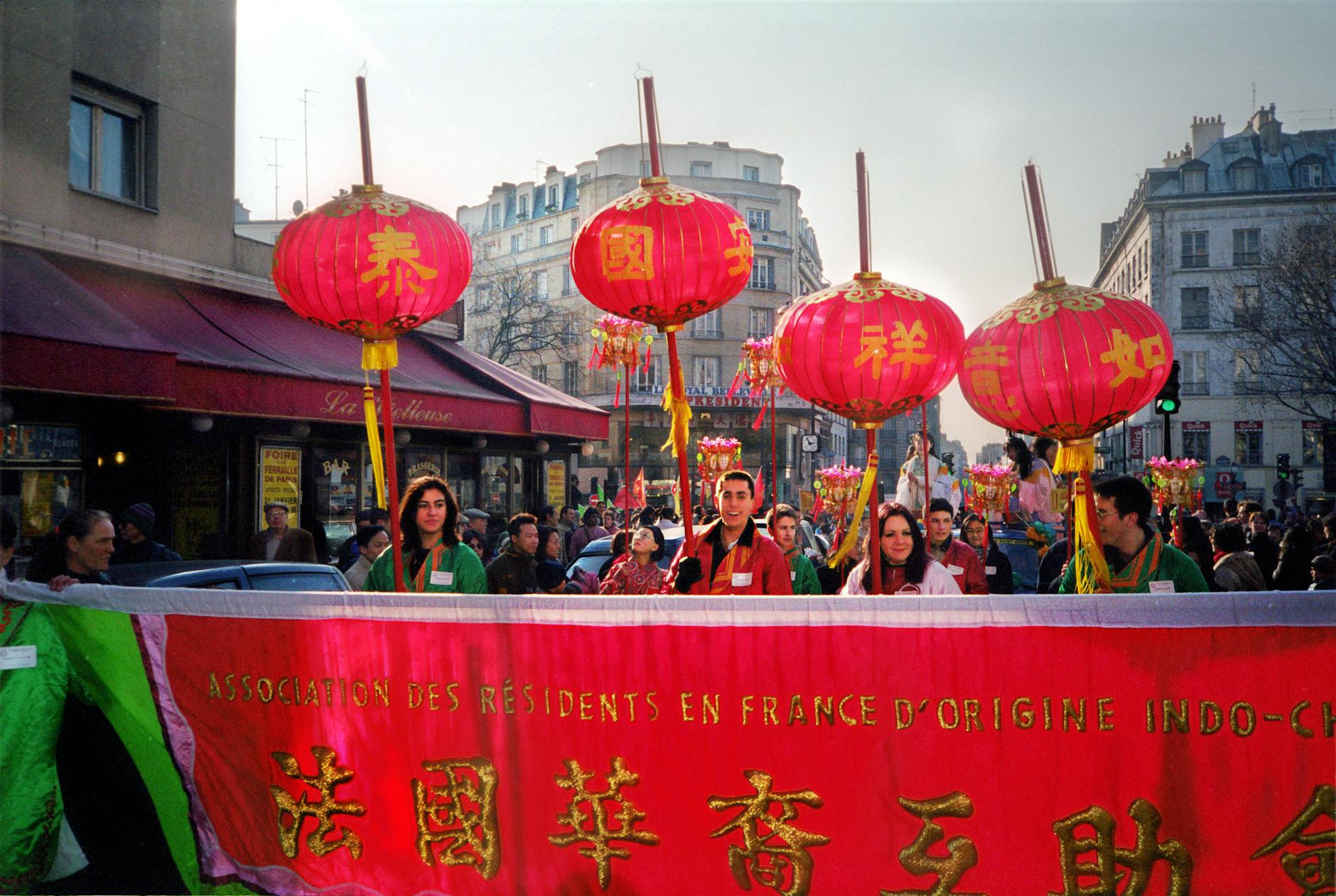
Lunar New Year Parade (late January or early February) — the Chinese community’s parade in the 13th arrondissement, and the biggest cultural event of the winter. Dragons, lion dances, food stalls, the works. It’s free, but get there 1 to 2 hours early for a curbside spot on avenue d’Ivry or rue de Tolbiac.
Men’s Fashion Week (20-25 January 2026) — the menswear collections, with public screenings at the Hotel de Ville and pop-ups scattered through the Marais.
Couture Fashion Week (26-29 January 2026) — the haute couture shows, the most exclusive week on the fashion calendar. Public programming clusters around Place Vendome and the big couture houses.
Winter sales (les soldes d’hiver) — these kick off the second Wednesday of January (14 January 2026) and run six weeks. Steep markdowns across clothing, accessories, and homeware. If you’re shopping for fashion or luxury, this is the best window of the year.
February
Valentine’s Day (14 February) — restaurants roll out elaborate set dinners, hotels push romantic packages, and jewellery boutiques host afternoon-tea events. Book your table 2 to 4 weeks out. Pont des Arts and the I-love-you wall (Le Mur des Je t’Aime in Montmartre) turn into photo queues.
Salon de l’Agriculture (last week of February into the first week of March) — the national farm fair at Porte de Versailles, and a genuinely French institution. Live animals, regional food and wine pavilions, the whole country’s agriculture under one roof. Tickets are 16 euros, it’s great for kids, and it draws far more locals than tourists.
Cinema Festival (mid-to-late February) — for one week, participating cinemas drop tickets to 4 euros. Cheap films if you happen to be in town and the weather’s grim.
March
Women’s Fashion Week Autumn/Winter (2-10 March 2026) — the main March fashion week, bigger than January’s menswear edition, with a wide spread of public events.
Salon du Livre de Paris (mid-March) — the big French book fair: authors, publishers, signings, ticketed entry. It’s the publishing industry’s event of the year.
Banlieues Bleues Jazz Festival (mid-March to early April) — six weeks of jazz across the northern suburbs of Seine-Saint-Denis, with concerts in Aubervilliers, Saint-Denis, Pantin, and Bobigny. Ticketed but affordable, and a good excuse for jazz fans to get out beyond the center.
First spring blooms — magnolias peak in late March, and the first cherry blossoms appear at Parc de Sceaux.
April
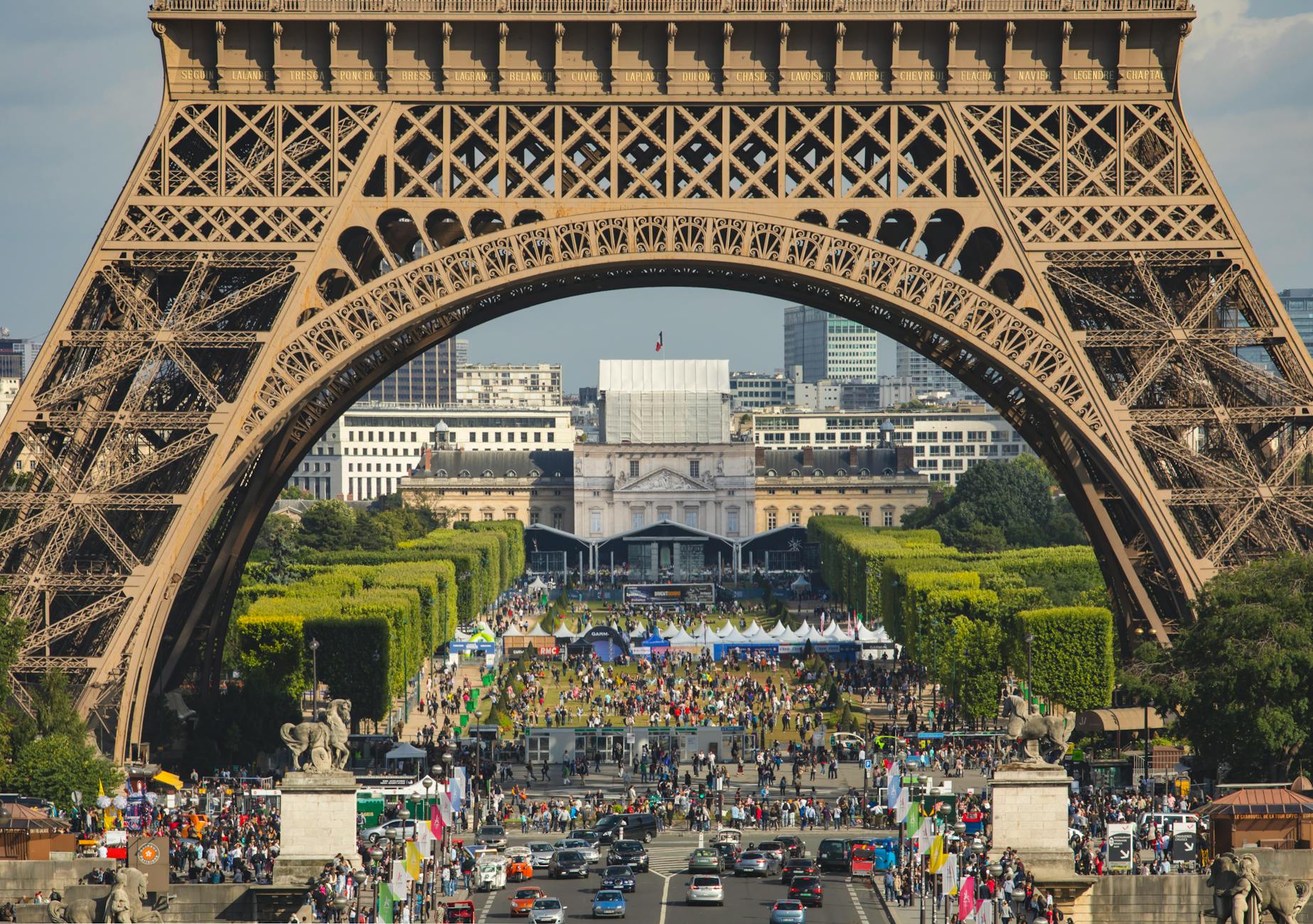
Cherry blossom peak (10-20 April) — our Paris in spring guide maps out the full photography route. The best stands are at Champ de Mars, Trocadero, Jardin des Plantes, Parc de Sceaux, Petit Palais, and Parc Monceau.
Marathon de Paris (early April, first Sunday) — 40,000 runners winding through the center, past the Champs-Elysees, the Louvre, Bastille, and the Bois de Vincennes. Spectators pack the route and the central streets close. In 2026 it falls on 12 April.
Easter weekend (variable) — Easter Sunday and Monday, which in 2026 land on 5 and 6 April. Attractions and restaurants book up, museums run reduced hours, and the chocolatiers go all out on sculptural eggs.
Urban Art Fair (19-22 April 2026) — contemporary urban and street art at the Carreau du Temple: forty galleries, more than 100 artists, live work. Tickets 12-18 euros.
Foire de Paris (30 April to 11 May 2026) — the sprawling consumer fair at Paris Expo Porte de Versailles, with 1,200 exhibitors spanning home decor, food, world cultures, and cars. It’s the largest consumer-trade event in France. Tickets 16 euros.
Roland Garros qualifying (last week of April) — the French Open qualifiers. A day pass (10-30 euros) gets you onto the outer courts during qualifying, which is far cheaper than the main draw and a smart move for tennis fans on a budget.
May
Labour Day (1 May) — a national holiday with plenty closed and lily of the valley (muguet) sold on street corners for luck. Transport runs light.
Festival Jazz a Saint-Germain-des-Pres (11-24 May 2026) — two weeks of jazz across Saint-Germain, with ticketed concerts in churches and theatres and free sets in cafes and squares.
Nuit des Musees (mid-May, third Saturday) — a free night of museum openings across France, on 16 May in 2026. Paris museums stay open late, usually 7 pm to midnight, with special programming. A great way to see big collections without the daytime crowds.
Cannes Film Festival spillover (mid-May) — not a Paris event as such, but the city picks up some festival-adjacent parties and becomes a hub for fashion-meets-cinema events while Cannes runs.
Roland Garros (18 May to 7 June 2026) — the French Open itself, the most prestigious tennis in Paris. Tickets vanish months ahead, though outer-court day passes occasionally surface.
Rugby Top 14 Final (early June, sometimes late May) — the French rugby championship decider at the Stade de France. A big night for the sport.
June
Fete de la Musique (21 June) — if you can only catch one free event all year, make it this one. For twelve hours the whole city turns into a music festival: concerts in streets, parks, courtyards, on bandstands, in shop windows and cafes. It ranges from a lone singer-songwriter on a corner to free Orchestre National de France performances in Place du Chatelet. No ticket, no plan needed. Pick a neighborhood and walk.
Paris Jazz Festival at the Parc Floral (weekends, June through July) — jazz in the Bois de Vincennes, free with park admission. Two stages, room to picnic, easy with kids. Park entry is 5 euros (and free on festival weekends).
Men’s Fashion Week Spring/Summer (23-28 June 2026) — the year’s second menswear week, a smaller affair than September’s women’s shows.
Solidays (late June) — three days of music on the Longchamp racecourse, with major French and international acts. Ticketed at 60-120 euros a day, or 150-280 for the three-day pass.
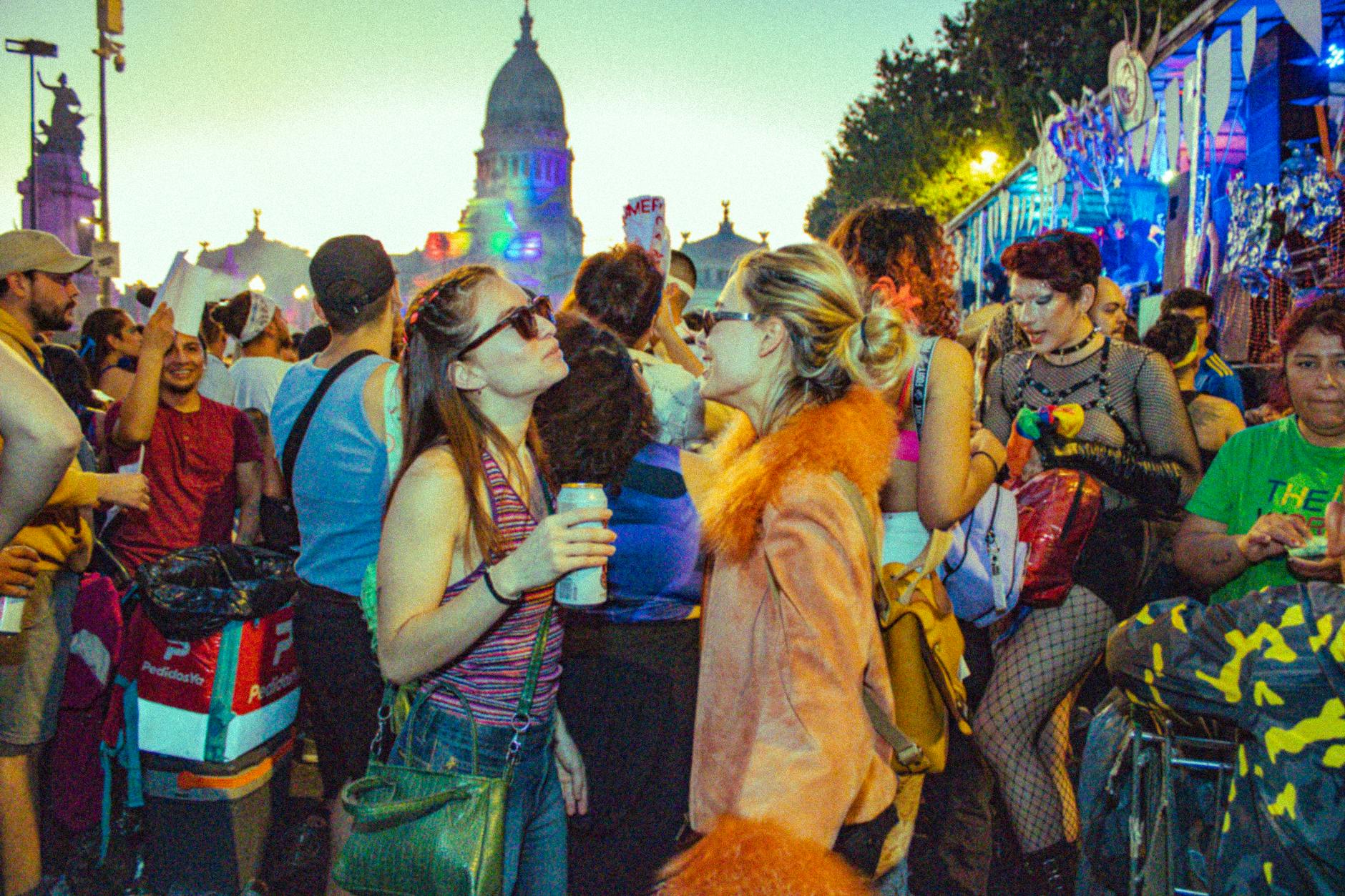
Gay Pride / Marche des Fiertes (last Saturday of June) — the Paris Pride parade, running from Place de la Concorde to Place de la Republique. Free, festive, and family-friendly, with thousands turning out.
Summer sales begin (last Wednesday of June) — les soldes d’ete, the summer counterpart to the winter sales, again a six-week discount run. In 2026 it starts 24 June.
July
Bastille Day (14 July) — the national holiday: a military parade in the morning, the Concert de Paris in the evening, and fireworks at the Eiffel Tower at 11 pm. Our Bastille Day guide has the full breakdown.
Bal des Pompiers (12-14 July) — the firemen’s balls, 9 pm to 4 am at fire stations around the city. Entry is free (donations welcome), with food, drink, and DJs. One of the most charming traditions of the whole calendar.
Tour de France finish (third or fourth Sunday) — the final stage ends on the Champs-Elysees, with riders doing 8 to 10 laps of the avenue and Place de la Concorde from late afternoon. Watching from the avenue is free; come early for a curbside view. The 2026 finish is 26 July.
Paris Plages (mid-July to mid-August) — the pop-up beaches along the Seine quais, with sand, deck chairs, palm trees, kayaks, and free programming. Entry to all of them is free, and it’s a summer favourite. Look for them on the lower quais near the Hotel de Ville, at the Bassin de la Villette, and in the Trocadero gardens.
Couture Fashion Week Autumn/Winter (6-9 July 2026) — the year’s second couture week, with public events again clustered around Place Vendome and the couture houses.
Festival de l’Ete a Paris (July into August) — the city’s summer culture program of free concerts, performances, and outdoor cinema. The schedule lands in late June.
August
Rock en Seine (last weekend of August) — the big rock-and-indie festival at the Domaine de Saint-Cloud, with multiple stages and major French and international names. The 2026 dates are 28-30 August. Ticketed at 75-120 euros a day, or 200-280 for three days.
Paris Plages continues — the beaches run through mid-August.
Assumption (15 August) — a Catholic public holiday. Transport thins out, some places close, and there’s a procession at Notre-Dame and other major churches.
Cinema en plein air (July into August) — outdoor films at the Parc de la Villette, projected onto a giant screen at sunset. Free, bring a blanket. It’s the Paris version of summer movies under the stars, and one of the best ways to spend an August evening.
September
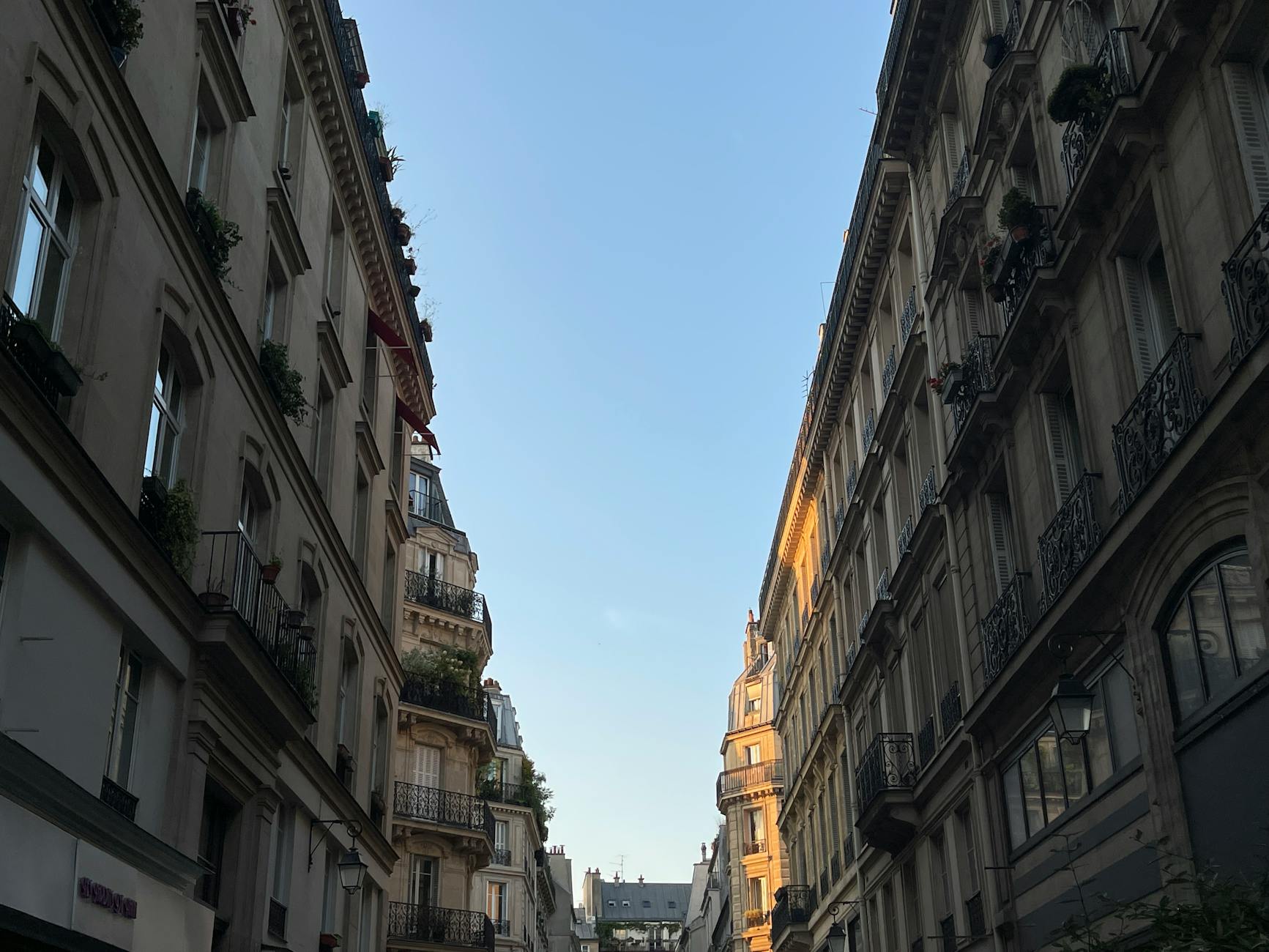
Rentree (early September) — the French “back to work” moment. The city shakes off August: restaurants reopen, galleries hang new shows, schools start up. For Parisians it’s the most energetic stretch of the year.
Heritage Days / Journees du Patrimoine (third weekend) — free entry to buildings that are normally locked to the public, on 19-20 September in 2026. The list is remarkable: the Elysee Palace (the presidential office), the Senate, the National Assembly, the Hotel de Matignon (the prime minister’s residence), the full Palais Garnier backstage, embassies, ministries. Queue early, because the headline sites run multi-hour waits.
Paris Design Week (early September) — a city-wide design festival with shows and events across Le Marais, Saint-Germain, Opera, and the Bastille design district. Most of it is free.
Techno Parade (last Saturday of September) — the techno street parade, with sound-system trucks rolling from Place de la Republique to Place de la Bastille. A free, full-throttle bit of youth culture.
Women’s Fashion Week Spring/Summer (28 September to 6 October 2026) — the biggest fashion week of the year, when the major maisons show and the city runs on pure fashion energy.
October
Nuit Blanche (first Saturday) — an all-night contemporary art program across the city, on 3 October in 2026. Museums, churches, public buildings, and outdoor installations stay open and free from 7 pm to 7 am. Our Nuit Blanche guide has the details.
Fete des Vendanges de Montmartre (second weekend) — the harvest festival of the Montmartre vineyard (Clos Montmartre), running 7-11 October in 2026, with concerts, a parade, wine tastings, and food stalls.
FIAC art fair (mid-October) — the big international contemporary art fair at the Grand Palais Ephemere. Tickets 28-42 euros.
Paris Photo (early November, effectively a late-October start) — the major international photography fair at the Grand Palais. Tickets 28-38 euros.
Salon du Chocolat (last weekend of October) — the chocolate trade show at Porte de Versailles, on 28 October to 1 November in 2026. Chocolate sculptures, tasting booths, chef demos. Tickets 14-18 euros.
Fall foliage peak (15-28 October) — best at the Luxembourg Gardens, the Tuileries, and Buttes-Chaumont. Our Paris in autumn guide has more.
November
All Saints’ Day (1 November) — a Catholic public holiday with much of the city closed. The cemeteries (Pere Lachaise, Montparnasse, Montmartre) draw crowds as families come to visit graves.
Armistice Day (11 November) — the commemoration of the WWI armistice, marked by a ceremony at the Arc de Triomphe with the president. The public can attend from 10 am, free.
Beaujolais Nouveau (third Thursday) — the release of the new Beaujolais, on 19 November in 2026. Bars and restaurants put on Beaujolais menus, and wine bars pour the leading producers’ bottles by the glass. A fun, low-stakes night out.
Champs-Elysees illuminations (mid-November) — the Christmas lights switch-on, usually the third or fourth Sunday in 2026. A free public ceremony lights up the avenue.
Salon des Vins des Vignerons Independants (late November) — the independent-winemakers fair at Porte de Versailles, running late November into early December in 2026. Tasting tickets 18-25 euros.
December
Christmas markets open (late November) — at the Tuileries, Notre-Dame, Saint-Germain-des-Pres, La Defense, and the Alsatian market at Gare de l’Est. Our Christmas in Paris guide covers all of them in depth.
Department store windows (mid-November onward) — Galeries Lafayette, Printemps, Le Bon Marche, and BHV Marais unveil their animated Christmas displays.
Grand Palais des Glaces (December into early January) — the seasonal ice rink inside the Grand Palais. Adult tickets 18-25 euros.
Christmas Eve and Christmas Day (24-25 December) — Reveillon de Noel dinners, midnight mass at Notre-Dame, and family gatherings citywide.
New Year’s Eve (31 December) — the Champs-Elysees and Arc de Triomphe video-mapping show, capped by fireworks at midnight. Our New Year’s Eve Paris guide has the full plan.
Year-round and ongoing programming
Plenty happens off the dated calendar, on steady weekly or seasonal rhythms:
First Sunday of the month (October to March) — free entry at many national museums. The big three (Louvre, Orsay, Pompidou) used to be part of this, but the policy has tightened in recent years, so check each museum’s site for its current first-Sunday rule before you build a day around it.
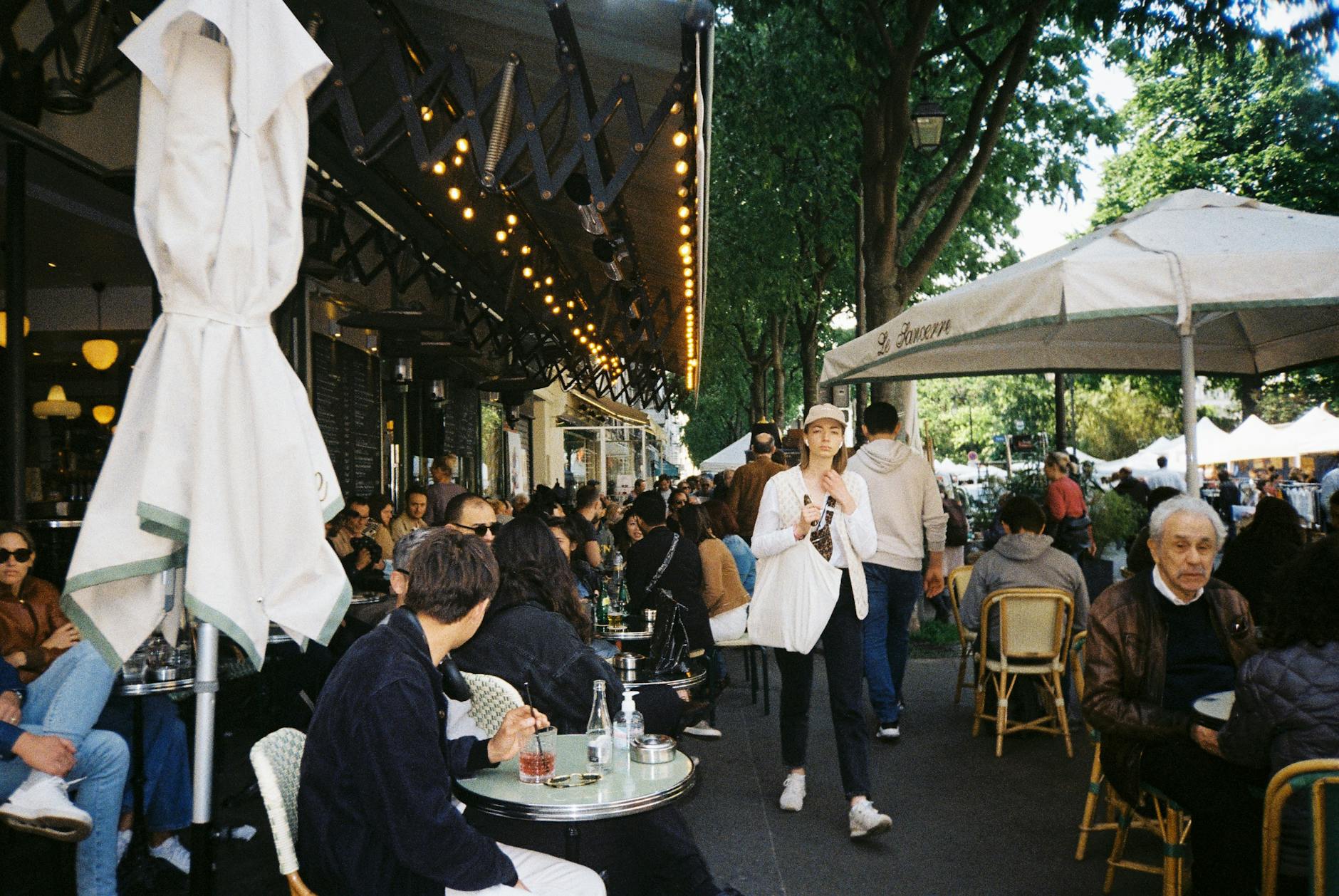
Saturday afternoons — when the cafe and brasserie scene is at its best. Boutique shopping in the Marais and Saint-Germain, unhurried lunches, gallery openings.
Sunday morning markets — the Marche Bastille (Thursday and Sunday mornings) and the Marche des Enfants Rouges (the oldest covered market in Paris, in the Marais) are the weekend standouts. The Marche d’Aligre runs daily except Monday, and its open-air section is busiest on Sunday morning.
Theatre and the Comedie Francaise — the Comedie Francaise (France’s national theatre) runs continuous repertory through the season, September to July. Tickets 5-50 euros, which makes it the best value for serious theatre in the city.
Concert and ballet seasons — the Palais Garnier and Opera Bastille run September-to-July seasons. The Philharmonie de Paris programs concerts year-round, and the Theatre des Champs-Elysees runs a September-to-June season.
Planning a trip around an event
Here’s how I’d match the calendar to what you actually care about:
First-time visitors — the events that are unmistakably Paris and worth catching once: Bastille Day, Fete de la Musique, Nuit Blanche, the Christmas markets, Heritage Days.
Food and wine — the Salon du Vin events (October-November), Salon du Chocolat (October), Beaujolais Nouveau (November), and the autumn truffle season (October-December).
Fashion — Women’s Spring/Summer Fashion Week (late September into early October), Women’s Autumn/Winter Fashion Week (early March), and Haute Couture Week (late January).
Music — Fete de la Musique (21 June), the Paris Jazz Festival weekends (June-July), and Rock en Seine (late August).
Art — Nuit Blanche (early October), FIAC and Paris Photo (October-November), and Heritage Days (mid-September) for the architectural and historical openings.
Sports — Roland Garros (late May into early June) and the Tour de France finish (late July).
Frequently asked questions
What is the busiest week of the year in Paris?
Two weeks compete for it: the one around Bastille Day (mid-July) and the stretch between Christmas and New Year. Both pull heavy international tourism on the back of the big events. Fashion Week is intense too, but its crowds are industry people rather than general tourist density.
Are most events free?
A lot of the big ones are: Bastille Day, Fete de la Musique, Nuit Blanche, Heritage Days, Christmas market entry, the Champs-Elysees illuminations, the Tour de France finish, and the Bal des Pompiers. The ticketed events (Roland Garros, the music festivals, the art fairs, Fashion Week public programming) usually run 14-50 euros for entry.
How far ahead should I book event-related travel?
For Bastille Day and New Year’s Eve, 4 to 6 months for premium hotels and 2 to 3 months for mid-range. Fashion Week in September wants 6 to 8 weeks. Christmas markets need 6 to 8 weeks for the popular dates. For everything else, 2 to 4 weeks covers the major events, and less for the smaller ones.
Where do I find the current year’s dates?
Go straight to the official sources: paris.fr for city-organised events, parisjetaime.com for the official tourism office, and the events’ own sites (operadeparis.fr for the opera, rolandgarros.com for the tennis, fhcm.paris for Fashion Week). Be wary of unofficial sites that post guessed dates before anything’s confirmed.
Are events suitable for children?
Many are great with kids: the Bastille Day military parade, Fete de la Musique, the Christmas markets, the Salon de l’Agriculture, Paris Plages, Heritage Days (at some venues), and the Paris Jazz Festival at Parc Floral. The fashion weeks, the wine fairs, and the late-night events (Nuit Blanche, New Year’s Eve) are less so.
Final thoughts
Repeat visitors lean on this calendar; first-timers tend to overlook it, which is a shame. Build a first trip around one or two headline events, Bastille Day, Christmas, or Fete de la Musique, and you walk away with something that particular trip alone gave you. Then plan the next visit around whatever you missed. Cross-check the dates here against the weather guide and the individual deep-dives, lock in the moving parts (hotels, restaurants, tickets) on each event’s timeline, and stop thinking of Paris as a fixed checklist of sights. It reprograms itself every week, and that’s the part that keeps people coming back.
May has more public holidays than any other month in France, and they change what’s open: almost everything closes on 1 May, the Champs-Élysées shuts for the VE Day ceremony on 8 May, and the Ascension weekend empties the city of Parisians and fills it with visitors. Our Paris in May guide sets out the 2027 dates and what each holiday means for your plans.
Related Paris guides
Use these to round out your trip: