Bastille Day in Paris: How to Celebrate July 14th Like a Local
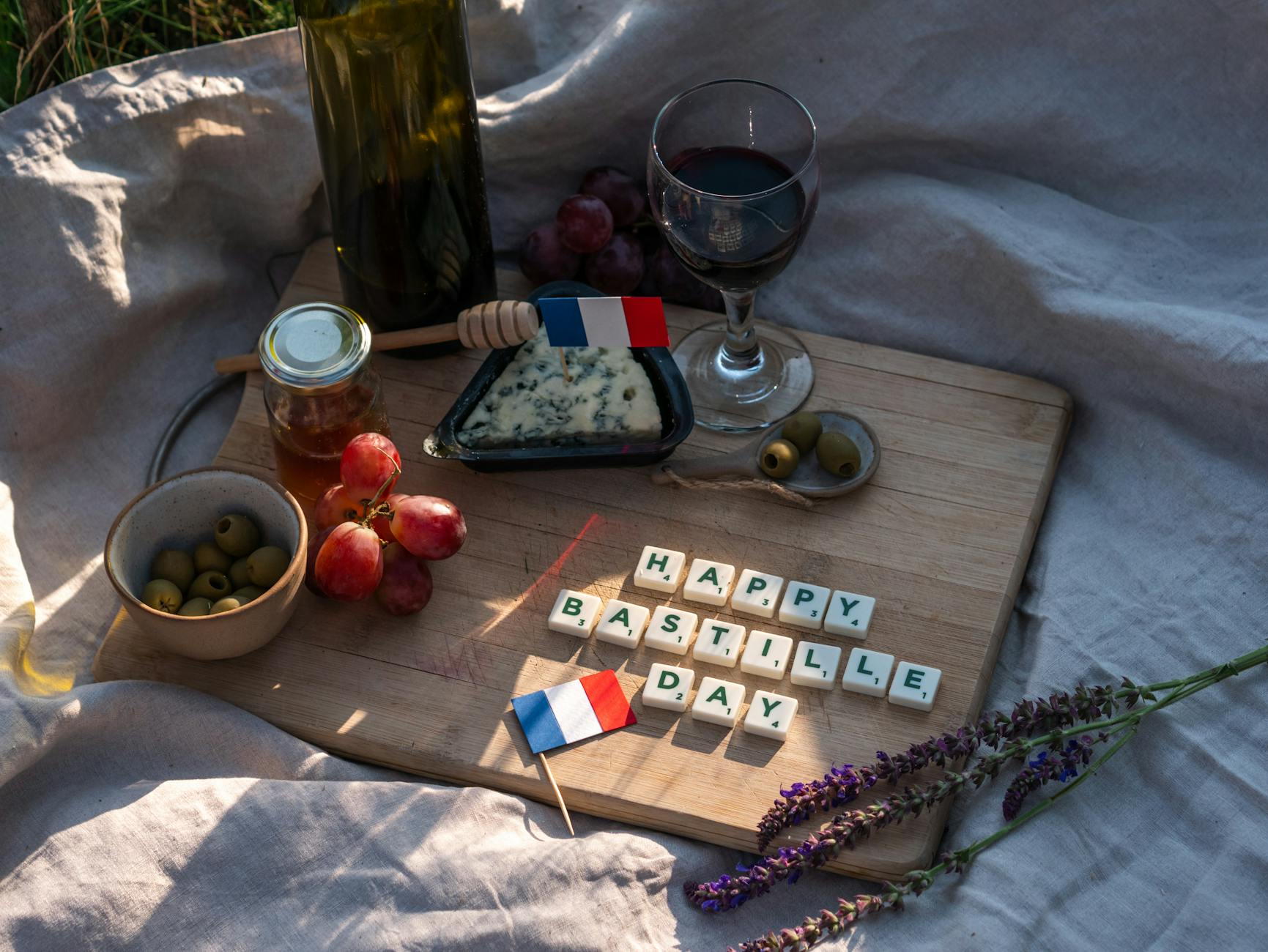
On 14 July 1789, a Paris crowd stormed the Bastille fortress, and the French Revolution had its spark. A year later, the Fete de la Federation on the same date sealed the idea of national unity. That double anniversary is what France marks every 14 July, which the French call Le 14 Juillet or La Fete Nationale. The modern version packs an enormous amount into one day: a military parade down the Champs-Elysees in the morning, firemen’s balls the nights before, picnics in the parks, the free Concert de Paris at the Champ de Mars in the evening, and, at 11 pm, the fireworks fired from the Eiffel Tower. This bastille day paris july 14 celebrations guide walks through every piece of it, the best places to watch, the practical calls (when to show up, what to carry, how to get home afterward), and a plan for visitors building a trip around the holiday.
Read it next to our best time to visit Paris guide, our free Paris things to do guide, and our events calendar for the rest of the July lineup.
The Bastille Day schedule — 13 and 14 July
12 and 13 July (the Saturday and Sunday before): the Bal des Pompiers, the Firemen’s Balls, at fire stations across Paris from 9 pm to 4 am. Free to enter, though usually with a donation or small cover (3-5 euros). Beer, wine, a DJ. It’s one of the loveliest Paris traditions going, locals dancing with off-duty firefighters, and visitors are welcome to join in.
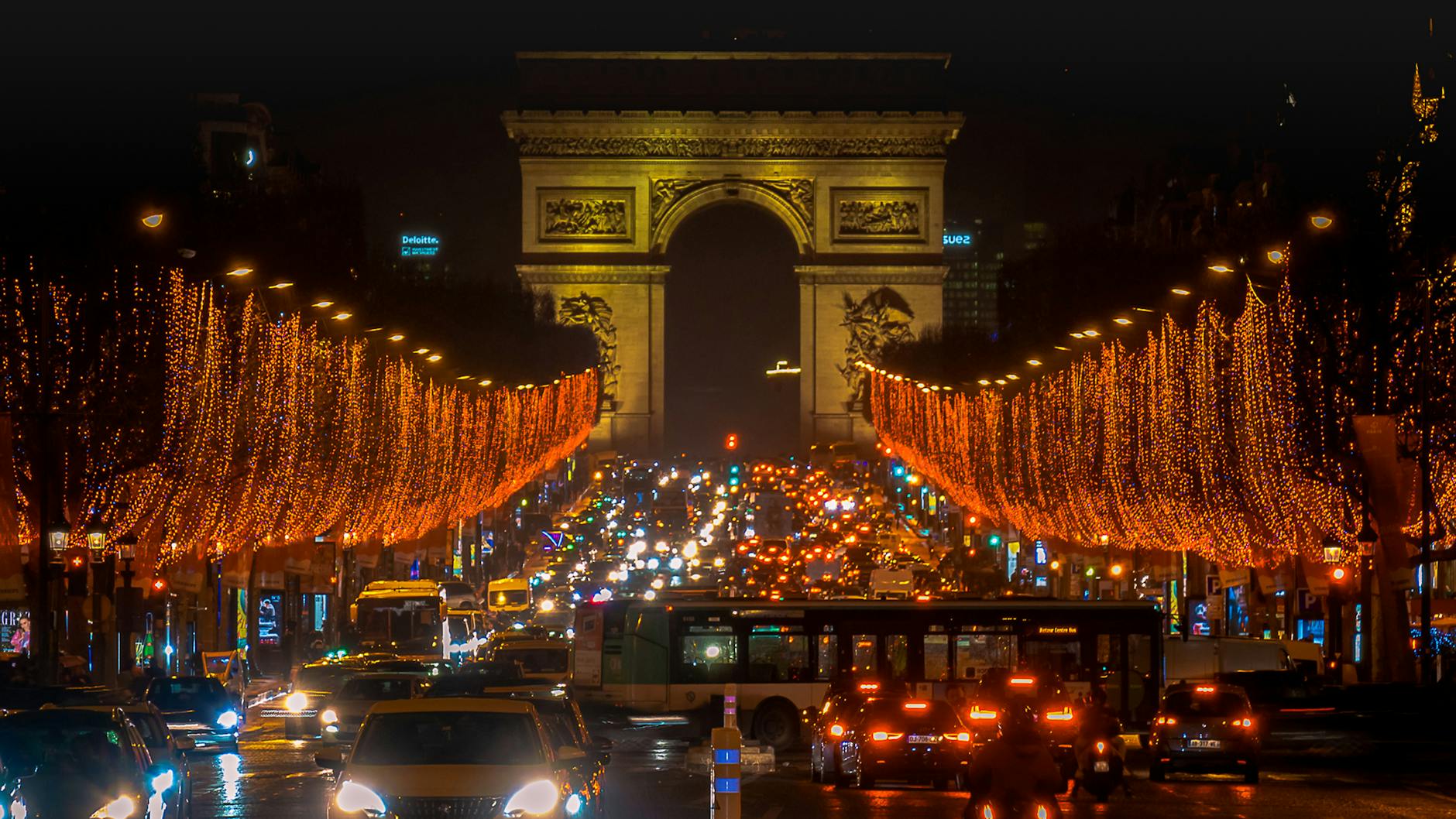
14 July, morning: the military parade, the Defile Militaire, down the Champs-Elysees. It starts at 10 am at the Arc de Triomphe and moves toward the Place de la Concorde. The president, government ministers, foreign heads of state, and military delegations all attend; the French military marches alongside several invited foreign forces; and at 10:40 am the Patrouille de France aerobatic squad streaks overhead trailing blue-white-red smoke.
14 July, daytime: museums and gardens keep normal or extended hours, and the Louvre traditionally goes free for the day (confirm it with the museum for the year you visit). Picnics and barbecues fill the parks, some fire stations run afternoon ball sessions, and restaurants open on holiday-menu pricing.
14 July, evening: the Concert de Paris at the Champ de Mars, 8:30 pm to 10:30 pm. A free concert from the Orchestre National de France, the Choeur de Radio France, and guest soloists, under a major international conductor. The repertoire is classical with the odd crossover piece.
14 July, 11 pm: the fireworks at the Eiffel Tower. Roughly 30 minutes, choreographed to music piped through speakers around the Champ de Mars and carried on French radio and TV. The display launches from the tower itself, from the Trocadero side, and from barges floating on the Seine.
The military parade — viewing strategy
The Defile Militaire is the morning’s headline. It runs the roughly two kilometers down the Champs-Elysees from the Arc de Triomphe to the Place de la Concorde. The official start is 10 am, but the troops don’t actually step off until closer to 10:20, once the protocol arrivals of the president and visiting heads of state are done.
Where to watch, and when to get there:
- Champs-Elysees sidewalk (anywhere) — standing room only. Get there by 7 am for the front row; by 9 am you’re three to five rows back. Bring something to stand on if you’re short. The middle stretch, between the Rond-Point and the Place de la Concorde, gives you the best balance of view and access.
- Place de la Concorde — where the parade ends, at the reviewing stand. Seats there go by lottery through the French Defense Ministry website (registration opens in early June), free but very limited.
- Arc de Triomphe area — the start. It’s less crowded than the middle of the avenue because the troops are still forming up; you watch them assemble, but the marching itself is more of a spectacle further down.
- Big screens across the city — the Place de l’Hotel de Ville, the Champ de Mars, and several other squares show the parade live with narration. Far less crowded, and a much pleasanter garden-and-square setting.
- Television — France 2 carries the whole thing live with commentary. If you’re not set on being there in person, watching from the hotel and saving your legs for the evening is a perfectly sound plan.
The Patrouille de France aerial display
The Patrouille de France is the air force’s aerobatic team, the French answer to the Blue Angels or the Red Arrows. Their 10:40 am flyover is the visual peak of the morning: eight Alpha Jets in formation straight down the Champs-Elysees, from the Place de la Concorde toward the Arc de Triomphe, trailing the blue-white-red of the tricolor behind them.
For the jets, you want clear sky directly above the avenue, so the Champs-Elysees itself works, and the surrounding hotel rooftops work better. The Arc de Triomphe rooftop (a paid attraction, book ahead) gives you the money shot, the jets bearing down on you and splitting into formation as they pass. The Centre Pompidou rooftop (free with museum admission, get there by 9:30 am) is the other top pick.
The Bal des Pompiers — firemen’s balls
If there’s one tradition that surprises first-timers, it’s this. On the evenings of 13 and 14 July (and often the 12th too), Paris fire stations, the casernes, throw open their doors from 9 pm to 4 am and turn into dance parties. The station runs the bar (beer, wine, sometimes basic cocktails at 4-6 euros), a DJ works through salsa, electro, French chanson, and the odd live band, and the firefighters themselves get out on the floor with everyone else.
About a dozen stations open up. The main ones:
- Sevigne (4th) — 7 rue de Sevigne, right in the Marais. One of the biggest and most international.
- Chaligny (12th) — 27 rue de Chaligny. A neighborhood crowd, far less touristy.
- Empereur (5th) — near the Pantheon. The Latin Quarter set.
- Vieux-Colombier (6th) — 21 rue du Vieux-Colombier, in Saint-Germain. Mid-popular, with a good crowd.
- Blanche (9th) — near Pigalle. The late-night option.
- Champerret (17th) — further out, mostly locals.
A few practical notes: entry is by donation (5 euros is the going rate, bring cash). Turn up around 10 or 11 pm for the peak, the doors usually stop letting new people in around 2 am, but the party itself runs to 4. The Marais and central stations draw the biggest, most international crowds; the outer-arrondissement ones feel more like a local block party.
The Concert de Paris at the Champ de Mars
The Concert de Paris is the free evening concert at the Champ de Mars, 8:30 pm to 10:30 pm. It’s performed by the Orchestre National de France and the Choeur de Radio France, the national radio’s orchestras, and the conductors and soloists are serious names (recent years have brought Andris Nelsons, Mikko Franck, and Lahav Shani to the podium, with soloists like Renee Fleming, Jonas Kaufmann, and Lisette Oropesa).
The programme is classical with a crossover streak: an overture, an aria, a film-score selection, a concerto, a choral piece, and a patriotic closer (the Marseillaise, sometimes the chorus from the Marseillaise variations). It airs live on France 2 and France Musique.
The Champ de Mars is open and free. The seated VIP section near the Ecole Militaire is reserved for officials and guests, but the lawn running toward the Eiffel Tower is general admission. Come at 5 or 6 pm to claim a spot with a clear line to the screens and the tower. Big screens relay the orchestra down the length of the lawn for anyone without a view of the stage.
The fireworks display — viewing locations
The 11 pm fireworks at the Eiffel Tower are what the whole day builds toward. The show runs about 30 to 35 minutes, set to music (through speakers at the Champ de Mars and on French radio and TV), and fires from the tower itself, from the Trocadero gardens across the river, and from barges anchored in the Seine.
The best vantage points, and when to claim them:
Champ de Mars lawn — the classic, directly under the tower. Arrive by 6 pm for a prime central spot, and accept that you’ll be sitting there five hours before anything goes off (bring water, snacks, a blanket). Show up by 9 pm and you’ll be at the back of the lawn but still see fine. The lawn hits capacity around 10. Free.
Trocadero gardens and Place du Trocadero — across the river, the postcard angle. Come by 7 or 8 pm. Oddly, the Trocadero side runs a touch less packed than the Champ de Mars, because while the lawn there is smaller, the Place du Trocadero is large and swallows a big crowd.
Pont de Bir-Hakeim — the bridge with the overhead Metro line, downriver from the tower. A side-on view and a favorite of photographers. Arrive by 8 pm; the bridge closes to traffic for the evening.
Pont d’Iena and the right-bank quai near the Trocadero — more across-the-river options, often a little less crowded than the Trocadero gardens themselves.
Sacre-Coeur and the Montmartre hill — the distant view, from the highest natural point in the city. The tower is small in the frame and the foreground is the whole skyline. The basilica steps fill up, so get there by 8 pm. Worth it for the citywide sweep.
Centre Pompidou rooftop — far off but a clean angle. The terrace usually closes at 9 pm, so check whether they’re running a late opening that year.
Tour Montparnasse — the one Paris viewing platform that programmes specifically for Bastille Day. Ticketed evening admission (book ahead), with restaurant or bar service. You get the citywide view with the tower in the middle distance.
Hotel rooftops — a few rooftops with tower views lay on special Bastille Day evenings. Madame Reve, Hotel Brach, and Hotel Raphael have done so in recent years, so check the hotel sites and book very early. Reckon on 80-200 euros a head for canapes and drinks before the show.
Watch it on television — if the crowds sound unbearable, France 2 covers the fireworks thoroughly from multiple angles. A quiet apartment, the broadcast, and a bottle of Bordeaux is an underrated way to spend the night.
What to bring — the practical kit
If you’re committing to the Champ de Mars or Trocadero for the fireworks, which means a five-to-seven-hour wait, pack for it:
- A blanket or big beach towel — for the grass.
- Water (2-3 liters a person) — the day can be hot and the lines at the few water points are long.
- Snacks and dinner — sandwiches, cheese, fruit, cold pasta salad. The Champ de Mars food vendors run long queues and a thin selection; your own bag is faster and cheaper.
- Wine, beer, or soft drinks — in cans or plastic, since glass bottles aren’t allowed in the parks.
- Sunscreen and a hat — the daytime wait under full sun can be brutal.
- A light jacket or sweater — the late evening can drop to 18-20 Celsius even after a warm day.
- A portable charger — phones don’t survive a day this long, and you’ll want battery for photos and the trip home.
- A trash bag — the parks ask you to carry out what you bring in.
- Cash — vendors take cash and card, but the card networks buckle under the crowds.
Getting home — the post-fireworks logistics
This is the part people underestimate. The crowd leaving the Champ de Mars and Trocadero all at once is the single biggest evening crowd Paris produces all year, tens of thousands of people on the move at the same moment. For safety, the nearest Metro stations (Bir-Hakeim, Champ de Mars-Tour Eiffel, Ecole Militaire, Trocadero) usually shut to outbound passengers for 30 to 60 minutes after the show while the platforms clear.
Your options:
Wait it out — stay put at the Champ de Mars or Trocadero for half an hour to an hour after the finale. The crowds thin out fast and the Metro reopens. Turn it into a post-fireworks picnic, or just rest before walking to a station further off.
Walk to a further station — 15 to 20 minutes out to somewhere beyond the crush (Invalides, Saint-Francois-Xavier, La Tour-Maubourg, Pasteur, Cambronne). Far less crowded, and you’re on the network with a shorter wait.
Walk to your hotel — if you’re within a 30-to-40-minute walk of the Champ de Mars, this is the fastest way back. The streets are full of people heading home and the mood is warm.
Wait for the Metro to fully reopen — by 1 am most stations are back to normal, and the trains run late that night, until 2:15 am on 14 July.
Taxi or rideshare — all but impossible right after the show, with prices surging 3 to 5 times normal. Skip it if you can.
Restaurants and food on Bastille Day
It’s a national holiday, but most central restaurants and brasseries stay open. The 12th through the 15th books up hard, so reserve three to four weeks ahead at anywhere popular.
For the grand brasserie atmosphere: Bouillon Chartier (Grands Boulevards), Bofinger (Bastille), La Coupole (Montparnasse), Brasserie Lipp (Saint-Germain). All run holiday hours, and expect a line at the no-reservation spots.
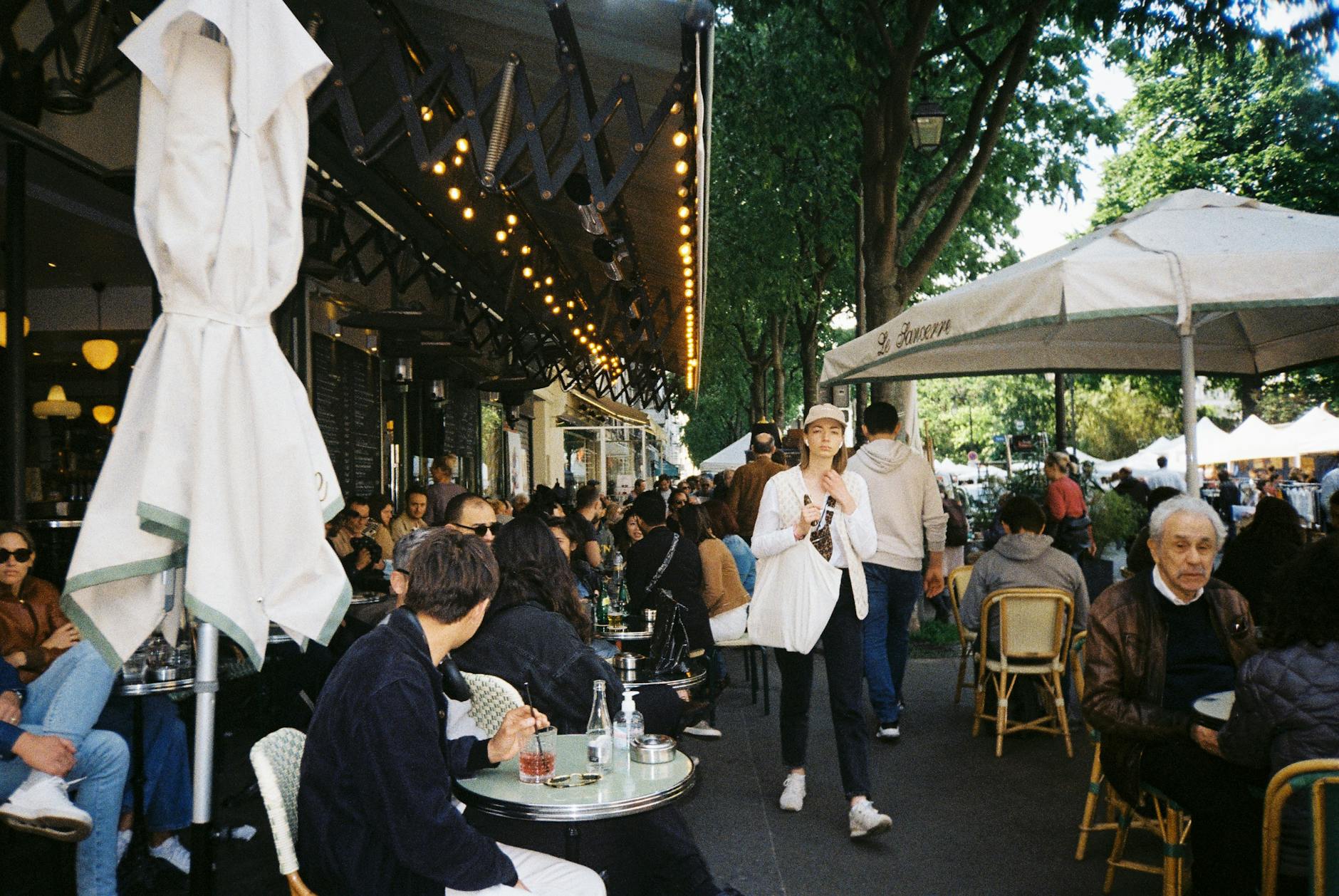
Honestly, though, the smart move is a picnic. Build one at a morning market (Marche d’Aligre, Marche des Enfants Rouges, Marche President Wilson), carry it to the Champ de Mars or another park, and graze through the day. The Champ de Mars on Bastille Day is one of the great Paris picnics, full stop.
If you want a view with your dinner: Le Jules Verne (the Michelin-starred restaurant up the tower, which books three to six months out for the Bastille Day evening), Cafe de l’Homme (at the Trocadero, with a direct line on the fireworks, 250-400 euros a head on the night), and Les Ombres (atop the Musee du Quai Branly, closer in, 180-280 euros a head).
The Seine dinner cruises sell out early too. Bateaux Mouches, Bateaux Parisiens, Vedettes de Paris, and Yachts de Paris all run Bastille Day evening cruises (180-350 euros a head, dinner and live fireworks from the water included). Book six to eight weeks ahead.
Other Bastille Day activities
Free museum access — the Louvre traditionally goes free on Bastille Day, and several other museums do too (confirm for the year). A free day at the Louvre pulls enormous crowds, so be at the doors for the 9 am opening to keep the queue manageable.
Versailles fountain show — some years the Versailles gardens run a Bastille Day Grandes Eaux fountain show. Check the chateaudeversailles.fr calendar for the current year.
Republican Guard horseback patrols — the Garde Republicaine riding the Champs-Elysees after the parade is a great, accessible photo op.
The Bastille square itself — despite the name, this isn’t where the action is. The prison was torn down back in 1789, and today the Place de la Bastille is a traffic circle with the July Column in the middle. The Opera Bastille on the square sometimes programmes something for the 14th, so check the operadeparis.fr calendar.
Day trips by train — trains run a Sunday schedule on Bastille Day. If your plans allow, Versailles, Fontainebleau, or Chartres make easy escapes from the central crush.
Frequently asked questions
Why is it called Bastille Day?
It marks 14 July 1789, when revolutionary crowds stormed the Bastille, a royal prison and armory in central Paris. That moment is taken as the catalyst of the French Revolution. The holiday also commemorates the Fete de la Federation of 14 July 1790, which celebrated the new constitutional monarchy and national unity.
Is everything closed?
No. Most restaurants, museums, and attractions stay open. Banks and a lot of shops close. Transport runs a Sunday schedule, with extended hours in the evening for the fireworks.
How crowded is it really?
Very, at the Champ de Mars, Trocadero, and Champs-Elysees. Midday crowds in the central tourist zones run two to three times normal. Other neighborhoods (the Marais, Saint-Germain, Montmartre) are just normally busy. Plan ahead and book restaurants weeks out.
Is Bastille Day worth visiting Paris for?
For the experience, yes, but understand it’s also the single most crowded day of the Paris year. A lot of repeat visitors do Bastille Day once and then come back in calmer weeks. If it’s your first trip and you have flexibility, build it around the holiday; if your time is tight, a quieter date may serve you better.
What about families with young children?
The morning parade and the fireworks are a joy for older kids, school-age and up. The all-day fireworks commitment, arriving early and staying through 11 pm, is rough with toddlers. The family workaround: catch the parade on a big screen somewhere quieter, picnic in a park that isn’t the Champ de Mars, and watch the fireworks from further out (Sacre-Coeur, Tour Montparnasse) where the standing time is shorter.
Final thoughts
Few countries throw a national-day party like this one. The parade down the Champs-Elysees, the firemen’s balls, the free Concert de Paris, the fireworks off the Eiffel Tower, and the picnic culture spilling across every park add up to a single 24-hour stretch that feels unmistakably French. Book early (hotels and restaurants four to six weeks out, and sort your fireworks spot and your route home before the day), pack the kit (blanket, water, food, jacket, charger), and split your day between the Champs-Elysees in the morning and the Champ de Mars at night. However you play it, the evening of 14 July under the Eiffel Tower tends to be the night people remember longest from a Paris trip.
Related reading
Use these to round out your trip:
- when to visit Paris
- New Year’s Eve in Paris
- Paris Events Calendar 2026
- Nuit Blanche Paris
- How Many Days in Paris? The Perfect Trip Length for Every Traveler
- Walking in Paris
Bastille Day is the high point of a whole month of summer events. If you’re planning your trip around it, our Paris in July guide covers the rest of the month too, from Paris Plages and swimming in the Seine to the Tour de France finish, along with the weather and how to cope with a heatwave.