Best Time to Visit Paris: A Season-by-Season Guide

Ask ten people for the best time to visit Paris and you’ll get ten answers, because the city you get in February barely resembles the one you get in July. The weather, the crowds, the prices, even which restaurants are open all swing hard with the calendar. Paris works year-round, but every season comes with a clear set of trade-offs, and knowing them is the difference between a trip that fits what you want and one that fights it the whole way.
What follows is the city month by month and season by season: what the weather actually does, how thick the crowds get, what’s happening, and what it all costs. The goal is to help you match the timing to your priorities, your budget, and your tolerance for queues, whether this is your first trip and you want the postcard version, or your fifth and you’re after a quieter angle on a city you already know.
Quick Answer: When Is the Best Time to Visit Paris?
If you just want the short version: May and September are the two best months to visit Paris. These shoulder months hit the sweet spot, decent weather, crowds you can live with, and a city that’s genuinely awake. May brings the spring blossoms and mild temperatures (around 15–20°C); September brings warm golden light, comfortable days (18–23°C), and a Paris that’s refilled and recharged after the summer exodus. Hotel rates sit well below the summer peak, and the outdoor side of the city is still running at full tilt.
That said, “best” is personal. If you live for long hot evenings, you’ll put up with the June and July crowds. If you’re watching every euro, January and February are where the discounts live. And if you’re here for a specific moment, the Bastille Day fireworks or the Christmas markets, the calendar makes the decision for you. The season-by-season breakdown below sorts out which window is yours.
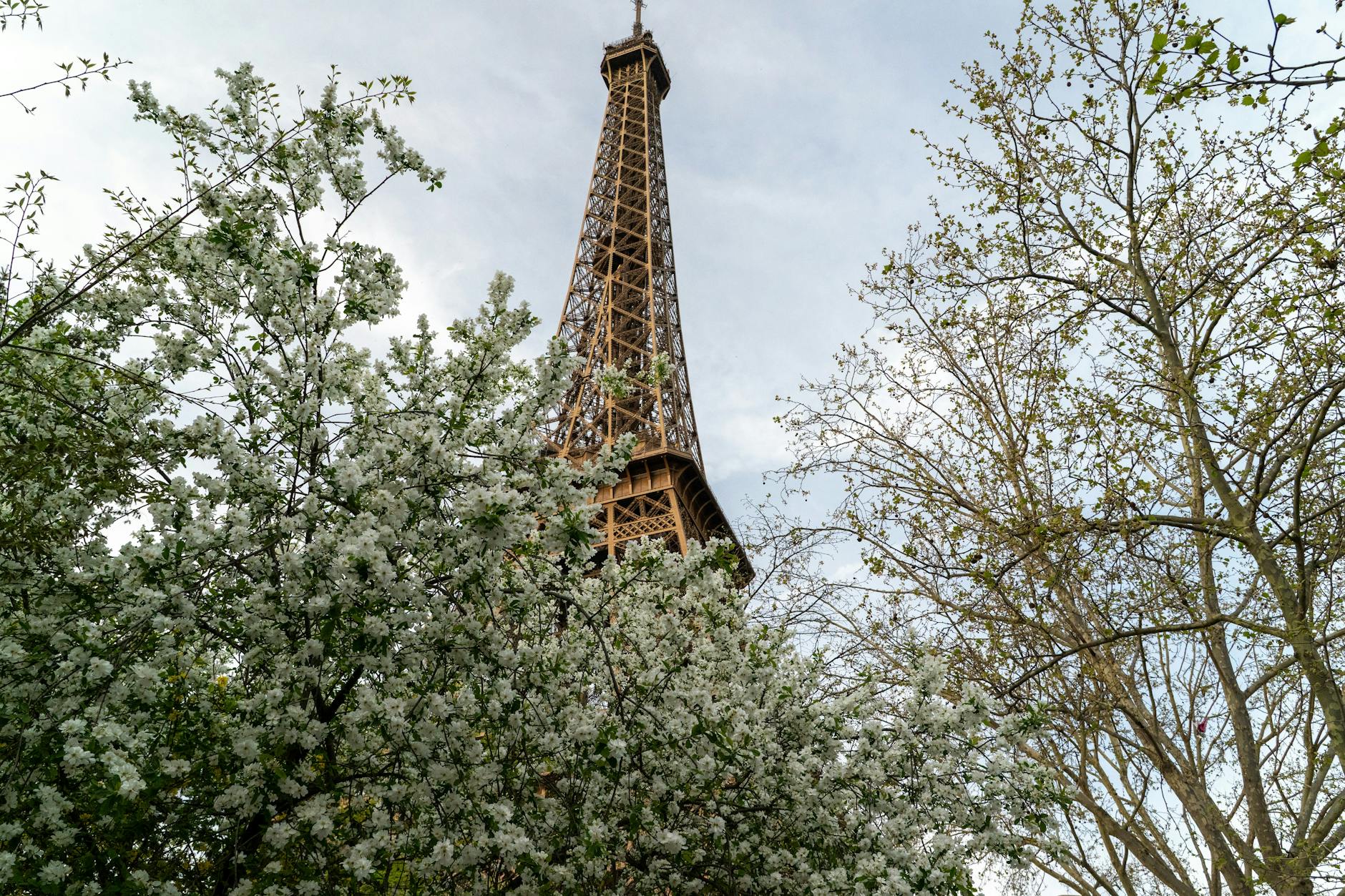
Paris in Spring (March–May): Awakening and Renewal
Spring is when Paris stops bracing against the cold and starts showing off. Temperatures climb from a cool 8°C in March to a comfortable 20°C by late May, the terraces fill back up, and the gardens go technicolor. If the Paris you have in your head comes from films and postcards, spring is the season that delivers it.
Spring Weather Patterns
March still carries a winter chill, averaging 5–12°C, and the weather is moody, sunny stretches one hour and a shower the next. By April things warm to 8–15°C and the pace picks up. May is the payoff: reliably pleasant highs of 15–20°C, and you can finally ditch the heavy layers. Daylight stretches noticeably week to week, with May handing you roughly 15 hours of it. Rain stays moderate, heaviest in May and June, so pack an umbrella or a light rain jacket and don’t think twice about it.
Spring Blossoms and Gardens
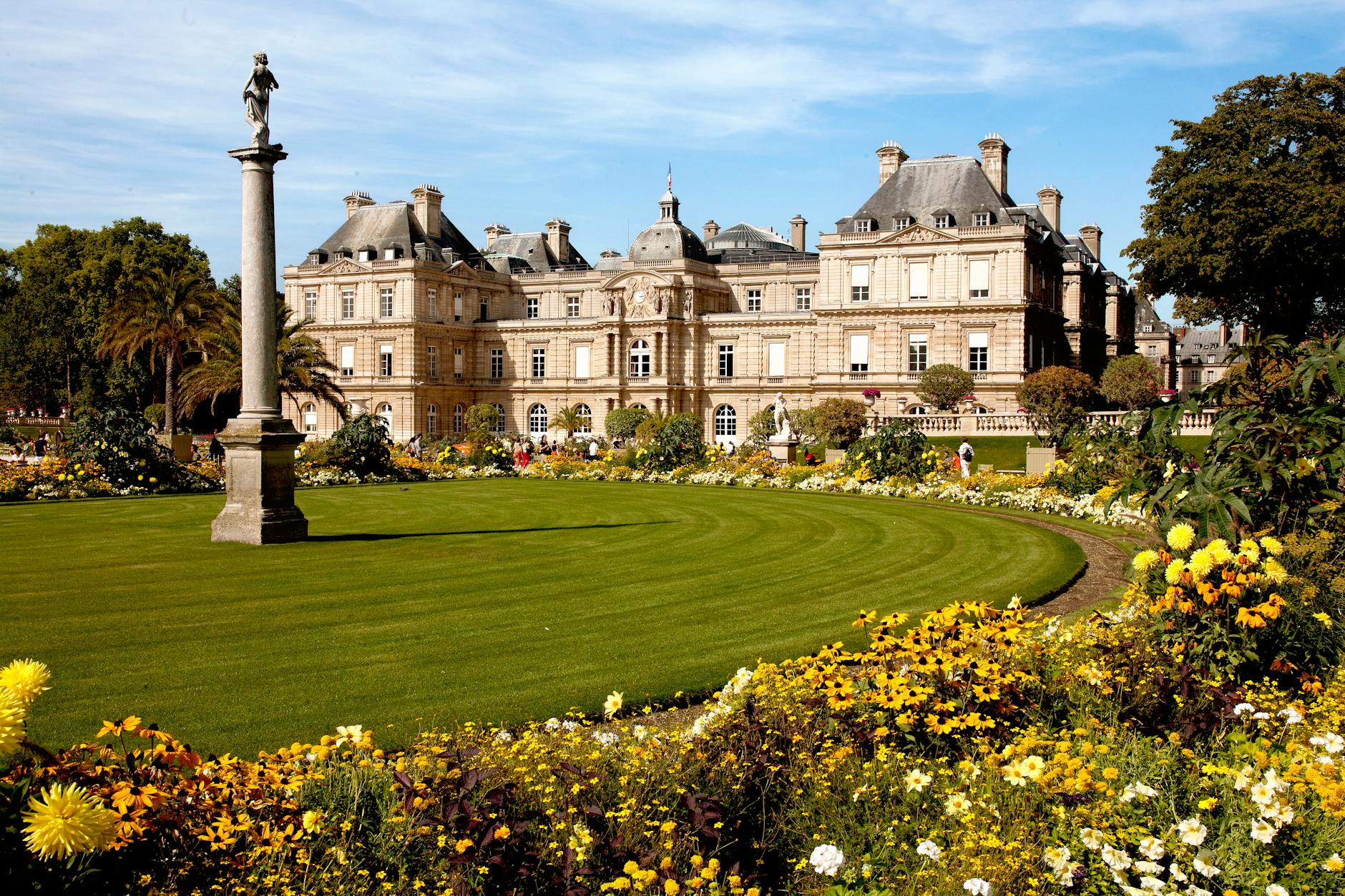
The headline event of a Parisian spring runs from late March through mid-April, when the cherry blossoms (sakura) wash the gardens in soft whites and pinks. The Jardin des Plantes puts on the best of it, with peak bloom usually landing around mid-April. Don’t skip the Luxembourg Gardens either, where spring flowers spill across the lawns and around the statues, or the Tuileries, freshly planted with thousands of new blooms.
The Champ de Mars turns into a photographer’s playground in spring, the Eiffel Tower rising behind flowers and new green. Just outside the city, Parc de Sceaux erupts with spring bulbs and flowering trees against its Renaissance backdrop. Spring is also the season for day trips from Paris out to the Palace of Versailles, where the formal gardens come into full color.
Spring Events and Festivals
The Foire du Trône carnival runs from late March through late May out on the Bois de Vincennes, with rides, games, and the kind of greasy, nostalgic fair food the French do well. It pulls in locals as much as visitors. Easter brings special services at the major cathedrals, Easter markets around the city, and patisserie windows stacked with chocolate. The Paris Marathon takes over part of the city in April, which may scramble a route or two but gives the whole place a jolt of energy.
Spring Packing Tips and What to Wear
Spring rewards layering. Bring a lightweight sweater or cardigan you can peel off as the day warms up, and a waterproof jacket or packable umbrella, because the showers are a near-certainty. Comfortable walking shoes are non-negotiable for getting around Paris and its cobblestones. Pack jeans or long trousers for the cooler days and a few lighter pieces for warm afternoons. As the daylight stretches out, sunscreen and sunglasses start earning their place in the bag too.
Spring Pros and Cons
Pros: Mild weather, the cherry blossoms, fewer crowds than summer, longer days, lower hotel prices than peak season, and gardens in full color. Cons: The weather flip-flops and may have you changing outfits mid-day, spring break and Easter draw their own crowds, a few museums and attractions still run reduced hours in early spring, and the popular restaurants book out weeks ahead.
Paris in Summer (June–August): Peak Season Energy
Summer is peak Paris, full stop, with visitors arriving from everywhere at once. Temperatures rise from a pleasant 20°C in June to a warm 25°C by August, and heatwaves can shove the thermometer past 30°C, sometimes 38°C. Days run to more than 16 hours of light, which buys you huge amounts of exploring time. The catch: the biggest crowds of the year, the highest prices, and the strange annual spectacle of Parisians themselves heading out of town.
Summer Weather and Heat Considerations
June brings the first proper warm days, averaging 18–25°C. July and August crank it up, with highs regularly hitting 23–28°C and heatwaves capable of pushing past 35°C. It’s the driest season, with little rain, though a thunderstorm can roll through. The long days, 16-plus hours at the peak, mean late-evening wandering and dinner services that run past 11 PM. One thing to know going in: a lot of museums have no air conditioning, so a packed gallery on a hot afternoon can be genuinely uncomfortable.
Major Summer Events and Festivals
Fête de la Musique (June 21) turns the entire city into one sprawling open-air concert, with free performances spilling into streets, parks, and venues everywhere you go. Every genre you can name comes out to mark the solstice, and the result is electric. It’s completely free, and it’s one of the most accessible cultural nights Paris throws all year.
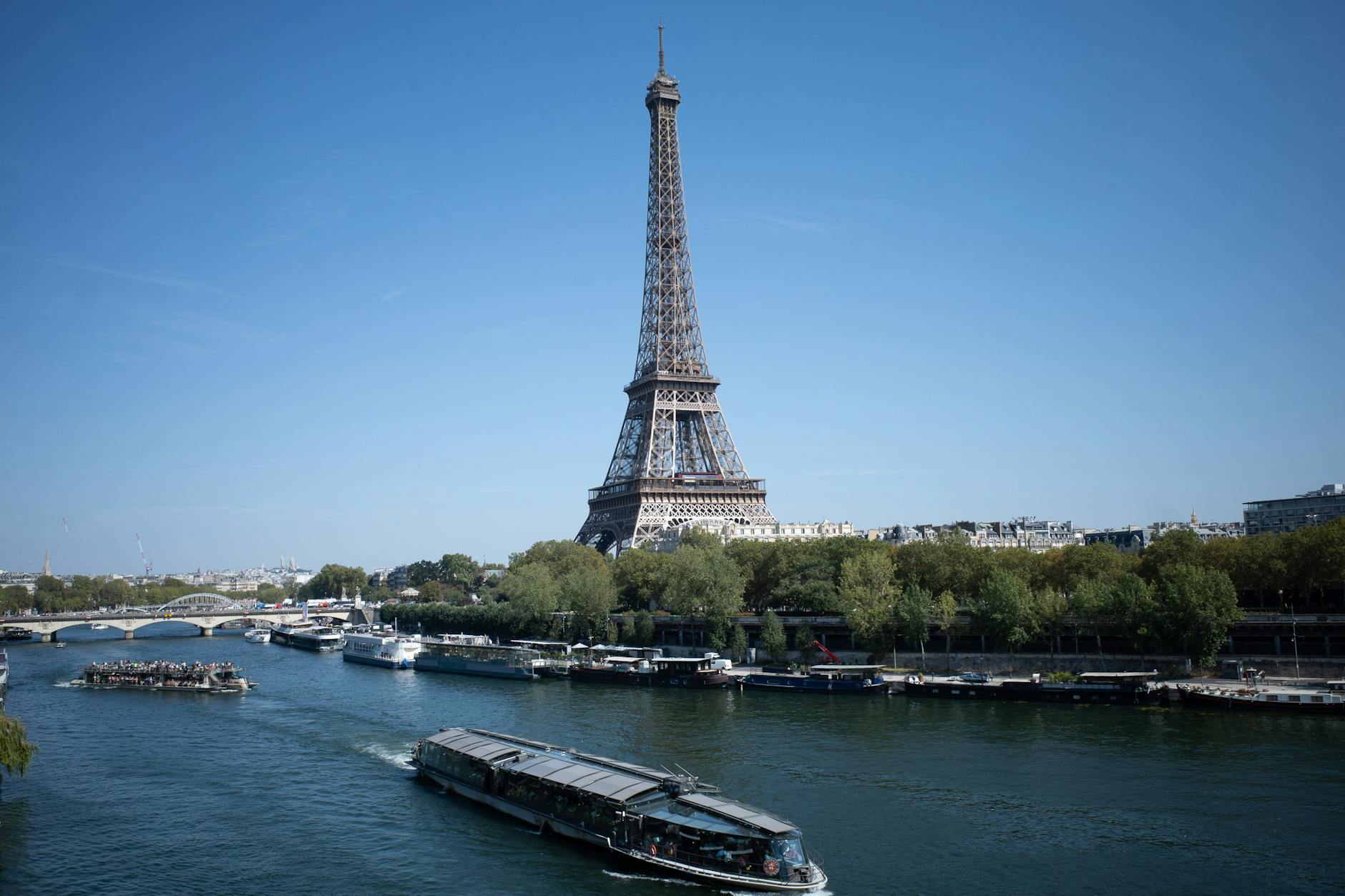
Bastille Day (July 14) is France’s biggest national holiday. The morning opens with a military parade down the Champs-Élysées, troops, vehicles, aircraft overhead, and the evening builds to the fireworks at the Eiffel Tower, visible from parks across the city. The Trocadéro Gardens give you the best seat in the house, but you’ll need to stake your spot hours ahead. The whole city runs on patriotic energy that day, flags off every building, street parties going late.
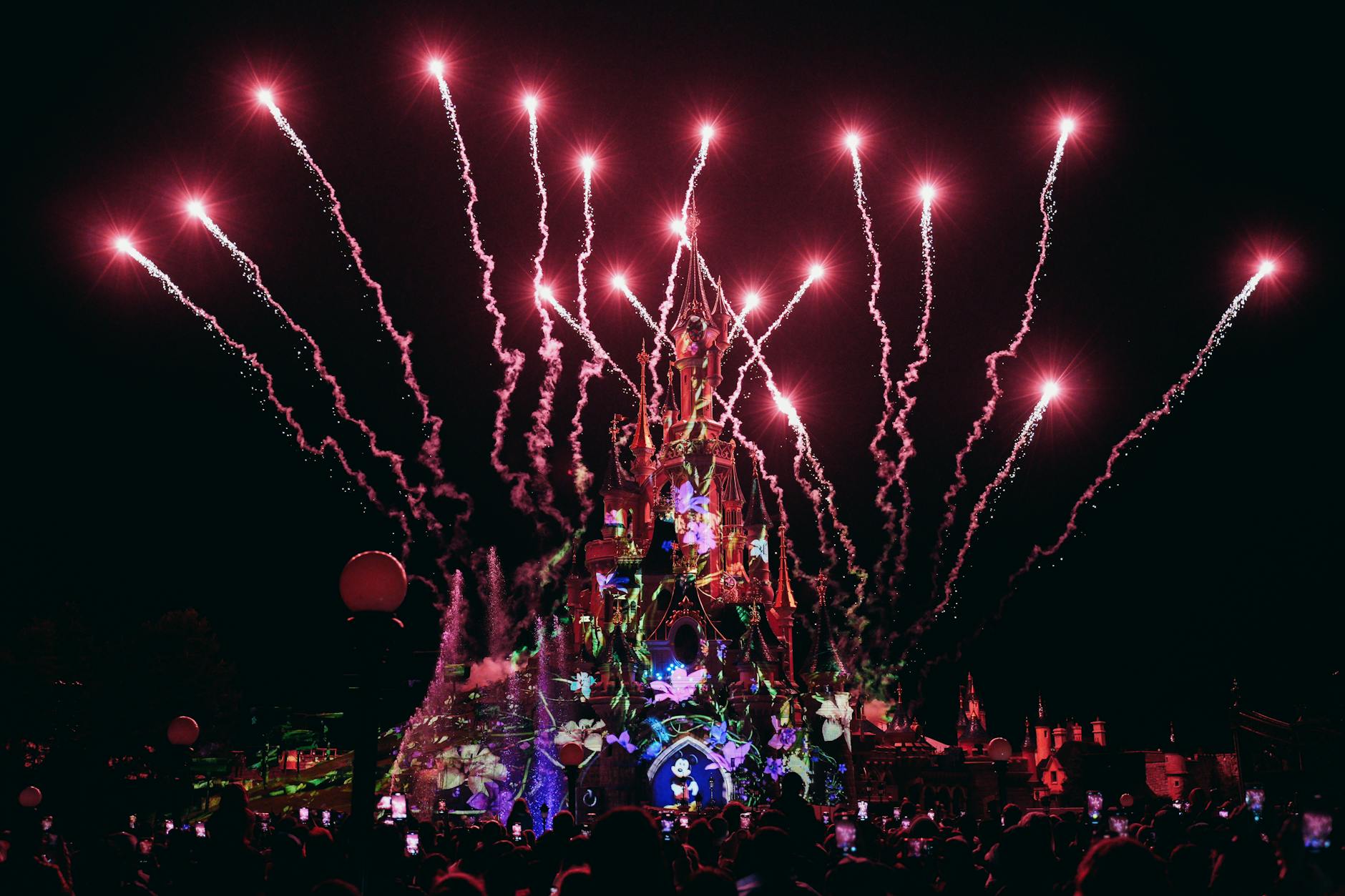
Paris Plages (July and August) turns stretches of the Seine and the Canal Saint-Martin into pop-up urban beaches, complete with sand, loungers, palm trees, and beach bars. It’s free, it’s clever, and it lets Parisians fake a beach holiday without leaving town. The spots near Notre-Dame and along the Marais get especially busy for sunbathing, casual eating, and a dip.
The Tour de France wraps up in Paris in late July, with the final stage typically finishing on the Champs-Élysées, drawing serious cycling fans and curious onlookers alike to line the route. And Roland Garros, the French Open, runs May into June at its namesake venue, pulling tennis fans from around the world.
Summer Crowds and Tourist Considerations
June and July are dead-center peak season, with ticket lines at the big sights running into the hours. The Eiffel Tower, the Louvre, and the rest hit maximum capacity. August has its own quirk: it’s a touch quieter than July, but a lot of Parisian restaurants, boutiques, and cultural venues shut for the month as locals clear out. Whole neighborhoods can feel oddly hollow, which thins your dining and shopping options right when you want them. Hotel prices peak across the summer, generally 40–50% above the shoulder seasons, so booking your room and your restaurant tables weeks ahead stops being optional.
Summer Packing Essentials
Go light and breathable, natural fabrics like cotton and linen. Sunscreen (SPF 30+) and a wide-brimmed hat aren’t optional; the summer sun is fierce. Sunglasses cut the glare bouncing off the Seine and the pale stone buildings. Comfortable walking sandals handle the warm days, but pack one pair of closed shoes for the cooler museums. A small fan or a water bottle helps you ride out the heat on long sightseeing stretches. Bring a lightweight scarf too, useful for covering up in churches and for the museums that crank the air conditioning a little too hard. And dress modestly at religious sites, where bare shoulders and short shorts can read as disrespectful.
Summer Pros and Cons
Pros: Warm, sunny weather built for being outdoors, the longest days of the year, marquee events (Bastille Day, Fête de la Musique), the Paris Plages beaches, extended museum hours, café terrace culture at its absolute peak, and ideal conditions for planning your Paris trip around open-air activities. Cons: Peak crowds mean long queues and stuffy museums, peak pricing runs 40–50% higher, August closures cut into dining and shopping, the heat can get genuinely uncomfortable, advance bookings are essential for restaurants and attractions, and the city’s real rhythm gets buried under the tourist crush.
Paris in Autumn (September–November): Golden Light and Culture
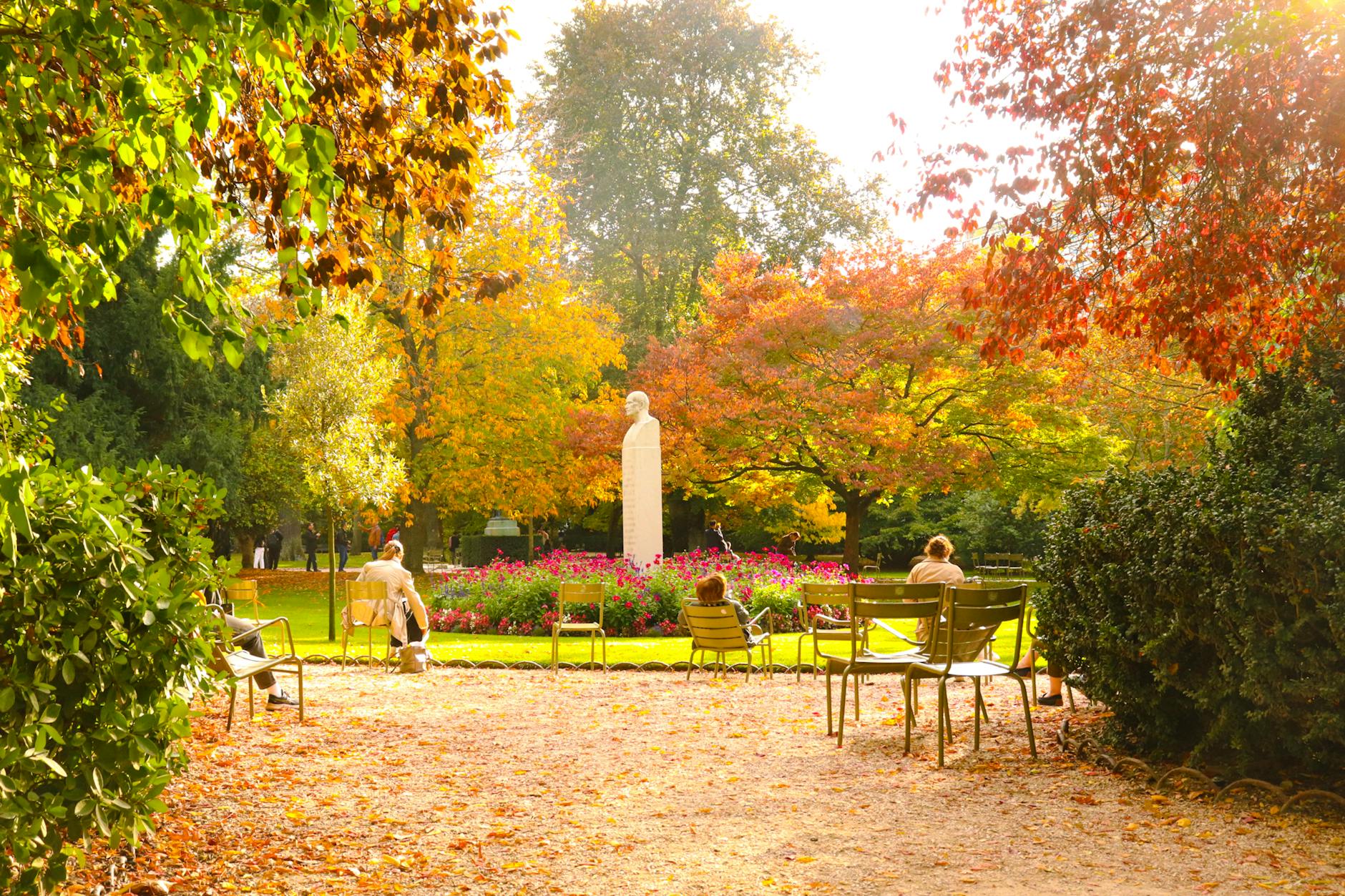
Autumn is the season a lot of regulars quietly call the best. The weather behaves, the crowds ease, and that famous golden light shows up, the kind photographers and romantics never shut up about, for good reason. Temperatures slide from a pleasant 23°C in September to a crisp 10°C by November as the leaves turn gold, orange, and red. With the summer tourists gone and the Parisians back from holiday, the city feels energized and culturally alive without being mobbed.
Autumn Weather and Golden Foliage
September holds onto a lot of summer’s warmth, with daytime highs of 18–23°C and little rain. It can feel like summer’s encore, terraces still busy. October turns noticeably cooler (12–18°C), greyer, and wetter, with showers rolling through more often. November drops further to 8–14°C and asks for warmer layers and a proper coat. The shift is gradual enough that a single light jacket usually covers September, while October and November call for heavier layering.
The foliage peaks in October and early November. Parks like the Bois de Boulogne and the Butte-aux-Cailles neighborhood put on the best color, and the tree-lined Seine embankments turn picture-perfect, the reds and golds doubling in the water. The autumn light here is soft, warm, and absurdly flattering, exactly what makes Paris look the way it does in your memory. Rain ramps up as the season goes, so a dependable umbrella and a water-resistant jacket are worth the suitcase space.
Autumn Events and Cultural Calendar
Fête des Vendanges de Montmartre (mid-October) celebrates the wine harvest up in historic Montmartre, one of the most atmospheric corners of the city. There’s traditional grape pressing, wine tasting, street performances, and a neighborhood-wide party honoring Paris’s winemaking past. Modern Paris makes almost no wine, but the festival keeps the old tradition going with real pageantry and a row of local food vendors.
Nuit Blanche (October) turns the whole city into a single sprawling art installation for one night. Museums, galleries, public spaces, and cultural venues stay open through the small hours with installations, performances, and exhibitions. Hundreds of thousands of Parisians and visitors pour out for it, and the creative charge in the air is something else. Best of all, it’s free.
Beaujolais Nouveau Day (third Thursday of November) marks the release of the year’s Beaujolais. Wine bars and restaurants across the city pour special tastings, and the whole thing has a festive lift to it as wine lovers gather to mark a tradition the French take seriously. Paris Fashion Week lands in September and October, bringing the industry, the celebrities, and the hangers-on. Most shows stay strictly invitation-only, but the style and energy bleed out into the streets anyway.
The opera and ballet season opens at the Palais Garnier and Opéra Bastille in September, kicking off a run of world-class performances, and classical concerts fire back up at the major halls. Journées du Patrimoine (usually the third weekend of September) throws open normally off-limits government and historic buildings for free, a rare chance to get inside palaces, ministerial offices, and heritage sites tourists almost never see.
Autumn Clothing and Packing
Layer for swings in temperature. A lightweight sweater, cardigan, or blazer handles the cool mornings and evenings and comes off easily as the afternoon warms. A water-resistant jacket matters more and more through October and November. Closed-toe walking shoes beat summer sandals once autumn settles in. Pack a reliable umbrella for the rising rain, especially in November. Lightweight scarves pull triple duty here, warmth, style, and covering up at religious sites, and jeans and long trousers carry over neatly from summer. By November, warmer gloves and a heavier scarf start to earn their keep.
Autumn Pros and Cons
Pros: Excellent weather, fewer crowds than summer, golden light made for photography, a packed cultural calendar, the arts season back in full swing with operas and concerts, reasonable hotel prices, shorter museum queues, and locals back in town giving the city its real pulse. Cons: Rain builds through the season, some attractions trim their hours as the days shorten, the weather gets less predictable, layering becomes a daily exercise, and by November you’re sliding into the cold, grey edge of winter.
Paris in Winter (December–February): Festive Magic and Serenity
Winter, especially the December stretch, gives you a different Paris entirely. Temperatures sit between 3–9°C, sharp and bracing, and the light shrinks to 8–9 hours a day. But winter has cards nothing else holds: Christmas markets, ice rinks, the lights, and crowds thin enough to actually breathe. It’s also the cheapest the city gets all year, which makes it the obvious pick for anyone chasing the best Paris on a budget experience.
Winter Weather Conditions
December is relatively mild for the season, averaging 6–8°C with the occasional frost. January is the coldest stretch, dropping to 3–5°C and often grey overhead. February warms a touch to 4–7°C, though the edge is still there. Snow is uncommon in central Paris (about 10–15 cm a year), but when it does fall the city turns genuinely magical. Rain shows up regularly all winter, so a waterproof coat is essential. The short days, just 8 hours in December, mean front-loading your sightseeing in the morning to grab the natural light. The flip side: all that darkness is a great excuse to dig into Paris nightlife in its most atmospheric form.
Christmas Markets and Festive Decorations
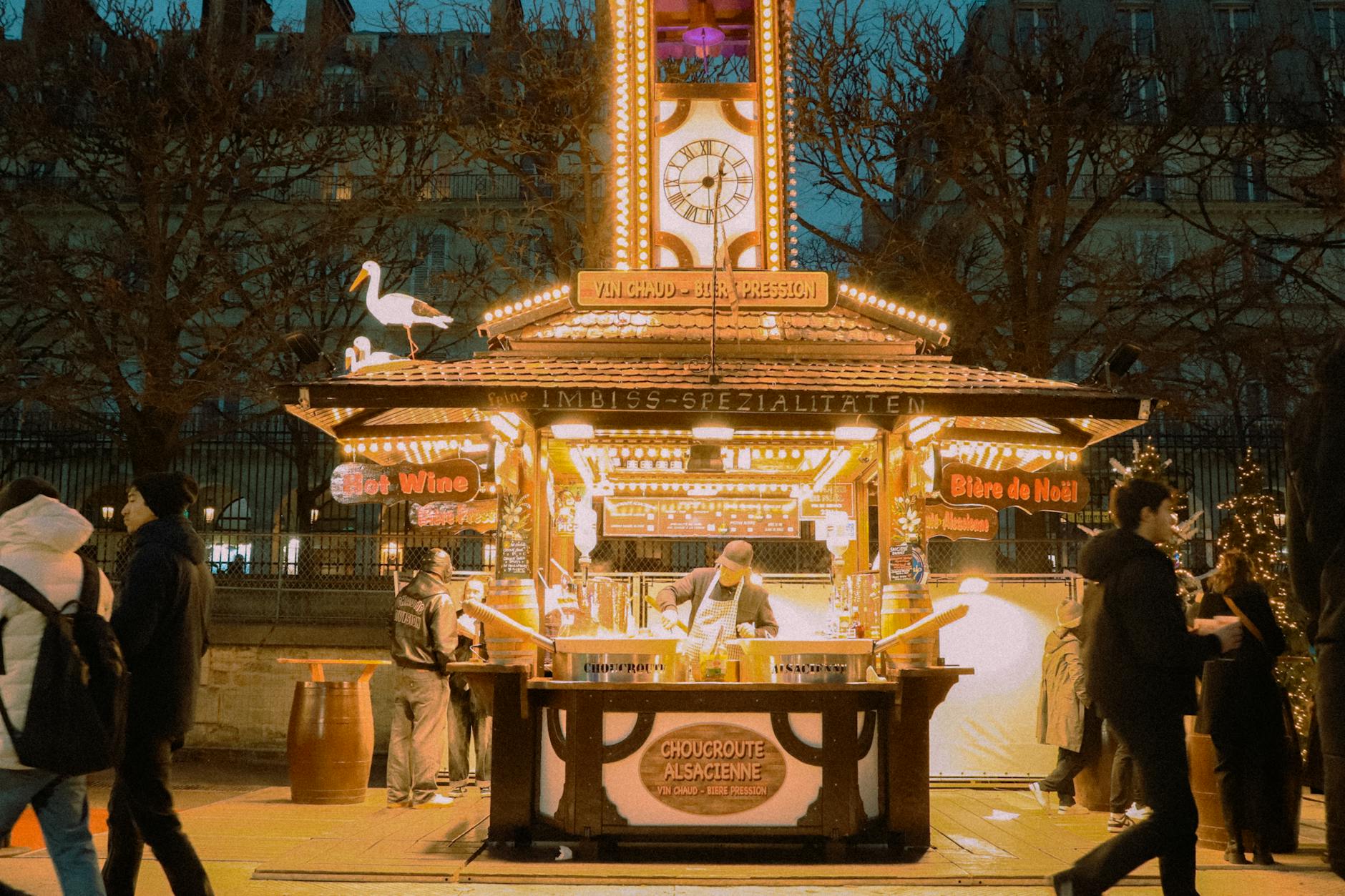
Paris runs 12–15 Christmas markets across the city, from late November into early January. They’re stocked with artisanal crafts, regional specialties, hot mulled wine (vin chaud), roasted chestnuts, and the usual holiday goods. The Champs-Élysées market sprawls along the famous avenue with premium stalls and entertainment. The Saint-Germain market keeps things more intimate, crafts and regional food in a tucked-in Left Bank setting. More markets at Notre-Dame, the Marais, and a dozen other neighborhoods round out the real Parisian holiday experience.
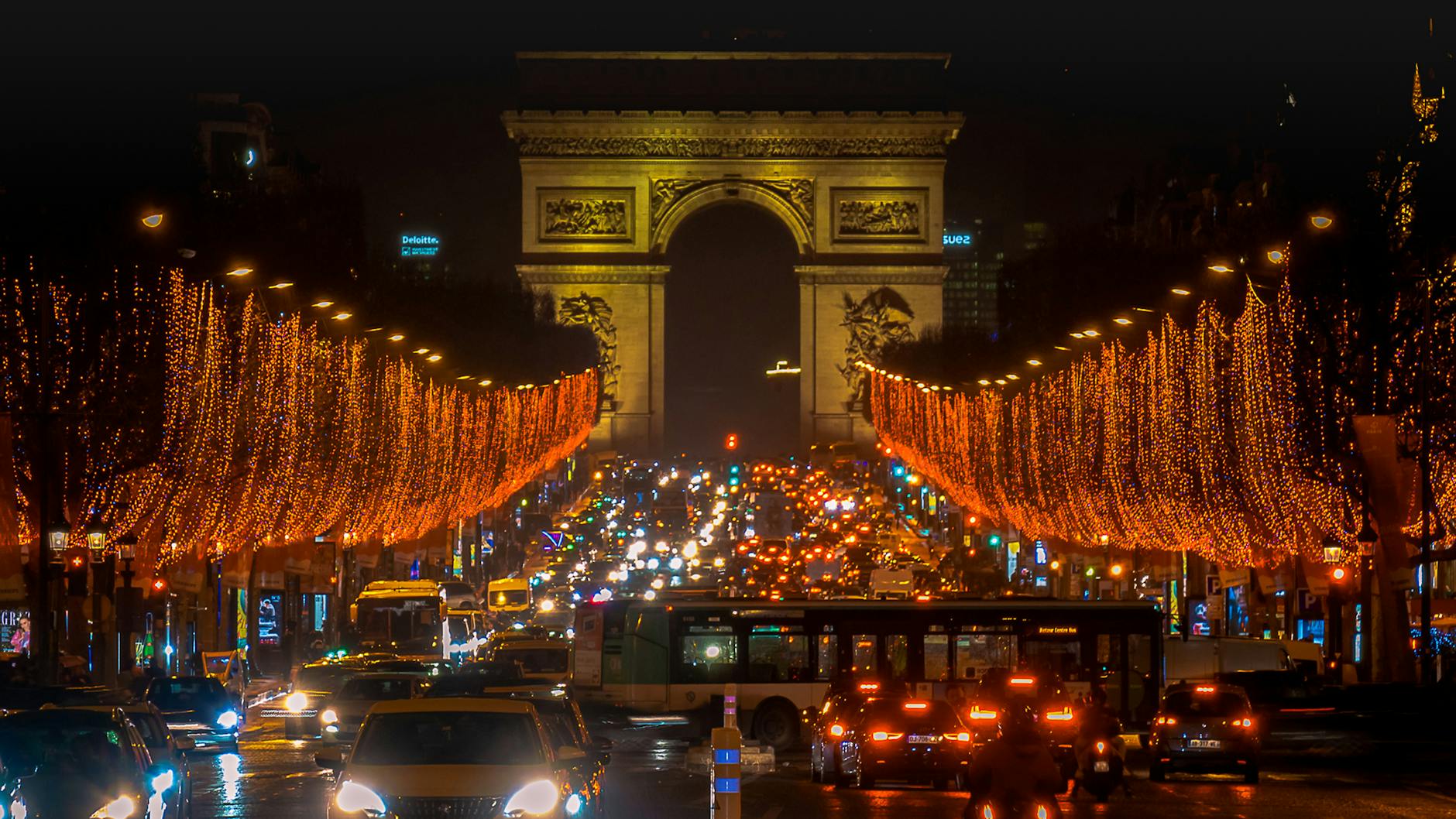
The Champs-Élysées gets a full holiday lighting treatment, thousands of bulbs turning the avenue into a glittering corridor. The department stores answer with elaborate window displays that go toe-to-toe with New York’s famous ones; the windows at Galeries Lafayette and Printemps rank among the most photographed in the city. Major landmarks, the Eiffel Tower included, get special lighting effects. The decorations usually hang on through early January, so the magic stretches well past Christmas Day.
Winter Ice Skating and Activities
Ice rinks pop up around the city from December through February. The Grand Palais sets up a spectacular one under its glass roof, skating with a monument overhead. The Hôtel de Ville rink, in the square out front of City Hall, is about as quintessentially Parisian as skating gets. There’s another at Invalides and plenty more besides. It’s cheap, around €8–12 a session, and it makes for the kind of winter memory you actually keep.
January Traditions and Fashion Week
Galette des Rois (Epiphany cake) is the centerpiece of French January. Bakeries across the city sell this almond-frangipane puff pastry, which hides a small ceramic figurine inside; whoever finds it wears the crown and throws next year’s party. It’s a charming, slightly silly tradition, and worth seeking out. Paris Fashion Week swings back through in late January and February, bringing couture shows, street-style photographers, and a certain electricity to the city. The haute couture shows stay locked behind invitations, but the fashion world’s presence is impossible to miss.
Winter Packing and Clothing Essentials
Bundle up in proper layers: thermals, sweaters, an insulating coat. A waterproof, warm winter coat is essential, because winter here pairs cold with frequent wet. The accessories aren’t optional, a substantial scarf, gloves, and a warm hat hold off the kind of cold that gets into your bones. Waterproof boots with good grip keep you upright on sidewalks that can ice over. Pack thick socks. Sunscreen still matters despite the grey, since snow and ice bounce UV right back at you. Hand warmers and a travel moisturizer fight the dry winter air, and a lip balm with SPF saves your lips from the wind.
Winter Pros and Cons
Pros: The lowest hotel prices of the year (30–40% below peak), the Christmas markets and decorations, thinner crowds for a more genuine feel, ice skating, museum visits with no queue at all, cozy café culture built on hot chocolate and pastries, New Year’s Eve celebrations, and a romantic Paris mood that the cold somehow heightens. Cons: Short days limit your outdoor time, the cold and damp demand serious bundling, some attractions cut hours or close for renovation, plenty of travelers simply find it too cold, the café terraces empty out, and even the locals pull indoors.
Month-by-Month Paris Travel Reference Guide
Here’s the city broken down month by month, for when you’re weighing two dates that fall in the same season and need to see the differences side by side.
January: New Year Quietude
Temperature: 3–5°C | Rainfall: Moderate | Crowds: Low | Events: New Year’s celebrations, Galette des Rois, Paris Fashion Week late month. Vibe: Quiet, introspective, affordable. Hotels hit their lowest rates, and you can walk into most museums without queuing. The city feels more like itself with the tourists gone. The cold keeps you from roaming far outdoors, but the Paris museums make a warm, easy refuge. This is the month for travelers who want Paris cheap and authentic.
February: Winter’s End
Temperature: 4–7°C | Rainfall: Moderate | Crowds: Low | Events: Paris Fashion Week concludes, occasional romantic Valentine’s Day celebrations. Vibe: Transition, romance, renewal. A shade warmer than January and still pleasantly quiet. Restaurant prices stay competitive. February has a real romantic streak to it, and solo travelers tend to fall for the city this month. Spring isn’t showing yet, but the daylight is visibly lengthening. Budget hotels and dining remain easy on the wallet.
March: Spring Arrives
Temperature: 5–12°C | Rainfall: Moderate | Crowds: Low to Medium | Events: Spring breaks begin late month, Foire du Trône starts late month. Vibe: Awakening, hopeful, greening. The first signs of spring show up and the café terraces start reopening. Daylight stretches out noticeably. Easter holiday periods push the crowds up. The weather still demands layers, but the milder days begin appearing. A great month for the things to see and do in Paris minus the summer crush.
April: Cherry Blossoms Peak
Temperature: 8–15°C | Rainfall: Moderate (May is wetter) | Crowds: Medium | Events: Cherry blossoms peak mid-month, Easter celebrations, Paris Marathon. Vibe: Romantic, rejuvenating, crowded. The magic month, when Paris feels reborn. The gardens detonate with color and the parks fill with picnicking locals and visitors alike. Easter holidays thicken the crowds, and shoulder-season pricing starts ticking upward. This is the quintessential “Paris in spring” you came for.
May: Spring Perfection
Temperature: 13–20°C | Rainfall: May–June wettest months | Crowds: Medium to High | Events: Roland Garros tennis begins late month, bank holidays cause crowd spikes. Vibe: Optimal, warm, busy. May lands at or near the top of most travelers’ lists, and it earns it. The weather is reliably pleasant, the gardens are in full bloom, and outdoor life thrives. Crowds build but stay manageable next to summer. Hotel prices climb noticeably, and museum hours extend. For all-around Paris exploring, this is arguably the single best month.
June: Summer Transition
Temperature: 17–25°C | Rainfall: June wettest month | Crowds: High | Events: Fête de la Musique (June 21), Roland Garros concludes, summer begins June 21. Vibe: Festive, warm, crowded. Summer tourist season officially kicks off and prices peak. The music festival brings wonderful energy, but the attractions are filling fast. Daylight stretches dramatically, with sunset near 10 PM. The weather runs consistently warm, though rain is still on the table. June is the hinge point where affordable shoulder season ends.
July: Peak Summer Heat and Action
Temperature: 19–26°C (heatwaves possible to 35°C+) | Rainfall: Low | Crowds: Peak | Events: Bastille Day (July 14), Tour de France concludes, Paris Plages begins, many Parisians depart for vacation. Vibe: Energetic, hot, touristy, festive. Peak season at full intensity. Eiffel Tower queues top 2 hours, and the Louvre staggers entry times just to manage the crush. Bastille Day delivers extraordinary energy, but a lot of restaurants and shops close as Parisians clear out. Hotel prices are at their annual high. Heatwaves are possible, which turns the air-conditioned museums into a refuge. Come in July only if a specific event is pulling you.
August: Late Summer Quietude
Temperature: 18–25°C | Rainfall: Low | Crowds: Medium to High | Events: Paris Plages continues, summer holidays wind down, many closures persist. Vibe: Hot, strange, quieter than July but still touristy. August is a paradox: a bit fewer tourists than July, yet a lot of Parisian shops, restaurants, and galleries are shut for the holidays. You might score shorter museum queues but find your dinner options thin. The weather stays warm and pleasant, and hotel prices hold at peak. It works best for budget travelers who can roll with the closures, or for anyone pairing an August stay with day trips from Paris to places where more restaurants are actually open.
September: Autumn Restart
Temperature: 14–23°C | Crowds: Medium | Events: Parisians return, Fashion Week, Journées du Patrimoine mid-month, cultural season opens. Vibe: Cultural renaissance, energetic, optimal. September is the turn, summer tourists leave, the locals come home, and the city’s real rhythm snaps back into place. The cultural season launches with opera, ballet, and concerts, and museums and galleries fill with Parisians again. The weather is ideal: warm but not oppressive. Prices ease off the summer peak. Along with May, this is one of the two best windows of the year.
October: Autumn Peak
Temperature: 10–18°C | Rainfall: Increasing | Crowds: Low to Medium | Events: Nuit Blanche all-night art festival (early October), Fête des Vendanges de Montmartre, Fashion Week concludes. Vibe: Artistic, colorful, atmospheric. October hands you the spectacular autumn color, the painterly golden light, and the all-night Nuit Blanche. Rain picks up, so carry an umbrella, but the crowds stay manageable and hotel prices stay reasonable. You’ll be layering, yet the weather still cooperates. One of the most underrated months to visit, full stop.
November: Quiet Transition
Temperature: 7–14°C | Rainfall: Increasing | Crowds: Low | Events: Beaujolais Nouveau Day (third Thursday), early Christmas markets begin late month. Vibe: Gray, introspective, affordable. November is the quietest month in Paris and the one travelers most often skip. The weather turns genuinely cold and frequently wet, and daylight is short, with sunset around 5 PM. But that’s exactly what gives you the city without the tourism. Hotels and restaurants are cheap, and the Christmas markets start late in the month to add a little sparkle. Perfect for budget travelers and anyone after a quiet, real Paris.
December: Festive Magic
Temperature: 4–8°C | Rainfall: Moderate | Crowds: Medium (peaks late month) | Events: Christmas markets, ice skating rinks, holiday decorations, New Year’s Eve celebrations, occasional snow. Vibe: Magical, festive, jolly, romantic. December turns Paris into a winter wonderland, the markets, the skating, the decorations all stacking up into serious holiday magic. Late December brings the holiday crowds and higher prices as people arrive for New Year’s, and hotels book months out for that stretch. The atmosphere earns the crowds and the cost. Snow is possible but rare; when it lands, the city is unforgettable.
Paris Weather Patterns & Complete Packing Guide
Once you understand how Paris weather actually behaves over the year, packing stops being guesswork and your expectations line up with reality. Here’s the rundown on temperatures, rain, and what to put in the suitcase for each season.
Seasonal Temperature Overview
Spring (March–May): 5–20°C, warming gradually. March arrives cool; May turns pleasantly warm. Summer (June–August): 17–26°C, with the occasional heatwave above 30°C. The warmest and most stable season. Autumn (September–November): 7–23°C, cooling steadily. September keeps summer’s warmth; November turns properly cold. Winter (December–February): 3–9°C, consistently cold. December runs slightly milder; January is the coldest. Snow is possible but rare.
Rainfall and Wet Weather Planning
Rain in Paris is fairly steady across the year, though the pattern shifts. Wettest months: May, June, and December. Driest months: July and April. Moderate rainfall: everything else. There’s no real rainy season here so much as frequent light showers year-round. Annual rainfall averages 641 mm (25 inches), spread out rather than concentrated. The practical upshot: carry an umbrella whatever the season, and pack a water-resistant jacket for long days outdoors. Most of it comes as quick showers rather than all-day rain, though summer can serve up the occasional thunderstorm.
Comprehensive Seasonal Packing Lists
Spring Essentials (March–May): Lightweight sweaters and cardigans, a water-resistant or waterproof jacket, long trousers and jeans, one pair of shorts for the warm days, closed-toe comfortable walking shoes, an umbrella, sunscreen, sunglasses, a light scarf. Layers are the whole game; mid-day warmth slides into cool evenings constantly.
Summer Essentials (June–August): Lightweight, breathable clothing (cotton, linen), shorter trousers and shorts, lightweight sandals and one pair of closed-toe shoes, high-SPF sunscreen (30+), a wide-brimmed hat, sunglasses, a lightweight scarf (for religious sites and over-aggressive air conditioning), one sweater for cool evenings and chilly museums, and minimal jewelry (theft is a real concern). Skip the very short shorts and revealing tops out of respect, and save the beachwear for an actual beach.
Autumn Essentials (September–November): Lightweight sweaters plus a medium-weight cardigan or blazer, a water-resistant jacket, long trousers and jeans, closed-toe walking shoes, a warm scarf, an umbrella, long-sleeve shirts, sunscreen (September sun is still strong), and gloves and a hat for late October and November. Layers carry you through the whole season, since cold mornings give way to pleasant afternoons.
Winter Essentials (December–February): A heavy winter coat, several sweaters, thermal layers underneath, warm trousers (jeans work well), closed-toe waterproof boots with good traction, a warm hat, a substantial scarf, gloves, hand warmers, thick socks, moisturizer and lip balm (winter is dry), and sunscreen (snow reflects UV). Layering is everything, because buildings can be toasty while the streets are freezing.
Year-Round Essentials for Any Season
Whatever the season, bring comfortable, supportive walking shoes. Paris is a walking city in the most literal sense: 15,000–25,000 steps a day is normal once you’re sightseeing, and broken-in shoes are the only thing standing between you and the blisters that wreck a trip, so pack blister supplies too. Bring a lightweight daypack or crossbody bag for museums, galleries, and markets, and a small umbrella that compresses down to nothing. Carry your toiletries and medications with you, and bring twice what you think you’ll need. A small adapter handles charging, since European outlets don’t match American plugs. Pack one slightly elevated casual outfit for evening dining; Paris has mostly relaxed its formal dress codes, but dressing up a notch reads as respect. And modest swimwear is unnecessary unless a beach destination is on your day trips from Paris list.
Major Paris Events & Festivals by Season
Paris stacks dozens of significant events across the year, most rooted in French culture, history, or the arts. Knowing the annual calendar lets you either plan around the big ones or aim straight for them, depending on whether you want the spectacle or the quiet.
January Events
New Year’s Celebrations (January 1): Lower-key than the New Year’s Eve revelry, with a quieter energy, a few cultural events, and restaurants reopening. Paris Fashion Week (Late January): Haute couture shows take over and the city tilts visibly fashion-forward. Galette des Rois: The traditional pastry celebrations run all month. Boat Tours Resume: Holiday Seine boat tours start running again, with the lights still up into early January.
February Events
Paris Fashion Week (Late February): The spring shows close out the biannual cycle. Valentine’s Day (February 14): Paris’s romantic reputation peaks, with special restaurant menus, couples’ activities, and roses everywhere you look. Late Winter Skiing Reports: The nearby Alps are still open for winter sports as day trips from Paris.
March–April Events
Foire du Trône Carnival (Late March–Late May): The historic carnival runs on the Bois de Vincennes with rides, games, and traditional fair food. Easter (March or April depending on the year): Easter masses fill Notre-Dame and the other major cathedrals, and Easter markets appear across the neighborhoods. Paris Marathon (April): A major running event that snarls street access but charges the city up. Spring Flower Festivals: Garden shows and flower exhibitions run through April and May.
May Events
Roland Garros Tennis (May–June): The prestigious French Open brings world-class tennis, with limited public attendance that requires booking ahead. Ascension Day (May): A religious holiday that triggers some closures but delivers a three-day weekend. Spring Bank Holidays: A run of European bank holidays affects crowds and restaurant availability.
June Events
Fête de la Musique (June 21): A global music festival marking the summer solstice with free concerts and performances filling the streets through the night, every genre imaginable represented. It’s one of the largest music festivals in the world. Summer Solstice Celebrations: Gardens and parks host extended outdoor activities for the longest day of the year.
July Events
Bastille Day (July 14): France’s national holiday, with a military parade on the Champs-Élysées and spectacular fireworks at the Eiffel Tower. The most patriotic day on the Paris calendar. Tour de France Finish (Late July): The legendary race ends in Paris with its dramatic final stages. Paris Plages (July–August): Urban beaches transform the Seine and Canal Saint-Martin into vacation territory. Summer Events Calendar: Outdoor concerts, film festivals, and cultural performances multiply through July.
August Events
Paris Plages Continues (August): The urban beaches stay open through the month. Assumption Day (August 15): A religious holiday that creates a three-day weekend but also shutters a lot of places. Summer Cinema Festivals: Outdoor film screenings keep running in the parks. Late Summer Sales: Major retail sales hit in late August as the new-season stock comes in.
September Events
Journées du Patrimoine (Heritage Days, usually 3rd weekend): Normally restricted government, historical, and institutional buildings open for free public tours, presidential palaces, ministerial offices, and historic properties you’d otherwise never get into. Paris Fashion Week (September–October): The spring shows start the biannual cycle. Cultural Season Openings: Opera, ballet, theater, and concert seasons officially launch with their inaugural performances. Return of Parisians: Summer holidays end, the locals come back, and the city’s authentic rhythm returns.
October Events
Nuit Blanche (All-Night Art Festival, early October): Museums, galleries, and cultural venues stay open through the night with art installations and performances. It’s free, and it draws hundreds of thousands. Fête des Vendanges de Montmartre (Wine Harvest Festival, mid-October): Montmartre marks the grape harvest with traditional pressing, tasting, and festivities. Fashion Week Concludes (October): The spring shows wrap with the haute couture presentations. Autumn Art Fairs: Contemporary art fairs and gallery exhibitions open throughout the month.
November Events
Beaujolais Nouveau Day (3rd Thursday): Wine bars and restaurants celebrate the release of the year’s Beaujolais with special tastings. Thanksgiving (November, American holiday): Not a French holiday, but it draws interest within Paris’s growing American community. Early Christmas Markets (Late November): The Christmas markets start going up, with some opening in late November for a longer run.
December Events
Christmas Markets (Throughout December): 12–15 markets run across Paris with artisanal crafts, regional food, hot mulled wine, and holiday shopping. Ice Skating Rinks: Seasonal rinks open at the Grand Palais, Hôtel de Ville, Invalides, and elsewhere. Holiday Decorations & Illuminations: The whole city decks out in lights, decorations, and festive displays. New Year’s Eve (December 31): Massive celebrations on the Champs-Élysées and beyond, with fireworks and street parties carrying into the early hours.
Budget Tips: Cheapest Times to Visit Paris
Paris has a reputation for being expensive, and it can be, but the calendar is one of the biggest levers you have. Get the timing right and you can cut costs hard without giving up much of anything. Here’s how the prices move through the year.
Peak vs. Off-Season Pricing
Peak Season Pricing (June–August): Hotel rates top out in summer, often 40–50% above low season. A modest two-star that runs €80–120 in the shoulder months jumps to €150–180+ in July and August. Restaurants push prices up too, with meals running 20–30% more, and attractions add surcharges or cap availability. Shoulder Season Pricing (March–May, September–November): The middle ground between peak and low. Basic hotels average €70–100, restaurants offer better value than summer, and attractions stay accessible with queues you can stomach. Low Season Pricing (December–February): The cheapest stretch of the year. Hotels run 30–40% below summer, averaging €50–80, restaurants put on winter deals, and museum queues all but vanish. The one exception is late December, when the holidays drive prices back up.
Money-Saving Strategies by Season
Winter Budget Travel (January–February): The rock-bottom costs land in January and February. Hotels are at their most affordable and restaurants run reasonable menus. You skip the expensive summer queues entirely, and a museum pass buys unlimited access cheaply (€25–75 depending on duration). The cold even saves you money by keeping you off the pricey café terraces. Shoulder Season Optimization (March–April, September–November): Tip the balance in your favor by traveling midweek instead of on weekends; weekday hotel rates run 15–25% lower. Restaurants are less crowded and the service is better, and the timing of your museum visits controls how long you wait. Summer Budget Travel (June–August): If summer is unavoidable, base yourself in the outer neighborhoods rather than the center; rates drop sharply around the edges of the Marais or out in the 14th and 15th arrondissements. Lean on museum passes and skip-the-line tickets to dodge the worst queues, swap restaurant lunches for picnics, and spend more of your time on free parks and street wandering than on paid attractions.
Hotel Price Ranges by Season
Budget Hotels (Two-Star): January–February: €50–80 | March–May, September–November: €70–110 | June–August: €120–180 | December (mid-month onwards): €100–160. Mid-Range Hotels (Three-Star): January–February: €80–120 | March–May, September–November: €120–160 | June–August: €180–280 | December: €150–240. Upscale Hotels (Four-Star): January–February: €150–220 | March–May, September–November: €200–300 | June–August: €350–550+ | December: €280–450. Location swings these numbers a lot, with central districts commanding 50–100% premiums over the outer neighborhoods.
Skip-the-Line Strategies and Museum Passes
The Paris Museum Pass covers 60+ museums and monuments and pays for itself in just 3–4 visits. The two-day pass is €48, the four-day €62, and both include skip-the-line access at the major sights, which saves you hours of standing around. Since individual tickets run €15–17 each, the pass is a clear win for serious museum-goers. Louvre online tickets cost the same as on-site but let you lock in an entry time slot, sidestepping the unpredictable queues; book a morning slot before 11 AM, when the crowds are lighter. Eiffel Tower timing: go at opening (9 or 9:30 AM depending on season) to beat the afternoon rush, or aim for a sunset visit (about 30 minutes before sunset), which also draws fewer people than mid-afternoon. Free museums: several are permanently free, including the Petit Palais and the Musée de la Vie Romantique. Free admission events: some museums offer free entry one Sunday a month. Churches and parks: most are free, so you can explore for hours without spending a cent. Free walking tours: tip-based, and far cheaper than organized group tours.
Restaurant Budget Optimization
The lunch menu advantage: French restaurants run substantial set lunches (prix fixe) at 30–50% off dinner pricing. A three-course lunch averaging €15–25 might run €35–50 at dinner, so eating your main meal at midday lets you hit dinner-quality restaurants for a fraction of the cost. Bistro culture: traditional bistros in the outer neighborhoods serve genuine meals at €12–18, against €30+ in the tourist zones. Boulangeries: bakeries do breakfast pain au chocolat and croissants for €2–4, and a picnic lunch from bakeries, markets, and charcuteries runs €8–15. Aperitif hour (happy hour): 5–7 PM drinks and snacks come at a discount at plenty of bars. Budget neighborhoods: the 10th, 11th, 13th, and 20th arrondissements offer better value than the central tourist areas. Market shopping: Marché Bastille (Thursday and Sunday mornings) and Marché Rue Cler stock fresh ingredients at fair prices if you’re self-catering.
Practical Tips for Any Season in Paris
Weather and timing aside, some things hold true no matter when you land. These are the universal basics, transport, cultural expectations, a bit of strategy, that smooth out any Paris trip.
Public Transportation & Getting Around
The Paris Métro is the spine of getting around Paris, efficient, far-reaching, and running daily from 5:30 AM to 1 AM (until 2 AM on Friday and Saturday). A carnet of 10 tickets costs €16.90, or single tickets run €2.15, and multi-day passes (Passe Navigo Découverte) cover unlimited Métro and bus travel. Buses fill in the gaps, mostly running 5:30 AM to 8:30 PM with limited evening and weekend service. Taxis are pricey (€2.60 base plus €1.28–1.74 per kilometer) but handy for late-night returns. Uber and Lyft operate here, though they run into regulatory friction. Vélib’ rental bikes are a cheap way to explore (€5 per day), if Paris traffic doesn’t rattle you. And for anything under 2 km, walking is often the fastest option and the best way to actually discover a neighborhood.
Museum Pass Strategy and Cultural Etiquette
The Paris museums guide helps you navigate the city’s 140+ museums, and the Paris Museum Pass spares you buying tickets one at a time. The major museums run security screening, so show up at least 30 minutes before closing to be sure you get in. Many forbid flash photography, or photography entirely, in certain galleries, so check on arrival. Keep your voice down indoors; loud conversation reads as rude. Dress modestly at religious sites, covering shoulders and knees, and women shouldn’t wear hats inside churches. Some religious sites require explicit permission to photograph. A few museums offer free entry one Sunday a month. Watch for the scam artists posing as ticket sellers, buy only from official kiosks. And plan your museum visits for mornings or late afternoons to dodge the crowds.
Restaurant Reservations and Dining Culture
The popular restaurants need reservations weeks out, dinner especially. Use the Michelin Guide, The Michelin Guide, the Michelin 2025 Guide, or TripAdvisor to find places, but book through TheFork.com (La Fourchette) or directly with the restaurant. Lunch (12–2 PM) is usually quieter and often takes walk-ins. French dining runs on different rules than the American version: meals are unhurried, courses come one after another, water isn’t poured automatically (ask for “de l’eau, s’il vous plaît”), and service is included, so tipping is optional and tops out at 5–10%. Restaurants close between lunch and dinner, roughly 2–7 PM. Bread comes free, and refusing it means turning down part of the meal. Dessert is often a separate menu, coffee after the meal is customary, and digestifs are a tradition worth indulging. Plan to clear your table before 10 PM unless you’re a genuinely slow eater, since restaurants are counting on turning it.
Language and Communication
English gets spoken in the tourist areas, but a little French goes a long way. “Bonjour” (good morning), “Bonsoir” (good evening), “S’il vous plaît” (please, formal), “Merci” (thank you), and “Au revoir” (goodbye) are the essentials. Always greet a shopkeeper with “Bonjour” when you walk in, skipping it comes off as rude. “Parlez-vous anglais?” (Do you speak English?) is the polite way to ask before defaulting to English. Older Parisians speak less English than the younger crowd. Translation apps like Google Translate help with menus and signs, and tourist information offices hand out free maps and multilingual help.
Dress Codes and Cultural Expectations
Parisians take their style seriously, so wear clean, reasonably put-together clothes. Athletic wear, logo-heavy brands, and very casual outfits flag you instantly as a tourist. Comfortable walking shoes that don’t scream “sneaker” look far more local. Shorts are tolerated but less common than jeans among French adults. Bare shoulders on women are increasingly accepted, if still mildly contentious in more conservative circles. Cover shoulders and knees in churches. Upscale restaurants may expect “smart casual” (dress trousers or skirts and a blouse, no athletic wear), and theater, opera, and ballet crowds tend to dress up, though casual attire is increasingly tolerated.
Safety, Scams, and Tourist Awareness
Paris is generally safe, but petty theft aimed at tourists is common. Keep your valuables secure and don’t flash expensive jewelry, cameras, or fat wads of cash. Pickpockets work Métro lines 1, 4, 6, 9, and the tourist hotspots, so mind your bags and pockets. The classic scams include the “gold ring” con (someone “finds” a ring and offers to sell it), fake petitions, and unofficial taxi drivers. Stick to official white taxis with checkered stripes, or Uber, for reliable rides. Don’t change money at the airport exchanges; ATMs give better rates. Steer clear of the tourist-trap restaurants pushing picture menus, which tend to serve poor, overpriced food, and ask locals for recommendations rather than leaning only on TripAdvisor.
When you’re out in the Paris neighborhoods, travel in pairs after midnight. The suburban rail lines (RER) run 24 hours and are generally safe, though late-night trips carry more risk. Report crimes to the police (17) or the general emergency line (15), bearing in mind that responses to minor theft tend to be slow.Photography and Respect
Photography is generally fine, but ask before shooting people. Flash damages artwork, so most museums ban it outright. Certain landmarks, government buildings and military facilities, prohibit photography altogether, and photographing police or military is actually illegal. Treat religious spaces with respect when shooting, and note that some churches forbid photos entirely. Drones are heavily regulated in Paris; recreational flying is essentially banned in urban areas.
The Best Time to Visit Paris, by Priority
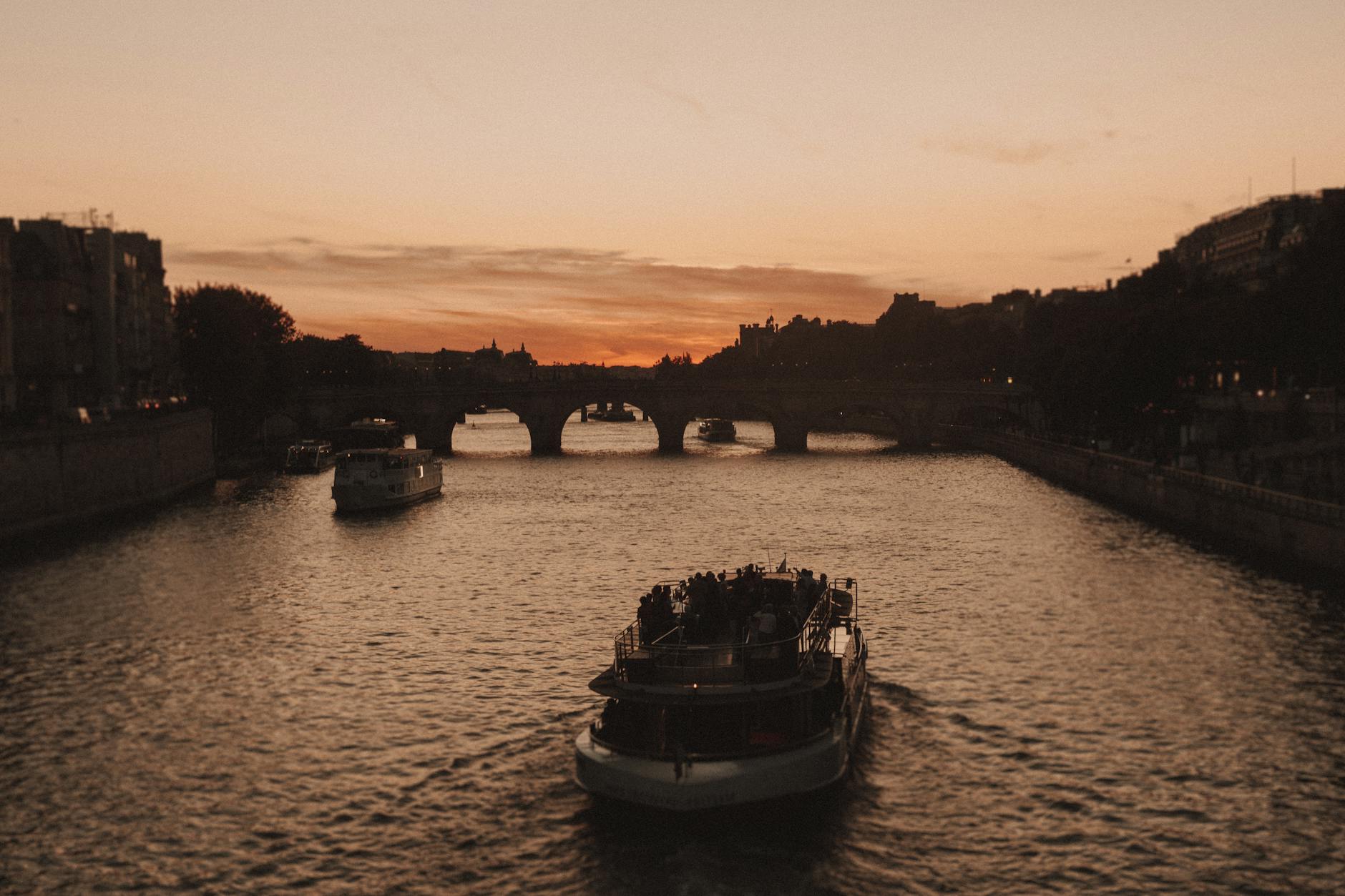
Season-by-season is one way to decide. The other is to start from what you actually care about most on this trip and work backwards. Here is the shortcut, sorted by priority.
If you want the best weather
May, June, and September are the sweet spot: warm without the August heat, long daylight, and little rain. April and October are the next best bet, though both can swing from glorious to grey within a day.
If you want the fewest crowds
January is the quietest month of the year, with February close behind. Late November and the first half of December stay calm too. Steer clear of July, August, and the week between Christmas and New Year, when the city is at its most crowded.
If you want the lowest prices
January and February are cheapest for flights and hotels; November and early December come next. Expect the steepest rates around Bastille Day in mid-July, the run from late December through New Year, and Fashion Week in late September.
If you’re chasing photographs
Mid-April for cherry blossoms, mid-October for golden foliage, and June for the long ‘blue hour’ that lingers after sunset. December hands you the Christmas illuminations.
If you’re here for the food and wine
September brings truffle season and gallery-opening dinners; November, Beaujolais Nouveau; February, winter game; and June, the first asparagus and strawberries of summer.
If you want romance
Late April through May for blossoms and garden walks, late September through October for golden light and thinner crowds, and mid-December for the Christmas markets and illuminations.
If you’re travelling with kids
Late June (school is out across much of Europe, the weather is warm, and parks keep full hours), late August (still warm but quieter than July), late October into early November (half-term and fall colour), and mid-December for the decorations.
How to Time a Repeat Visit
If this is your first trip, keep it simple: aim for May, June, or September and give yourself five to seven days. You get the weather, the daylight, and full opening hours all at once — the best all-round introduction the city offers.
Coming back? Choose a season that contrasts with your first. If you came in summer, return in winter for the empty museums and Christmas markets. If your first taste was warm-weather Paris, try October, when the light turns gold and the gallery season kicks off.
By a third visit, let the calendar lead. Build the trip around a festival — Fête de la Musique in June, Bastille Day, Nuit Blanche, or the Heritage Days — or around what is on the plate, from September truffles to November’s Beaujolais. Seasoned returnees can plan a whole trip around a single exhibition, a ballet run, or the public side of Fashion Week.
Conclusion: Choosing Your Perfect Paris Season
In the end, the best time to visit Paris comes down to what you’re after, your budget, and your interests. May and September stay the safe, excellent picks, good weather, manageable crowds, a city running at full energy. But every season has its own kind of magic, and which one lands depends entirely on the traveler.
Spring (March–May) wakes the city up with cherry blossoms, mild weather, and a sense of renewal, with budgets stretching further than in summer and crowds still moderate. Summer (June–August) brings maximum daylight, the marquee events like Bastille Day, and peak energy, alongside overwhelming crowds and premium prices. Autumn (September–November) delivers ideal weather, golden light, and a cultural revival as the locals return and the arts season fires up. Winter (December–February) hands you the lowest prices, festive magic (December especially), and a genuine Parisian experience stripped of the summer tourism.
Weigh your flexibility. If you can swing low season (January–February), winter offers exceptional value and a real, lived-in version of the city. If a specific event is the draw, the Bastille Day fireworks, the Fête de la Musique, the Christmas markets, build the trip around those dates. If weather is the deciding factor, May and September are hard to beat. And if budget leads, winter saves you 30–40% against the peak.Whatever season you land in, Paris pays off most for the people who get past the guidebook checklist. Wander the Paris neighborhoods beyond the Eiffel Tower and the Louvre. Eat at neighborhood bistros instead of the tourist traps. Sit at a café terrace and just watch the city move. Hit the Paris museums in the quiet morning hours. Use day trips from Paris to see Versailles, Giverny, or Fontainebleau. Talk to locals, and learn a few French phrases while you’re at it. Stay loose, and let the city surprise you. Whichever season brings you here, coming with an open mind is what turns a vacation into something you carry for years.
For more, dig into our other guides: planning your Paris trip, where to stay in Paris, things to do in Paris, Paris attractions, the Paris food guide, the Paris shopping guide, and romantic Paris. Bon voyage.
Explore every seasonal guide
The in-depth guides in this section: