Nuit Blanche Paris: All-Night Art Festival Complete Guide
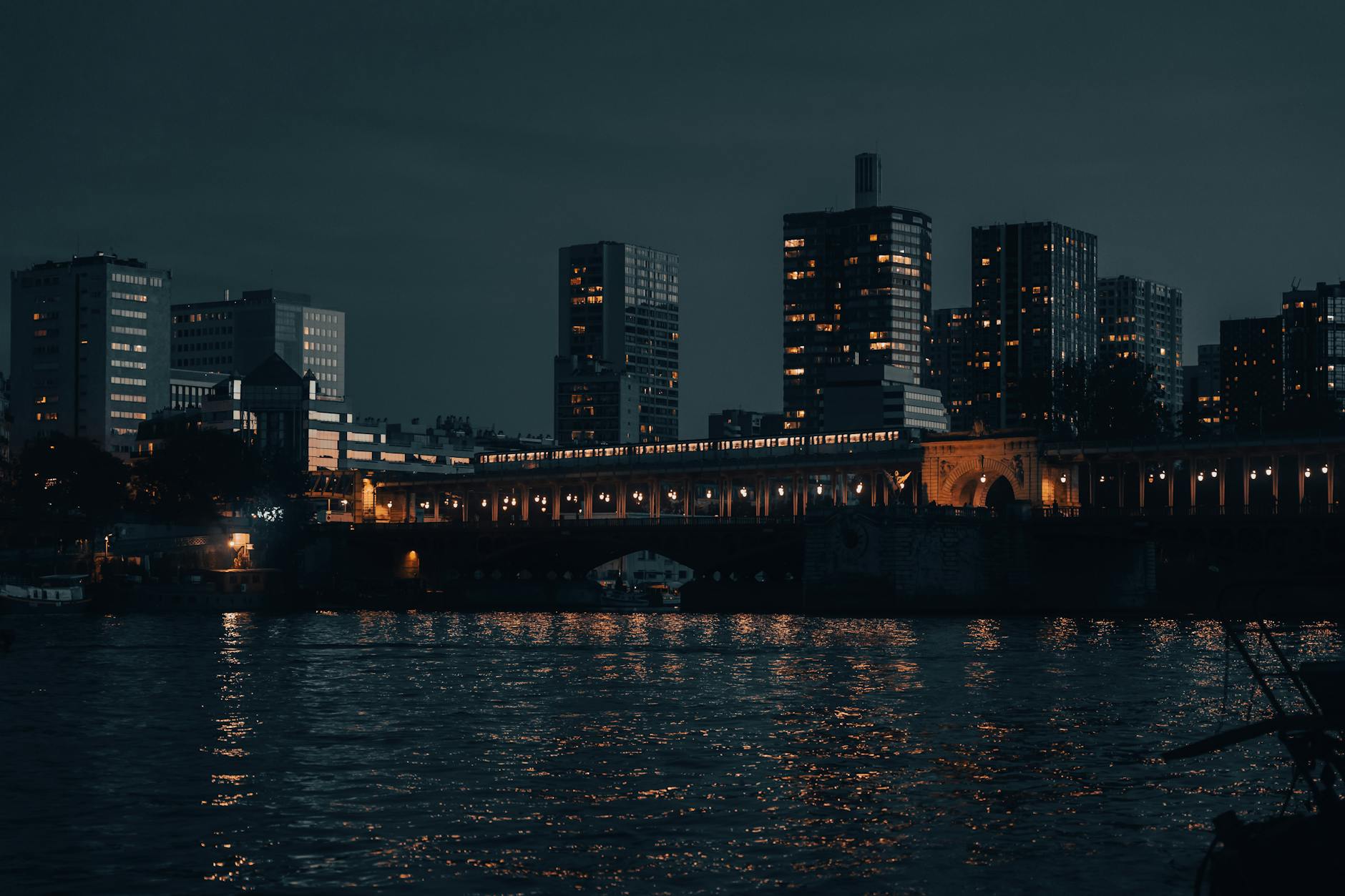
For one Saturday a year, Paris stays up all night and hands the streets over to artists. That is Nuit Blanche: a free, dusk-to-dawn contemporary art festival that turns the whole city into an open-air gallery. Paris invented it in 2002 under Mayor Bertrand Delanoe and the cultural impresario Jean Blaise, and the idea proved so catching that dozens of cities have since cloned it (Toronto, Brussels, Rome, Tel Aviv, Riga, Lima, Saint-Petersburg), but the original is still the biggest and most ambitious. The 2026 edition is a milestone: the festival’s 25th anniversary. It has been pulled off its usual first-Saturday-of-October slot to Saturday 6 June 2026, runs from 6 pm to 5 am, fields more than 200 free art events across Paris and the wider Ile-de-France, and is curated by the DJ, artist, and party-producer Barbara Butch around the theme of Love. Consider this nuit blanche paris all night art festival guide your full briefing: the date and theme, the standout installations, the parcours (routes) the city lays out, what to pack, how to move around, and the practical calls that turn a magic night into a slog if you get them wrong.
Use it next to our Paris events calendar for the rest of the festival year, our best time to visit Paris guide, our free Paris activities piece, and our best Paris bars guide for the small-hours refuelling stops.
Nuit Blanche 2026 — the essential facts
- Date: Saturday 6 June into Sunday 7 June 2026.
- Hours: 6:00 pm Saturday to 5:00 am Sunday, eleven hours straight.
- Edition: the 25th anniversary; the Paris original, running since 2002.
- Artistic director: Barbara Butch, the DJ, queer cultural figure, and producer of large festive events, best known internationally for her much-debated turn at the Paris Olympics 2024 opening ceremony.
- Theme: Love (Amour), worked through installations, performances, nocturnal trails, and festive events.
- Scope: more than 200 art events across Paris and the Ile-de-France suburbs (Seine-Saint-Denis, Val-de-Marne, Hauts-de-Seine, and others).
- Cost: free, all of it. No tickets, no reservations, no entry fees.
- Attendance: usually north of one million people across the eleven-hour window.
Don’t miss the date change. Earlier editions always ran the first Saturday of October. The 2026 one moves to early June to line up with the 25th-anniversary celebration and the longer summer evenings. Later editions may swing back to October or stick with June, so confirm the date at paris.fr each year.
What Nuit Blanche actually is
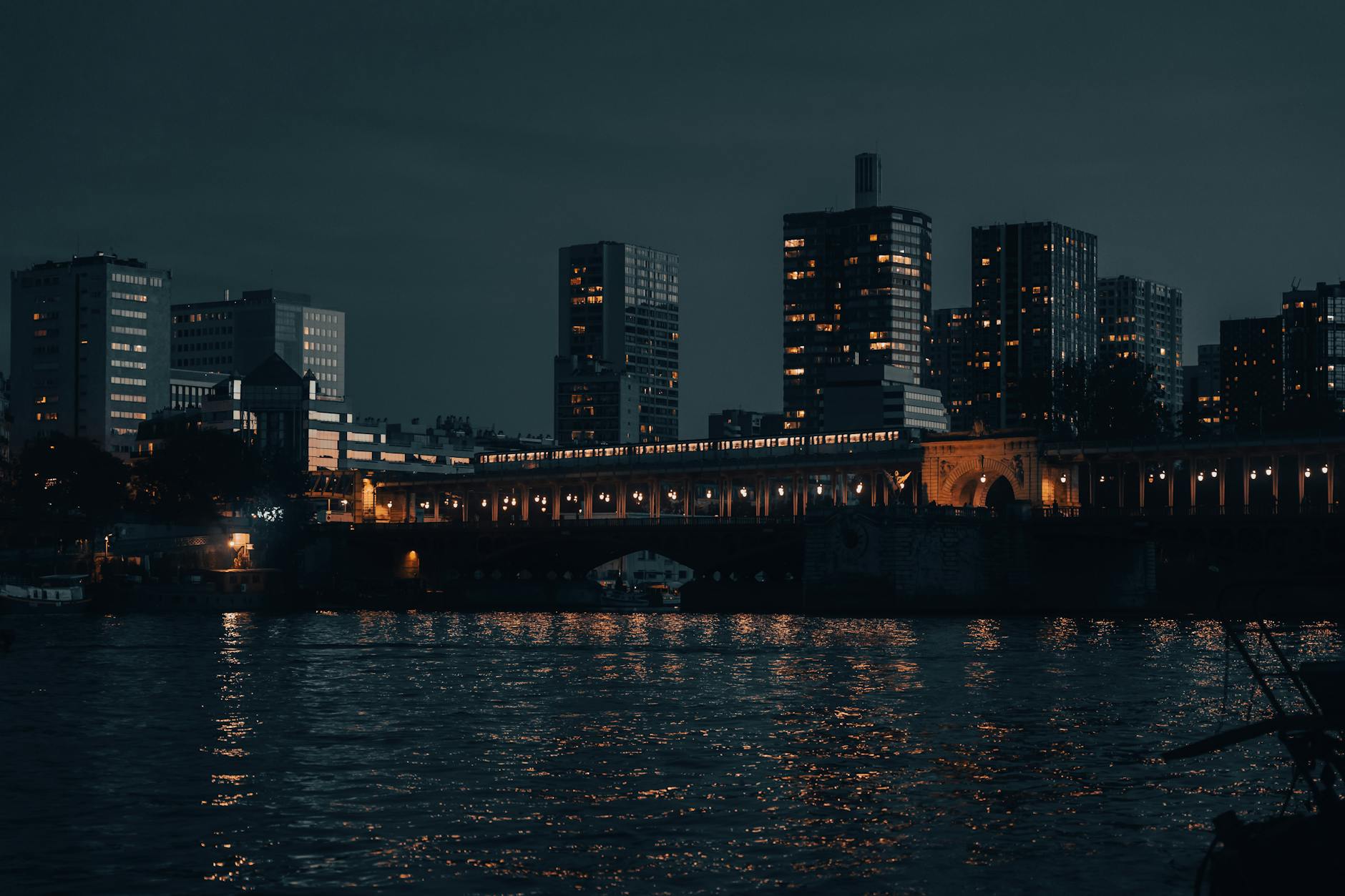
At its core, Nuit Blanche is a contemporary-art festival staged as one enormous city-wide night walk. The mix is wide: big outdoor installations in public squares, video projected onto building facades, performances in courtyards, sound pieces in metro stations, light works in churches, dance in railway stations, and conceptual interventions tucked into places you’d never look twice at. Museums, libraries, churches, and cultural institutions stay open through the night, free, while the outdoor works take over parks, bridges, and squares.
The art leans toward whatever the night format rewards: work that needs the dark, thrives on a chance encounter, or surprises you around a corner you know well. Sound, light, projection, and live performance carry the night, while straight gallery-style painting and sculpture are rare. Much of it is commissioned for the event or reworked from existing pieces, and the festival puts up a sizeable chunk of new work every year.
No other Paris cultural event draws a crowd this mixed. Families with small children show up at 8 pm, students and young professionals fill the 10 pm to 2 am stretch, and the committed art-walkers and night owls take over from 2 to 5 am. The mood is gentle and built around discovery. The crowds are huge but rarely tense.
The parcours — the city’s organised routes
Each year the city threads the major installations into parcours, walking routes that run through specific neighborhoods. They change every edition to match the artistic direction and the commissions, and the 2026 routes drop from the City of Paris in mid-May 2026. Past parcours have wound through:
- Central Paris (1st, 4th) — the Hotel de Ville, Pompidou, Place du Chatelet, Tour Saint-Jacques, the Seine bridges. The classic central route.
- Left Bank (5th, 6th, 7th) — the Pantheon, Saint-Sulpice, the Saint-Germain churches, the Luxembourg Gardens (sometimes), the Musee du Quai Branly.
- Right Bank cultural axis (1st, 8th) — the Louvre, the Tuileries, Place de la Concorde, the Champs-Elysees, the Grand Palais.
- Marais and Republique (3rd, 4th, 11th) — Place de la Republique, the Marais squares, the Carreau du Temple, the Canal Saint-Martin.
- Eastern Paris (11th, 12th, 19th, 20th) — the Buttes-Chaumont, Belleville, Bastille, the Bois de Vincennes (sometimes), and the newer La Villette and Philharmonie installations.
- Northern Paris (10th, 18th) — Gare du Nord, Gare de l’Est, Pigalle, Montmartre, and the Sacre-Coeur courtyard (sometimes).
- Ile-de-France suburbs — for 2026, expanded programming in Saint-Denis, Aubervilliers, Pantin, Ivry-sur-Seine, Saint-Ouen, Boulogne-Billancourt, and Nanterre.
Here’s the strategy that works: each parcours packs five to twelve installations into a 30 to 60-minute walk. Commit to finishing one or two properly instead of chasing all of them. A typical visitor sees fifteen to twenty-five installations across the night, and trying to beat that number is how people end up exhausted and frustrated.
Historic highlight installations from past editions
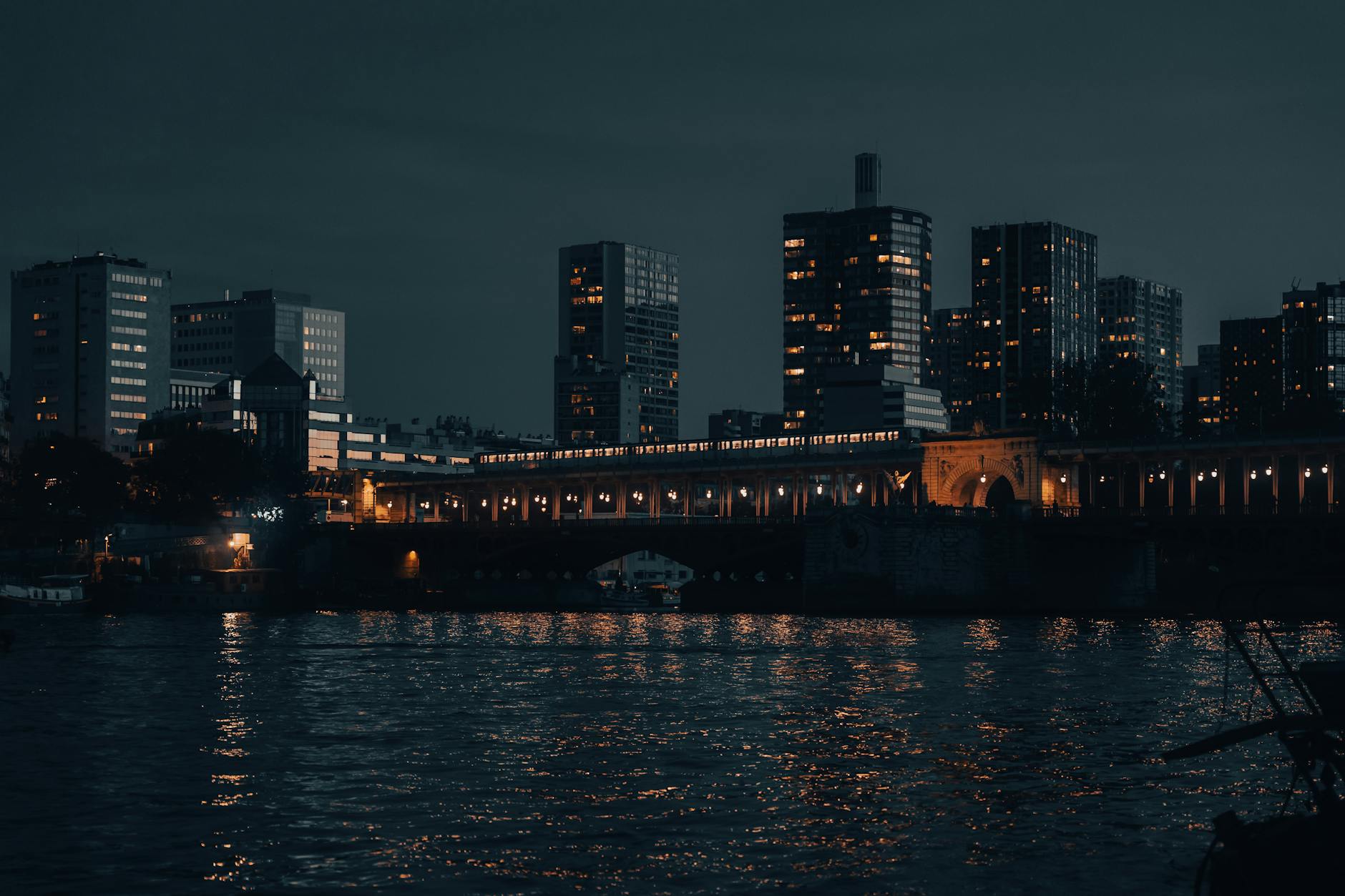
Some past Nuit Blanche pieces turned into events in their own right. The recurring and recent ones worth knowing:
- Sacre-Coeur projection works — the dome has served as a canvas for several large-scale projections that set the whole basilica in motion.
- Tour Saint-Jacques light installations — the medieval Gothic tower behind the Hotel de Ville takes dramatic lighting beautifully, and several editions have built major works around it.
- Hotel de Ville parvis — the open plaza in front of city hall is the festival’s unofficial heart, and every edition stages a major installation here.
- Centre Pompidou plaza — the sloping plaza out front is the second hub, usually given over to performance and sound work.
- Place de la Republique — the big open square regularly hosts large participation pieces: community choirs, mass-movement performances, light installations.
- Bassin de la Villette — the canal basin in the 19th turns the water into a canvas for light-and-water works.
- Seine bridges and quais — the river itself becomes a site again and again, with floating works, projections on the water, and light bridges.
- Metro stations — the RATP teams up with the festival each year to put sound and light pieces inside specific stations for the night.
- Hidden interiors — courtyards, lobbies, and rarely-opened historic interiors throw their doors open for the night. Past editions have unlocked the Palais Garnier rotunda, the Grand Palais (when open), the Musee Carnavalet courtyard, the Palais de Tokyo basement, the Conciergerie great hall, and the Hotel de Soubise.
Expect the 2026 anniversary edition to put up several flagship installations nodding to the festival’s history alongside the new commissions. The full program goes live on the paris.fr Nuit Blanche page two to three weeks out.
How to plan your night
A good Nuit Blanche comes down to preparation. The people who try to improvise tend to get lost, miss the big works, or run out of steam before midnight.
Read the program in advance. The official one lives at paris.fr/nuitblanche (out mid-May 2026), and both the Sortir a Paris event app and the official Nuit Blanche app publish it with maps. Flag a handful of installations you genuinely want to see, and let everything else be discovery.
Pick a route. Choose one of the city’s parcours and follow it. They’re built to walk in 60 to 90 minutes including stops at each work. Two parcours over the whole night, with a dinner break in between, is the realistic ceiling for most people.
Download the map. The official map appears on paris.fr the week before. Grab it ahead of time, because mobile data crawls in the crowded central areas. It shows the installations, the routes, and the participating institutions.
Sort out dinner. Eat before 8 pm, or plan a 9 to 10 pm break at a brasserie. The bigger restaurants serve full menus until 11 pm, and the budget bouillons (Bouillon Chartier, Bouillon Pigalle, Bouillon Republique) take walk-ins. Whatever you do, don’t go looking for dinner between 11 pm and 1 am, when most kitchens have shut.
Wear walking shoes. Plan on 5 to 15 kilometers on foot. Comfortable shoes aren’t optional here.
Dress in layers. Even the June 2026 edition will dip to 14-16 Celsius in the small hours, so bring a light jacket. For the October editions, you’re into full winter gear.
Getting around — transport on Nuit Blanche
Transport runs special extended service for the night. Here’s the historical pattern (confirm the 2026 specifics once the official program lands):
Metro. Selected lines run all night for the festival. Which ones shifts year to year, but the list usually includes lines 1, 2, 4, 6, 9, and 14, the most useful for visitors. The rest keep their normal schedule, with the last train around 1:15 am Saturday into 2:15 am Sunday. Free travel from the 5 pm Saturday start through to noon Sunday has been the typical recent policy, but confirm for 2026.
Buses. Some lines run special Nuit Blanche service, and the Noctilien night-bus network adds reinforced service.
Velib bicycles. The bike-share has partnered with the festival in recent years, including free access on the night. The 2026 partnership reportedly carries this on; check velib-metropole.fr.
Walking. The parcours are built for it, and central Paris is small. A typical route of five to ten installations fits inside a 30 to 90-minute walk including stops.
Don’t drive. The city shuts long stretches of street for the installations. Parking near the big works is hopeless, and the surrounding streets clog up badly.
What to bring — the practical kit
- Comfortable walking shoes — broken in and supportive. Not heels, not anything new.
- Light jacket or coat — a layer for the overnight temperature drop.
- Small backpack or shoulder bag — for water, your jacket, a charger, the paper map.
- Fully charged phone plus a portable battery — you’ll lean on it for the map, the program, photos, and finding friends, and it drains fast on a long walking night.
- Cash in small bills — some food and merch stands prefer it, and bar service moves quicker with cash than card.
- Water (one or two refillable bottles) — you will get thirsty. A few installations have water stations, but bringing your own guarantees it.
- Light snacks — the food vendors are spread thin and can have queues, so energy bars, fruit, or sandwiches bought at a market earlier in the day fill the gaps.
- A camera or a phone with a good night mode — the installations photograph well, and a steady hand or a small monopod helps in low light.
- Earplugs (optional) — some sound pieces run loud, and you may want to take the edge off.
- A folding paper map — your backup when the phone battery is fading. The official PDF is on paris.fr; print it before you go.
Best time slots to attend
The eleven hours don’t feel the same all the way through. When you go shapes what you get.
6 to 9 pm (early evening). The family window. Installations are easy to reach, crowds are moderate, and it’s still daylight (sunset on 6 June 2026 lands around 9:45 pm, so the opening hours are essentially day). Best for families with kids.
9 pm to midnight (peak). The busiest stretch. The popular installations run queues of 15 to 45 minutes, and the energy is at its highest. Big crowds, mostly good-natured. Best for first-timers who want the full charge of it.
Midnight to 2 am (late peak). Still busy, but the crowds ease a little, and the most photogenic works look their best under a deep night sky. The special-service Metro lines are still running. Best for committed art-walkers.
2 am to 5 am (post-peak). This is the magic window. The crowds fall away, many popular installations have no queue at all, and an empty central Paris with the major works still lit is about as memorable as the city gets all year. The special Metro lines keep running and the walking is lovely. Best for anyone who can pace themselves through the long haul.
Recommended itineraries
Three sample plans, scaled to your stamina and your interests.
Light-attendance itinerary (4 hours, 6-10 pm)
For anyone who wants a taste of the festival without signing up for the whole night.
6 pm: start at the Hotel de Ville parvis for the central installation. 6:30 pm: walk over to the Pompidou and the cluster of works around the 4th arrondissement. 8 pm: dinner at a nearby brasserie or food vendor. 9 pm: head into the Marais for the pieces around Place des Vosges and the surrounding streets. 10 pm: Metro home.
Standard itinerary (7 hours, 7 pm-2 am)
The most common way to do it. Full but manageable.
7 pm: a light dinner at a brasserie before things kick off (book ahead). 8:30 pm: begin at the Hotel de Ville parvis. 9-11 pm: walk the central parcours through the Pompidou, Saint-Eustache, and the Forum des Halles. 11 pm: a break at a cafe or bar in the 1st. 11:30 pm: on to the Marais parcours. 12:30 am: down to the Pont Neuf and the Seine quais. 1:30 am: last installations near Bastille or Republique. 2 am: Metro home, with the special-service lines still running.
Dedicated itinerary (11 hours, 6 pm-5 am)
The whole thing, end to end. For serious art-walkers.
6-8 pm: opening installations on the Place de la Republique parcours. 8-9 pm: dinner break (book ahead at a bistro in the 10th or 11th). 9 pm-12 am: the central parcours, taking in the Hotel de Ville, the Pompidou, and the Marais. 12-2 am: the Left Bank parcours through the Pantheon, Saint-Sulpice, and the Saint-Germain churches. 2-3:30 am: the quieter late-night works, the Seine quais, the Bastille area, or one of the suburban parcours (Saint-Denis, Aubervilliers). 3:30-5 am: a dawn walk through a deserted center with the installations still lit. 5 am: croissants at one of the early-opening bakeries, then back to the hotel to sleep until early afternoon.
Late-night food and refreshment
Feeding yourself between midnight and 5 am is the real logistical puzzle of the night. Most Paris restaurants close at midnight, so here are the places that stay open later:
Brasseries with late kitchens. La Coupole (until 1 am), Le Train Bleu (until 1 am during the festival), Brasserie Lipp (usually until midnight). Reserve, or get there before 10 pm.
Late-late bistros and bars. The Marais and the 11th have bars routinely open until 2 am, some pushing to 4 am on Nuit Blanche. Le Mary Celeste, Candelaria, Bonhomie, Le Servan, and La Buvette are all worth knowing for the small-hours stops.
24-hour and all-night spots. Au Pied de Cochon (Les Halles, open 24 hours, a bowl of French onion soup at 4 am is a rite of passage), Le Tambour (until 6 am), and Bouillon Pigalle (until midnight, sometimes later for the festival).
Street food and kebab shops. Boulevard Saint-Michel, the Marais, and Pigalle keep kebab and falafel shops going until 4 or 5 am. A wrap runs 5-9 euros.
Festival food vendors. The city sets up food trucks and pop-up stalls at the major installation hubs. Decent food at 8-15 euros an item, with queues at the popular trucks.
Dawn pastries. The first bakeries open between 5 and 6 am. Du Pain et des Idees (rue Yves Toudic, 10th), Tout Autour du Pain (Marais), and Stohrer (rue Montorgueil) are the ones to aim for when you want to end the night on a warm croissant.
Photography and social media
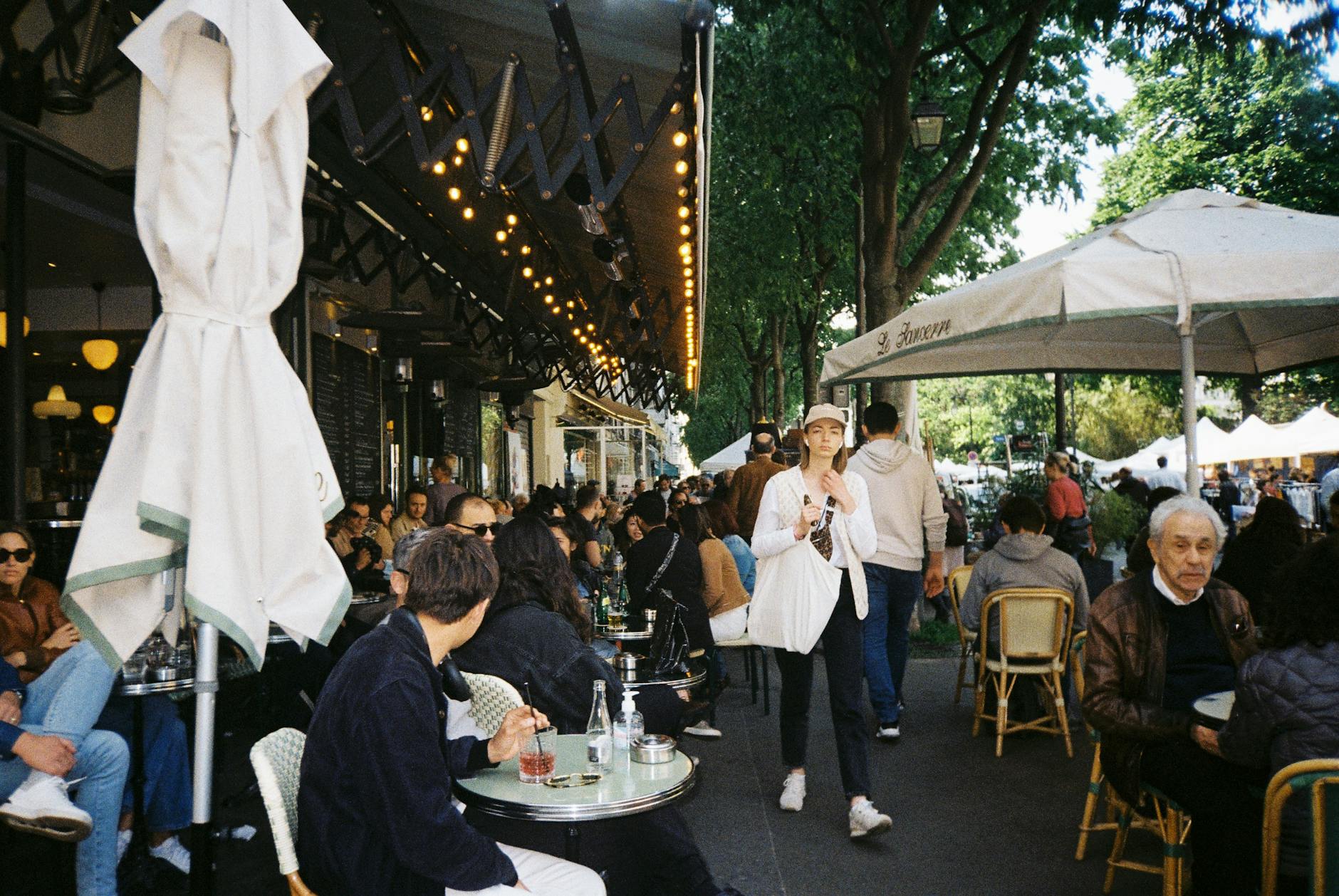
Few Paris nights photograph as well as this one. The installations are built around light and motion, the backdrops are unmistakable (Hotel de Ville, the Pompidou plaza, Place de la Republique, Sacre-Coeur), and the crowd gives you a sense of scale.
A few tips: use your phone’s night mode (the iPhone Pro and Pixel Pro lines handle low light well); steady your hands or set up a small tripod for sharper frames; put people in the shot to convey the size of the big works; and remember the strongest angles are usually the wide ones on the large projections (Sacre-Coeur, Tour Saint-Jacques, Hotel de Ville). Skip long exposures on phone tripods when the crowd is moving, and use burst mode for anything kinetic.
On hashtags: the standing one is #NuitBlanche, the festival rolls out its own each year (announced with the program), and the broader local tags (#Paris, #ParisLaNuit) reach the wider Parisian audience.
Family attendance — bringing children
The festival schedules family-friendly content in the early hours, roughly 6 to 10 pm. Works in that window generally steer clear of strong nudity, intense sound, or anything unsuitable for kids, and the city flags the family-friendly pieces in the program.
A workable plan with young children: arrive at 6 pm, see two or three installations nearby, eat at a family-friendly bistro at 7 pm, catch one more piece around 8:30 pm, and be on the Metro home by 9:30 to 10 pm. They get a real festival experience without hitting the late-night wall.
Older kids (10 to 15) can stretch to a longer evening, up to midnight, if you pace it. Bring snacks, build in rests, and pick the works they’ll actually engage with: light pieces, interactive installations, and video projections over conceptual or performance art.
Accessibility
The city builds accessibility into the night. Wheelchair-accessible installations are flagged in the program, some works include sign-language interpretation for hearing-impaired visitors, and audio-description tours are organised for visually-impaired visitors (free, booked through paris.fr ahead of time). The volunteer team includes accessibility staff at the major hubs.
One honest caveat on transport: the Metro’s wheelchair-accessible stations are limited. Line 14 is fully accessible, while the other lines have only selected accessible stops, so plan your route around those. The bus network is more wheelchair-friendly than the Metro.
Safety and crowd management
Nuit Blanche is one of the safest large public events Paris runs. The city puts serious security behind it (police, prefecture, private security at the major installations), the volunteer team is large and easy to spot, and the Metro stations are staffed through the special-service hours.
The usual precautions still apply: keep your wallet and phone in front pockets in a crowd, carry only what you need, stay with your group, and if you split up, fix a meeting point and a check-in time. Pickpocketing is the real risk. The crowd is far too friendly for aggressive crime, but pickpocket teams work the dense spots.
Going solo is fine with standard care. The crowds are big enough that you’re rarely actually alone, and the volunteer staff are dependable if you need help. Women attending on their own regularly report feeling safe through the night.
If something goes wrong, the standard emergency numbers work normally: 15 for medical, 17 for police, 18 for fire, 112 for everything. The red-vested volunteers can point you to the nearest first-aid station.
The 2026 edition — what to expect from the Love theme
With Barbara Butch curating around Love, the installations will likely range across romantic love, friendship and community, civic love, queer love, the love of art and the city, and the love of memory and history. Her event-production work runs festive, inclusive, and performance-driven, so expect more dance, music, and participatory work, and a louder note of social celebration than some past editions struck.
The 25th anniversary should bring some looking-back too: nods to or revivals of landmark past installations, archival programming at the Hotel de Ville or Pompidou, and commissions made specifically to mark the festival’s history.
The June date changes the texture of the night. With sunset on 6 June 2026 around 9:45 pm, the first three hours play out in daylight and the true dark only runs from midnight to 5 am. That reshapes both the lighting design and your pacing: the early works will read as more sculptural, the post-midnight ones more atmospheric.
Beyond Paris — the Ile-de-France suburbs
The festival has pushed well into the Ile-de-France suburbs over recent editions. The 2026 program runs substantial programming in:
- Saint-Denis (93) — installations around the Basilica of Saint-Denis, the royal burial church, and often the most ambitious of the suburban programs.
- Aubervilliers (93) — works at the Centquatre cultural centre, the major contemporary-art space in the northern suburbs.
- Pantin (93) — the Hermes headquarters, the Pavillons de Pantin, and installations along the Canal de l’Ourcq waterfront.
- Ivry-sur-Seine (94) — the southeastern suburb, with its own established cultural programming.
- Boulogne-Billancourt (92) — the western suburb, home to the Albert Kahn gardens and the Musee des Annees 30.
- Saint-Ouen (93) — the flea-market suburb, which has staged installations through the famous Marche aux Puces.
The RER and suburban tram networks add extended service for the festival, and the city lays on shuttle buses between Paris and the major suburban installations.
History of Nuit Blanche
Mayor Bertrand Delanoe (then mayor of Paris) and the cultural director Jean Blaise launched Nuit Blanche in 2002. That first edition, on 5 October 2002, was modest by today’s measure, around fifteen installations across the center, but it caught on instantly, pulling an estimated 300,000 people. The whole point was a rebuke to the idea that contemporary art was shut away and out of reach: this put it in public squares, free, in a festival anyone could wander into.
From 2003 the model traveled fast. Toronto’s Nuit Blanche (founded 2006) is among the biggest of the offshoots, and Brussels, Rome, Madrid, Tel Aviv, Saint-Petersburg, Riga, Singapore, Lima, Bogota, Naples, Saint-Louis, and dozens more have launched their own. The Paris original is still the largest and most ambitious of the lot.
The artistic direction rotates, with each edition shaped by a different artist or director who sets the theme and the commissions. Past directors include Christian Boltanski, Jacques Audiard, Daniel Buren, Kimsooja, Jose Manuel Goncalves, Charlotte Laubard, and Kitty Hartl. Barbara Butch’s 2026 anniversary edition is the most talked-about appointment the festival has had in years.
Frequently asked questions
Is Nuit Blanche really free?
Completely. No tickets, no reservations, no entry fees to any installation or museum during festival hours. Food vendors and bars charge their usual prices; everything else costs nothing.
Do I need to book anything?
Not for the installations. But reserve a table for your dinner break, because the major brasseries and bistros fill up by 8 pm, and book a hotel 4 to 6 weeks ahead, since rooms go heavily for the festival night.
Can children attend?
Yes. The early hours (6-10 pm) are family-friendly, with child-appropriate installations clearly labelled. Later content can turn to adult themes, so check the program’s content labels.
Is Nuit Blanche worth planning a trip around?
Yes. Nothing else matches it for scale and ambition, and the 25th-anniversary edition in 2026 is an especially good year to go. Plan a long weekend with the Nuit Blanche Saturday as the centerpiece and leave the Sunday for recovery.
Should I worry about safety walking around at night?
Central Paris during Nuit Blanche is among the safest large public settings in the city. The crowds, the police presence, the volunteer staff, and full Metro service all add up to a secure environment. Take the usual precautions, but the night is genuinely safer than an ordinary Paris evening.
Final thoughts
No public-art event in Paris reaches further than this one, and few cultural ideas from the 21st-century city have been copied as widely. The 2026 anniversary edition, Saturday 6 June, curated by Barbara Butch around Love, will be the biggest in the festival’s history. So do the prep: download the map, pick your parcours, book dinner, pack the kit. Start at the Hotel de Ville parvis at 6 pm, walk one or two routes through the night, refuel at the late brasseries and bars, and close it out with dawn croissants at one of the city’s great early bakeries. Those eleven hours, 6 pm Saturday to 5 am Sunday, will stand among the best nights you ever spend in Paris.
Keep reading
Use these to round out your trip: