Paris Neighborhoods Guide: Exploring All 20 Arrondissements
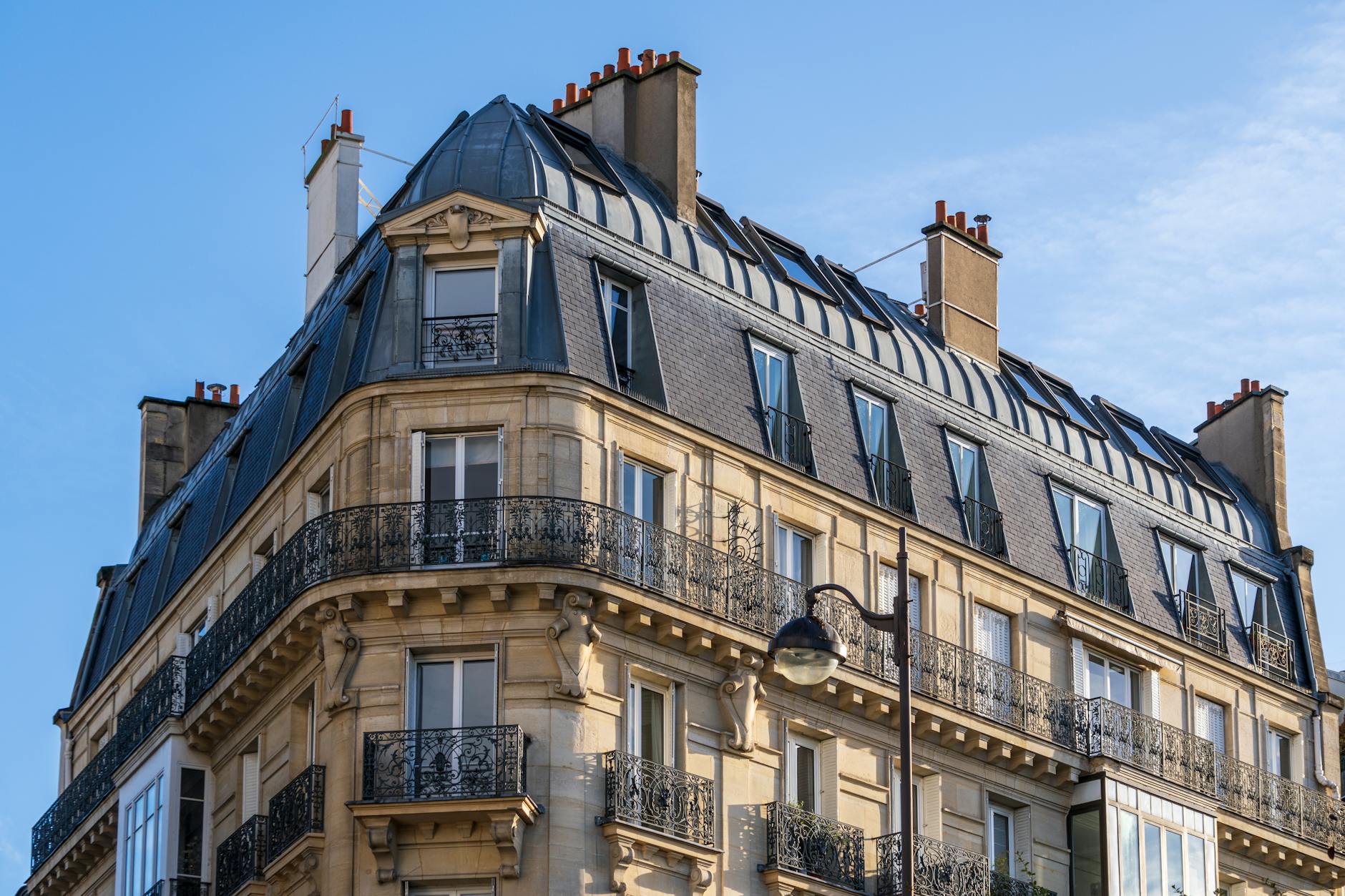
Treat Paris as a single city and you’ll misread it. It’s twenty cities stacked together, each arrondissement with its own temper, its own history, its own daily rhythm. This Paris neighborhoods guide pushes past the postcard stops to show how all twenty actually live, eat, and breathe, because the gap between seeing Paris and understanding it runs right down those neighborhood lines.
The arrondissements coil outward clockwise from the middle, like a snail shell (escargot), beginning at the Louvre in the 1st and spiraling out to Ménilmontant in the 20th. That numbering dates to 1860, when Baron Haussmann swallowed the surrounding villages into the city, and it’s still the map every Parisian carries in their head. Inside each arrondissement sit distinct quartiers, and the character can flip hard from one block to the next.
What follows is a working Paris neighborhoods guide to all twenty, with straight talk about what each one actually gives a visitor: the landmarks, the food, the feel of the streets, the best routes for wandering, and practical notes on where to stay. Want the grandeur of the Champs-Élysées, the scruffy creativity of Belleville, or the village hush of the Île Saint-Louis? There’s a neighborhood that matches the mood you’re in.
Understanding the Paris Layout: Right Bank vs. Left Bank
Get the city’s big divide straight before you zoom in on individual arrondissements. The Seine cuts Paris in two: the Right Bank (Rive Droite) to the north and the Left Bank (Rive Gauche) to the south. The labels aren’t only about geography; they carry a fair bit of cultural weight.
The Right Bank takes in roughly two-thirds of the city (arrondissements 1–4, 8–12, 16–20) and has long been the side of commerce, power, and reinvention. It holds the Louvre, the Champs-Élysées, the Opera, and Montmartre, along with the most restless contemporary neighborhoods. The Left Bank (arrondissements 5–7, 13–15) wears its intellectual and artistic reputation instead: the Sorbonne, the literary cafés of Saint-Germain, the Musée d’Orsay, and the Eiffel Tower all sit on this side.
Two islands ride the river between the banks. Île de la Cité is the geographic and historic cradle of Paris, home to Notre-Dame. Île Saint-Louis is a quiet residential island that feels stuck, pleasantly, in the 17th century. Administratively, both fall under the 1st and 4th arrondissements.
The Central Right Bank Neighborhoods
1st Arrondissement: The Louvre and Tuileries
The 1st is the historic and geographic core of Paris. The Musée du Louvre looms over the district, but it’s far from the whole story. There’s the elegant Jardin des Tuileries running toward Place de la Concorde, the Palais Royal with its striped Buren columns and tucked-away arcaded gardens, and the polished covered passages like Galerie Vivienne. The Forum des Halles, once the city’s central food market, now does duty as a modern shopping and transit hub. Rue de Rivoli runs the length of the arrondissement with its shops and cafés, while the quieter streets around Place des Victoires hold upscale boutiques and a flash of classical Parisian polish.
2nd Arrondissement: Passages and Bourse
Paris’s smallest arrondissement gets overlooked, which is a mistake. The 2nd has the densest cluster of covered passages in the city, those 19th-century glass-roofed arcades that count among the most atmospheric corners of Paris. Passage des Panoramas (the oldest, opened in 1799), Galerie Vivienne, and Passage du Grand Cerf each play time capsule, full of vintage shops, stamp dealers, and snug little restaurants. Rue Montorgueil, a pedestrian market street, runs on oyster vendors, fromageries, and café terraces. The area around the old Bourse (stock exchange) has been revived with strong restaurants and the cutting-edge Bourse de Commerce, now the Pinault Collection’s contemporary art museum.
3rd and 4th Arrondissements: Le Marais
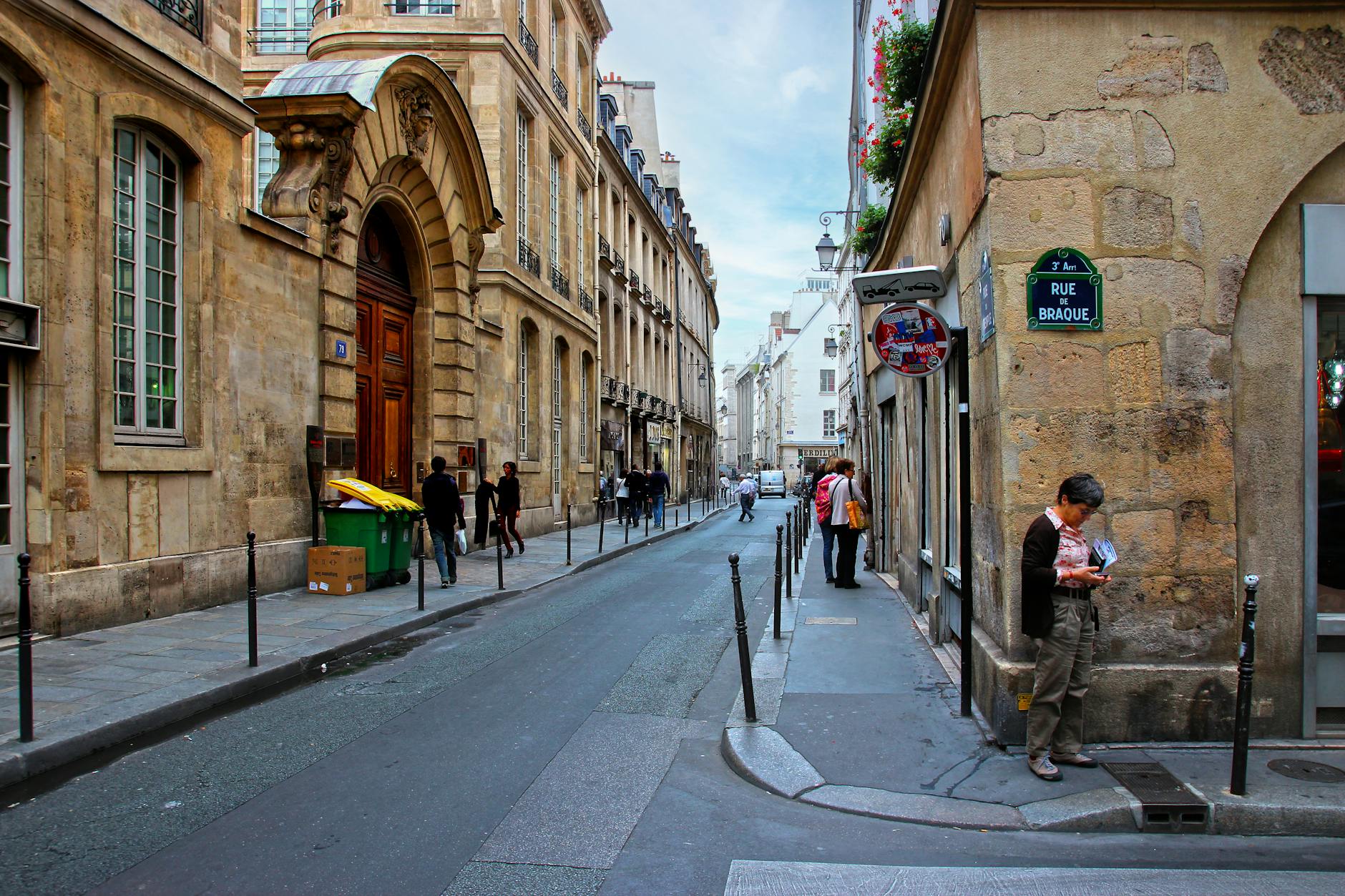
If one neighborhood gets the most affection from visitors and locals both, it’s Le Marais. Sprawling across the 3rd and 4th, it dodged Haussmann’s 19th-century wrecking ball, which is why it kept its medieval street plan and its grand hôtels particuliers (aristocratic mansions). Several of those mansions now hold museums, the Musée Picasso, the Musée Carnavalet (Paris history, free entry), and the Musée des Archives Nationales among them.
The 3rd (Haut Marais) has grown into a gallery and fashion district, with independent designers and contemporary art spaces strung along Rue de Turenne and Rue de Bretagne. The 4th turns on Place des Vosges, the oldest planned square in Paris and one of its loveliest, ringed by red-brick arcaded buildings and shady gardens. The famous falafel shops of Rue des Rosiers anchor the historic Jewish quarter, and the 4th is also home to a lively LGBTQ+ community. The Centre Pompidou, with its plumbing worn on the outside, straddles the border between the two arrondissements. Le Marais rewards walking, shopping, eating, and people-watching at any hour you choose.
8th Arrondissement: Champs-Élysées and Grand Boulevards
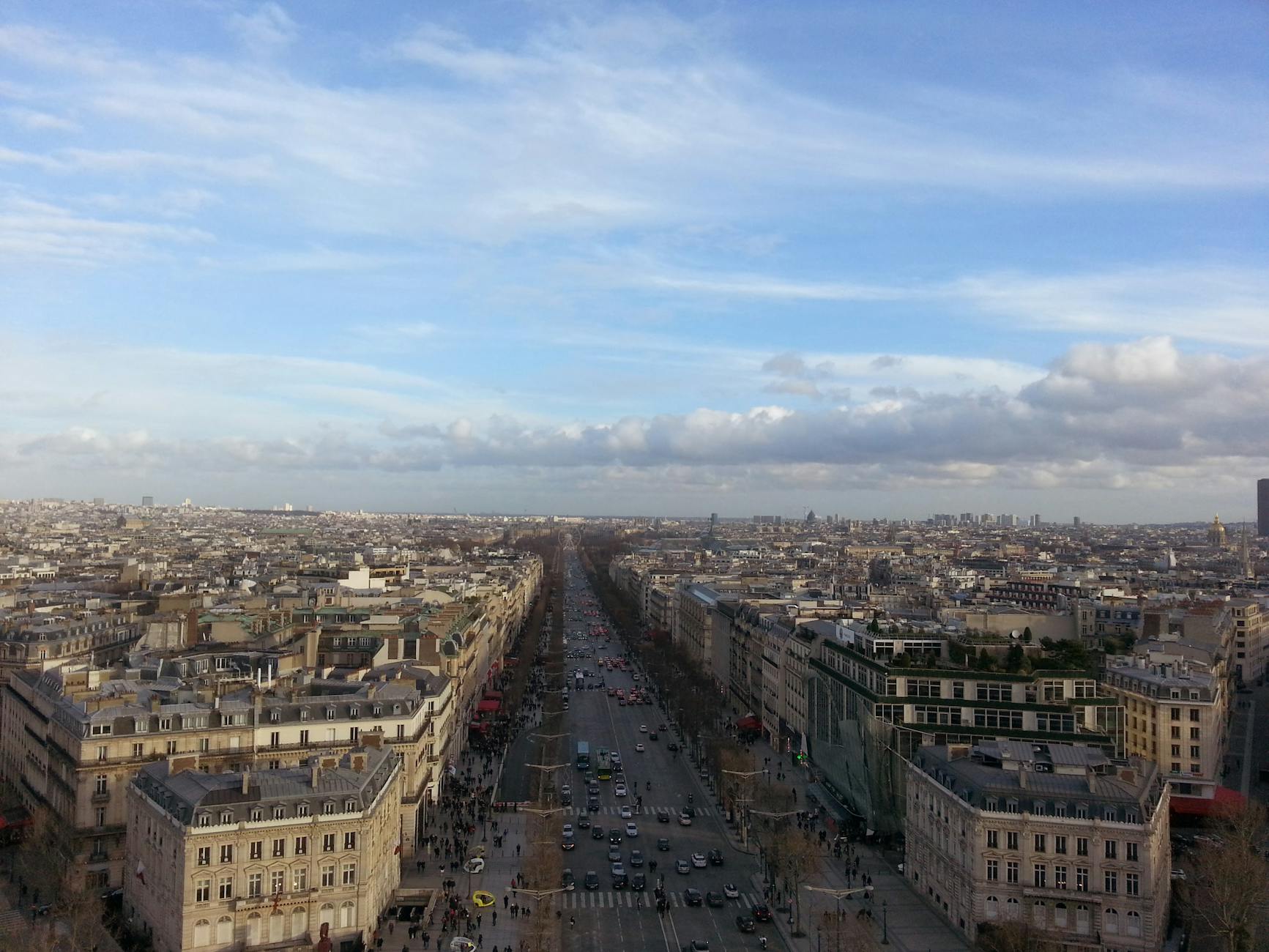
The 8th is Paris at full monumental volume. The Champs-Élysées runs from Place de la Concorde up to the Arc de Triomphe, lined with flagship stores, cinemas, and cafés. The avenue itself leans commercial and touristy, but the streets around it deliver the good stuff: the Grand Palais (reopened after a major renovation) and Petit Palais mount world-class exhibitions, the Musée Jacquemart-André is a quiet jewel, and the gold-trimmed Pont Alexandre III is the most ornate bridge in the city.
Off the boulevard, the 8th holds the Triangle d’Or (Golden Triangle) between Avenues Montaigne, George V, and the Champs-Élysées, the haute couture epicenter of Paris with Dior, Chanel, Louis Vuitton, and every other luxury name. Parc Monceau, up in the northern part, makes a beautiful green escape with its Renaissance rotunda, miniature pyramids, and a romantic pond. And the Élysée Palace, the French president’s residence, keeps a low profile on Rue du Faubourg Saint-Honoré.
9th Arrondissement: Opéra and South Pigalle
The 9th runs on contrast. Its southern half centers on the Palais Garnier, the spectacular 19th-century opera house whose interior gives Versailles a run for its money. The Grands Magasins, Galeries Lafayette (under its remarkable glass dome) and Printemps, pull shoppers to Boulevard Haussmann. Head a little further south and the covered passages pick up where the 2nd left off.
The northern slice of the 9th, especially South Pigalle (“SoPi”), has reinvented itself as one of the city’s best food-and-nightlife pockets. Rue des Martyrs, climbing from Notre-Dame-de-Lorette toward Montmartre, is paradise for an eater: every block hands you a standout bakery, cheese shop, chocolatier, or wine bar. The Musée de la Vie Romantique, hidden at the end of a cobbled courtyard, is one of the most enchanting small museums in Paris (the permanent collection is free).
10th Arrondissement: Canal Saint-Martin and Gare du Nord
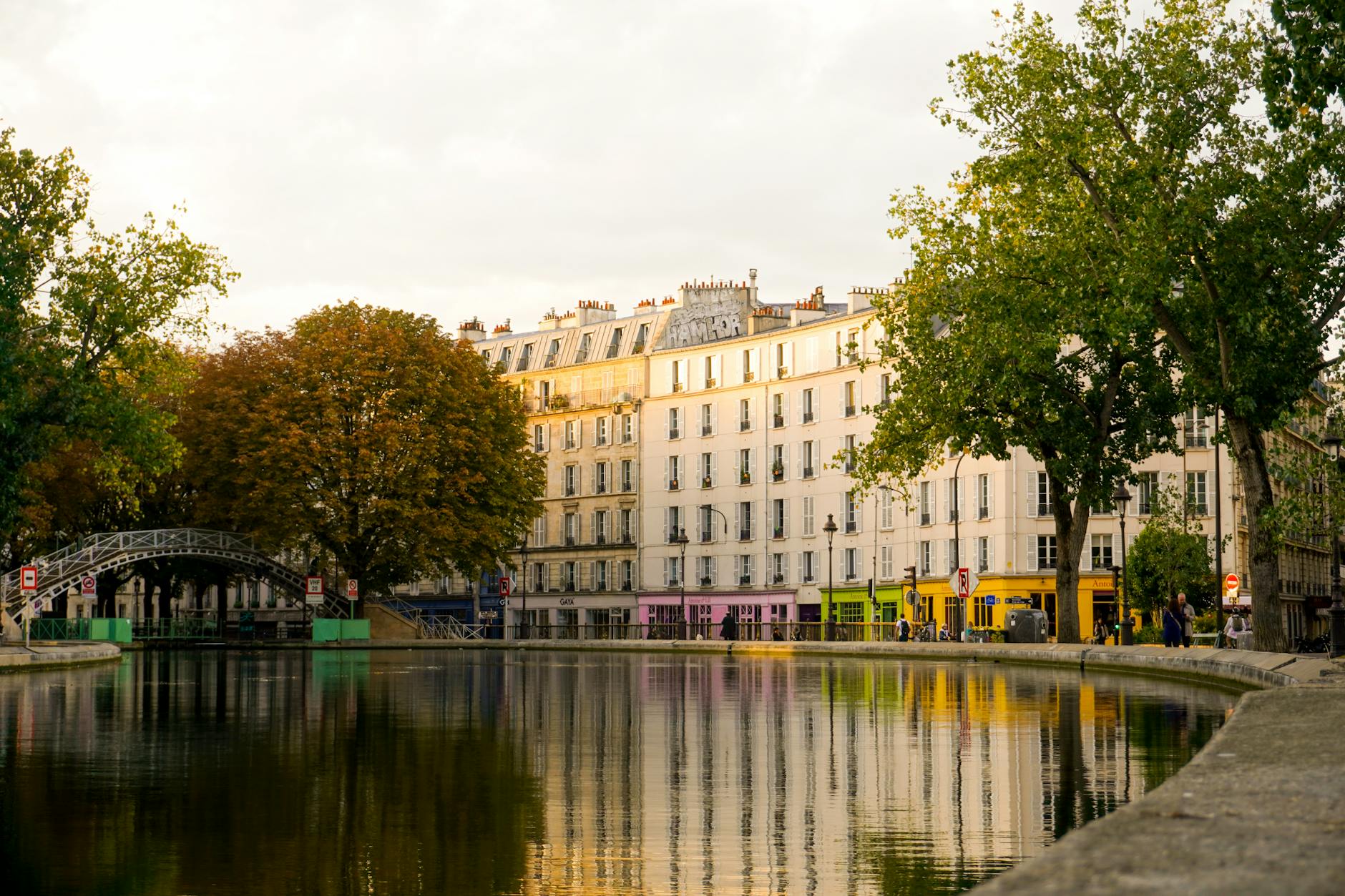
The 10th has become one of the most alive, most multicultural neighborhoods in Paris. Canal Saint-Martin, with its iron footbridges, chestnut trees, and working locks, is the spiritual home of young, creative Paris, its banks lined with craft coffee shops, natural wine bars, vintage boutiques, and some of the city’s best neo-bistros. Come a warm evening, locals colonize the canalside for impromptu picnics that run late.
The 10th also holds two major train stations, Gare du Nord (the Eurostar terminal) and Gare de l’Est, and the streets around them throb with diversity. Rue du Faubourg Saint-Denis hits all the senses at once, Indian spice shops, Turkish bakeries, African hair salons, and Vietnamese restaurants jostling against old-school Parisian cafés. This is real, working Paris, rough around the edges in spots but endlessly absorbing, and home to some of the most affordable, most genuine eating in the city.
11th Arrondissement: Bastille and Oberkampf
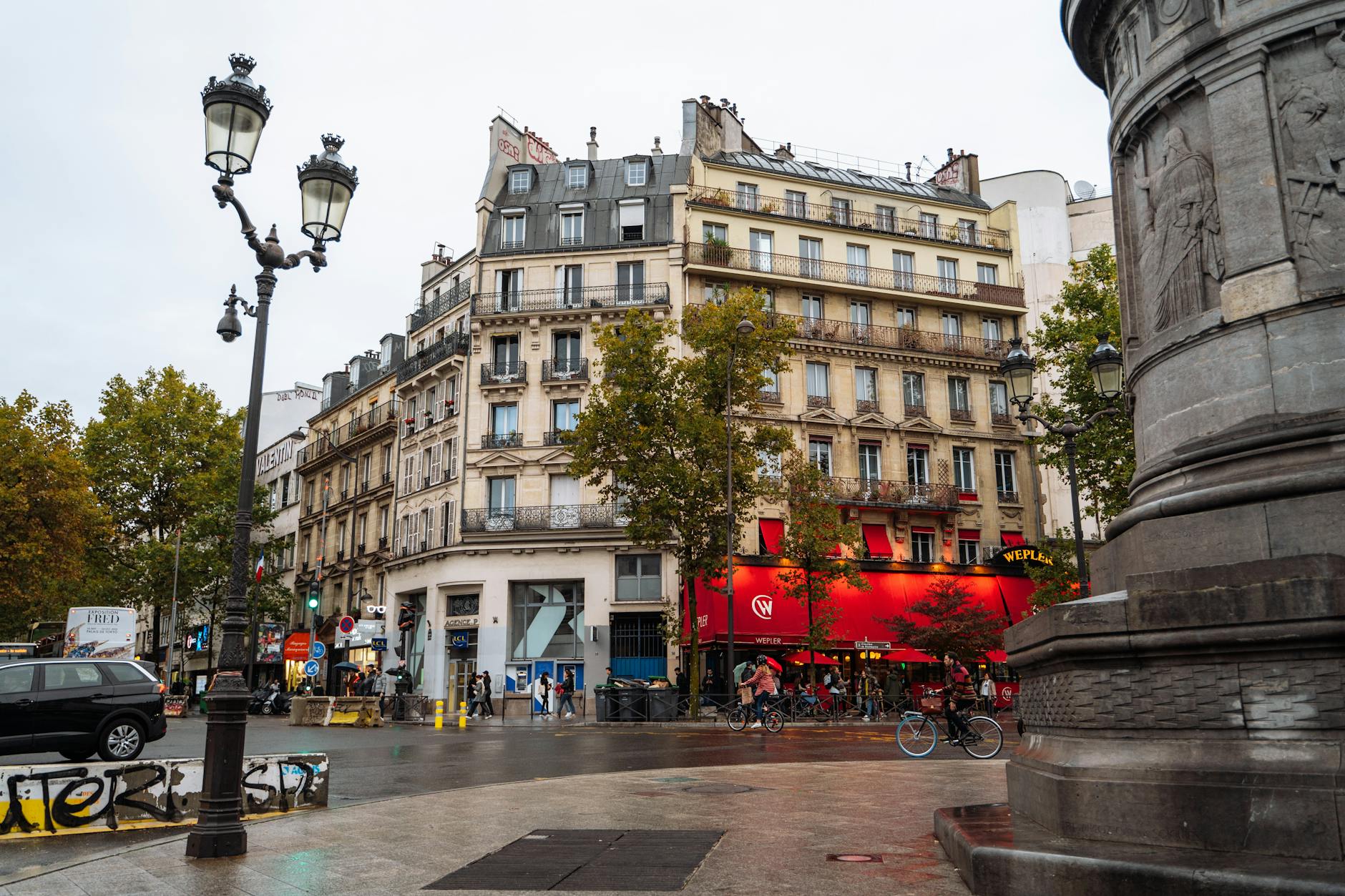
If this Paris neighborhoods guide had to crown a single district for food lovers, the 11th would take it walking away. The streets fanning out from Place de la Bastille, along Rue Oberkampf, and through the Charonne quarter pack in an extraordinary number of excellent restaurants. This is the birthplace of the Paris neo-bistro: young, classically trained chefs opening personal, affordable rooms built on market menus and natural wine. Septime, Le Chateaubriand, and a long roster of newer addresses have turned the 11th into the destination for serious contemporary cooking.
Food aside, the 11th is the nightlife capital of Paris, with Rue de la Roquette and Rue Oberkampf crammed with bars from grungy dives to slick cocktail rooms. The Marché Bastille (Thursday and Sunday) is one of the city’s best. And the Place de la République, shared with the 3rd and 10th, has been remade into a vast pedestrian square that doubles as a gathering point and a hub of the city’s civic life.
12th Arrondissement: Bercy and Promenade Plantée
The 12th serves up an honest slice of residential Paris that still comes with real attractions. The Promenade Plantée (also called the Coulée Verte), an elevated park laid over an old railway line, came before New York’s High Line and inspired it. Walk its 4.7 kilometers from Bastille to the Bois de Vincennes and you pass planted gardens, tunnels of greenery, and elevated views over the eastern neighborhoods that almost no tourist sees. Beneath it, the Viaduc des Arts tucks artisan workshops into the railway arches, furniture restorers, violin makers, fashion designers, and jewelers who welcome a curious visitor.
Bercy Village, converted from old wine warehouses along cobbled lanes, makes a relaxed, family-friendly spot for dining and a film. The huge Bois de Vincennes on the district’s eastern edge is the largest park in Paris, four times the size of Central Park, with a thoroughly modernized zoo, the beautiful Parc Floral (a botanical garden that hosts free jazz concerts in summer), and the medieval Château de Vincennes and its imposing 52-meter donjon. The Marché d’Aligre, going since 1643, is one of the best and most affordable food markets in the city, an electric mix of outdoor produce stalls, a covered market hall, and a flea market that spreads across Place d’Aligre every morning but Monday.
The Left Bank Neighborhoods
5th Arrondissement: The Latin Quarter
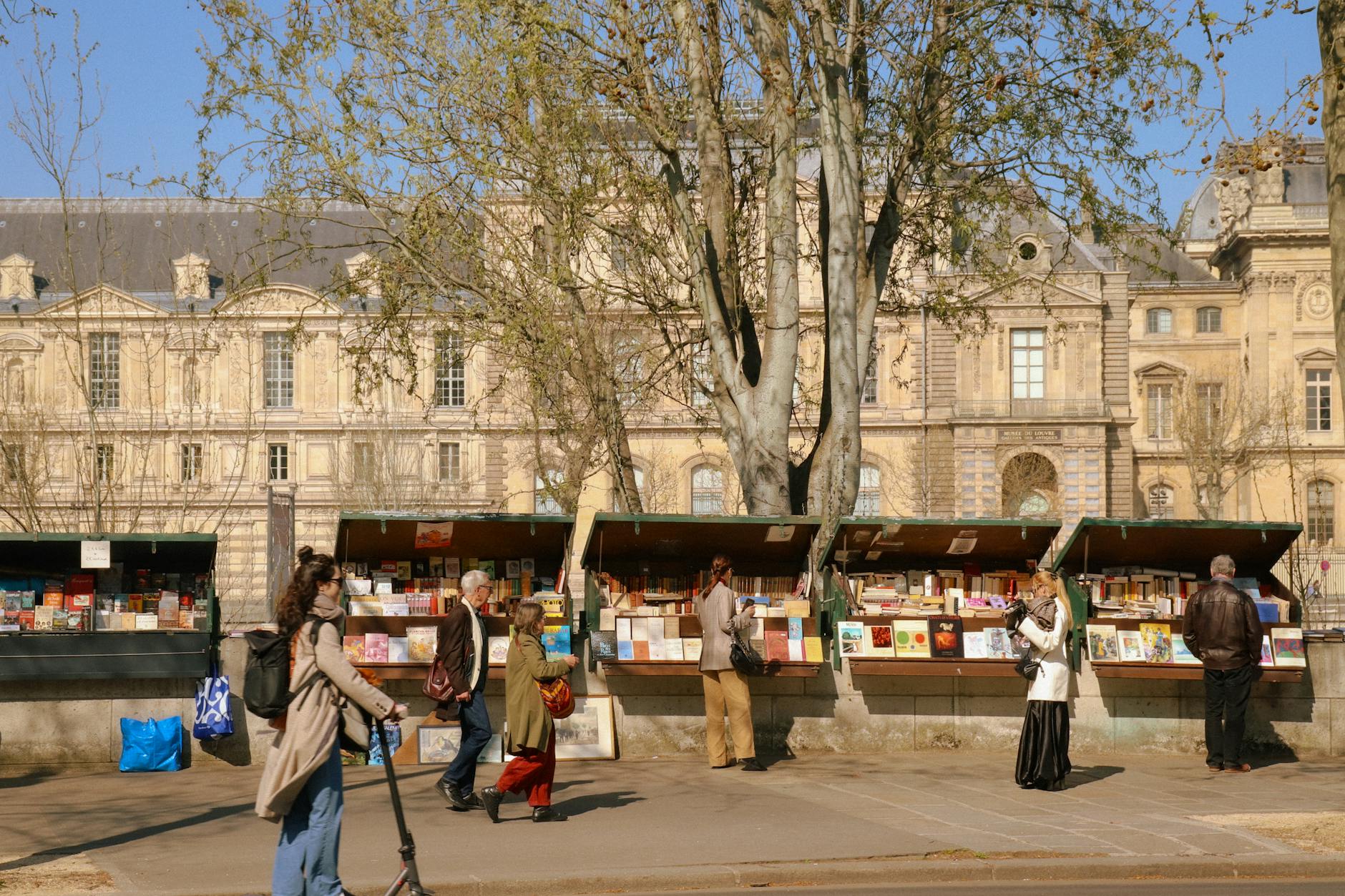
Named for the Latin the Sorbonne’s students once spoke, the Latin Quarter has been the intellectual heart of Paris since the 12th century, and it still hums with a young, bohemian charge even as gentrification creeps in. The Panthéon crowns the hill of Sainte-Geneviève, sheltering the tombs of France’s greatest citizens. The winding streets around Rue Mouffetard, one of the oldest market streets in Paris, are stuffed with affordable restaurants, bookshops, and student bars.
The Jardin du Luxembourg (technically shared with the 6th) is the most beloved park in Paris, where students hunch over books on iron chairs, kids sail toy boats on the fountain, and old men play chess in the shade of the chestnuts. The Arènes de Lutèce, Roman ruins hiding in a residential block, and the Mosquée de Paris (with its beautiful tea room and hammam) throw in some welcome variety. Shakespeare and Company, the legendary English-language bookshop across from Notre-Dame, is still a pilgrimage for literary travelers. The Latin Quarter is a budget eater’s friend, with restaurants along Rue de la Huchette and Rue du Pot-de-Fer feeding students and travelers alike.
6th Arrondissement: Saint-Germain-des-Prés
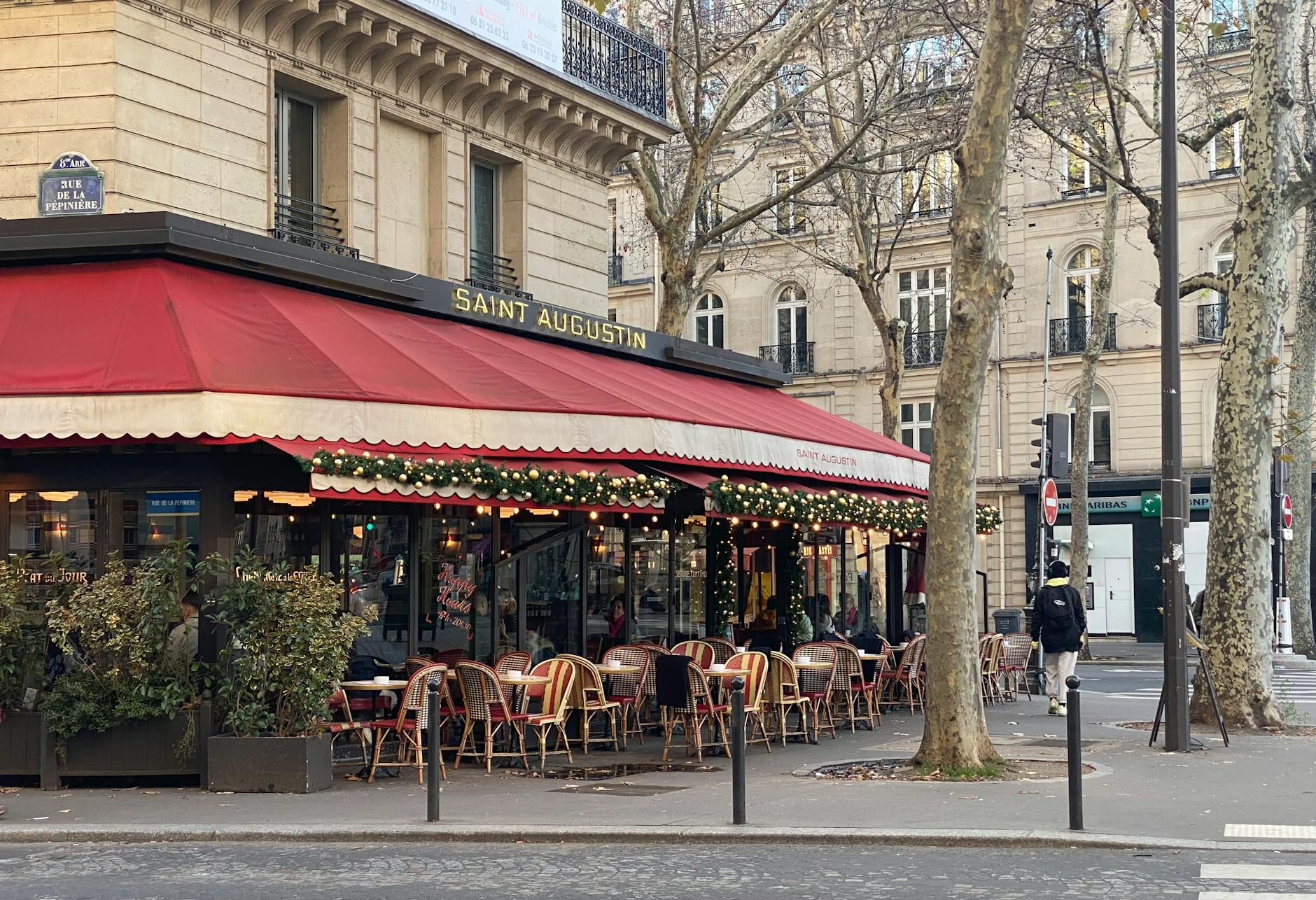
Saint-Germain-des-Prés is Paris at its most polished and bookish. This was the headquarters of existentialism: Sartre and de Beauvoir held court at Café de Flore and Les Deux Magots, both still pouring coffee, at distinctly elevated prices, on the boulevard. Today the 6th is one of the wealthiest neighborhoods in the city, with world-class galleries along Rue de Seine, exceptional food shops (the legendary fromagerie Laurent Dubois and the bakery Poilâne on Rue du Cherche-Midi among them), antique dealers, and some of the finest restaurants in Paris.
The Jardin du Luxembourg anchors the southern edge, 23 hectares of formal gardens, orchards, and the Medici Fountain. The Marché Biologique Raspail (Sunday organic market) is a must. Saint-Sulpice church, quieter than Notre-Dame but architecturally magnificent, holds Delacroix murals worth seeking out. Rue de Buci and the lattice of side streets between Boulevard Saint-Germain and the Seine are made for aimless wandering, window-shopping the galleries, and stumbling onto hidden courtyards.
7th Arrondissement: Eiffel Tower and Invalides
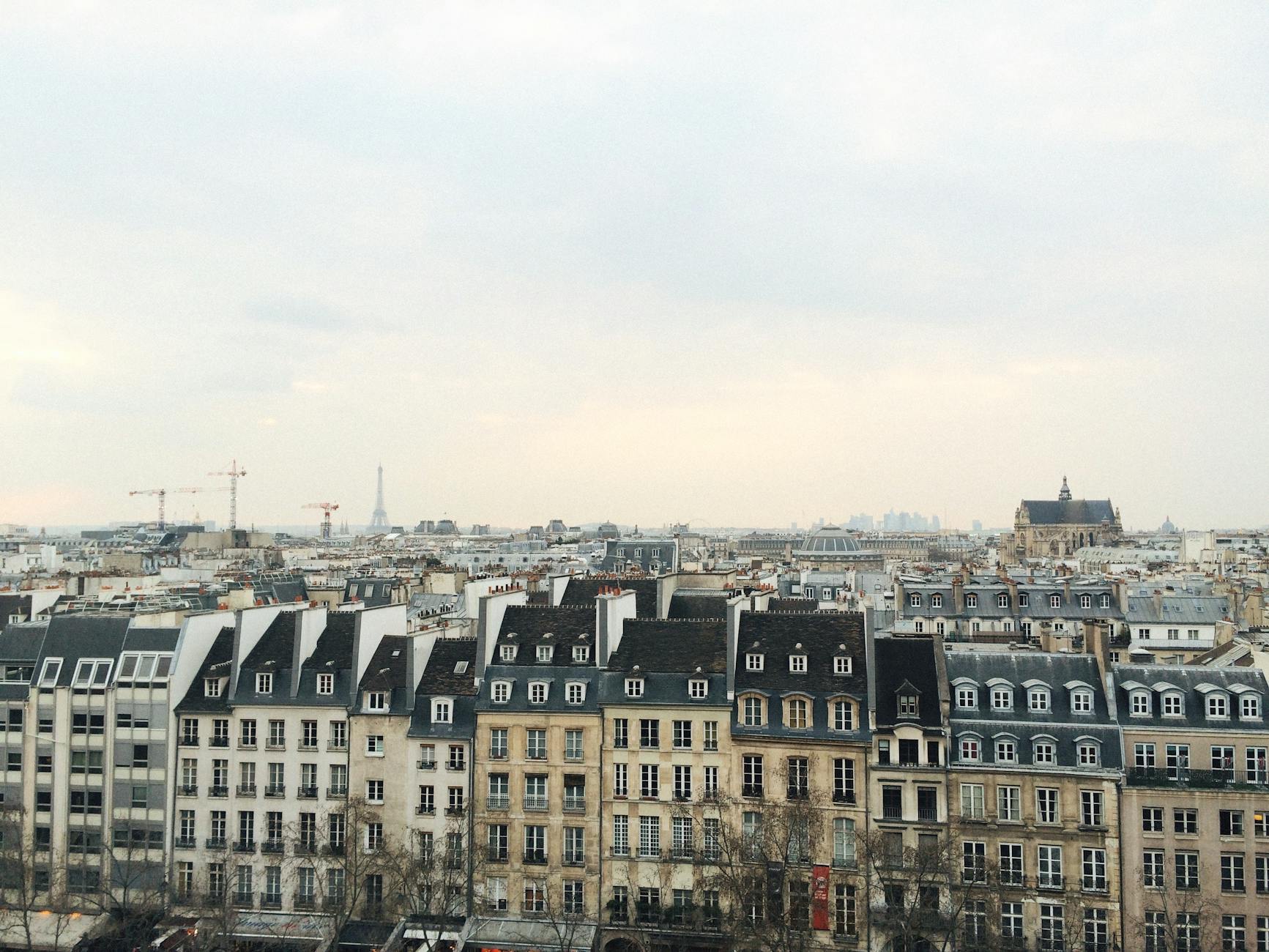
The 7th is monumental Paris made flesh. The Eiffel Tower, the Musée d’Orsay (the greatest Impressionist collection on earth), the Hôtel des Invalides (Napoleon’s tomb), and the Musée Rodin with its sculpture garden all live here. Step past the landmarks, though, and the 7th turns markedly residential, quiet, elegant streets of 19th-century apartment buildings, government ministries, and embassies.
Rue Cler, a pedestrian market street near the tower, is a fine place for food shopping and café-sitting, and locals haven’t ceded it to the tourists. The Rue de l’Université and Rue du Bac areas serve up good dining well clear of the crush at the tower’s feet. For the best Eiffel Tower photos, cross to the Trocadéro in the 16th or walk the Champ de Mars gardens that roll south from the base.
Montmartre and the Northern Neighborhoods
18th Arrondissement: Montmartre
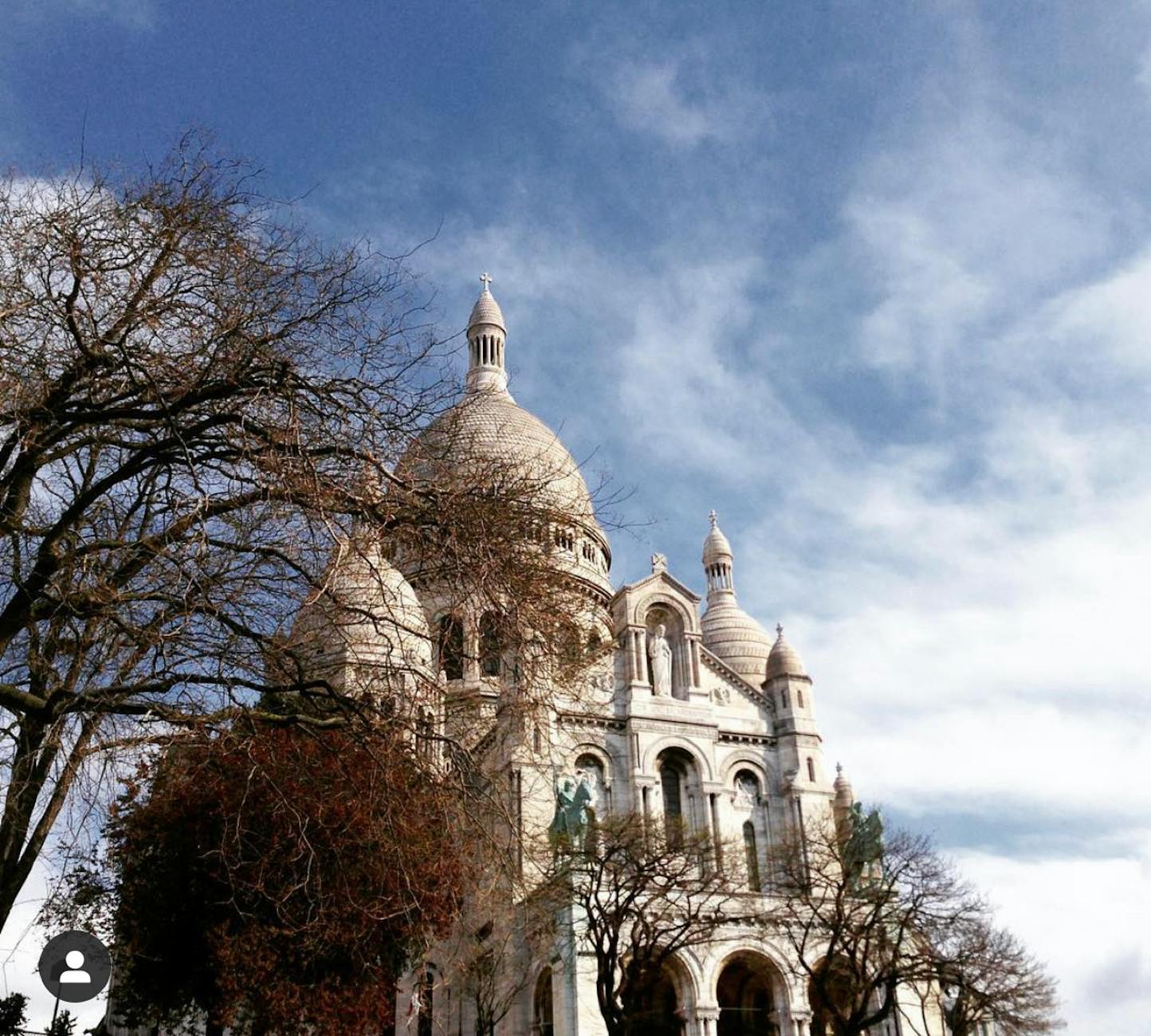
Montmartre is the most storied neighborhood in Paris, the hilltop village where Toulouse-Lautrec painted cancan dancers, Picasso worked out Cubism, and Amélie Poulain charmed the world. The Sacré-Coeur Basilica, gleaming white at the summit, hands you the widest panorama in the city. The Place du Tertre, once the painters’ square, has gone heavily touristy but keeps its atmosphere. For something closer to the real thing, drift through the quieter streets north and west of the square, Rue Lepic (where Vincent van Gogh once lived), Avenue Junot, and the vineyard of Clos Montmartre.
Below the tourist crust, the 18th is profoundly multicultural. The Goutte d’Or trades in West African fabric shops, Maghreb restaurants, and an energy completely unlike the village up top. La Chapelle turns out some of the best Indian and Sri Lankan food in Paris. Rue des Abbesses, down the hill, is a charming local shopping street with excellent bakeries (the prize-winning Le Grenier à Pain included) and snug bistros. The friction between Montmartre’s bohemian past and the 18th’s vivid immigrant communities makes it one of the most fascinating, most layered arrondissements in the city.
17th Arrondissement: Batignolles-Monceau
The 17th is really two neighborhoods wearing one number. The southern half, around Parc Monceau and the Batignolles quarter, is classic bourgeois Paris, wide tree-lined avenues, elegant apartment buildings, a refined village calm. The Batignolles organic market (Saturday mornings) is one of the city’s best, and the surrounding streets carry excellent bakeries and traditional bistros.
The western section takes in the new Clichy-Batignolles eco-district, a showpiece of sustainable urban planning built around Martin Luther King Park, a vast green space with wetlands, play areas, and community gardens. The 17th gives you a preview of where Paris is heading: modern but respectful of tradition, family-friendly, and ever better connected by transit. It’s a smart pick for anyone who’d rather base themselves somewhere quieter and more residential, with easy Metro access into the center.
The Eastern Neighborhoods: Multicultural and Creative
19th Arrondissement: Buttes-Chaumont and La Villette
The 19th pays off for travelers willing to leave the central tourist zone behind. Parc des Buttes-Chaumont is one of the most dramatic parks in Paris, built on former gypsum quarries and outfitted with cliffs, a lake, a suspension bridge, a temple perched on a rocky island, and sweeping views across the city. The Cité des Sciences et de l’Industrie at La Villette is the largest science museum in Europe, and the surrounding Parc de la Villette stages concerts, festivals, and open-air cinema in summer.
The Bassin de la Villette, linked to the Canal Saint-Martin, has been reimagined with waterside cafés, a cinema, kayaking, and, come summer, a floating swimming pool. The 19th runs deep on culture too, with thriving Jewish, North African, and East Asian communities. It sits further out, but the Metro serves it well, and it offers a side of Paris most tourists never glimpse, genuine, diverse, and packed with surprises.
20th Arrondissement: Belleville and Ménilmontant
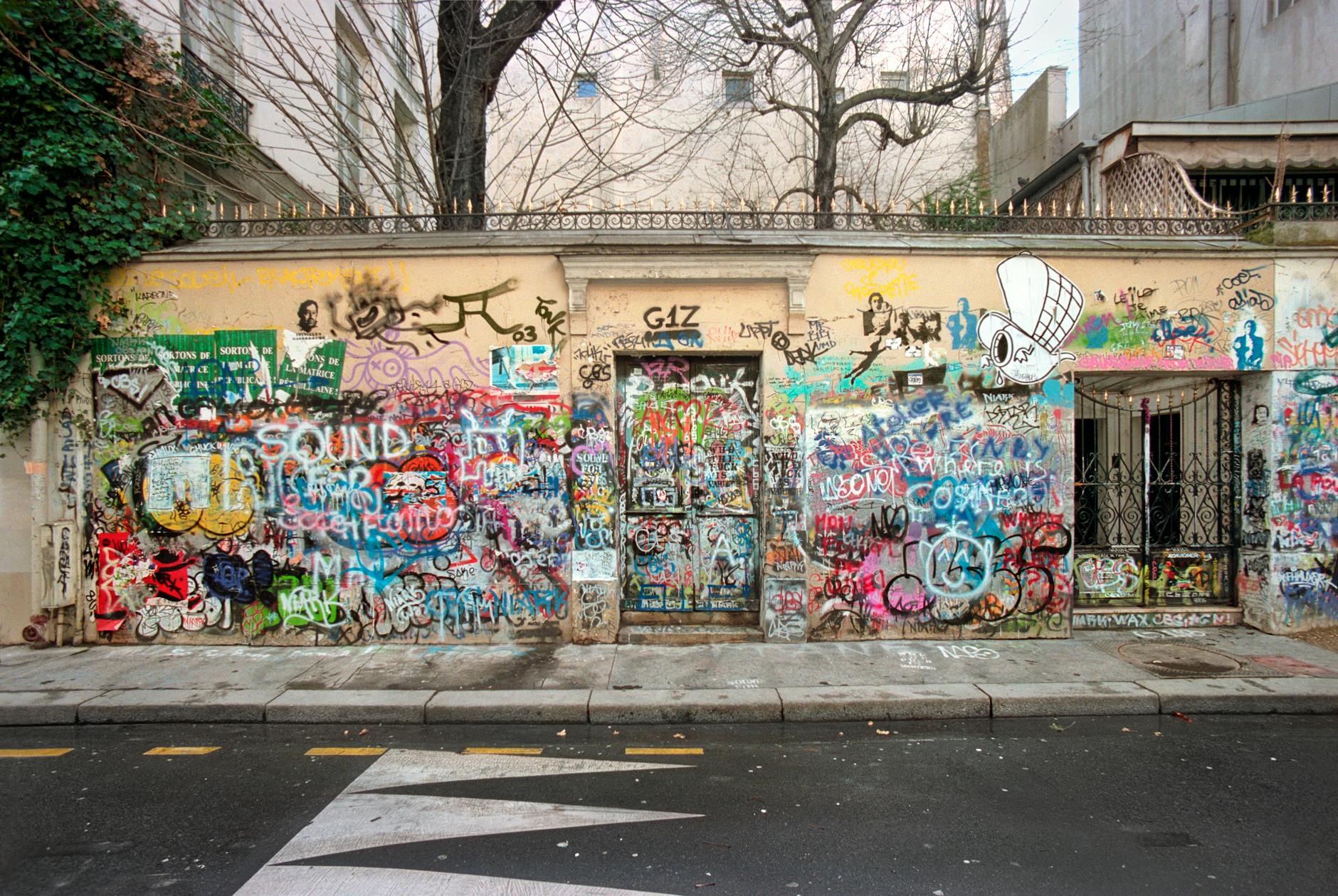
Belleville is the most dynamic up-and-coming neighborhood in Paris, a multilayered, multicultural quarter where Chinese restaurants sit next to Tunisian pastry shops, African fabric stores, artist studios, and rooftop bars. Rue Dénoyez, painted end to end in street art that gets overwritten constantly, is an open-air gallery in flux. The Parc de Belleville at the top of the hill serves up one of the best panoramas in Paris, less crowded and, frankly, prettier than the view from Sacré-Coeur.
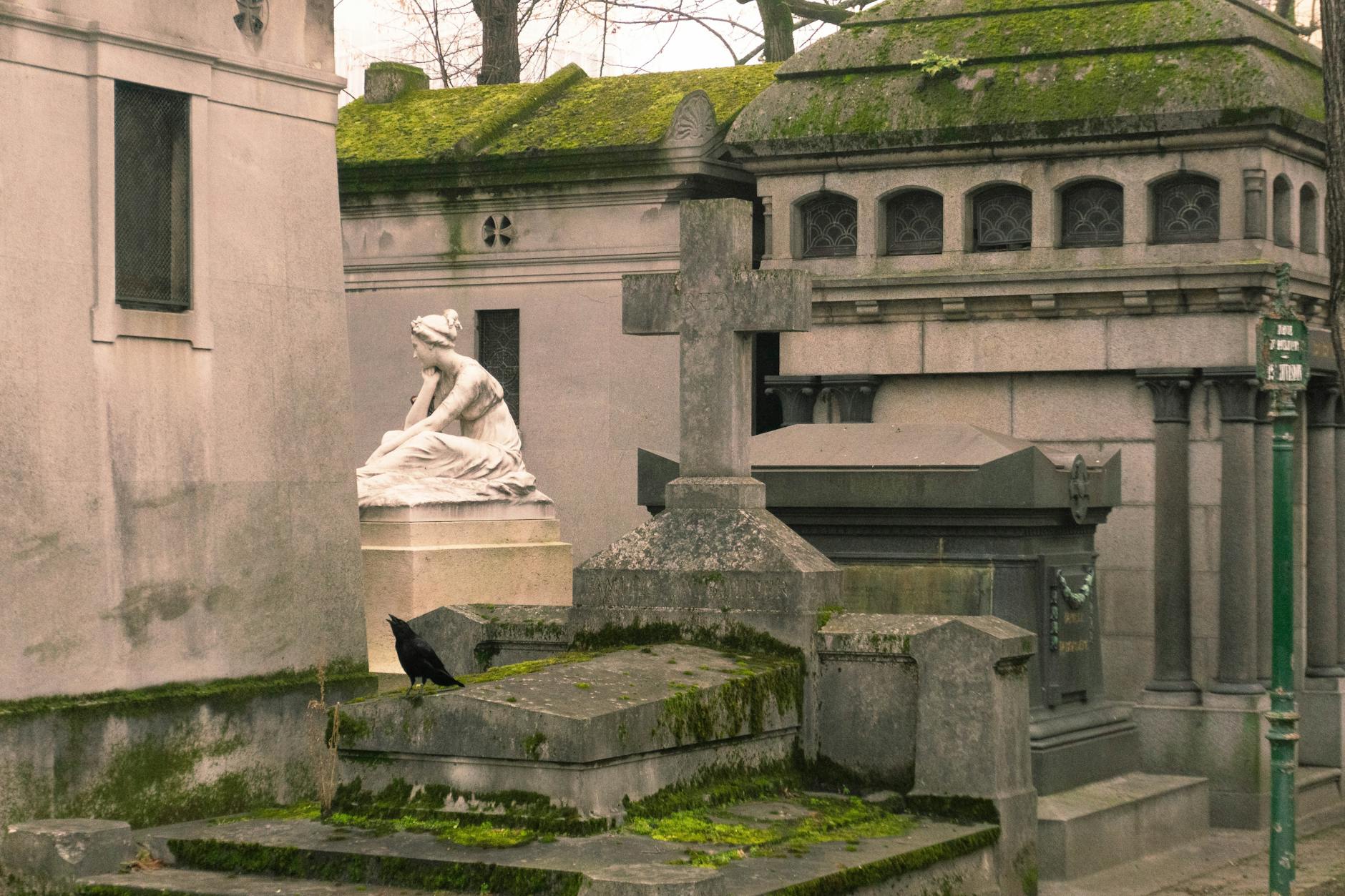
Père Lachaise Cemetery, the largest and most famous in Paris, sprawls across a tree-shaded hillside in the 20th. The graves of Jim Morrison, Oscar Wilde, Édith Piaf, Chopin, and dozens more luminaries draw visitors from everywhere, and the cemetery is among the most peaceful, most atmospheric places in the city, more park than graveyard. Ménilmontant, right next door, shares the same creative current, with natural wine bars, independent bookshops, and a healthy live music scene.
The Southern Neighborhoods
13th Arrondissement: Chinatown and Butte-aux-Cailles
The 13th is one of the most underrated and fastest-changing arrondissements in Paris, fusing old working-class roots with bold modern architecture and real cultural range. Chinatown, centered on Avenue de Choisy and Avenue d’Ivry, is the largest Asian community in the city, with authentic Vietnamese, Chinese, Cambodian, and Lao restaurants that rank among the best-value meals anywhere in Paris. The Butte-aux-Cailles, a hilly, village-like enclave, is a quiet find of cobblestone streets, street art, craft beer bars, and affordable bistros, adored by locals and all but invisible to tourists. The area around the Bibliothèque Nationale de France François Mitterrand has been transformed by the Les Docks development (now Station F, the world’s largest startup campus), riverside promenades, and floating nightclubs.
The 13th also holds one of the world’s most impressive collections of street art, especially along Boulevard Vincent Auriol and Rue Jeanne d’Arc, where enormous murals by internationally known artists turn tower blocks into open-air galleries. The Manufacture des Gobelins, the royal tapestry workshop running since the 17th century, still produces exquisite hand-woven pieces and gives genuinely fascinating guided tours. For eaters, the Vietnamese phở joints along Avenue de Choisy ladle out some of the most authentic bowls this side of Hanoi, and the cavernous Tang Frères and Paris Store supermarkets are an adventure in their own right, stocked with Southeast Asian ingredients you simply won’t find elsewhere in Paris.
14th Arrondissement: Montparnasse
The 14th carries the artistic inheritance of Montparnasse, where Hemingway, Fitzgerald, Picasso, and Man Ray drank at Le Select, La Closerie des Lilas, and La Coupole, grand brasseries still serving classic French cooking under stunning Art Deco ceilings. The Tour Montparnasse observation deck delivers a 360-degree panorama, and it’s one of the few spots where you can take in the Eiffel Tower without the eyesore of the tower itself in the frame. Down below the streets, the Catacombs of Paris hold the bones of six million Parisians in an eerie underground ossuary. The Parc Montsouris and the surrounding lanes of vine-covered villas make for some of the most charming residential walking in the city.
15th Arrondissement: Vaugirard
The most populous arrondissement in Paris is also its most residential, and for the right traveler that’s precisely the draw. The 15th drops you straight into everyday Parisian life, neighborhood markets where vendors greet regulars by name, local bistros where you’re the only tourist in the room, parks where kids play while parents talk over coffee. Rue du Commerce is a pleasant pedestrian-friendly shopping street with a strong run of bakeries, butchers, and independent shops, and it’s been serving the neighborhood since the 19th century.
The Parc André Citroën, built on the old Citroën car factory site, comes with a tethered balloon (the Ballon de Paris) that climbs 150 meters for aerial views on a clear day. The park itself runs to themed gardens, greenhouses, and a dramatic water fountain plaza where kids splash all summer. Along the river, the Beaugrenelle shopping center handles modern retail, while the riverbank promenade offers a calm walk clear of the crowds. Nearby Rue de Vaugirard, the longest street in Paris at 4.3 kilometers, slices through the heart of the arrondissement past a string of neighborhood treasures, from traditional crémeries to family-run Vietnamese restaurants. For a longer stay, the 15th holds some of the best-value accommodation in Paris, with easy Metro access to every major sight.
16th Arrondissement: Passy and Trocadéro
The 16th is the most elegant and most expensive residential district in Paris. The Trocadéro esplanade, directly across the Seine from the Eiffel Tower, gives you the most famous photographic vantage point in the city. The arrondissement holds several outstanding museums: the Musée Marmottan Monet (the largest Monet collection in the world, and often blissfully empty), the Palais de Tokyo (contemporary art), and the Musée Guimet (Asian art). The Bois de Boulogne, the city’s western park, lays out lakes, gardens, cycling paths, and the remarkable Fondation Louis Vuitton by Frank Gehry. The streets of Passy keep a village feel, with upscale shops and excellent restaurants, a calm counterweight to the busier central neighborhoods.
The Seine Islands: Paris’s Ancient Heart
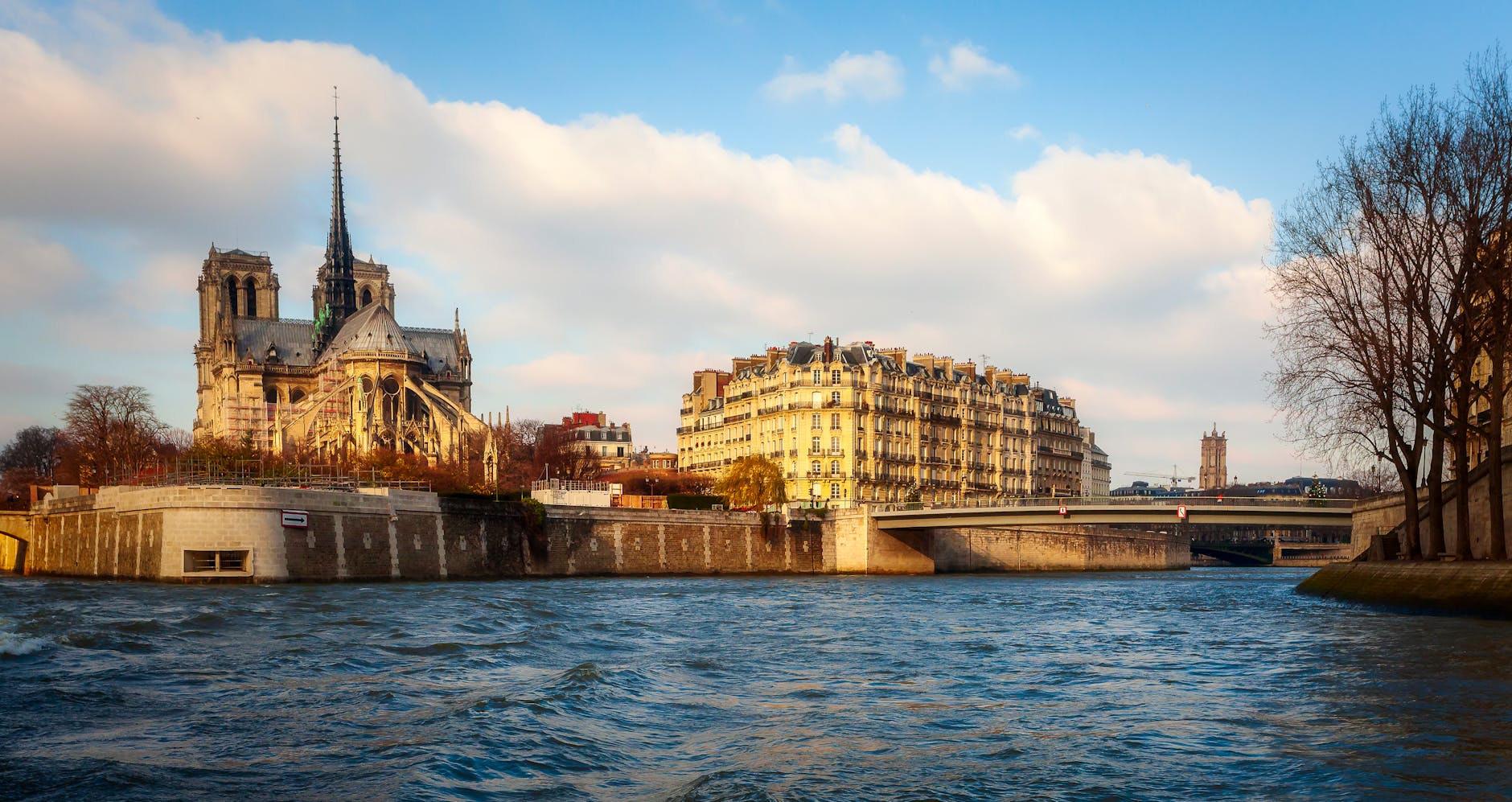
Île de la Cité, the larger of the two Seine islands, is where Paris started, the Parisii tribe settled here around 250 BC. Notre-Dame Cathedral, painstakingly restored after the 2019 fire and reopened in late 2024, commands the island alongside the stunning Sainte-Chapelle (whose 13th-century stained glass is among the most beautiful anywhere) and the Conciergerie (Marie Antoinette’s last prison). The Place Dauphine, a hidden triangular square at the island’s western tip, is one of the most charming and least-known spots in Paris, made for a slow afternoon coffee. The Marché aux Fleurs (flower market) has bloomed here since 1808.
Île Saint-Louis, joined to Île de la Cité by a footbridge, feels like walking into a 17th-century painting. This tiny residential island runs on a single main street lined with fromageries, wine shops, galleries, and the famous Berthillon ice cream shop, where flavors like salted caramel and wild strawberry justify whatever queue you find. There are no major monuments; the island itself is the attraction, holding onto a stillness that ought to be impossible in the middle of a city of two million.
How to Choose the Right Paris Neighborhood
Picking your base comes down entirely to the kind of Paris you’re after. Here’s a quick way to line up your priorities with the right neighborhood from this Paris neighborhoods guide.
For first-time visitors: the 1st, 4th (Marais), or 6th (Saint-Germain) drop you in the middle of everything, within walking distance of the major sights.
For food lovers: the 11th (Oberkampf/Bastille) for neo-bistros, the 3rd (Haut Marais) for sheer variety, or the 6th for classic French gastronomy.
For nightlife: the 11th for bars and clubs, the 10th (Canal Saint-Martin) for trendy wine bars, or the 18th (SoPi) for something more eclectic.
For families: the 5th (Luxembourg Gardens close by), the 7th (spacious, safe, full of parks), or the 15th (residential, calm, affordable).
For budget travelers: the 10th, 11th, 18th, 19th, or 20th run significantly cheaper on accommodation while keeping excellent Metro links and genuine character.
For luxury and shopping: the 8th (Champs-Élysées/Triangle d’Or), the 6th (Saint-Germain boutiques), or the 1st (Rue de Rivoli/Place Vendôme).
For local Parisian life: the 12th, 14th, 15th, or 17th, genuinely residential, with markets, neighborhood restaurants, and next to no tourists.
Best Neighborhood Markets in Paris
No Paris neighborhoods guide is finished without a lap of the open-air markets, which are still the beating heart of neighborhood life. Each market mirrors the community around it, and dropping into one is the fastest route to seeing how Parisians actually live and eat.
Marché Bastille (11th, Thursday and Sunday mornings on Boulevard Richard-Lenoir) is one of the largest and most varied markets in Paris, stretching more than a kilometer past Normandy oysters shucked to order, organic produce, roast chickens, Moroccan pastries, and artisan cheeses. The Sunday session has the most life in it. Marché d’Aligre (12th, daily except Monday) is the most affordable market in central Paris, with rock-bottom prices on seasonal produce and an adjacent covered hall selling charcuterie, cheese, and prepared food. Marché des Enfants Rouges (3rd, Rue de Bretagne) is the oldest covered market in Paris (going back to 1615), now loved for its international food stalls, Moroccan couscous, Japanese bento, Italian truffled pasta, and excellent crêpes. Get there before noon on weekends or brace for serious queues.
Marché Biologique Raspail (6th, Sunday mornings on Boulevard Raspail) is the city’s most prestigious organic market, pulling in celebrity chefs and food-minded Parisians. Prices run higher, but the quality earns it. Marché Président Wilson (16th, Wednesday and Saturday) is another top-tier market, known for exceptional produce and specialty vendors. For an authentic multicultural jolt, the Marché de Barbès (18th, Wednesday and Saturday under the elevated Metro) has the lowest prices in Paris and an incredible atmosphere, mountains of fresh herbs, African yams, tropical fruit, and spices moving at extraordinary volume. Every market keeps its own schedule, so always check the days and hours before you go.
Frequently Asked Questions About Paris Neighborhoods
What is the best neighborhood in Paris for tourists?
Le Marais (3rd and 4th arrondissements) gives you the best mix of central location, walkable streets, historic charm, excellent food, shopping, museums, and atmosphere. It lands at the top of the visitor rankings again and again.
How many arrondissements are there in Paris?
Paris has 20 arrondissements (administrative districts) laid out in a clockwise spiral from the center. They took their current form in 1860 under Baron Haussmann’s renovation of the city. Each has a distinct character and its own local government.
What is the safest neighborhood in Paris?
Paris is generally safe for tourists across the central arrondissements (1st through 8th). The 6th (Saint-Germain), 7th (Eiffel Tower area), and 16th (Passy) are reckoned the safest. The usual city sense, watch for pickpockets, skip poorly lit streets late at night, applies everywhere.
Which arrondissement should I stay in for my first visit?
The 4th (Le Marais), 1st (Louvre area), 5th (Latin Quarter), and 6th (Saint-Germain) are all excellent for a first visit. Each puts the major sights within walking range, with great dining and the quintessential Parisian feel. The pick comes down to budget and style, and the Marais is the most versatile of the four.
What is the difference between the Left Bank and Right Bank?
The Left Bank (south of the Seine) carries the intellectual and artistic associations, the Sorbonne, the literary cafés, the Musée d’Orsay. The Right Bank (north of the Seine) is more mixed, taking in everything from the Louvre and Champs-Élysées to the trendy 10th and 11th. These days the split is more cultural than practical, and both sides deliver.
Are the outer arrondissements worth visiting?
Without question. The 13th (Chinatown, Butte-aux-Cailles), 19th (Parc des Buttes-Chaumont), and 20th (Belleville, Père Lachaise) hold some of the most authentic, diverse, and surprising experiences in Paris. They’re rougher around the edges than the center, but often more rewarding for repeat visitors and anyone chasing the real Paris beyond the postcard.
Getting Between Neighborhoods
One of the quiet gifts of Paris’s small size is that no neighborhood sits far from the next. The Metro ties every arrondissement together, with most trips running 20 to 35 minutes door to door. But some of the best neighborhood discoveries come from walking between districts, where the boundaries blur by degrees and you turn up transitional streets that never made it into a guidebook. Walking from the Marais (4th) through Bastille into the 11th takes all of 15 minutes and carries you from medieval architecture into buzzing contemporary Paris. A stroll from Saint-Germain (6th) across the Pont des Arts to the Louvre (1st) is one of the most scenic city walks anywhere. The bus system is another fine way to read the neighborhoods from above ground, Route 69 from the Eiffel Tower to Père Lachaise crosses some of the most beautiful streets in the city. For the longer hauls, especially to the 19th, 20th, or the outer reaches of the 13th, the Metro stays the most efficient call. See our full transport guide for detailed route planning.
Seasonal Neighborhood Experiences
Paris neighborhoods shift hard with the seasons, and lining your visit up with the right moment can lift the whole trip. Spring (March–May) is magnificent in the 5th and 6th, where the cherry blossoms in the Jardin du Luxembourg throw a pink canopy over the formal gardens. The Marais wakes up with café culture as tables spill onto every spare inch of pavement. The Canal Saint-Martin in the 10th hits its most photogenic, fresh green foliage doubled in the water.
Summer (June–August) switches on the city’s outdoor spaces. Paris Plages turns stretches of the Seine banks in the 1st, 4th, and 12th into temporary beaches with sand, palm trees, and activities. The Parc de la Villette in the 19th runs open-air cinema, and the Bassin de la Villette opens its floating pool. Night markets and evening events keep the 11th and 18th going late. Autumn (September–November) is the season for Montmartre, when the crush eases and the hillside vineyard brings in its grapes during the annual Fête des Vendanges. The chestnut trees along the grands boulevards go gold, and the Bois de Boulogne and Bois de Vincennes turn into spectacular forests of color. Winter (December–February) sets the Champs-Élysées in the 8th sparkling with its famous Christmas lights, while neighborhood Christmas markets surface in the 5th, 6th, and 15th. The covered passages of the 2nd and 9th make perfect shelters for a rainy-day wander, and the cozy wine bars of the 11th offer the warmest welcome in the city.
Explore Every Corner of Paris
Every Paris neighborhood tells a different story, of kings and revolutionaries, artists and immigrants, tradition and reinvention. The best way to take the city in is to wander past your own arrondissement and let curiosity steer you down streets you never meant to find. That’s the moment Paris actually shows itself.
So pick a base, then spend at least one day getting lost on purpose somewhere else. Keep planning with our other guides: plan your Paris trip, find where to stay in Paris, dig into 101 things to do, explore every must-see attraction, eat your way through the Paris food guide, and get the hang of getting around Paris. Bonne promenade.
Explore every neighborhood guide
The in-depth guides in this section:
- Le Marais Paris
- the hill above the city
- the Latin Quarter
- Saint-Germain-des-Pres
- what the Champs-Elysees is actually worth
- Paris’s island heart
- Oberkampf nightlife and street art
- around Palais Garnier
A note on the districts this guide covers that you may have seen written off elsewhere. Belleville, the 19th, the 20th and the Butte-aux-Cailles all turn up regularly on lists of places to steer clear of, and on the evidence they should not — they are ordinary, cheap, well fed and often more interesting than the postcard arrondissements. Our guide to the areas to avoid in Paris separates the handful of genuine exceptions from the reputational noise.