Where to Stay in Paris: The Definitive Neighborhood & Hotel Guide
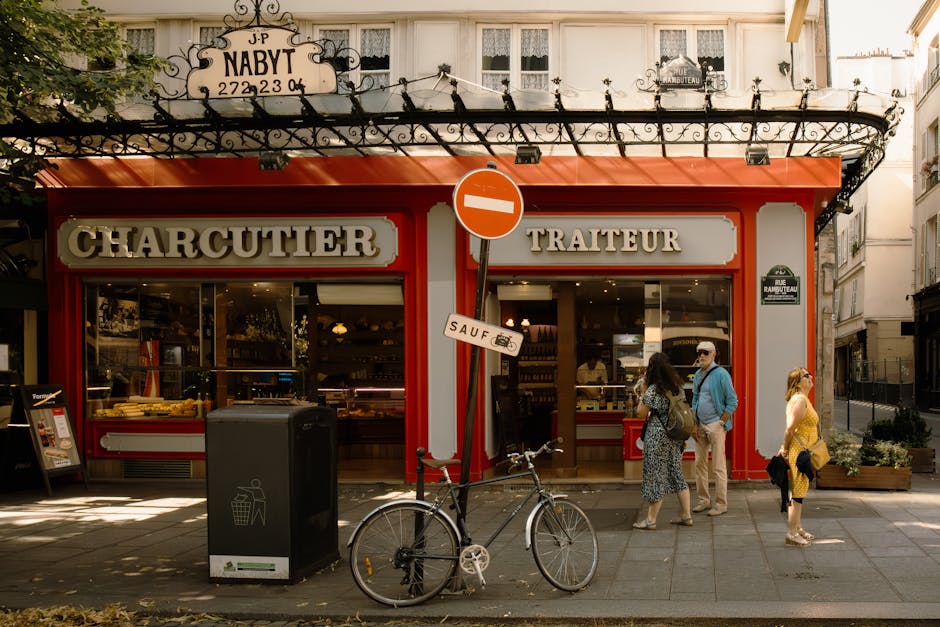
Ask any Paris regular what to book first and they won’t say the museum passes or the train tickets. They’ll say the neighborhood. Paris splits into 20 arrondissements, each numbered, each with a temperament of its own, and the gap between two of them can be the difference between strolling to dinner and slogging across town on the metro at 11pm. That is why where to stay in Paris deserves more thought than almost any other choice you’ll make. Land in a quarter that suits you and the whole city opens up. Land in the wrong one and you spend the trip in transit.
So this guide skips the brochure language and gets specific about where to stay in Paris: which arrondissements actually feel like, what a room costs in each, the difference between a hostel bunk and an aparthotel kitchen, and the booking moves that save real money. Families, solo travelers, couples blowing the budget on one perfect weekend, backpackers counting euros: there’s a right answer for each, and it isn’t the same answer.
Understanding Paris Arrondissements: How the City Is Organized
The 20 arrondissements wind outward in a spiral, like a snail’s shell. The 1st sits dead center and holds the Louvre and the Île de la Cité; from there the numbers coil clockwise until they reach the 20th out east. Learn that shape and you can read an address at a glance. A higher number usually means farther from the middle, and farther from the middle usually means cheaper and quieter.
Roughly speaking, the 1st through 9th are the tourist heartland: pricier, busier, and stuffed with the headline sights like the Eiffel Tower, Notre-Dame, and the Louvre. The middle ring, the 10th through 14th, mixes visitors with people who actually live here, which means better value and cafés that aren’t priced for postcards. The outer arrondissements, 15th through 20th, are mostly residential, though several have turned genuinely fashionable over the past decade.
Here’s the practical upshot. When you’re weighing where to stay in Paris, the arrondissement number is shorthand for three things at once: distance to the center, the mood of the streets, and the price of a bed. A hotel in the 5th runs cheaper than one in the 8th but comes with more foot traffic. The 11th, meanwhile, quietly delivers some of the best value in the city alongside a nightlife scene locals actually use.
The 8 Best Neighborhoods to Stay in Paris
1. Le Marais (3rd & 4th Arrondissements) — For Culture Lovers & Foodies
If you want one neighborhood that does almost everything well, Le Marais is the honest answer to where to stay in Paris. The streets here survived Haussmann’s demolitions, so you get the original medieval tangle: narrow cobbled lanes, hidden courtyards tucked behind anonymous doors, the kind of museums that would anchor a smaller city, and a food and bar scene that punches far above the postcode.
Why stay here: Three serious museums sit inside the district itself, the Picasso Museum, the Centre Pompidou, and the Jewish Museum. Sixteenth and seventeenth-century mansions share blocks with vintage shops and small designers, and none of it feels staged. The Marais has long been the heart of LGBTQ+ Paris, which gives the whole quarter an easy, welcoming feel. And the Seine is a short walk south when you want a slow evening by the water.
Accommodation costs: Budget hotels start around €80-100/night; mid-range €120-200/night; boutique hotels €200-300+/night. Names to look for include the Hôtel Bastille Speia, Le Petit Marais, and Maison Chic.
Getting around: Metro Lines 1 and 8 cut through the Marais at the Bastille and Saint-Paul stations. The Louvre is a 12 to 15-minute walk, Notre-Dame closer to 8 to 10. In practice you’ll walk almost everywhere; most of what you came for sits within ten minutes of your door.
Where to eat: L’As du Fallafel for the falafel everyone queues for, Breizh Café for proper Breton crepes, Merci for a bistro lunch attached to a concept store and bookshop, plus more wine bars than you’ll get through in a week. Reckon on €15-25 for a casual lunch, €30-50 for dinner.
2. Saint-Germain-des-Prés (6th Arrondissement) — For Classic Paris Elegance
Saint-Germain is the Paris of old films and older novels, and if that’s the version you came for, this is where to stay in Paris. Hemingway and Sartre argued in its cafés; the Left Bank streets still carry elegant townhouses, serious galleries, and bookshops that have outlasted everyone.
Why stay here: The quarter wears its history lightly. You can duck into the Musée Delacroix, browse Shakespeare and Company (technically over the line in the 5th, but minutes away), catch a concert at the Église Saint-Germain-des-Prés, or just claim a chair at Café de Flore or Les Deux Magots and watch the street go by. This has been home turf for Paris’s artists and thinkers for generations, and it shows.
Accommodation costs: One of the priciest patches in the city. Genuine budget rooms barely exist; figure €150-200/night for something decent, €200-250/night mid-range, and €300-500+/night for luxury. The Paris Hilton and Hôtel Odette draw plenty of bookings.
Getting around: Metro Lines 4 and 10 serve the area at Odéon and Saint-Germain-des-Prés. It’s a walker’s neighborhood: the Louvre is about 15 minutes on foot, Notre-Dame around 12.
Where to eat: Café de Flore and Les Deux Magots trade on their history and charge for it (a coffee runs €20-plus), so go once for the ritual. For real meals, the Marché Raspail organic market and bistros like Le Petit Châtelet serve you better. Casual meals €15-20; sit-down restaurants €40-60 and up.
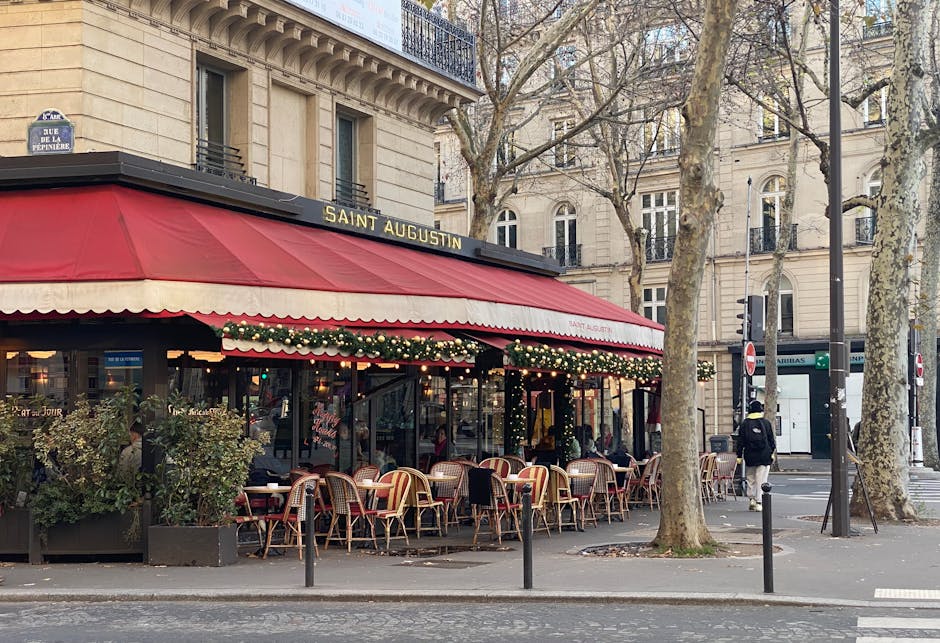
3. 7th Arrondissement — For Iconic Views & Quiet Sophistication
The 7th is the Eiffel Tower’s home turf, a quarter of grand museums and wide, tree-lined boulevards. If the idea of the tower framed in your window, or visible from the café where you take your morning coffee, is the deciding factor in where to stay in Paris, this is where to look.
Why stay here: Clear tower views, the Musée de l’Armée and Les Invalides on the doorstep, the Musée de l’Orangerie within reach, and streets noticeably calmer than the center. This is where well-off Parisians live and where travelers come when they want polish over party. The Trocadéro lookout (just across into the 16th) is a ten-minute walk for the sunset shot everyone wants.
Accommodation costs: A premium address, and the rates say so: €100-150/night at the budget end, €180-280/night mid-range, €300+/night for luxury. The Hôtel Les Cotes du Rhone and Hôtel Duquesne Eiffel are solid mid-range bets.
Getting around: Lines 6, 8, and 10 cover the quarter via Bir-Hakeim, Passy, and Pont de l’Alma. The Musée d’Orsay is about 8 minutes away on foot; the central sights are a 15 to 20-minute walk or a quick hop on the metro.
Where to eat: L’Arpège for Michelin-starred vegetable cooking if you’re splurging, Café du Marché and Le Petit Lutetia for everyday bistro fare. Casual meals €12-18; restaurant blowouts €30-80 and beyond.
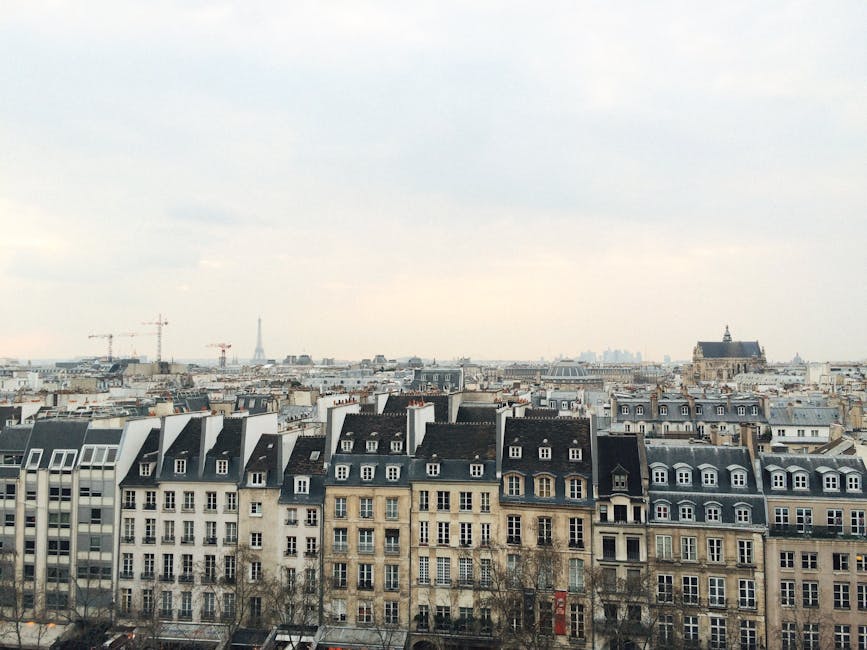
4. Latin Quarter (5th Arrondissement) — For Budget-Friendly Vibrancy
The Latin Quarter gives you the most atmosphere per euro of anywhere central. The name goes back to the Latin once spoken at the medieval Sorbonne, and the student energy never really left: independent bookshops, basement jazz clubs, cheap and cheerful eateries on every block. If you’re asking where to stay in Paris on a budget without giving up the experience, start here.
Why stay here: The lowest room rates in central Paris, plus a position you can walk out of in any direction and hit something worth seeing. The Panthéon, the medieval Musée National du Moyen Âge, Shakespeare and Company, and Notre-Dame are all here or a few minutes off. Late-night jazz and browsing a bookshop past closing time are local habits, not tourist gimmicks.
Accommodation costs: Budget hotels €60-90/night, which is as cheap as central Paris gets, mid-range €100-150/night, boutique €150-250/night. The Hôtel Relais Sainte-Geneviève and Hôtel Minerva offer good value at the lower end.
Getting around: Lines 4, 5, and 10 stop at Cardinal Lemoine and Cluny-Sorbonne. Walkability is the whole pitch: Notre-Dame is 5 minutes away, the Louvre about 12, and the Île de la Cité sits right next door.
Where to eat: The pedestrian Rue Mouffetard is lined with casual restaurants, Café de la Mairie is prime people-watching, and Le Petit Pontoise does the real bistro thing. Casual meals run €8-15, restaurant dinners €20-35. This is where you eat well without watching the bill.
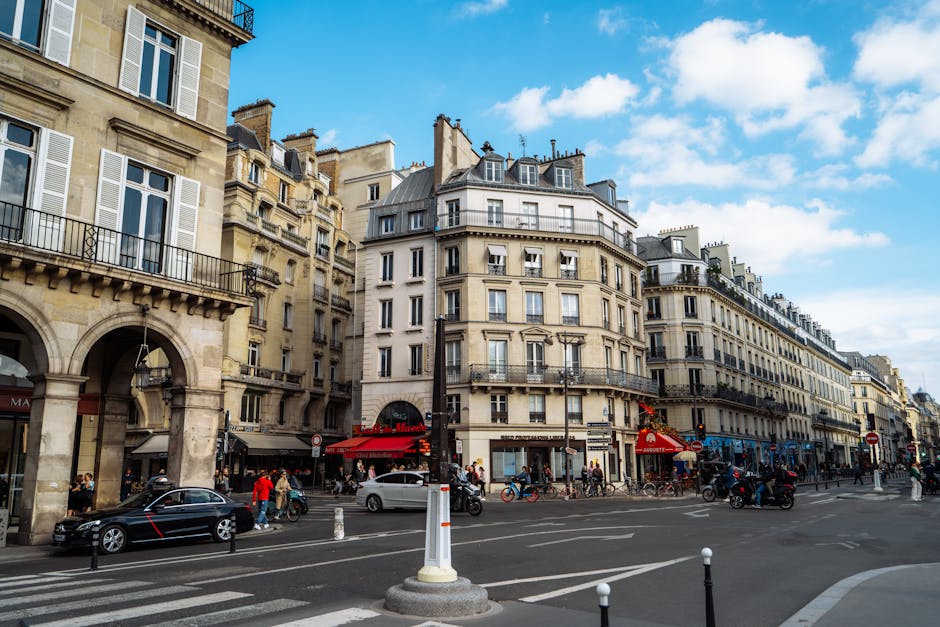
5. Montmartre (18th Arrondissement) — For Artistic Charm & Village Feel
Montmartre climbs a hill in the 18th and behaves like a French village that woke up one day inside a capital. Painters, cabarets including the Moulin Rouge, the white domes of Sacré-Cœur, little squares that feel borrowed from somewhere smaller. For travelers who want bohemian character and a home base that stays calmer than the center, it’s a strong answer to where to stay in Paris.
Why stay here: Village atmosphere with the city still a short ride away. Sacré-Cœur hands you one of the widest views in Paris. Rue des Trois Frères runs on cafés and galleries, Place du Tertre fills with painters, and the Moulin Rouge does its touristy-but-famous thing nearby. More than any other quarter on this list, Montmartre genuinely feels like its own place.
Accommodation costs: Gentrifying, but still reasonable: €85-130/night at the budget end, €140-220/night mid-range, €220-400/night upscale. The Hôtel Ermitage and Maison Montmartre are dependable for the money.
Getting around: Lines 2 and 12 serve the hill at Pigalle and Abbesses. Just know that you’re on a hill, so some routes mean stairs or the little funicular. The center is 20 to 25 minutes by metro, or a 30 to 40-minute walk downhill if your knees are willing.
Where to eat: Les Deux Moulins (the café from Amélie), Le Consulat for a classic bistro setting, and the Marché Barbès for market shopping. Casual meals €10-18, restaurants €25-45.
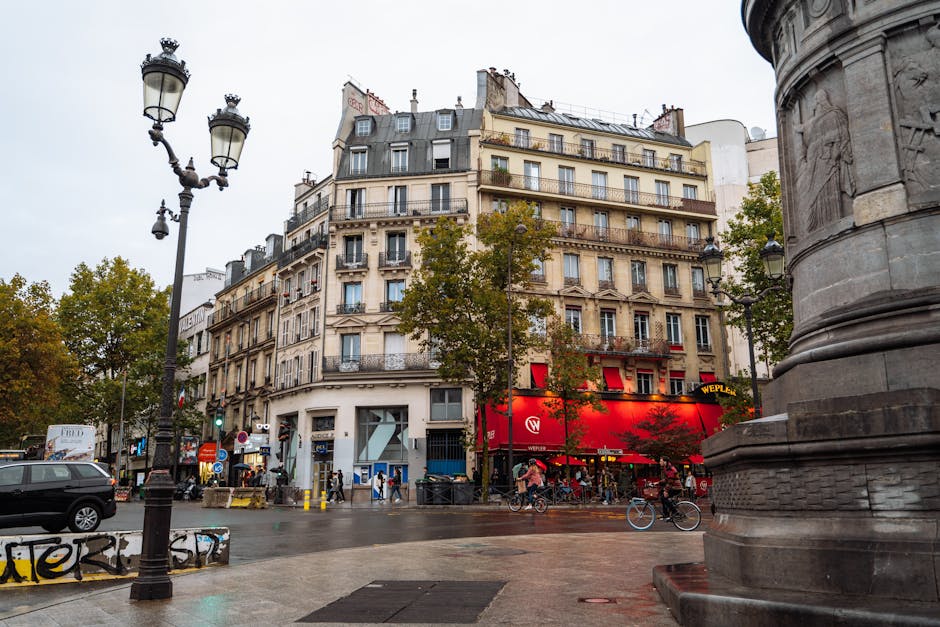
6. Champs-Élysées & 8th Arrondissement — For Luxury Shopping & Grand Boulevards
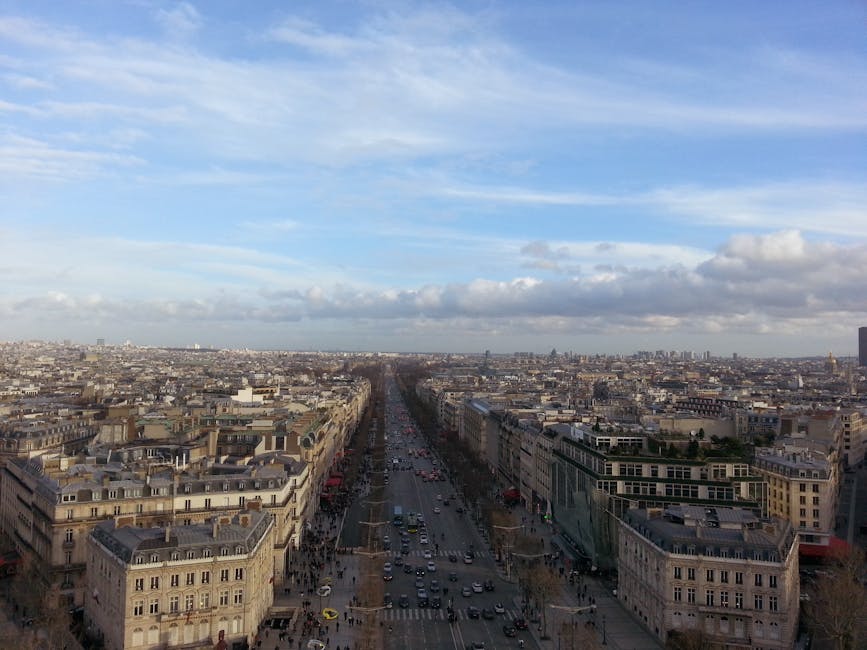
The Champs-Élysées is the city’s most famous avenue, running from Place de la Concorde up to the Arc de Triomphe, and the 8th arrondissement around it is elegant, expensive, and squarely on the tourist trail. If your answer to where to stay in Paris is being parked in the middle of the grand, big-label version of the city, this is it.
Why stay here: Flagship luxury stores line the avenue, from Guerlain to Louis Vuitton, alongside fine dining, the Arc de Triomphe, glimpses of the Palais de l’Élysée, and rank after rank of Haussmann façades. It’s heavily touristed, no argument, but the scale of it is hard to beat, and the address carries a certain weight.
Accommodation costs: The most expensive central district. Budget hotels are nearly mythical here; plan on €180-250/night mid-range and €300-600+/night for luxury. The Park Hyatt and Hermitage Hotel look after the deep-pocketed.
Getting around: Lines 1, 2, 6, and 9 stop at Champs-Élysées-Clemenceau and Franklin D. Roosevelt. The avenue itself is all walkable; reaching other neighborhoods means the metro or a 20-minute-plus walk.
Where to eat: A real split between tourist traps and the genuine article. Ladurée and Pierre Hermé handle the macarons and pastries, L’Avenue does upscale bistro, and the international chains fill the gaps. Casual meals €20-30; fine dining €50-120 and up.
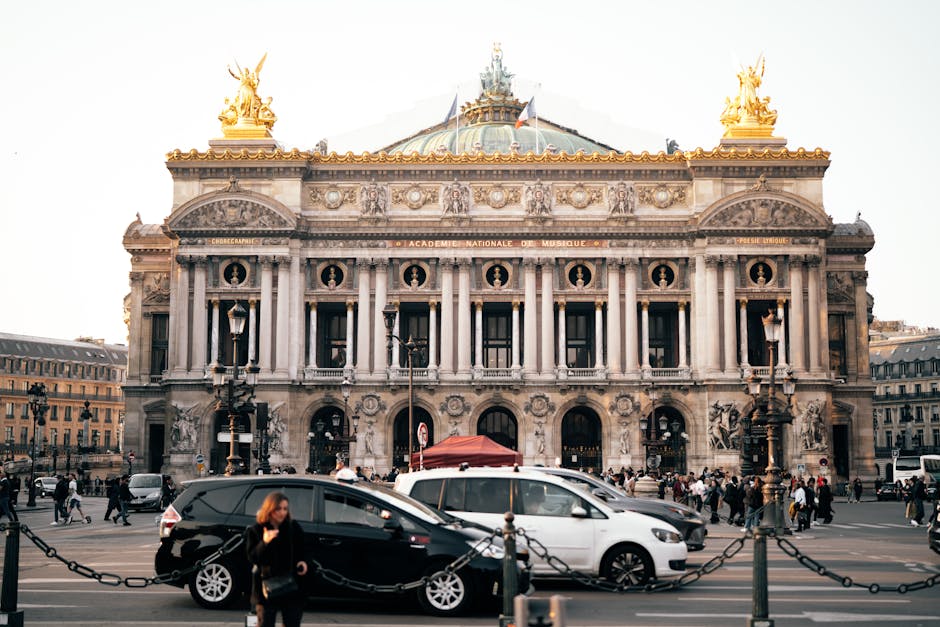
7. Opéra & 9th Arrondissement — For Best Value Central Location
The 9th, built around the showpiece Palais Garnier, hands you a central position at prices the 8th and 6th can’t touch. It’s the quarter that regulars keep quiet about, and more often than not it’s the smartest play for where to stay in Paris when you want to be central without paying a premium for it.
Why stay here: The Palais Garnier is worth the trip just to see, and it stages opera and ballet on top of that. Boulevard des Capucines covers the shopping, the Musée Grévin (waxworks) keeps kids happy, and the streets mix visitors with working Parisians for a balanced, lived-in feel. The metro connections are excellent, which means the rest of the city is never far.
Accommodation costs: The value sweet spot: €90-140/night for budget hotels, €140-210/night mid-range, €220-350/night upscale. The Hôtel de la Paix and Spoon Paris are reliable mid-range options.
Getting around: Lines 3, 4, 7, 8, and 14 converge here, making it the best-connected quarter in the guide. The Louvre is 12 minutes by metro, Montmartre 8, and pretty much everywhere is in easy reach.
Where to eat: Café de la Paix for the historic grand-café experience, neighborhood bistros along Rue de Labruyère for everyday meals, and a wide spread of cuisines in between. Casual meals €12-20; restaurants €30-60.
8. Bastille & 11th Arrondissement — For Nightlife & Trendy Dining
Bastille went from working-class district to one of the city’s most fashionable corners, and the transformation stuck. Place de la Bastille, where the revolution kicked off, is now ringed by bars, clubs, and restaurants. If nightlife and the current pulse of the city decide where to stay in Paris for you, the 11th is the move.
Why stay here: The 11th has filled up with some of the best restaurants and craft cocktail bars in Paris, with less of the tourist gloss than the Marais. The Opéra Bastille brings contemporary opera and ballet into the mix. Mostly, though, this is where locals actually go out, which is the highest compliment a Paris neighborhood can get.
Accommodation costs: Good value for what you get: €85-130/night for budget hotels, €130-200/night mid-range, €200-350/night boutique. The Hôtel Bastille Speia and Paris Bastille are dependable picks.
Getting around: Lines 1, 5, and 8 meet at Bastille station. The Marais is a 10-minute walk, the Latin Quarter about 15, and the metro covers everything else with ease.
Where to eat: Septime, one of the most lauded modern French tables in the city, Frenchie for inventive bistro cooking, Candelaria for tacos behind an unmarked door, and craft cocktail bars by the dozen. Casual meals €15-25; restaurant dinners €35-60.
Where to Stay in Paris by Travel Style
First-Time Visitors
On a first trip, put proximity to the big sights and good metro links above everything else. Le Marais delivers both, with Notre-Dame, the Louvre, and Sainte-Chapelle all 8 to 10 minutes away on foot. The 7th works if the Eiffel Tower is your priority. And the Opéra quarter in the 9th gives you a central spot for less money than either.
Traveling with Kids
Families do well in the 7th, with parks near the Eiffel Tower, the 5th, where the Latin Quarter’s squares and family-friendly museums earn their keep, or the 8th, handy for Champs-Élysées shopping and entertainment. Book an apartment rather than a hotel room if you can; the extra space pays off fast. Family rooms tend to run €120-200/night.
Romantic Getaways
For couples, it’s hard to beat Saint-Germain for café culture, galleries, and slow walks, the 5th for bookshops, student buzz, and a softer hit to the wallet, or the 7th for those tower views. Boutique hotels with real character land around €150-250/night.
Solo Travelers
Traveling alone, the 5th is an easy call: cheap, young, and safe. The Marais is another, with its walkable streets, neighborhood bars, and welcoming feel. Bastille suits anyone here for the nightlife and the restaurants. Solo rooms generally cost €70-120/night.
Budget Travelers
For watching every euro, the 5th is unmatched. Hostel dorms run €25-40/night and budget hotels €60-90/night. Other wallet-friendly options include the southern reaches of the 11th, 12th, and 13th, though you trade some tourist convenience for the savings.
Luxury Travelers
At the top end, the gravity pulls toward the 8th around the Champs-Élysées, parts of the 1st near the Tuileries, and the 6th in Saint-Germain. Expect €300-600+/night for premium properties with Michelin-starred dining and full five-star service.
Accommodation Types in Paris: Hotels, Apartments, Hostels & More
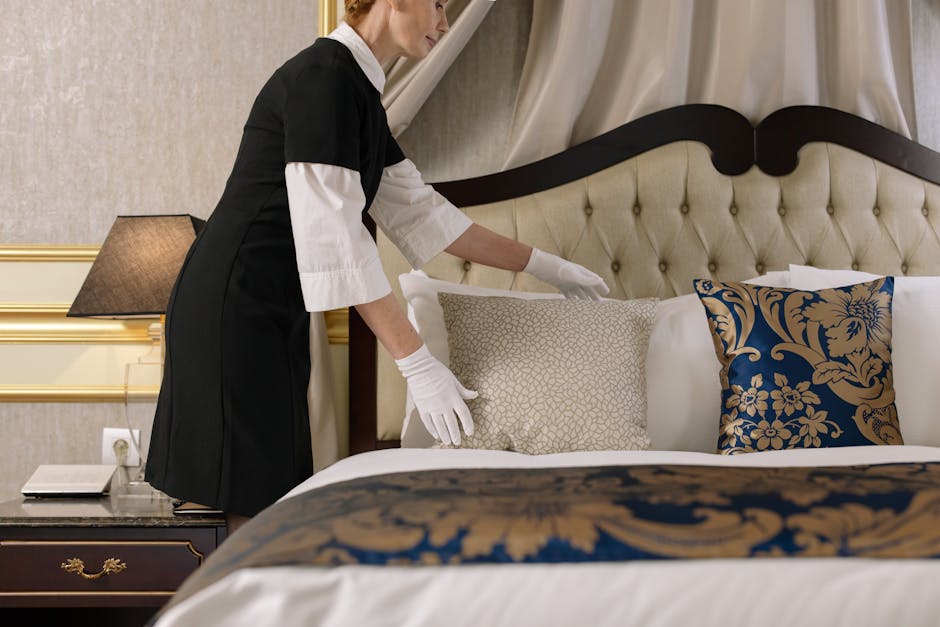
Hotels
Hotels are still the default in Paris. At the budget end (€60-100/night) you get clean rooms and not much else. Mid-range hotels (€120-220/night) add comfortable beds, modern bathrooms, breakfast, and better addresses. The luxury tier (€300+/night) brings concierges, multiple restaurants, spas, and the full kit.
Pros: Daily housekeeping, a front desk that can help, no kitchen to worry about, extras like a gym or business center.
Cons: Little or no kitchen, less space, a tendency to feel impersonal, breakfast on the hotel’s schedule rather than yours.
Vacation Apartments (Airbnb, VRBO)
Renting an apartment gets you a kitchen, a washing machine, and a taste of living here rather than visiting. One-bedrooms generally run €80-200/night depending on the address and the season.
Pros: Full kitchen, laundry, more room to spread out, a real neighborhood, and better value over a longer stay.
Cons: No housekeeping, self-service check-in and check-out, the odd place cluttered with the host’s belongings, and less predictable quality from one listing to the next.
Hostels
Hostels are the cheapest beds in town, with dorm spots at €25-40/night and private rooms €60-100/night. Reliable Paris names include St Christopher’s Inn, Loft Design Hostel, and Woodstock Hostel.
Pros: Easy on the budget, sociable, often with breakfast or events thrown in.
Cons: Usually shared bathrooms, noise, not much privacy, and beds that won’t win any awards.
Boutique Hotels
Boutique hotels (€150-350/night) trade on design, personality, and attentive service. The Marais, Latin Quarter, and Saint-Germain are particularly rich in good ones.
Pros: Distinct character, personal service, prime neighborhoods, architectural charm.
Cons: Smaller rooms, sometimes fewer amenities, and prices above the chain equivalents.
Apartment Hotels (Aparthotels)
Aparthotels split the difference, pairing hotel services with an apartment kitchen. Chains like Citadines and Adagio run €90-150/night and give you flexibility on length of stay.
Pros: A kitchen, hotel services, flexible stays, and a good fit for families.
Cons: A slightly corporate feel, and kitchens smaller than you’d get in a full apartment.
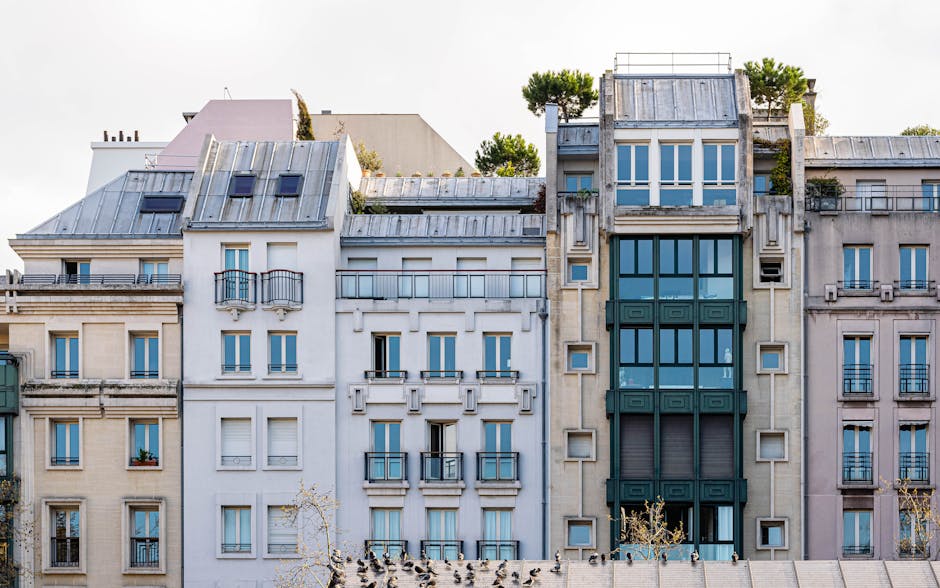
Budget Guide: How Much Does Accommodation Cost Where to Stay in Paris?
Knowing the going rates makes the decision a lot easier. Here’s what to expect in 2026:
- Budget Travelers: €60-100/night. Doable in the Latin Quarter (5th), southern Bastille (11th), and outer quarters like the 13th and 14th. Dorm beds: €25-40/night.
- Mid-Range Travelers: €120-200/night. Available right across central Paris. The 8th and 6th run €180-220/night; the 5th and 11th give you comparable quality at €120-160/night.
- Upscale Travelers: €250-400/night. Found in the 1st, 6th, 7th, and 8th. Boutique hotels with character in the trendier quarters (the Marais runs €200-300/night).
- Luxury Travelers: €400+/night. Five-star properties in the 8th, 1st, and 6th. Palace hotels: €500-1000+/night.
- Apartments: €80-250/night depending on size and address. One-bedrooms in central areas: €120-200/night. Studios: €80-140/night.
Peak season (April-May, September-October) typically adds 20-30% over the shoulder months (November-March, Christmas and New Year aside).
Safety & Areas to Be Cautious About When Deciding Where to Stay in Paris
Paris is a safe city for travelers on the whole, but a few areas call for extra care. The neighborhoods recommended above, from the Marais to Bastille, are all fine with the usual city sense.
- Gare du Nord & Gare de l’Est (10th): Big stations draw pickpockets and hustlers. Skip the solo late-night walks. The surrounding streets are improving but still rougher than the tourist core.
- Pigalle (9th/18th): The red-light district comes with persistent solicitation, though violent crime is rare. Sex workers and dealers are out in the open. Fine with your wits about you, but not a family pick.
- Belleville (10th/11th/20th): Working-class quarters with some gang activity on the fringes. The southern edges near Bastille and the Marais are fine; head further north and exercise more caution after dark.
- Châtelet Les Halles (1st): The underground mall and transit hub pull in pickpockets and aggressive panhandlers. Stay sharp during the day and steer clear after dark.
- Far Outer Arrondissements (18th, 19th, 20th outskirts): Some pockets have drug and gang activity. The stretches nearer the center are safe; use your judgment toward the edges.
The basics still apply: don’t flash expensive gear, keep an eye on your phone and camera, use the crosswalks, avoid walking alone very late (past midnight), watch yourself on packed metro cars where pickpockets work, and trust common sense.
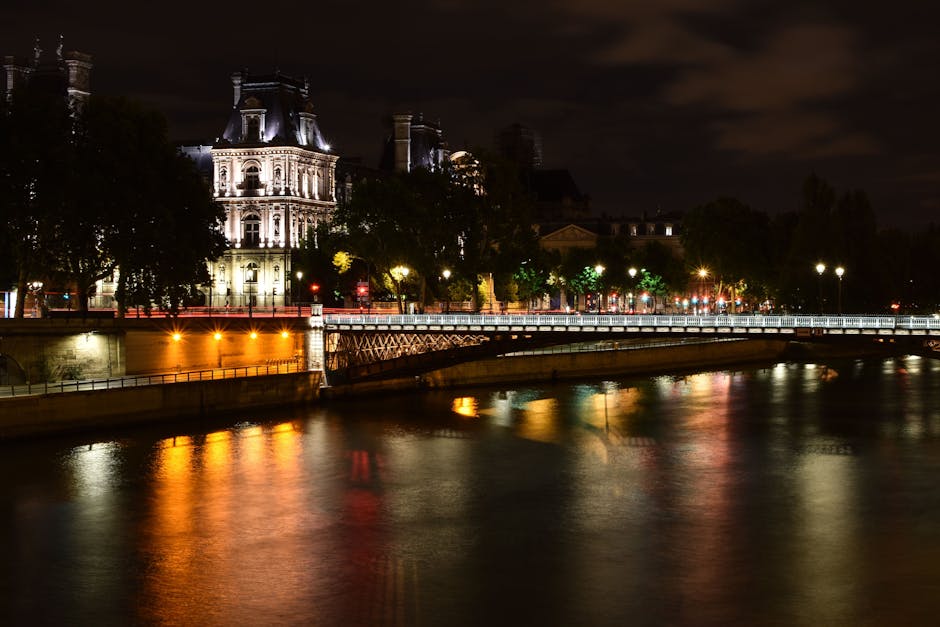
Transportation: How Neighborhoods Connect via Metro
The RATP metro is fast, cheap, and safe (€1.90 a ride; €16 for a carnet of 10; €33.50 for a weekly pass), and knowing how the lines link up should shape where you book. A well-placed hotel on the right line saves you twenty minutes a day.
Key Metro Lines: Line 1 runs west to east through the headline sights, from the Champs-Élysées past the Louvre to Bastille. Line 4 goes north-south through Pigalle, Châtelet, Saint-Germain, and Denfert. Line 6 tracks west to east across the southern Left Bank. Line 8 hits the Marais, the Champs-Élysées, and Opéra. Line 14, the modern fast line, sweeps from Bastille through the center.
- Get a Navigo Découverte weekly pass (€33.50) for unlimited metro and bus if you’re here more than 3-4 days
- Walk rather than buying single tickets when you can; the city’s so compact it often beats waiting on a platform
- Central locations (1st-8th): Most sit within a 15-20 minute walk or a 5-10 minute metro ride of one another
- Montmartre (18th): Take Line 2 or accept the stairs; reckon 25-30 minutes to the center
- Outer neighborhoods (12th-20th): Budget 25-40 minute metro trips to the central sights
- Dodge the metro at rush hour (8-9am and 5-7pm on weekdays) if you’d rather not be crushed
Most people end up walking far more than they planned. Paris was built at human scale, so you’ll often cover the distance on foot rather than dropping underground for a couple of stops.
Booking Tips & Best Times for Hotel Deals When Choosing Where to Stay in Paris
- Book 6-8 weeks out for the best peak-season rates (April-May, September-October)
- Book last-minute (5-7 days ahead) to catch shoulder-season deals (November-March)
- Steer clear of December 20-January 5 and Easter week, when prices jump and rooms vanish
- Stay Tuesday-Wednesday for lower rates; Friday-Sunday runs 20-30% more
- Compare on the big sites (Google Hotels, Trivago), then book direct with the hotel for friendlier cancellation terms
- Read recent reviews across several sites and skip anywhere with repeat complaints about location, noise, or cleanliness
- Email small hotels directly for a better rate; boutique places often shave the price when you bypass the booking platforms
- Check the map yourself. “Near metro” can mean a 10-minute walk, so drop the exact address into Google Maps
- Don’t bother with airport hotels. Stay central and take the RER train (€12.15, 30 minutes) or the bus (€1.90, 45-60 minutes)
- Look at apartments for stays of 4+ days. They often beat hotels per night once you factor in the space and the kitchen
Quick Reference: Neighborhood Comparison Chart
If you want the short version, here are the 8 recommended quarters side by side:
Neighborhood | Vibe | Best For | Metro Lines | Budget Hotels | Safety
Le Marais (3/4) | Lively, artsy | Culture, food, nightlife | 1, 4, 8 | €80-100 | Excellent
Saint-Germain (6) | Elegant, romantic | Sophistication, literature | 4, 10 | €150+ | Excellent
7th Arr. | Quiet, refined | Eiffel Tower, museums | 6, 8, 10 | €100-150 | Excellent
Latin Quarter (5) | Youthful, affordable | Budget, history, books | 4, 5, 10 | €60-90 | Excellent
Montmartre (18) | Bohemian, artistic | Village feel, art | 2, 12 | €85-130 | Good
Champs-Élysées (8) | Luxurious, touristy | Shopping, prestige | 1, 2, 6, 9 | €180+ | Excellent
Opéra (9) | Commercial, central | Best value central | 3, 4, 7, 8, 14 | €90-140 | Excellent
Bastille (11) | Trendy, lively | Dining, nightlife | 1, 5, 8 | €85-130 | Good
Frequently Asked Questions: Where to Stay in Paris
What’s the best neighborhood to stay in for first-time visitors?
Le Marais or the Latin Quarter. The Marais puts you within walking distance of the major sights (Notre-Dame 10 minutes, the Louvre 12), with a lively street life, excellent restaurants, and strong museums on the doorstep. The Latin Quarter costs less and walks just as well, with more of a student edge.
I want to see the Eiffel Tower. Which neighborhood should I stay in?
The 7th is closest, with the tower in view from plenty of spots. Saint-Germain in the 6th is a 10-minute metro ride away. The Marais and Latin Quarter sit about 20 minutes off by metro, or a 25 to 30-minute walk over the bridges. You really don’t need to be camped beneath the tower; Paris is small enough to reach it from anywhere central.
Where to stay in Paris if I’m traveling with a family with kids?
The 7th, for its parks, the Eiffel Tower, and family museums; the 5th, for the Latin Quarter’s open squares and kid-friendly museums; or the 8th, for the shopping and entertainment along the Champs-Élysées. Lean toward an apartment over a hotel room so nobody’s tripping over the luggage. All three quarters are safe, walkable, and full of family-friendly food and attractions.
What’s the safest neighborhood where to stay in Paris?
All the recommended quarters, from the Marais to Bastille, are safe with ordinary city awareness. The 1st through 8th have a strong police presence and plenty of tourism infrastructure. Keep clear of the edges of the 10th, the outer parts of the 18th to 20th, and the area right around Gare du Nord.
Can I find good budget accommodation where to stay in Paris?
Yes, but the 5th (Latin Quarter) is where you should aim. Budget hotels go for €60-90/night and hostel dorms €25-40/night. The 5th is really the only central quarter with genuinely cheap rooms. If you’ll go a little farther out, the southern 11th and the outer 12th and 13th are cheaper still.
How far apart are the neighborhoods? Can I walk between them?
Most central quarters are a 15 to 30-minute walk apart. Marais to Latin Quarter: 12 minutes. Latin Quarter to Saint-Germain: 8 minutes. The 7th to the Eiffel Tower: 10 minutes on foot. Montmartre to the Marais: 25 minutes. Nearly everyone walks more than they expect here; the city’s pedestrian scale keeps the neighborhoods feeling close.
Is it worth staying outside central Paris to save money?
Only on a longer trip. The outer quarters (15th, 12th, 13th) shave €20-40/night off the bill but add 30 to 40 minutes per sight via the metro. For a 2 to 3-day visit, stay central and protect your time. For a full week, the outer quarters start to make sense once you factor in a metro pass.
Conclusion: Your Perfect Parisian Neighborhood Awaits
The choice of where to stay in Paris shapes the trip more than almost anything else you book. Each quarter pulls in a different direction: the medieval streets of the Marais, the café terraces of Saint-Germain, the cheap-and-cheerful Latin Quarter, the hilltop calm of Montmartre. Where you sleep ends up deciding how the city feels to you, not just where you set down your bag.
So be honest about what you’re after. Chasing specific sights? Wanting the lived-in version of Paris? Stretching a small budget? Here for the food and the late nights? Hoping to pass for a local for a week? Each of the 8 quarters above leans hard into one of those.
The reassuring part: with the city’s walkability, its efficient metro, and its compact center, you can reach the major sights from any central quarter in about 20 minutes. So while the choice matters, you’re not going to ruin the trip by booking anywhere in the 5th through 11th. Pick the one that sounds like your kind of place, lock in the room, and get on with it.
Ready to book? Start by planning your trip to Paris with our full guide, then use these neighborhood picks to lock in a base you’ll actually be happy coming home to each night.
Insider Tips for Choosing the Perfect Paris Neighborhood
After steering thousands of travelers toward the right base, a few patterns turn up again and again. These go past the obvious and tend to be the things that quietly make or break a stay.
The “Metro Test” for Your Hotel Location
Before you book anything, run the Metro Test. Open Google Maps, type in the hotel address, and check the walk to the nearest station. If it’s over 7 minutes, think twice. Paris is lovely on foot, but you’ll lean on the metro hard, especially at the end of a long day when your feet have had enough. The best addresses sit 3 to 5 minutes from a station, ideally one that serves several lines. Stops like Châtelet-Les Halles (RER A, B, D plus metro 1, 4, 7, 11, 14), République (lines 3, 5, 8, 9, 11), and Saint-Lazare (lines 3, 9, 12, 13, 14) are transit goldmines. You can pull up live metro maps and plan routes on the RATP official website.
The Noise Factor: What Nobody Tells You
Paris is a loud city, and your neighborhood, even your exact room, decides how well you sleep. Rooms facing the big boulevards, Boulevard Haussmann, Boulevard Saint-Michel, Rue de Rivoli, can be startlingly noisy, especially in summer when the windows have to stay open. Ask for a courtyard-facing room when you book; they’re reliably quieter. The loudest quarters for nightlife are the 11th around Oberkampf and Bastille (worst Thursday through Saturday), the Pigalle stretch of the 18th, and parts of the Latin Quarter along Rue de la Huchette. Light sleeper? The 7th and the residential corners of the 16th give you the most peaceful nights in central Paris.
Sunday Planning: A Crucial Consideration
Here’s the thing first-timers rarely see coming: Paris largely shuts down on Sundays. Most shops close, plenty of restaurants take the day, and streets that hummed on Saturday can feel abandoned. It matters more than you’d think when picking a base. The Marais is one of the few quarters where shops and restaurants keep trading on Sundays, which makes it a smart pick if your trip straddles one. The Champs-Élysées area also holds Sunday hours at its big stores, and Montmartre’s Place du Tertre stays busy with painters every day. Based in Saint-Germain or the Latin Quarter? Build your Sunday around the morning street markets, the Rue Mouffetard market is the standout, before things go quiet in the afternoon.
The Seasonal Neighborhood Effect
Different quarters peak in different seasons, and matching the two can sharpen your choice. In spring (April through May), the 5th and 6th come alive as the Luxembourg Gardens flower and the riverside bouquinistes reopen their green stalls. Summer turns the canal stretches of the 10th around Canal Saint-Martin into the city’s favorite outdoor hangout, while the Seine quays host Paris Plages, the pop-up urban beach. Autumn belongs to Montmartre, golden leaves over the winding streets and the grape-harvest festival filling the village. Winter is when the 8th lights up, Christmas displays down the Champs-Élysées and markets at the Tuileries. For what’s actually on while you’re there, check the official Paris tourism website.
Neighborhood Comparison Chart: Where to Stay in Paris at a Glance
One more pass to help you narrow it down, this time rated on the factors travelers actually weigh up.
Le Marais (3rd-4th): €120-250 per night. Excellent metro access on lines 1, 8, and 11. Best for culture, nightlife, and food. Walkability 10 out of 10. Sunday activity high. Safety excellent.
Saint-Germain (6th): €180-400 per night. Good metro access on lines 4, 10, and 12. Best for couples and luxury seekers. Walkability 9 out of 10. Sunday activity moderate. Safety excellent.
7th Arrondissement: €150-350 per night. Good metro access on lines 6, 8, 13, and RER C. Best for families and Eiffel Tower lovers. Walkability 8 out of 10. Sunday activity low to moderate. Safety excellent.
Latin Quarter (5th): €80-200 per night. Excellent metro access on lines 7, 10, and RER B. Best for budget travelers and students. Walkability 9 out of 10. Sunday activity moderate, thanks to the Rue Mouffetard market. Safety very good.
Montmartre (18th): €70-180 per night. Good metro access on lines 2 and 12. Best for artists, photographers, and romantics. Walkability 6 out of 10, courtesy of the hills. Sunday activity high around Sacré-Cœur. Safety good if you stick to the tourist areas.
Champs-Elysees (8th): €200-500+ per night. Excellent metro access on lines 1, 9, and 13. Best for luxury shoppers and business travelers. Walkability 8 out of 10. Sunday activity high. Safety very good.
Opera (9th): €100-220 per night. Excellent metro access on lines 3, 7, 8, and 9. Best for value seekers who still want to be central. Walkability 9 out of 10. Sunday activity low. Safety very good.
Bastille (11th): €80-180 per night. Excellent metro access on lines 1, 5, 8, and 9. Best for nightlife lovers, foodies, and younger travelers. Walkability 8 out of 10. Sunday activity moderate. Safety good.
What to Expect from Paris Hotels by Star Rating
France runs a 1-to-5-star hotel system regulated by the government agency Atout France, so the stars mean more here than they do in some countries. Knowing what each tier actually delivers keeps your expectations honest.
1-2 Star Hotels (€60-120 per night)
Expect clean but compact rooms, often just 10 to 14 square meters. Bathrooms usually have a shower but rarely a tub, and a few older properties still run shared facilities down the hall, so confirm before you book. Breakfast tends to be continental and may add €8-12. WiFi is standard but patchy behind thick stone walls. Elevators aren’t a given, and plenty of budget hotels here occupy historic buildings with narrow, winding stairs. The trade-off is real character: these small places often sit inside lovely 17th or 18th-century buildings with original detailing that the chains simply can’t fake.
3 Star Hotels (€120-220 per night)
Three-star hotels are the sweet spot for most visitors. Rooms usually run 16 to 22 square meters with private bathrooms, a decent bed, a small desk, and reliable WiFi. Most have an elevator and air conditioning, though always confirm the air con for a summer stay; it’s still not universal at this level. Many three-stars have been renovated recently and look surprisingly sharp inside. Breakfast buffets are more generous, generally €12-18, but you’ll nearly always do better at a nearby boulangerie, where a fresh croissant and coffee comes in under €5.
4-5 Star and Palace Hotels (€220-800+ per night)
Four and five-star hotels deliver the full experience: rooms of 25 to 45+ square meters, premium bedding, marble bathrooms with both shower and tub, robes and slippers, 24-hour room service, a concierge, and often a restaurant or bar worth a visit in its own right. The line between 4 and 5 stars usually comes down to the extras: five-star properties (called Palace hotels in France) add spas, valet parking, and service that reads your mind before you’ve finished the sentence. Paris holds some of the most storied Palace hotels anywhere, Le Meurice over the Tuileries, the Ritz Paris on Place Vendôme, the Four Seasons George V near the Champs-Élysées, and the Hôtel Plaza Athénée on Avenue Montaigne. Bucket-list stuff, with bills that can clear €1,000 a night for a standard room.
Frequently Asked Questions About Where to Stay in Paris
What is the best arrondissement to stay in Paris for first-time visitors?
On a first trip, the 4th arrondissement (Le Marais) is the best all-round pick for where to stay in Paris. It’s central, walkable to most of the major sights, packed with good restaurants and cafés, safe at any hour, and one of the few quarters that stays alive on Sundays. The 1st is another strong option if you want the Louvre and the Tuileries on your doorstep. Either puts you at the heart of things with easy metro access everywhere else.
Is it better to stay on the Left Bank or Right Bank?
The Right Bank, north of the Seine, runs more dynamic, commercial, and varied, with quarters spanning the trendy Marais to the grand Champs-Élysées. The Left Bank, south of the river, leans more intellectual, literary, and residential, anchored by Saint-Germain and the Latin Quarter. First-timers often go Right Bank for the energy and the proximity to the big sights, while return visitors chasing a more lived-in feel drift to the Left. Bridges and metro lines stitch the two together, so you’re never far from the other side.
How far in advance should I book a hotel in Paris?
For the best choice and prices, book 3 to 6 months ahead for peak season (June through September and the December holidays). For shoulder season (April-May and October-November), 2 to 3 months is enough. Around major events, Paris Fashion Week in February and September, Roland Garros from late May into early June, or the Paris Air Show, rooms fill faster and prices climb 30 to 50 percent, so move early. For budget rooms and hostels, book at least 2 months out whatever the season; the cheapest beds sell first.
Is the area around Gare du Nord safe to stay in?
The streets right around Gare du Nord and Gare de l’Est are functional but not the most pleasant for tourists. They can feel rough after dark, with the odd aggressive panhandler and a generally uninviting air. A few blocks south, though, and you’re into the gentrifying 10th around Canal Saint-Martin, which is trendy, safe, and genuinely enjoyable. If you’ve got an early Eurostar or Thalys to catch, a night or two nearby is practical, but don’t make it your base for the whole trip. Hotels along the canal or toward République give you better value and a far nicer setting.
Can I walk between most major attractions from where I stay in Paris?
Depends on your base and your appetite for walking. From the Marais you can reach Notre-Dame in 15 minutes, the Louvre in 20, the Pompidou Center in 5, and Île Saint-Louis in 10. From Saint-Germain, add the Musée d’Orsay at 15 minutes, the Luxembourg Gardens at 10, and the riverbanks. The Eiffel Tower, though, is a 35 to 45-minute walk from most central areas, and Montmartre’s Sacré-Cœur is a 30 to 40-minute uphill haul from the river. Most people mix walking the central quarters with metro rides to the farther sights. A full day out tends to clock 15,000 to 20,000 steps, so good shoes matter more than your exact address.
Should I stay in an Airbnb or a hotel in Paris?
Both have real upsides, depending on how you travel. Hotels give you daily housekeeping, reception staff who can sort reservations and directions, secure luggage storage on either side of check-in, and consistent standards. Apartments and Airbnbs give you more space, a kitchen that can cut your dining costs sharply, a washer-dryer for longer stays, and a more local way of living. On price they’re about even for couples, but apartments pull ahead for families or groups who’d otherwise need several hotel rooms. One catch: Paris enforces strict short-term rental rules. Legal listings must show a registration number, and entire apartments can only be let for a maximum of 120 days a year. Unregistered listings can be pulled, which risks leaving you without a room mid-trip.
What is the cheapest safe area to stay in Paris?
The 11th around Bastille and Oberkampf gives you the best value among safe, central quarters, year in and year out. Budget hotels here run €70 to €120 per night, and you get strong metro links, some of the best restaurant streets in the city along Rue Oberkampf and Rue Jean-Pierre Timbaud, and a genuinely local feel. The southern 10th near Canal Saint-Martin is another affordable bet with growing appeal, and the 9th south of Pigalle delivers good value with a more classic Parisian look. Resist pushing too far into the outer arrondissements just to save €20-30 a night; the extra time and transport usually wipes out the saving.
Explore every accommodation guide
The in-depth guides in this section:
- Best Arrondissement to Stay in Paris for First-Time Visitors
- Best Hotels in Paris Near the Eiffel Tower
- Best Boutique Hotels in Le Marais Paris
- Best Hostels in Paris for Solo Travelers and Backpackers
- short-let apartments in Paris
- Where to Stay in Paris with Kids
- Best Luxury Hotels in Paris
- Safest Areas to Stay in Paris for Tourists
If you are travelling alone, weight this differently. The question is not which arrondissement is smartest but which street is still awake at eleven at night — a lively stretch of the 11th beats a silent, expensive one in the 16th every time for the last two hundred metres home. Our guide to solo female travel in Paris ranks the neighbourhoods on exactly that basis.