50 Best Free Things to Do in Paris That Are Actually Amazing
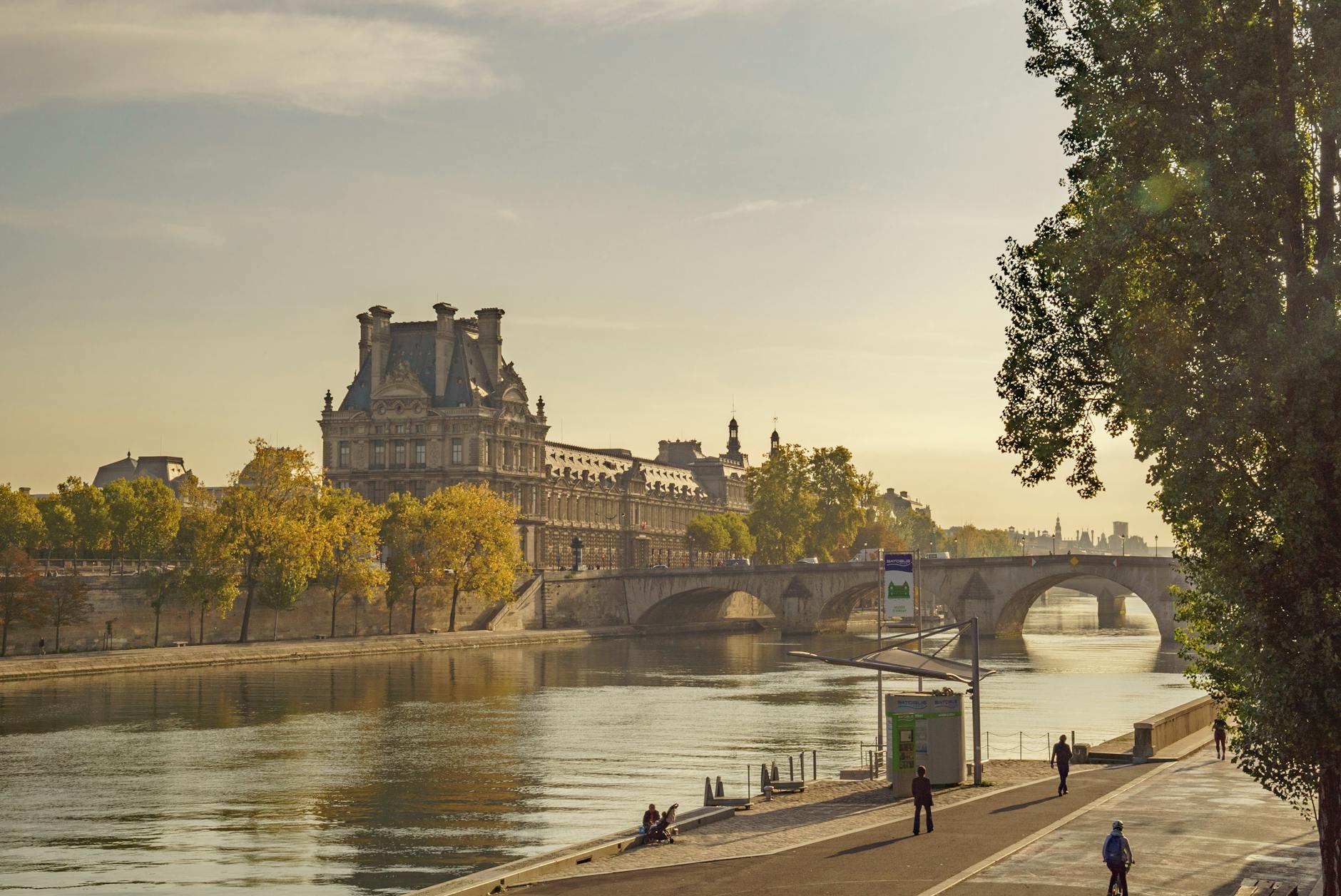
Most “free Paris” lists online stall out around twenty or thirty items, and a worrying number of them still repeat rules that quietly stopped being true years ago. The Louvre is no longer free on the first Sunday of the month; that policy ended in January 2019. The Musée d’Orsay never had a first-Sunday rule for the general public in the first place. The Centre Pompidou is shut for a multi-year renovation. And Notre-Dame, finally, is open again. This guide of free things to do in paris gives you fifty verified, accurate items for 2026, pulled from the city’s actual rules rather than recycled blog copy: the fourteen permanently free museums in the Paris Musées network, free organ recitals, panoramic department-store rooftops, hidden libraries you can walk straight into, and the cultural festivals that turn the whole city into an open-air party once a year.
For a tight budget, Paris is one of the most generous capitals in Europe. The trick is knowing which museums waive entry on which day, which monuments are worth admiring from the outside, which churches host world-class music for nothing, and which neighbourhoods pay back an aimless wander with more beauty per kilometre than any paid attraction. We’ve sorted the fifty items into themed sections, so you can build a day, plan a week, or just pull out the pieces that fit around the rest of your trip. For the wider picture on the best things to do in Paris, see our pillar guide; this one is the deep dive on what costs nothing.
Important 2026 Update: What’s Actually Free Now
First, some housekeeping, because most published “free Paris” lists carry at least one factual error that will cost you a morning. We’ve cross-checked every claim here against official ministry, mairie, and museum sources for 2026. Here are the mistakes you’ll see repeated everywhere else, corrected.
- The Louvre is NOT free on the first Sunday of the month. That policy ended in January 2019 and has not returned. The Louvre is currently free on Bastille Day (July 14) and on the first Friday evening of each month from 6 PM to 9:45 PM — but only from October to March, and never in July or August. Under-26 EU residents are free year-round with proof of residency, and under-18s are free regardless of nationality.
- The Musée d’Orsay is NOT free on the first Sunday for general visitors. Like the Louvre, it’s free for under-26 EU residents and for under-18s. Don’t queue at 9 AM on a first Sunday expecting free entry — you’ll be turned away or charged.
- The Centre Pompidou is closed. It shut for major renovation in September 2025 and is not scheduled to reopen until 2030. Some of its collection has been temporarily redistributed to the Grand Palais and the Musée du Luxembourg. Plan accordingly.
- Notre-Dame de Paris is open again. The cathedral reopened on 8 December 2024, five years after the catastrophic 2019 fire. Entry to the nave is free; timed reservations through the official Notre-Dame app are strongly recommended to skip the queue, especially in summer. Tower climbs (when reopened) carry a separate fee.
- Sainte-Chapelle is paid, not free. The exterior in the Palais de Justice courtyard is free to admire, but the famous stained glass interior requires a ticket. Under-26 EU residents are free.
- The Conciergerie, Panthéon, Arc de Triomphe rooftop, and Catacombs are all paid. Don’t plan a free day around them unless you’re an under-26 EU resident.
With that settled, here’s the actual list: roughly fifty discrete experiences grouped into eleven categories, plus practical sections on planning and FAQs. Pair it with our budget Paris guide for the accommodation and food strategies that go hand in hand with free sightseeing.
The 14 Always-Free Paris Museums (City of Paris Network)
Here’s the single most useful fact for any budget visitor: the City of Paris runs a network of municipal museums, branded Paris Musées, whose permanent collections are free every single day they’re open. You pay only for temporary exhibitions, and even those are often optional add-ons. Between them they cover Belle Époque painting, Parisian history, modern art, sculpture, Asian art, the homes of writers and composers, and the city’s WWII Resistance story. Visit every one and you’d easily fill a week. They’re a gift on a wet day, too; for more weather-proof options, see our guide to Paris rainy day activities.
- 1. Petit Palais (Musée des Beaux-Arts de la Ville de Paris) — Avenue Winston Churchill, 8th. Built for the 1900 World’s Fair and arguably the most beautiful museum building in the city, with a sun-trap interior courtyard café. The free permanent collection includes Courbet, Monet, Cézanne, Delacroix, Rembrandt etchings, and an outstanding gallery of ancient Greek vases. Genuinely one of the best free museums in Europe.
- 2. Musée Carnavalet — rue de Sévigné, 3rd, Marais. The museum of Paris itself, from prehistoric flint tools to the present day, housed across two adjoining hôtels particuliers. Reopened in 2021 after a major renovation that made the displays vastly more accessible. Don’t miss Proust’s cork-lined bedroom, reconstructed in full.
- 3. Maison de Victor Hugo — Place des Vosges, 4th. Hugo lived in this apartment from 1832 to 1848 and wrote much of Les Misérables here. The Chinese-style salon he designed himself is unmissable. The location, on the prettiest square in Paris, is itself a free attraction.
- 4. Musée Cognacq-Jay — rue Elzévir, 3rd, Marais. An intimate 18th-century art collection — Boucher, Fragonard, Watteau, Greuze, Tiepolo — in a 16th-century hôtel particulier. Small, calm, often nearly empty.
- 5. Musée de la Vie Romantique — rue Chaptal, 9th, foot of Pigalle. A green-shuttered villa where painter Ary Scheffer hosted George Sand, Chopin, Delacroix and Dickens. Sand mementos fill the ground floor; the rose garden has a tea salon in summer.
- 6. Musée d’Art Moderne de Paris (MAM) — east wing of the Palais de Tokyo, 16th. Free permanent collection of Matisse, Modigliani, Dufy, Bonnard, Soutine and the city’s acquisitions of contemporary work. The Dufy mural La Fée Électricité, one of the largest paintings in the world, is alone worth the trip.
- 7. Musée Bourdelle — rue Antoine Bourdelle, 15th. The preserved studio and gardens of sculptor Antoine Bourdelle, Rodin’s most important pupil. Plaster casts, monumental bronzes and a quiet courtyard.
- 8. Musée Zadkine — rue d’Assas, 6th, Left Bank. The intimate house and sculpture garden of Russian-born sculptor Ossip Zadkine, hidden behind a leafy passageway near the Luxembourg Gardens.
- 9. Musée Cernuschi — avenue Vélasquez, 8th, on the edge of Parc Monceau. The second-largest Asian art collection in France after the Guimet, focused on Chinese antiquities, free permanent display.
- 10. Maison de Balzac — rue Raynouard, Passy, 16th. The discreet hillside house where Balzac wrote much of La Comédie humaine, complete with the back-door escape route he used to dodge creditors. Lovely garden views toward the Eiffel Tower.
- 11. Mémorial du Maréchal Leclerc / Musée Jean Moulin — Jardin Atlantique above Montparnasse station, 15th. Twin museums dedicated to the WWII Resistance leader Jean Moulin and General Leclerc’s liberation of Paris.
- 12. Musée de la Libération de Paris — place Denfert-Rochereau, 14th, next to the Catacombs entrance. Tells the story of August 1944 from inside Colonel Rol-Tanguy’s actual command bunker, twenty metres below ground.
- 13. Crédac & municipal contemporary spaces — rotating free shows at the Pavillon Carré de Baudouin (20th) and the Maison Européenne de la Photographie reduced rates. Always check the Paris Musées agenda before a visit.
- 14. Catacombs & Crypte Archéologique exception — note that the Catacombs of Paris and the Crypte Archéologique under the Notre-Dame parvis are not in the free network. Both charge admission. We list them only because they’re commonly mistaken for free city museums.
One scheduling note: Paris Musées buildings usually close on Mondays (Carnavalet, Cognacq-Jay, Bourdelle and a few others) or Tuesdays (Petit Palais, MAM), so check the official agenda the night before. For a deeper look at the city’s wider museum landscape, including the paid blockbusters, see our Paris museums guide.

National Museums Free First Sunday of the Month
Separate from the Paris Musées network, several national museums (run by the French state, not the city) waive admission on the first Sunday of every month, all year round. This is the rule most often garbled online: the Louvre and Orsay used to take part and no longer do. Here’s the verified 2026 list.
- 15. Musée Rodin — rue de Varenne, 7th. The hôtel Biron and its three-hectare garden contain The Thinker, The Burghers of Calais, The Gates of Hell and a serene rose-lined alley. First Sunday is free for everyone year-round, and the gardens alone are worth the trip even on paid days.
- 16. Musée National Eugène-Delacroix — place de Furstenberg, 6th. Delacroix’s last apartment and studio, tucked into one of the prettiest squares in Saint-Germain. Tiny, atmospheric, free first Sunday.
- 17. Musée de Cluny / Musée National du Moyen Âge — place Paul-Painlevé, 5th. Home to the six Lady and the Unicorn tapestries, plus Roman thermal baths in the basement and a magnificent reorganised display reopened in 2022.
- 18. Musée Guimet — place d’Iéna, 16th. The largest Asian art collection outside Asia, with extraordinary Khmer sculpture, Tibetan Buddhist works, and a top-floor Japanese gallery. First Sunday free.
- 19. Musée National Gustave-Moreau — rue de La Rochefoucauld, 9th. The Symbolist painter’s house-museum, where rooms of finished works sit above two cathedral-like studio floors crammed with thousands of sketches. Genuinely strange and wonderful.
- 20. Musée Picasso Paris — rue de Thorigny, 3rd, Marais. The Hôtel Salé holds the world’s richest Picasso collection. First Sunday free; book a timed slot online to avoid the queue.
- 21. Musée des Arts et Métiers — rue Saint-Martin, 3rd. The world’s oldest science and technology museum, with Foucault’s original pendulum, Pascal’s calculator, and Lavoisier’s laboratory. Free first Sunday and free Thursday evenings after 6 PM — one of the best kept budget secrets in Paris.
Two further nationwide rules are worth committing to memory. Under-18s of any nationality are free at all national museums year-round, the Louvre and Orsay included; just bring a passport or ID. Under-26 EU residents are free year-round at the Louvre, d’Orsay, Rodin, Picasso, Quai Branly, Sainte-Chapelle, Conciergerie, Arc de Triomphe rooftop, and the Panthéon. EU residency has to be proven with a national ID card or, for non-EU citizens resident in the EU, a long-stay visa or titre de séjour. A tourist Schengen stamp won’t cut it.
First Sundays do draw a crowd. Turn up at opening (usually 10 AM) at Rodin, Cluny or Picasso, or aim for the last two hours before close (around 5 PM), once most visitors have cleared out. Stringing two or three first-Sunday museums into one day is realistic when they’re close together, and we map out exactly that kind of route in section 13.
Free Monuments & Iconic Landmarks
Most of the city’s most-photographed monuments are free to admire even when their interiors are paid. Walking up to them, around them, and across the bridges and squares that frame them is the experience. Here are the eleven landmark stops that cost nothing.
- 22. Eiffel Tower from below — the tower itself is paid, but the area underneath the four pillars on the Champ de Mars is open and free, and the classic postcard view is from across the river at the Trocadéro esplanade. Sunset and the hourly five-minute sparkle (every hour on the hour from dusk until 11 PM) are the best moments.
- 23. Notre-Dame de Paris — reopened 8 December 2024. Free entry to the nave, which is now stunningly bright after the fire-driven cleaning of nine centuries of soot. Reserve a free timed slot through the official Notre-Dame app, especially May to September.
- 24. Sacré-Cœur Basilica — Montmartre, 18th. Free entry to the nave with its enormous Christ-in-glory mosaic, one of the largest in the world. The dome climb is paid (around €8) but the view from the parvis is essentially the same.
- 25. Arc de Triomphe exterior — the eternal flame is rekindled every evening at 6:30 PM by veterans’ associations, a moving free ceremony. Rooftop is paid (free for under-26 EU residents).
- 26. Place de la Concorde — the 3,300-year-old Luxor Obelisk, the two ornate fountains, and one of the great urban panoramas of Europe with the Champs-Élysées one way and the Tuileries the other.
- 27. Place Vendôme — Napoleon’s column cast from captured Austrian cannons, the original Ritz, and a window-shopping circuit through the world’s most concentrated cluster of haute joaillerie.
- 28. Place des Vosges — Henri IV’s 1612 square, the oldest planned square in Paris, with its red-brick arcades, central garden of plane trees, and Hugo’s house in the southeast corner.
- 29. Place de la Bastille — July Column commemorating the 1830 revolution, plus the modernist Opéra Bastille (free to admire, paid to tour).
- 30. Palais Royal courtyards — Daniel Buren’s striped columns in the Cour d’Honneur, the rose-pink arcades around the Jardin du Palais Royal, and the original Café de la Régence. Free, magical, and surprisingly empty after dark.
- 31. Hôtel de Ville — Paris’s ornate town hall hosts excellent free temporary exhibitions in the Salle Saint-Jean (entrance on rue de Lobau), changing roughly every three months.
- 32. La Madeleine exterior — the Greek-temple church on a Roman scale, free to step inside, with periodic free classical concerts (check posters at the door).
Beautiful Parks & Gardens (All Free)
Every park and public garden in Paris is free, and there are more than 400 of them, from formal 17th-century parterres to wild 19th-century English-style landscapes laid out over old gypsum quarries. Here are the thirteen most rewarding for visitors, a mix of the famous and a couple of locals’ favourites.
- 33. Jardin du Luxembourg — 6th. The Sénat’s gardens, with the central octagonal basin where children sail toy boats, the Medici Fountain’s grotto, the palm-tree orangery, beekeeping hives, and the most famously comfortable green metal chairs in Europe.
- 34. Jardin des Tuileries — 1st. Le Nôtre’s 17th-century axis between the Louvre and Concorde, with Maillol bronzes, two ornamental ponds, and a summer Ferris wheel.
- 35. Champ de Mars — 7th, the long lawn beneath the Eiffel Tower’s south face. Bring a picnic, watch the tower sparkle on the hour, leave by midnight when the gardiens close the gates.
- 36. Jardin des Plantes — 5th. The botanical gardens are free; the menagerie, the Grande Galerie de l’Évolution and the mineralogy gallery are paid. The free portions include the formal alpine garden, the rose garden, and a 17th-century cedar of Lebanon planted in 1734.
- 37. Parc des Buttes-Chaumont — 19th. Built in 1867 on the site of a gypsum quarry, with cliffs, waterfalls, a suspension bridge, and the cliff-top Temple de la Sibylle giving sweeping skyline views. Widely considered the most romantic park in Paris.
- 38. Parc Monceau — 8th. Belle Époque playground of the bourgeoisie, with a fake Egyptian pyramid, a marble Corinthian colonnade, and an excellent children’s playground.
- 39. Parc Montsouris — 14th. The Left Bank’s Buttes-Chaumont, lower-key, with a lake, a meteorological station and weekend pony rides.
- 40. Bois de Vincennes & Bois de Boulogne — the city’s two enormous woodland parks at the eastern and western edges. Lakes, rowing boats (paid), free sports fields, the Parc Floral within Vincennes, and the Bagatelle rose garden in Boulogne (rose garden paid in season but the surrounding woods are free).
- 41. Promenade Plantée / Coulée Verte René-Dumont — 12th. A 4.5-kilometre elevated park built on a former railway viaduct, running from Bastille to the periphérique. Predates New York’s High Line by twenty years and is more lushly planted.
- 42. Square du Vert-Galant — 1st, at the western tip of the Île de la Cité below the Pont Neuf. The single best free sunset spot in central Paris, looking west down the Seine.
- 43. Parc de Bercy — 12th. Working vineyards, herb gardens, a rose garden, and a footbridge to the Bibliothèque nationale. Pleasantly underused.
- 44. Parc André-Citroën — 15th. Six themed gardens (one for each sense, plus two more) with a tethered helium balloon (paid) giving a rare west-Paris aerial view. Gardens themselves free.
- 45. Square Jean XXIII & Square René Viviani — 4th and 5th, on either side of Notre-Dame. Square René Viviani, behind Saint-Julien-le-Pauvre, contains the oldest tree in Paris, a Robinia planted in 1601 and now propped up like a beloved elderly relative.

Atmospheric Cemeteries

The cemeteries of Paris aren’t morbid so much as cinematic: cobbled lanes, ivy-draped tombs, and an implausible density of famous bodies that adds up to one of the city’s most distinctive free experiences. All four below have free maps at the entrance gatehouses, but download one in advance, because the grounds are huge and the signage is patchy.
- 46. Père Lachaise — 20th. The largest and most famous, opened 1804, with a guest-list including Jim Morrison, Oscar Wilde, Édith Piaf, Chopin, Molière, Proust, Apollinaire, Gertrude Stein, Sarah Bernhardt, and the Communards’ Wall. Allow at least two hours; the cemetery is hilly. Enter from rue des Rondeaux to start near Morrison and work westward.
- 47. Cimetière de Montmartre — 18th. Smaller and quieter than Père Lachaise, set in a former gypsum quarry below a road bridge. Berlioz, Degas, Truffaut, Nijinsky, Stendhal, Zola (cenotaph) and Dalida.
- 48. Cimetière du Montparnasse — 14th. Sartre and Beauvoir share a slab covered in lipstick kisses; Baudelaire is in his stepfather’s family vault; Serge Gainsbourg is permanently strewn with metro tickets and cigarettes; Susan Sontag, Samuel Beckett and Man Ray are nearby.
- 49. Cimetière de Passy — 16th, behind the Trocadéro. Small, elegant, full of writers, painters and aristocrats — Manet, Debussy, Fauré, Berthe Morisot — with a panoramic terrace facing the Eiffel Tower. The most overlooked of the four.
Free Churches & Sacred Spaces
France maintains every church built before 1905 as state property, which means admission is free. Beyond Notre-Dame and Sacré-Cœur, the city has a whole constellation of working parish churches that double as art museums, concert halls, and silent escapes from the street noise. Several put on world-class organ recitals every Sunday for nothing.
- Saint-Sulpice — 6th, Saint-Germain. Three Delacroix murals in the Chapel of the Holy Angels, the brass meridian gnomon made famous by The Da Vinci Code, and one of France’s greatest organs. Free organ recitals every Sunday at 11:30 AM after Mass — just sit in the nave.
- Saint-Eustache — 1st, Les Halles. The astonishing Gothic-Renaissance hybrid that took 105 years to build. Home to the largest pipe organ in France (8,000 pipes) with free recitals every Sunday at 5:30 PM. Mozart’s mother is buried here.
- Saint-Germain-des-Prés — 6th. The oldest abbey church in Paris (Romanesque tower from c.1000), recently restored with a vivid blue-and-gold polychrome interior that startles first-time visitors.
- Saint-Julien-le-Pauvre — 5th, behind Shakespeare and Company. The oldest church in Paris (1165–1220), now Melkite Greek Catholic, with regular paid evening classical concerts but free daytime entry.
- Saint-Étienne-du-Mont — 5th, behind the Panthéon. Pascal’s tomb, Racine’s tomb, and the only surviving rood screen in any Paris church — a flamboyant carved staircase floating across the nave.
- Saint-Séverin — 5th, Latin Quarter. Flamboyant Gothic with a famous “palm tree” column whose ribs spread across the ambulatory ceiling.
- Saint-Gervais-Saint-Protais — 4th, just behind the Hôtel de Ville. Home to the monastic Fraternités de Jérusalem, who chant the offices several times daily — lunchtime sung Mass at 12:30 PM is open to all and unforgettable.
- Notre-Dame de Paris — 4th. Free since the December 2024 reopening; reserve a slot via the official app. Vespers and free Gregorian chant are slowly returning to the schedule.
- Église du Dôme & Invalides exterior — 7th. The gilded dome over Napoleon’s tomb is unmistakable from across the river. Exterior, esplanade and gardens are free; tomb interior is paid.
- La Madeleine — 8th. Neoclassical Greek-temple silhouette closing the rue Royale axis, with periodic free organ and choral concerts.
One crucial distinction: Sainte-Chapelle on the Île de la Cité sometimes gets lumped in with the free churches, but it isn’t a parish church. It’s a former royal chapel run by the Centre des Monuments Nationaux. You can look at the exterior in the Palais de Justice courtyard for free, but the upper chapel with its 1,113 stained-glass panels needs a ticket. Don’t build a free day around it.

Best Free Panoramic Views
You don’t have to pay for the Eiffel Tower, the Arc de Triomphe rooftop, or Tour Montparnasse to get a great view of Paris. The city has at least eleven first-rate panoramas that cost nothing, several of them on top of department stores most tourists walk straight past, never realising the lift goes higher than the perfume hall.
- Galeries Lafayette Haussmann rooftop — 9th. The 7th-floor terrace gives a free 360° panorama including the Opéra Garnier, Sacré-Cœur, and the Eiffel Tower. Open during store hours; access via lifts on the men’s store side.
- Printemps Haussmann rooftop terrace — 9th, next door. The 9th-floor terrace of the beauty building has a smaller but more dramatic view straight down rue de Provence to Sacré-Cœur. Free.
- BHV Marais rooftop — 4th. Smaller and quieter, with views over the Hôtel de Ville and Notre-Dame. Excellent for pictures of the Right Bank rooftops.
- Parc de Belleville — 20th. The locals’ secret. The terrace at the top of the park gives the best free view of the entire Paris skyline including the Eiffel Tower, the Panthéon, and Tour Montparnasse, with almost no other tourists.
- Sacré-Cœur steps & Square Louise-Michel — 18th. The classic Montmartre panorama, ideally at sunset. Avoid the official dome climb fee — you get the same view from the parvis.
- Pont de Bir-Hakeim — 15th/16th. The double-deck bridge with the Eiffel Tower framed between its iron arches, immortalised in Inception. Walk across at golden hour.
- Trocadéro esplanade — 16th. The textbook Eiffel Tower postcard view; arrive early or after 10 PM to avoid the crowds.
- Pont Alexandre III — 7th/8th. Paris’s most ornate bridge, with gilded statues and Belle Époque lamp posts framing the dôme of the Invalides on one side and the Grand Palais glass roof on the other.
- Square du Vert-Galant — tip of Île de la Cité, mentioned earlier. Sunset down the Seine is unbeatable.
- Esplanade des Invalides — 7th. Looking west across the gardens you get a side-on Eiffel that includes Pont Alexandre III. Free, photogenic.
- Temple de la Sibylle, Buttes-Chaumont — 19th. The miniature Tivoli-style temple on its cliff gives a free, framed view of Sacré-Cœur to the southwest.
For a fuller list of camera-friendly spots beyond the panoramas, including individual streets, courtyards and reflections, see our companion guide to Paris photo spots.
Markets, Bouquinistes & Browsing Free

The markets are free to walk through, and even if you buy nothing, an hour at a working open-air market is about as authentic and untouristy as Paris gets. The covered markets, in particular, are worth seeing as architecture in their own right.
- Marché Bastille — boulevard Richard-Lenoir, 11th. Thursday and Sunday mornings, 7 AM–2:30 PM. The largest open-air food market in the city; oysters, raw-milk cheeses, Algerian flatbreads, Vietnamese steam buns, the lot.
- Marché d’Aligre — place d’Aligre, 12th. Daily except Monday. The best mix in Paris: open-air food market, covered market (Beauvau hall), and an adjoining brocante flea market that sets up most mornings.
- Marché des Enfants Rouges — rue de Bretagne, 3rd, Marais. The oldest covered market in Paris, founded in 1615 and named after a now-vanished children’s orphanage in red uniforms. Tuesday to Sunday; great for an inexpensive lunch from one of the food stalls.
- Marché Saxe-Breteuil — avenue de Saxe, 7th. Thursday and Saturday mornings. Higher-end produce with the Eiffel Tower as a backdrop — the most photogenic market in the city.
- Marché aux Puces de Saint-Ouen — Porte de Clignancourt. Saturday, Sunday and Monday. The largest antiques and brocante market in the world; free to wander even if you buy nothing. Get there before noon for the best atmosphere.
- Marché aux Fleurs Reine Elizabeth II — place Louis-Lépine, Île de la Cité, 4th. The flower market open daily, with a Sunday transformation into a bird market.
- Bouquinistes — the green wooden book-boxes lining both banks of the Seine from Pont Marie to the Quai du Louvre. UNESCO-listed, founded in the 16th century, free to browse for second-hand books, prints and posters.
Free Walking Tours & Self-Guided Routes
A handful of companies run “free” walking tours in Paris on a tip-based model: you book online, the guide works for tips, and you pay what you reckon the walk was worth at the end (usually €10–15 per person for a two-hour route). The major operators run daily tours in English and several other languages from central meeting points.
- Sandeman New Europe Paris — daily walks meeting at Saint-Michel fountain, multiple themes including Montmartre and Marais.
- Discover Walks — tip-based with strong neighbourhood specialisation, especially Montmartre, Le Marais, Latin Quarter.
- Strawberry Tours — a newer entrant with a similar model, less crowded than Sandeman.
- Greeters Paris (Parisien d’un jour) — entirely volunteer-run; locals show you their neighbourhood for free, with no tipping. Advance booking required (at least two weeks) via the official Greeters Paris website. The most authentic option but you must plan ahead.
For a fuller rundown of paid and free options, see our dedicated Paris walking tours guide. Prefer to find your own way? Six self-guided routes work especially well: the pedestrianised Seine-side Quai d’Orsay from the Musée Branly to the Pont de l’Alma; a slow loop of Île Saint-Louis; a Marais wander between Place des Vosges and rue Vieille-du-Temple; the rue Mouffetard market street in the Latin Quarter; the Montmartre cobbles via rue de l’Abreuvoir and the “little vineyard”; and the full 4.5 km Promenade Plantée from Bastille east.
And don’t skip the passages couverts, the city’s 19th-century covered shopping arcades. They’re free to walk through and they’re one of the most evocative architectural experiences in Paris. The five best: Galerie Vivienne (mosaic floors and a celebrated tea-room window), Passage des Panoramas (the oldest, 1799, with stamp dealers and bistros), Passage Jouffroy (Musée Grévin entrance, vintage book shops), Passage du Grand Cerf (the highest glass roof, design boutiques) and the dignified Galerie Colbert next door to Vivienne.

Free Cultural Events & Festivals (Time-It-Right)

Time your trip to land on one of the city’s annual free festivals and you’ll get a Paris that paid attractions simply can’t match. Several of these turn the whole capital into an open-air venue for a night or a weekend. For the calendar view, our best time to visit Paris guide cross-references these dates against weather and crowds.
- Fête de la Musique — 21 June. Every street corner, square, courtyard and metro entrance hosts free live music from afternoon until the small hours. Genuinely citywide. Possibly the most joyful single night in the European calendar.
- Nuit Blanche — first Saturday in October. All-night free contemporary art installations, performances and projections across multiple districts. Pick a route in advance; everything stays open until at least 2 AM.
- Bastille Day — 14 July. Free military parade up the Champs-Élysées from 10 AM, free Concert de Paris on the Champ de Mars at 9 PM (Orchestre National de France with star soloists), free fireworks over the Eiffel Tower at 11 PM. The Louvre is also free that day.
- Bal des Pompiers — 13 and 14 July evenings. Paris’s fire stations open their doors for legendary firefighter dance parties — entry by donation (a couple of euros), a bar inside, music until 4 AM. Drop in to the nearest caserne des sapeurs-pompiers.
- Journées Européennes du Patrimoine — third weekend of September. Free access to the Élysée Palace, the Sénat (Luxembourg Palace), Matignon (the prime minister’s residence), the Hôtel de Ville interior, and dozens of normally-closed government buildings. Queue early.
- Paris Plages — mid-July to early September. The Seine quays at the Hôtel de Ville and the Bassin de la Villette are transformed into urban beaches with sand, deckchairs, free outdoor activities and pop-up swimming pools.
- Cinéma en Plein Air at Parc de la Villette — mid-July to mid-August. Free outdoor cinema on a giant inflatable screen each evening. Bring a blanket; deckchair rental is paid but optional.
- Free organ recitals — weekly throughout the year. Saint-Sulpice Sundays 11:30 AM, Saint-Eustache Sundays 5:30 PM. Notre-Dame is gradually restoring its programme post-reopening — check the cathedral website.
- Maison de la Radio (Auditorium 104) — 16th. Free public dress rehearsals of the Orchestre National de France and Orchestre Philharmonique de Radio France, by reservation through the Radio France website. World-class concerts for nothing.
Hidden Free Treasures
Beyond the obvious museums and monuments, Paris is full of free spaces even some Parisians don’t know about: libraries you can walk straight into, abandoned railways gone wild, and contemporary-art foundations that drop their entry fees on certain evenings.
- Salle Ovale of the BnF Richelieu — rue de Richelieu, 2nd. The Bibliothèque nationale’s oval reading room reopened in 2022 after years of restoration. No card needed, no booking, no fee — just walk in, sit at a long oak desk under the painted dome, and read. The most beautiful free interior in central Paris.
- Bibliothèque Sainte-Geneviève — place du Panthéon, 5th. Henri Labrouste’s 1851 iron-frame masterpiece, often called the most beautiful library in France. Free entry with photo ID; sign in at the desk and head upstairs.
- Bibliothèque Mazarine — quai de Conti, 6th, inside the Institut de France. France’s oldest public library (1643), free entry with ID, gilded book galleries, complete silence.
- Petite Ceinture — sections in the 12th, 15th, 16th and 20th. The abandoned 19th-century circular railway around Paris, partially reopened as wild urban walks. The 15th and 16th sections are particularly atmospheric.
- Lafayette Anticipations — rue du Plâtre, 4th, Marais. The Galeries Lafayette Foundation’s contemporary-art space in a Rem Koolhaas-renovated building. Free entry to all exhibitions.
- Bourse de Commerce — Pinault Collection — 1st. The vast circular former commodities exchange, retro-fitted by Tadao Ando into François Pinault’s contemporary-art museum. Normally paid, but free first Saturday of each month from 5 PM to 9 PM.
- Galeries Lafayette Belle Époque cupola — the 1912 stained-glass dome over the central atrium of the Haussmann store. Stand in the perfume hall and look up — it’s free.
Plan a Free Day in Paris
Three day-long routes that thread free attractions together efficiently, each with realistic walking distances and a logical food stop. Pair them with our advice on getting around Paris and on Paris neighborhoods for context.
A free day in the Marais
Start at Musée Carnavalet at 10 AM (open Tuesday–Sunday) and give the Paris-history galleries ninety minutes. Walk five minutes to Musée Cognacq-Jay for a quick 18th-century interlude, then cross to Place des Vosges, take a bench, and visit Maison de Victor Hugo in the southeast corner. Grab lunch from a stall in Marché des Enfants Rouges. In the afternoon, wander the Marais galleries on rue Vieille-du-Temple, drop into Lafayette Anticipations, then either head north and climb up to Père Lachaise (allow two hours) or loop back west to the Bouquinistes along the Seine.
A Left Bank classic free day
Start in the Jardin du Luxembourg with a morning coffee on a green chair. Walk to Saint-Sulpice for the Delacroix murals and, if it’s a Sunday, the 11:30 AM organ recital. Continue past Saint-Germain-des-Prés to the Bouquinistes along the quai de Conti. Cross to the Île de la Cité for Notre-Dame (booked slot recommended) and the Square Jean XXIII behind it. Stroll Île Saint-Louis for a Berthillon ice-cream (this bit is paid, but cheap), and finish at the Square du Vert-Galant for sunset.
A first-Sunday free-museum route
On the first Sunday of any month, you can hit three national museums in a day. Start at Musée Rodin (10 AM opening, gardens included) for ninety minutes. Walk along the Quai d’Orsay to the Musée National Eugène-Delacroix on the place de Furstenberg. Lunch in the Latin Quarter, then the Musée de Cluny for the Lady and the Unicorn. If you’ve still got time, finish at the Petit Palais (always free) across the river before close.

Free for Under-26 EU Residents
If you’re a citizen or legal resident of an EU member state under the age of 26, the rules tilt sharply in your favour. The national museums, monuments and many royal sites are free year-round with proof of EU residency — and that covers the headline attractions that usually eat the biggest chunks of a Paris budget.
- Musée du Louvre — free year-round.
- Musée d’Orsay — free year-round.
- Musée de l’Orangerie — free year-round.
- Musée Rodin — free year-round.
- Musée Picasso Paris — free year-round.
- Musée du Quai Branly — Jacques Chirac — free year-round.
- Sainte-Chapelle — free year-round.
- Conciergerie — free year-round.
- Arc de Triomphe rooftop — free year-round.
- Panthéon — free year-round.
- Notre-Dame towers — free year-round when the climb reopens.
- Château de Vincennes — free year-round.
- Basilique Saint-Denis royal necropolis — free year-round.
You’ll need a valid EU national ID card, an EU passport plus a French titre de séjour, or, for non-EU citizens legally resident in another EU country, a long-stay residence permit. A tourist Schengen entry stamp is not enough. Under-18s of any nationality are also free at all national museums year-round; bring a passport. Stack these benefits on top of the always-free Paris Musées network and the first-Sunday rule, and a young EU traveller can fill a whole week of high culture in Paris for the price of metro tickets and croissants.
FAQ
Is the Louvre free on the first Sunday of the month?
No. That policy ended in January 2019 and has not returned. The Louvre is free on Bastille Day (14 July) and on the first Friday evening of each month from 6 PM to 9:45 PM, but only between October and March (excluding July and August). Under-18s are free year-round, and under-26 EU residents are free year-round with proof of residency.
What museums are free in Paris on Sunday?
On the first Sunday of each month: Musée Rodin, Musée Picasso, Musée de Cluny, Musée Guimet, Musée National Eugène-Delacroix, Musée Gustave-Moreau and Musée des Arts et Métiers. Every Sunday, all year, the Paris Musées municipal network is free for permanent collections — that includes the Petit Palais, Musée Carnavalet, Maison de Victor Hugo and the rest of the fourteen listed in section 2 of this guide.
Is Notre-Dame free to enter in 2026?
Yes. The cathedral reopened on 8 December 2024 and entry to the nave is free. A timed reservation through the official Notre-Dame app is strongly recommended, especially in summer; walk-up entry is possible but usually means a long queue. The treasure museum and (when it reopens) the tower climb carry separate fees.
Are the Eiffel Tower and Arc de Triomphe free?
The Eiffel Tower itself is paid, but standing under it on the Champ de Mars and watching the hourly five-minute sparkle from dusk until 11 PM is free, as is the postcard view from the Trocadéro. The Arc de Triomphe’s exterior and the daily 6:30 PM eternal-flame ceremony are free; the rooftop terrace is paid (free for under-26 EU residents).
What can you do in Paris with no money?
Honestly, a whole week. Walk the Seine and its bridges, picnic in the Jardin du Luxembourg or Buttes-Chaumont, browse the Bouquinistes and the passages couverts, catch a Sunday organ recital at Saint-Sulpice or Saint-Eustache, climb up to Belleville for the skyline, lose an afternoon in the Petit Palais or Carnavalet, see Notre-Dame, walk the Promenade Plantée, photograph the Pont Alexandre III, and end at the Square du Vert-Galant at sunset. Add a market morning at Aligre or Bastille for the price of a baguette.
Are there free walking tours in Paris in English?
Yes. Sandeman New Europe Paris, Discover Walks and Strawberry Tours all run daily English-language tip-based tours from central meeting points (typically the Saint-Michel fountain or Place du Tertre). Greeters Paris (Parisien d’un jour) is the only fully free option with no tipping; volunteer locals show you their neighbourhood, but you must book at least two weeks ahead.
Is Sacré-Cœur free?
The basilica nave is free to enter every day until around 10:30 PM, central mosaic of Christ in glory included. Only the dome climb is paid (currently around €8). The view from the parvis at the foot of the basilica is essentially the same as the dome panorama, so most visitors skip the climb without missing much.
What’s free in Paris for under-26?
For under-26 residents of any EU country, the Louvre, Musée d’Orsay, Orangerie, Rodin, Picasso, Quai Branly, Sainte-Chapelle, Conciergerie, Arc de Triomphe rooftop, Panthéon, Château de Vincennes, and Basilique Saint-Denis are all free year-round with proof of residency. The same list applies for under-18s of any nationality. Combine that with the always-free Paris Musées network and the first-Sunday national museums and you’ve got, conservatively, more than thirty world-class venues for nothing.
Putting It All Together
Read the rules carefully and Paris turns out to be unusually generous to budget travellers. Fourteen always-free Paris Musées, seven national museums on first Sunday, every park and most churches, free panoramas from department-store rooftops, and a full calendar of free festivals: between them, an entire trip without a single paid museum admission is genuinely doable. The whole game is timing. Aim for a first Sunday if you can, line up your dates with the Fête de la Musique, Bastille Day, Heritage Days or Nuit Blanche if they’re flexible, and check the Paris Musées opening days the night before so you don’t walk across town to a closed door.
For the rest of the planning — transport, lodging, food, and the paid attractions you decide are worth a splurge — see our plan a trip to Paris guide, our Paris lodging guide for budget-friendly arrondissements, our Paris attractions guide, and our Paris restaurant guide for picnic-and-bakery strategy. Travelling with children? Our family guide to Paris guide flags which of the free items here work best for under-tens. Couples should look at romantic Paris for the most atmospheric of these free spots after dark.
Within our cluster of activity guides, you might also enjoy unique things to do in Paris, things to do in Paris at night, Paris winter activities, Paris summer activities, and the underrated Seine river cruise overview — not free, but excellent value. For shopping districts you can walk through without spending a thing, see our Paris shopping guide; for evenings, our Paris nightlife guide; and if you have a spare day, our guide to excursions from Paris piece covers free or cheap escapes to the Versailles gardens, Vincennes and Saint-Denis.

Verify, plan, time it right, and Paris on a budget can match Paris on an unlimited card almost experience for experience.
The city’s parks are the most generous free attraction of all. The Luxembourg, the Tuileries, the Buttes-Chaumont, Parc Monceau, the grounds of the Jardin des Plantes and the Coulée verte cost nothing, and even the specialist gardens that charge in summer, such as the Parc Floral and Bagatelle’s rose garden, ask less than €3. Our complete guide to Paris parks and gardens has the hours and the picnic rules.
Related Paris guides
Use these to round out your trip: