25 French Dishes You Must Try in Paris: A Foodie’s Bucket List

France has hundreds of regional cuisines, and Paris is the one place where you can eat most of them in a single week. That is the premise of this list. The 25 french dishes to try in paris below are the ones worth building meals around, and for each I have noted what the dish actually is, where to find a version in 2026 that will not disappoint you, roughly what it costs, and what to drink with it. The order runs from the bistro mains most travelers come for, through the regional specialties that long ago moved to the capital, the charcuterie and cheese that bracket a real meal, the patisserie counter, and finally the modern dishes that have earned a place since 2000. Read it alongside our wider Paris food guide and the restaurant, market, and bakery reviews that fill in the rest.
Classic Bistro Mains: 5 Essential Dishes
Start here. The bistro is the Parisian kitchen at its most legible, and these five plates are what most people picture when they imagine eating in Paris. They are also the dishes every kitchen in the city is quietly judged against, so a good version tells you a lot about a place.
1. Steak Frites
A thick entrecôte (rib steak) or contre-filet, seared in butter and served with a mountain of thick-cut, hand-fried potatoes. The most famous Parisian version comes under a green herb-butter sauce whose recipe the house guards like a state secret. One rule that matters: order it saignant (rare) or à point (medium-rare). Ask for it well done and the kitchen will quietly conclude you should have ordered the chicken. Where: Le Relais de l’Entrecôte runs four locations, one fixed menu of salad then steak-frites with that sauce, no reservations, around €30. L’Entrecôte, the rival, works the same formula. Drink: a glass of red Bordeaux, ideally a Saint-Émilion or a Médoc.
2. Coq au Vin
Chicken (historically a rooster, hence the name) braised slowly in red wine with lardons, pearl onions, and mushrooms, the pan deglazed into a glossy, near-black sauce. It started as a Burgundian dish and became a national one. The test of a good version is twofold: the meat should fall off the bone, and the sauce should stay glossy rather than turn muddy. Where: Le Procope, in business since 1686 and arguably the oldest restaurant in Paris, and Brasserie Lipp both serve textbook versions. Drink: a red Burgundy, the same wine that went into the pot. A village-level Volnay or Pommard does the job.
3. Bœuf Bourguignon
Beef chuck braised low and slow in red wine with mushrooms, lardons, and pearl onions. This is the dish that taught much of the world what French home cooking smells like, and a good Parisian version arrives forktender, deeply reduced, and spooned over mashed potatoes or buttered noodles. Where: Bouillon Pigalle, the best-known of the revived bouillons, does a competent one for €12.50 with no reservations and a queue you should plan for; Au Pied de Cochon, open 24 hours in Les Halles, serves a richer take. Drink: red Burgundy, or a Beaujolais cru like Morgon or Moulin-à-Vent if you want something lighter on its feet.
4. Confit de Canard
Duck leg cured in salt, then poached slowly in its own fat until the meat turns silky, then crisped skin-side under a salamander to a shattering finish. It is the southwest’s answer to a long winter, and it comes with potatoes sautéed in duck fat (pommes sarladaises) and a small dressed salad to cut the richness. Where: Le Comptoir du Relais, Yves Camdeborde’s Saint-Germain bistro, does an exemplary one; Bouillon Pigalle has a serviceable version for €14; and plenty of neighborhood bistros keep it on the menu. Drink: a Cahors red, the dark, tannic Malbec of the southwest, or a structured Bordeaux.
5. Steak Tartare
Raw beef tenderloin, hand-chopped (a serious kitchen never machine-grinds it) and bound with capers, finely diced onion, parsley, a raw egg yolk, Worcestershire, mustard, and seasoning, with frites alongside. The best versions are mixed at your table and adjusted to your taste as the waiter goes. Where: Brasserie Bofinger near Bastille; Café Marly, which looks straight onto the Louvre courtyard; and Le Severo in the 14th, which has a small cult following. Drink: a structured Burgundy red, or, if you want to keep it casual, a French pression beer like Meteor or 1664.

Regional Specialties That Travel to Paris
France is really a federation of regional kitchens, and almost all of them have an embassy within a fifteen-minute Metro ride of central Paris. None of these five dishes was born in the capital. You still shouldn’t leave without them.
6. Cassoulet
A white-bean and duck stew from Languedoc, layered with confit duck leg, garlicky pork sausage (saucisse de Toulouse), and sometimes pork shoulder, then baked slow under a breadcrumb crust that gets broken and reformed several times as it cooks. A real cassoulet is not a quick lunch. Give it the afternoon. Where: Aux Lyonnais (Alain Ducasse’s bistro), Chez Georges, and Le Cabanon in Saint-Germain all do it justice. Drink: Madiran or Cahors, the dark, tannic southwestern reds that grew up alongside the dish.
7. Choucroute Garnie
Sauerkraut slow-cooked in Riesling with sausages, smoked pork loin, and salt pork, plus boiled potatoes and a pot of strong mustard. It came to Paris with the wave of brasseries (the word literally means “breweries”) opened by Alsatian refugees after 1871. Where: Brasserie Lipp in Saint-Germain serves the textbook plate, and it is one of the dishes the restaurant built its name on; Bofinger and Wepler also do good versions. Drink: Riesling or Edelzwicker, the Alsatian whites the cabbage was cooked in.
8. Bouillabaisse
Marseille’s fish soup, built traditionally on the rocky-bottom Mediterranean catch (rascasse, saint-pierre, vive, conger) in a saffron-tinted broth, and served in two acts: first the broth with toasted bread and rouille (a saffron-garlic mayonnaise), then the fish on a platter. It is not cheap in Paris, and it isn’t meant to be. Done right, it is one of the great seafood experiences in France. Where: Marius et Janette in the 8th is the capital’s standard-bearer; L’Écailler du Bistrot in the 11th is a strong second choice. Drink: a Cassis white (the Provençal appellation, not the blackcurrant liqueur) or a Bandol rosé.
9. Ratatouille
The Provençal vegetable stew: eggplant, zucchini, bell peppers, tomato, garlic, and herbs de Provence. The proper way cooks each vegetable separately before bringing them together, so every one keeps its own texture; the version the Pixar film made famous shingles thin slices into a neat tian instead. Either can be excellent. Where: most bistros put it on the summer menu as a side or a vegetarian main, and the plainest neighborhood versions are often the best ones. Drink: a chilled Provençal rosé from Bandol or Côtes de Provence.
10. Quiche Lorraine
An egg-and-cream tart from Lorraine baked in a buttery shortcrust shell and studded with smoked bacon (lardons). Here is the thing the Lorrainers will not let you forget: the authentic version has no cheese. Add Gruyère or Comté and they will tell you, firmly, that you have made something else. Where: Maison Pradier, or honestly any half-decent boulangerie with a lunchtime case. Drink: a glass of crémant d’Alsace or a dry Riesling.
Charcuterie + Cheese Canon
You cannot work through the french dishes to try in paris and skip the charcuterie and cheese that open and close a proper meal. These five turn up at any decent bistro and at any fromager worth the trip. A piece of advice: treat them with the attention you would give a main course. They are not snacks, and the good ones eat like a course in their own right.
11. Plateau de Charcuterie
A mixed cured-meats board, usually some combination of jambon de Bayonne (the dry-cured ham of the southwest), saucisson sec (dried pork sausage), rillettes (slow-cooked shredded pork kept under its own fat), jambon persillé (a Burgundian ham terrine set in parsley jelly), and paté de campagne (coarse pork country paté). A generous board is a small meal in itself. Where: any bistro will offer one as a starter; for a specialist version, Frenchie Bar à Vins in the 2nd plates serious charcuterie next to a strong wine list. Drink: Beaujolais (Morgon or Fleurie) is the textbook match.
12. Plateau de Fromage
The cheese board comes after the main and before dessert, and it is emphatically not something you nibble with drinks. Order three with contrasting characters: one creamy (Brie or Camembert), one hard (Comté or aged Gruyère), one blue (Roquefort or a Fourme d’Ambert). Eat them with the bread already on the table, and with a handful of walnuts if the kitchen offers them. Where: any restaurant worth your evening; for specialist cheese, head to Laurent Dubois (five locations in Paris) or Fromagerie Marie-Anne Cantin near the Eiffel Tower, both references in the city.
13. Brie de Meaux
A raw-milk soft cow’s-milk cheese from the Île-de-France, the region around Paris itself, aged under a bloomy rind. It is AOC-protected, meaning both the recipe and the geographical origin are controlled by law. A ripe wedge should bulge, almost ooze, when you cut into it. The pasteurized supermarket Brie sold abroad is, frankly, a different cheese. Where: any reputable fromager; Marie-Anne Cantin and Laurent Dubois both carry it at peak ripeness.
14. Roquefort
A blue cheese made from raw sheep’s milk and aged in the natural Cambalou caves at Roquefort-sur-Soulzon in the Aveyron. The mold that veins it, Penicillium roqueforti, is the same one that grows on the rye bread left in those caves to seed the cheese. The result is salty, sharp, and impossible to mistake for anything else. Where: any cheese shop; Société, Papillon, and Carles are the most respected labels.
15. Camembert de Normandie
A soft raw-milk cow’s-milk cheese from Normandy, AOC-protected, with a bloomy white rind and an aroma that travels from mushroomy to full-on barnyard as it ripens. Read the label carefully: the protected cheese says “Camembert de Normandie AOP,” while “Camembert fabriqué en Normandie” is a looser, lesser thing. Where: any cheese shop. Drink with all three cheeses: a structured red (Bordeaux for Camembert, Saint-Estephe for Brie, Sauternes for Roquefort).
Classic Patisseries + Desserts
Paris earned its reputation as the dessert capital one of these five pastries at a time. Each one tests a specific piece of technique, and each is easy to find across the city, which means you can taste a baker’s skill for a couple of euros.
16. Croissant
The laminated butter pastry that exposes every boulangerie. A great croissant shatters on the outside, pulls into long honeycombed strands on the inside, and tastes unmistakably of butter rather than margarine or some shortcut fat. Look for “croissant au beurre” on the label; anything else is the industrial cousin. Where: Du Pain et des Idées in the 10th, Cyril Lignac (several locations), and Maison Mulot in Saint-Germain. Reckon on €2.00–2.80 each.
17. Macaron
Two almond-meringue shells around a ganache or buttercream filling. The Parisian kind, the colored rows you see stacked in every patisserie window, was popularized by Ladurée in 1862 and turned into an art form by Pierre Hermé in the late twentieth century. Where: Pierre Hermé (the Mogador with passion fruit and milk chocolate, the Ispahan with rose and lychee), Ladurée (the classic rose and salted caramel), and Pierre Marcolini for a more chocolate-forward take. Reckon on €2.50–3.50 each.
18. Mille-feuille
Also called the Napoleon: three layers of caramelized puff pastry around two of pastry cream (crème pâtissière), finished with a marbled white-and-dark chocolate glaze or just a dusting of powdered sugar. It tests puff pastry and pastry cream at the same time, which is why so few places nail it. Where: Carl Marletti in the 5th, a perennial winner of the best-mille-feuille-in-Paris polls, plus Sébastien Gaudard’s patisserie in the 9th and Boulangerie BO in the 11th. Reckon on €5–7 a slice.
19. Tarte Tatin
An upside-down caramelized apple tart, created by accident at the Hôtel Tatin in Sologne in the 1880s. Apples are caramelized in butter and sugar in a sauté pan, capped with puff pastry, baked, then flipped onto a plate so the caramelized fruit sits on top. Have it warm with a spoonful of crème fraîche. Where: the Hôtel Tatin in Lamotte-Beuvron has the original; in Paris, La Closerie des Lilas in Montparnasse runs the most famous version. Drink: Calvados (apple brandy from Normandy) or a glass of sweet Vouvray.
20. Crème Brûlée
Vanilla custard set in a wide, shallow ramekin under a caramelized sugar crust torched into place and cracked with the back of a spoon. The whole point is the contrast: brittle caramel on top, cool cream underneath. Skip any version where the sugar has gone soft and the magic with it. Where: nearly every bistro keeps one on the dessert menu, and Le Procope, the seventeenth-century cafe associated with the dish, runs a textbook one.
Modern Parisian Classics (Since 2000)
The canon is not frozen in the nineteenth century. These five dishes either started in Paris or were lifted by the city into the everyday repertoire of contemporary French eating, which is to say you will see them on menus that have no interest in nostalgia.
21. Croque Monsieur (and Madame)
A grilled ham-and-cheese sandwich taken seriously: white bread, Dijon mustard, béchamel, Paris ham, and gruyère, baked or griddled until the béchamel browns and the cheese pulls. Crown it with a fried egg and it becomes a croque madame. Where: Cafe Carette across from the Trocadéro, Le Procope in the 6th, and Cafe Constant on the Rue Saint-Dominique. Reckon on €14–22, depending on how grand the neighborhood is.
22. Onion Soup Gratinée
Soupe à l’oignon gratinée: a deep beef broth thickened with onions caramelized low for an hour or more, ladled over a slice of toasted baguette, buried under grated Comté or Gruyère, and broiled until the cheese sets into a brown crust. It began as a four-in-the-morning meal for the porters of Les Halles, back when the neighborhood held the city’s central market. Where: Au Pied de Cochon (open 24 hours, the historic Les Halles all-nighter), Brasserie Lipp, and Bouillon Pigalle for the budget bowl. Reckon on €9–15.
23. Escargots de Bourgogne
Snails (the Helix pomatia, or Burgundy snail, specifically) baked back in their shells in a butter worked through with garlic, parsley, and a splash of pastis or white wine. They arrive by the half-dozen or dozen in a dimpled metal pan, with tongs and a little fork for the extraction. Where: Au Pied de Cochon (a dozen for around €25), L’Escargot Montorgueil (a dedicated specialist since 1832), and Bouillon Chartier for the cheapest decent plate. Drink: Chablis, the steely Burgundian white that cuts straight through the butter.
24. Foie Gras
Fattened duck or goose liver, served as a paté, a terrine, a mi-cuit (lightly cooked), or a seared escalope over toasted brioche. It is controversial because of how the birds are raised, and that is worth knowing before you order, but it remains central to southwestern French cooking and is everywhere on Parisian menus. Where: Le Comptoir de la Gastronomie, a specialist near Les Halles, and Boucherie Roulier, a butcher with a small dining room attached. Drink: Sauternes, the sweet Bordeaux dessert wine, is the classical pairing.
25. Soufflé au Grand Marnier
The dessert soufflé that closes a classical French dinner: a pastry-cream base flavored with Grand Marnier orange liqueur, lightened with stiffly whipped whites, baked in a ramekin until it climbs a full two inches above the rim, dusted with powdered sugar, and rushed to the table before it falls. Timing is the whole game, so order it at the start of your main and let the kitchen stage it. Where: Le Récamier in Saint-Germain is the soufflé specialist in Paris, with a full menu of savory and sweet versions, and the Grand Marnier is the dessert reference. Le Soufflé in the 1st is a quieter alternative devoted entirely to them.

The 5 Drinks You Absolutely Should Try
A Parisian meal is built around its drinks as much as its dishes. These five are the ones locals order on autopilot, and learning them is half of looking like you belong.
Espresso (un café)
The default Parisian coffee. Ask for “un café” and you get a single shot of espresso, often with a small square of dark chocolate or a sugar cube. The price swings on where you take it: roughly €1.50–2 standing at the bar (au comptoir), €3 or more sitting at a table. The bar is the move here, quick and cheap and on your feet, the way most of the city drinks it.
Café Crème (or Café au Lait)
The morning coffee: espresso lengthened with hot milk in a larger cup. Café crème is the cafe version (a touch stronger); café au lait is the home version (more milk). Both belong to the morning, and ordering one after lunch is the surest tourist tell going. Reckon on €4–5 at a sit-down cafe.
Vin au Verre (red, white, or rosé)
A glass of wine with lunch or dinner. Most bistros pour a choice of three reds and two whites by the glass; a serious wine bar will offer twenty. Prices run from €5 for a simple house red to €12 or more for a structured Burgundy. Order one with the main and stop there if you like; nobody is keeping score.
Pastis
The anise apéritif from Marseille (Ricard and Pernod are the big two), poured clear into a tall glass with a small pitcher of water on the side. Add the water and the drink clouds to a milky white, the “louche,” as the essential oils drop out of solution. It is a southern summer drink at heart, but every Parisian cafe pours it year-round. Reckon on €4–7.
Calvados
Apple brandy from Normandy, distilled twice and aged in oak. It comes as a digestif at the end of a heavy meal, neat, in a small tulip glass. The older bottlings (XO, Hors d’Âge) are noticeably smoother and worth the extra euros if you are going to sit with it. Reckon on €7–15 a glass.
Vegetarian Twists on the Classics
Parisian cooking is meat-forward, no argument there, but the canon hides more for vegetarians than the guidebooks let on. These five map straight onto the bucket list above.
- Cassoulet végétarien at Le Potager du Marais, a long-running vegetarian bistro that builds a credible meatless version on white beans, smoked tofu, and a tomato base.
- Quiche aux légumes, the vegetable quiche (leek, mushroom, or spinach, usually), on the lunch menu at nearly every boulangerie.
- Galette de sarrasin garnie aux légumes, the buckwheat crepe stuffed with vegetables, mushrooms, and (almost always) an egg, the Breton vegetarian default at any crêperie.
- Soupe à l’oignon, often made with a vegetable broth at modern bistros, though you should ask first, since the classical recipe leans on beef stock.
- Soufflé au fromage, the cheese soufflé, a textbook vegetarian main that Le Récamier (the soufflé specialist) serves in several variations.
Where to Try All 25 in One Trip
Eating all 25 in a single trip is genuinely doable if you plan around them rather than hoping they fall in your lap. Here is a five-day eating itinerary that hits the canon without leaving you horizontal by Day 3.
Day 1 (arrival): a classic bistro dinner at Le Comptoir du Relais, or a neighborhood place near your hotel. Steak frites or confit de canard for the main, crème brûlée to finish, a glass of red Bordeaux, an espresso at the end. Keep the arrival meal easy and recognizable; save the ambition for when you are over the flight.
Day 2: croissant and café crème at Du Pain et des Idées or Cyril Lignac to start; lunch at the Saxe-Breteuil market (Saturday) or any open market, eating charcuterie and cheese off a bench; dinner at Brasserie Lipp for choucroute garnie with Riesling. Close it out with a Calvados.
Day 3: a seafood lunch at Brasserie Bofinger, oysters then a steak tartare, with the cheese course standing in for dessert; an afternoon tarte tatin and espresso at La Closerie des Lilas. Go light in the evening, maybe a wine bar with a small charcuterie board.
Day 4: dinner at Le Récamier for soufflés, a savory cheese soufflé to start and the Grand Marnier for dessert. Earlier, stop at Pierre Hermé on Rue Bonaparte and build a box of six macarons: Mogador, Ispahan, salted caramel, vanilla, and two seasonal flavors.
Day 5: the bouillon day. A three-course meal at Bouillon Pigalle, bœuf bourguignon, onion soup gratinée, crème brûlée, comes to around €25 all in with a glass of red, and mops up whatever you have not eaten yet. The queue does move; just bring patience.
Eating Etiquette in Paris
The dishes are only half of it. The other half is eating them like someone who has done this before, and a handful of small habits will mark you as the kind of visitor a French table warms to.
- Put your bread on the table next to the plate, not on a bread plate, which isn’t a French convention.
- Keep both hands visible on the table while you eat, not in your lap. This is the exact reverse of the American rule.
- Take the cheese course between the main and dessert, using the bread already on the table.
- Don’t cut salad leaves with a knife; fold them with the side of your fork instead.
- Don’t ask for substitutions. Order the dish as written, or order a different dish.
- Say “bon appétit” before eating and “bonjour” the moment you walk in.
- Tipping: service is included by law, and 5–10% extra in cash for good service is the most anyone expects.
- Ask for “une carafe d’eau” and you get free tap water rather than a pricey bottle.
Booking Strategy for the Top Dishes
How far ahead you need to book varies enormously from place to place. A few rules will keep you out of the lines, unless of course you want to be in them.
- Bouillon Pigalle and Bouillon Chartier: no reservations, expect a 15–45 minute queue at peak. Arrive before 7pm for dinner, or after 9pm.
- Brasserie Lipp, Bofinger, Le Procope: a reservation 1–3 days ahead usually covers it, though weekends run tighter.
- Le Comptoir du Relais: the fixed-menu dinner books 1–2 months ahead; lunch is walk-in only.
- Le Récamier (soufflés): book 1–2 weeks out, with weekends the tightest.
- Michelin three-stars (Le Cinq, Plénitude, Le Pré Catelan, Arpège): book 2–6 months ahead, and note that a few now run online lotteries for tables.
Price Guide: What Each Dish Costs in Paris
| Dish | Budget version | Mid-range version | High-end version |
|---|---|---|---|
| Steak frites | €15 (bouillon) | €28–35 (Relais de l’Entrecôte) | €55+ (steakhouse) |
| Coq au vin | €13 (bouillon) | €24–30 (bistro) | €40+ (Le Procope) |
| Bœuf bourguignon | €12.50 (Bouillon Pigalle) | €22–28 (bistro) | €38+ |
| Confit de canard | €14 (bouillon) | €24–32 (bistro) | €45+ |
| Cassoulet | €20 (bistro) | €28–38 (specialist) | €55+ |
| Bouillabaisse | — | €48–65 | €75–110 (Marius et Janette) |
| Soufflé (Le Récamier) | — | €16–22 dessert | €28+ as main |
| Macaron (each) | €2.50 | €3.00–3.50 (Pierre Hermé) | €5+ (specialty) |
| Crème brûlée | €6 (bistro) | €10–14 | €18+ |
FAQ
What is the most famous French dish in Paris?
Steak frites is the one Parisians order most, and nearly every bistro keeps its own version. The single most famous rendition is at Le Relais de l’Entrecôte, which serves nothing but steak frites under its secret herb-butter sauce.
What dishes should I try in Paris?
The five non-negotiables: steak frites, bœuf bourguignon or coq au vin, a cheese board, a croissant, and a macaron or another classic patisserie. After that, choucroute at Lipp, a soufflé at Le Récamier, and a budget three-course meal at Bouillon Pigalle round out a complete introduction.
What is steak frites?
A thick-cut rib steak (entrecôte) or sirloin (contre-filet) with a generous side of thick, hand-cut French fries. The most famous Parisian version arrives under a green herb-butter sauce whose recipe stays a guarded family secret.
What is the difference between coq au vin and bœuf bourguignon?
Both are slow-braised Burgundian stews built on red wine, lardons, mushrooms, and pearl onions. The difference comes down to the protein: coq au vin uses chicken (historically a rooster), bœuf bourguignon uses beef chuck. The sauces are otherwise nearly identical, and they share a wine pairing.
Where can I try cassoulet in Paris?
Aux Lyonnais (Alain Ducasse’s historic bistro), Chez Georges, and Le Cabanon in Saint-Germain all serve respectable cassoulets. It is a winter dish, so the best versions run on the menu from October through April.
What is the most Parisian dessert?
The macaron, hands down. Ladurée popularized it in 1862 and Pierre Hermé refined it a century later. Crème brûlée and the Grand Marnier soufflé are the close runners-up.
Are oysters in Paris fresh?
Very. Paris sits six hours by train from Brittany and Normandy, and oysters reach the city’s brasseries and seafood specialists daily. Brasserie Bofinger, Le Dome, and the Wepler oyster bar are the references. September through April, the months with an “R,” is the traditional season.
Should I try foie gras in Paris?
It is legal and widely served in Paris, ethical controversy over the birds notwithstanding. If you do try it, pair it with Sauternes and seek out a southwestern specialist like Le Comptoir de la Gastronomie. Plenty of travelers skip it on principle, and the rest of this list holds up fine without it.
Related Reading
This bucket list sits inside our wider Paris food guide, which maps the eating scene in detail and indexes the rest of our Cluster 5 articles. The other guides in the food and dining cluster will point you to the specific restaurants, markets, and tours behind the dishes above.
- Best restaurants in Paris, the full list sorted by neighborhood and cuisine.
- Best bakeries in Paris, for the croissant, mille-feuille, and tarte tatin.
- Paris food markets, for assembling charcuterie and cheese into a picnic.
- Best cafes in Paris, for the coffee, the croque-monsieur, and the terrace.
- Paris food tours, for a guided run at the bucket list with a local host.
- Cheap eats in Paris, for the bouillons, market lunches, and budget classics.
- Wine bars in Paris, for working through the drink list and the charcuterie board.
- Paris Michelin restaurants, for the high-end takes on the canon at Le Cinq, Plénitude, and Arpège.
- Paris cooking classes, for learning to make the dishes before you fly home.
For the bigger trip-planning picture, see the things to see and do in Paris guide, the neighborhoods guide, the itinerary builder, the hotels guide, and our take on the best time to visit Paris.
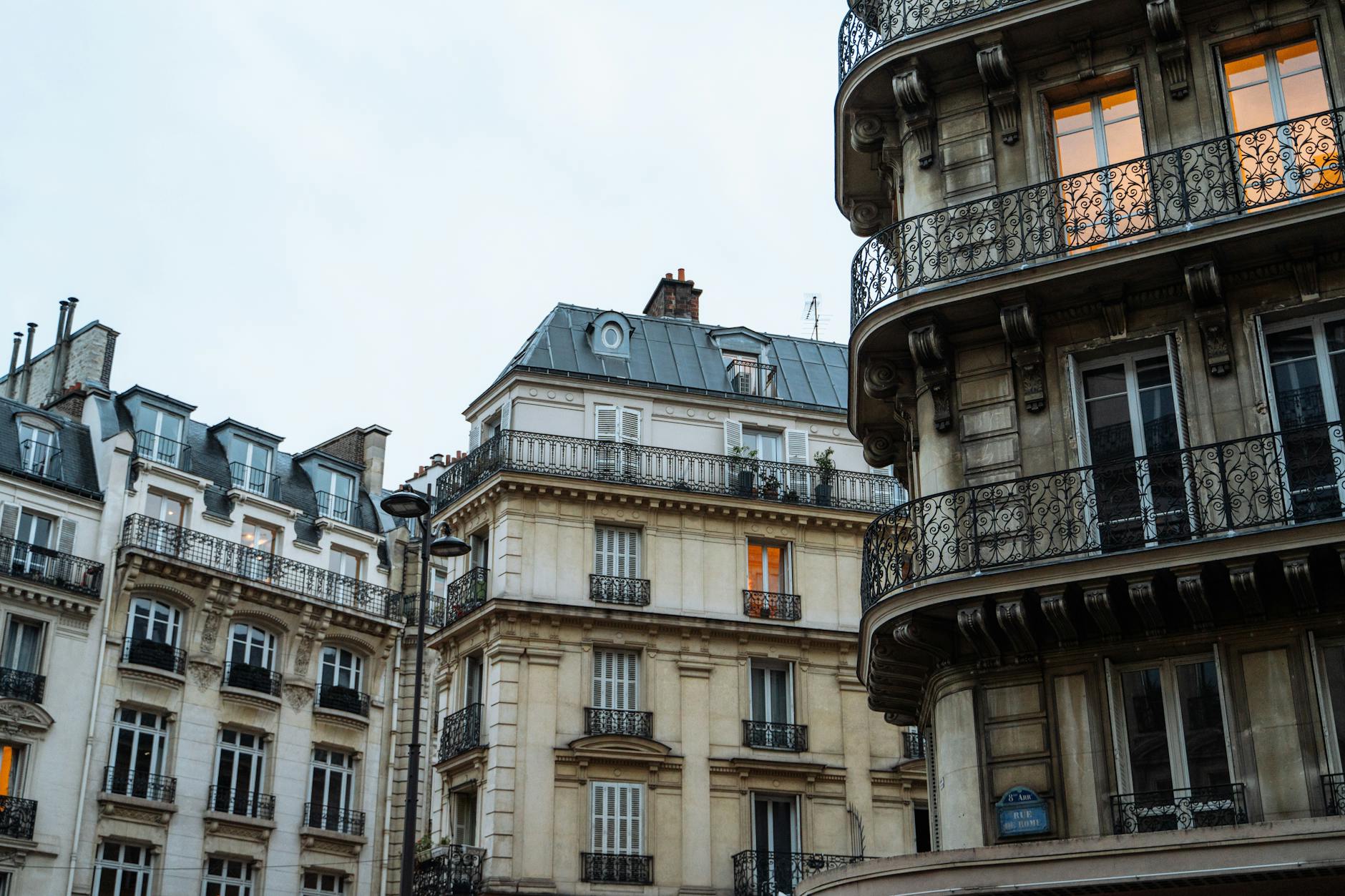
Treat these 25 dishes as a starting point, not a checklist to race through. Eat your way down it and you will be able to read any Paris menu without reaching for your phone. Bring the appetite; the city handles the rest.
More to explore
Use these to round out your trip:
- our complete Paris food guide
- Paris cafe culture
- Best Paris Food Tours
- Where to Eat in Paris on a Budget
- Saint-Germain
- the Paris jazz clubs
Ordering any of this is easier with a handful of the right words — la carte for the list rather than le menu, which means the set meal; saignant, à point or bien cuit for how you want it cooked; and never, under any circumstances, garçon. Our guide to French phrases for travellers works through the restaurant vocabulary with pronunciation.