Paris on a Budget: How to Experience the City of Light for Less
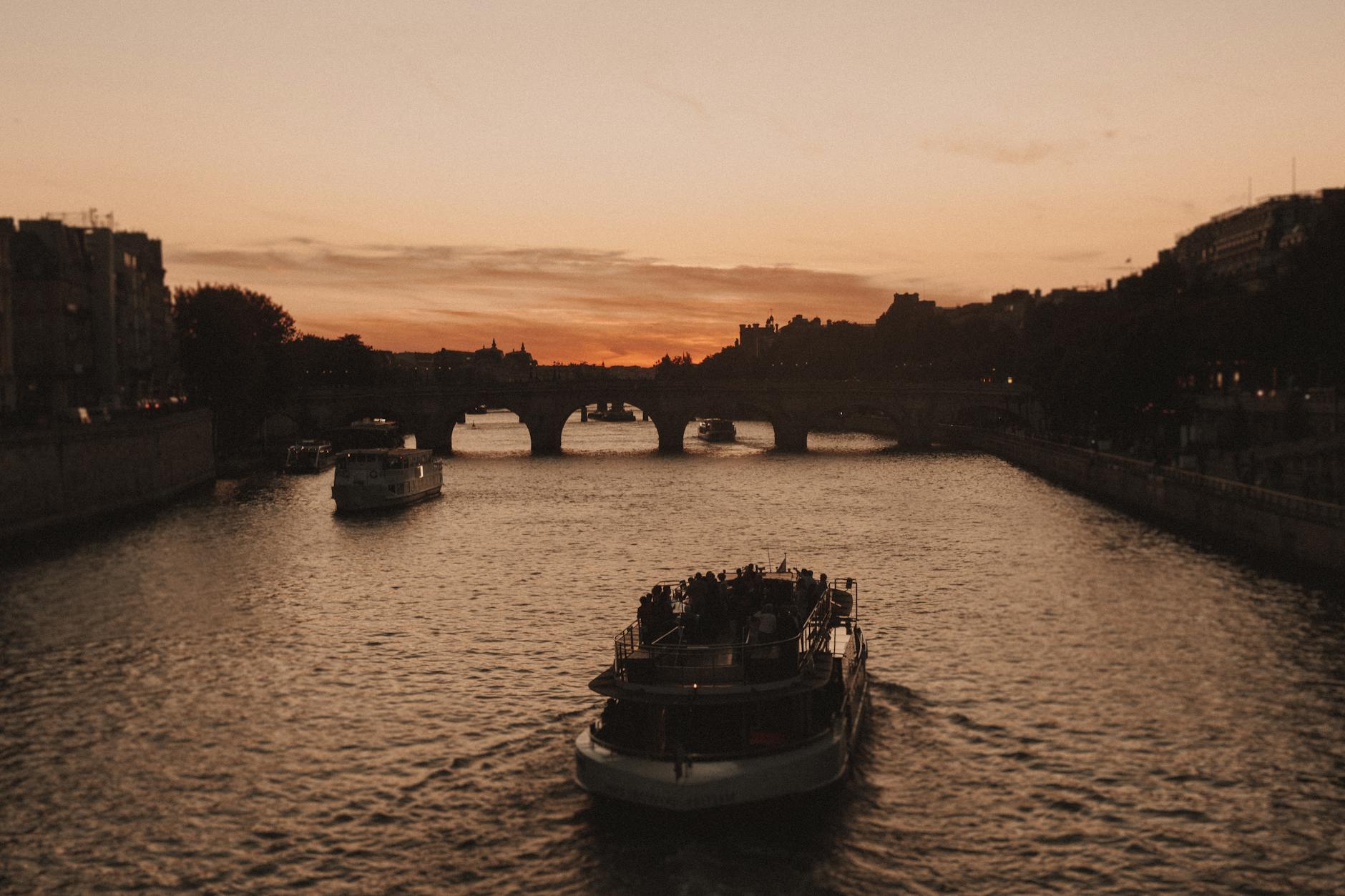
Paris has a reputation for emptying wallets, and it earns it if you let it. But the reputation hides a quieter truth: a baguette costs about €1.20, a dozen of the city’s best museums charge nothing, and a sunset over the Seine is free to everyone who shows up for it. Doing Paris on a budget isn’t about accepting a watered-down trip. It’s about spending where it counts so you can stay an extra day, eat at the bistro the locals queue for, and stop flinching every time you open the menu. This guide lays out exactly how to make each euro work.
The advice that follows works whether you’re a backpacker rationing your savings, a student on exchange, a family keeping an eye on the total, or just someone who’d rather not overpay. This is the full picture of Paris on a budget: daily budgets, accommodation, food, transport, free things to do, the passes worth buying and the ones that aren’t, plus the small habits Parisians rely on without thinking about them.
How Much Does Paris Actually Cost? Daily Budget Breakdown
Strategy is easier once you know the baseline, so here’s what a day in Paris runs at three different budget levels. Figures are per person, per day, in 2026, and don’t include your flight in.
Backpacker / Shoestring Budget (€60–€90 per day): Hostel dorm bed (€25–€45), boulangerie breakfast (€3–€5), picnic or street-food lunch (€6–€10), budget bistro dinner or home-cooked meal (€10–€15), Métro day pass or walking (€0–€8), one paid attraction or free museum day (€0–€15).
Comfortable Budget (€120–€180 per day): Budget hotel or private hostel room (€70–€110), café breakfast (€6–€10), prix fixe lunch at a neighbourhood bistro (€15–€20), restaurant dinner (€25–€40), Navigo or carnet of Métro tickets (€5–€8), one or two paid attractions (€10–€25).
Mid-Range (€200–€300 per day): Three-star hotel (€120–€180), restaurant meals throughout the day (€50–€80), taxis and occasional Uber (€10–€20), Paris Museum Pass attractions (€15–€25 amortised), one special experience or guided tour (€20–€50).
For most people who want Paris on a budget without feeling pinched, the sweet spot lands at €100–€150 a day. That puts a one-week trip at roughly €700–€1,050 per person, before flights. Everything below is aimed at keeping you comfortably at, or under, those numbers.
When to Visit Paris on a Budget
Your travel dates can swing the total by hundreds of euros before you’ve booked a single thing. Peak season, June through August plus the Christmas stretch, pushes hotel prices up 30 to 50 per cent over low season, and the crowds mean more of your day evaporates in queues. The cheapest months are January, February, and November, when room rates bottom out and flight deals turn up most often. The shoulder seasons, March to May and September to October, hit the best balance of decent weather, thinner crowds, and prices that won’t make you wince.
Flights follow a similar logic. Tuesday and Wednesday departures usually run 15 to 25 per cent below weekend ones. If your dates can flex, lean on Google Flights or Skyscanner and set fare alerts a few weeks ahead of when you want to go. For a month-by-month look, see our guide on the best time to visit Paris by month.
Budget Accommodation in Paris: Where to Stay for Less
Accommodation is nearly always your single biggest line item in Paris, but there’s real room to bring it down without giving up comfort or safety. It comes down to two choices: the type of place that suits how you travel, and a neighbourhood that delivers value while staying plugged into the Métro.

Hostels (€25–€55 per night)
The Paris hostel scene is genuinely good now, not the grim bunk-bed cliché it once was. Dorm beds start around €25 in low season and average €35–€55 in the busy months, with many places folding breakfast, Wi-Fi, and lockers into the rate. The standouts: Generator Paris (10th arrondissement, stylish, rooftop terrace), Les Piaules (Belleville, with a rooftop bar worth the trip on its own), MIJE Le Marais (a 17th-century mansion with free breakfast), and St Christopher’s Inn Canal (Canal Saint-Martin, properly social). Want a door that locks? Plenty of hostels rent private rooms for €60–€90, still under most hotels.
Budget Hotels (€70–€120 per night)
Two-star and boutique budget hotels start around €70–€90 a night for a double, especially out in the 10th, 11th, 12th, 18th, and 19th arrondissements. Chains like Ibis Budget, Motel One, and Jo&Joe give you reliable quality at prices you can predict. Independent hotels in Montmartre and Bastille often pack more character into the same rate. Book directly with the hotel where you can; a lot of them match or beat the online travel agencies and throw in perks like a late checkout.
Apartment Rentals
Staying four nights or more, and especially travelling as a couple or small group, an apartment can save you a noticeable chunk. The kitchen is the real money-saver: cook a few meals with market ingredients and your food bill can roughly halve. Airbnb and Booking.com both list apartments across the city, but for the best mix of price and location, aim at the 10th, 11th, and 20th. A well-placed one-bedroom typically runs €80–€130 a night.
Best Budget Neighbourhoods
The most affordable areas that still have strong Métro links: Belleville and Ménilmontant (20th arr.) for the multicultural food and the nightlife; Canal Saint-Martin (10th arr.) for the cafés, vintage shops, and easy local feel; Bastille and Oberkampf (11th arr.) for a central base and a bar scene that doesn’t quit; and Montmartre (18th arr.) for the village atmosphere, hills and all. Each one gets a full write-up in our Paris neighborhoods guide. One thing to avoid on a budget: the 1st, 6th, 7th, and 8th arrondissements, where hotel rates run 50 to 100 per cent higher for no extra value to your trip.
Getting Around Paris on a Budget
The Paris transport network is one of the best anywhere, and using it well is among the simplest ways to hold your daily costs down. Here’s how to move around the city without bleeding money.
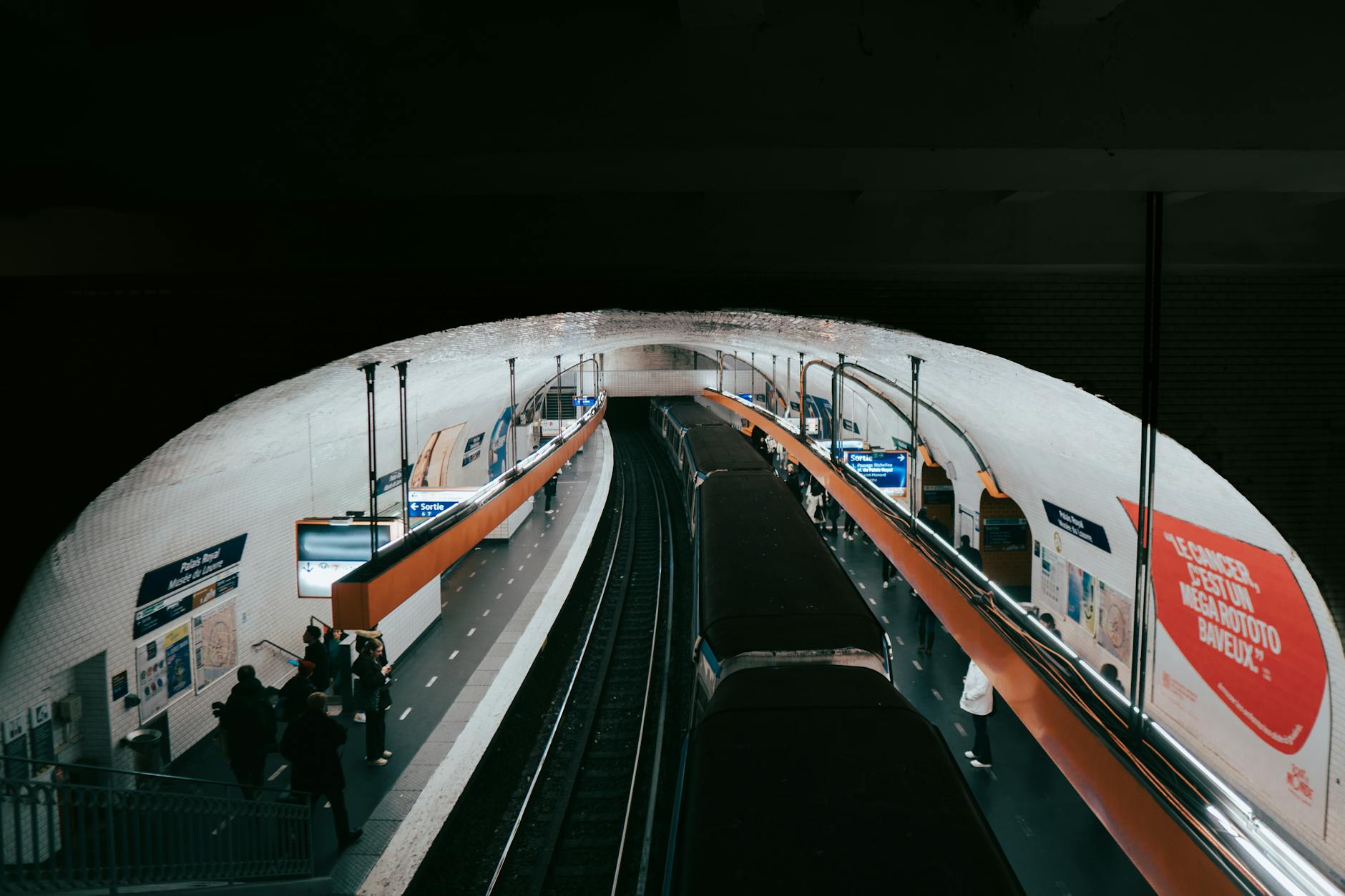
Métro, RER, and Bus Basics
A single Métro or bus ticket (the t+ ticket) costs €2.50 in 2026, and the same ticket covers the Métro, the RER within Zone 1, buses, and trams. Buy them one at a time, though, and the cost climbs fast. The smarter routes:
Navigo Easy Card: A rechargeable contactless card (the card itself is €2) that you load with t+ tickets at €2.50 each, or a book of 10 for €18.80, which works out to €1.88 a trip, a 25 per cent saving. Available at any Métro station.
Navigo Weekly Pass (Navigo Semaine): €30.75 for unlimited travel across all zones (1–5), covering Métro, RER, buses, trams, and trains to the airports, Versailles, and Disneyland Paris. The one catch: it runs Monday to Sunday no matter when you buy it, so it’s best value if you land on a Monday. Take more than 12 trips in that window, which you almost certainly will, and it pays for itself. Bring a passport-sized photo.
Navigo Day Pass (Mobilis): €8.65 for a day of unlimited travel in zones 1–2. Worth it on a packed sightseeing day when you’ll be zig-zagging across town.
Walking: The Best Free Transport
Paris is built for walking, and walking is free. The big sights cluster within a few kilometres of each other, and going on foot turns up the side streets, hidden courtyards, and neighbourhood corners you’d sail straight past underground. Louvre to the Eiffel Tower is about 35 minutes, taking in the Tuileries, the Place de la Concorde, and the Champs-Élysées on the way. Notre-Dame to the Panthéon is barely 15, straight through the Latin Quarter. Block out at least one full day for walking; nothing else gives you the city’s rhythm so directly. Our complete guide to getting around Paris has detailed routes.
Vélib’ Bike Sharing
The Vélib’ bike-share runs over 1,400 stations and 20,000 bikes. A day pass is €5 (or €20 for the week), and the first 30 minutes of every trip are free on a mechanical bike. Here’s the trick: dock before the half hour’s up, wait two minutes, grab another, and you can ride all day for the price of the pass and nothing more. Electric Vélib’ bikes add €1 per 30 minutes. With the protected lanes still expanding across the city, cycling keeps getting safer and more practical.
Airport Transfers on a Budget
Skip the taxi (a fixed €55 from CDG, €41 from Orly). The RER B from Charles de Gaulle into central Paris costs €11.80 and takes 25 to 50 minutes. From Orly, the Orlyval + RER B combo runs €14.10, or take Tram T7 to Villejuif and switch to the Métro for €2.50 total, slower but the cheapest way in. Shuttle services like Le Bus Direct sit in between at €16–€18. For the full rundown, read our Paris transportation guide.
Free Things to Do in Paris
Here’s the part that makes a tight budget feel generous: an enormous amount of Paris costs nothing. Some of the best hours you’ll spend here, walking the Seine at golden hour, watching the painters work in Montmartre, spreading a picnic under the Eiffel Tower, carry no price tag at all. These are the free activities worth building a day around when you’re doing Paris on a budget.
Parks and Gardens
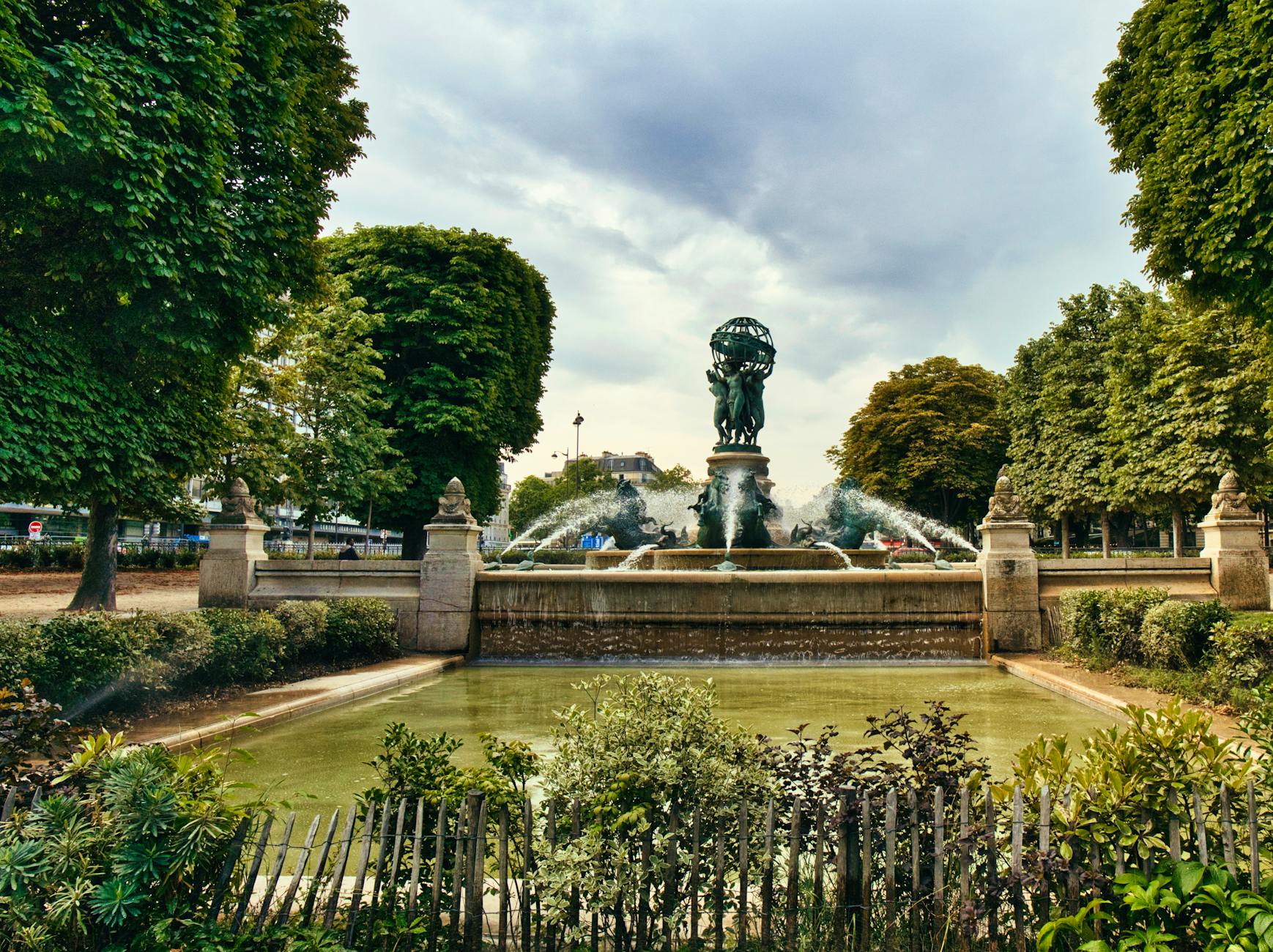
Few European capitals are as green as Paris, and every park is free to walk into. The Jardin du Luxembourg is the local favourite, with its octagonal fountain, puppet theatre, and immaculate lawns. The Tuileries Garden runs from the Louvre to the Place de la Concorde and makes an ideal morning stroll. Parc des Buttes-Chaumont in the 19th plays out like an adventure, all rocky cliffs, a waterfall, and a temple stranded on its own island. The Jardin des Plantes pairs botanical gardens with free outdoor animal enclosures. And for a walk above the streets, the Promenade Plantée, the elevated park that inspired New York’s High Line, runs a quiet green corridor over the 12th.
Free Museums and Galleries
Several of the city’s best museums never charge a cent. The Musée d’Art Moderne de la Ville de Paris holds a superb run of 20th-century work, Matisse, Picasso, Modigliani, all free. The Petit Palais (Musée des Beaux-Arts) wraps a free permanent collection, antiquity through the 20th century, inside a gorgeous Belle Époque building. The Maison de Victor Hugo on the Place des Vosges is free and surprisingly absorbing. And the Musée Carnavalet, devoted to the history of Paris itself, reopened after renovation with free admission to a knockout collection.
Beyond those, most national museums go free on the first Sunday of every month, the Louvre, Musée d’Orsay, Centre Pompidou, Musée Rodin, and Musée de l’Orangerie among them. EU residents under 26 get into the national museums free any day of the year. And if you’re under 26 from outside the EU, the Louvre and several others still let you in free. Our Paris museums guide spells out the details.
Churches and Architecture
Every church in Paris is free to enter, and a good number are masterpieces in their own right. Sacré-Cœur Basilica costs nothing, and the view of Paris from its steps is arguably the best in the city. The newly reopened Notre-Dame Cathedral is free to visit, though climbing the tower carries a fee. Église Saint-Eustache near Les Halles holds its own against Notre-Dame for sheer scale. Saint-Sulpice in the 6th has its Delacroix murals and the famous gnomon (a sundial). And Saint-Germain-des-Prés, the oldest church in Paris, goes back more than a thousand years.
Neighbourhood Wandering
Some of the richest hours in Paris ask only for good shoes and a bit of curiosity. Wander the cobbles of Montmartre and you’ll find the vine-covered vineyard, the Wall of Love (Le Mur des Je T’Aime), and Place du Tertre, where painters set up in the open air. In Le Marais, there’s the Place des Vosges (the oldest planned square in Paris), the Jewish quarter along Rue des Rosiers, and a string of sharp concept stores. Walk the Canal Saint-Martin with its iron footbridges and tree-lined quays, where locals gather to drink and talk on warm nights. And follow the bookstall-lined banks of the Seine, a UNESCO World Heritage Site, browsing the secondhand stock at the bouquinistes. Every neighbourhood has its own temperament; we walk through all of them in our Paris neighborhoods guide.
Free Walking Tours
Free walking tours are one of the best ways to get your bearings and pick up the city’s stories without committing to a fixed price up front. Outfits like Discover Walks, SANDEMANs, Walkative!, and Strawberry Tours run daily routes through the major landmarks, Montmartre, the Latin Quarter, Le Marais, and beyond. They work on a tip-what-you-like model, so there’s no obligation, though €10–€20 a head is the going rate for a guide who earns it. Most last two to three hours and meet at spots you can’t miss. Booking usually isn’t required, but reserving online locks in your place during the busy months.
Eating in Paris on a Budget
The idea that eating well in Paris means spending big is mostly a myth. The city runs deep on affordable, high-quality food once you know where to aim. From a still-warm croissant to a market picnic that puts most restaurants to shame, Paris on a budget can taste a lot like fine dining.
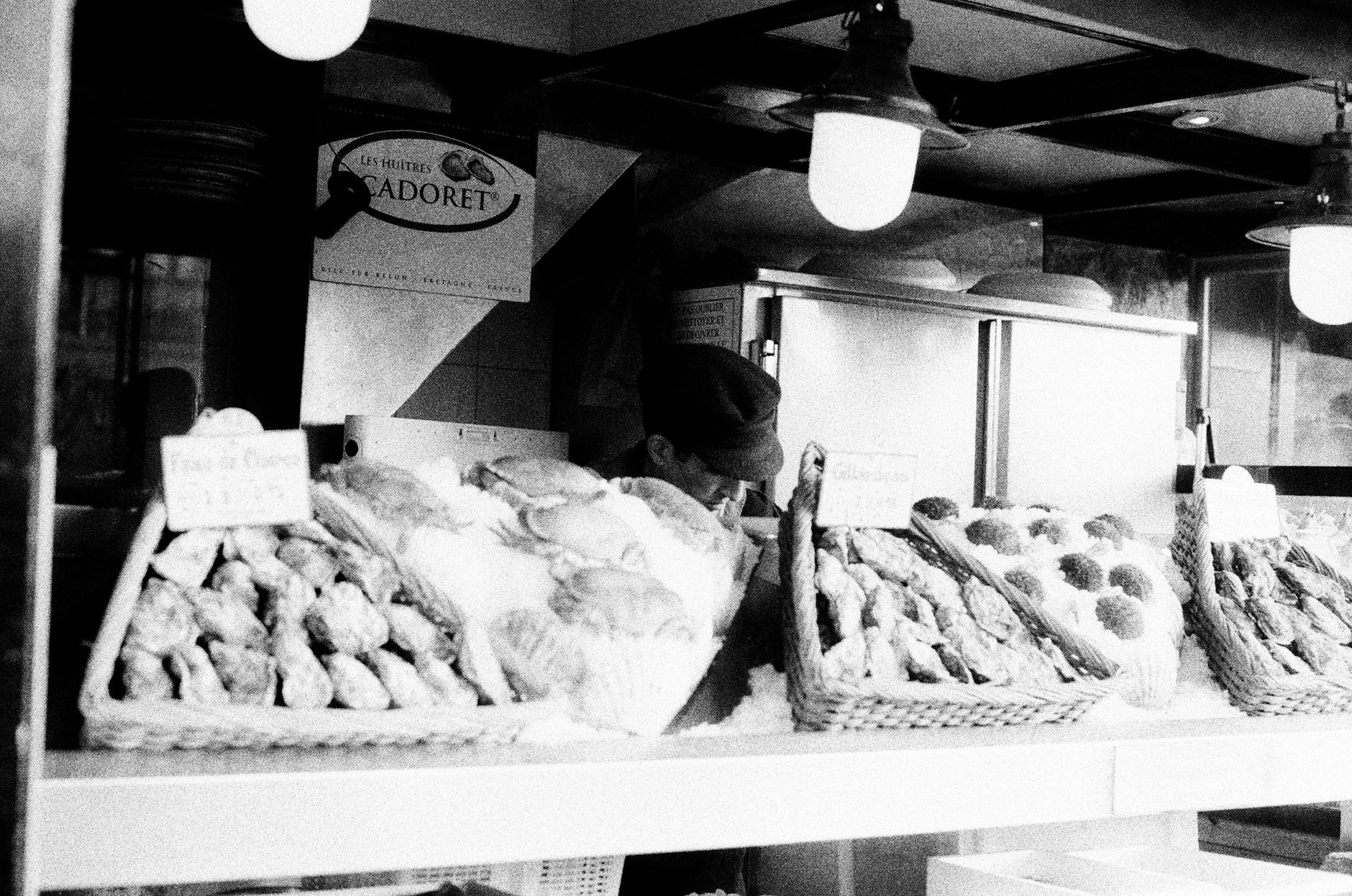
Boulangeries: Your Budget Best Friend
The neighbourhood boulangerie is the foundation of cheap eating in Paris. A traditional baguette is about €1.20, a pain au chocolat or croissant €1–€1.50, and a jambon-beurre (ham and butter on a baguette, the country’s most-eaten lunch) €4–€5. Many bakeries do a formule déjeuner, a lunch deal pairing a sandwich, a dessert, and a drink for €6–€8. Look for the Artisan Boulanger sign, which means it’s all baked on-site, and trust the line out the door. That queue is a recommendation.
Markets and Picnicking
Building a picnic from the markets might be the single greatest budget pleasure in Paris. Pick up a fresh baguette, a wedge of Comté or Brie from the fromagerie, some cured meat, seasonal fruit, and a supermarket bottle of wine (€4–€8 buys something perfectly good). Spread it out on the Seine’s banks, in the Jardin du Luxembourg, or on the Champ de Mars facing the Eiffel Tower, and you’ve got a meal that rivals any restaurant, for €10–€15 a person.
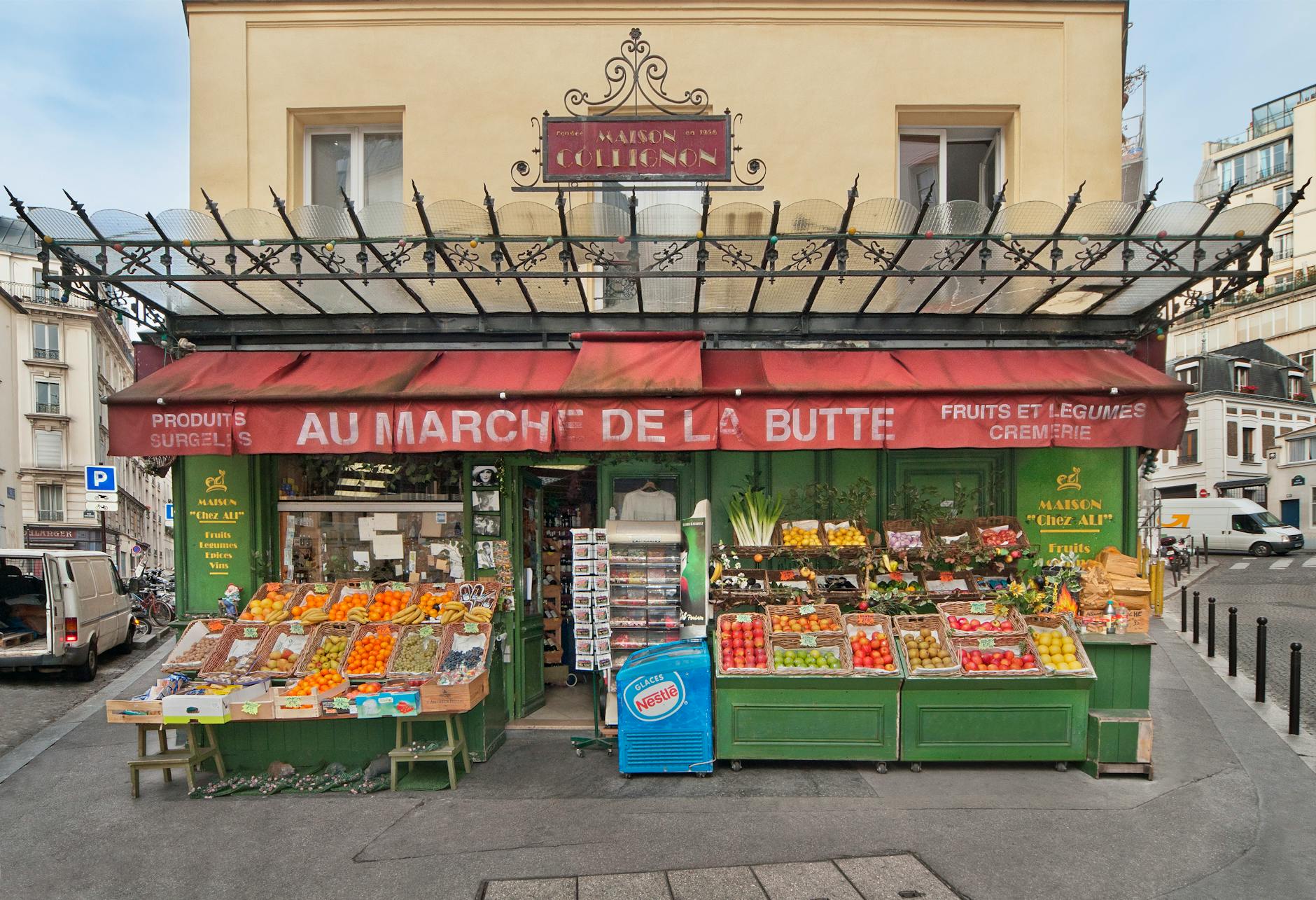
For budget shopping, the markets to know are Marché d’Aligre (12th arr., the best quality for the money in Paris), Marché Bastille (11th arr., huge and varied), Marché Belleville (20th arr., gloriously multicultural and dirt cheap), and the Rue Mouffetard market street (5th arr., full of atmosphere though a touch more touristy). Most run two or three mornings a week and shut by early afternoon, so go early. Our Paris food guide has the full list.
Prix Fixe Lunch Menus
The best-kept secret of eating well and cheaply here is the menu du jour, or formule, at lunch. Most neighbourhood bistros run a set two- or three-course lunch for a lot less than the same kitchen charges à la carte at dinner, often €14–€20 for a starter and main, or a main and dessert. Same quality, generous portions. This is how local office workers actually eat, and it’s the surest way to have a proper sit-down French meal on a budget. Hunt for the handwritten menu boards outside restaurants in residential streets, well off the main tourist drags.
Street Food and Takeaway
Paris has thrown itself into street food. Crêpes from the stands, thick on the ground in the Latin Quarter and around Montparnasse, run €3–€6. Falafel wraps in Le Marais, above all the legendary L’As du Fallafel on Rue des Rosiers, go for about €8 and arrive enormous. Galettes (savoury buckwheat crêpes) at the Breton cafés are €6–€10. Kebab shops turn up everywhere with hearty plates for €6–€9. And the Asian restaurants in Belleville and the 13th’s Chinatown ladle out generous bowls of pho or rounds of dim sum for €8–€12.
Smart Restaurant Tips
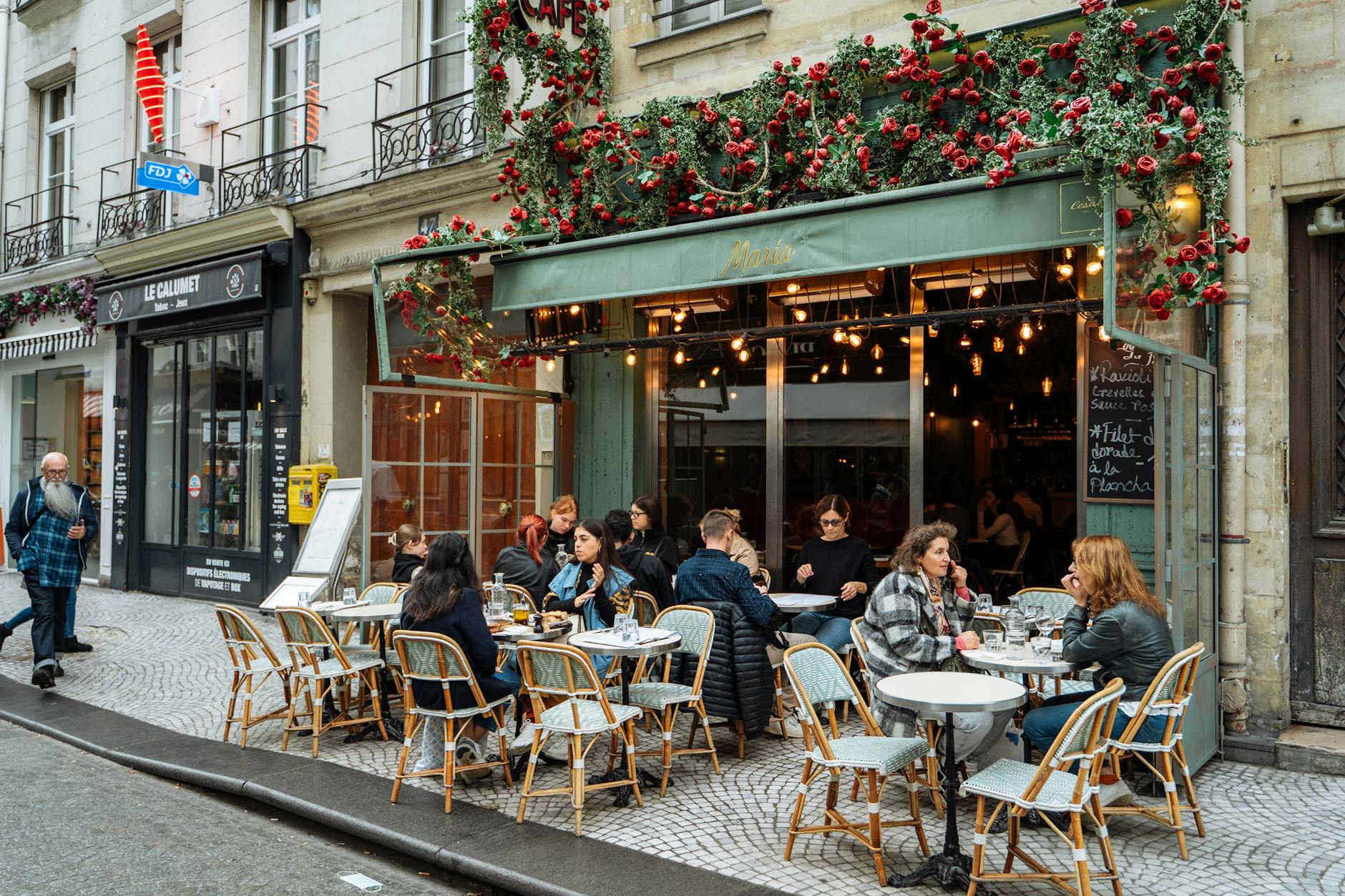
A handful of habits keep restaurant bills honest. Take your coffee au comptoir, standing at the bar, and an espresso runs about €1.50, against €3–€4.50 for the same cup at a terrace table. Always ask for une carafe d’eau, tap water, rather than the bottled stuff; French tap water is excellent and free by law. Don’t eat at the places staring straight at a monument; walk two or three blocks into the residential streets and you’ll pay half for the same food. And if your accommodation has a kitchen, make your own breakfast, since supermarket yogurt, fruit, and baguettes cost a fraction of eating out.
Paris Passes and Discount Cards: Which One Saves You Money?
If you’re planning to hit a string of paid museums and attractions, a city pass can save both money and time. But no single pass fits every traveller, so here’s a plain comparison to help you choose.
Paris Museum Pass
The Paris Museum Pass covers over 50 museums and monuments, including the Louvre, Musée d’Orsay, Versailles, Sainte-Chapelle, and the Arc de Triomphe rooftop. It runs roughly €62 for 2 days, €77 for 4 days, and €92 for 6, and it gets you skip-the-line access at most venues. To make it pay, you’ll want to hit at least two or three major museums a day. For the focused museum-goer working through the big names, it’s the clear winner. Just note it doesn’t cover the Eiffel Tower.
Paris Passlib’
The official Paris Passlib’ from the Paris Tourism Office comes in tiers. The Mini (€49) bundles a one-day transport pass with a Seine cruise. The City (€109) adds a 2-day Paris Museum Pass and a bus tour. The Explore and Explore+ tiers stack on more days and extras. It’s a tidy option if you want transport, museums, and a cruise wrapped together, but run the numbers against your actual plans before you buy.
Go City Paris Pass
The Go City All-Inclusive Pass spans 100-plus attractions and starts around €179 for 2 days, taking in the Louvre, a Seine cruise, the Montparnasse Tower observation deck, and assorted tours. The value swings entirely on how much you cram in. For high-energy visitors out to see everything, it can save 30 to 50 per cent. For anyone travelling at a gentler pace, the Paris Museum Pass is usually the smarter buy.
When to Skip the Pass Entirely
Sometimes the best pass is no pass. If you’re in town on the first Sunday of the month, when national museums are free, or you’re an EU resident under 26 (free national museums year-round), a pass is unlikely to earn its keep. The same goes if your Paris leans toward markets, neighbourhoods, parks, and food rather than galleries. In that case, skip the pass and pay individual admission for the one or two places you genuinely care about.
35 Money-Saving Tips for Paris That Actually Work

Accommodation Tips
Book your room two to three months out for the best rates. For stays of four nights or more, look at aparthotels with kitchenettes. Check whether breakfast is included before you book, because a €15 hotel breakfast is rarely worth it when there’s a €3 boulangerie a few doors down. Base yourself in the 10th, 11th, 12th, or 18th for the best value. Use the comparison sites (Booking.com, Hostelworld, Kayak), then always cross-check the hotel’s own website, where the exclusive deals tend to hide. For more on picking your patch, see our guide on where to stay in Paris.
Food and Drink Tips
Stock up at the supermarkets (Monoprix, Franprix, Carrefour City) for breakfast bits and snacks. Make lunch your big meal, when the prix fixe menus are cheapest. Drink the tap water everywhere, it’s safe, clean, and free, and refill at the 200-plus Paris Sparkling Water Fountains (fontaines pétillantes) dotted around the city for free fizzy water. Buy wine at supermarkets (€4–€8 gets you a good bottle) instead of by the glass at bars (€6–€12). Hit happy hour, especially around Oberkampf, Bastille, and Canal Saint-Martin, where drinks often go half-price from 5 to 8 PM. And steer clear of eating in direct view of the Eiffel Tower, Notre-Dame, or the Louvre, where prices jump the moment you cross into the tourist zone.
Transport Tips
Walk whenever the weather cooperates; the city is compact and endlessly interesting on foot. Get a Navigo Easy and load 10-trip carnets rather than buying singles. Arriving on a Monday? Grab the Navigo Weekly for unlimited travel. Use Vélib’ for short hops, docking every 29 minutes to keep the rides free on a day or week pass. Never take a taxi for a short distance; the Métro is almost always faster and cheaper. And keep the RATP app open for live Métro updates and route planning.
Sightseeing Tips
See the Eiffel Tower at night for the free light show (every hour on the hour after dark) rather than paying to go up. Climb the Arc de Triomphe for the panorama (€16), or get a comparable view for nothing from the steps of Sacré-Cœur or the rooftop at Galeries Lafayette. Ride Bus 69 end to end as a DIY sightseeing tour for €2.50, passing the Eiffel Tower, Invalides, the Louvre, the Île de la Cité, Le Marais, Bastille, and Père Lachaise Cemetery. Work through the free permanent collections at the Petit Palais and Musée Carnavalet before you spend a centime on ticketed museums. And book timed tickets online to skip queues and, now and then, catch early-bird pricing.
Shopping Tips
For souvenirs, walk past the tourist shops around the Eiffel Tower and head to Monoprix, where well-designed French goods (chocolates, biscuits, tea towels, beauty products) sell at fair prices. Hit the Paris flea markets (Marché aux Puces de Saint-Ouen) for one-off vintage finds. Department stores like Galeries Lafayette run tax-free shopping for non-EU visitors, and the 12 per cent VAT refund adds up fast on bigger purchases. Our Paris shopping guide has more budget-minded tactics.

Sample Budget Day in Paris
The €50 Day (Shoestring)
Morning: Croissant and coffee from a boulangerie (€3.50). Walk from your hostel through the Latin Quarter to Notre-Dame (free), then cross to Île Saint-Louis for a stroll. Midday: Grab a baguette, cheese, and fruit from a market (€6) and picnic in the Jardin du Luxembourg (free). Afternoon: The Petit Palais (free), then the Tuileries through to the Louvre courtyard (free to view from outside), and on along the Seine. Evening: Cook at the hostel kitchen with supermarket ingredients (€8). Walk the Seine at sunset (free). Métro home (€1.88 on a carnet). Total: roughly €49.
The €80 Day (Comfortable Budget)
Morning: Breakfast at a local café (€7). Free walking tour of Montmartre (tip €10). Midday: Prix fixe lunch at a neighbourhood bistro (€16). Afternoon: Musée d’Orsay (€16) or the Louvre (€22, free on the first Friday evening). Vélib’ ride along the Seine (€5 day pass). Evening: Happy-hour drinks in Oberkampf (€5 a drink x 2 = €10), dinner at a neighbourhood restaurant (€18). Total: roughly €82.
Free Entertainment and Nightlife
Paris after dark doesn’t have to drain the account either. On warm evenings the Seine riverbanks fill up with locals picnicking, dancing, and hanging out; bring a bottle and join them. Pétanque (boules) is played free in parks all over the city, especially at the Arenes de Lutece and along the Canal Saint-Martin. A number of jazz clubs in the Latin Quarter and Saint-Germain charge no cover beyond a one-drink minimum, so check what’s on at Le Caveau de la Huchette and Sunset/Sunside. And the calendar is studded with free outdoor events: the Fête de la Musique (21 June, when the whole city turns into one open-air concert), Nuit Blanche (an all-night art festival), and summer cinema screenings in the parks.
Plan Your Complete Paris Trip
Keeping costs down is one piece of a great Paris trip. Dig into our other guides to nail down the rest:
Plan a Trip to Paris — our complete planning guide covering timing, visas, and first-timer essentials.
Where to Stay in Paris — neighborhood-by-neighborhood accommodation guide.
Things to Do in Paris — the definitive list of activities and experiences.
Paris Attractions — every must-see landmark and hidden gem.
Paris Food Guide — where and what to eat in the culinary capital of the world.
Getting Around Paris — master the Métro, buses, and more.
Paris Neighborhoods Guide — discover the character of every arrondissement.
Paris Museums Guide — every museum worth visiting, from the Louvre to hidden gems.
Day Trips from Paris — the best escapes within easy reach of the capital.
Explore every budget guide
The in-depth guides in this section:
- the airfare calendar
- cheap beds in central Paris
- the pass comparison
- practical ways to save
- joining a free tour
- where drinks are cheapest
- cheap meals that are still good
Budget airlines love Beauvais, but the airport is 85 km from Paris and the transfer adds both cost and hours. Our Beauvais airport guide works out what the coach, the train and a taxi really cost in 2026, and when flying into Orly instead is the smarter saving.