Solo Female Travel in Paris: A Practical Safety and Planning Guide
Paris is an unusually easy city to be alone in. Here is the practical detail nobody puts in the reassuring version.
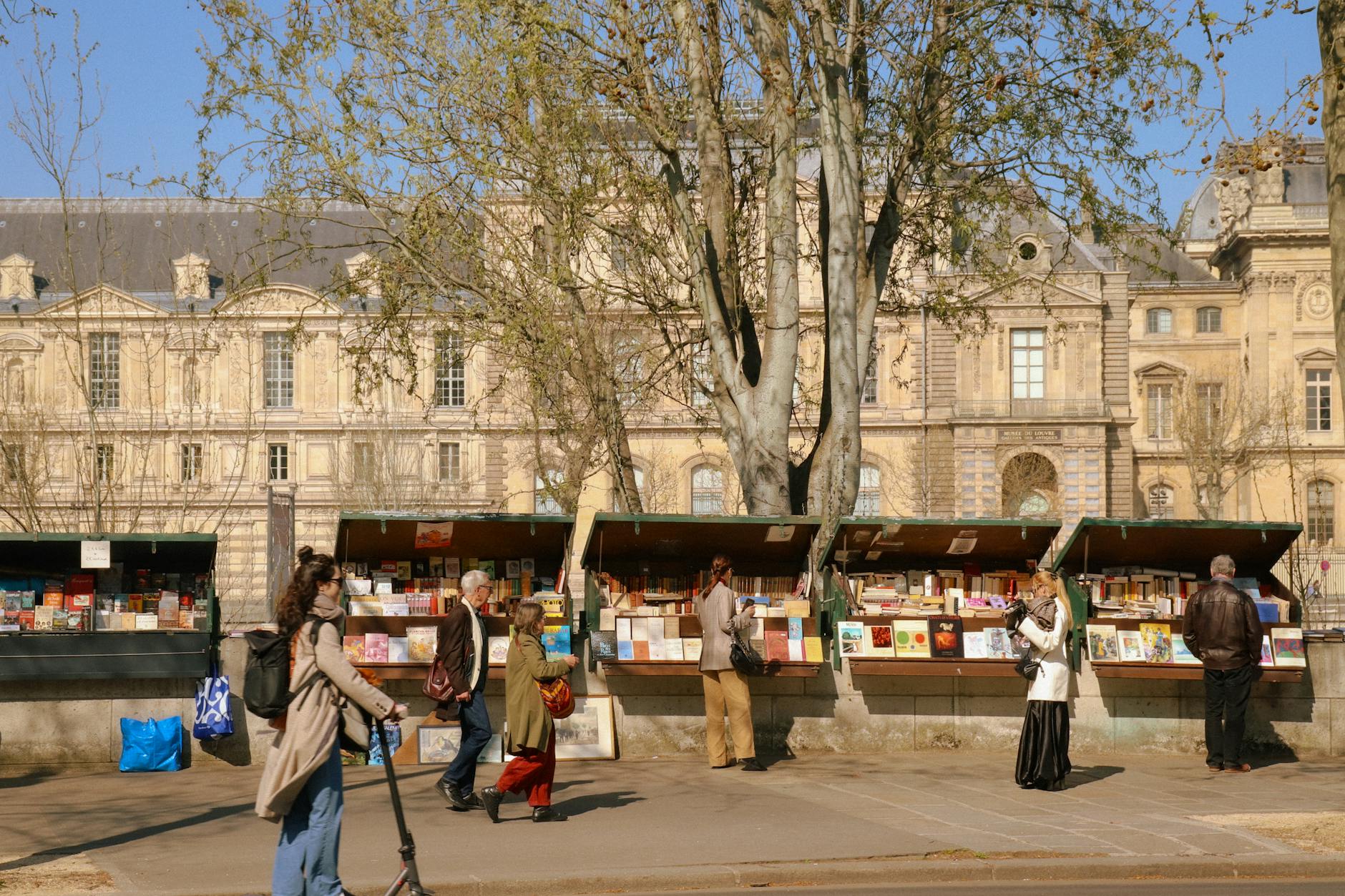
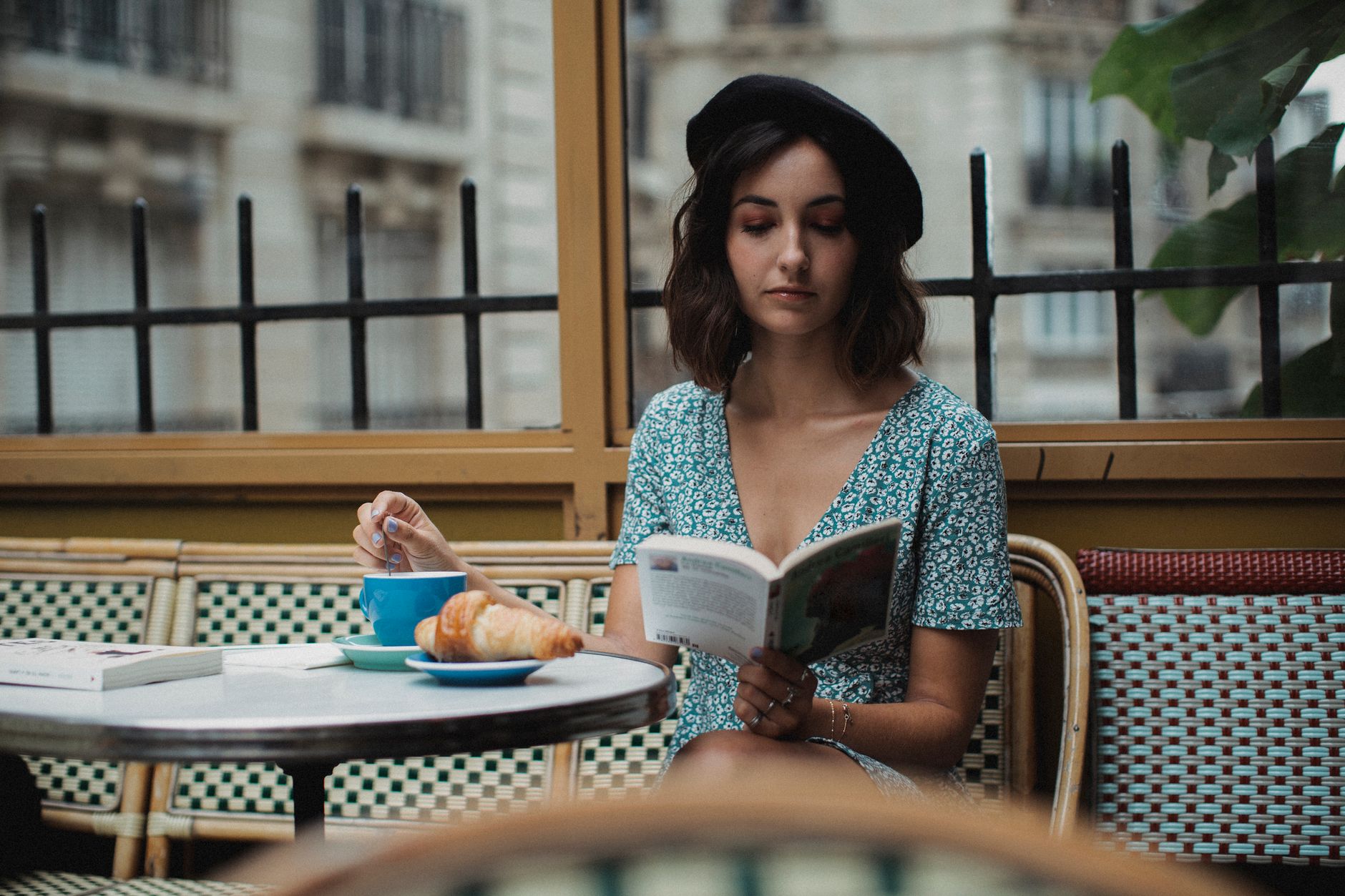
The thing nobody warns you about is how ordinary it feels. You will sit down alone at a café on a Tuesday morning, order badly, be brought the right thing anyway, and realise that not one person in the room has registered that you are on your own — because half of them are too. Paris has an unusually high tolerance for solitude. It has cafés built for one, museums where nobody speaks, parks where reading alone on a bench for two hours is a recognised activity rather than a sign of something wrong. That is the part that surprises people about solo female travel Paris: not the risk, which is manageable and mostly boring, but the ease.
What follows is the practical version. Where to stay and why the arrondissement matters more than the hotel, how the streets actually behave after dark, the harassment question answered honestly rather than reassuringly, eating alone without dread, night transport, what to do if something happens, and the handful of specific habits that experienced solo travellers in this city all seem to converge on. Prices were checked in September 2026; treat them as the right order of magnitude rather than a quotation.
The short answer, and the honest one
Paris is a good city for a woman travelling alone. It is walkable, densely populated at almost every hour, extremely well served by public transport, and full of women doing exactly what you are doing. Violent crime against visitors is rare. Our wider guide to how safe Paris really is goes into the crime figures properly; the summary for solo travellers is that the two realistic risks are theft and street harassment, in that order of frequency and the reverse order of how much they will bother you.
The honest part is the second one. Paris has a persistent, low-grade culture of men addressing women in the street — the comment, the walk-alongside, the “you don’t smile” routine. It is rarely dangerous and it is very frequently irritating, and any guide that tells you it does not happen has not asked enough women. It is worse in some places than others, worse at some hours, and there are specific things that shorten it. All of that is below.
At a glance
| Question | Short answer |
|---|---|
| Is it safe to walk alone at night? | In the central and inner-western arrondissements, generally yes and routinely done. Stay on lit commercial streets rather than cutting through quiet residential ones |
| Is the Metro safe alone? | Yes, until it closes. Guard your bag rather than yourself. Avoid the very last train if you can, mostly for the walk at the other end |
| Where should I stay? | The 5th, 6th, 7th, 11th and the Marais end of the 3rd and 4th — busy at night, well lit, good transport |
| Will I be hassled? | Occasionally. Most often around the big stations, on the Champs-Élysées and in a few nightlife strips after midnight |
| Is eating alone awkward? | No. Lunch is effortless; dinner takes a little more nerve, and a bar seat solves it |
| Realistic daily budget | €110–180 a day mid-range including a private room, or €60–90 in a hostel with market food |
Where to stay, and why it matters more than the hotel
For a solo traveller the address does more work than the room. What you want is not the “safest” neighbourhood in an abstract sense but a street that is still awake when you come home — a bakery, a bar, a late chemist, people on the pavement at eleven at night. A quiet, expensive residential street in the 16th is statistically safe and feels far worse to walk down alone at midnight than a busy stretch of the 11th.
- The 5th and 6th (Latin Quarter, Saint-Germain). The default recommendation and a good one. Students, bookshops, restaurants open late, and almost nowhere you can walk that is deserted. Our Latin Quarter guide and Saint-Germain guide have the detail.
- The Marais (3rd and 4th). Busy until late seven nights a week, very well lit, and one of the most relaxed places in Paris to be a woman on your own in a bar. See the Marais guide.
- The 11th, around Oberkampf and Bastille. Younger, cheaper, lively rather than pretty, and full of people at every hour. Good if you want a night out you can walk home from.
- The 7th. Beautiful, calm and very safe, with the trade-off that it goes quiet early and you will use the Metro more.
Areas that require a bit more thought are the streets immediately around Gare du Nord and Gare de l’Est, parts of the 18th north of Barbès, and the far end of the 19th — not dangerous in any dramatic sense, but the walk from the station at night is unpleasant enough that it colours a trip. Our full breakdown of the safest areas to stay goes neighbourhood by neighbourhood, and the arrondissement comparison weighs cost against location.
What to ask a hotel or host before you book
- Is reception staffed 24 hours, or is it a keypad after 20:00? For a late arrival this is the whole question.
- Which Metro station, and how far is the walk? Three hundred metres on a main road is different from three hundred metres through a housing estate.
- Is the room on the ground floor facing the street? Ask not to be, if you can.
- For apartments: is the building entrance on a street with other businesses, and is there a second door after the street door?
Hostels are a genuinely good option here and not only for budget reasons — female-only dorms are standard in Paris, and the social side solves the one real difficulty of solo travel, which is the evening. Our roundup of the best hostels in Paris flags which ones have private rooms and lockers big enough for a full-sized case.
Arriving alone
The first two hours are the ones worth over-planning, because they are the only part of the trip where you are tired, carrying everything you own, and do not yet know where anything is. Almost every bad solo-travel story starts at an airport at eleven at night with a dead phone.
If you land before about eight in the evening, the RER B from Charles de Gaulle is fine and fast, and the €14 airport flat fare covers it. If you land later than that, or into Orly, or with more luggage than you can comfortably manage on stairs, take the door-to-door option and stop thinking about it. Paris taxis charge a fixed flat rate between the airports and the city — €56 to the Right Bank and €65 to the Left from Charles de Gaulle, and from Orly €36 to the Left Bank and €41 to the Right — which means no meter anxiety and no negotiation. Split against the cost of a bad first night it is cheap. Our airport transfer guide compares all of the routes properly.
Three small things that make the arrival easier: message your accommodation the day before with your arrival time, so somebody is expecting you; take a screenshot of the address and the door code rather than relying on an email you will need signal to open; and if you are arriving after midnight, book somewhere with a staffed desk even if it costs twenty euros more. That is the single most useful twenty euros in this entire guide.
The streets after dark
Paris at night is one of the reasons to come, and skipping it out of caution would be a bad trade. The city is lit, busy and, in the central arrondissements, populated well past midnight. What follows is not a list of prohibitions but of habits that experienced solo travellers use without thinking about them.
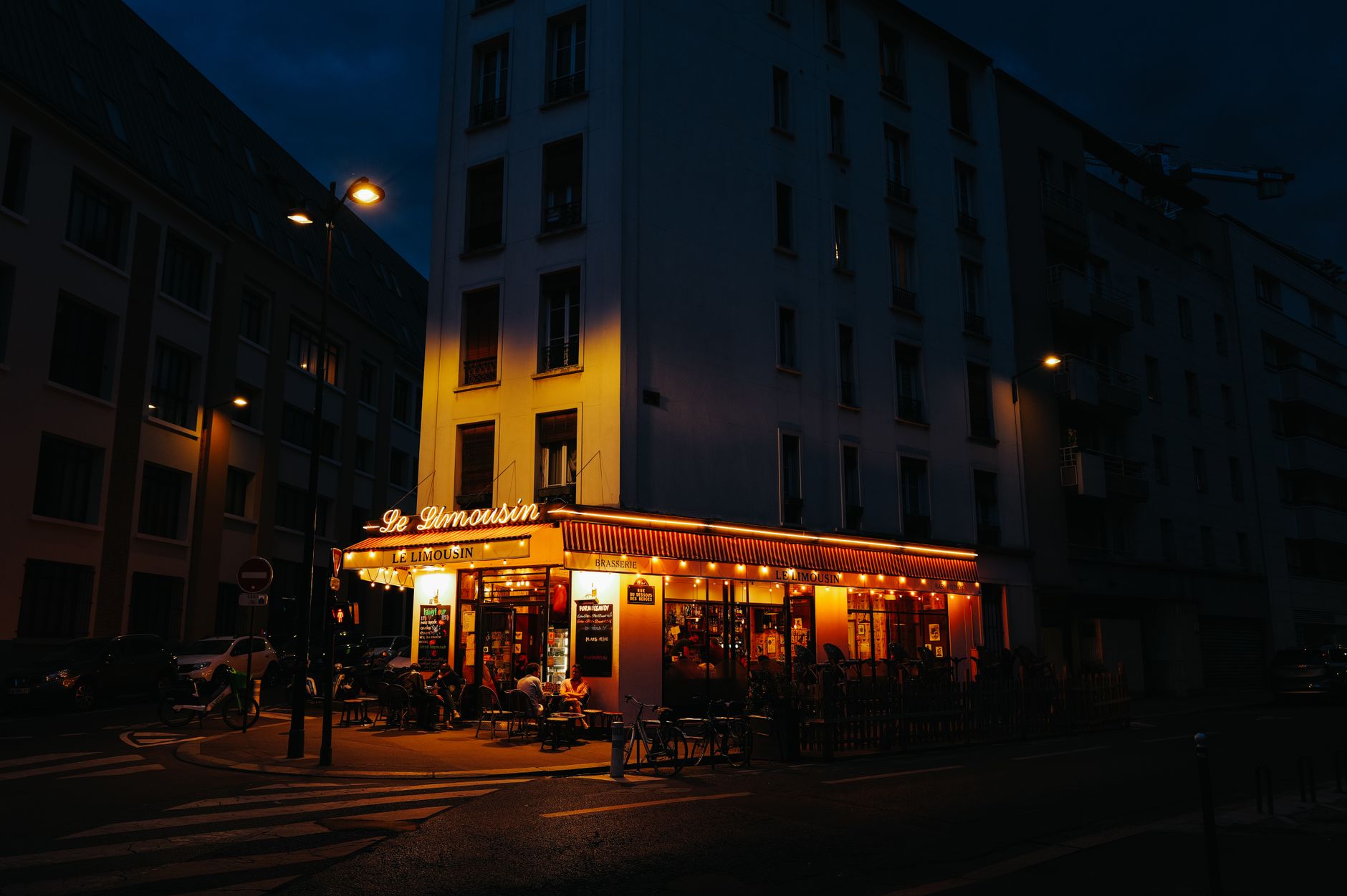
- Take the lit route, not the short one. Paris is dense enough that the commercial street is almost always within one block of the quiet one, and it costs you four minutes.
- Know your last Metro. Roughly 01:15 on weeknights and around 02:15 on Friday and Saturday, but it varies by line and by station, so check on the night. Our Metro guide covers the practicalities; the Noctilien night buses fill the gap afterwards and are perfectly usable.
- The taxi rules. Use the app rather than a street hail, check the plate before you get in, and sit in the back. Never accept an offer from someone approaching you inside a station or at the airport — licensed drivers do not tout. Our taxis and ride-hailing guide covers the fare structures and the flat airport rate.
- Go into a shop, not a doorway. If you feel followed, the correct move is to walk into any open business — a bar, a pharmacy, a Franprix — rather than to speed up or turn into a side street. Paris has open commerce at odd hours almost everywhere central.
- Share your location. Live location sharing with one person at home is the single most useful piece of technology on this list, and it costs nothing.
Where you will feel most uncomfortable is not where you expect. It is rarely a dark residential street; it is far more often a bright, crowded one — the Champs-Élysées at one in the morning, the concourse of a big station, the strip outside a club at closing. Density brings its own problems.
Street harassment, honestly
Let us be direct, because most guides are not. If you spend a week in Paris as a woman on your own, there is a fair chance somebody will say something to you in the street that you did not want. It is usually verbal, usually brief, and usually ends when you keep walking. It is more common around Châtelet, the Grands Boulevards, the northern stations and the Champs-Élysées, and more common after dark and at closing time.
Some things that genuinely help, drawn from what women who live in Paris actually do:
- Do not engage at all. Not politely, not dismissively, not with a smile to soften it. Any response is read as an opening. Parisian women simply do not react, and this is by far the most effective single technique.
- Keep moving and keep your pace. Slowing down or stopping to look at a phone extends the encounter.
- Headphones in, but only one ear. The visible signal of unavailability without losing the ability to hear what is behind you.
- If someone follows, go into a business and tell staff. Bar and café staff in Paris deal with this regularly and will let you sit at the back or leave by another door. Many bars in the city run the “Ask for Angela” scheme, where asking for Angela at the bar is a coded request for help — it is worth knowing about even though you cannot count on every venue participating.
- Say it loudly if you need to. “Laissez-moi tranquille” — leave me alone. Volume works, in French or in any language.
One thing worth knowing: since 2018 street harassment has been a specific offence in France, outrage sexiste, punishable by an on-the-spot fine starting around €90 and rising for aggravating circumstances. Police and transport officers can and do issue these. That does not make it stop, but it does mean that reporting an incident to a transport officer or a police patrol is a real course of action rather than a gesture.
On the Metro specifically
Carriages are open along their length on newer stock and there are emergency call points on every platform and in every carriage. If someone is bothering you, move carriage at the next stop rather than tolerating it — this is normal behaviour and nobody will think anything of it. In an empty late-night carriage, sit near the driver’s end. Theft is the far more likely problem, and our guide to pickpockets in Paris and where they work covers the specific lines and methods.
Eating alone in a city built for couples
This is the part people dread and it is almost entirely solvable. The dread comes from imagining a candlelit dinner for two with one chair empty. That is not the only way to eat in Paris.
- Lunch is free of all this. The formule — two courses at a set price, typically €18–26 in a decent bistro — is a lunchtime institution, rooms are full of people eating alone on their break, and nobody notices you at all. Eat your serious meal at lunch and you have solved the problem structurally.
- Sit at the bar or the counter. Wine bars, oyster counters and the comptoir of a traditional café are designed for one. You can talk to the person pouring or not, entirely as you like. Our wine bar guide is a good starting list.
- Terraces face outwards for a reason. Every Paris café terrace is arranged so that its chairs look at the street. Eating alone on one is watching a city, not sitting by yourself.
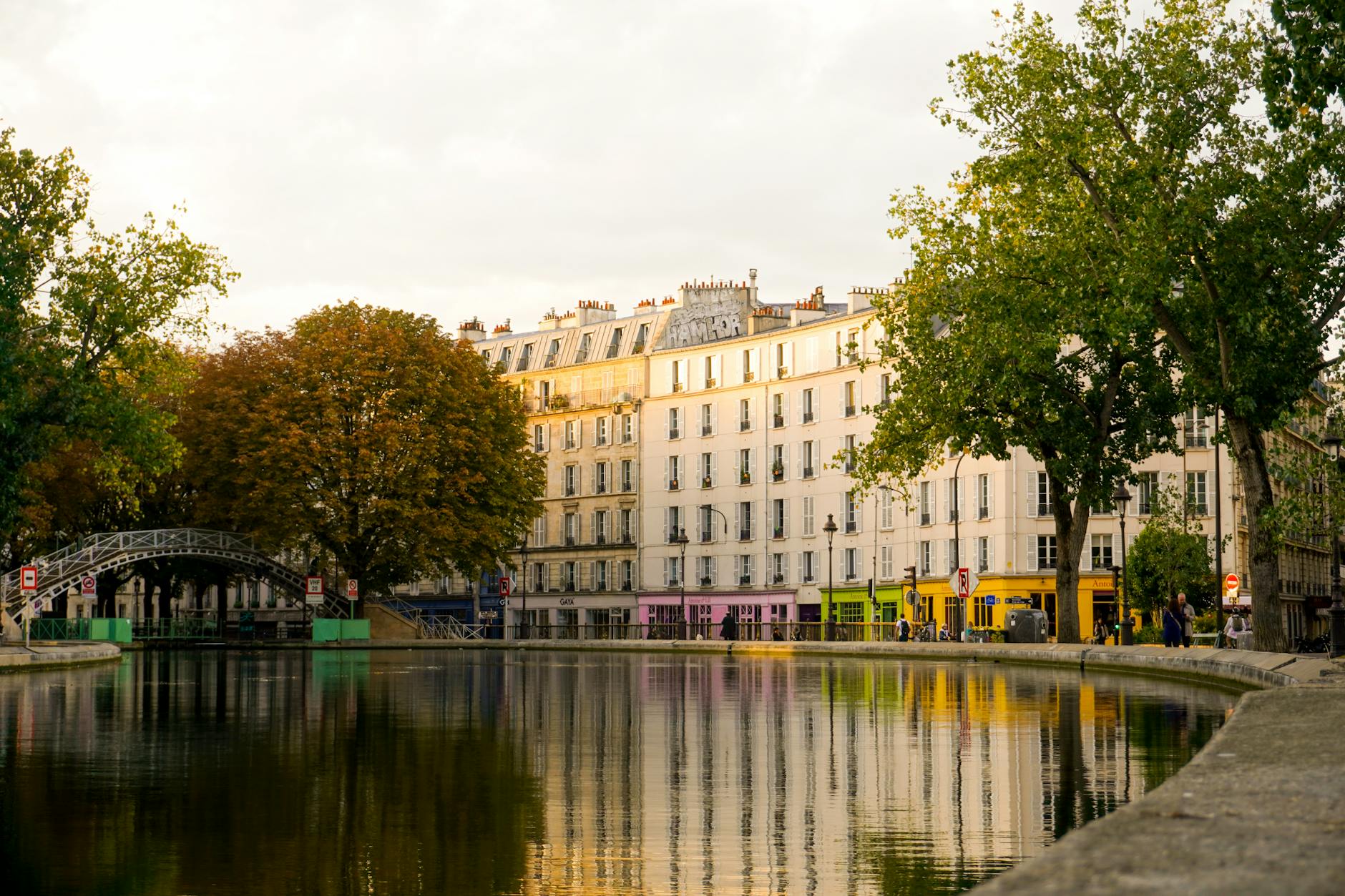
- Markets and bakeries. A picnic assembled from a covered market and eaten in the Luxembourg or on the Canal Saint-Martin is not a consolation prize; plenty of people would rank it above the restaurant.
- Book the early sitting. If you want a proper dinner, 19:30 is much easier alone than 21:00, and you will often get a better table.
Our restaurant guide and the roundup of where to eat cheaply both flag the places that are comfortable for one.
Things that are better alone
Solo travel gets written about as a set of compromises. In Paris a surprising number of things are actively improved by it — you move at your own pace through a museum, you change plans at eleven in the morning because it is raining, you sit somewhere for two hours because you like it.
- The museums. All of them. Nobody has ever enjoyed the Louvre more for being asked every twenty minutes whether they are ready to move on. Our museums guide covers the big ones, and the small museums are where solo afternoons go best — the Marmottan, the Nissim de Camondo, the Musée de la Vie Romantique.
- Walking. The single best thing to do in Paris costs nothing and is better without negotiation. Our walking routes and the free walking tours both work well solo, and the tours are the easiest way to meet people if you want to.
- Cooking classes and food tours. Structurally sociable, three hours long, and you eat. A cooking class or a food tour is the most reliable way to spend an evening in company without committing to anything.
- The cinema. Paris has an extraordinary density of small cinemas showing films in their original language, marked VO. Going alone is completely standard.
- Concerts in churches. Sainte-Chapelle and half a dozen other churches run evening chamber concerts. A ticket for one is never a strange request.
Meeting people, if you want to
Solo does not have to mean alone for eight days, and the loneliness — when it turns up, usually around day three at about seven in the evening — is a far more common problem than anything in the safety section. Paris is not the easiest European city for spontaneous conversation with strangers; the café culture is sociable but not intrusive, and people are unlikely to strike up a chat with you at the next table. What works instead is structured company.
- Hostel common rooms and bar nights, even if you are staying in a private room. Several Paris hostels sell drinks to non-residents and run evening events precisely for this.
- Anything with an activity attached. A cooking class, a market tour, a photography walk. Three hours of shared task removes the need to be charming.
- Language exchanges. Paris runs dozens of weekly French–English meetups in bars, free to attend, and they are full of people in exactly your position.
- Running clubs and morning group runs along the Seine and the Canal, most of them free and open to drop-ins.
Equally, there is no obligation. Some of the best days you will have in this city involve speaking to nobody except a boulangère and a museum attendant, and that is a legitimate way to spend a holiday rather than a failure to make the most of it.
The practical checklist
Before you go
- Photograph your passport, cards and insurance policy and store them somewhere reachable without your phone.
- Set up live location sharing with one person at home.
- Check that your bank app can freeze a card in one tap, and that you have a second card kept separately.
- Buy travel insurance that covers phones — see our insurance guide for what the policies actually pay out on.
- Download offline maps and a transport app before you land. Our list of Paris apps worth having covers which ones work underground.
- Write down the address of your accommodation on paper. Phones die.
What to pack that is specific to travelling alone
- A crossbody bag with a zip that you can wear across the front. This replaces every anti-theft gadget on the market.
- A power bank. A dead phone is the actual emergency in most solo-travel horror stories.
- A doorstop wedge if you are in budget accommodation with an unreliable lock — small, weightless, occasionally reassuring.
- Comfortable shoes you can move quickly in. Paris cobbles punish anything else, and our packing list makes the case at length.
Numbers to have
| Number | What it is |
|---|---|
| 112 | Any emergency, EU-wide, English-speaking operators |
| 17 | Police |
| 15 | Medical emergencies (SAMU) |
| 114 | Emergency by SMS, for when you cannot speak |
| 3117 | Reporting an incident on public transport; also works by SMS on 31177 |
What it costs
Solo travel carries a real premium in one place only — accommodation, because you are paying a room rate designed for two. Everything else in Paris is priced per person and some of it is cheaper alone. Figures checked September 2026.
| Item | Budget | Mid-range |
|---|---|---|
| Bed for the night | €40–60 hostel dorm or small private | €130–200 hotel single or double |
| Breakfast | €3–5 bakery | €8–15 café |
| Lunch | €8–12 bakery or market | €18–26 bistro formule |
| Dinner | €12–18 | €30–45 with a glass of wine |
| Transport | €12.30 day pass, or €2.55 a journey | Same — the Metro has no premium tier |
| One paid sight | Free museums and churches | €14–35 depending on the site |
| Daily total | €60–90 | €110–180 |
Two notes on tickets. The Navigo Découverte weekly pass at €32.40 plus a €5 card fee covers all zones including the airports and is excellent value from about Wednesday of a Monday-start week, but it only runs Monday to Sunday regardless of when you buy it — see our Navigo and ticket guide. And the old ten-ticket carnet discount was abolished in January 2026, so buying in bulk no longer saves anything.
If something goes wrong
- Immediate danger: 112 or 17. On the Metro or a bus, use the carriage or platform call point, or text 31177.
- Theft: freeze the cards in your banking app first, mark the phone as lost second, file a plainte at any commissariat de police third. Insurers reject claims filed without a proper police complaint.
- Harassment or assault: you can report at any police station, and you do not need to speak French — ask for an English-speaking officer or use a translation app. Serious cases can be reported at any station regardless of where they happened.
- Lost passport: your embassy issues emergency travel documents. You will need the police reference first, so do the report before you go.
- Medical: pharmacies with a green cross handle a great deal without an appointment, and there is always one open on a rota. For anything more serious, 15.
Frequently asked questions
Is solo female travel in Paris safe for a first-time traveller?
Yes, and it is a good first solo city precisely because so much of it is easy: everything is signposted, the transport is dense and comprehensible, English is widely spoken in the centre, and you are never far from other people. The failure modes are logistical rather than dangerous — arriving late without a plan, or booking somewhere with a long dark walk from the station.
Should I pretend to be married or wear a ring?
It makes essentially no difference in Paris. Street harassment here is not deterred by a ring, and the situations where it might matter are not situations you will be in. Skip it.
Can I walk home from a bar at night?
In the central arrondissements, yes, and thousands of women do every weekend. Stay on the main streets, keep your phone in your hand only if you are actually using it for directions, and take a licensed taxi or a ride-hail if the walk is more than about fifteen minutes or crosses somewhere quiet.
Are French men going to hit on me constantly?
Less than the stereotype suggests, and rather more than you would like. The vast majority of it is verbal, brief and harmless. Ignoring it completely is both the local norm and the thing that works.
Is it awkward to go to a bar alone?
Not in Paris, and particularly not in a wine bar or a neighbourhood café where sitting at the counter with a book is entirely ordinary. Clubs are a different proposition and are more comfortable with company.
What about dating apps in Paris?
People use them, and the usual rules apply with more force in a city you do not know: meet in a busy café in a central arrondissement, tell someone where you are, keep your own way home, and do not accept a change of venue to somewhere you cannot leave easily.
Do I need to speak French?
No, but a genuine attempt at “bonjour” before anything else changes how you are treated to a degree that is hard to overstate. Opening in English without it is read as rudeness, and a great deal of the “Parisians are unfriendly” reputation comes from this one habit.
Is the Metro safe alone late at night?
Generally yes, while it is running. The empty carriage at 00:50 is safer than the packed one at 18:00 as far as theft goes. The part worth planning is the walk at the other end, not the train itself.
Everything above is about travelling safely and comfortably. The other half of the question is what to actually do with the days, and Paris turns out to be unusually well supplied with things that are better without company — the small museums, the quays, the counter lunch, the cinema in the original language. Our companion guide covers the best things to do in Paris on your own, including the famous experiences that are genuinely worse alone.
Related Paris Guides
- Is Paris Safe? An Honest Look at the Risks
- Pickpockets in Paris: Where They Work and How Not to Be a Target
- The Safest Areas of Paris to Stay In
- Paris Scams: The Cons That Target Visitors
- The Best Hostels in Paris
- Taxis and Ride-Hailing in Paris
- Where to Stay in Paris: Neighbourhood by Neighbourhood
- What to Pack for Paris