Champagne Day Trip from Paris: Vineyards, Tastings & Tours
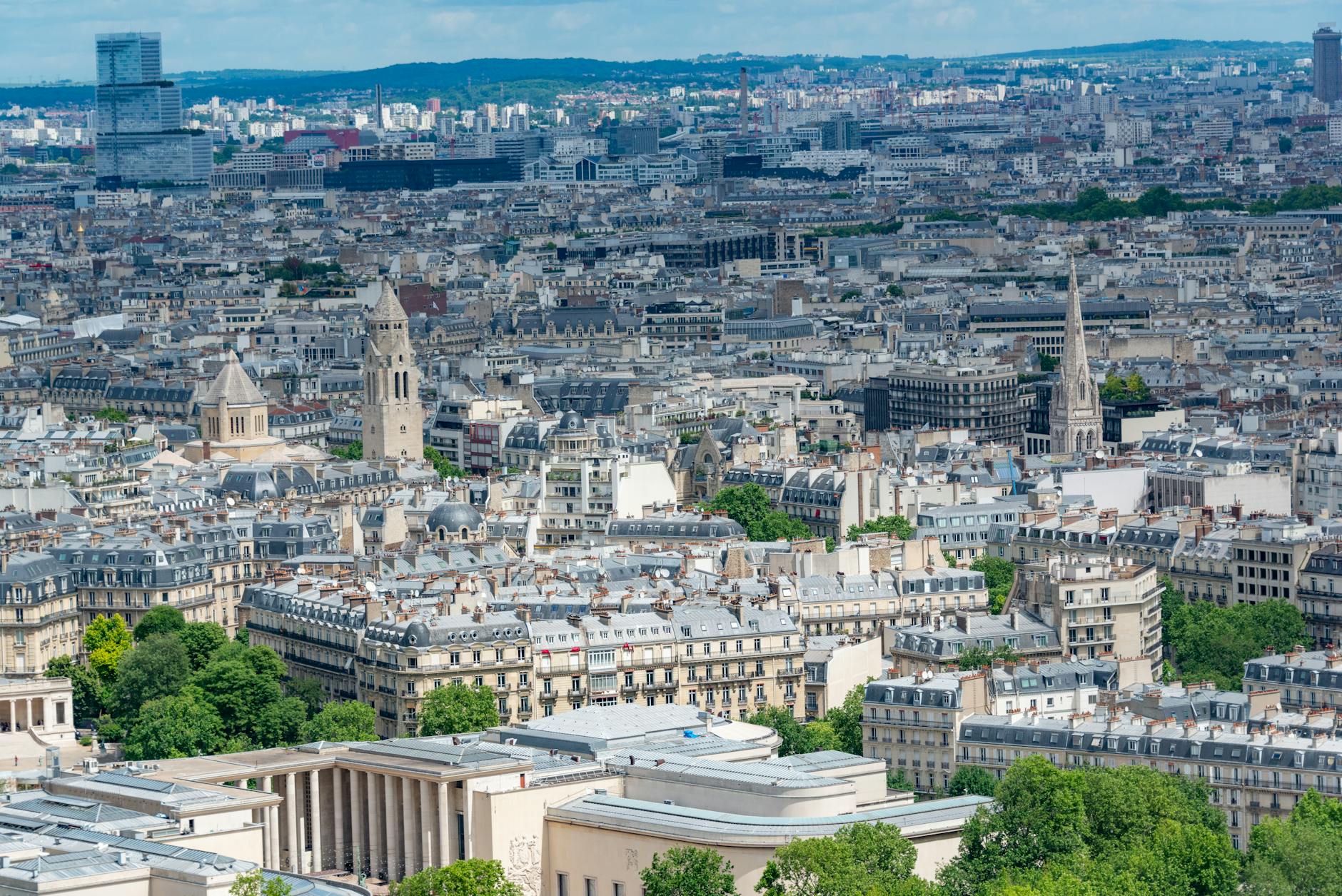
Forty-five minutes east of Paris, the wine in your glass comes from grapes grown within sight of where you are standing. That is the pitch for Champagne, and it holds up. The region starts 130km out, anchored by two cities a short TGV ride from Gare de l’Est: Reims, the cathedral town that fronts Taittinger, Mumm, and Veuve Clicquot, and Epernay, whose Avenue de Champagne lines up the biggest houses on a single street. Trains take 45 to 90 minutes. The wine itself can only legally be called Champagne if it is made here, a protected origin that UNESCO sealed in 2015 when it listed the “Coteaux, Maisons et Caves de Champagne” as a World Heritage cultural landscape. A champagne day trip from paris boils down to a simple shape: one or two cellar visits (Taittinger or Pommery in Reims, Moët & Chandon or De Castellane in Epernay), a proper lunch in town, and the train home. Easy to do, easy to recommend, and arguably the best reward-per-effort day trip you can take from the capital. For the wider picture of leaving the city, see our day trips from Paris pillar.
Champagne Region at a Glance
The region sits 130 kilometres east of Paris in the gently rolling chalk country of north-eastern France. It is small. The legally delimited appellation covers around 34,000 hectares of vineyard, a sliver next to Bordeaux or the Loire, yet it is the most economically dense wine region on the planet, with bottles fetching five to fifty times what comparable still wines command anywhere else. Two cities hold it together: Reims in the north (population 180,000, a university and cathedral town) and Epernay 25 kilometres south (population 22,000, a small wine-trade town built entirely around its Champagne houses).
UNESCO inscribed the region as a World Heritage cultural landscape in July 2015 under the title “Coteaux, Maisons et Caves de Champagne.” The listing covers three things: the historic hillsides of Hautvillers and Aÿ where the sparkling-wine method was perfected, the grand commercial neighbourhoods of Reims and Epernay, and the deep chalk cellars beneath both cities where the wine ages on its lees.
The numbers tell you how the trade works. Around 300 named Champagne houses, the Maisons, make the famous brands, sourcing grapes from more than 16,000 individual growers. Annual production runs near 300 million bottles, two-thirds of it exported to 190 countries. Moët & Chandon by itself ships upward of 30 million bottles a year, and yet the structure of the trade still keeps thousands of small growers in business, which is why tasting tourism here runs the full spectrum from corporate showcase to kitchen-table pour.
Reims vs Epernay: Which to Choose?
The biggest call you make is which city to base in. Reims and Epernay sit 25 kilometres apart, both with good train links to Paris, but they are not the same day out. My advice is to pick one and do it right rather than skim both, because the cellar tours alone will swallow your hours.
Reims
Reims is the bigger option and the safer default for a first trip. The Gothic cathedral, where French kings were crowned from 885 to 1825, stands ten minutes’ walk from the station. The Champagne houses gather in two zones: around Place Saint-Nicaise in the south (Taittinger, Pommery, Veuve Clicquot, Ruinart) and along Rue du Champ de Mars nearer the centre (Mumm, Lanson). Come to Reims if you want a real city wrapped around the wine.
Epernay
Epernay is the smaller, more concentrated choice. The town is plain, but it has the Avenue de Champagne: a one-kilometre, tree-lined boulevard where Moët & Chandon, Perrier-Jouët, De Castellane, Mercier, Pol Roger, and Boizel stand shoulder to shoulder, nearly all within 200 metres of each other. Come to Epernay if the wine is the entire point and you would rather not walk far between pours.
Both in One Day
A direct TER train links the two cities in 10 minutes (€5 each way, hourly), so doing both is technically on the table. In practice it is a squeeze. A single cellar tour with tasting runs 60 to 90 minutes, the cathedral wants 90 minutes if you base in Reims, lunch eats another hour and a half, and the return TGV will not wait. If you are set on seeing both, plan one cellar tour in each and save the cathedral for another trip. Most people find one city plus two cellars makes for a fuller, calmer day.
Getting to Champagne from Paris
Every train for Champagne leaves Paris Gare de l’Est, on the north-east edge of the 10th arrondissement. Métro lines 4, 5, and 7 run straight to it. Arrive 20 minutes early for the TGV, because the ticket gates shut 2 minutes before departure and there is no negotiating with them.
TGV from Paris Gare de l’Est to Reims
The quickest direct service is the TGV East European to Reims Centre, the in-town station. Travel time is 45 minutes, city centre to city centre. Fares run €25 to €65 each way, and Prém’s tickets released three months out drop into the high €20s. The first TGV leaves at 6:14am; the last useful return is around 8:50pm. This is the main route and what most day-trippers take.
TGV Paris-Est to Champagne-Ardenne TGV Station
A faster TGV variant runs to Champagne-Ardenne station, 5 kilometres south of Reims, in 30 minutes for €30 to €70 each way. The catch is the connection at the far end: tram Line B (18 minutes, €1.70) or a TER (8 minutes, €3) into the city. Door to door it works out about the same as the direct service, so it only earns its place if a specific schedule lines up.
TER from Paris Gare de l’Est to Epernay
For Epernay you ride the regional TER, not a TGV. Travel time is 1 hour 25 minutes, fares are €25 to €30 each way (fixed, no matter when you book), and departures run hourly from 6am to 9pm. The train sets you down a five-minute walk from the foot of the Avenue de Champagne. Slower than the Reims TGV, but cheaper and refreshingly direct.
Driving
Driving from Paris takes 1 hour 45 minutes on the A4 (toll €15 each way). The obvious problem: you are going to Champagne to drink Champagne, and France’s 0.05% blood-alcohol limit means one tasting flight at the absolute most, or a designated driver who sits out the fun. For nearly everyone, the train is worth the small extra cost.
Organized Day Tour
Paris operators run full-day coach tours that bundle cellar visits, lunch, and a guide for €180 to €280 per person. Get Your Guide, Viator, and PARISCityVision all run seasonal departures; the higher tier, around €250, buys a small-group format, two cellar tours, and a sit-down regional lunch. Pickup is around 7:15am, return by 8:30 to 9pm. See our best Paris tours guide for how these stack up.
Best Champagne Cellar Tours
The cellar tour is what you came for. Every major Maison runs a guided visit down into its chalk cellars, capped by a tasting of one to four cuvées; what changes from house to house is scale, atmosphere, and how high the tasting tier climbs. Book two to four weeks ahead for weekdays, and one to two months ahead for Saturdays in peak season.
Taittinger
Address: 9 Place Saint-Nicaise, Reims. Taittinger’s cellars drop through 4th-century Roman chalk pits (crayères) that medieval monks of the Abbey of Saint-Nicaise later carved out further. The 60-to-75-minute tour is the most photogenic of the big visits: vast bottle-shaped chambers cut 18 metres into the chalk, with original 13th-century monastic graffiti still on the walls. Tastings run €25 (Brut Réserve) to €55 (Comtes de Champagne). If you only do one, start here.
Pommery
Address: 5 Place du General Gouraud, Reims. Pommery sits on 18 kilometres of 4th-century Roman crayères, the largest cellar network of any Champagne house, reached down 116 staircase steps. Since 2003, rotating contemporary-art commissions have lined the descent, which gives the whole thing a museum feel. Tours run €25 to €55, and the deepest cellars open to visitors lie 30 metres down.
Veuve Clicquot
Address: 1 Place des Droits-de-l’Homme, Reims. Madame Clicquot built this house into a Champagne empire in the early 19th century, and along the way she invented the riddling rack that makes clear sparkling wine possible. The 60-to-90-minute cellar tour offers tiered tastings from €30 to €95, and the Grande Dame flight at the top is one of the more memorable things you can drink in the region. Book one to two months ahead.
G.H. Mumm
Address: 29 Rue du Champ de Mars, Reims. Mumm is the most central of the major Reims houses, a 12-minute walk from the cathedral, which makes it the natural pick if you want to fold a cellar into a day of city sightseeing. The 60-to-75-minute tour runs through 25 kilometres of cellars on three levels; tastings go €30 to €70. Cordon Rouge is the label you will recognise.
Moët & Chandon
Address: 20 Avenue de Champagne, Epernay. The largest Champagne house in the world by volume, and the obvious anchor for an Epernay day. The 60-to-75-minute tour winds through 28 kilometres of cellars beneath the Avenue and pauses at the courtyard where Claude Moët first began bottling in 1743. Tastings run €30 to €60, with Imperial Brut as the standard pour. Book three to four weeks ahead.
Perrier-Jouët
Address: 28 Avenue de Champagne, Epernay. Three doors down from Moët, Perrier-Jouët runs a smaller, more curated visit built around its Art Nouveau heritage. The signature is the Belle Epoque bottle, painted with white anemones by Émile Gallé in 1902. It is by appointment only; tastings run €35 to €150, and the Belle Epoque vintage flight is the one to aim for. Reserve six to eight weeks ahead.
De Castellane
Address: 57 Rue de Verdun, Epernay. De Castellane occupies an Italianate compound built around a 66-metre brick tower from 1905, and the tour climbs it for a panorama over Epernay before heading down into the cellars, a sightseeing twist no other house offers. Tours run €15 to €30, the cheapest of the majors. The tower view alone justifies the ticket.
Boutique Houses near Epernay
Past the famous brands lie thousands of small grower-producers (recoltant-manipulant, or RM) who farm their own vines and pour by appointment for €15 to €40. This is the intimate end of the scale, kitchen-table tastings of single-vineyard cuvées. Hautvillers, Aÿ, Cramant, and Le Mesnil-sur-Oger, all 10 to 20 minutes from Epernay, are thick with growers. Book direct through each producer’s website.
Reims Cathedral
Notre-Dame de Reims is the second reason to come to the city, and on its own it would justify the trip. Built between 1211 and 1275, it stands among the most important Gothic cathedrals in France and served as the coronation church of 25 French kings from 885 to 1825. The most famous of those crownings was Charles VII’s on 17 July 1429, with Joan of Arc at his side by the altar. German artillery shelled the cathedral in September 1914; the roof burned, the choir vault collapsed, and the restoration, funded in part by the Rockefeller family, dragged on into the 1930s.
UNESCO listed the cathedral, the neighbouring Palais du Tau, and the Saint-Rémi basilica together as a World Heritage Site in 1991. The west facade is a textbook of High Gothic statuary, more than 2,300 sculptures including the Smiling Angel of the north portal, and inside there are three Marc Chagall stained-glass windows installed in 1974 in the axial chapel. Entry is free. Give it 60 to 90 minutes, more if you climb the towers (€8.50, May to September, 250 steps).
Epernay’s Avenue de Champagne
The Avenue de Champagne is the densest patch of wine-trade real estate anywhere. The one-kilometre, tree-lined boulevard runs east from the train station with Maisons on both sides: Moët & Chandon at number 20, Perrier-Jouët at 28, De Venoge at 30, Boizel at 46, De Castellane at 57. The 19th-century neo-classical mansions date to the boom decades between 1850 and 1914. Underneath the street, 110 kilometres of cellars on three levels hold more than 200 million bottles, an inventory valued north of €1.5 billion. Stand on the pavement and there is a small fortune in wine sleeping beneath your feet.
Walking the avenue with stops takes anywhere from 90 minutes to three hours. The basic circuit: begin at the western end opposite the Mairie d’Epernay, walk east past Moët and Perrier-Jouët, break at a tasting bar (Le 520, C-Comme) for a glass between cellar tours, and finish at De Castellane’s tower. Tour groups bunch up around midday, so early morning and late afternoon are the calm stretches.
A Day Itinerary: Reims Focus
The Reims itinerary suits travellers who want wine and sightseeing in roughly equal measure. The schedule below assumes a 7am departure from Paris Gare de l’Est and has you home by 6:30pm. Pad each connection with 20 minutes of slack.
- 7:00am — depart Paris Gare de l’Est on the TGV East European. Grab a coffee and croissant from the station Paul before boarding.
- 7:45am — arrive Reims Centre. Walk 10 minutes east to the cathedral.
- 8:00-9:30am — Reims Cathedral, including the Chagall windows in the choir and a slow loop of the west facade. The cathedral opens at 7:30am, so you have it almost to yourself before the tour groups roll in at 10.
- 9:30-11:00am — coffee on Place du Forum (Café du Palais is the old local favourite) and a walk south to Place Saint-Nicaise. The 25-minute stroll through central Reims gives you a feel for the city.
- 11:00am-12:15pm — Taittinger tour. Book the 11am slot online two to four weeks ahead.
- 12:30-2:00pm — lunch in Reims. Brasserie Le Jardin (terrace), Brasserie Excelsior (Belle Epoque room on Place Drouet d’Erlon), or La Table de Christophe (modern French) are the three reliable choices.
- 2:30-4:00pm — second cellar tour. Pommery is a 5-minute walk from Taittinger; book the 2:30 or 3pm slot at the same time as the morning visit. Two contrasting tours in a day really shows you the range of styles.
- 4:30-5:30pm — coffee back in the centre, or a last flight at Le Wine Bar Au 36 (36 Rue Buirette, three-glass flights of grower Champagne, €15-25).
- 5:50pm — TGV departs Reims Centre.
- 6:35pm — back at Paris Gare de l’Est. Métro home.
A Day Itinerary: Epernay Focus
The Epernay itinerary swaps the cathedral for a slower, more wine-soaked day. The TER runs a little longer than the Reims TGV, but the walking once you arrive is minimal, since everything you visit sits on one street.
- 8:00am — depart Paris Gare de l’Est on the TER Régional. It is the slower train, so take your coffee on board.
- 9:25am — arrive Epernay. 5-minute walk to the foot of the Avenue de Champagne.
- 10:00-11:15am — Moët & Chandon tour at 10am. Book three to four weeks ahead.
- 11:30am-12:30pm — walk the western half of the Avenue with a flight at Le 520 or C-Comme to bridge into lunch.
- 12:30-2:00pm — lunch at Cook’in Box (modern bistro, market menu €25-35) or La Cave aux Coquillages (oysters and seafood platters with Champagne pairings, €35-60).
- 2:15-3:30pm — Perrier-Jouët tour. The 2:30pm Belle Epoque tasting is the prize; book six to eight weeks ahead.
- 3:45-4:45pm — De Castellane tour with the tower climb for the eastern-Avenue panorama. The cheapest of the major tours and the only one with a viewpoint.
- 5:00pm — a quick shop stop at one of the smaller Maisons, or a final flight at C-Comme, before the walk to the station.
- 5:35pm — TER departs Epernay.
- 7:00pm — back at Paris Gare de l’Est.
Best Time of Year
May to September is the strong all-round window: long days, settled weather, vines in full leaf or fruit, and restaurant terraces open in both Reims and Epernay. June has the longest daylight; September matches it for weather and adds the start of harvest in the lower-lying vineyards. Book cellar tours four to six weeks ahead through this stretch. See our Paris summer activities guide for the warm-season picture.
October is the wildcard, and a good one. The Vendanges festival in Hautvillers, the village 7km north of Epernay where Dom Pérignon refined the méthode champenoise between 1670 and 1715, takes over one weekend in mid-October. Producers throw open their cellars informally, the village processes to Dom Pérignon’s grave, and growers pour from the just-pressed must. It is the most atmospheric weekend on the calendar.
November to March is the off-season. The vines are bare, but the cellars hold a steady 10-12°C year-round, so the underground half of the visit is exactly the same. Hotels and restaurants run 20-30% below summer rates, and cellar tours are often walk-up. Reims’ Christmas market in December is the best in northern France outside Strasbourg, which is a strong reason to come in the cold.
Eating in Reims and Epernay
Both cities build their food around Champagne pairings and regional ingredients: chaource and langres cheeses, jambon de Reims, freshwater fish from the Marne. Reims has the broader range, including one of the most respected three-Michelin destinations in France. For pairings closer to home, see our Paris Michelin restaurants guide.
Brasserie Excelsior (Reims)
Address: 96 Place Drouet d’Erlon, Reims. A Belle Epoque institution on the main square, all tiled mirrors, banquettes, and a fin-de-siècle ceiling. The classic brasserie menu (tartare, choucroute, fish of the day) runs €28 to €42 a main. It is open continuously from 11am to midnight, which makes it your most flexible bet when you need lunch without a reservation.
Brasserie Le Jardin (Reims)
The relaxed bistro of Domaine Les Crayeres, the five-star hotel on the southern edge of Reims, sitting alongside the formal L’Assiette Champenoise. The terrace under mature plane trees is the best summer lunch in the city; the two-course menu is €55 with a glass of Champagne thrown in. Worth the 10-minute taxi if the weather plays along.
La Table de Christophe (Reims)
Modern French on Rue de Tambour, chef Christophe Moret’s second restaurant after stints at Lasserre and the Shangri-La in Paris. The three-course set menu is €38 at lunch, €65 in the evening; reservation strongly recommended. This is the pick when you want serious cooking without surrendering three hours to a Michelin marathon.
L’Assiette Champenoise (Reims)
Arnaud Lallement’s three-Michelin-star dining room at Domaine Les Crayeres, one of the top half-dozen restaurants in France. Tasting menus run €320 to €450; lunch entry is €195 for four courses. Reckon on three hours at table minimum. Book three to six months ahead and treat the meal as the entire day rather than one stop within it.
Cook’in Box (Epernay)
Modern bistro on Rue Jean Moet, two minutes from the Avenue. The menu follows the weekly market, mains run €22 to €32, and the wine list sets grower Champagnes next to the big-house brands. Reserve a day ahead in summer. A good fit slotted between your morning and afternoon cellar tours.
La Cave aux Coquillages (Epernay)
Address: 16 Rue Gambetta. An oyster bar and seafood specialist run by Arnaud Beaufort. Plateaux de fruits de mer (oysters, langoustines, whelks) go €35 to €65, with grower Champagnes by the glass. This is the best lunch in Epernay if you want briny food alongside the wine. Open Thursday to Sunday; book ahead.
What to Bring
- Comfortable walking shoes. Central Reims is cobblestone around the cathedral and Place Saint-Nicaise, and most cellar tours involve 100 to 250 stair steps down into the crayères. Trainers or low-heeled boots, not stilettos or stiff new dress shoes.
- A light layer or sweater. The chalk cellars hold 10 to 12°C year-round, even in August, and the drop on the way down is sharp. A cardigan or light jacket keeps the 60-to-90-minute tour comfortable.
- Your cellar tour confirmation. Email or printed PDF. Most houses scan a QR code at reception, and walk-up admission is rarely available at the famous Maisons.
- Passport or ID. Most major cellars want photo identification at admission, both for the visitor register and for any duty-free shipping you arrange at the shop.
- Refillable water bottle. Three to six glasses of Champagne dehydrate you fast. Refill stations are available at most cellars and in both train stations.
- A small notebook or phone notes. Taste through three or four flights across two cellars and you will lose track of which cuvée you liked best unless you write it down. Handy, too, for ordering bottles to ship home.
- Cash for tips and small grower buys. The smallest boutique houses occasionally won’t take cards on tiny purchases. €50 to €100 in cash covers the gaps.
Tipping in Champagne Houses
Service is built into the cellar tour fee, and tipping the guide is not expected. The French read the tour as house brand-marketing, with the €25 to €95 fee covering the wine rather than the guide’s time. A €5 to €10 token at the end of a genuinely exceptional visit is welcomed, but never required.
The real gesture after a tasting is to buy a bottle from the house shop on the way out. Shop prices usually sit at or below retail, you skip your home country’s margin, and it reads as a polite thank-you. Buying nothing is not rude, since the wine you tasted was paid for, but a single bottle closes the visit on a warm note. See our Paris wine bars guide for where to keep tasting back in the city.
Bringing Champagne Back
Most Maisons ship internationally straight from the cellar shop. Reckon on €30 to €100 for a six-pack to North America or East Asia; the house handles customs and the bottles turn up in a foam-cradled wooden case. Once you factor in airline weight charges and the risk of breakage, shipping is often cheaper than hauling glass yourself.
If you do carry bottles in checked luggage, wrap each in two layers of clothing inside the case and check your home country’s duty allowance first. The EU allows 90 litres of still wine and 60 litres of sparkling for personal use; the US allows one litre duty-free; the UK allows 18 litres of still plus 4 litres of sparkling from the EU. Carry-on Champagne is technically allowed, but expect a fight at security on anything over a half-bottle.
Common Mistakes
Booking only one cellar tour. Travellers chasing a relaxed day sometimes book a single visit and wander the rest. The trouble is that one tour gives you one house style, one set of cuvées, one cellar history, and that is all. Two contrasting tours, Taittinger plus Pommery in Reims, or Moët plus Perrier-Jouët in Epernay, let you compare and turn the day from a marketing visit into an actual wine education. Two is the right number. Three is more than you can absorb.
Skipping lunch or pushing it late. Champagne on an empty stomach hits hard. Three to six tasting glasses across two cellars between 11am and 4pm make for a memorable afternoon either way, but skip lunch and the back half of the day dissolves into a blur. Sit down for a proper hour-to-ninety-minute meal between the morning and afternoon tour, with bread, charcuterie or fish, and a glass of still water next to the Champagne, and you will stay sharp all the way to the return TGV.
Missing the last TGV back to Paris. On most weekdays the last viable return from Reims leaves between 8:30 and 8:50pm; from Epernay the last useful TER is around 7:30pm. Miss it and you are looking at an unplanned hotel night and a 6am train the morning after. Build the return time first and work backwards: aim to be at the station 30 minutes early, allow for a slow closing flight at any final tasting, and don’t push the day past 6pm in either city. For Paris arrival logistics, see our getting around Paris guide.
Frequently Asked Questions
How long does a champagne day trip from Paris take?
Door to door, 10 to 12 hours: somewhere between 90 minutes and three hours of round-trip transit depending on the Reims TGV versus the Epernay TER, with the rest split across cellar visits, the cathedral or Avenue, and a sit-down lunch. A 7am departure has you back in Paris around 6:30 to 7pm.
How much should I budget for a Champagne day trip?
Budget €180 to €320 per person for a DIY trip: €50 to €130 round-trip train fare, €50 to €110 across two cellar tours with tastings, €40 to €80 for lunch with a glass of wine, plus incidentals. Organized coach tours bundle all of that at €180 to €280 per person. A bottle or two from a house shop adds €40 to €200, depending on the cuvée.
Reims or Epernay — which is better for a first visit?
Reims, if you want city sightseeing alongside the wine: the cathedral is a major Gothic monument, the restaurant scene is broader, and the cellars are still only 5 to 10 minutes from the station. Epernay, if your focus is purely the wine and you prefer a smaller, more concentrated day with everything on one walkable avenue.
Do I need to book cellar tours in advance?
Yes. At the major Maisons, walk-up admission is rarely available. Book two to four weeks ahead for weekdays in shoulder season, and one to two months ahead for Saturdays in May to September. The popular tasting tiers (Veuve Clicquot Grande Dame, Perrier-Jouët Belle Epoque vintage) sell out earlier still.
Can I do Reims and Epernay both in the same day from Paris?
In theory, yes, since the two cities are 10 minutes apart by TER, but it is tight. One cellar in each plus a quick walk along the Avenue de Champagne is the most you can realistically fit. Most travellers find one city plus two cellars makes for a fuller, less rushed day.
What is the difference between a Maison and a grower Champagne?
A Maison (the famous brands: Moët, Veuve, Taittinger) buys grapes from many growers across the appellation and blends them into a consistent house style. A grower Champagne (the recoltant-manipulant or RM category, marked “RM” in tiny print on the label) farms its own vines and makes its own wine, usually from a single village or vineyard. Maisons give you scale and consistency; growers give you terroir and personality.
Are the cellars cold? What should I wear?
Yes. The chalk cellars hold 10 to 12°C year-round, whatever the temperature up top. A light sweater or cardigan is plenty for the 60-to-90-minute visit. Comfortable shoes matter more: most tours involve 100 to 250 steps down into the crayères, often on uneven historic flagstones.
How does Champagne compare to other Paris day trips?
Champagne is one of the shortest and highest-payoff day trips going: 45 minutes to Reims by TGV against four hours each way to Mont Saint-Michel or three to the D-Day beaches. The on-ground content is rich (cellar tours, a major Gothic cathedral, serious restaurants), and the visit turns into bottles you can bring home. For the full range of options, see our day trips from Paris pillar.
Of all the day trips from Paris, this is one of the few that delivers exactly what the postcard promises. The TGV is short, the chalk cellars are extraordinary, and the wine in your glass at the end of the tour comes from grapes grown a few kilometres from where you are standing. Better still, the bottle you carry home or have shipped lands on your shelf as a souvenir that opens months later over dinner. Book the tours early, eat a real lunch, and catch the train back. Reward for effort, there is nothing else quite like it within an hour of the city.
Plan the rest of your trip
Use these to round out your trip: