Navigo Pass & Paris Transport Tickets: Which One Should You Buy?
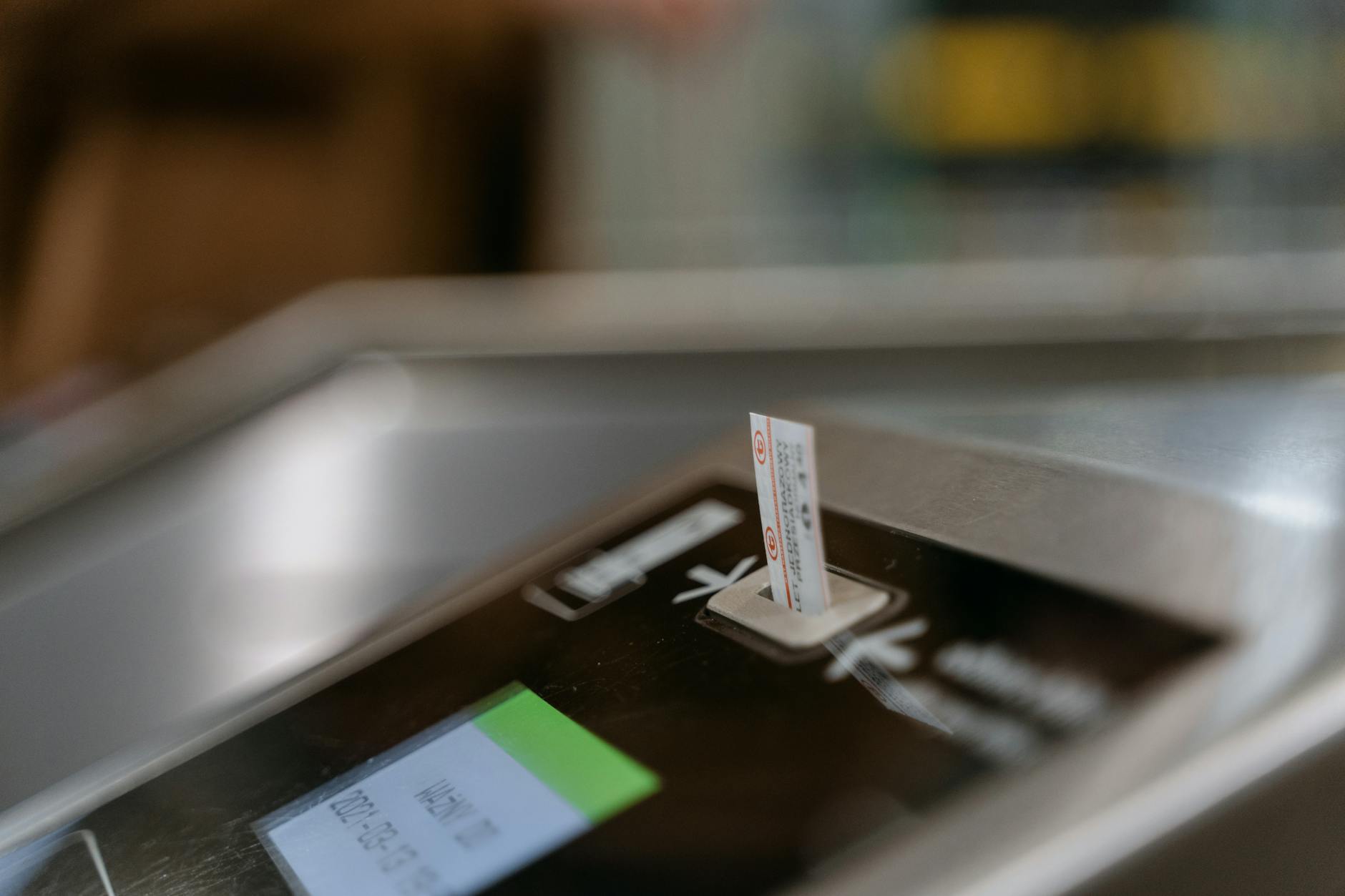
No single Paris decision trips up more visitors than which transit ticket to buy, and the rules have been rewritten twice over in the last three years. The navigo pass paris system retired the famous little paper Metro ticket between 2023 and 2025, which means most people land carrying advice that simply no longer works, lifted from old guidebooks and pre-pandemic blog posts. The card to know is the Navigo Easy: a reusable plastic card that costs €2 once and has become the default for tourists now that paper is gone. What you load onto it — single tickets, day passes, weekly passes — depends entirely on how long you’re staying, which day of the week you start, and whether airports or Versailles factor in. This guide runs through every option at 2026 prices, with the decision logic that’ll save you somewhere between €10 and €80 depending on your itinerary.
Here’s the reassuring part: once the Navigo Easy card and its four or five loadable products click into place, the system is genuinely simple. The frustrating part is everything around that. Vending-machine translations are still patchy, two of the card names are nearly identical (Navigo Easy versus Navigo Découverte), and the “Paris Visite” pass aimed squarely at tourists is, more often than not, the worst value on the board. By the end of this you’ll know which card to buy, which product to load, and where to load it, including the airport-zone trap that snares roughly half of all first-timers. For the wider picture on moving around the city, see our getting around Paris pillar guide.
2026 Transit Tickets at a Glance
Before the decision logic, here’s the full menu you’ll meet at every Metro vending machine in 2026. Don’t bother memorizing the prices to the cent; they nudge up 2 to 4 percent each January anyway. Memorize the use cases instead, because the gaps between products are small, while the gaps in value across different trip lengths are huge.
| Product | 2026 Price | Best For |
|---|---|---|
| Single Ticket t+ | €2.15 | 1-4 trips, occasional use |
| Carnet of 10 | €17.35 | 5-15 trips, short stay |
| Mobilis Day Pass | €8.65 (zones 1-2) | Heavy day of sightseeing |
| Paris Visite 1 Day | €14.40 | Tourist-marketed; rarely worth it |
| Navigo Easy Day Pass | €8.65 | Same as Mobilis, reloadable card |
| Navigo Easy Week (zones 1-2) | €26.80 | Anonymous weekly, no photo |
| Navigo Découverte Weekly | €31.60 all zones | Best 4-7 day deal |
| Navigo Monthly | €88.80 all zones | 30+ day stays |
Every line in that table is a real product loaded either onto a paper-equivalent receipt (rare now) or, far more often, onto the €2 reusable Navigo Easy card or the named Navigo Découverte card. The single ticket still goes by t+, a holdover from the days when one coupon worked across bus, Metro, and tram. A carnet (say “car-NAY”) is just ten of those loaded together at a discount. Mobilis is the original day pass. Paris Visite is the tourism-bureau product that staples minor discount coupons onto transit and is almost always poor value. The Navigo family is the smart-card system that swallowed everything else.
The 2023-2025 Paper Ticket Phase-Out
For decades the small white paper Metro ticket was as much a Paris fixture as the Metro itself. In 2023 the RATP, the regional transport authority, started phasing it out in favor of contactless smart cards and tap-to-pay on your phone. By the close of 2025, most Metro stations inside Paris had stopped selling paper altogether, and the handful that still print them tack on a surcharge that eats any saving.
Why should a tourist arriving in 2026 care? Because every dated blog post and printed guidebook in your bag tells you to “buy a carnet of paper tickets” the moment you land, and that advice is dead. The replacement is a two-step move: first, buy the reusable Navigo Easy plastic card for a one-time €2 at any vending machine. Then load whatever ticket product you want onto it. The card itself is worthless; it’s the loaded product that opens the turnstile. Keep the same Navigo Easy for years, reload it on future trips, and hand it to a friend if it’s anonymous.

The phase-out hit buses and trams too, where you once could buy a single ticket from the driver. As of 2026, bus drivers in central Paris no longer sell tickets onboard; you need a loaded Navigo, a valid mobile ticket, or contactless tap-to-pay with a phone or watch. “I didn’t know” won’t save you either. Fare-evasion fines run €50 if you pay on the spot, €75 to €150 if you stall. The changeover has been bumpy, but the new system moves faster once you’re used to it: no fumbling with paper, no lost tickets, just tap and go.
What is the Navigo Easy?
The Navigo Easy is a thin plastic card the size of a credit card. It costs €2, carries an embedded RFID chip, and acts as the container for whatever transit product you buy. It’s anonymous: no name, no photo, no registration. Lose it and you lose whatever credit sat on it, so treat it like cash. Because it’s anonymous, you can pass it to a friend, hand it to your teenager for an afternoon of solo exploring, or stash it for your next visit. Plenty of returning travelers keep a Navigo Easy in a drawer at home for years; the card never expires, only the products loaded onto it do.
You can load it with several things: single tickets one at a time, a carnet of ten, a day pass (the Mobilis equivalent), or the Navigo Easy Week, a Monday-to-Sunday weekly that skips the photo requirement. The one product it cannot hold is the Navigo Découverte Weekly all-zone pass, which happens to be the most popular tourist buy. That one needs its own Navigo Découverte card, also a one-time fee for the card itself, and it’s named: you write your name on it and affix a passport-style photo. The two cards look almost identical but carry different products, so settle which one you need before you reach the counter.
Three ways to load a Navigo Easy: at the vending machines in every Metro station (touchscreen, English available, takes cash and chip-and-PIN cards including foreign ones), at staffed RATP counters in major stations (slower, but handy if you have questions), or through the NavigoPay app once you’ve linked the card. The app makes reloading on the move easy but isn’t essential. Many tourists never download it and just top up at machines. For the network this card unlocks, see our Paris Metro guide.
Single Tickets (Ticket t+)
The single ticket, still officially the “ticket t+,” costs €2.15 in 2026 and buys you 90 minutes of travel inside central Paris (zones 1-2), transfers included — between Metro lines, between RER lines within the city, and between bus and tram lines. The 90-minute clock starts on your first tap, and inside that window you can change trains as many times as you like, as long as you stay in the paid zone and don’t exit the system. One catch worth flagging: bus-to-Metro transfers don’t count on the same ticket. Tap in on a bus, then tap into a Metro station, and you owe a second fare. Metro-to-Metro and bus-to-bus do count.
Single tickets earn their keep in two situations. One, you’re making only a trip or two in a day, say Metro from the hotel to dinner and a walk home after. Two, you’re treating transit as a backup to walking, which is exactly how a lot of first-time visitors end up traveling once they clock how walkable the center is. Plan on three or more rides a day, though, and the carnet or a day pass overtakes singles fast. Load a single onto your Navigo Easy and tap through; no paper coupon to mind.
Carnet of 10 Tickets
The carnet of 10 is the classic Paris transit bargain: ten single tickets bundled for €17.35, which works out to €1.74 a ride and saves €4.15 over ten singles. It’s the sweet spot for short visits where you reckon on somewhere between five and fifteen trips total. Take a typical four-day stay at three Metro rides a day — out in the morning, back at midday, out again in the evening — and you’ll burn through about twelve trips, which makes a carnet plus two extra singles the tidiest buy.
The carnet loads onto a Navigo Easy as a counter that ticks down with each tap. The trips never expire, so you can use the tenth one two years after the first nine, which makes a carnet a smart buy even when you’re unsure you’ll finish it. Leftovers sit patiently on the card for next time. One limit: the carnet only works in zones 1-2 (central Paris). Take an RER to Versailles or the airport and the system will either dock a trip and charge you the supplement or refuse to let you out, depending on the station. Use a different ticket for those longer hauls.

Mobilis Day Pass
The Mobilis gives you unlimited travel for one calendar day, midnight to midnight rather than a rolling 24 hours, within whatever zones you pick. The 2026 prices are €8.65 for zones 1-2 (central Paris), €14.20 for zones 1-3 (out to the inner suburbs, La Défense included), and €19.85 for zones 1-4. For most tourists the zone 1-2 version is the one, since nearly every headline attraction — Eiffel Tower, Louvre, Notre-Dame, Montmartre, Marais — sits inside those two zones.
The break-even is simple: at €8.65, Mobilis beats the carnet’s €1.74 a ride once you hit five rides in a day. Five is easy to reach on a heavy sightseeing day — hotel to attraction, attraction to lunch, lunch to second attraction, second attraction to dinner, dinner back to the hotel — so if you know you’ll be moving all day, the pass has paid for itself by mid-afternoon. There’s a quieter benefit too: ducking onto a bus to dodge a sudden downpour without doing fare math in your head is worth something on a long touring day.
Mobilis loads onto a Navigo Easy and activates on your first tap. No need to pre-select the date; it wakes up on use and dies at the end of that calendar day. That midnight cutoff matters: a Mobilis bought at 11 PM hands you exactly one hour of value, so always buy it on the morning of the day you mean to use it.
Paris Visite Pass
Paris Visite is the pass the official tourism office pushes hardest, and it’s almost always the wrong call. It comes in 1, 2, 3, and 5 consecutive-day versions across two zone ranges (1-3 and 1-5), with 2026 prices from €14.40 (1 day, zones 1-3) up to €67.95 (5 days, zones 1-5). For perspective: two single Mobilis day passes at €8.65 each come to €17.30, which undercuts even one Paris Visite 1-day pass, and a Navigo Découverte Weekly covering all zones runs €31.60 for seven full days, beating the 5-day Paris Visite by €36.
The Paris Visite sells itself on bundling “attraction discounts” with transit. Those discounts are real but slim — usually 10 to 25 percent off a few partner museums, river cruises, and shops — and almost never enough to close the gap on the higher base price. The lone scenario where it’s defensible is the zone 1-5 version for a 2-to-3-day stay where you land late on a Wednesday or Thursday and need airport coverage, since you can’t squeeze a full week out of a Navigo Weekly that late. Even then it’s a close call, and for most visitors we point firmly at the Navigo products.
Navigo Easy Day Pass
The Navigo Easy Day Pass is, in practice, the Mobilis under a different label: same price (€8.65 for zones 1-2), same unlimited travel, same midnight expiry. The only real difference is how it loads. The Navigo Easy version sits on your reusable card as a digital product, while the traditional Mobilis used to print onto a paper coupon. With paper mostly gone in 2026, the two have effectively merged: select “day pass” at a vending machine with a Navigo Easy in hand and what you’re buying is technically the Navigo Easy Day Pass.
Its edge is convenience. You can buy several day passes in advance and they fire one at a time as you use them, which spares you the morning queue at the machine if you’ve got several big travel days lined up. Each loaded day pass waits in “unactivated” status until your first tap of the day, at which point the clock starts. The card holds multiple day passes at once without getting confused.
Navigo Découverte Weekly Pass

The Navigo Découverte Weekly is the best transit deal in Paris for anyone staying four days or more, and it’s the product we point people to most. At €31.60 for 2026, it covers unlimited Metro, RER, bus, tram, and Transilien travel across all five zones (1-5) for one Monday-through-Sunday week. That all-zone reach is the killer feature: it folds in the RER B to Charles de Gaulle airport, the RER C to Versailles, the RER A to Disneyland Paris, and every commuter line to the outer suburbs.
The catch is real and worth dwelling on: the Monday-to-Sunday calendar structure. This is not a rolling 7-day pass. It expires at the end of Sunday no matter when you bought it. Buy on Monday morning and you bank the full seven days. Buy on Wednesday and you get five days before it dies Sunday at midnight. Buy on Friday and you’ve essentially paid €31.60 for a weekend pass, which is a bad trade. The rule of thumb writes itself: the Navigo Weekly is a brilliant buy when your stay overlaps Monday, Tuesday, or Wednesday, and a poor one when you arrive Thursday or later.
The second catch is the photo. The Navigo Découverte is a named card and needs a small passport-style photo (25mm x 30mm) physically stuck to it. Photo booths inside the major Metro stations — Châtelet, Gare du Nord, Gare de Lyon, and Saint-Lazare all have them — will sort you out for about €6, or bring a small photo from home and trim a passport shot to size. The card costs €5 once, on top of the €31.60 weekly load. Travel on it without the photo and an inspector can hit you with a €75 fine for using an improperly identified pass.

For any trip that involves airport transfers either way, a Versailles day, or a Disneyland Paris run, the Navigo Weekly pays for itself almost on contact. A one-way RER B from CDG to central Paris is €11.80 in 2026, so round-trip airport access alone is €23.60, most of the weekly’s cost right there. Add a Versailles day trip (another €7.90 each way) and a Disneyland day (€8.45 each way) and you’re well past €31.60 in supplements before a single in-city ride. See our airport transfer guide, Versailles transport guide, and Disneyland Paris guide for the destination-specific details.
Navigo Monthly
The Navigo Monthly costs €88.80 for 2026, covers all zones 1-5 like the weekly, and runs from the first to the last day of a calendar month. It’s built for residents and long-term visitors and is rarely a tourist’s answer, since by definition you’d need a stay near 30 days for it to beat stringing weeklies together (€88.80 monthly against roughly €126 for four weeklies). For stays of 25 to 35 days the monthly wins outright; for 14 to 21 days, two or three weeklies usually edge it; for anything shorter, ignore it.
Like the weekly Découverte, the monthly needs a photo and loads onto a named Navigo card. If you’re here for the long haul — digital nomad, exchange student, sabbatical — the monthly is unquestionably right, and it pairs neatly with the Vélib bike-share annual subscription that many residents run alongside it. For straight leisure tourism, you’ll rarely meet this product as the correct answer.
Decision Tree by Trip Length
Here’s the framework, sorted by length of stay. Find the most specific row that fits your trip and you’ll land on the right product.
- 1 day in Paris (layover or quick visit): Mobilis day pass if you’ll take 5+ rides; otherwise just buy 2-4 single tickets as you go.
- 2-3 days, central Paris only: Carnet of 10 single tickets (€17.35), or two Mobilis day passes if you’re sightseeing flat-out.
- 4-7 days, arrival Mon/Tue/Wed: Navigo Découverte Weekly (€31.60). Best value in the whole system.
- 4-7 days, arrival Thu/Fri/Sat: Carnet of 10 plus extra singles, or a Navigo Easy Week (anonymous, no photo, zones 1-2 only at €26.80).
- 7-14 days: Two consecutive Navigo Découverte Weeklies, ideally bridging two calendar weeks.
- 14-21 days: Three weeklies usually still beats one monthly unless the calendar timing breaks your way.
- 22+ days: Navigo Monthly (€88.80) if your stay lines up with a calendar month; otherwise three weeklies.
- Any length + airports + Versailles + Disneyland: Always Navigo Weekly or Monthly — the all-zone coverage pays for itself on day one.
Where to Buy and How to Load
Every Metro station in central Paris has at least one ticket machine, and the big hubs have a dozen or more. They take coins, banknotes (small denominations only at most), and credit cards. Foreign cards generally work if they do chip-and-PIN; American magnetic-stripe-only cards sometimes choke at the machine but usually go through at a staffed counter. The touchscreen runs in English, Spanish, German, Italian, Chinese, Japanese, and a handful of others — tap the little flag icon in the corner to switch.
For a first-timer the flow goes like this: insert no card at first, choose “Buy Navigo Easy card” from the menu, pay the €2, take the blank card from the dispenser. Then reinsert the new card straight away and pick the product you want (single, carnet, day pass, weekly). The Navigo Découverte is different: you have to go to a staffed RATP counter at one of the major stations, because the machines don’t dispense the named card. Bring your passport photo, ask for “Navigo Découverte semaine” (weekly), pay the €5 card fee plus €31.60 for the weekly load, and you’re out in about 90 seconds.
The NavigoPay app, on iOS and Android, lets you reload an existing physical Navigo card by tapping it to the back of your phone (NFC required), or run a fully digital Navigo card that lives entirely on the phone. The digital-only route is handy but has quirks with older Android handsets and isn’t reliably accepted by every turnstile reader as of 2026, so for tourists the physical card stays the safer bet.

Apple Pay / Google Pay Tap-to-Pay
Since 2023, Apple Pay and Google Pay (and Apple Watch or Android Wear) let you tap straight through Paris Metro turnstiles with no ticket bought ahead of time. Each tap charges your linked card €2.15, the same as a single ticket. The system uses your phone’s default payment card; you just hold the phone or watch over the purple Navigo reader exactly as you’d tap a contactless card in a shop. Two taps inside 90 minutes count as transfers, the same as a single ticket on a Navigo Easy.
Tap-to-pay shines on the very first day, before you’ve found a machine, for one-off short rides, and for travelers who flatly refuse to carry a physical card. The catch is there’s no carnet discount this way; every ride is the full €2.15. So if you’ll take five or more rides over your stay, the €1.74-per-ride carnet on a Navigo Easy comes in €0.41 cheaper a ride, and that compounds quickly. A common play: tap-to-pay on day one while you find your feet, then grab a Navigo Easy at the end of that day for the rest of the trip.
Children, Seniors, and Reduced Fares
The Paris system runs several age-based discounts that families and senior travelers should know. Children under 4 ride free at all times, no ticket needed, though the accompanying adult of course needs a valid fare. Children 4 to 9 inclusive ride half-fare on every product — singles, carnets, day passes, weeklies, monthlies. There’s a dedicated children’s carnet of 10 at exactly half the adult price (€8.65) and a children’s Navigo Weekly at €15.80. Ask for the children’s version at the counter or select it on the machine; it isn’t automatic.
Children 10 and up pay full adult fare on visiting passes. There’s a reduced-fare scheme for low-income French residents and seniors, but it doesn’t reach tourists, so don’t expect a senior discount just because you’re traveling with retirees. Students under 26 with valid French educational ID get reduced annual rates (the Imagine R card), which won’t apply to short-term visitors either. For everyone else, international seniors over 65 included, it’s full adult fare. The saving grace is that the adult fare is already low by world standards, so this stings less here than in some other big cities.
Common Mistakes to Avoid
Across the thousands of Paris transit questions we field, the same handful of mistakes keep surfacing. Spot them in advance and you’ll save real money and a fair bit of frustration.
- Buying Paris Visite when Navigo Weekly would be cheaper: The classic trap. A 5-day Paris Visite zone 1-5 costs €67.95; a Navigo Weekly covering 7 days of the same zones costs €31.60. You pocket €36 and gain two extra days. Always price both before you buy.
- Not buying the airport zone when you need it: Zone 1-2 products do not include CDG or Orly. Load a Navigo Easy Week for zones 1-2, try to exit at the airport, and you’ll either pay a supplement or fail to exit at all. Get the all-zone Navigo Découverte Weekly if airports are in play.
- Buying a Navigo Weekly on Wednesday: The Monday-Sunday reset means a Wednesday buy hands you only five days of value. If your trip starts mid-week and runs 5-6 days, a carnet of 10 plus a few singles is often the smarter move.
- Forgetting the passport photo for Découverte: The named weekly needs a photo affixed before first use. No photo, and inspectors can fine you €75. Grab a photo at the station booth (~€6) before you load the pass.
- Trying to pay cash at a counter that won’t take it: Some staffed counters in smaller stations are card-only. The big hub stations always take both. Plan around it.
- Mixing tap-to-pay and Navigo on the same trip: Tap with your phone, then tap in with your Navigo Easy inside 90 minutes, and the system reads two separate fares, not a transfer. Pick one method and stay with it.
- Assuming bus drivers sell tickets: They no longer do in central Paris. Have a loaded card or use tap-to-pay before you board.
- Ignoring the night bus (Noctilien): After the Metro shuts at 1:15 AM (weekdays) or 2:15 AM (weekends), the Noctilien network takes over. Your Navigo Weekly works on it; single tickets have to be specifically Noctilien-valid.

Pair those warnings with the right product and you’ve handled roughly 95 percent of tourist transit questions. The last 5 percent are edge cases — routes that cross zones in odd ways, transfer windows landing at awkward times, specific accessibility needs — that the staffed RATP agents sort out one by one. For wider trip-planning context, transit budget included, see our plan your Paris trip guide.
Frequently Asked Questions
Can I use my contactless credit card directly at Metro turnstiles?
Yes. The same tap-to-pay system that takes Apple Pay and Google Pay also takes most contactless chip-enabled Visa, Mastercard, and Amex cards directly. Each tap charges €2.15. American Express cards from US banks occasionally hit snags; Visa and Mastercard rarely do. There’s no carnet discount on a direct card tap.
Do I need a separate ticket for the RER to the Eiffel Tower?
No. The Eiffel Tower’s nearest RER stop (Champ de Mars-Tour Eiffel on RER C) sits in zone 1, so any standard zone 1-2 product — a carnet ticket, Mobilis, or Navigo Easy Week — covers it. The closer Bir-Hakeim Metro station on Line 6 is also zone 1 and works on any standard ticket.
Is the Navigo Weekly worth it for just a weekend trip?
Almost never. A Friday-Sunday trip pulls only three days of value from a Monday-Sunday weekly, which makes the €31.60 work out to roughly €10.50 a day, more than the €8.65 Mobilis day pass for the same coverage. Stick with day passes or a carnet for weekends, unless you need the all-zone airport coverage.
Can I share my Navigo Easy with my travel partner?
Yes, the Navigo Easy is anonymous and transferable, but only one person can use it per ride. You can’t both tap through on the same card; the second tap inside a short window gets rejected. In practice: hand the card back through the turnstile gap, or buy two Navigo Easy cards (€4 total) and load them separately.
What happens if my Navigo runs out of credit mid-trip?
If a loaded weekly or day pass expired mid-trip, you finish the ride you’re on (you’ve already tapped in) but can’t start a new one without loading fresh credit. Same goes if you run out of carnet trips. Reload at the next station you stop at before going on.
Do I need a Navigo for the airport bus or shuttle services?
The RER B train to CDG and the Orlyval/RER B to Orly both accept Navigo all-zone passes. Private services like the Roissybus, Orlybus, and Le Bus Direct need their own dedicated tickets (or work with a Navigo Weekly all-zone in some cases). Confirm with the operator on the day. Uber, taxis, and private transfers aren’t covered by any Navigo product.
Can I get a refund if I overload my Navigo Easy?
Unused single tickets and carnet trips on a Navigo Easy don’t expire and wait for your next visit, which is the best refund mechanism going. Day passes and weeklies aren’t refundable once activated. If you accidentally load a weekly onto the wrong week, the RATP counter can usually fix it within the first 24 hours — ask right away.
What if a Metro inspector asks for my ticket?
Hand over your Navigo card; they carry a portable reader that confirms the loaded products and timestamps. If the card is valid, you’re on your way; if not, you pay an on-the-spot fine (cash or card both accepted in 2026). Always tap properly — the reader shows when you last tapped, so deliberately skipping it counts as fare evasion even with a valid pass loaded.

The Bottom Line
For 90 percent of Paris visitors in 2026, the answer is one of three products: a carnet of 10 on a Navigo Easy for short stays (2-3 days), a Navigo Découverte Weekly all-zone pass for 4-7 day stays that start Monday or Tuesday, or contactless tap-to-pay for the odd one-off ride. Skip the Paris Visite except in very narrow edge cases, always run the start-day-of-week math before buying any weekly, and keep in mind that the all-zone Navigo Weekly is the single best deal in the system once your trip touches airports, Versailles, or Disneyland. Buy your Navigo Easy at the first machine you reach on arrival, load the right product for your trip length, and you’ll be on the optimal fare for the next decade of visits.
Plan the rest of your trip
Use these to round out your trip:
- the Paris transport guide
- the Versailles transport options
- walking routes and safety
- using Velib
- the documents you need to enter France
- Champagne Day Trip from Paris
The single change that has invalidated most of the ticket advice still circulating online: the ten-ticket carnet discount was abolished on 1 January 2026, so buying in bulk now saves precisely nothing. That, the €14 airport fare and the Monday-to-Sunday trap in the weekly Navigo are all covered in our wider guide to Paris travel tips.