Best Day Trips from Paris: Complete Guide to Nearby Escapes
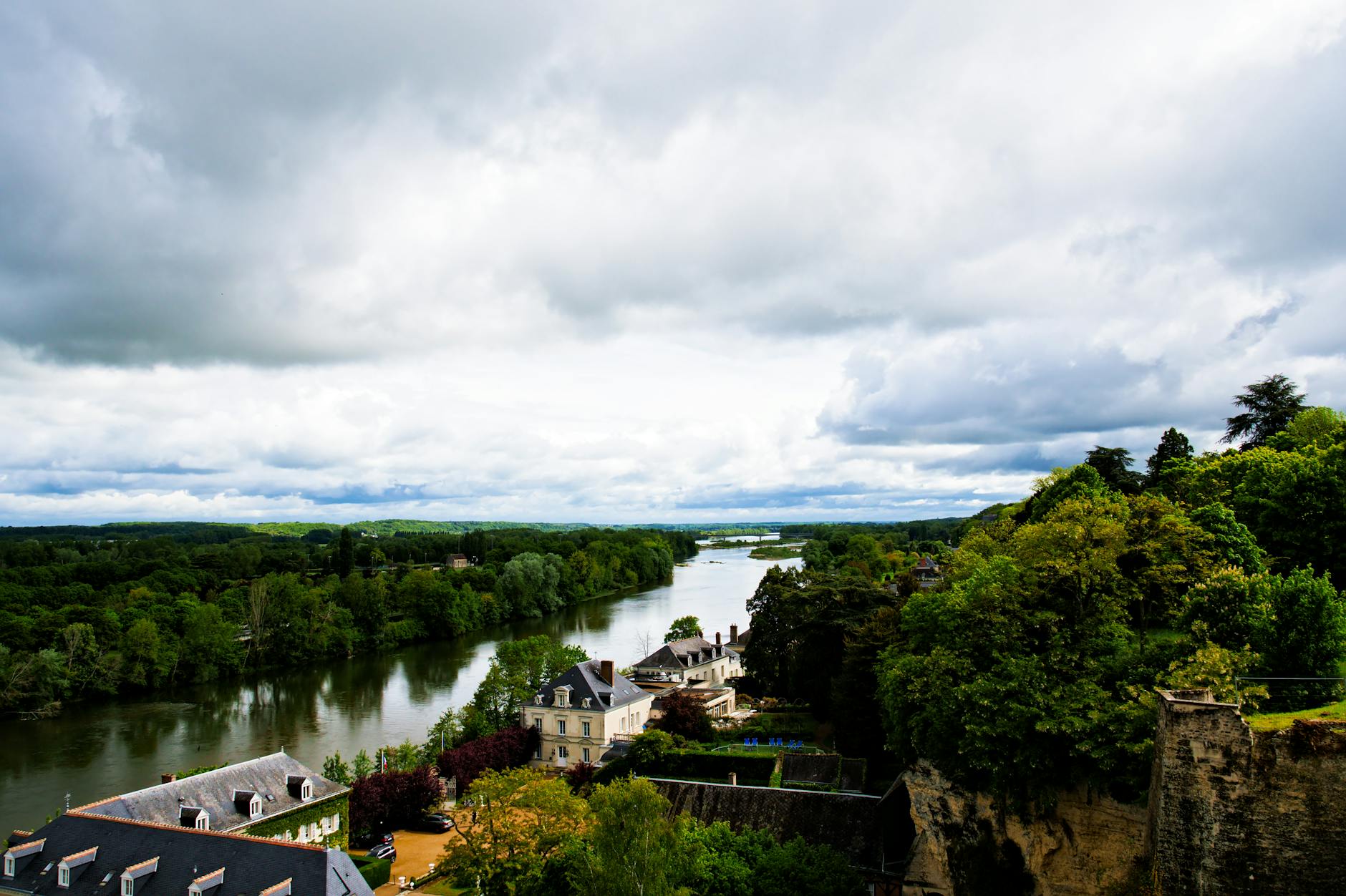
Spend a week in Paris and you start to notice the trains. Every half hour, another one slides out of Gare Saint-Lazare or Gare de Lyon and, in less time than it takes to queue for the Louvre, deposits you somewhere completely different: a palace with 2,300 rooms, a garden Monet planted by colour, a medieval town where knights still joust on weekends. The best day trips from Paris are this easy. You can walk the Hall of Mirrors before lunch, taste Champagne in a Roman chalk cellar, or trace Van Gogh’s last 70 days through a riverside village, and be back in the city for dinner.
This guide runs through the best day trips from Paris in real detail: how to get there, what’s actually worth your time once you arrive, how long to allow, and the small logistical things that keep a day out from going sideways. The destinations are ordered roughly by distance, from the half-hour hops to the long, ambitious hauls, so you can match the trip to how much travel you’re willing to swallow.
Day Trips from Paris at a Glance
If you want the shorthand before the deep dive, here it is. Use it to weigh travel times, costs, and what each place actually offers, then decide which day trips from Paris earn a slot on your itinerary.
Versailles — 30 min by train, palace and gardens, half to full day. Giverny — 1 hr by train, Monet’s gardens, April–October only, half day. Fontainebleau — 40 min by train, palace and forest, full day. Auvers-sur-Oise — 1 hr by train, Van Gogh heritage trail, half day. Provins — 1 hr 20 min by train, UNESCO medieval town, full day. Champagne (Reims & Épernay) — 45 min by TGV, cathedral and Champagne houses, full day. Loire Valley — 2 hr by train or tour, grand châteaux and wine, full day. Normandy & Mont Saint-Michel — 3–4 hr by train or tour, D-Day beaches and abbey, full day. Bruges, Belgium — 2.5 hr by train, canals, chocolate, and beer, full day.
Versailles: The Ultimate Day Trip from Paris
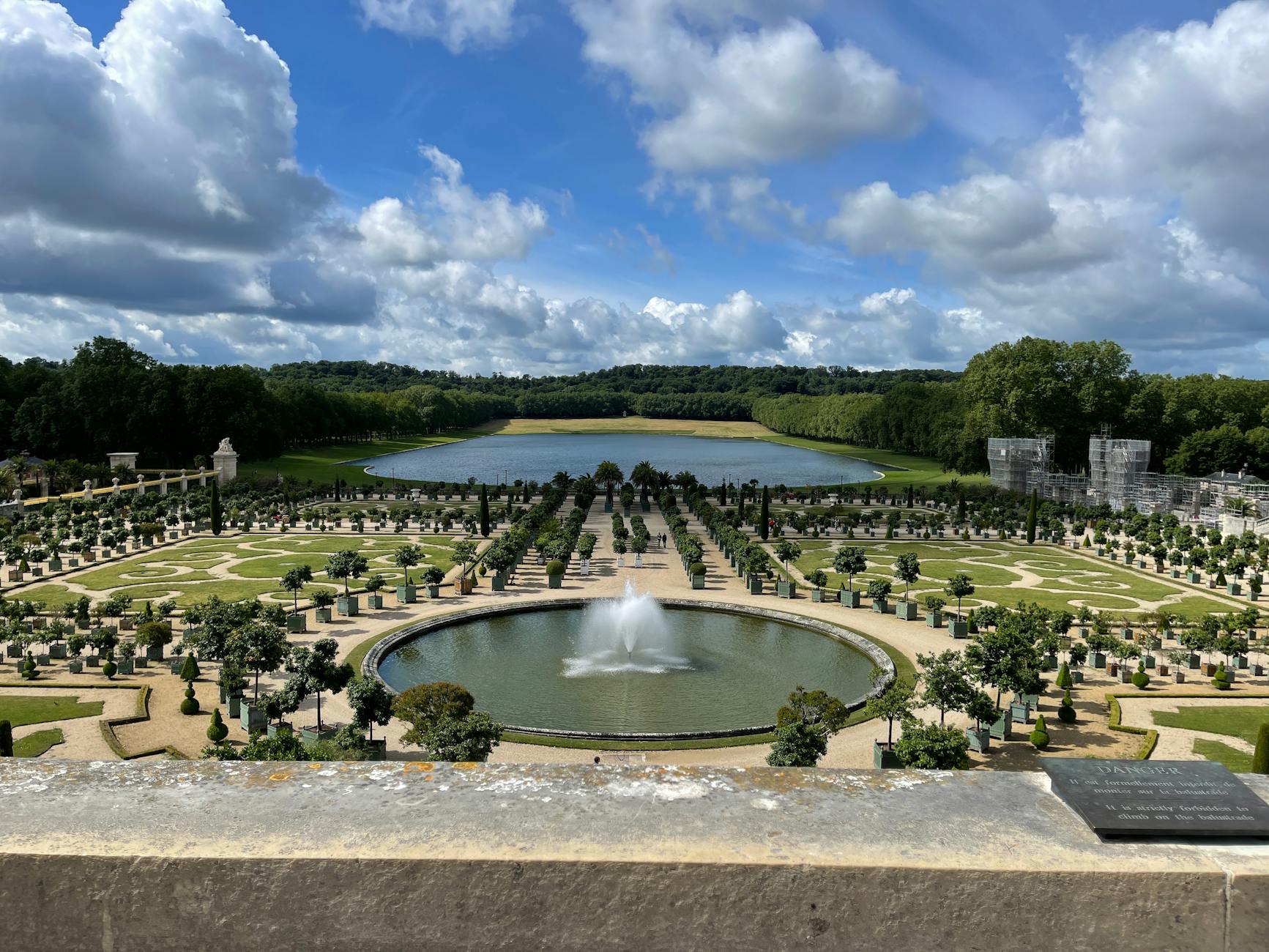
If you can manage only one day trip from Paris, make it Versailles. Nothing else in the Île-de-France comes close to the scale of what Louis XIV built out here, and the numbers explain why. The complex covers more than 800 hectares. The palace holds over 2,300 rooms. The gardens alone run 1,400 fountains. This is French royal ego rendered in stone and water, and it remains one of the most visited monuments on earth.
How to Get to Versailles from Paris
Getting there could hardly be simpler. The RER C runs straight from central stations (Saint-Michel, Musée d’Orsay, Invalides) to Versailles Château – Rive Gauche in roughly 30 to 40 minutes, and the palace gates are a ten-minute walk from the station. A standard Navigo or a single-trip ticket (about €4 each way) covers it. If those don’t suit, SNCF Transilien Line L runs from Gare Saint-Lazare and Line N from Gare Montparnasse.
What to See at Versailles
The Hall of Mirrors is the room everyone comes for, and it lives up to the hype: a 73-metre gallery lined with 357 mirrors throwing back the light from arched windows over the gardens. The King’s Grand Apartments and Queen’s Grand Apartments show you the choreographed rituals that filled a 17th- and 18th-century court’s day. Then there are the Gardens of Versailles, André Le Nôtre’s masterpiece of formal landscaping, with their geometric parterres, hidden groves, and the long Grand Canal. From April through October the Musical Fountains Show sets the waterworks dancing to period music. Whatever you do, save energy for the Grand Trianon and Petit Trianon, the smaller palaces on the estate where the monarchy went to escape itself, including Marie Antoinette’s mock-rustic Hamlet.
Practical Tips for Versailles
Book online ahead of time. The walk-up entrance queue can be brutal, and a timed ticket sidesteps it. Aim for the 9 AM opening or wait until after 3 PM, when the worst of the crowds have moved on. Give the palace and gardens four or five hours at minimum, or a full day if you want the Trianon estates and the Queen’s Hamlet too. It’s closed Mondays. And if you come on a Musical Fountains day (weekends April through October, plus a handful of Tuesdays), note that the gardens need a separate ticket.
Giverny: Monet’s Impressionist Paradise
Say Giverny and you’ve already said Monet. The painter lived and worked in this small Normandy village from 1883 until his death in 1926, and the gardens he built here are still the draw. Standing at the Japanese bridge above the water lily pond, with the flower beds blazing behind you, is about as close as you’ll get to walking into a painting. One scheduling catch: the gardens open from early April through late October only, so plan around it.

How to Get to Giverny from Paris
From Paris Gare Saint-Lazare, a direct train reaches Vernon–Giverny in about 50 minutes. At Vernon, a shuttle bus (around €10 round trip) runs to the gardens, or you can rent a bicycle at the station and ride the scenic 5-km route along the Seine. Guided minivan tours from Paris are also common, and many pair Giverny with Versailles to fill a full day. Driving takes roughly 1 hour 15 minutes via the A13.
What to See in Giverny
There are really two gardens, connected but distinct. The Clos Normand spreads in front of Monet’s pink stucco house, a riot of colour-blocked beds split by arches of climbing roses. He designed it as a working palette, choosing flowers less for individual beauty than for the colours they throw together when you step back. Duck through the underground passage beneath the road and you’re in the Water Garden, the one with the Japanese bridge, the weeping willows, the wisteria, and the lilies that produced some of the most famous paintings ever made. Inside the house, the rooms sit much as Monet left them, complete with his hoard of Japanese woodblock prints and that unforgettable canary-yellow dining room. The nearby Musée des Impressionnismes runs rotating shows that set his work against the wider Impressionist movement.
Practical Tips for Giverny
Get there early. The first shuttle from Vernon lands you at the gardens for the 9:30 AM opening, ahead of the tour buses. The display peaks from mid-April through June, when tulips, irises, peonies, and wisteria bloom in waves. Weekdays beat weekends by a wide margin. Allow two to three hours for a proper look, plus lunch, with several decent restaurants and crêperies along the main street.
Fontainebleau: Palace, Forest, and History
Versailles soaks up all the attention, but plenty of repeat visitors quietly prefer Fontainebleau, and they have a point. It’s more intimate, the art collection is extraordinary, and a vast royal forest wraps around the whole thing. A UNESCO World Heritage Site since 1981, Fontainebleau is the only French royal château lived in continuously by monarchs from the 12th century to the 19th. Napoleon called it “the true home of kings,” and it was here, in 1814, that he signed his abdication.

How to Get to Fontainebleau from Paris
Trains leave Paris Gare de Lyon about every 30 minutes and reach Fontainebleau-Avon station in roughly 40. From there, local Bus 1 (direction Les Lilas) drops you at the château gate in 15 minutes, or you can walk it in about 35, with part of the route running through the forest. Reckon on around €18 for a round-trip train ticket.
What to See at Fontainebleau
The château holds 1,500 rooms, so prioritise. The Gallery of Francis I is the standout, a precursor to the Hall of Mirrors and one of the great surviving examples of French Renaissance interior design. The Throne Room (the only one in France preserved exactly as it stood) and Napoleon’s Apartments are both essential, and the Grands Appartements walk you through eight centuries of decorative art. Outside, the formal gardens range from the Renaissance Grand Parterre, the largest formal garden in Europe, to the romantic English Garden with its artificial grotto. Beyond all that lies the real surprise: the Forêt de Fontainebleau, 25,000 hectares laced with 1,600 kilometres of trails, some of the best-known bouldering routes in the world, and serious biodiversity. Parisians come out here on weekends to hike, climb, cycle, and ride.
Practical Tips for Fontainebleau
The château opens daily except Tuesdays, and an early arrival buys you the galleries in relative quiet. Adult admission runs about €14. The smart play is to pair the palace with a walk in the forest, balancing royal interiors against open air for a full and varied day. Pack a picnic; the forest is full of spots made for it. And if bouldering tempts you, the Gorges d’Apremont and Rocher Canon circuits welcome climbers at every level.
Auvers-sur-Oise: In Van Gogh’s Footsteps
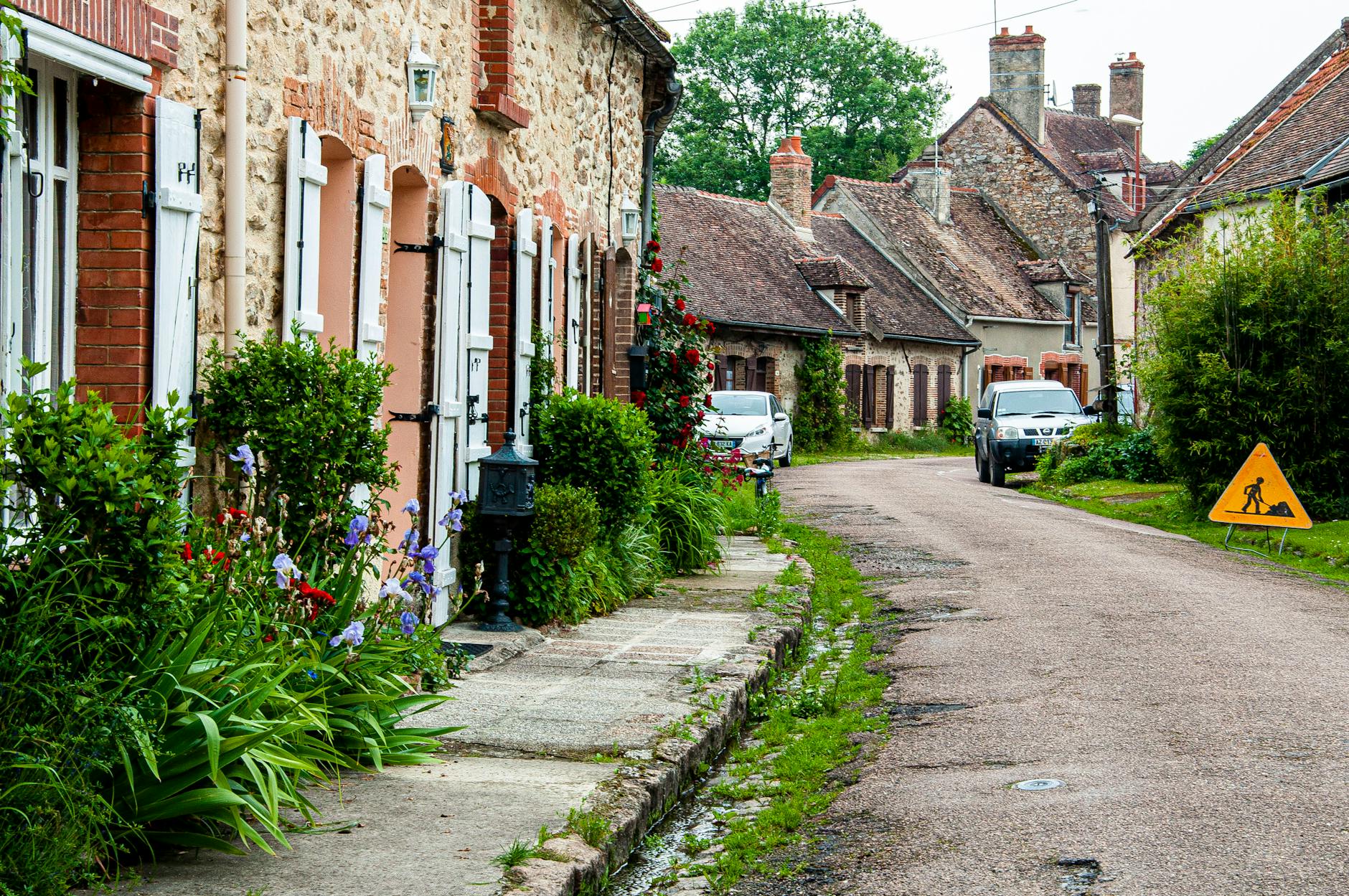
Auvers-sur-Oise is a sleepy riverside village barely 30 kilometres from Paris, and yet it carries an outsized weight in art history. Vincent van Gogh arrived on 20 May 1890, fresh from the asylum in Saint-Rémy-de-Provence, and over his final 70 days he produced a staggering 80 oil paintings and 64 sketches. The wheat fields, the church, the town hall he painted all look remarkably unchanged, which makes this one of the most atmospheric and frankly moving day trips from Paris for anyone who cares about his work.
How to Get to Auvers-sur-Oise from Paris
The easiest route runs from Paris Gare du Nord or Gare Saint-Lazare to Pontoise (about 30 minutes), then a quick change onto the Beaumont-sur-Oise line for the last short hop to Auvers-sur-Oise (around 10 minutes). The whole trip takes about an hour and costs only a few euros on a standard Île-de-France ticket. On weekends from April to October, a direct train runs straight from Gare du Nord. By car, it’s a 45-minute drive.
What to See in Auvers-sur-Oise
Start at the Auberge Ravoux (also known as the Maison de Van Gogh), where the painter rented a cramped attic room for 3.50 francs a day. The preserved room and the ground-floor restaurant, still serving traditional French cooking, are open to visit. From there, the Church of Auvers-sur-Oise at the top of the village is instantly familiar from one of his most reproduced canvases. Climb past it to the wheat fields, the literal fields of his last paintings, where the panoramic view is gorgeous and, knowing what came next, quietly devastating. Van Gogh and his brother Theo lie side by side in the village cemetery, their graves blanketed in plain ivy. Round it out with the Château d’Auvers, which runs a multimedia exhibition on Impressionism, and Dr. Gachet’s house and garden, open on selected days.
Practical Tips for Auvers-sur-Oise
Set aside four to six hours and do it all on foot at an unhurried pace. Reproductions of Van Gogh’s paintings stand on easels at the exact spots where he planted his own, which turns the whole village into a genuinely immersive self-guided walk. Spring through early autumn is the time to come, when the landscape matches the colours he saw. The place is small and hushed, so pack a lunch or settle in at the Auberge Ravoux for a meal with some history to it.
Provins: A Medieval UNESCO Treasure
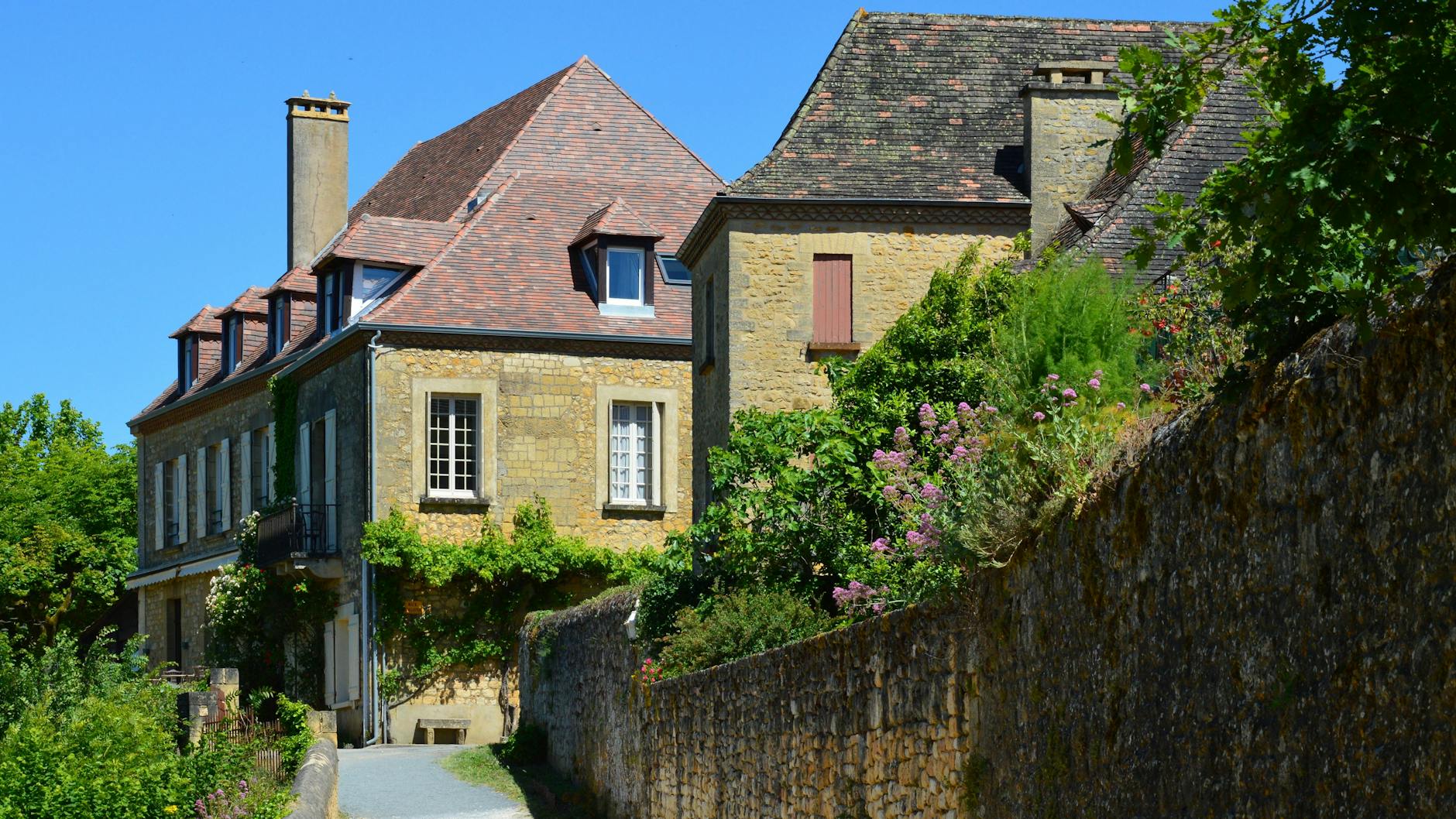
Ninety minutes by train, and you’re several centuries away. Provins, a UNESCO World Heritage Site since 2001, is one of the best-preserved medieval towns in France, and in its heyday it was a heavyweight: a major European trading centre that hosted the famous Champagne Trade Fairs, pulling merchants from across the continent through the 12th and 13th centuries. What you get today is a rare mix of intact architecture, deep history, and live medieval spectacle that very few day trips from Paris can rival.
How to Get to Provins from Paris
Direct trains leave Paris Gare de l’Est hourly and take about one hour and 20 minutes. The station is a short walk from the medieval Upper Town. A round-trip ticket costs roughly €24. Driving, take the A4 east toward Metz and exit for Provins, which puts the trip at around 90 minutes depending on traffic.
What to See in Provins
The César Tower (Tour César) is the landmark everyone photographs, a 12th-century octagonal keep with views over the Brie countryside. Haul yourself up its tight staircases for a vantage that takes in the ramparts and the sea of tiled roofs below. On the subject of ramparts, 1,200 metres of medieval walls with two fortified gates are open to walk, and they make the town’s old military muscle tangible. Underground, the Souterrains (Underground Tunnels) form a network of passages once used by merchants to store wool and hold meetings. Provins is also known for its live medieval shows: Les Aigles des Remparts stages a superb birds-of-prey display, while La Légende des Chevaliers delivers theatrical jousting with horses, swordplay, and stunts. Finish at the Rose Garden (Roseraie de Provins), where heritage roses tell the story of the town’s long bond with the damask rose.
Practical Tips for Provins
Provins fills a full day with no trouble, especially if you fold in a show or two. The performances run from late March through early November, so check the schedule ahead, and book jousting seats if you’re visiting on a busy weekend. Compared with the famous-name destinations, the town stays refreshingly uncrowded. Try the local rose specialities (rose jam, rose candy, rose petal ice cream) at the artisan shops up in the Upper Town. And wear proper shoes; the cobblestones and rampart walks demand them.
Champagne Region: Reims, Épernay, and the Vineyards
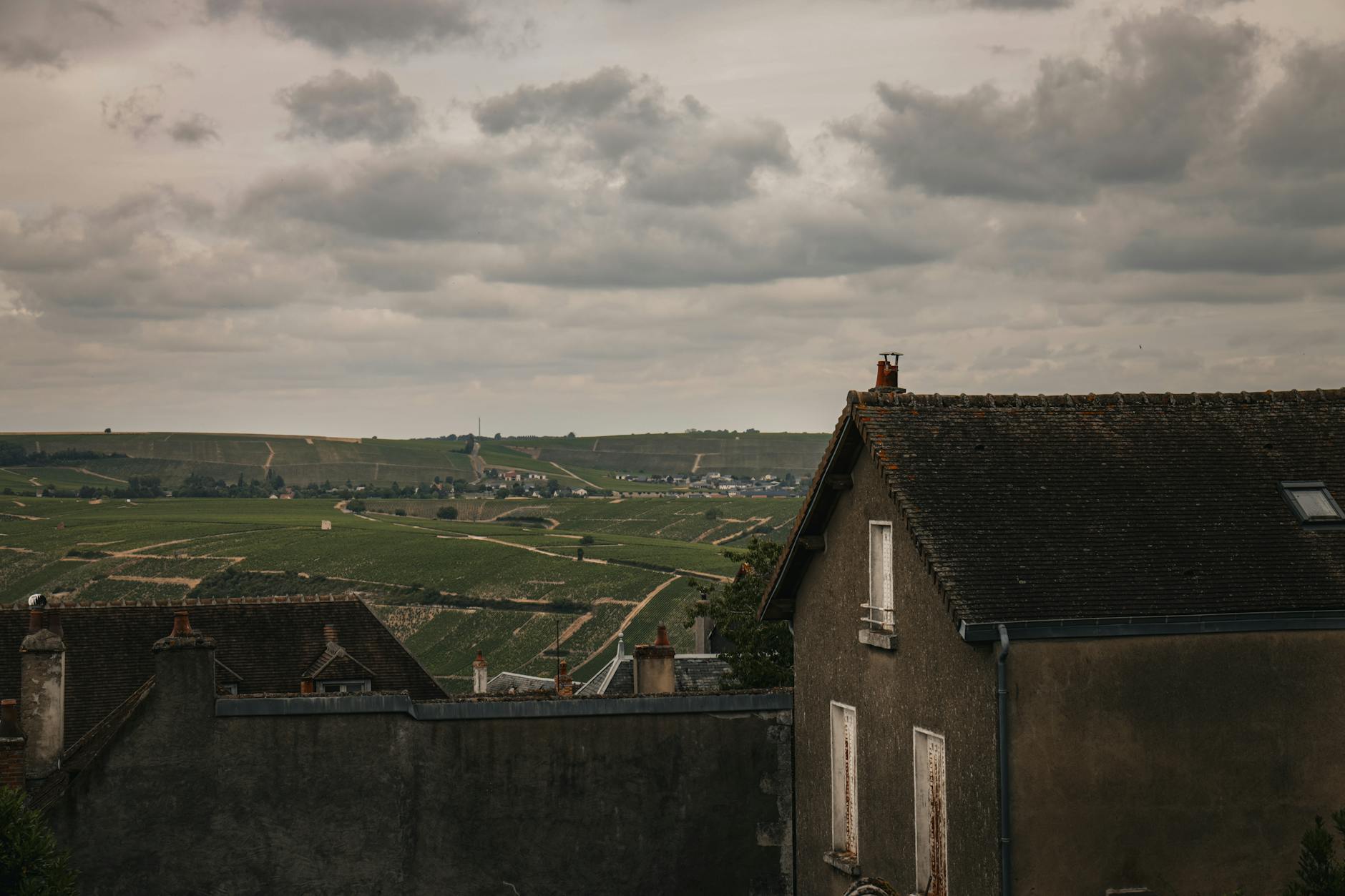
For anyone who travels on their stomach, no day trip from Paris beats the Champagne region. Reims, the unofficial capital, sits just 45 minutes away by TGV, which makes it one of the most accessible escapes on this list. You get a soaring Gothic cathedral where French kings were crowned, kilometres of Roman-cut chalk cellars threading beneath the streets, and the tasting rooms of houses whose names you already know. A day here is a straight shot into one of France’s proudest traditions.
How to Get to Champagne from Paris
The fast option is the TGV from Paris Gare de l’Est to Reims, just 45 minutes, with frequent departures and fares from around €15 if you book ahead. From Reims, regional trains link to Épernay in about 25 minutes. Driving runs roughly 1 hour 45 minutes via the A4. Guided minivan tours from Paris are popular for good reason: they handle the awkward hops between scattered houses and villages so you don’t have to.
What to See and Do in Champagne
In Reims, begin with Reims Cathedral (Notre-Dame de Reims), a 13th-century Gothic giant where nearly every King of France was crowned. The stained glass, including panels by Marc Chagall, is the kind that stops conversation. Next door, the Palais du Tau holds coronation treasures and tapestries. But for most visitors the real reason to come is the Champagne houses. Names like Taittinger, Veuve Clicquot, Mumm, Pommery, and Ruinart run guided tours of their chalk cellars (crayères), some carved in Roman times, capped off with a tasting. Book ahead, because the popular houses fill fast. Over in Épernay, walk the Avenue de Champagne, home to Moët & Chandon, Perrier-Jouët, and the rest, an unassuming street sitting atop an estimated 200 million bottles quietly ageing below. Between the two cities, drive or tour through the Montagne de Reims vineyards for a look at the Pinot Noir, Chardonnay, and Pinot Meunier that go into the world’s most celebrated sparkling wine.
Practical Tips for Champagne
Nearly every house wants a reservation for cellar tours, so sort that first. Going independently, the natural rhythm is Reims in the morning for a house or two, then the train to Épernay after lunch for the afternoon. Or hand the logistics to a small-group tour from Paris, which usually bundles six to eight tastings plus lunch. Steer clear of the harvest (mid-August into September), when some houses close to the public. And bring a light jacket; the cellars hold a cool temperature all year.
Loire Valley: Fairy-Tale Châteaux and Fine Wine
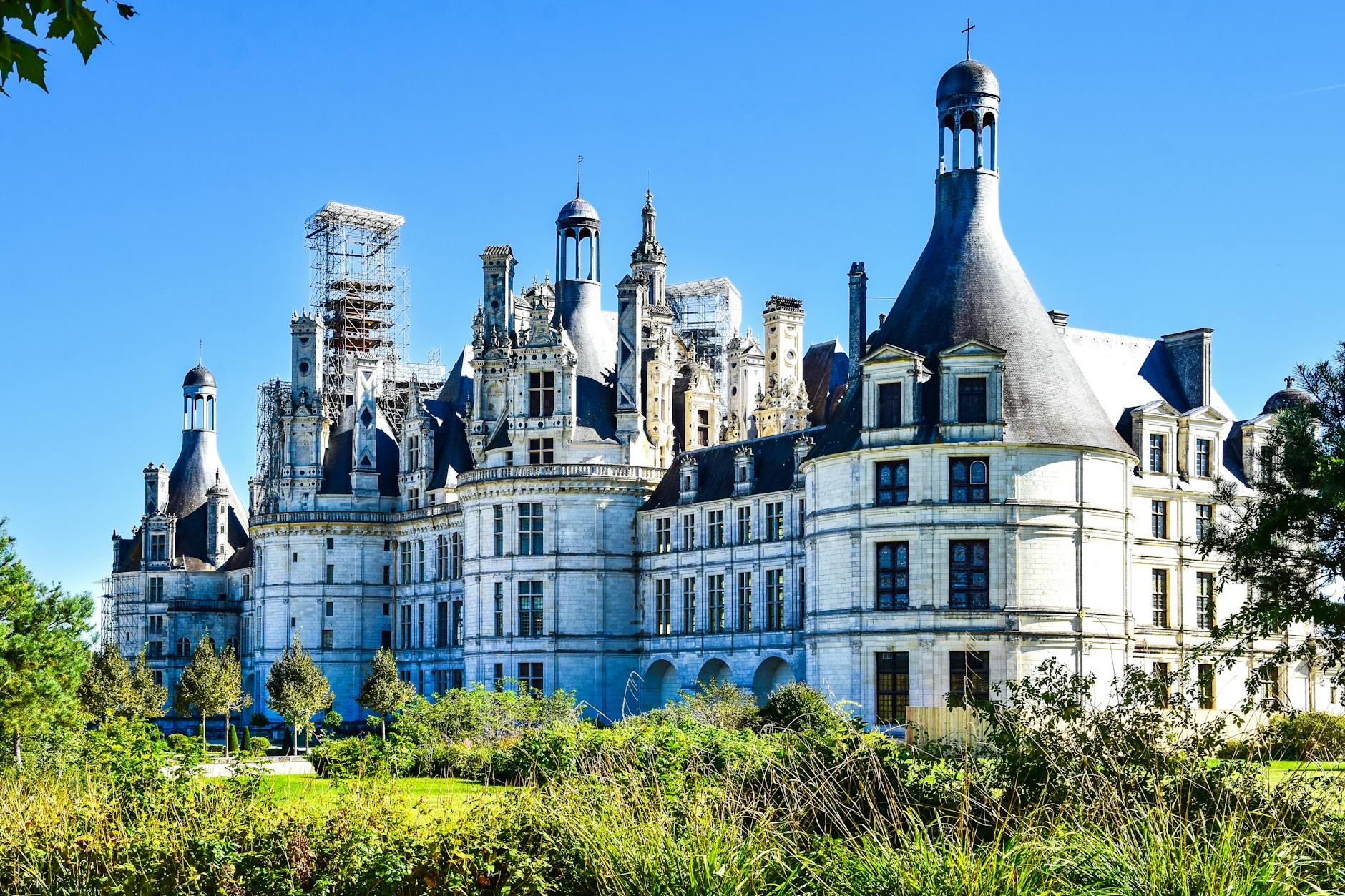
The French call the Loire Valley their garden, and on a clear day it’s hard to argue. This UNESCO-listed stretch of rolling vineyards and sunflower fields holds over 300 châteaux, a thousand years of royal ambition built in stone. A day trip from Paris lets you take in two or three of the grandest while the soft countryside scrolls past your window. For history buffs, architecture lovers, and wine drinkers alike, it’s among the most rewarding day trips from Paris going.
How to Get to the Loire Valley from Paris
TGV trains from Paris Gare Montparnasse reach Tours in just over an hour, and Blois (the gateway to Chambord) in about 1 hour 40 minutes. From either, you can rent a car, join a local minivan tour, or cycle between châteaux on the well-signed Loire à Vélo paths. Plenty of visitors just take a full-day guided tour from Paris, which leaves early and covers transport between two or three châteaux with a wine-tasting stop and lunch built in.
Top Châteaux to Visit
Chambord is the biggest and most theatrical of them all. François I commissioned it as a hunting lodge, if a 440-room lodge with 365 chimneys counts as one, and at its centre stands the double-helix staircase attributed to Leonardo da Vinci, engineered so two people can climb it at once without ever crossing paths. The rooftop terrace opens onto the 5,440-hectare estate.
Chenonceau, the “Ladies’ Castle,” arches over the River Cher and ranks among the most photographed buildings in France. Six women shaped it across four centuries, from Diane de Poitiers to Catherine de Medici, and the result, a gallery spanning the river, Renaissance gardens, and an art collection that includes Rubens and Murillo, makes it unmissable.
Amboise commands a hillside above the Loire and is the burial place of Leonardo da Vinci, whose tomb sits in the chapel of Saint-Hubert on the castle grounds. Just down the road, the Clos Lucé mansion, where da Vinci spent his last three years, is now an absorbing museum of his inventions. Cheverny rounds things out with crisp classical symmetry and genuine lived-in warmth, owned by the same family for six centuries, and it served as the model for Captain Haddock’s Marlinspike Hall in the Tintin books. Its gardens stage a tulip festival each spring.
Practical Tips for the Loire Valley
For seeing several châteaux in a day, a guided tour from Paris is simply the most efficient choice, no driving, no navigating. These typically take in Chambord, Chenonceau, and one more, with a wine tasting along the way. If you’d rather go it alone, base yourself in Tours or Amboise and hire a car. The Loire turns out excellent whites, Vouvray, Sancerre, Muscadet, so leave room for a tasting. May through October is the sweet spot, with gardens in bloom and the most dependable weather.
Normandy and Mont Saint-Michel: History and Drama
If you’re willing to give up a full, long day, Normandy and Mont Saint-Michel repay it with some of the most dramatic scenery and weighty history within reach of Paris. The D-Day landing beaches, the island abbey rising out of the tidal flats, the wind-scoured coastline: this is a region that delivers a day trip on an entirely different emotional register.
Mont Saint-Michel
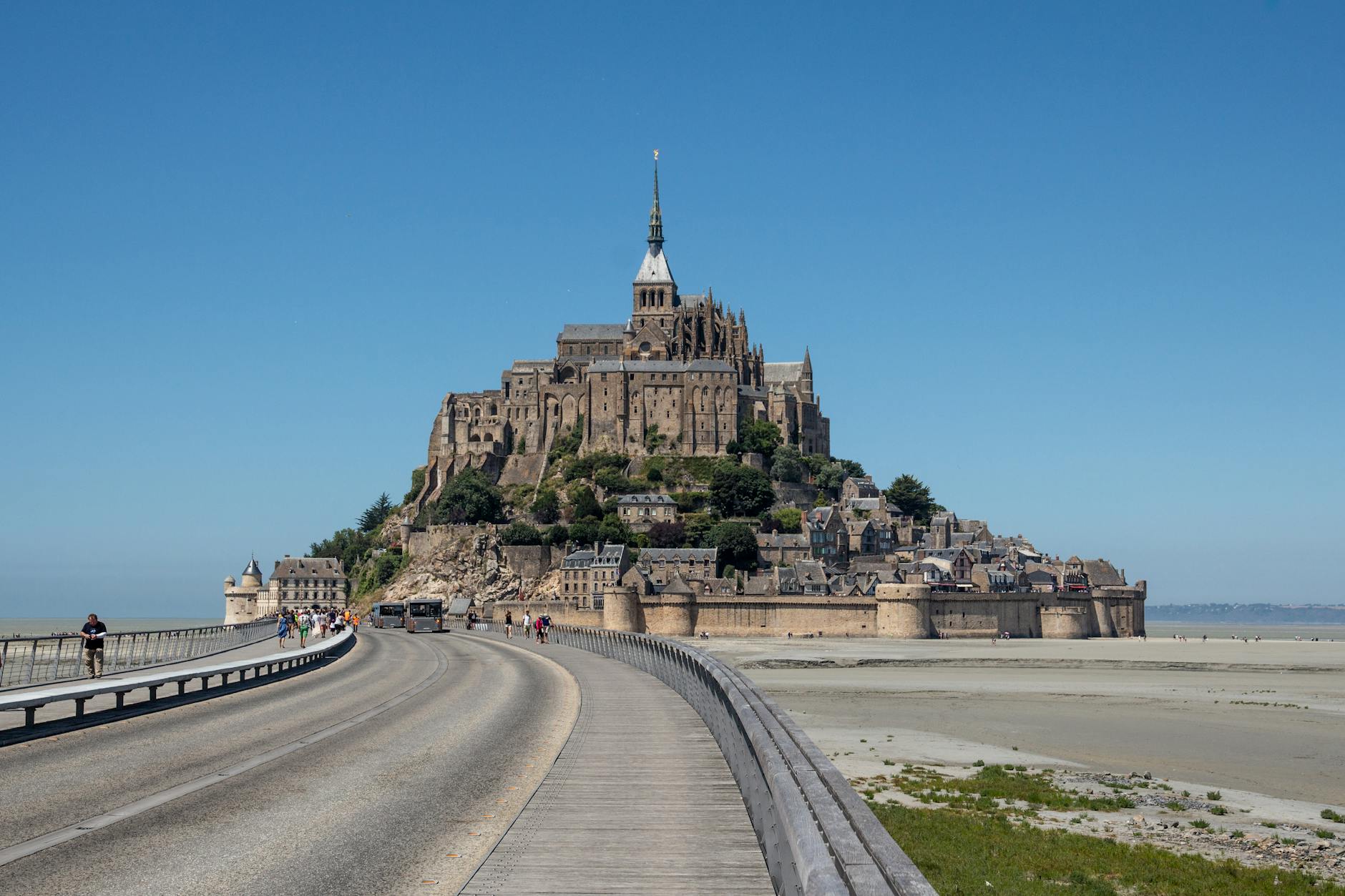
Set on a rocky tidal island about 360 kilometres from Paris, Mont Saint-Michel looks like it wandered out of a fantasy novel. You reach the Benedictine abbey at the summit, founded in the 8th century, by climbing through tight lanes past half-timbered houses and pocket-sized chapels, some 350 steps in all. From the top, the view over the vast tidal flats, where the sea can pull back as much as 15 kilometres, is genuinely staggering. On a day trip from Paris, the realistic options are a guided coach (around 4 hours each way, with 3 to 4 hours at the site) or a TGV to Rennes plus a connecting bus (roughly 3 hours 30 minutes total). The village and ramparts are free; abbey admission is around €11.
Normandy D-Day Beaches
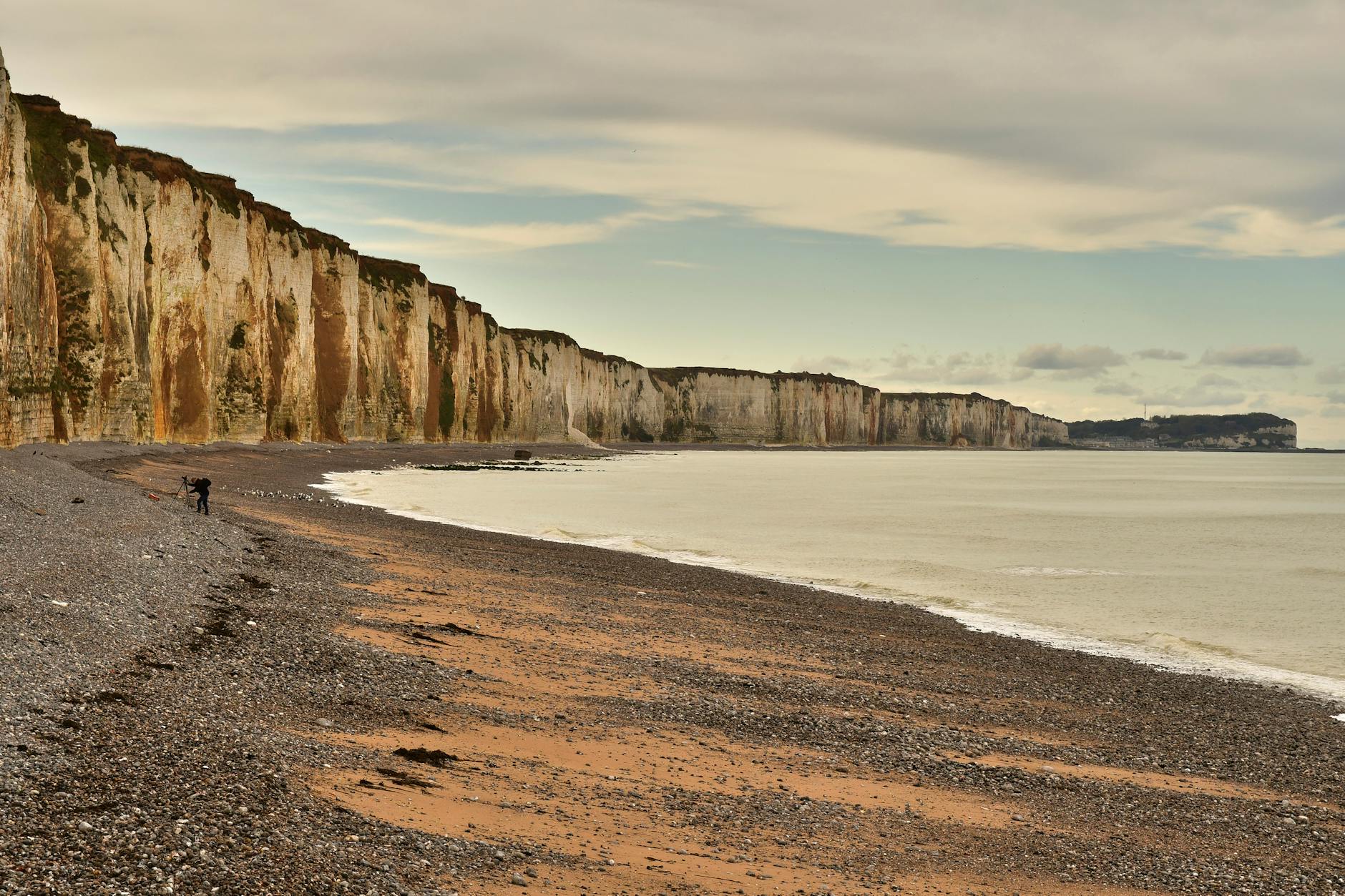
The D-Day beaches of 6 June 1944 run for more than 80 kilometres along the Normandy coast. A guided tour from Paris, a long day but a profound one, usually takes in Omaha Beach, the American Cemetery at Colleville-sur-Mer (where nearly 10,000 white crosses face the sea), Pointe du Hoc (the clifftop German fortification U.S. Rangers scaled under fire), and the remains of the Arromanches Artificial Harbour. Some itineraries add the Juno Beach Centre, dedicated to the Canadian forces, or the Overlord Museum. Stand on Omaha Beach, look up at the bluffs, and the courage the landings demanded stops being an abstraction. This is a full-day commitment, with departures around 7 AM and returns by 9 PM, but it stays with you.
Practical Tips for Normandy
For both Mont Saint-Michel and the D-Day beaches, take a guided tour. The distances are simply too big for comfortable public transport, and a good guide supplies the historical context that makes the sites land. Book well ahead for spring and summer. One firm rule: don’t try to cram Mont Saint-Michel and the D-Day beaches into a single day from Paris, that needs a multi-day trip. And the coast is windier and cooler than the city, so bring layers even in July.
Bruges, Belgium: A Cross-Border Day Trip
Yes, you can leave the country on a day trip from Paris, and Bruges is the most tempting reason to do it. This impeccably preserved medieval Flemish city, a UNESCO World Heritage Site, is famous for its canals, Gothic architecture, serious chocolate, Trappist beers, and a tempo that runs slower than the rest of the modern world. Take the high-speed train and you’ll be on Bruges’ cobblestones in about 2 hours and 30 minutes.
How to Get to Bruges from Paris
Take the Eurostar (formerly Thalys) from Paris Gare du Nord to Brussels-Midi (about 1 hour 22 minutes), then change to an IC (InterCity) train on to Bruges (about 1 hour). All in, the journey runs around 2 hours 30 minutes to 3 hours depending on your connection. Book early for the best fares: round trips average around €120 but can dip as low as €70 well in advance. Catch the earliest train you can, around 7 AM, to give yourself a real day in the city.
What to See in Bruges
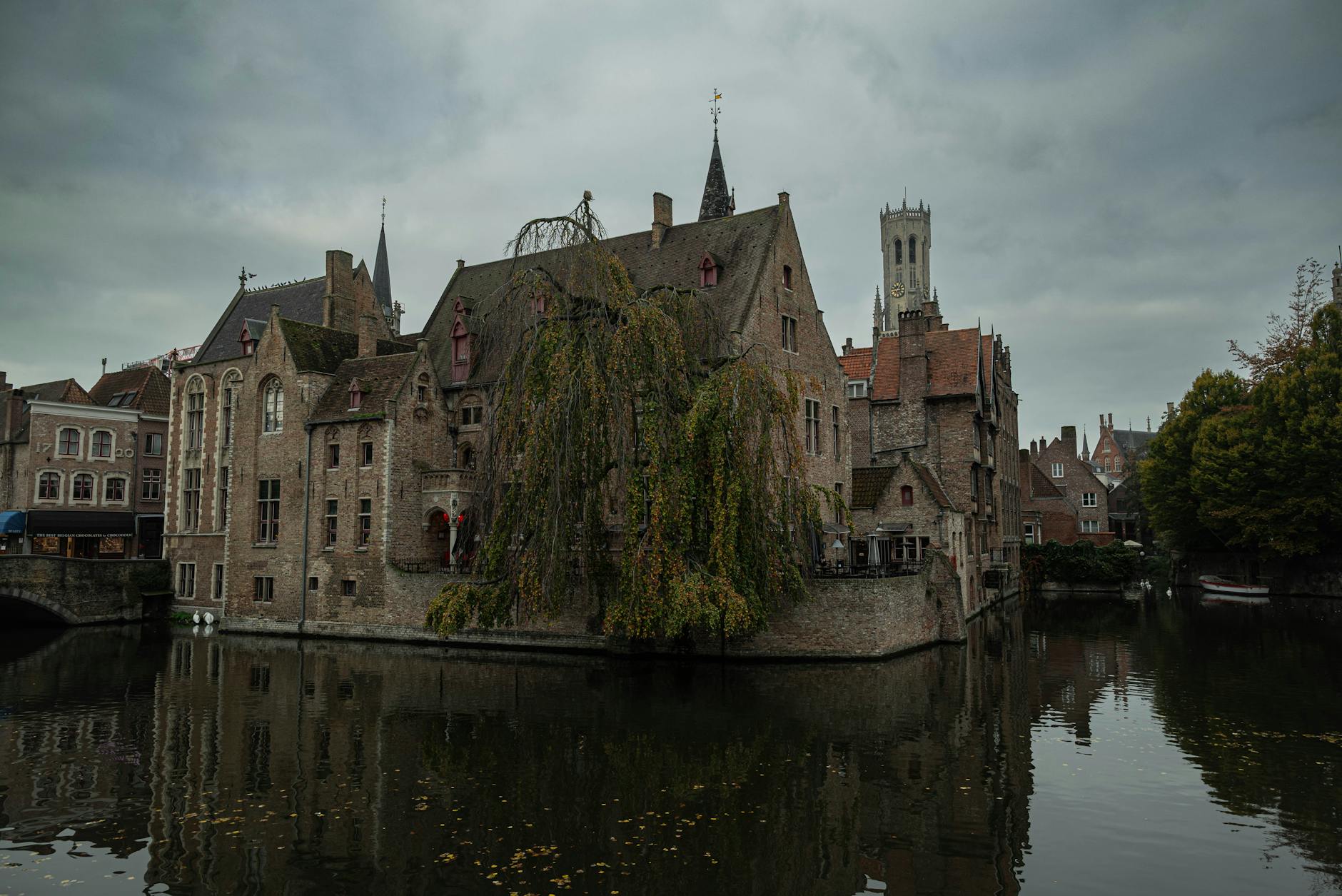
The Markt (Market Square) is where Bruges beats, ringed by colourful gabled guild houses and dominated by the 83-metre Belfry. Climb its 366 steps for the full panorama of tiled roofs and canals. A short walk away, Burg Square holds the ornate 14th-century Gothic City Hall and the Basilica of the Holy Blood, which is said to keep a relic of Christ’s blood. For the postcard shot, make for Rozenhoedkaai, where the canal curves beneath old stone facades. A canal boat tour (about 30 minutes, around €12) is the best way to find the hidden gardens and waterside walls you’d otherwise miss. Art lovers should head to the Groeningemuseum for Flemish Primitive masterpieces by Jan van Eyck and Hans Memling. Beer drinkers, the De Halve Maan Brewery runs tours and tastings of its Brugse Zot, and the chocolate shops and museums dotted around let you sample and learn about Belgium’s most famous export.
Practical Tips for Bruges
Six to eight hours is enough to hit the main sights, take a canal cruise, and eat well. The centre is compact and walkable, with every key attraction inside a 20-minute stroll. No need for currency swaps, by the way, Belgium uses the euro, same as France. Order the local plates: moules-frites (mussels and fries), Belgian waffles, and praline chocolates. Just plan the return with care, and make sure your last train from Brussels back to Paris leaves late enough for a relaxed evening departure.
More Day Trips from Paris Worth Considering
The headliners above aren’t the only game in town. A handful of other places make excellent day trips from Paris, depending on what you’re after.
Chantilly — A mere 25 minutes by train from Paris Gare du Nord, the Château de Chantilly holds the Musée Condé, with the largest collection of historic paintings in France after the Louvre. Throw in the magnificent stables, the living horse museum, and Le Nôtre’s immaculate gardens, and you’ve got a strong half-day or full day. Finish with a spoonful of the famous Chantilly cream, invented on the spot.
Vaux-le-Vicomte — This 17th-century château southeast of Paris is the one that inspired Versailles, and the story is almost too good. Its architect, landscape designer, and decorator were all poached by Louis XIV for Versailles after the king attended a notoriously extravagant party here and decided he wanted the same, only bigger. On summer evenings, the estate stages candlelight visits with 2,000 candles lighting the gardens.
Chartres — An hour by train from Gare Montparnasse, Chartres is home to one of the finest Gothic cathedrals anywhere. Its 12th- and 13th-century stained glass ranks among the high points of medieval craftsmanship. The old town, with half-timbered houses lining the River Eure, is made for an unhurried afternoon.
Disneyland Paris — Just 35 minutes by RER A from central Paris, Disneyland Paris is the obvious call for families. Two parks, Walt Disney Studios Park and Disneyland Park, fill a full day with rides, shows, and character meet-ups. Book online for the discounts and arrive at opening for the shortest queues.
Planning Your Day Trips from Paris: Essential Tips
Choosing the Right Day Trip
The right day trip from Paris comes down to your interests and how much travel time you’ll stomach. For a quick, easy escape, Versailles, Fontainebleau, and Auvers-sur-Oise all sit within an hour of the centre. Art and nature people, Giverny is unbeatable from April through October. History-minded travellers should put Provins and the D-Day beaches near the top. Food and wine lovers will lose whole days to Champagne and the Loire. And if you simply want a change of country, Bruges delivers.
Booking Trains and Tours
For trains, book through SNCF Connect for domestic routes or Eurostar for the high-speed run to Belgium. Booking early is where the savings live: TGV fares to Reims can drop to €15 weeks out. For guided tours, platforms like GetYourGuide and Viator pull together options from multiple operators, and the reviews are worth reading before you commit. Small-group minivan tours feel a lot more personal than big coaches, though you pay for the difference.
What to Pack
Comfortable walking shoes are not optional on any day trip from Paris. Bring layers even in summer, since the weather outside the city tends to run cooler and windier, especially along the Normandy coast. Pack a reusable water bottle, sunscreen, and a light rain jacket. For châteaux, gardens, and vineyards, a pair of binoculars adds more than you’d think. And carry a little cash for village shops and market stalls that still don’t take cards.
Making the Most of Your Time
Leave early. Almost every day trip from Paris rewards a head start: you beat the crowds, get more hours at the destination, and roll back into the city with enough left in the tank for dinner. On guided tours, double-check pickup times and spots the night before. Going independently, download offline maps and note your return train times before you set out, or you risk a long wait on a dark platform. And if you’re in Paris for a week or more, spread your day trips across the stay rather than stacking them. Slotting a day out between days spent in Paris’s diverse neighborhoods keeps the whole holiday from blurring together.
Plan Your Complete Paris Trip
Day trips are one slice of a great Paris holiday. Dig into our other guides to pin down the rest:
Plan a Trip to Paris — our complete planning guide covering budgets, timing, visas, and first-timer essentials.
Where to Stay in Paris — neighborhood-by-neighborhood accommodation guide.
Things to Do in Paris — the definitive list of activities and experiences.
Paris Attractions — every must-see landmark and hidden gem.
Paris Food Guide — where and what to eat in the culinary capital of the world.
Getting Around Paris — master the Métro, buses, and more.
Paris Neighborhoods Guide — discover the character of every arrondissement.
Paris Museums Guide — every museum worth visiting, from the Louvre to hidden gems.
Explore every day-trip guide
The in-depth guides in this section:
- Day Trip to Giverny from Paris
- Mont Saint-Michel
- Champagne Day Trip from Paris
- the Loire Valley chateaux
- Fontainebleau
- crossing into Belgium for the day
- Van Gogh’s Auvers-sur-Oise
- the medieval town of Provins
A day trip only really earns its place from four or five days upwards. Our 5 days in Paris itinerary gives one full day to whichever of these you choose, and keeps the day after it deliberately empty.
Two of these fit comfortably into a week, and two is the sensible maximum. Our 7-day Paris itinerary puts Versailles on day four and a second escape on day six, with a recovery day in between.
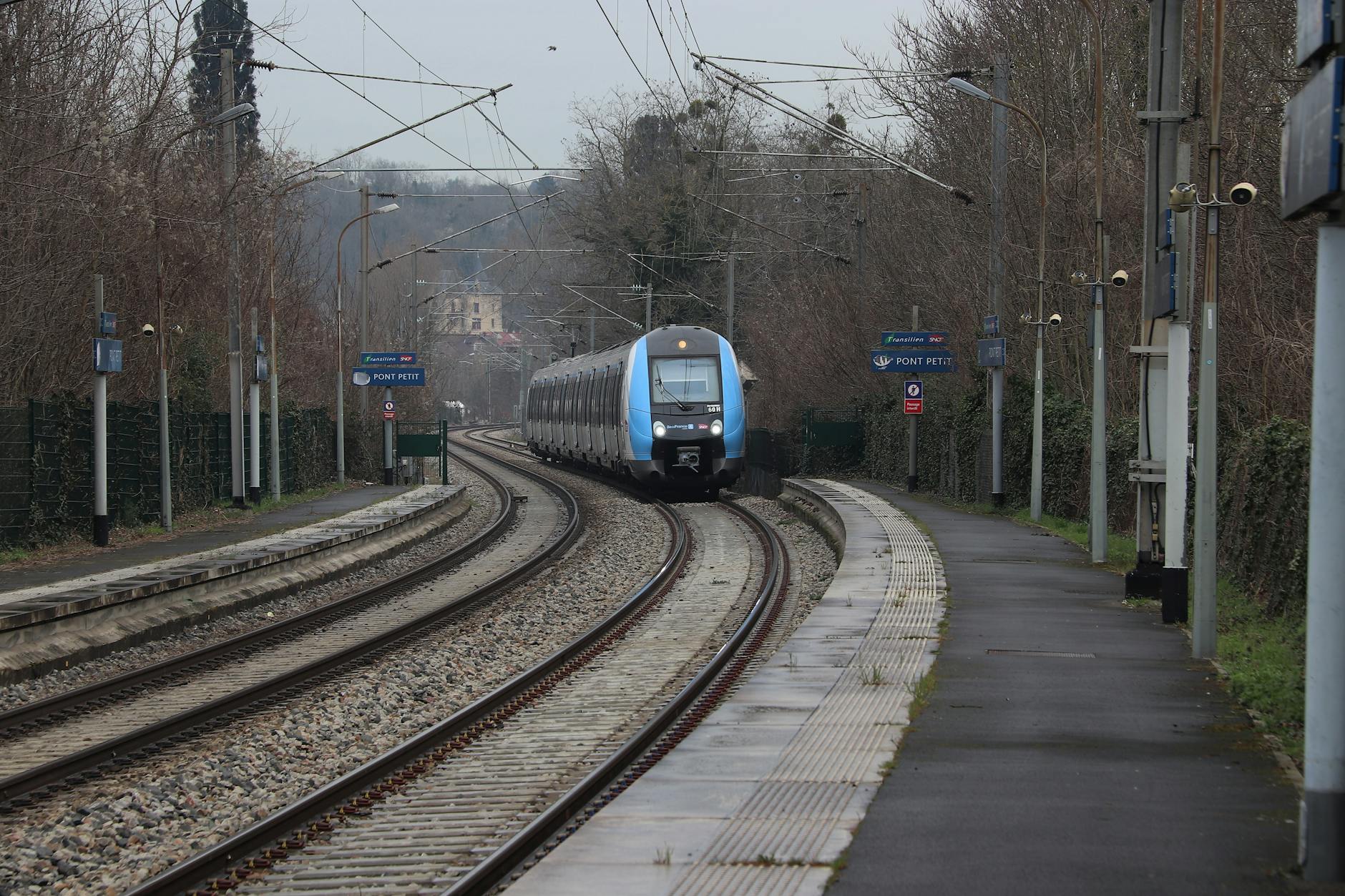
Most of these trips start with a train, and the one detail that trips people up is the station: Giverny and Rouen leave from Saint-Lazare, Reims and Provins from Gare de l’Est, Fontainebleau from Gare de Lyon and the Loire from Montparnasse. Our guide to trains from Paris explains the six stations, how to book and when a discount card pays for itself.
For a day trip with a proper city at the end of it, Lyon is only two hours away by TGV. Leave Gare de Lyon at breakfast time and you can walk the traboules of Vieux Lyon, ride the funicular up to Fourvière and sit down to quenelles in a bouchon by lunchtime. Our guide to the Paris to Lyon train covers the fares, the best station to arrive at and how to time the trip home.