Best Restaurants in Paris for Tourists: From Bistros to Michelin Stars
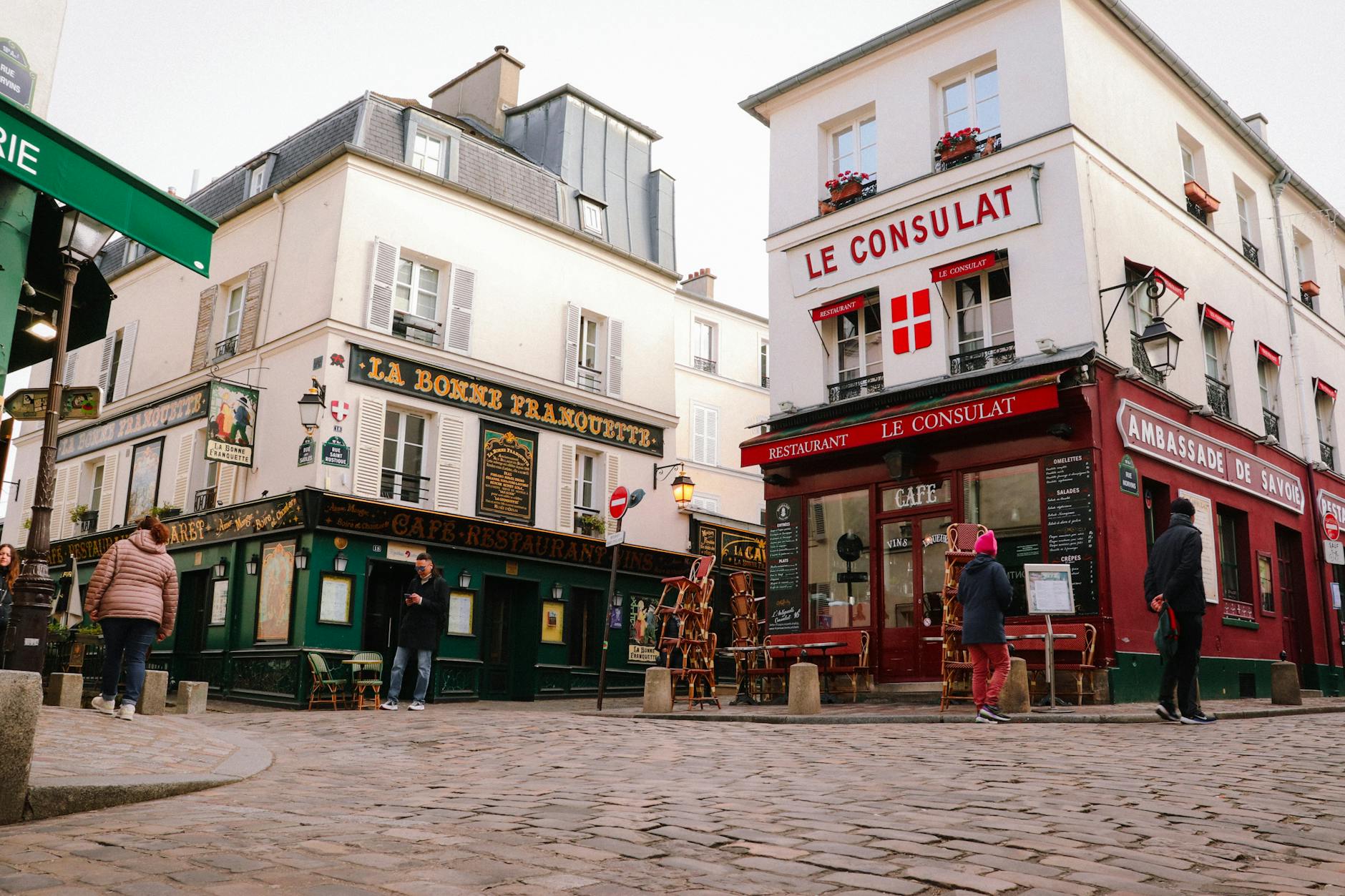
Picking the best restaurants in paris is harder than it has any right to be. The city holds more than 44,000 restaurants and the densest concentration of Michelin stars on the planet, over 140 of them across roughly 100 starred addresses, and yet tourists keep dropping €60 to €100 a head on watered-down Belle Époque imitations near the Eiffel Tower that locals quietly snicker at. The trouble isn’t a lack of good places. It’s signal versus noise. Wander in without a plan and you land in the photo-menu zone, paying triple for thawed escargots and microwaved boeuf bourguignon. Walk in with one, and the same trip serves up a €25 bouillon dinner that feels lifted from 1920s Paris, a €70 neo-bistro tasting locals line up for, and a once-in-a-lifetime three-Michelin-star lunch for less than the price of one dinner.
So this guide sorts Paris restaurants into clear tiers: €15-€25 bouillons, €25-€40 neo-bistros, €40-€80 contemporary, €130-€280 Michelin one-star, and €280-€450+ two- and three-star palace dining inside the Four Seasons, Le Bristol, Le Meurice, Cheval Blanc, and Plaza Athénée. Each tier comes with specific addresses, signature dishes, prices, dress codes, and reservation timelines. Some tables open 60 days out and vanish in minutes; others you simply queue for. For the wider picture on markets, cooking classes, and food tours, see our Paris restaurant guide.
| Tier | Price (per person) | Examples | Reservation |
|---|---|---|---|
| Bouillons | €15-€25 | Bouillon Pigalle, Chartier, Julien | None — queue 30-90 min |
| Neo-bistros | €25-€40 | Clâmato, L’Avant Comptoir | 1-7 days ahead |
| Contemporary | €40-€80 | Le Verre Volé, Le Servan | 1-4 weeks ahead |
| Michelin one-star | €130-€280 | Yam’Tcha, Pertinence, Septime | 60-90 days ahead |
| Michelin 2-3 star / palace | €280-€450+ | Le Cinq, Plénitude, L’Arpège | 2-6 months ahead |
How to Eat in Paris Without Tourist-Trap Mistakes
Paris has mastered a particular con: looking authentic while plating frozen, reheated food at three-star prices. The traps cluster in the same predictable spots every year, the Eiffel Tower base, Trocadéro, Rue de Rivoli outside the Louvre, the Champs-Élysées, and the upper stretch of Rue Mouffetard. Places like these live off first-time visitors who will never come back, which kills the single most useful quality signal a restaurant can have: regulars.
Know the red flags. A menu translated into five or more languages. A tout on the sidewalk waving printed photos of the dishes (real restaurants never do this). Photo menus. An English menu pushed at you before you’ve asked for anything. And any restaurant facing a major monument head-on, which is almost guaranteed to be overpriced and underwhelming.
The good signs are just as reliable. A handwritten chalkboard that changes by the day. French as the default language. Recent Instagram and Google reviews that name the actual chef. And a reservation requirement, because the best Paris restaurants at every price point are full, and full means you book ahead.
Pricing is the other tell, and it’s remarkably consistent. Bouillons run €15-€25 for three courses; neo-bistros €25-€40; contemporary €40-€80; Michelin one-stars €130-€280; two- and three-star palace tastings €280-€450+. Anything that feels off, €28 for an onion soup, €38 for steak-frites, is a tourist trap announcing itself. Trust the tiers.
The Bouillons: Best Cheap Eats in Paris
A bouillon is a working-class French restaurant format that the Paris butcher Pierre-Louis Duval invented back in 1855. The model nearly died off in the late 20th century, then came roaring back from 2017 on. The pitch is simple and unbeatable: a full three-course meal, entrée, plat, dessert, plus wine, for €15-€25 a head, in Belle Époque or Art Nouveau rooms. Most don’t take reservations, and lines of 30 to 90 minutes between 7pm and 9pm are just part of the deal.
Bouillon Pigalle (22 Boulevard de Clichy, 18th) is the cult favorite of the new wave. It opened in 2017, runs two floors and roughly 300 seats, and the queue snakes down the boulevard at peak hours. The classics: oeuf mayo at €1.90, bœuf bourguignon at €12.50, profiteroles at €5.20. A full three-course dinner with wine lands around €25 per person. Go at 6pm, 9:30pm, or for weekday lunch and you’ll dodge the worst of the line.
Bouillon République (39 Boulevard du Temple, 3rd) opened in 2020 from the same owners as Pigalle. The menu and pricing are nearly identical, but it’s far less Instagrammed and the queue often runs half as long. If you’ve already ticked off Pigalle, République is the smarter second visit.
Bouillon Chartier (7 Rue du Faubourg Montmartre, 9th) is the original survivor. Open since 1896 and classified as a historic monument, the 1,000-seat hall still seats strangers shoulder to shoulder at long tables and still scrawls your bill on the paper tablecloth. Queues run 30 to 90 minutes. Order the pot-au-feu, the snails, or the boeuf gros sel. No reservations, but the kitchen serves continuously, so a 3pm lunch with no queue at all is entirely doable.
Bouillon Saint-Michel (6th) is a newer Left Bank entry from the Bouillon Pigalle group, same pricing and the same menu blueprint, handy if you’re staying in Saint-Germain and would rather not cross the Seine. Bouillon Julien (16 Rue du Faubourg Saint-Denis, 10th) plays in a different architectural league. The original 1906 Art Nouveau interior is so spectacular that the room alone justifies the €30-€35 per person tab, which runs a touch above the usual bouillon range. For completists, two honorable mentions: Bouillon Camille Chartier (sister to Chartier) and Bouillon des Halles, both serving the same template at the same prices.
One caveat: bouillons are loud and communal, not intimate. They’re perfect for a first night, solo travelers, or families, and wrong for a romantic anniversary. For that, jump down to the brasserie or neo-bistro sections.
The Neo-Bistros: €25-€50 Where Locals Eat
The neo-bistro movement is the most important thing to happen to Paris dining this century. It started in the early 2000s when Michelin-trained chefs began walking away from the formality to open small, casual rooms with short daily menus. This is where the food writers, the off-duty chefs, and the clued-in locals actually eat. Reckon on €25-€50 for lunch and €40-€80 for dinner with wine.
Septime (80 Rue de Charonne, 11th), opened by Bertrand Grebaut in 2011, ranks 24th in The World’s 50 Best Restaurants 2024 and holds one Michelin star, yet the lunch tasting is €70 and dinner sits around €120. Reservations open 60 days ahead at midnight Paris time and disappear in minutes. Set a calendar reminder and refresh at 00:00:00, not a second later.
If Septime is full, and it will be, head straight next door. Clâmato, the seafood-focused sister bar Grebaut runs immediately beside it, is the single most useful fallback in the city. Walk-in only, doors at noon and 7pm, share plates of oysters, sea urchin, raw fish, and small hot dishes at €8-€25 each. It gets you within striking distance of the Septime experience for €40-€60 per person. Turn up 15 minutes before opening and you’ll get a seat.
Le 110 de Taillevent (8th) pours 110 wines by the glass against a bistro menu; €60-€100. Le Verre Volé (67 Rue de Lancry, 10th) is a Canal Saint-Martin natural-wine bar with a tight bistro menu; €40-€60; reservations advised. Frenchie (Rue du Nil, 2nd), Gregory Marchand’s flagship, runs a dinner tasting around €120, with the Frenchie Bar à Vins as the walk-in escape hatch.
L’Avant Comptoir (Carrefour de l’Odéon, Saint-Germain) is Yves Camdeborde’s standing-room-only tapas-and-wine bar, the menus printed on the ceiling above your head; €30-€50 per person, no reservations, ideal for a solo or two-person walk-in. Next door, Le Comptoir du Relais, Camdeborde’s flagship, is so notoriously hard to book that you should reserve one to two months ahead for dinner. The cafeteria-style lunch is walk-in only and far easier.
Le Servan (32 Rue Saint-Maur, 11th), run by sisters Tatiana and Katia Levha, is one of the best-loved neo-bistros in the east: modern French with Asian touches, tasting menu around €70. Aux Lyonnais (32 Rue Saint-Marc, 2nd) is Alain Ducasse’s Lyonnais bouchon, the rustic counterweight to his palace restaurants; €55-€80. Réservé pour les Amis in the 11th puts out a tight Korean-French tasting in an intimate room for under €80, and it’s one of the most original tables east of the Bastille.
The Classic Brasseries: Where Hemingway Ate
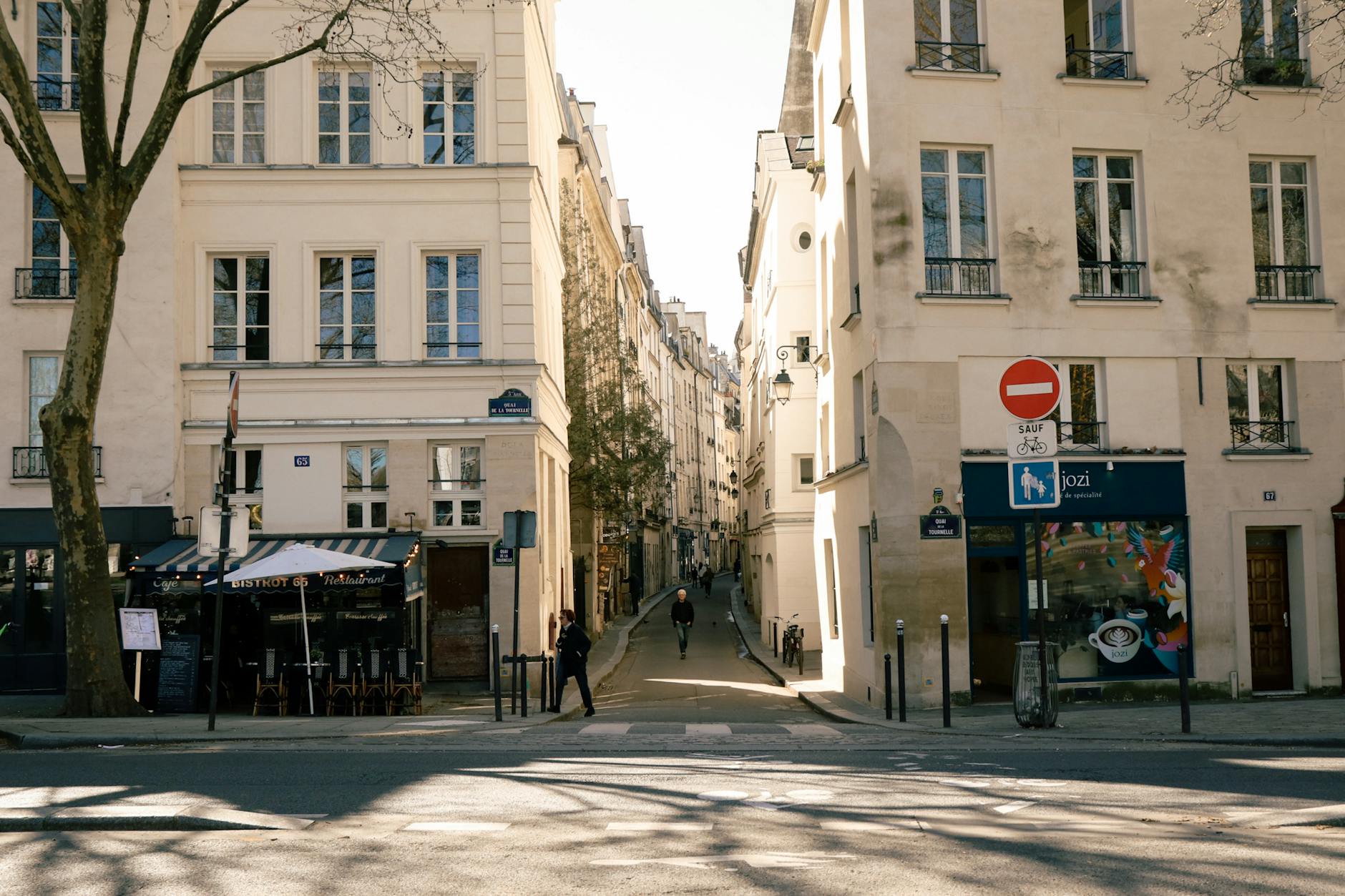
The grand brasseries are where Paris does dining as theater: Art Nouveau or Art Deco rooms, white-jacketed waiters, oyster towers, choucroute, sole meunière. The cooking is competent more than brilliant, but the rooms have no equal, and you’re sitting where Hemingway, Sartre, and de Beauvoir sat. Budget €40-€80 per person, and reserve on weekends.
Brasserie Lipp (151 Boulevard Saint-Germain, 6th) has been the Saint-Germain power-lunch institution since 1880. Alsatian classics rule: choucroute garnie, baeckeoffe, jarret de porc. €40-€80 per person. The unwritten rule here is that locals get the ground floor while tourists are gently nudged upstairs. Want the real room? Dress well, speak a little French, and reserve ahead.
Brasserie Bofinger (5-7 Rue de la Bastille, 4th), opened in 1864, is the oldest Art Nouveau brasserie in Paris and a serious seafood specialist. That stained-glass coupole over the ground floor is the shot everyone takes. Order the seafood platter or a dozen oysters, then sole meunière or choucroute de la mer; €40-€80 per person.
Le Train Bleu, up inside the Gare de Lyon, opened in 1901 for the Universal Exposition and remains the most jaw-dropping station restaurant anywhere: 41 painted frescoes, a gilded ceiling, leather banquettes. Lunch is a €65 prix-fixe; dinner runs €100 and up. Even with no train to catch, it’s worth ducking in for lunch on a rainy day.
La Coupole (102 Boulevard du Montparnasse, 14th) opened in 1927 as a 600-seat Art Deco temple to the Roaring Twenties; the 32 painted columns came from Montparnasse-era artists who settled their meal tabs with murals. It’s famous for the lamb curry (a 1927 invention still on the menu) and the crevettes. Brasserie Wepler (Place de Clichy, 18th), open since 1892, is the right bank’s seafood-platter destination, with lobster and a 30-oyster tower that locals book for birthdays.
La Closerie des Lilas (171 Boulevard du Montparnasse, 6th), open since 1847, is the literal table where Hemingway wrote large stretches of The Sun Also Rises; brass plaques mark his seat and those of other writers. €70-€100 per person, less on the bar/brasserie side, more in the restaurant. Le Procope (13 Rue de l’Ancienne Comédie, 6th) is the oldest café in Paris, open since 1686; Voltaire, Rousseau, Diderot, Robespierre, and Napoleon all ate here. The food is unremarkable. The history is overwhelming.
Modern French One-Michelin-Star Picks
The one-star tier is where Paris turns into a city of serious cooking. Dinner tasting menus run €130-€280 per person, with cheaper lunches (€70-€120) that let you taste what the kitchen can do without a four-figure bill. Reservations open 60 to 90 days ahead, and the best tables go within minutes.
Pertinence (29 Rue de l’Exposition, 7th) is chef Ryunosuke Naito’s 24-seat room behind the Eiffel Tower, where a French-Japanese sensibility produces an €185 tasting that’s among the most thoughtful in the city; book a month out. Yam’Tcha (121 Rue Saint-Honoré, 1st) is Adeline Grattard’s French-Chinese hybrid, with tea pairings in place of wine; tasting €120-€185; book six to eight weeks ahead.
L’Astrance (32 Rue de Longchamp, 16th), Pascal Barbot’s long-running restaurant now reopened in larger quarters, is back to its signature blind tasting at €230-€280. Septime (covered above) is the neo-bistro that picked up a star without touching its prices: lunch €70, dinner €120. Le Grand Véfour in the Palais-Royal arcades reopened in 2024 under chef Stéphanie Le Quellec with a tasting menu around €240; the dining room, gilded and mirrored and untouched since the 18th century, is arguably the most romantic in Paris.
Step up to two and three stars and the cast changes: Le Cinq at the Four Seasons George V (Christian Le Squer, three stars), Restaurant Le Meurice Alain Ducasse (Amaury Bouhours, two stars), Le Pré Catelan (Frédéric Anton, three stars), Plénitude at Cheval Blanc (Arnaud Donckele, three stars), and L’Arpège (Alain Passard, three stars, vegetable-forward since 2001). Pricing and reservation detail are in the palace section just below.
Gastronomic / Palace Dining: When You Want to Splurge
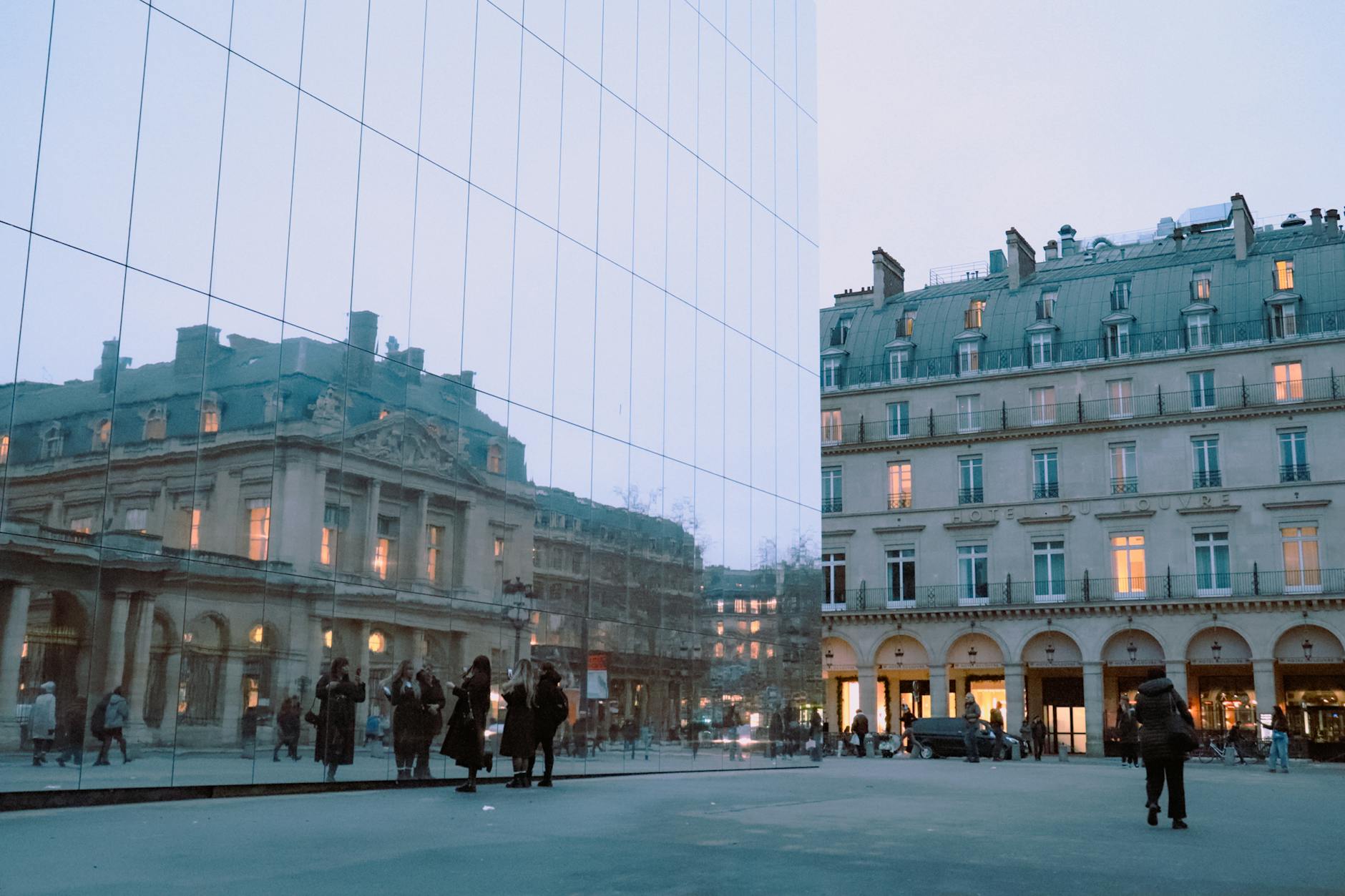
Paris is the global capital of “palace” dining, the tasting-menu restaurants tucked inside the city’s eight classified Palace hotels. Reckon on €280-€450+ for the full tasting, with lunch running about half. The service is choreographed to a level you won’t find anywhere else, and the rooms are spectacular even by Parisian standards.
Le Cinq at the Four Seasons George V is the most internationally celebrated three-star room in Paris. Chef Christian Le Squer cooks a precise, marine-leaning French cuisine, and the Jeff Leatham floral installations, swapped out weekly, are a show in themselves. Tasting €450; lunch €170 (a relative steal). Plénitude at Cheval Blanc Paris on the Pont-Neuf earned three stars in 2022, the fastest three-star ever awarded in the city, under chef Arnaud Donckele; tasting €395, with a private terrace facing Notre-Dame.
Le Pré Catelan, in a 19th-century pavilion deep inside the Bois de Boulogne, is Frédéric Anton’s three-star country-in-the-city dining room (€420 tasting), at its best in spring and summer when the gardens are in full bloom. L’Arpège (84 Rue de Varenne, 7th) is Alain Passard’s philosophy lab: three stars, vegetable-forward since 2001, the tasting €420-€540 depending on truffle and seasonal supplements.
Epicure at Le Bristol Paris is the three-star hidden inside one of the most discreet palace hotels; chef Arnaud Faye took over the kitchen in 2024 and is widely expected to hold the three stars. Tasting €430. Sur Mesure par Thierry Marx at Mandarin Oriental holds two stars; tasting €330 in a striking white-on-white minimalist room. Jean Imbert au Plaza Athénée took the gastronomic restaurant over from Alain Ducasse in 2021 with a more classical French menu; tasting €330.
Reservations: book two to six months ahead through the hotel website, since third-party platforms rarely show palace inventory. Tipping: 12-15% service is included by law; rounding up is appreciated, not required. Dress code: smart casual at most, jacket required at Le Cinq. Our guide to luxury hotels in Paris covers matched accommodation.
Brasseries with Live Music or Special Atmosphere
Not every memorable Paris evening revolves around the kitchen. Some of the best play out at palace-hotel cocktail bars and century-old late-night brasseries.
Bar Hemingway at the Ritz Paris, run for 30 years by master bartender Colin Field (now retired, though his disciples still mix), is the city’s legendary literary bar; expect €25-€35 for a cocktail in a room paneled with Hemingway memorabilia. Bar 8 at Mandarin Oriental, designed by Patrick Jouin, is the contemporary minimalist counterweight. Le Bar Botaniste at the Shangri-La leans into botanical, herb-driven cocktails in an Art Deco room.
Bar 228 at Le Meurice is a Philippe Starck refresh of a classic wood-paneled palace bar, with live jazz most nights from around 8pm, one of the best cheap ways to set foot inside a palace hotel. Café Marly, under the Louvre arcades with a clear view of the Pyramid, is the move for a drink before or after the museum. Café Charlot is the Marais corner café for an aperitif. And Au Pied de Cochon, near Les Halles, has run 24 hours a day, seven days a week since 1947, plating onion soup, oysters, and pig’s trotters at 4am. For more nightlife, see our things to do in Paris at night guide.
By Neighborhood: Where to Eat in Each Arrondissement
Paris is compact. The inner 11 arrondissements fit comfortably inside a circle six kilometers across. But each district keeps its own food culture, so here’s the working shortlist by area. For background on each, see the Paris neighborhoods guide.
1st & 2nd Arrondissements (Louvre, Opéra)
The historic core. Le Grand Véfour in the Palais-Royal arcades for the most romantic 18th-century dining room in the city. Yam’Tcha on Rue Saint-Honoré for Adeline Grattard’s French-Chinese tasting with tea pairings. Frenchie in the Rue du Nil pocket. Verjus off the Palais-Royal for American-run modern French.
3rd & 4th Arrondissements (Marais)
Café Charlot for the corner-café experience. L’Ambroisie on Place des Vosges, the only three-Michelin-star restaurant in the historic Marais, chef Bernard Pacaud, tasting €420, often called the most classical of the Paris three-stars. Le Petit Cler and the falafel counters of Rue des Rosiers for the budget end.
5th Arrondissement (Latin Quarter)
The Mosquée de Paris tea room is the sleeper pick: courtyard mint tea and Moroccan pastries at €6 per person, inside the Great Mosque. La Rose de France on Place Dauphine for an old-school neighborhood bistro. Steer clear of the tourist-trap stretch of Rue Mouffetard above the market.
6th Arrondissement (Saint-Germain)
The literary heart. Le Procope (oldest café in Paris, since 1686). Brasserie Lipp for choucroute. Les Deux Magots and Café de Flore for the Sartre/de Beauvoir café ritual: €7 espressos, but a singular Parisian one. Le Comptoir du Relais for Camdeborde’s neo-bistro; L’Avant Comptoir next door for the walk-in tapas version.
7th Arrondissement (Eiffel, Invalides)
L’Arpège (Alain Passard, three stars). Le Jules Verne inside the Eiffel Tower for the €240 lunch with a view (Frédéric Anton again). Madame Brasserie on the tower’s first floor for a more accessible €100 prix-fixe lunch. Pertinence for one of the most thoughtful one-stars going.
8th Arrondissement (Champs-Élysées)
Palace-hotel central. Le Cinq at the Four Seasons George V (three stars). Epicure at Le Bristol (three stars). Jean Imbert at Plaza Athénée (gastronomic, €330). Skip the restaurants on the Champs-Élysées itself; the side streets are where the real cooking hides.
9th Arrondissement (Opéra, SoPi)
Bouillon heaven. Bouillon Chartier on Faubourg Montmartre (the original, since 1896). Bouillon Julien on Faubourg Saint-Denis (just over the line into the 10th, technically). Pink Mamma for the four-floor trattoria with a glass-roofed top floor, queue-only but worth it for groups.
10th Arrondissement (Canal Saint-Martin)
The natural-wine and canal-side district. Le Verre Volé on Rue de Lancry. Du Pain et des Idées for arguably the best escargot pastry and pain des amis in Paris (bakery, takeaway). Hôtel du Nord for the historic canal-side café-restaurant immortalized in the 1938 film.
11th Arrondissement (Bastille, Oberkampf)
The single best arrondissement for neo-bistro density. Septime (Rue de Charonne). Clâmato next door. Le Servan. Réservé pour les Amis. Bouillon République just over the line. A 600-meter walking loop east of Bastille puts four of the best modern restaurants in Paris within reach.
18th Arrondissement (Montmartre)
Le Coq Rico on Rue Lepic for chef Antoine Westermann’s entire-bird-only menu. Bouillon Pigalle at the foot of the butte. Pink Mamma on the south slope. La Boîte aux Lettres for the hidden neighborhood bistro.
Reservations: How to Get a Table
Booking a table in Paris is a sport with its own rules. TheFork (formerly LaFourchette) is the dominant French platform, covers most mid-range restaurants, and regularly knocks 20-50% off partner restaurants during slower service slots; it’s the single best app to install for casual dining. OpenTable is the international standard, more useful for the Michelin tier and for restaurants inside palace hotels.
For high-end and palace dining, book through the restaurant’s own website. You’ll find more inventory, more menu options, and better seating. Phone still works; if your French is shaky, ask the hotel concierge to call for you. WhatsApp has become the default at many smaller neo-bistros, so check the Instagram bio for a number.
The timelines that matter: Septime, Frenchie, Yam’Tcha open at midnight Paris time 60 days ahead and sell out in minutes. Michelin three-stars (Le Cinq, Plénitude, Le Pré Catelan, Epicure, L’Arpège, L’Ambroisie) need two to six months. Le Train Bleu wants one to two weeks for lunch. Bouillons don’t take reservations at all, so queue 30 to 90 minutes.
Cancellation policies have tightened up lately. Most reservations now carry a no-show fee, €30-€50 per person at the mid-range and €100-€200 per person at the high end, charged to the card you booked with. Double-confirm 24 hours ahead, either by replying to the SMS or by email. And drop-ins are still possible even at famous addresses: Café Charlot, Café de Flore, and Brasserie Lipp can often seat a pair at the bar, while L’Avant Comptoir and Clâmato are walk-in only by design.
Tipping & Etiquette at Paris Restaurants
Service is included by law on every restaurant bill in France, roughly 12-15% built straight into the menu prices. The line “service compris” at the foot of the menu confirms it. American-style tipping, then, simply isn’t expected. Tipping is optional: rounding up to the next euro, leaving the coin change, or adding 5-10% in cash for exceptional service is appreciated but never required. Cash is preferred for any extra, because many restaurants funnel card tips through payroll, where they get taxed.
A quick etiquette checklist. Order tap water: ask for “une carafe d’eau” (free); bottled runs €5-€12. Don’t split bills at fine dining; pay one and settle up later. Don’t flag waiters aggressively; catch an eye and lift a hand. For the wine list, ask the sommelier for a recommendation in your budget. Silence your phone, and don’t shoot Michelin food photos without asking first. Dress code is smart casual, with a jacket required at Le Cinq.
Vegetarian, Vegan, Gluten-Free, Kosher, Halal in Paris
Paris has caught up fast on dietary needs after years of being notoriously meat-first. The vegan scene now runs deep. Le Potager du Marais is the long-running 100% vegan Marais favorite. Aujourd’hui Demain in the 11th pairs a vegan grocery with a full café. 42 Degrees Raw Food in the 12th is the raw-vegan reference. Tien Hiang in the Marais runs a vegan Chinese kitchen. At the top end, L’Arpège is the vegetable-forward three-Michelin-star option, with a full meat-free tasting on request.
Gluten-free: Helmut Newcake (9th) is the dedicated gluten-free bakery, and Noglu (9th) does gluten-free pasta and pastries. Many neo-bistros will accommodate with notice. Kosher: the Pletzl district around Rue des Rosiers in the Marais has been the historic Jewish quarter for centuries, with kosher delis, restaurants, and bakeries clustered together. Halal: the Mosquée de Paris restaurant in the 5th serves Maghreb classics (tagines, couscous) in a courtyard, and halal Maghreb restaurants concentrate in the 10th, 18th, and 20th arrondissements. For a deeper dive into Paris markets, food halls, and dietary specialty stores, see the parent Paris food guide.
Frequently Asked Questions
What are the best restaurants in Paris for tourists?
For a first visit, the working shortlist is one bouillon (Bouillon Pigalle or Chartier), one classic brasserie (Bofinger or Le Train Bleu), one neo-bistro (Clâmato or Le Servan), and, if the budget stretches, one Michelin meal (the €170 Le Cinq lunch or the €70 Septime lunch). That four-meal arc covers the entire price and style spectrum of modern Paris dining for under €400 per person all in.
How much does an average dinner in Paris cost?
A casual neo-bistro dinner with a glass of wine runs €35-€55 per person. A classic brasserie dinner runs €50-€80. A bouillon three-course dinner with wine is €20-€30. A Michelin one-star tasting is €130-€280. Palace three-star tasting menus run €395-€450+. Lunch is reliably 30-50% cheaper than dinner at the same restaurant.
Do you tip at restaurants in Paris?
Service is included by law in all French restaurant bills, so tipping is genuinely optional. Locals round up to the next euro or leave the coin change. For exceptional service, an extra 5-10% in cash is generous and welcome, but nobody will chase you down for skipping it. Don’t feel obliged to tack on an American-style 18-20%.
What is a bouillon restaurant?
A bouillon is a working-class French restaurant format invented in 1855, serving traditional three-course meals (entrée, plat, dessert) for €15-€25 per person, often in spectacular Belle Époque or Art Nouveau rooms. The format collapsed in the late 20th century and was revived starting with Bouillon Pigalle in 2017. There are now around eight major bouillons in Paris, all with similar pricing and menus.
How do you make reservations at Paris restaurants?
Use TheFork for mid-range (with frequent discounts), OpenTable for Michelin and palace dining, the restaurant’s own website for high-end and palace inventory, and WhatsApp or phone for smaller neo-bistros. Septime, Frenchie, and Yam’Tcha open exactly 60 days ahead and sell out within minutes. Three-Michelin-star palace restaurants need two to six months of lead time.
Are there Michelin restaurants in Paris under €100?
Yes. The lunch tasting at Septime is €70 and one star, the lunch at Yam’Tcha is around €90 and one star, and the Le Cinq lunch (three stars) is €170, which is in the same conversation. Lunch menus at one-Michelin-star restaurants frequently land at half to a third of the dinner price. They’re the smart way to taste starred cooking on a tighter budget.
When do Paris restaurants serve dinner?
Most Paris restaurants serve lunch from noon to 2:30pm and dinner from 7:30pm to 10:30pm, with an afternoon kitchen break when nothing’s open but cafes and brasseries. 8pm to 9pm is the peak dinner slot; booking earlier (7pm or 7:30pm) is far easier and lands you the better tables. Brasseries serve continuously, and bouillons typically run nonstop from noon to around midnight.
Are most Paris restaurants closed on Sundays?
Many of the best neo-bistros (Septime, Le Servan, Le Comptoir du Relais) close Sunday and Monday, the standard French restaurant weekend. Bouillons, brasseries, and palace-hotel restaurants are almost all open seven days a week. Planning a Sunday or Monday dinner? Check the hours specifically, and default to a brasserie or bouillon for a safe bet.
Plan Your Paris Trip
Pair this guide with our guide to what to do in Paris itinerary, neighborhood routes in Paris walking tours, and family options in Paris with kids. Budget travelers, head to Paris on a budget; couples planning Michelin dinners, see romantic Paris. For the full food universe, the markets, classes, tours, and patisseries, circle back to the parent Paris food guide.
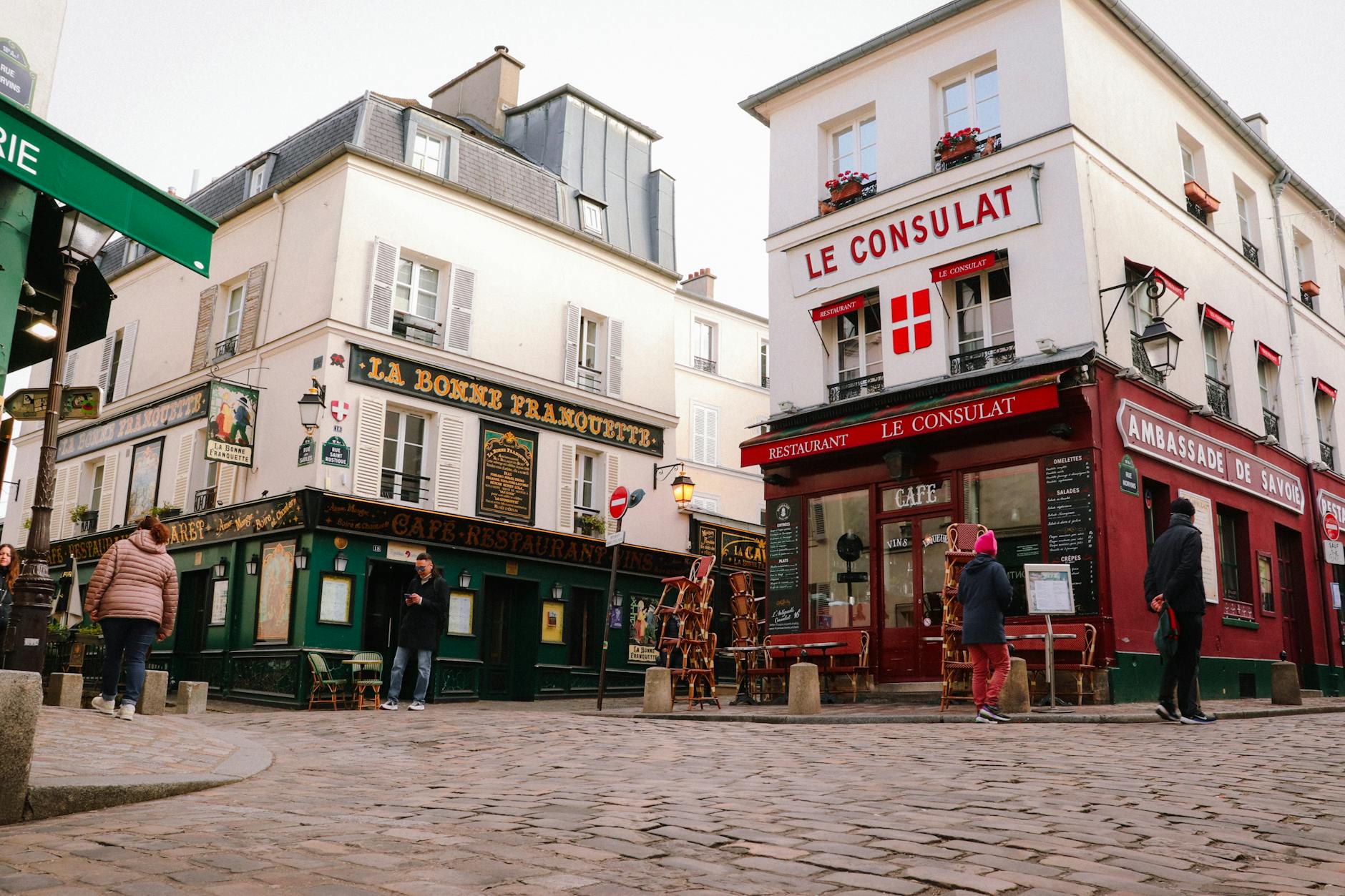
Worth knowing before you sit down at any of these: in a café you choose your own table, in a restaurant you wait to be shown one, the bill will not arrive until you ask for it, and the waiter who leaves you alone for forty minutes is being polite rather than neglectful. Our guide to Paris etiquette covers the rest of the dining conventions.
Related Paris guides
Use these to round out your trip: