Paris Food Markets: Complete Guide to the City’s Best Markets
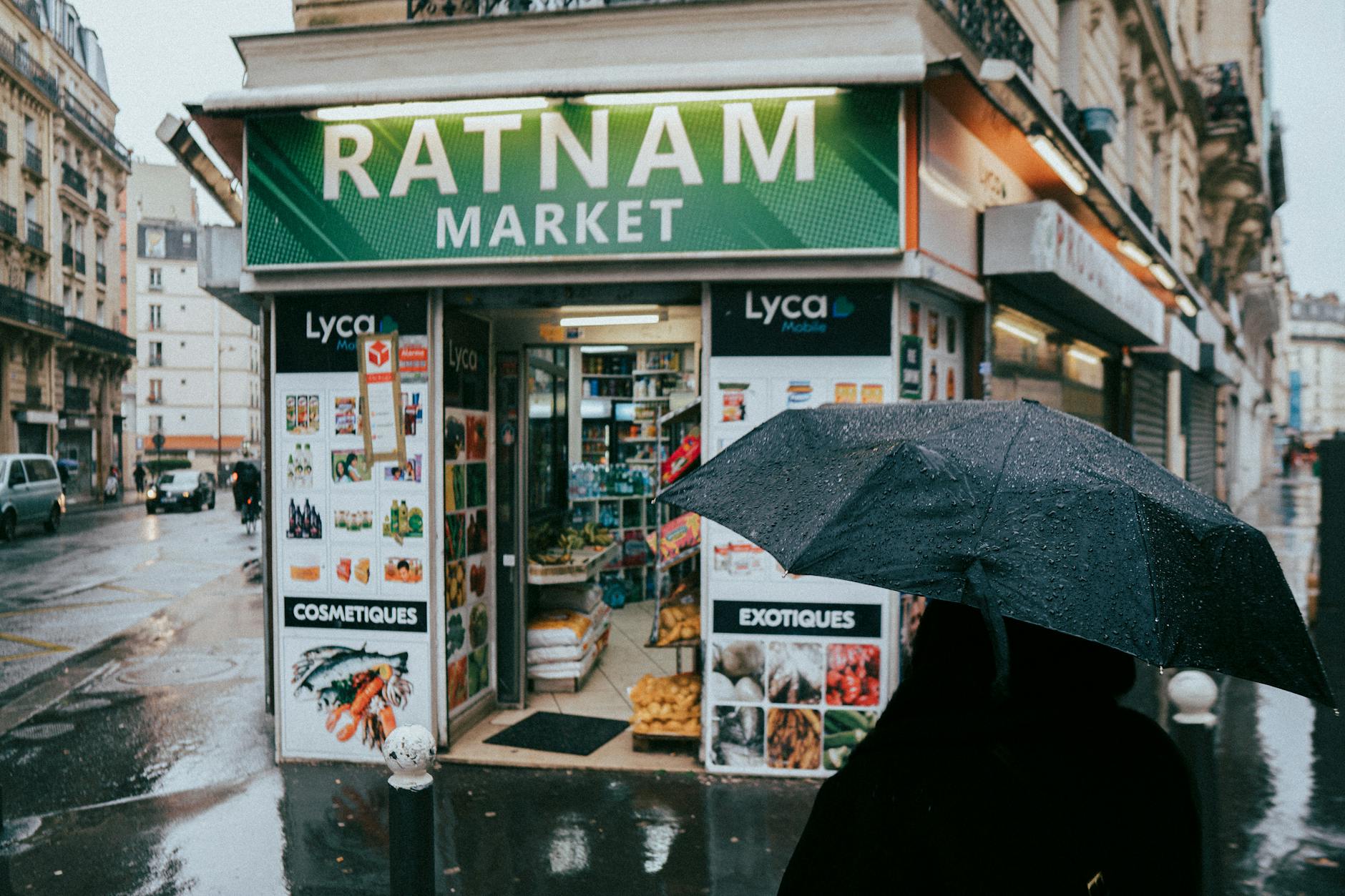
Count them up and Paris has around 70 official markets: roughly 13 covered halls (marché couvert), 7 organic-only (marché bio), and 50-plus open-air affairs that colonise their host streets two or three mornings a week. If you want to understand how Parisians actually eat, skip the food museum and go to a market. The paris food markets are where chefs, retirees, and somebody’s grandmother all buy the same tomatoes, oysters, and Sunday roast chicken, often from the same vendor. This guide hits the headliners (Marche d’Aligre, Marche des Enfants Rouges, Marche Bastille, Marche Président-Wilson), the Belle Epoque covered halls, the flea-meets-food oddities, the Sunday-Monday rhythm that trips up every first-timer, and the practical question nobody answers: what to actually put in your bag.
These are working markets, not heritage displays. Saturday morning at a good one is a social occasion that happens to involve shopping. The vendor does something a supermarket never will: they curate. Ask for three cheeses for tonight and you’ll get three, chosen for ripeness. Ask which tomato is best today and one specific tomato lands in your hand. Learning to shop this way pays off even on a four-day trip, and it’s genuinely fun once you stop apologising for not speaking perfect French.
Read this alongside the parent Paris food guide to see how markets slot in next to the bistros, bakeries, and brasseries that make up a full week of eating in the city.
Paris Market Types: Open-Air, Covered, Organic
There are three operational kinds of Paris market, and telling them apart saves you a pointless Metro ride. Open-air markets (marchés découverts) are the workhorses and by far the most common. Vendors pitch tented stalls along a designated street or boulevard two or three mornings a week, generally 8am to 2pm. The tents go up before dawn; by 3pm they’re gone and the city has swept the street clean, as if nothing happened. Marche Bastille on Boulevard Richard Lenoir is the biggest of the breed, running four blocks on Thursday and Sunday mornings. Open-air markets are the cheapest, the loudest, and the truest picture of how an ordinary Parisian shops.
Covered markets (marchés couverts) live in permanent indoor halls, and many of those halls are surviving 19th-century iron-and-glass structures worth seeing for their own sake. About 13 still operate, most running Tuesday through Saturday morning plus afternoon, then Sunday morning. The two giants are Marche Beauvau, the indoor half of the Aligre complex (built 1779, rebuilt 1843), and Marche des Enfants Rouges in the Marais, the city’s oldest covered market, dating to 1615 under Henri IV. The trade-off versus open-air: a little more shelter, slightly higher prices, and later afternoon hours. That last point matters if a 9am start is never going to happen on your holiday.
Organic markets (marchés bio) are the newcomers. Every stall is certified organic, every producer verified, and there are about seven of them citywide. They tend to run Saturday or Sunday morning only, charge noticeably more, and pull a wealthier, more design-conscious crowd. Marche Bio Raspail in the 6th is the famous one, filling Boulevard Raspail on Sunday mornings; Brancusi in the 14th and Batignolles in the 17th are the other heavyweights. My honest take: if you cook seriously and want guaranteed provenance, the bio premium is fair. If you’re here to graze and soak up the scene, a regular market gives you more for your money and more to look at.
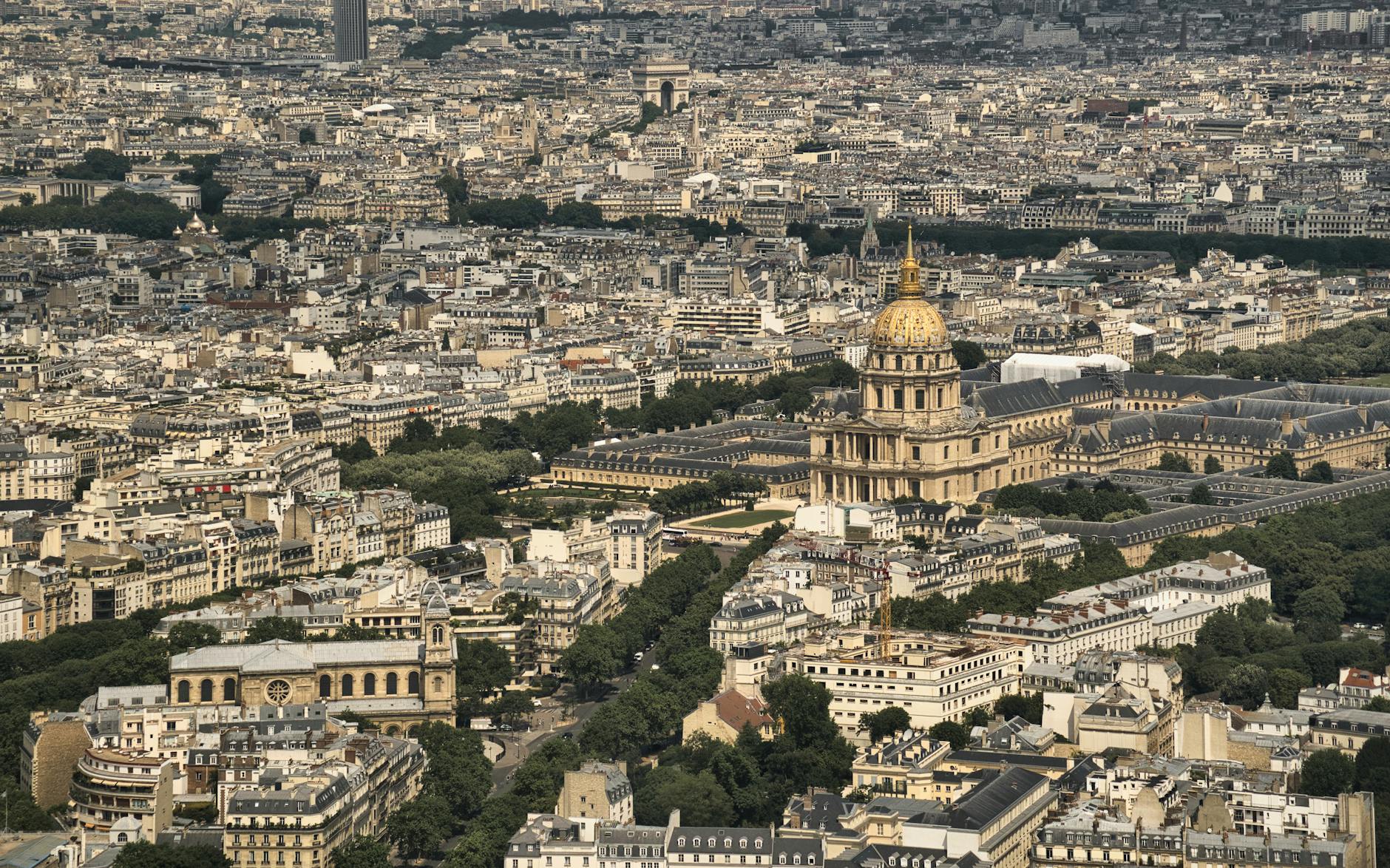
The 7 Must-Visit Paris Food Markets
Seventy markets is too many to chase. These seven earn a deliberate detour on the strength of size, character, food quality, and the simple question of whether you’ll be glad you went. They work whether you live here or have four mornings to spend.
Marche d’Aligre (12th)
This is the locals’ market, full stop. Tuesday through Sunday, 8am to 1pm, and until 2:30pm on Sunday. Aligre pulls off something no other Paris market manages: three layers in one square. There’s the open-air food market on Rue d’Aligre, with the cheapest produce in central Paris; the covered hall, Marche Beauvau, dating from 1779, handling fish, charcuterie, and cheese; and a small flea market tucked behind the hall, selling clothes, books, and cheap antiques. The vendor mix leans heavily North African and Middle Eastern alongside the French, which gives Aligre a louder, scrappier, more multicultural pulse than anywhere else in the city. Prices are about as low as central Paris gets. Aim for 11am to 12:30pm for peak activity, and stick around the final hour, when the perishables get marked down.
Marche des Enfants Rouges (3rd)
At 39 Rue de Bretagne in the upper Marais, this is the oldest covered market in Paris, authorised in 1615 by Henri IV and named for a 16th-century orphanage whose children wore red. Open Tuesday through Sunday. Produce stalls share the space with more than 15 lunch counters slinging Moroccan, Italian, Japanese, French, and Lebanese food, and over the years the lunch has quietly become the main event. Queues spill out into Rue de Bretagne from noon to 3pm on weekends. The play is to come early for the produce or late afternoon for elbow room.
Marche Bastille (11th)
The biggest open-air market in Paris by stall count and sheer length: four blocks along Boulevard Richard Lenoir, more than 100 vendors, Thursday and Sunday mornings only, 7am to 2:30pm. This is the real weekly shop for a huge chunk of central Paris. You’ll spot professional chefs, restaurant runners loading up, retirees towing rolling carts, and young couples stuffing bags for Saturday dinner. Sunday is busier than Thursday by a wide margin. Quality runs high, prices sit mid-range, and a good Sunday morning here is about as close as Paris comes to a food festival without calling it one.
Marche Président-Wilson (16th)
Wednesday and Saturday mornings on Avenue du Président-Wilson, between Trocadéro and Place d’Iéna. This is where the bourgeois 16th does its shopping, and the produce, seafood, and game are exceptional for it. The late Joel Robuchon was a regular, which tells you most of what you need to know. Prices run well above Aligre or Bastille. But if you’re after the most pristine turbot, the rarest mushrooms, or the heirloom tomato whose grower is named on a hand-lettered sign, this is the market that has it.
Marche Mouffetard / Rue Mouffetard (5th)
This one is a market street, not an enclosed market: the stalls line the pedestrianised Rue Mouffetard in the Latin Quarter. Tuesday through Saturday morning, plus Sunday morning. The street is photogenic and packed with cheese shops, fishmongers, butchers, and produce stands, and it draws more tourists than any other major Paris market. That popularity comes at a cost, namely higher prices and patchier quality. Go for the atmosphere and the photos; for a serious shop, walk fifteen minutes to a market that’s actually trying.
Marche Saxe-Breteuil (7th)
Thursday and Saturday mornings on Avenue de Saxe in the 7th. The selling point here is the backdrop: the Eiffel Tower rises straight down the avenue, which makes this the most photogenic shop in the city by a comfortable distance. Quality and prices land above average, but honestly the view alone earns the trip. Bring a camera and turn up early, because the morning light on the tower is at its best before 10am.
Marche Couvert Saint-Quentin (10th)
A covered market sheltering under 1865 ironwork at 85 Boulevard Magenta in the 10th. It pulls fewer tourists than Enfants Rouges and rewards you with excellent seafood and cheese stalls plus a modest run of prepared foods. The building itself is the bonus: cast-iron columns, a glazed roof, original signage still in place. Combine that with the unfussy, working-class feel of the neighbourhood and Saint-Quentin becomes one of the better off-the-trail picks in the city. Open Tuesday through Sunday.

Covered Belle Epoque Halls
Paris’s covered markets deserve to be treated as an architectural genre. Most went up between the 1830s and 1880s, riding the wave of Baron Haussmann’s urban planning, all built in the cast-iron-and-glass vocabulary that Les Halles perfected (the central market that ran Parisian food trade until 1971, then was demolished). Eleven of these halls still work as functioning food markets, each gentrified to a different degree.
Marche Beauvau / Aligre Indoor (12th)
The covered half of the Aligre complex, with roots in 1779 and a rebuild in 1843. Cheese, meat, fish, and charcuterie sit under the iron-and-glass roof while the open-air section spills out into the square around it. For sheer historical layering, no other market space in Paris comes close.
Marche Saint-Germain (6th)
An 18th-century covered structure on Rue Mabillon, since converted in part to retail (clothing, beauty) with only a small food section hanging on. It’s worth a look for the architecture, even though the working market is now a shadow of what it was. Read it as a quiet lesson in what central Paris real estate prices do to a food hall.
Marche Couvert des Batignolles (8th)
A medium-sized covered market on Rue Lemercier, straddling the edge of the 8th and 17th. The produce is high-quality, the crowd is thinner, and the whole place actually feels like a neighbourhood market. The Batignolles district around it is one of the most underrated corners of central Paris for food.
Marche Couvert Saint-Martin (10th)
A small covered hall in the 10th. It’s no tourist attraction, but if you’re staying near Canal Saint-Martin and want a fast stop for bread, cheese, and a rotisserie chicken, it does the job.
Marche Couvert Sevres (15th)
A modernist 1980s build rather than a Belle Epoque hall, but well-stocked and reliably busy. The 15th is residential and almost invisible in tourist guides, so Sevres reads as a genuine local market with no performance for visitors.
Marche Couvert Saint-Didier (16th)
An intimate covered market in a residential pocket of the 16th near Rue de Passy. Quality is high, prices track the arrondissement, and you’ll almost never bump into another tourist.
Marche d’Auteuil (16th)
A covered Sunday-morning market on Place Jean Lorrain, with an organic section and a separate Saturday morning slot. Auteuil is a quiet, leafy western corner of the city, and it pairs nicely with a walk in the Bois de Boulogne.
Marche Couvert La Chapelle (18th)
African and Asian groceries run the show here, mirroring the neighbourhood: spices, dried fish, plantains, halal butchery, Maghreb breads. Don’t come for a Camembert. Do come if you’re cooking anything that calls for ingredients a standard French market simply won’t carry.
Marche Couvert des Ternes (17th)
A bourgeois 17th-arrondissement market with high-quality produce, a standout fishmonger, and a rotisserie people travel for. The streets around it are thick with traiteurs and cheese shops, so treat the whole block as one serious gastronomic stop.
Marche Couvert Riquet (19th)
Covered, multicultural, and working-class. This is the one for budget shoppers and for the ingredients that West African, Caribbean, and Asian cooking depend on.
Best Organic (Marché Bio) Markets
The bio markets are their own world. Every vendor is certified organic, producers are usually verified within a set regional radius, and the produce that results costs more but looks the part: smaller, oddly shaped, more flavourful than the polished stuff elsewhere. There are about seven across the city.
Marché Bio Raspail (6th)
The most famous organic market in Paris. Sunday 9am to 3pm on Boulevard Raspail in the 6th, between Rue du Cherche-Midi and Rue de Rennes. Around 30 vendors deal in flowers, raw-milk cheese, bread, oils, fruit, vegetables, and wine. Prices clearly outrun a regular market, and for serious cooks the quality earns it. The crowd is well-heeled Left Bank, and you’ll spot chefs and the usual food-media faces doing their own shopping.
Marché Bio Batignolles (17th)
Saturday 9am to 3pm on Boulevard de Batignolles in the 17th. Smaller than Raspail and with a more devoted organic following. Tack on a stroll through Square des Batignolles afterward.
Marché Bio Brancusi (14th)
Saturday 9am to 3pm on Place Constantin Brancusi in the 14th, near Montparnasse. The smallest of the big-three bio markets, but the vendors are passionate and the produce backs it up.
Marché Bio Saint-Charles (15th)
An unusual Friday afternoon slot, 12pm to 8:30pm, on Rue Saint-Charles in the 15th. A genuine lifesaver if you can’t make a Saturday or Sunday morning market work.
Marché Bio Notre-Dame (10th)
A small weekly bio market in the 10th, handy if you’re staying near Gare du Nord or Canal Saint-Martin.
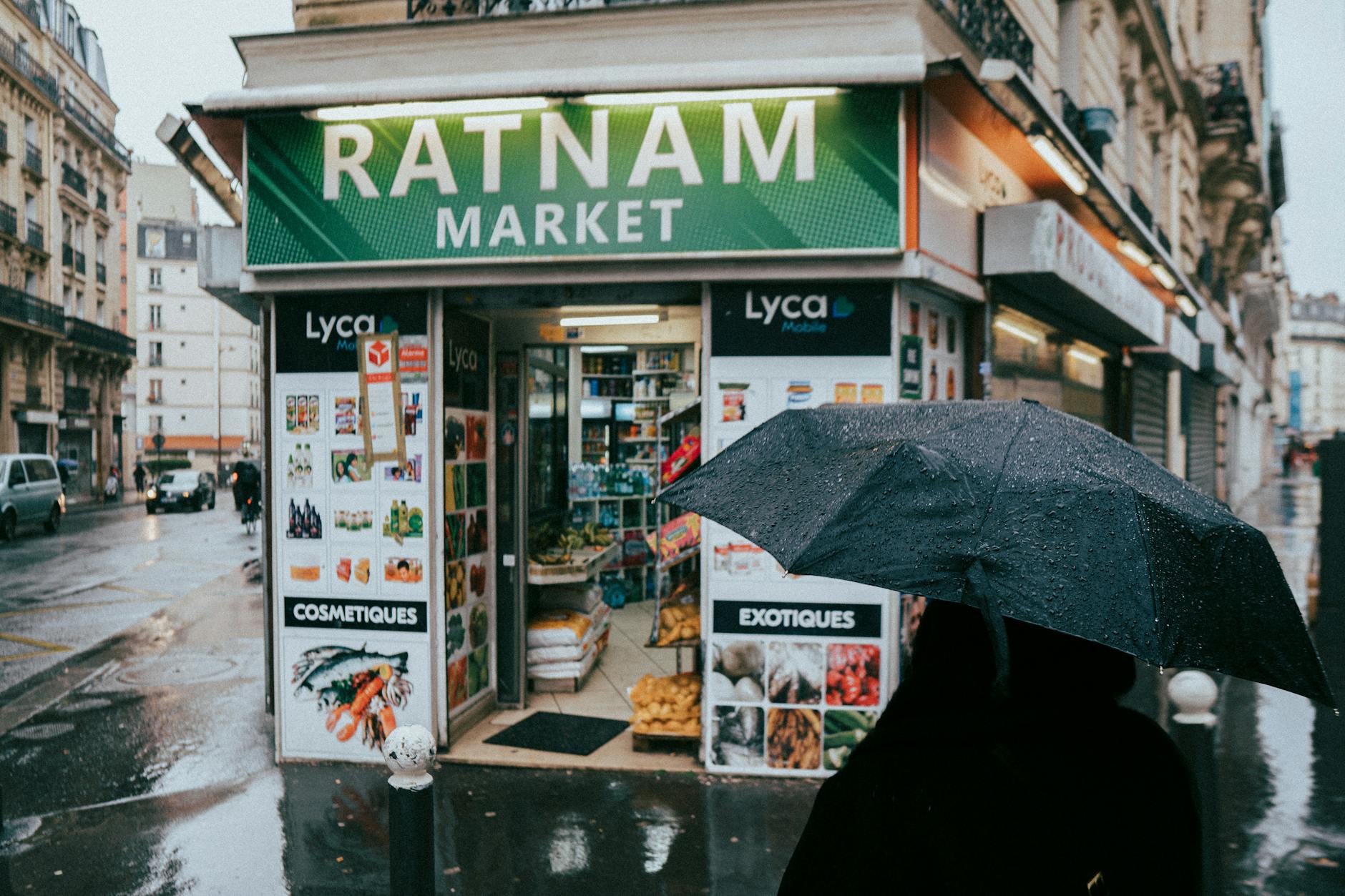
What to Buy at a Paris Market
A market only helps if you know what to ask for. Here’s the shopping list that turns a stall crawl into a lunch, a picnic, or a dinner you’ll remember. Describe your meal and most vendors will steer you, which is why “trois fromages pour ce soir” (three cheeses for tonight) is the single most useful phrase to commit to memory.
Cheese at a fromager is the gentlest place to begin. Tell the cheesemonger you want three for tonight, ideally one fresh, one semi-firm, and one stinky, and they’ll build it for you. Budget roughly €3 to €6 per cheese, and always ask to taste first. Reliable picks: Comte (firm, nutty, alpine), Beaufort (firmer, sweeter), Camembert de Normandie (raw milk, properly stinky), Saint-Marcellin (small, soft, runny), and Roquefort (blue, salty, and powerful enough to finish on).
Oysters (huitres) go by the dozen, €15 to €25 depending on grade and origin. Three varieties to recognise: Belon (round, flat, mineral), Marennes-Oleron (briny, plump), and Fines de Claire (the everyday choice, mild and balanced). Ask and the vendor will shuck them on the spot for nothing. Grab a lemon from the produce stall, a baguette from the bread stall, and you’ve assembled a picnic in about four minutes.
Pate and charcuterie are sold by weight. Ask for “cent grammes de pate de campagne” (100 grams of country pate) and a few slices of jambon de Bayonne or jambon de Paris. Saucisson sec survives hours in a bag without complaint, which makes it the natural backbone of a same-day picnic.
Roast chicken (poulet roti) is the weekend market institution, Saturday and Sunday both. Vendors run rotating racks of 50 to 100 birds turning over a flame, and the smell reaches a block out. A whole bird runs €12 to €15. Here’s the part nobody should skip: order the potatoes underneath. They sit in the dripping fat all morning and come out as the best roast potatoes in Paris. That is not hyperbole.
Tomatoes in season, June to September, are the truest test of whether a Paris market means it. Go for the heirlooms, misshapen and ridged and multi-coloured, and leave the supermarket-perfect red ones alone. Noire de Crimee and Coeur de Boeuf are the flagship varieties to look for. Strawberries (fraises) peak in May and June; Mara des Bois is the standout, deeply perfumed, €5 to €7 a basket.
Fresh herbs come by the bunch, basil, parsley, mint, tarragon, chives, usually under €2. Eggs have brown shells in mixed sizes; look for “&Oelig;ufs fermiers” or “œufs de plein air” for genuine farm or free-range. Bread: many markets keep a bread stall, and a “tradition” (the long, rustic baguette) is the right call for a picnic. Honey turns up from small French producers in lavender, chestnut, and acacia. Olive oil is often poured for tasting at the southern French and North African stalls, so taste before you commit to a bottle.
Marche Aligre Deep Dive
Location: Place d’Aligre, 12th arrondissement. Métro: Ledru-Rollin on Line 8, then a five-minute walk south down Rue de Cotte. The square sits in a quiet residential pocket between Bastille and Gare de Lyon, and the surroundings are so unceremonious that first-timers often think they’ve come to the wrong place, right up until they turn the corner and walk straight into the noise.
Hours: Tuesday to Friday 8am to 1pm and 4pm to 7:30pm; Saturday 8am to 1pm and 3:30pm to 7:30pm; Sunday 8am to 2:30pm. Closed Monday. Sunday morning is the busiest stretch of the week, and the Monday closure isn’t a quirk of Aligre, it’s the rule across nearly every market in Paris.
What it is: three layers in one square. The Rue d’Aligre open-air food market (the cheapest produce in central Paris, often half what a 6th-arrondissement market charges); the covered Marche Beauvau (cheese, fish, charcuterie, butchery, with origins in 1779); and a small flea market behind the covered hall trading clothes, books, and inexpensive antiques. It’s the only flea market in Paris that shares a footprint with a working food market.
The vendor mix is the thing that makes Aligre Aligre. North African and Middle Eastern stalls trade right alongside French producers, which is why the market carries some of the best za’atar, harissa, preserved lemons, and Maghreb flatbreads in the city.
Lunch options nearby: Le Square Trousseau on Rue Antoine Vollon is a classic 1900-vintage bistro, three minutes from the market. Au Trappiste pours Belgian beer and does frites. Or skip the table entirely: the market itself sells plenty of takeaway, from rotisserie chicken to North African pastries to raw oysters, and Square Trousseau is right across the street to eat it in.
Best time: Saturday and Sunday mornings have the most life, and you’ll be fighting for elbow room between 11am and noon. Insider move: roll in around noon on Saturday for the last-hour discounts on perishables, ripe cheese, day-fresh fish, the end-of-stall produce. You’ll also catch the rotisserie vendors selling off their final birds.
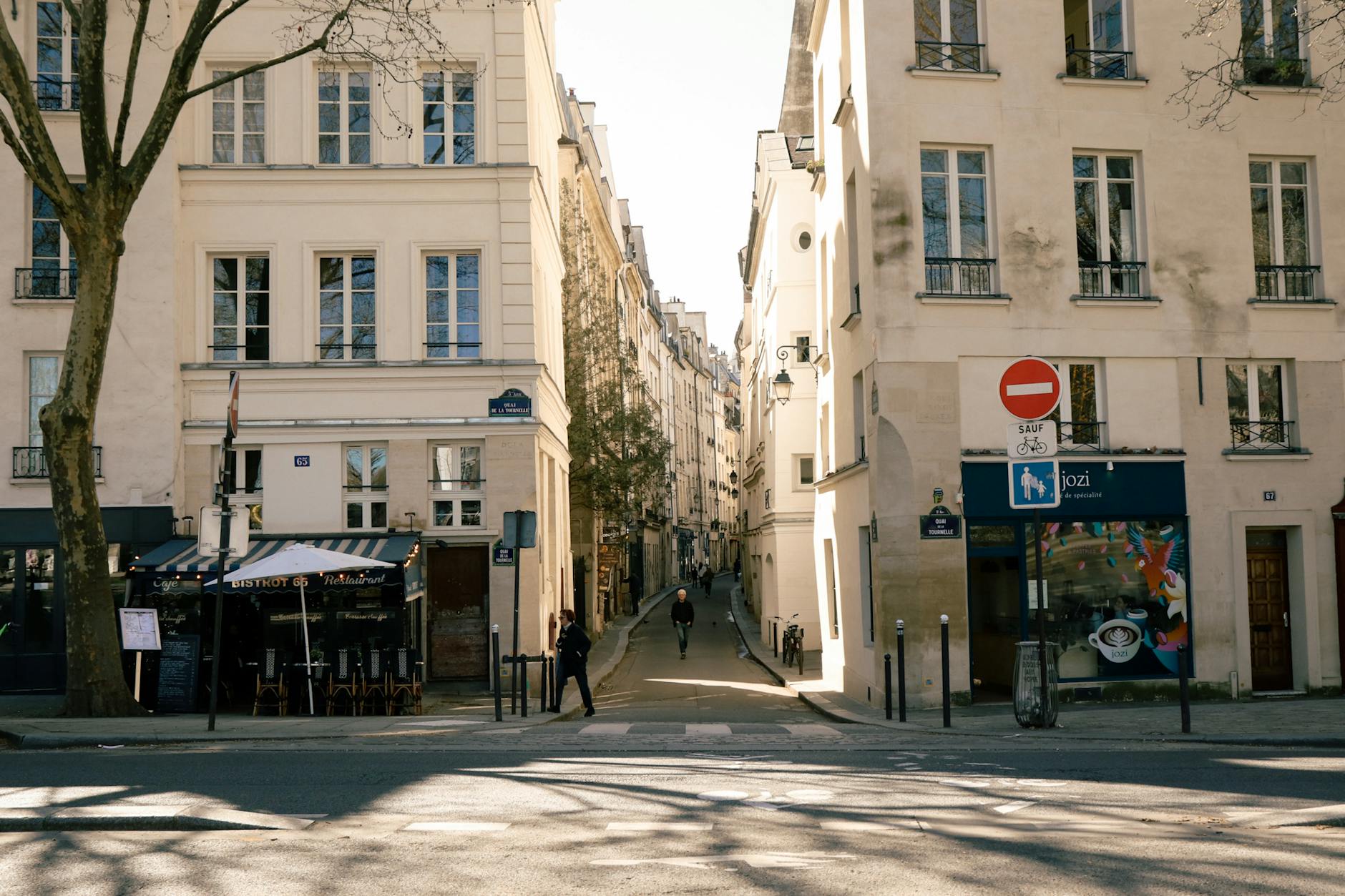
Marche des Enfants Rouges Deep Dive
Location: 39 Rue de Bretagne, 3rd arrondissement, upper Marais. Métro: Filles du Calvaire on Line 8 or Temple on Line 3, both about five minutes on foot. The entrance is a narrow gate that gives away nothing about the warren of stalls behind it.
History: founded in 1615 by Henri IV, which makes it the oldest covered market in Paris by more than a century. The “Enfants Rouges” (red children) name comes from a 16th-century orphanage on the site whose residents wore red uniforms. The market came close to demolition in the 1990s during a redevelopment push, then was rescued by preservation pressure and reopened in 2000, leaning deliberately into the mixed food-counter identity that defines it now.
Hours: Tuesday to Saturday 8:30am to 1:30pm and 4pm to 7:30pm; Sunday 8:30am to 2pm. Closed Monday.
The lunch counters are why most people come. Le Traiteur Marocain does couscous and tagines, L’Estaminet handles French classics, Alain Miam Miam builds oversized Italian-French sandwiches, Soroya covers Lebanese, and CISCO runs Japanese bowls. The lineup shifts year to year, so glance around when you arrive. Lines build from noon and run to 3pm on weekends.
Best Saturday morning: 9am to 11am for produce, cheese, and the little flower stall, all before the lunch crowd lands. Best lunch day: Tuesday through Friday afternoon, when you eat the exact same food in half the time, minus the weekend queue.
Markets by Day of Week
Nearly every Paris market shuts on Monday and rotates its open days through the week, so a good market visit begins with a calendar check, not a hopeful walk. The table below lays out which major markets run on which day.
| Day | Major Markets Open |
|---|---|
| Monday | Most markets closed; Brancusi bio runs limited afternoon hours. |
| Tuesday | Aligre, Enfants Rouges, Marche Bastille (smaller version), Marche Couvert Saint-Quentin. |
| Wednesday | Marche Président-Wilson, Marche Bastille (smaller), Aligre, Enfants Rouges. |
| Thursday | Saxe-Breteuil, Président-Wilson, Aligre, Enfants Rouges, Marche Bastille (largest open-air weekday). |
| Friday | Marche Bio Saint-Charles (afternoon), Aligre, Enfants Rouges, all covered markets. |
| Saturday | Saxe-Breteuil, Bio Batignolles, Bio Brancusi, Marche d’Auteuil, all major markets active. |
| Sunday | Bio Raspail, Marche Bastille (largest of the week), Aligre (until 2:30pm), Enfants Rouges, Mouffetard. |
The short version: Sunday morning is the peak market day in Paris and the top priority for any visitor. Thursday is the strongest weekday for the big open-air markets. Monday is dead. Given a single morning to shop one market, make it Sunday at Bastille or Saturday at Aligre, and don’t overthink it.
Specialty Food Halls (Marche Couvert Modern Era)
Running parallel to the traditional markets, Paris has spent the last two decades building a second category: upscale, themed food halls. They aren’t markets in any strict sense, more curated retail-and-dining spaces, but they play the same culinary role and suit visitors who’d rather have one roof and one bill.
La Grande Épicerie de Paris (7th)
The food hall inside Le Bon Marche department store on Rue de Sevres, and the most ambitious gourmet retail space in Paris: a vast cheese cellar, an underground wine cellar, a wall of rare imports, and prepared foods at restaurant quality. Open daily, which makes it the one dependable food-shopping option on a Monday or late in the evening.
Beaupassage (7th)
A modernist food complex on Rue de Grenelle that gathers Yannick Alleno’s bistro, an Anne-Sophie Pic bakery, a Pierre Herme pâtisserie, the Thévenet butcher, and a Mama Shelter cafe around one courtyard. Call it a gastronomic mall rather than a market, but it’s a genuinely useful one-stop in the 7th.
La Felicità (Station F, 13th)
The Big Mamma group’s enormous 4,500-square-metre Italian food court inside the Station F start-up campus: trattoria, bakery, pizzeria, and bar under one roof. Loud, fun, kid-proof, and a reliable Sunday-evening fallback once the other food halls have shut.
Galeries Lafayette Le Gourmet (9th)
The food hall above Galeries Lafayette on Boulevard Haussmann. It doesn’t match Le Bon Marche, but it’s central and convenient if you’re already shopping the Right Bank.
Lafayette Anticipations & Newer Food Halls
Smaller curated food spaces keep opening across the Marais and the Right Bank, from Marche Foodly-style concepts to pop-up market halls. This corner of the scene moves fast, so check a recent local listing for whatever’s landed since.
Markets with Kids
Paris markets are family-friendly in one sense, nobody minds a child underfoot, and decidedly not in another, they’re rarely spacious or easy with a stroller. Travelling with small kids, pick the markets that pair food with some novelty or a view, and steer clear of the tightest covered halls at peak hours.
- Enfants Rouges — the spread of lunch counters covers every picky eater you’ve got: pizza, Japanese bowls, Moroccan tagine, Lebanese wraps.
- Aligre — the flea market is a genuine novelty even for jaded kids, and the small toys and books cost next to nothing.
- Saxe-Breteuil — the Eiffel Tower backdrop is pure kid-magic, and the avenue is wide enough to push a stroller without apologising.
- Mouffetard — a market street with ice cream and cookie shops built in makes for an easy, slow amble.
- Carry small bills, since some vendors won’t take cards under €10. Public bathrooms are scarce at markets, so plan a stop at Le Bon Marche, Galeries Lafayette, or a nearby cafe.
For wider family planning, see our family guide to Paris guide, which covers stroller-friendly itineraries and family-friendly restaurants alongside market ideas.
Markets + Picnic Strategy
If you do one thing at a Paris market, build a picnic. The sequence is simple and the cost is reasonable, roughly €25 to €35 a head for a meal that would run three times that in a restaurant.
- 9am: arrive with an empty tote bag and small bills.
- 9 to 10am: bread, three cheeses, pate de campagne, a few slices of charcuterie, fruit (strawberries or grapes in season), a bottle of wine, a bottle of water.
- 10:30am: walk to your spot. Champ de Mars (Eiffel base), Jardin du Luxembourg (gravel chairs and lawn), Place des Vosges (benches under the arcades), Square du Vert-Galant (the Seine point at the tip of Ile de la Cite), Jardin des Plantes (botanical gardens).
- 11:30am: lunch. You’ll be ahead of the crowd, since the parks fill from noon.
- Plates and cutlery: bring a folding kit, or grab a basic set at any Monoprix for around €5.
Wine: a respectable bottle at a market runs €8 to €15. Skip the tourist-bait labels and ask the vendor for a “vin de soif” (an easy-drinking wine) to suit the meal. For wider budget planning, see Paris on a budget and free things to do in Paris.
Market Etiquette & Tips
Paris markets run on a handful of quiet conventions, easy to pick up and very obvious when you break them. The number-one tourist mistake is handling the produce. You don’t choose it; the vendor chooses, weighs, and hands it over.
- Don’t touch the produce; let the vendor pick.
- Bring one tote bag; vendors fill it from their own stall.
- Cash is preferred under €10; most stalls take cards for larger purchases.
- Carry small bills. Don’t hand over €50 for a €5 purchase.
- Say “Bonjour” before you ask anything, and “Merci, au revoir” on the way out. Greetings are not optional in France.
- “Pour ce soir” (for tonight) tells the cheesemonger your timing so they can match the ripeness.
- Sample the cheese before buying. Most vendors expect it.
- End of day brings discounts on perishables.
- Don’t haggle. This is France, not a souk; the prices are fixed.
For more food-context reading, browse best restaurants in Paris, best bakeries in Paris, French dishes to try, best cafes, Paris food tours, cheap eats, wine bars, Michelin restaurants, and cooking classes. To orient yourself by neighbourhood, see the Paris neighborhoods guide.
Frequently Asked Questions
What is the best food market in Paris?
Marche d’Aligre in the 12th is the local consensus, picked for price, energy, and that three-in-one layout (open-air, covered hall, flea). For sheer scale, Marche Bastille on Sunday is tough to beat. For lunch and atmosphere, it’s Marche des Enfants Rouges.
When are Paris markets open?
Open-air markets generally run 8am to 2pm, two or three mornings a week. Covered markets run Tuesday to Saturday morning plus afternoon, and Sunday morning. Almost all of them close on Monday. Organic markets run Saturday or Sunday morning only, the one exception being Marche Bio Saint-Charles on Friday afternoon.
Are Paris food markets open on Sunday?
Yes, and Sunday morning is the single best market day in Paris. Marche Bastille, Marche d’Aligre (until 2:30pm), Marche des Enfants Rouges, Marche Mouffetard, and Marche Bio Raspail are all open. Most wrap up by 2 or 3pm, so go early.
What should I buy at a Paris market?
For a picnic: bread, three cheeses, pate, charcuterie, fruit, a bottle of wine. For a treat: oysters by the dozen, shucked at the stall. For dinner: a rotisserie chicken with the potatoes from underneath. For a souvenir: a small jar of French honey, a tin of olive oil, or a sachet of za’atar from a North African stall at Aligre.
Is Marche d’Aligre cheap?
Yes. Aligre is reliably the cheapest of the major Paris markets, produce especially. Prices on the Rue d’Aligre open-air section can run half what a 6th-arrondissement market charges, and the last hour of trading knocks more off the perishables.
Can I get lunch at Marche des Enfants Rouges?
Yes, and the lunch counters are the whole reason most people go. Moroccan, Italian, Japanese, French, and Lebanese stalls serve from late morning into mid-afternoon. Queues form from noon, worst on weekends. Tuesday to Friday afternoon is the calmest window for the same plates.
Are there organic markets in Paris?
Yes, about seven certified bio markets across the city. The most established are Marche Bio Raspail (Sunday 9am-3pm, 6th), Marche Bio Batignolles (Saturday, 17th), and Marche Bio Brancusi (Saturday, 14th). Prices run above a regular market, but provenance is verified and the quality shows.
Do I need to speak French at a Paris market?
No, but a few words go a long way. “Bonjour” on arrival is non-negotiable. After that: “pour ce soir” (for tonight), “trois fromages” (three cheeses), “cent grammes” (100 grams), and “merci, au revoir” on the way out. Most vendors at central markets speak some English and will walk a polite visitor through any purchase. At Aligre and the outer arrondissements, basic French earns you more.
Paris food markets pay off the more you go. Claim one for Saturday morning and one for Sunday, build a picnic out of either, and you’ll have eaten better and spent less than at any restaurant trying for the same effect. For the bigger picture, head back to the guide to Parisian food.
Plan the rest of your trip
Use these to round out your trip:
- the Paris dining guide
- 25 French Dishes You Must Try in Paris
- Best Cafes in Paris
- Best Paris Food Tours
- Latin Quarter Paris
- the cabaret options
Sunday morning is when these markets are at their best, which is why they open the second day of our weekend in Paris itinerary — Bastille or Aligre before ten, then lunch bought as you walk.
Two words do most of the work at a market stall: je voudrais and a number. Point at what you want, give the quantity, and let the stallholder pick it — reaching into the crates yourself is the one small breach visitors regularly commit. The rest of the vocabulary is in our guide to French phrases for tourists.