Money in Paris: Cards, Cash, ATMs and Avoiding Fees
Four small decisions decide whether you pay an invisible tax on your holiday. Here they are.
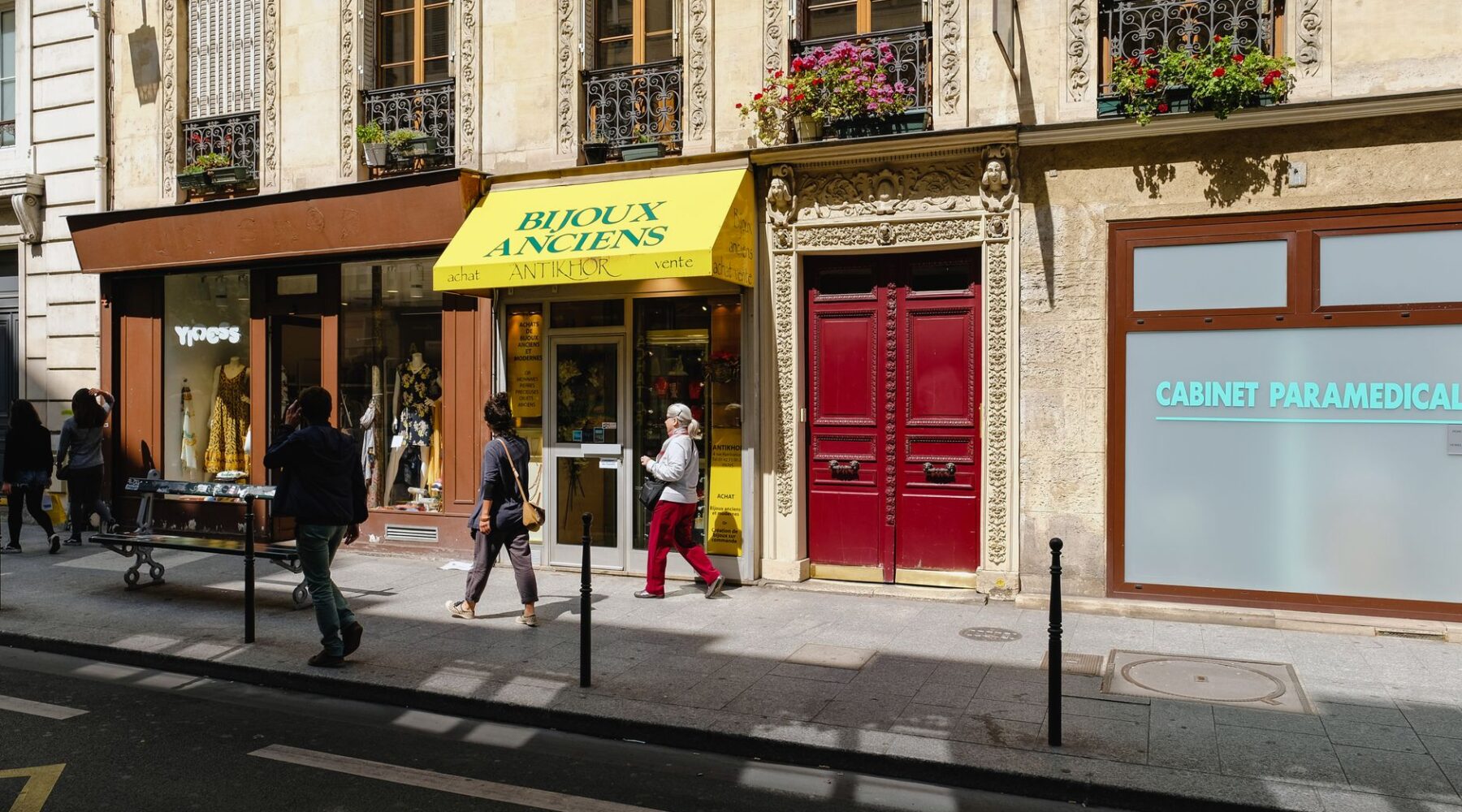
The most expensive ninety seconds of most people’s trip to Paris happens at a card terminal in a shop on the Rue de Rivoli. The screen offers a choice: pay €180.00, or pay £158.40. The second one looks helpful — a number in your own money, no mental arithmetic, no nasty surprise on the statement. It is also, reliably, four or five per cent worse than the first, and the difference goes to the company that owns the terminal rather than to the shop or to your bank. Say yes to that a dozen times over a week and you have quietly given away the price of a very good dinner. If you have typed money in paris cards atms currency into a search box, this is the shape of the problem: four small decisions, each worth a few euros, which together decide whether you pay an invisible tax on your holiday.
Below: whether to bring cash at all, how to use an ATM without being charged twice, which cards work and which do not, the currency conversion trap in detail, where cash is still genuinely required, and what to do if a card disappears. Figures were checked in September 2026 and are the right order of magnitude rather than a quotation, since bank charges in particular vary enormously by institution.
The short version
| Question | Answer |
|---|---|
| Cash or card? | Card for almost everything. Carry €40–60 in cash as backup |
| Which cards work? | Visa and Mastercard everywhere. American Express patchy. Discover and JCB rarely |
| Best way to get euros | An ATM in the wall of an actual French bank, on arrival |
| Worst way to get euros | Airport bureaux de change, or ordering currency at home at a tourist rate |
| The one rule | Always choose to be charged in euros, never in your own currency |
| Contactless limit | €50 per transaction in France; above that you enter a PIN |
| Tipping | Optional and small — service is included by law. See our tipping guide |
Paris is a card city, and has been for years
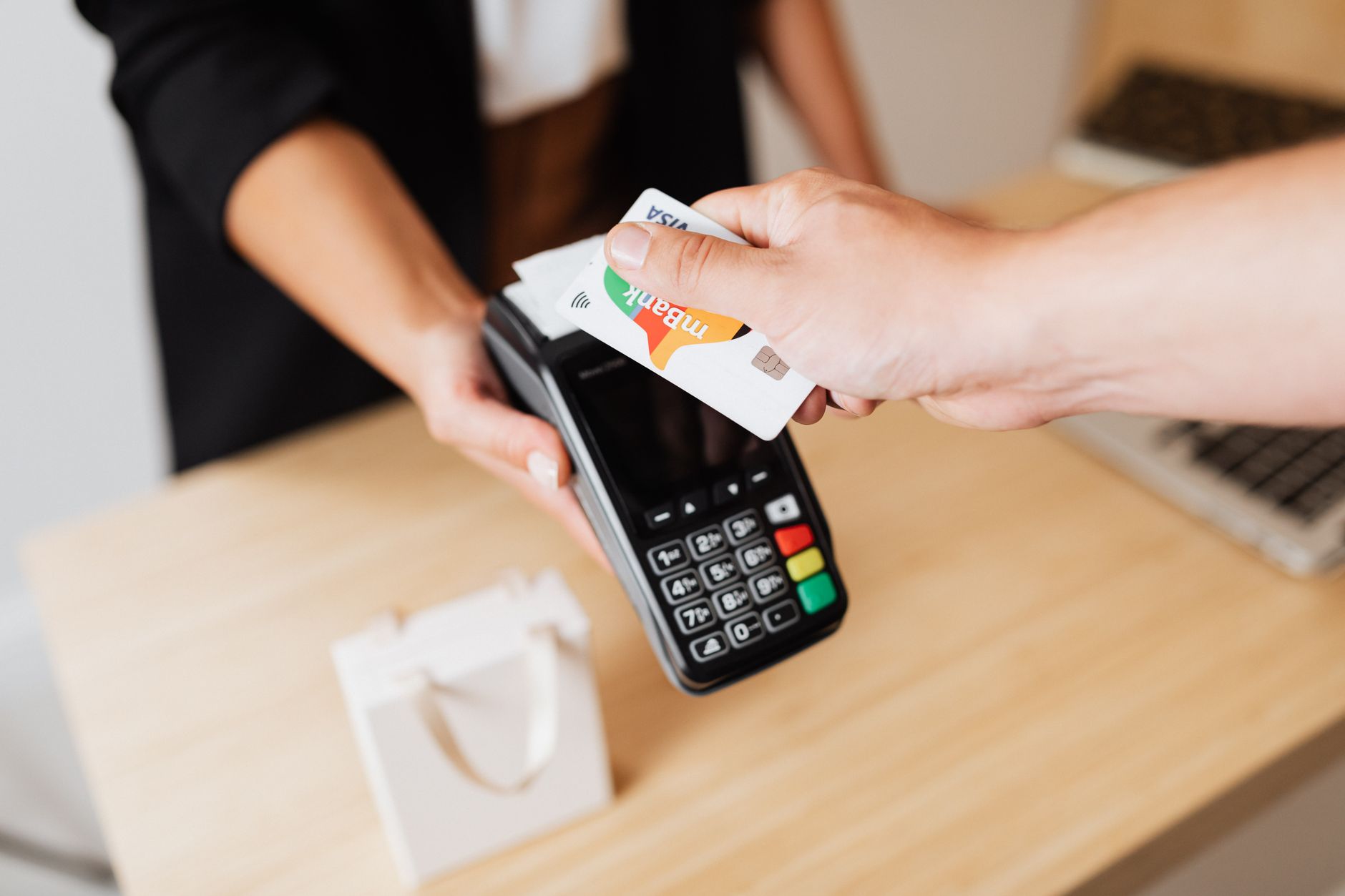
The image of France as a cash economy is out of date by about a decade. Contactless payment is accepted almost everywhere a visitor will go: bakeries, market stalls, taxis, Metro ticket machines, museum desks, and very often for amounts under a euro. Many small businesses now actively prefer it, and a few no longer take cash at all.
What that means practically is that you should stop planning around cash. Withdraw €40–60 on arrival, keep it for the handful of holdouts, and top up only if you actually run out.
Where cash is still genuinely useful
- Small independent bars and old-fashioned cafés, a shrinking number of which have a minimum spend for cards, usually €10–15. The minimum must be displayed.
- Some market traders, particularly at the smaller street markets and the flea markets. Our flea markets guide covers where haggling and cash still meet.
- Tips, since French card terminals overwhelmingly have no tip function.
- Cloakrooms, church donation boxes and public toilets in stations, which want coins.
- Buying a bus ticket from the driver, where that is still possible, and a few older ticket machines.
- Backup, for the evening your card is declined for reasons nobody can explain.
The currency conversion trap, in detail
This deserves its own section because it is the single biggest avoidable cost of a trip to Paris and almost nobody understands the mechanism.
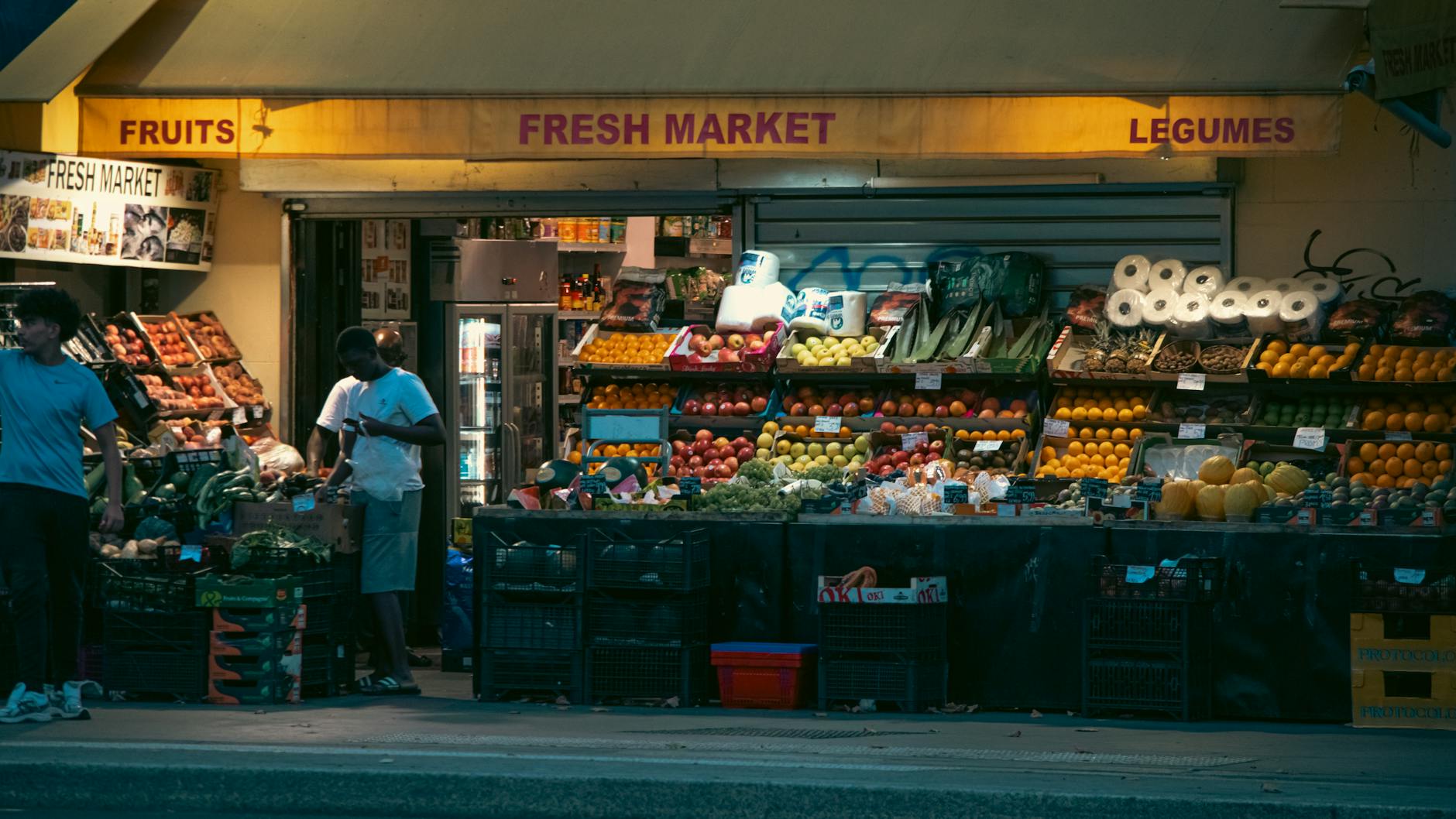
It is called dynamic currency conversion, and it works like this. When your foreign card is presented, the terminal recognises it and offers to do the conversion itself, quoting a price in your home currency. If you accept, the exchange rate used is set by the payment processor that owns the terminal, not by Visa, Mastercard or your bank. That rate typically carries a margin of three to six per cent, and the whole point of showing you a familiar-looking number is that you cannot easily tell.
If you decline and pay in euros, the conversion is done by Visa or Mastercard at their wholesale rate, which is close to the mid-market rate, plus whatever fee your own bank charges — which for a good travel card is zero.
Worked example
| Choice | What happens | Cost on a €1,000 week |
|---|---|---|
| Pay in euros | Visa/Mastercard wholesale rate + your bank’s fee (0–3%) | €1,000–1,030 equivalent |
| Pay in your own currency | Terminal operator’s rate, 3–6% margin, plus possibly your bank’s fee anyway | €1,030–1,090 equivalent |
Where you will be offered it: card terminals in shops and restaurants, and — most aggressively — at ATMs, where the offer is often phrased as “with conversion” versus “without conversion”, or as a screen showing a guaranteed rate and asking you to accept or decline. Always decline. Always choose euros. The wording changes; the right answer does not.
Using ATMs in Paris
Which machines to use
Use a machine set into the wall of an actual French bank. The main high-street names are BNP Paribas, Société Générale, Crédit Agricole, LCL, Banque Populaire, Crédit Mutuel and La Banque Postale, and French banks do not generally levy their own charge on a foreign withdrawal. Whatever you pay is your own bank’s fee.
Which to avoid
Standalone machines in tourist areas, station concourses, shopping arcades and the entrance halls of convenience stores. These are independent operators — Euronet is the most visible brand across Europe — and they do two things: they charge their own withdrawal fee on top of your bank’s, and they push dynamic currency conversion hard, often with the more expensive option pre-selected and coloured green. A withdrawal that would cost you nothing at a bank machine can cost €6–10 at one of these.
How to use one without paying twice
- Withdraw larger amounts less often. If your bank charges a flat fee per withdrawal, four withdrawals cost four times as much as one. If it charges a percentage, it makes no difference.
- Decline the conversion. Choose “without conversion”, “continue without conversion” or the option in euros, whatever the wording.
- Decline the receipt-side upsell. Some machines offer a “guaranteed rate” — this is the same thing again.
- Use a machine in a bank lobby if you can, in daylight, and cover the keypad. Card skimming is rare in Paris but not unknown, and machines inside a branch are safer than street-facing ones.
- Do not accept help. Anyone offering to assist at an ATM is running one of the routines in our Paris scams guide.
Which cards actually work
- Visa and Mastercard — accepted essentially everywhere, including small shops and market stalls.
- American Express — patchy. Fine in hotels, department stores and expensive restaurants; frequently refused in bistros, bakeries and small shops, because the merchant fees are higher. Never bring it as your only card.
- Discover, JCB and UnionPay — rarely accepted outside major tourist infrastructure.
- Apple Pay and Google Pay — widely accepted, and they sidestep the €50 contactless ceiling because the phone authenticates you. Genuinely useful in Paris.
- Prepaid travel cards and app-based accounts — the Wise, Revolut and Monzo category. Generally excellent rates and no foreign transaction fee, but they can be refused by some unmanned machines and are a poor choice as your only card.
Chip and PIN, and the machines that reject you
France is a chip-and-PIN country and has been for far longer than most. A magnetic-stripe-only card is close to useless, and a card that requires a signature will be handled with mild confusion in a small shop.
The specific problem to know about: unmanned machines that pre-authorise — motorway toll booths, petrol pumps, some car park barriers and a few ticket machines — sometimes reject foreign cards, including perfectly good ones, because of how the pre-authorisation is processed. This almost never affects a visitor who stays in Paris and uses the Metro, but it matters if you are hiring a car for a day trip. Carry cash or a second card for those.
Bank fees, and how to make them nearly zero
Three separate charges can attach to spending abroad, and different banks apply different combinations:
| Charge | Typical size | How to avoid it |
|---|---|---|
| Foreign transaction fee on card spending | 0–3% of each purchase | Use a card that advertises no foreign transaction fees |
| ATM withdrawal fee from your own bank | Flat €2–5, or 1.5–3% | Withdraw larger amounts less often; check your account’s terms |
| The ATM operator’s own fee | €3–6 at independent machines | Use bank-branded machines only |
Two things worth doing before you fly. First, check what your own bank actually charges — the difference between a good travel card and a bad everyday one is easily €30–50 across a week’s spending. Second, tell your bank you are travelling, or check that its app lets you handle a fraud block yourself; a card frozen at 20:00 on a Saturday is a genuinely bad evening.
Changing money: the honest verdict
Do not. Currency exchange is the most expensive way to get euros, in every version:
- Airport bureaux offer the worst rates you will see anywhere, often ten per cent or more off the mid-market rate, sometimes with a commission on top.
- Tourist-area exchange shops around the Opéra and the Champs-Élysées advertise “no commission” and make the margin on the rate instead. Read the buy and sell columns and the spread is obvious.
- Ordering currency at home before you fly is better than the airport and still worse than an ATM.
- Hotel exchange desks are a convenience service priced accordingly.
If you must, exchange the smallest amount that solves your problem and use an ATM for the rest. The exception worth noting is that leftover euros from a previous trip are, obviously, free — bring those.
Notes, coins and the practical stuff
- €500 notes are effectively unusable, no longer issued, and will be refused. €200 notes are viewed with suspicion in small shops.
- €50 notes are awkward for small purchases. ATMs love dispensing them; bakeries do not love receiving them. Withdraw amounts like €70 or €90 rather than €100 and you will get a better mix.
- Keep coins. Public toilets in stations, cloakroom saucers, church candles, market change and tips all want them.
- Counterfeit notes are rare and small shops will hold a €50 up to the light as a matter of routine. It is not personal.
- Splitting a bill is normal. Most restaurants will take several cards without complaint; say “on peut payer séparément ?” — see our French phrases guide.
- Prices include VAT and service. The price displayed is the price paid, with no tax added at the till and no service charge to come.
The VAT refund, and whether it is worth the queue
Non-EU residents can reclaim value-added tax on goods bought to take home, subject to conditions: a minimum spend of €100 in a single shop on the same day, purchases within the last three months, and validation at the airport before you check the goods in. After the refund company’s cut you will typically get back around twelve per cent of the purchase price rather than the full VAT rate.
The honest verdict: worth doing on a coat, a handbag or anything over about €400. Not worth the queue on a €120 scarf, particularly at Charles de Gaulle in August, where the validation kiosks can eat forty-five minutes. Allow the extra time or skip it. Our tax-free shopping guide has the full procedure, and the shopping guide covers where the spending happens.
Paying for transport, museums and tickets
A few payment quirks are specific to the things visitors buy most.
- Metro ticket machines take contactless and chip-and-PIN cards, and the newer ones take notes as well as coins — but a number of older machines are coin-only, which is a reason to keep change. You can also load a Navigo Easy card by phone if your handset supports it. Our Navigo and tickets guide covers the options, including the fact that the ten-ticket discount was abolished in January 2026 and buying in bulk now saves nothing.
- Museum tickets are cheaper and quicker bought online in advance, and several major sites now sell timed slots that genuinely sell out. Paying at the door, where it is possible at all, means the same price and a longer queue.
- The two-tier pricing at national museums is worth budgeting for if you are not an EEA resident: the Louvre is €22 for EEA visitors and €32 for everyone else, and Versailles applies a similar split. You will be asked, and you may be asked to show something. Our Museum Pass assessment works through when a pass beats individual tickets — and it does not include the Eiffel Tower.
- Taxis all take cards by law, and the airport flat fares are fixed. Do not accept a driver’s claim that the machine is broken; ask for a receipt.
- Bakeries and small food shops take cards for tiny amounts without complaint. Buying a €1.40 baguette on a card is completely ordinary here.
A sensible setup before you fly
Five minutes of preparation removes almost every money problem a visitor to Paris can have.
- Two cards from two different providers, ideally one Visa and one Mastercard, kept in two different places. This single arrangement turns a stolen wallet into an inconvenience.
- At least one of them with no foreign transaction fee. Check the actual terms rather than assuming; the difference over a week is real money.
- Both set up in your phone’s wallet. Paying by phone bypasses the €50 contactless ceiling and means a lost physical card does not stop you buying dinner.
- App access confirmed and working, with the freeze-card function found before you need it, not during.
- Photographs of both cards, front and back, stored somewhere you can reach without your phone, along with your bank’s international contact number.
Add €40–60 in euros from an ATM on arrival and you are done. Everything else on this page is refinement.
If a card is lost or stolen
- Freeze it in the app. One tap, instant, reversible. Do this before anything else — before searching your bag again, before finding a police station.
- Use the second card. This is why you brought one and why it lives somewhere else.
- Report the theft properly. A dépôt de plainte at any commissariat de police, with the reference number, if you intend to claim on insurance. Our guide to pickpockets in Paris sets out the whole sequence.
- Emergency cash. Most banks can arrange an emergency withdrawal or an emergency card; some app-based accounts can issue a virtual card immediately, which then works in Apple Pay or Google Pay within minutes. That last option is genuinely the fastest route back to being able to buy dinner.
What things actually cost
A rough anchor for the arithmetic, checked September 2026.
| Item | Price |
|---|---|
| Espresso at the counter / on a terrace | €1.80–2.50 / €3–4.50 |
| Glass of house wine | €5–8 |
| Baguette tradition | €1.30–1.60 |
| Croissant | €1.30–2 |
| Set lunch formule | €18–26 |
| Single Metro ticket | €2.55 |
| Day travel pass | €12.30 |
| Weekly Navigo Découverte | €32.40 plus a €5 card fee |
| Louvre entry | €22 EEA / €32 non-EEA |
| Eiffel Tower, lift to the second floor | €23.50 |
For the full budget picture see our breakdown of what a Paris trip costs, and for ways to compress it, Paris on a budget and our money-saving tips.
Three habits that cost people the most
If you strip everything above down to where the money actually leaks, it comes to three things, and they are not the ones people worry about.
Accepting the conversion. Four to six per cent, on every transaction, invisibly, for the entire trip. This is by a wide margin the largest avoidable cost and it takes one button press to avoid. Nobody’s holiday has ever been ruined by it, which is exactly why it persists.
Using the wrong machine. A standalone ATM in a station or an arcade can take €6 to €10 off a withdrawal between its own fee and its conversion offer. Walking two hundred metres to a bank branch costs nothing. Over a week of topping up, this is the difference between free cash and €30 of it.
Changing money at the airport. The rates at arrival-hall bureaux are the worst you will encounter anywhere in France, and the transaction happens at precisely the moment you feel you have no alternative. You do: there are ATMs in every terminal, and your accommodation is not going to demand cash on arrival.
Everything else — which travel card is marginally the best this year, whether to carry €40 or €80 — is fine-tuning. Get these three right and you are within a few euros of optimal.
Frequently asked questions
Should I bring cash to Paris?
A small amount — €40–60 — and get the rest from an ATM when you arrive. Bringing a large sum in cash means carrying a theft risk around and, if you bought it at home, paying a poor rate for the privilege.
Is it better to use cash or card in Paris?
Card, for almost everything, provided you always decline the terminal’s offer to charge you in your own currency. Cards are accepted more widely here than in most of Europe.
Do Paris ATMs charge fees?
Machines belonging to French banks generally do not charge their own fee; independent machines in tourist locations do, typically €3–6 per withdrawal. Your own bank may charge regardless. Use bank-branded machines.
What is the best card to use in Paris?
Any Visa or Mastercard with no foreign transaction fee. The specific product matters less than that single feature — and than remembering to pay in euros.
Can I use dollars or pounds in Paris?
No. France uses the euro and nowhere ordinary will accept another currency. The few places that claim to will apply a rate designed to make it worth their while.
Is contactless accepted everywhere?
Very nearly. The per-transaction ceiling is €50, above which you enter a PIN; paying by phone bypasses that limit entirely.
Do I need to tell my bank I’m travelling?
Increasingly not, since most banks now use location data from your phone, but a card blocked for suspected fraud on a Saturday evening is a real inconvenience. If your bank’s app cannot unblock a card yourself, tell them.
How much money do I need per day in Paris?
Excluding accommodation, roughly €35–50 a day on a tight budget, €85–130 mid-range, and €200 or more if you are eating well and paying to get into things every day. Accommodation is the line that actually decides your total.