What to Do in Paris When It Rains: 20 Indoor Activities
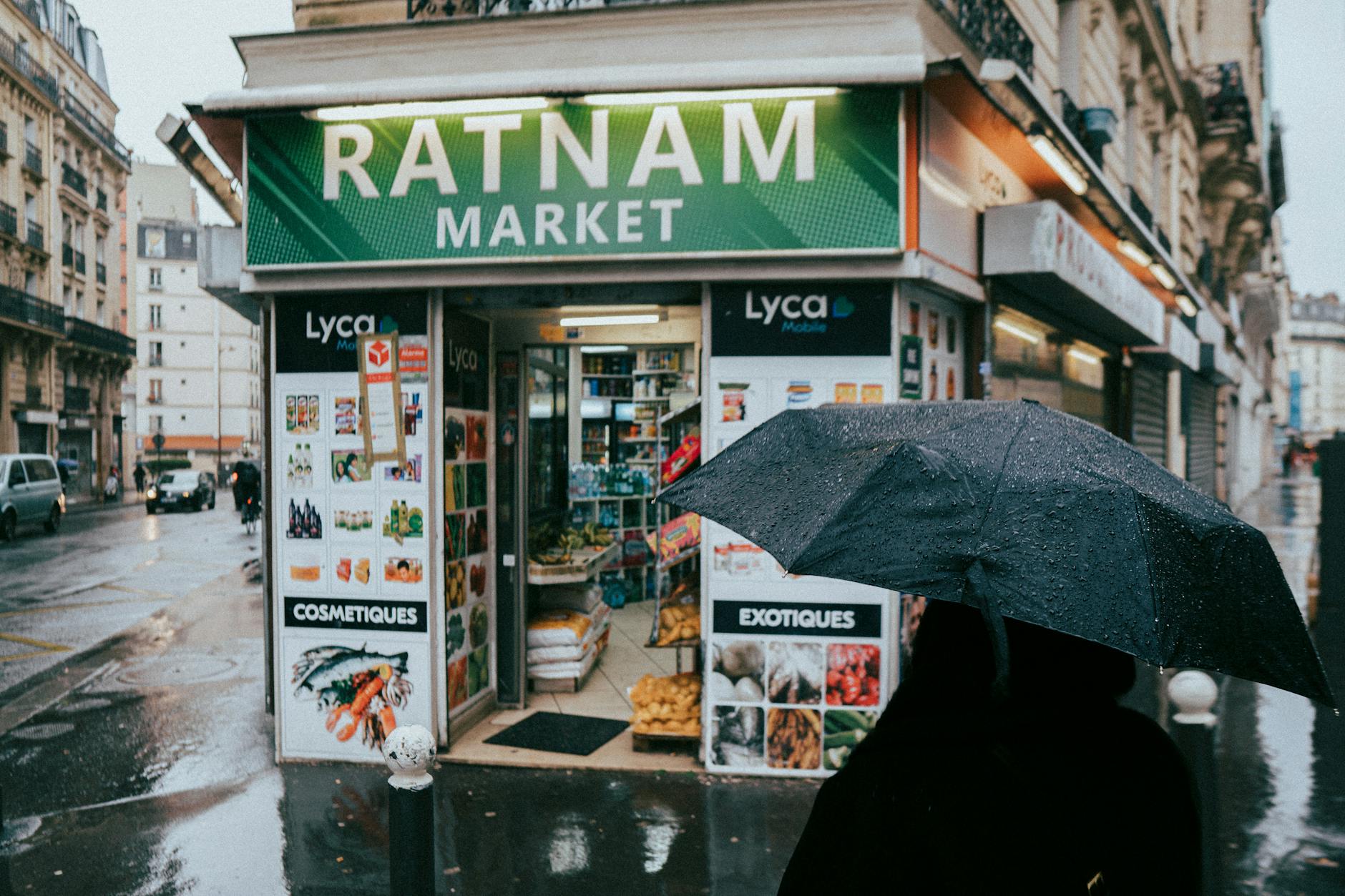
Most visitors treat a wet forecast as a write-off. Parisians treat it as a different itinerary. Working out what to do in Paris when it rains isn’t about salvaging a ruined holiday; it’s about unlocking a parallel city of vaulted glass passages, hushed museum galleries, steamy hammams, and three-hour brasserie lunches. The capital averages 110 to 120 rainy days a year, but around 70% of those days bring less than 5mm of rain, which is a passing drizzle, not a downpour. Pack a small umbrella, swap your leather soles for something with grip, and read the weather the way a local does: take museums slowly, eat longer lunches, and seek out the covered architecture that nineteenth-century Parisians built for exactly these days. Rain here is less a problem than a cue to slow down.
What follows is the 20 most reliable indoor experiences in the city: the major museums, the covered passages, the market halls, the department stores, the cinemas, hammams, libraries, brasseries, and family attractions, plus the practical survival notes the guidebooks tend to skip. Think of it as a companion to our master things to do in Paris guide, with cross-references to Paris winter activities and Paris with kids where they overlap.
Paris Weather Reality Check: How Much Does It Actually Rain?
Paris gets roughly 640mm of rain a year. That’s comparable to London but with fewer overcast hours, and nowhere near the totals you’d face in Bergen or Glasgow. The detail that matters for travellers is that this rain spreads evenly across the calendar. There’s no monsoon, no “rainy season” to dodge, and no single month where precipitation alone is reason to cancel a trip. May is the wettest on average, with about 65mm over 12 to 14 days. February is the driest, at roughly 32mm.
What the weather service files as a “rainy day” in Paris is usually a quick shower of 1 to 3mm: enough to glaze the cobblestones and chase tourists into cafés for fifteen minutes, then gone. A full day of steady heavy rain is rare. You might hit two or three of them across a week-long visit in shoulder season, and almost never in summer. So the takeaway is simple. Don’t plan around the weather; plan around the experience. A morning in a museum, a long covered lunch, and a covered-passage walk will keep you dry through any normal Paris afternoon.
| Month | Avg Rainfall (mm) | Avg Rainy Days | Notes |
|---|---|---|---|
| January | 51 | 10 | Cold, often crisp |
| February | 32 | 9 | Driest month |
| March | 48 | 10 | Variable, lengthening days |
| April | 53 | 11 | Showery; bring layers |
| May | 65 | 12 | Wettest month on average |
| June | 55 | 10 | Warm, brief thunderstorms |
| July | 63 | 8 | Short heavy showers |
| August | 43 | 8 | Holiday quiet, mild rain |
| September | 55 | 9 | Best balance of weather and crowds |
| October | 60 | 11 | Atmospheric, classic Paris autumn |
| November | 52 | 11 | Grey but mild |
| December | 59 | 11 | Festive lights compensate |
Bring a packable rain jacket that scrunches down to fist size, waterproof or treated leather shoes with rubber soles, and a compact umbrella. Then borrow the local attitude: Parisians don’t stop their day for rain. They just duck into the next awning, the next café, the next museum.
Top 5 World-Class Museums Perfect for Rainy Days
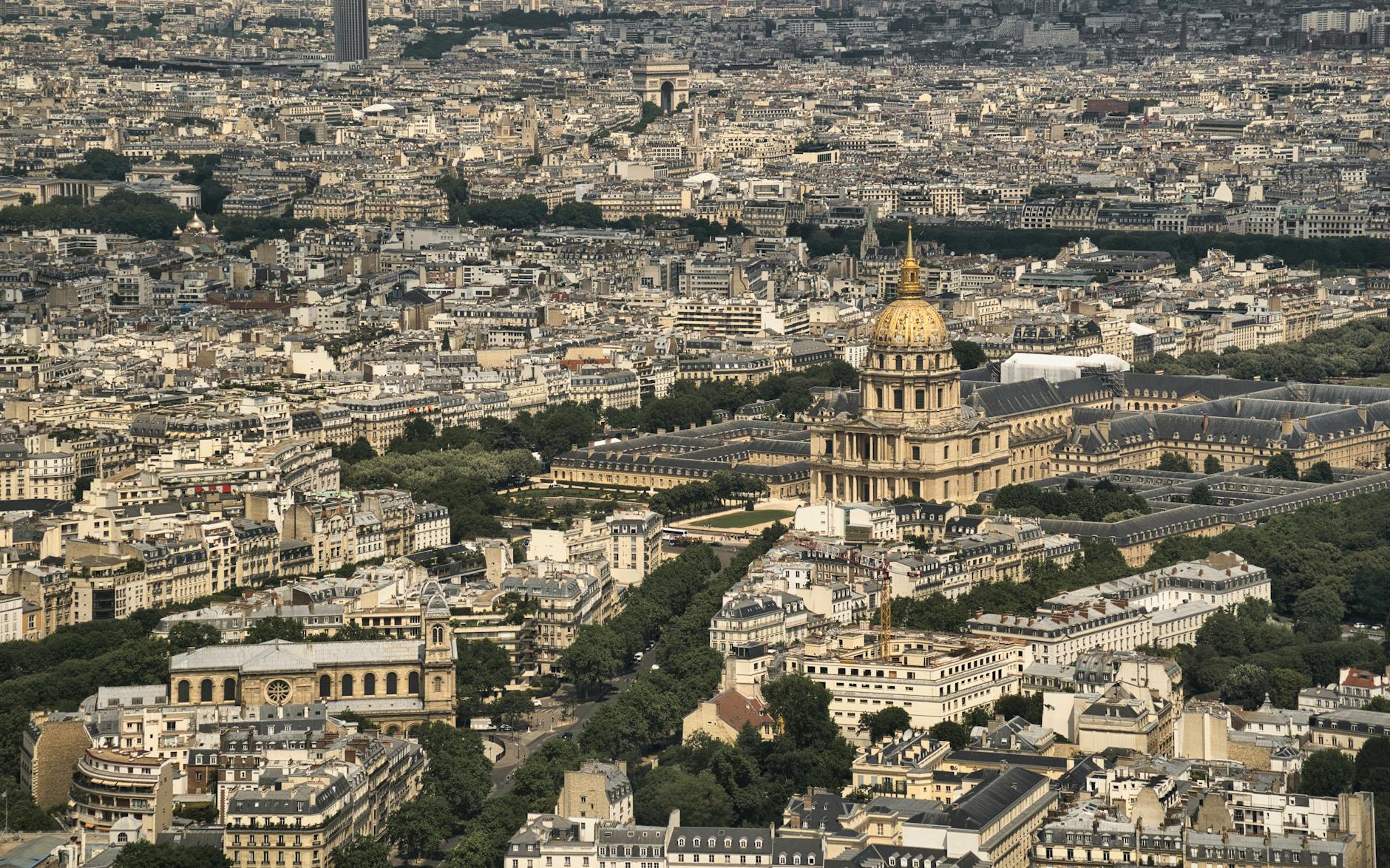
When the sky closes in, head for one of these five. Each is big enough to swallow a half-day whole, each is climate-controlled, and each sits a short covered walk from the metro. Pre-book wherever you can, because rainy days pull in the same crowds you’re trying to escape.
Louvre Museum (1st arrondissement)
The Louvre is the biggest rainy-day decision in Paris, and almost always the right one. It drew 8.7 million visitors in 2024, which makes it the most-visited museum on earth, and the timed-entry system means you genuinely can’t walk up in bad weather and expect a slot. Tickets are €30 and worth booking through the official website 2 to 4 weeks ahead in season. The museum closes Tuesdays. Friday is the latest opening, until 9:45pm, and also the quietest window. Skip the scrum around the Mona Lisa and aim instead for the Egyptian wing, the Richelieu sculpture courts, or the Napoleon III apartments. Budget three hours minimum; six goes by easily.
Musée d’Orsay (7th arrondissement)
Set inside a converted 1900 Beaux-Arts railway station, the Musée d’Orsay holds the greatest concentration of Impressionist and Post-Impressionist painting anywhere: Van Gogh’s self-portraits, Monet’s poppies, Renoir’s ballrooms, Manet’s Olympia. Tickets are €16. It closes Mondays and stays open Thursday until 9:45pm. Four hours covers the highlights with time to spare for the rooftop café behind the giant clock face. If you’re doing both in the same week, the combined Orsay-Orangerie ticket is excellent value.
Centre Pompidou — Closed for Renovation
One thing to know before you plan around it: the Centre Pompidou closed in September 2025 for a five-year renovation and isn’t due to reopen until 2030. If modern and contemporary art is what you’re after, three alternatives more than fill the gap. Lafayette Anticipations in the Marais (3rd) is free and stages boundary-pushing commissions inside a Rem Koolhaas-renovated industrial space. Bourse de Commerce — Pinault Collection (1st, €15) sits inside Tadao Ando’s concrete cylinder under a historic glass dome and rotates work from François Pinault’s holdings. Musée d’Art Moderne de la Ville de Paris (16th, free permanent collection) has a superb display that includes Matisse’s monumental La Danse.
Musée Rodin (7th arrondissement)
Rain does nothing to dim the Musée Rodin, which stays one of the most likeable visits in the city. The Hôtel Biron mansion holds the indoor collection (The Kiss, the Burghers of Calais maquettes, the wax studies), while the surrounding sculpture garden has long covered porches where you can study The Thinker through the drizzle. Tickets are €14, free on the first Sunday of the month, and it closes Mondays. Two hours does it.
Musée de l’Orangerie (Tuileries Gardens)
A small museum with one immortal asset: Monet’s two oval rooms of Water Lilies, his gift to France after the First World War, designed and installed by the artist himself. Take the bench in the centre of either room and watch the light move across the canvases. Tickets are €12.50, closed Mondays. Ninety minutes is enough, and it pairs naturally with the Orsay to make a full Impressionist day.
Quirky Indoor Museums Locals Love
Past the heavyweights, Paris has dozens of smaller museums, many of them free, that locals slip into on grey weekends. They’re ideal when you want the indoor option without the queue.
- Musée Carnavalet (3rd): the museum of the history of Paris, running 4,000 years from prehistoric riverbanks to the present. The permanent collection is free and the Marais setting is half the pleasure.
- Musée Jacquemart-André (8th): a banker’s nineteenth-century mansion crammed with Italian Renaissance painting and Tiepolo ceilings, plus one of the city’s most famous tea rooms beneath a frescoed ceiling.
- Musée de Cluny / Musée National du Moyen Âge (5th): medieval art at its most lyrical, including the six tapestries of The Lady and the Unicorn. Recently reopened after a long refurbishment.
- Musée Picasso (3rd, Marais): the Hôtel Salé holds the artist’s personal collection and family donation, arranged thematically across four floors.
- Petit Palais (8th): free permanent collection, an underrated mix of nineteenth-century French painting and antiquities, and a lovely interior garden café.
- Musée des Arts et Métiers (3rd): Foucault’s original pendulum, Pascal’s calculator, and centuries of scientific instruments. Free first Sundays and Thursday evenings after 6pm.
- Musée de la Chasse et de la Nature (3rd): taxidermy, hunting history, and contemporary art interventions in a Marais mansion. One of the strangest and best-curated small museums in Europe.
For more contrarian picks, our companion piece on unique things to do in Paris goes deeper into the oddball end of the museum spectrum.
The Covered Passages: Indoor Walking Routes
The covered passages are one of the smartest pieces of urban design Paris ever produced: glass-roofed, mosaic-floored shopping arcades built between roughly 1800 and 1860 so bourgeois shoppers could move between districts without mud, manure, or rain. They’re still fully under glass, still free to walk, and they string together into a self-guided 90-minute loop that links five of the best from the Palais Royal up to the Folies Bergère.
- Galerie Vivienne (1823, 2nd): the most beautiful of them all, with mosaic floors signed by Italian craftsmen, a good wine bar, and the Librairie Jousseaume bookshop that has held its corner since the day it opened.
- Passage des Panoramas (1800, 9th): the oldest survivor, lined with stamp dealers, antique postcards, and surprisingly good bistros wedged into former boutiques.
- Passage Jouffroy (1845, 9th): home to the Musée Grévin entrance, the eccentric Hôtel Chopin, the Pain d’Épices toy shop, and a clutch of specialist bookshops.
- Passage Verdeau: picks up directly from Jouffroy across a single street, with antiquarian booksellers and old print dealers.
- Passage du Grand Cerf (2nd): the tallest at three storeys, full of design boutiques and jewellery ateliers.
- Galerie Colbert: adjoins Vivienne and now belongs to the National Institute of Art History; the rotunda is exquisite and almost always empty.
- Passage Brady (10th): the “Little India” of Paris, packed with South Asian restaurants and grocers, a total change of register from the bourgeois passages to the south.
For a self-guided loop, start at Palais Royal métro, walk through Galerie Vivienne and Galerie Colbert, head north toward Passage Choiseul, carry on to Passage des Panoramas, cross Boulevard Montmartre into Passage Jouffroy, then Passage Verdeau, and finish near the Folies Bergère. Give it 90 minutes with window-stops, longer if you break for coffee. Total cost: nothing.
Indoor Food & Market Halls
Eating well under cover is a Paris specialty. The covered market halls run from sixteenth-century institutions to glossy contemporary food concepts, and most fill a happy 90 minutes for the price of a sit-down lunch.
- Marché des Enfants Rouges (3rd): the oldest covered market in Paris, dating to 1615, tucked behind a discreet entrance on Rue de Bretagne. The lunch stalls run Moroccan, Lebanese, Italian, Japanese, and classic French, served at communal tables under a glazed roof.
- Marché Beauvau (Aligre) (12th): a covered halle next to the open-air Aligre market, with long-established cheese, charcuterie, and seafood counters and a famously unpretentious wine bar (Le Baron Rouge) right opposite.
- Beaupassage (7th): a covered urban food enclave developed with Yannick Alléno, Anne-Sophie Pic, Pierre Hermé, and Thierry Marx, gathering star pastry, butchery, and bakery along one passageway.
- La Felicità at Station F (13th): Big Mamma’s vast Italian food court, fully covered, with multiple kitchens, a wine train carriage, and a midday buzz that’s hard to beat in winter.
- Le Fooding picks: newer covered halls like the renovated Halle Secrétan (19th) and Marché Couvert Saint-Quentin (10th) are quietly excellent for a local lunch.
Department Stores: Shopping Plus Architecture
Even if you never shop, put a Paris grand magasin on a rainy itinerary. The architecture alone earns the visit: Belle Époque stained-glass cupolas, sweeping marble staircases, free panoramic rooftops. And the food halls are a destination in their own right.
- Galeries Lafayette Haussmann (9th): the 1912 stained-glass Belle Époque cupola is one of the most photographed ceilings in Paris and entry is free, as is the rooftop terrace, which looks straight onto the green roof of the Opéra Garnier.
- Printemps Haussmann: its own cupola sits across the street, and the rooftop café terrace faces west toward Sacré-Coeur.
- Le Bon Marché (7th): opened in 1852 and often claimed as the world’s first department store; the adjoining La Grande Épicerie is a food hall worth half an hour even if you only walk out with a chocolate bar.
- BHV Marais (4th): eccentric in the best way, with serious DIY hardware floors below, fashion above, and a smaller rooftop bar looking across to the Hôtel de Ville.
- Samaritaine (1st): reopened in 2021 after a €750 million LVMH renovation, with the Cheval Blanc hotel above and a restored Art Nouveau staircase you can visit for free.
These double as some of the best Paris photo spots in bad light, since the cupolas photograph beautifully on grey days when the diffused exterior light softens the stained glass.
Cinemas & Theaters
A wet afternoon is the perfect excuse to visit one of the city’s historic cinemas or theatres, many of which sell tours when there’s no performance on. Allow two to three hours for a film or a guided tour.
- Le Grand Rex (1 Boulevard Poissonnière, 2nd): Europe’s largest cinema, a 1932 Art Deco landmark seating 2,750. The “Étoiles du Rex” behind-the-scenes tour takes you through the projection booth and onto the stage.
- MK2 Bibliothèque (13th): a modern multiplex on the Seine with comfortable seats and a strong indie line-up.
- Cinémathèque Française (12th, Bercy): France’s film history museum and archival cinema, with classic screenings most nights and a Frank Gehry-designed exhibition wing.
- L’Olympia (9th): the historic concert hall where Edith Piaf and Jacques Brel performed. Check the listings before booking, but the building itself is the draw.
- Comédie-Française (1st): France’s oldest theatre, founded in 1680, where affordable last-minute “loges” tickets often go on sale 90 minutes before curtain.
- Opéra Garnier daytime tour (9th): €15 for self-guided entry to one of the most extravagant interiors in Europe, where the grand staircase and Chagall ceiling alone justify the ticket.
- Auditorium Maison de la Radio (16th): free dress rehearsals open to the public with advance reservation; check Radio France’s site.
Indoor Pools, Spas & Hammams
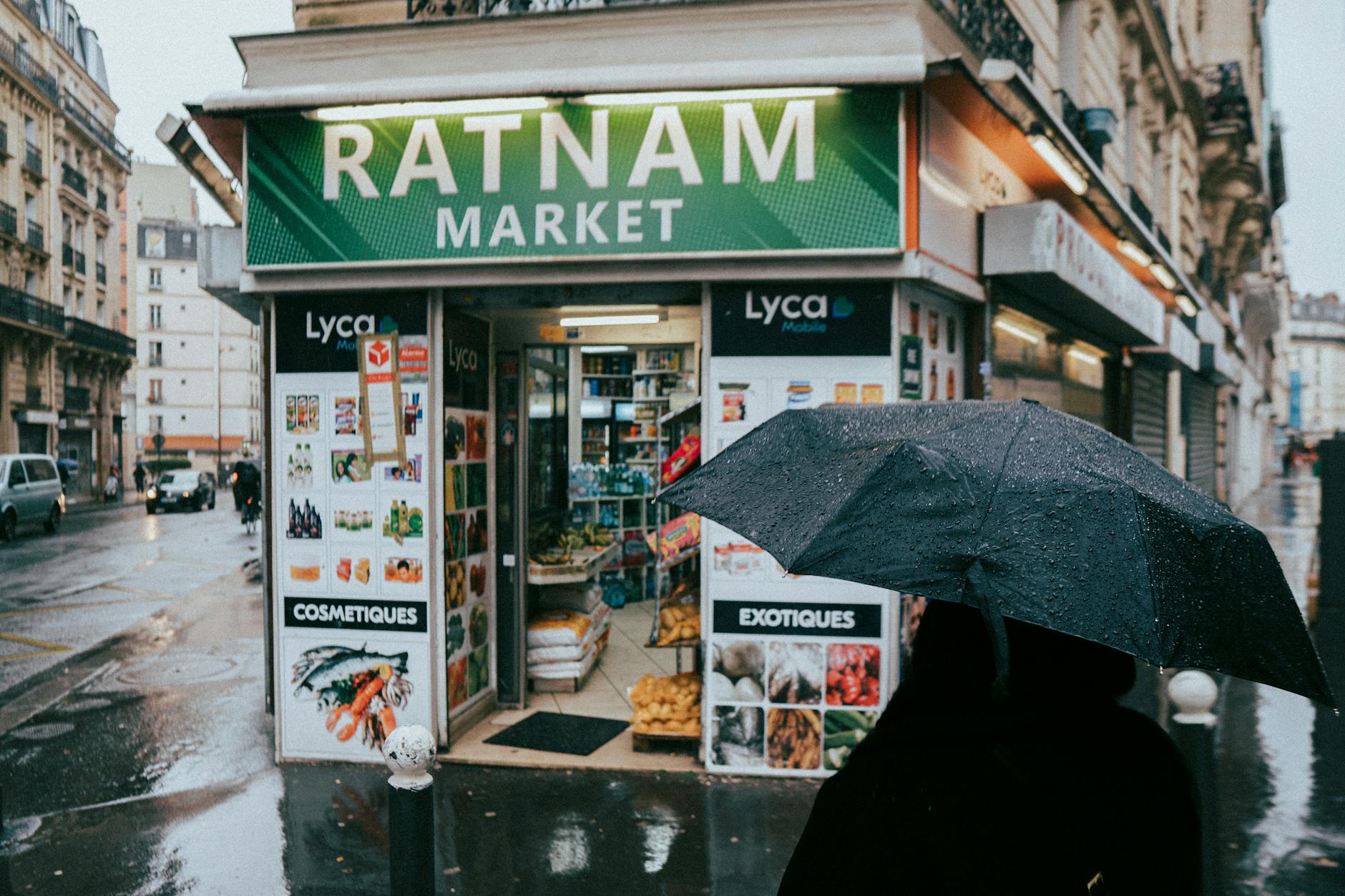
There’s a specific pleasure in swimming or steaming while the rain comes down outside. Paris has an unusual density of historic pools and hammams, most of them cheap, and all a fine way to pass a couple of hours when the forecast turns against you.
- Piscine Pontoise (5th): a 1933 Art Deco municipal pool with two tiers of changing cabins; lap-swim entry runs about €5. One of the most photogenic public pools in Europe.
- Piscine Joséphine Baker (13th): a heated pool floating on the Seine, roofed over in winter and opened to a sun deck in summer.
- Piscine Molitor (16th): the historic 1929 pool reborn as an MGallery hotel; spa day passes from around €180 buy access to the heated indoor pool, gym, and steam rooms.
- Hammam de la Mosquée de Paris (5th): €23 for the steam rooms, with gommage and massage extra and the Moroccan tea room next door as the perfect finish. Women-only most days, mixed on Wednesday and Sunday, so check the schedule.
- Hammam Pacha (Saint-Denis, RER B): a higher-end day spa with longer treatment menus, well worth the short RER trip.
Bookstores & Libraries
Few cities reward bookish weather like Paris. Public libraries are free to enter (sometimes with ID), and several of the most beautiful welcome non-readers purely as architectural visits.
- Shakespeare and Company (37 Rue de la Bûcherie, 5th): straight across the Seine from Notre-Dame, the English-language bookshop with hidden upstairs reading rooms, a piano, and a tiny attached café.
- Librairie Galignani (224 Rue de Rivoli): opened in 1801 and the oldest English-language bookstore in continental Europe, quieter and far more elegant than its Left Bank cousin.
- Bibliothèque Sainte-Geneviève (5th): Henri Labrouste’s 1850 iron-and-glass reading room, free to enter with photo ID, and one of the most beautiful library interiors anywhere.
- BnF Richelieu Salle Ovale: the gorgeous oval reading room reopened to the public in 2022 with no card required. Sit, read, leave.
- Bibliothèque Mazarine (6th): France’s oldest public library, founded in 1643, inside the Institut de France, with free reading-room visits.
Restaurants Worth Booking on a Rainy Day
The long French lunch is the most dependable antidote to bad weather Paris ever invented. A two- or three-hour multi-course menu with wine pairs perfectly with a steady afternoon drizzle, and the city’s historic brasseries were built for precisely this.
- Bouillon Pigalle and Bouillon Chartier: historic working-class “bouillons” serving classic French dishes at very low prices. No reservations, so expect a queue, but the atmosphere makes up for it.
- Brasserie Lipp, Brasserie Bofinger, Brasserie Wepler: Belle Époque brasseries with original tilework and zinc bars. The seafood platters, the choucroute, the steaks: exactly what a rainy lunch should be.
- Le Train Bleu (Gare de Lyon, 1st floor): the 1901 painted-ceiling dining room is one of the most spectacular interiors in any railway station in Europe, and lunch is the most affordable way through the door.
- Tea at Angelina (226 Rue de Rivoli): the Mont-Blanc pastry and the famously thick “chocolat l’africain” have kept the queue at this 1903 salon de thé moving for over a century.
Indoor Family Activities for Rainy Days
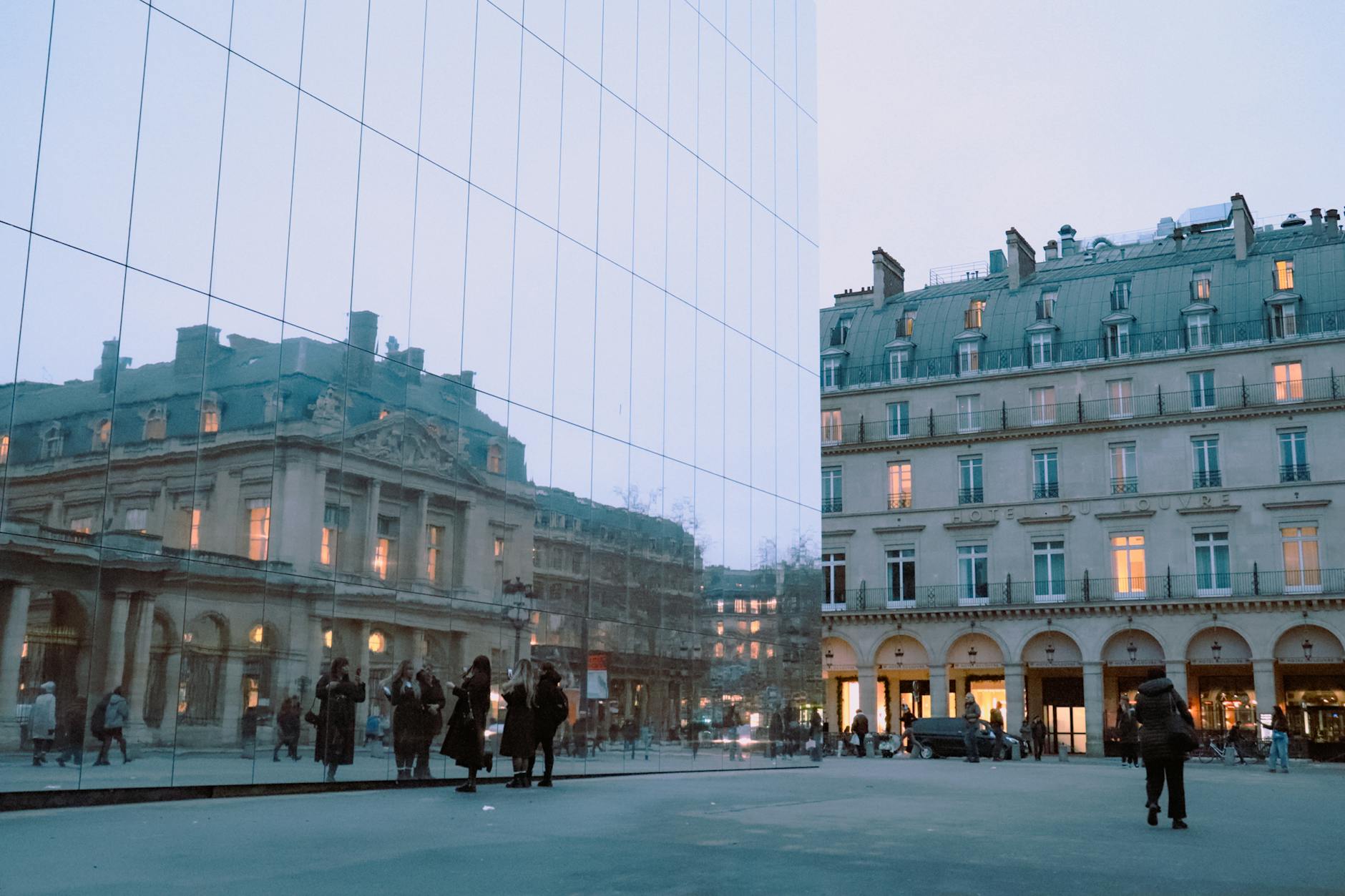
Travelling with children, rain pressure is real and immediate. The good news is that over the last decade Paris has built more world-class indoor family attractions than almost any other European capital. For more, see our guide to Paris for families.
- Cité des Sciences et de l’Industrie / La Villette (19th): the largest science museum in Europe, with a dedicated “Cité des Enfants” for ages 2 to 12, an IMAX dome, a submarine, and rotating big-format exhibitions.
- Aquarium de Paris (16th, Trocadéro): €23 adult, €18 child, with sharks, rays, jellyfish, and a small petting pool. Compact enough for a 90-minute visit.
- Musée Grévin (9th): the wax museum, reached through Passage Jouffroy, so you can fold it into the covered-passages walk above.
- La Maison de la Magie: magic shows on weekends, plus interactive illusions throughout the building.
- Atelier des Lumières (38 Rue Saint-Maur, 11th): immersive 360-degree projections inside a former iron foundry. The 2025-2026 programme features Klimt and Van Gogh shows, ideal for ages 5 and up.
- KidsPark and OYA: chain indoor playgrounds and board-game cafés, the safety valves of a long rainy afternoon.
- Disneyland Paris (RER A direct): for a full day out, it mixes covered indoor rides with short outdoor walks, the staff handle weather extremely well, and rainy days mean shorter ride queues.
Cooking Classes & Hands-On Workshops
A guaranteed-washout day is the best possible excuse to book a hands-on workshop. The whole thing happens indoors, and you walk out with a skill and, usually, lunch. Most providers run English-language sessions, with short formats starting around 90 minutes.
- Le Cordon Bleu Paris: the legendary culinary school runs single demonstration classes alongside its professional curriculum, and a 2-hour pastry demo is the easiest way in.
- La Cuisine Paris (4th): short, friendly classes on macarons, croissants, and baguettes, with English-speaking chefs and a central Marais location.
- Cook’n with Class: small-group market-to-table classes that begin with a guided market shop before you cook.
- O’Chateau (1st): sommelier-led wine tastings in a vaulted seventeenth-century cellar near Les Halles, a perfect rainy late-afternoon plan.
Survival Tips for Paris Rain
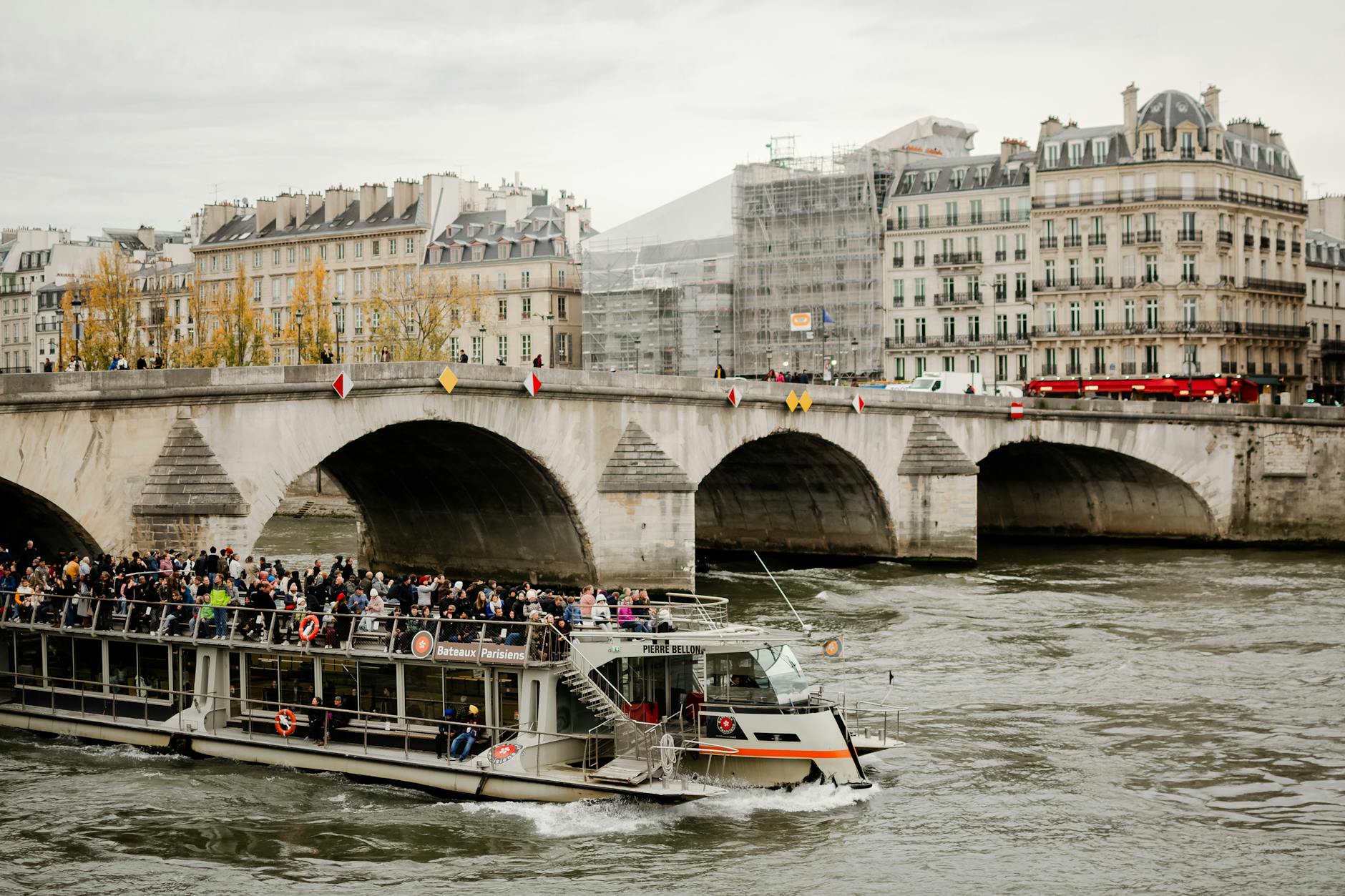
- Buy a small umbrella locally. Every Monoprix and most Tabacs sell a “petit parapluie” for around €15. Don’t haul a bulky one from home.
- Pavés are slippery. Paris’s historic cobblestones turn genuinely dangerous in the rain if your shoes have leather soles. Wear rubber soles or treaded boots, especially in the Marais and Montmartre.
- Cafés are a sanctioned shelter. A single coffee buys you 30 to 60 minutes of sitting out a shower. It’s the local protocol, and nobody will rush you.
- Use the metro as covered transit. Plenty of stations have several covered exits, and a one-stop ride often saves you a soaking between attractions.
- Free WCs exist. Department stores, the Centre Pompidou exterior, and most large hotel lobbies have free toilets, and walking in politely is generally tolerated.
- Check the rain radar app. The French “Météo-France” app shows precipitation in 5-minute intervals and is startlingly accurate; many showers blow through in 20 minutes.
Frequently Asked Questions
What can I do in Paris on a rainy day?
The strongest moves: a full half-day in one of the major museums (Louvre, d’Orsay, Orangerie, Rodin); the covered passages walk through the 2nd and 9th arrondissements; lunch at a Belle Époque brasserie; a department store visit that takes in the rooftop and food hall; or a hammam and tea at the Mosquée de Paris. Travelling with kids, add the Aquarium de Paris, Cité des Sciences, or Atelier des Lumières. For more route ideas, see our Paris walking tours page.
Are Paris museums open in the rain?
Yes, and wet weather is a major driver of museum demand, so timed entry is essential. Pre-book the Louvre, Orsay, and Orangerie at least 1 to 2 weeks ahead in the shoulder seasons and 3 to 4 weeks ahead in summer. Remember that the Louvre closes Tuesdays, the Orsay and Orangerie close Mondays, and the Centre Pompidou is fully closed for renovation through 2030.
Does it rain a lot in Paris?
Paris gets roughly 640mm of rain a year across 110 to 120 rainy days, but the rain is light: about 70% of those days bring under 5mm, meaning brief showers rather than sustained downpours. There’s no “rainy season” to avoid, since rainfall spreads evenly. May is the wettest month on average, February the driest.
What’s the best museum for a rainy day in Paris?
The Louvre is the safest single choice: largest, climate-controlled, and able to absorb a six-hour visit without strain. If you’ve already done it, the Musée d’Orsay is next for its Impressionist collection and Beaux-Arts setting. For something smaller and more meditative, the Water Lilies rooms at the Musée de l’Orangerie are unbeatable in 90 minutes.
Are the Paris covered passages free?
Yes. The passages themselves are public walkways: free to enter, fully under glass, and open from early morning until early evening, with most closing around 8 or 9pm. Only the individual shops, cafés, or museums inside them charge admission. They’re also among the best free things to do in Paris.
What can families do in Paris when it rains?
The Cité des Sciences at La Villette is the largest indoor family attraction in the city and easily fills a day. Other strong picks: the Aquarium de Paris at Trocadéro, the Musée Grévin wax museum, and the immersive shows at the Atelier des Lumières. For a full-day excursion, Disneyland Paris’s indoor-leaning attractions handle rain well, and the queues run shorter.
Are restaurants the best rainy-day Paris activity?
A long lunch is genuinely one of the best uses of a rainy Paris afternoon. Belle Époque brasseries (Lipp, Bofinger, Wepler), the historic bouillons (Pigalle, Chartier), and grand settings like Le Train Bleu are all built for slow, multi-course meals that fill two or three hours without trying. Bookend it with a museum morning and a covered-passage stroll for a full day.
Should I avoid the Eiffel Tower in the rain?
Generally, yes. The upper levels close in lightning storms, low cloud erases the views, and the open-air decks are exposed and miserable in steady rain. Rebook for a clearer day. When the weather’s poor, the indoor museums and viewpoints (the Galeries Lafayette rooftop, the Printemps rooftop, the enclosed observation deck at Tour Montparnasse) make far better use of your time. See our Seine river cruise guide for covered alternatives, our best Paris tours page for guided indoor options, and our things to do in Paris at night piece for evening rainy-day rescues.
Plan the Rest of Your Paris Trip
Pair this guide with the rest of our Cluster 3 coverage to build an itinerary that flexes around the weather:
- Things to do in Paris — the master pillar guide.
- Free things to do in Paris — many of them indoor.
- Unique things to do in Paris — for the offbeat indoor museums.
- Things to do in Paris at night — rainy evenings covered.
- Paris walking tours — including covered-passage themed routes.
- Seine river cruise Paris — covered options work in any weather.
- Best Paris tours — including indoor guided experiences.
- Paris photo spots — many of them indoor.
- Paris winter activities — heavy overlap with this guide.
- Paris summer activities — for the other side of the year.
For wider planning, see our pillars on the Paris travel guide, where to stay in Paris, the Paris dining guide, and getting around Paris. Handled right, a rainy day in Paris isn’t damage control. It often turns out to be the day you remember most.
More to explore
Use these to round out your trip: