Things to Do in Paris in Winter: A Magical Cold-Weather Guide
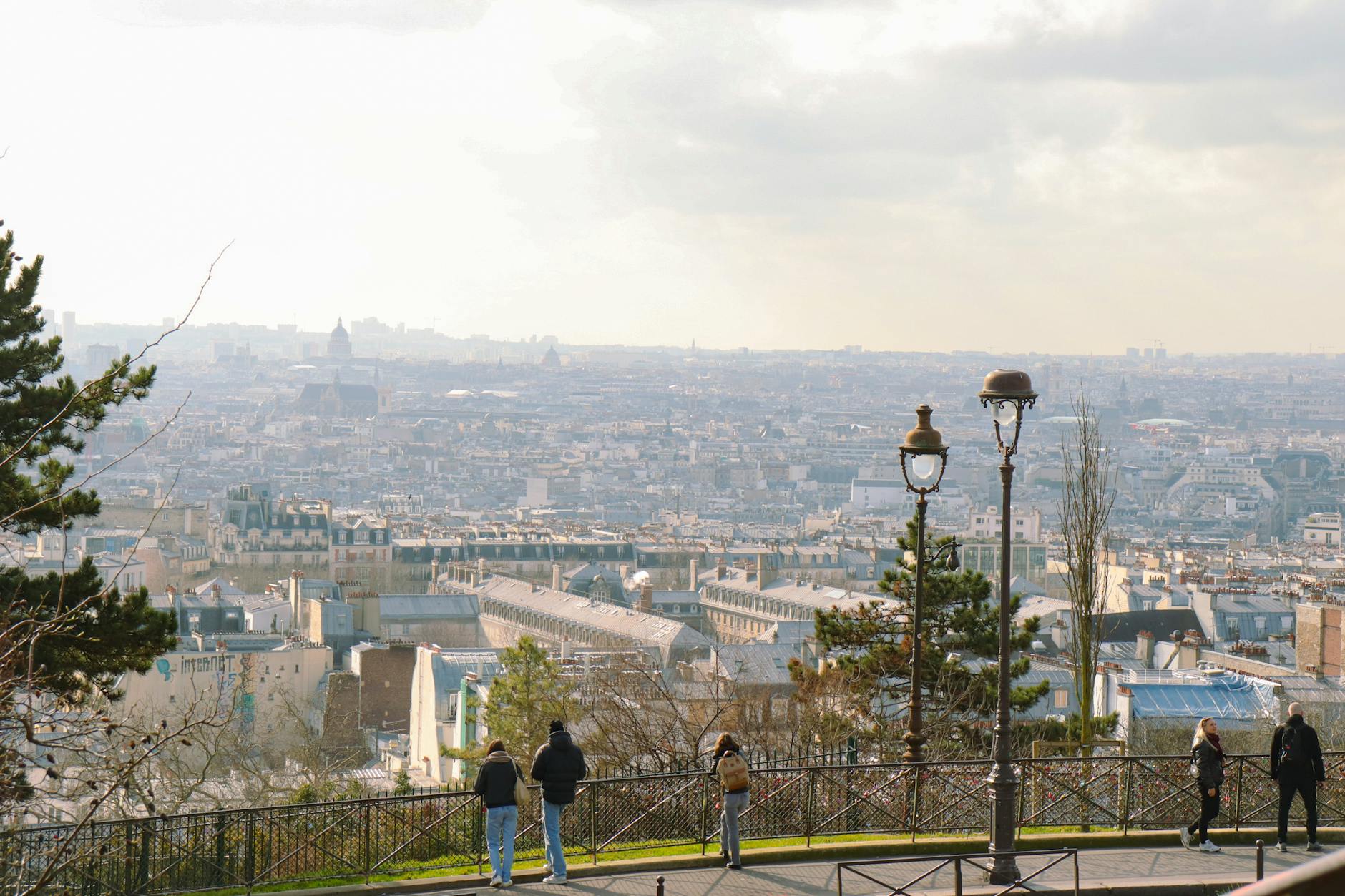
Ask a Parisian when the city is best and a fair number will tell you, quietly, January. Not because they are contrarian, but because that is when Paris stops performing. The summer crowds have gone home. Hotels drop 30 to 40 percent. Museums that swallow your whole morning in July let you in within ten minutes. Cafés wrap their terraces in heaters and wool blankets and pour chocolat chaud thick enough to stand a spoon in. The honest truth about things to do in paris in winter is that there are more of them, and they are better, than most visitors ever suspect, somewhere in that stretch between the mid-November evening the Champs-Élysées lights flicker on and the February morning the first crocuses turn up in the Tuileries.
Yes, there are trade-offs. The sun sets at 4:50pm in mid-December. You get roughly twenty grey days a month, and the occasional cold snap drops to minus three. But dress properly, book early-evening museum slots and late brasserie tables, and time your walk between Galeries Lafayette and Opéra Garnier to land at the 9pm cupola light show, and the city you get is more elegant, more intimate, and a good deal cheaper than its high-season self. What follows: the Christmas markets worth your time and the one that’s been dead since 2017, the hot-chocolate shrines locals queue for, the museums at their quiet best, opera and ballet season, New Year’s Eve fireworks, the January sales calendar fixed by French law, and exactly what to pack so the cold works for you instead of against you. If you’re still weighing dates, our guide to the best time to visit Paris sets all four seasons side by side, and for the indoor end of the spectrum, see our companion piece on what to do in Paris when it rains.
Why Visit Paris in Winter? Real Pros and Cons
Visitor numbers fall by roughly 35 percent between December and February against the July-August peak, and that single fact ripples outward into everything. The Louvre’s standard 90-minute weekend queue shrinks to 10 or 20 minutes. Hotels in the 1st through 8th arrondissements run 30 to 40 percent below summer: the Hyatt Regency Étoile that wants €480 in June settles for €310 in February. That restaurant terrace you cannot book at 8pm in May has tables free at 7:30pm in January. You can stand in front of the Mona Lisa with five other people rather than ninety, and photograph the Trocadéro at dawn without forty other tripods in the frame.
Now the part the brochures skip. Days are short. Paris sits at 48.85 degrees north, higher than almost anywhere in the lower 48, so on December 21 the sun comes up at 8:42am and is gone by 4:55pm. Plan your sightseeing around 8.5 hours of light and you’ll be fine. The wet comes as drizzle more than rain, around twenty days a month with measurable precipitation, mostly under five millimetres. Highs sit near 7°C in December and January, dropping to 1 to 3°C overnight. Real snow is rare, five to ten days a year and rarely lasting more than a few hours, so those photos of a white Place des Vosges that float across Instagram are once-a-winter events, not a forecast. A few Seine cruise companies thin out their schedules, and a handful of restaurants shut for two weeks around Christmas. None of this is a reason to stay home. It’s just a reason to plan.
Here’s the real argument, though. Paris was built for low light. Haussmann limestone goes gold under the streetlamps. Café windows fog from the inside. A wool coat and a cashmere scarf photograph better than any t-shirt ever did. The cooking turns to onion soup, raclette, pôt-au-feu, and oysters at the brasseries from October’s “R” months on, and by January the bakery cases fill with galette des rois. Winter in Paris isn’t a lesser version of summer. It’s a different city wearing the same address.
Best Christmas Markets in Paris (Late November to Early January)
The season runs from roughly the third week of November to the first week of January. Most markets open on the day of the Champs-Élysées illumination ceremony, usually the third Wednesday of November, and close somewhere between December 30 and January 5. Hours generally land at 11am to 9pm or 10pm daily, shorter on Christmas Eve, shut on Christmas Day. Cash is still king at a lot of the chalets, so bring small bills.
Marché de Noël Notre-Dame and Saint-Sulpice
The most central market sets up around Place Saint-Sulpice (6th) and, historically, along the Notre-Dame parvis too. With Notre-Dame de Paris reopened in December 2024, the cathedral-plaza market came back for the 2025-2026 season. Roughly 60 chalets lean hard into actual craft: santons (the little Provençal nativity figurines), hand-blown glass ornaments, sheepskin slippers, lavender soap from Provence. It’s noticeably less commercial than the Tuileries, which is exactly why it’s the locals’ pick when they’re shopping for real gifts. Vin chaud runs €4 to €6 a cup, raclette sandwiches about €10.
Marché de Noël Tuileries
The Tuileries market and funfair (the “Fête des Tuileries” in its winter guise) is the biggest and the most touristy. Count on about 100 chalets, a 60-metre Ferris wheel, a vintage carousel, an ice rink, and food stands running the gamut from churros to foie gras. It sits in the Jardin des Tuileries between the Louvre and Place de la Concorde, an easy walk from any 1st or 8th arrondissement hotel. Opens late November, closes January 5. Entry is free; rides cost €4 to €8 each.
Marché de Noël La Défense
Just beyond the city on Métro Line 1 (or RER A), the La Défense market is the largest in Île-de-France, around 350 chalets spread across the parvis beneath the Grande Arche. More volume than charm, frankly, but if you want Christmas-market scale at its most ambitious, here it is. The food is the strong suit: Alsatian flammeküeche, Savoyard tartiflette, Belgian fries, German bürger. Open late November to late December.
Marché de Noël La Villette
The Parc de la Villette market (19th) is partly covered, properly family-friendly, and runs the best cultural programming of the lot: storytelling for kids, free workshops, lit installations strung along the canal. It’s quieter than the central markets and far easier with a stroller. Pair it with the Cité des Sciences, an excellent indoor stop for Paris with kids on the same site.
Marché de Noël Saint-Germain-des-Prés
A small, food-first market on Place Saint-Germain-des-Prés, right in front of the abbey church. Twenty to thirty chalets, weighted toward producers: cheese, charcuterie, regional wines, oysters from Cancale, Christmas pâtisseries from Left Bank chefs. This is the least touristy and most atmospheric of the central markets. Time it for after a look inside the church, the oldest abbey in Paris, and a hot chocolate at Café de Flore.
One thing to clear up: the Champs-Élysées Christmas market is gone. It was scrapped in 2017 after years of complaints about quality and crass over-commercialisation, and it has not come back. Older guidebooks still list it, so ignore them on this point. The avenue’s illuminations are alive and well. There are simply no chalets lining it anymore.
Christmas Lights and Illuminations Walking Routes
Paris doesn’t do its December lights as one single attraction. It does them as layers: animated department-store windows, illuminated avenues, light installations stacked one on top of another, all of it built to be walked. The season usually opens with the formal Champs-Élysées ceremony on the Wednesday before American Thanksgiving and runs into the second week of January. The window for it is 5:30pm, once it’s fully dark, to about 9:30pm.
Start with the classic. From Place de la Concorde just after sunset, walk west up the tree-light tunnel of the Champs-Élysées to the Arc de Triomphe, about half an hour at a stroll. Then peel south on Avenue George V to Avenue Montaigne, where Dior, Chanel, Louis Vuitton, Hermès, and Bulgari stage elaborate illuminated facades that change every year. Finish at Pont de l’Alma. The whole luxury-light circuit comes to roughly 75 minutes.
Then there’s the grand-magasin walk. Galeries Lafayette Haussmann and Printemps Haussmann (both 9th, on Boulevard Haussmann) wage an annual arms race over the most extravagant animated windows, and on Saturdays the crowds pack three deep to see who won. Inside Galeries Lafayette, the Belle Époque stained-glass cupola anchors a nightly music-and-light show at 9pm, and the rooftop terrace stays free and open until 6 or 7pm with a view across to Opéra Garnier. From there, head west on Rue Auber to Opéra Garnier, lit every night, then south on Rue de la Paix to Place Vendôme, where Cartier, Boucheron, Chaumet, and Van Cleef & Arpels ring the column with jewellery-themed displays. About 90 minutes door to door.
If you’d rather skip the crowds, Saint-Germain-des-Prés does something more restrained along Boulevard Saint-Germain, gold filaments instead of colour bombast. Over on the Île de la Cité, the bridges (Pont Neuf, Pont Saint-Michel) glow softly and stand almost empty after 8pm. A thirty-minute route worth doing: from the Saint-Sulpice market to the Saint-Germain-des-Prés church, across the Pont Neuf to the Vert-Galant point, where the lit Conciergerie lays itself out in the river. Free, romantic, and you’ll have it mostly to yourself.
Best Ice Skating Rinks in Paris
Between the seasonal outdoor rinks and one famous year-round indoor one, skating is about the most dependable winter activity going, whether you’ve got kids in tow or a date to impress.
- Patinoire de l’Hôtel de Ville, the giant rink in front of the City Hall (4th), historically free to skate with rentals at €10. December through January. The setting is what people come for: the Hôtel de Ville facade floodlit at night, the Seine just across Quai de l’Hôtel-de-Ville. That’s the photograph.
- Patinoire des Tuileries, the smaller paid rink (€7 to €10) tucked inside the Tuileries market. Easy to fold into mulled wine and a turn on the Ferris wheel. Late November to early January.
- Patinoire Edouard-Pailleron, the municipal indoor rink in the 19th, open year-round, €4 entry plus skate rental. The locals’ fallback once the seasonal rinks pack up.
- Galeries Lafayette rooftop ice rink, small, free with a store visit, mid-November to early January. Reckon on a 30 to 60 minute queue at weekends.
- Disneyland Paris ice rinks, at the resort hotels and main parks through the Enchanted Christmas season, late November to early January. Two parks plus a character dinner adds up to a strong day trip with children.
Cozy Cafés, Hot Chocolate, and Onion Soup Season
Winter in Paris runs on three things: chocolat chaud, soupe à l’oignon gratinée, and lunches that stretch on for hours in a heated bistro. Most of the places that wrote the rulebook on this in the last century are still going, and most of them earn their reputations. The one warning is logistical, not culinary. Don’t try to hit them all in a single trip.
Angelina (1st)
Opened in 1903 at 226 Rue de Rivoli, across from the Tuileries. Angelina’s “L’Africain” is the hot chocolate every French grandmother described to you: thick enough to stand a spoon in, poured from a small pitcher with a separate bowl of fresh whipped cream you fold in to taste. Around €10. Get a Mont-Blanc alongside it, the chestnut-cream pastry the house invented. The catch is the queue, which can run 60 to 90 minutes on December weekends. Two ways around it: turn up at the 9am open, or skip the flagship entirely for the smaller Angelina counters at Versailles, the Musée du Luxembourg, or inside Galeries Lafayette. Same recipes, no line.
Carette (16th)
Carette’s flagship at 4 Place du Trocadéro is the hot-chocolate stop nearest the Eiffel Tower, with terrace tables that look straight at it through the bare winter trees. The chocolat chaud holds its own against Angelina’s, and the macarons are arguably the better buy. Less famous, which means less queue.
Café Verlet (1st)
256 Rue Saint-Honoré. A coffee roaster since 1880 that happens to pour a superb house chocolat chaud. It’s tiny, eight tables, and so unmarketed you’ll walk past the door three times before you spot it. Worth a real detour if coffee is your thing.
Au Pied de Cochon (1st)
6 Rue Coquillière. Open 24 hours, every day, since 1947. Their soupe à l’oignon gratinée is the version everyone else is chasing: deep beef stock, onions cooked down slow, a slab of Comté melted over toasted bread that crusts hard at the rim of the bowl. About €15. The pied de cochon (pig’s trotters, literally) is the namesake, but you can also order steak frites, raclette, andouillette, and a creditable plateau de fruits de mer at 4am if the night has gone that way.
Jacques Genin (3rd)
133 Rue de Turenne. Named Chocolatier of the Year more than once. Order the chocolat chaud and a single pièce de chocolat, and take in a tasting room that’s bright, modernist, and run with the discipline of a lab. Closed Mondays.
A few more worth your winter afternoons: Du Pain et des Idées (10th, 34 Rue Yves Toudic) for escargot rolls and a coffee, though it’s closed Saturday and Sunday; Ladürée for tea and macarons in its Belle Époque salon; Bouillon Pigalle and Bouillon Chârtier for €15 three-course French winter menus built on onion soup and bourguignon, no reservations so expect a line; and Brasserie Lipp on Boulevard Saint-Germain for old-Paris atmosphere that holds up late into the night. Our Paris dining guide goes deeper into all of it.
Indoor Museums Are at Their Best in Winter
Winter is the season Paris’s museums turn from an endurance test into a pleasure. The Louvre that crams five hundred people into a gallery in July holds about a hundred in February. This is the single most underrated thing about travelling off-season, and you should build your trip around it.
- Louvre: closed Tuesday, longest hours Friday until 9:45pm, €30 timed entry. Book a 5pm or 6pm winter slot for galleries that are nearly your own. Friday evening is the move; most tour groups clear out by 6pm, leaving the Egyptian and Italian wings to whoever stayed.
- Musée d’Orsay: closed Monday, Thursday until 9:45pm, €16. In winter the Impressionist halls feel like the painters’ own studios. Give it four hours, and time the Belle Époque clock-room window over the Seine for sunset, around 5pm in December.
- Musée de l’Orangerie: Monet’s two oval rooms of Water Lilies, €12.50. Ninety minutes does it, and the rooms were built for sitting still, so there’s no winter day you can’t have the central bench to yourself for ten minutes.
- Petit Palais (8th): free permanent collection. A Belle Époque mansion across from the Grand Palais, warm and gilded and nearly deserted in winter. An ideal place to wait out an afternoon of drizzle.
- Bourse de Commerce, Pinault Collection (1st): Tadao Ando’s concrete rotunda dropped inside the 18th-century commodities exchange, free the first Saturday of the month, 5 to 9pm. Contemporary work from the Pinault holdings rotates twice a year.
- Atelier des Lumières (11th): immersive digital shows projected across every surface of a former iron foundry. The 2025-2026 programme has run Klimt, Van Gogh, and the Châteaux of the Loire. €16.50.
- Musée de Cluny / Musée National du Moyen Âge (5th): medieval art, the Lady and the Unicorn tapestries among it. Intimate, and rarely busy.
- Musée Carnavalet (3rd): the whole history of Paris in one place, free permanent collection, recently renovated.
One closure to plan around: the Centre Pompidou shut in September 2025 for a multi-year overhaul and isn’t expected back until 2030. For modern art in the meantime, point yourself at the Musée d’Art Moderne de la Ville de Paris (free, 16th, in the east wing of the Palais de Tokyo) or Lafayette Anticipations (free, in the Marais). Our Paris museums guide keeps track of every closure and reopening.
Opera, Ballet, and Classical Music Season
Paris’s opera, ballet, and concert season runs September through July and hits its stride in winter. Last-minute tickets are easier to land than the reputation suggests: loge seats at Opéra Garnier from €15, standing room at Opéra Bastille around €10. The Nutcracker (Casse-Noisette) and Swan Lake tend to anchor the ballet calendar from late November to late December. Check the Paris activities guide calendar for seasonal listings.
- Opéra Garnier: Charles Garnier’s gilded 1875 palace at Place de l’Opéra. Tickets €15 to €200, with loge seats genuinely affordable at the last minute. Go even if you’ve never heard of what’s playing, because the building is the performance. Can’t get a show ticket? A self-guided daytime tour runs €15.
- Opéra Bastille: Carlos Ott’s modern 1989 house. Bigger productions, more contemporary repertoire, and cheaper tickets for students and the under-28s released on the day.
- Théâtre des Champs-Élysées: Avenue Montaigne. Concerts and opera in an Art Deco jewel. This is the hall where Stravinsky’s Rite of Spring premiered in 1913, riot and all.
- Sainte-Chapelle classical concerts: nightly winter performances inside the 13th-century stained-glass interior, usually Vivaldi and Bach for chamber ensemble. Around €40 to €60. The acoustics are imperfect; the setting is unrivalled.
- Notre-Dame de Paris: reopened in December 2024, and winter is its concert season. Check the cathedral’s official schedule for free vespers and ticketed orchestral concerts.
- Saint-Eustache and Saint-Sulpice: weekly free organ recitals (Saint-Eustache Sunday 5:30pm, Saint-Sulpice Sunday 11:30am). Saint-Eustache holds the largest pipe organ in France.
- Maison de la Radio Auditorium (16th): free dress rehearsals of Radio France’s orchestras if you reserve ahead. One of the best free secrets in the city.
New Year’s Eve and New Year’s Day in Paris

The public Saint-Sylvestre centres on the Champs-Élysées. Since 2014 the city has put on a free midnight light-and-fireworks show at the Arc de Triomphe, pulling somewhere between 500,000 and a million people on a clear year. The avenue closes to traffic and goes pedestrian from around 8pm. If you actually want a spot, be on it by 9pm. Show up after 10pm and you’re watching from a side street.
For a calmer midnight, the Eiffel Tower runs its own light show at 11:55pm, visible from Trocadéro plaza, Pont de Bir-Hakeim, the Champ de Mars south lawn, the Esplanade des Invalides, and the Tour Montparnasse 56 observation deck, which sells timed New Year’s Eve tickets and stays open until 1am. The Champ de Mars is the family option. Trocadéro is the postcard, but the crowd is dense and so are the pickpockets working it, so keep your bag in front of you.
Restaurants put on a “menu réveillon” prix-fixe for December 31, anywhere from €60 at a neighbourhood bistro to €500 and up at a three-Michelin house. Most are fully booked by mid-November. The Seine dinner cruises (Bateaux Mouches, Bateaux Parisiens, and Yachts de Paris’s Don Juan II) run special editions at €200 to €450 with midnight Champagne and an on-water line of sight to both the Eiffel and Arc de Triomphe shows. If you want one, reserve by early November.
New Year’s Day (Jour de l’An) is a public holiday, and most museums close. What’s open: Notre-Dame, churches in general, the Eiffel Tower, the parks, and most cafés by mid-morning. Brunch is the day’s social ritual. The ones to book: Le Train Bleu at Gare de Lyon, under its monumental 1901 ceiling; Coffee Parisien; Pâtisserie des Rêves; and Café de Flore. The Métro runs free and continuous through the night of December 31.
Galette des Rois and French January Traditions
On January 6, the Catholic feast of Epiphany, France eats galette des rois: a flat puff-pastry cake filled with frangipane, almond cream, with a small porcelain figurine called a fève baked somewhere inside. Whoever finds the fève in their slice is crowned king or queen for the day, gets the paper crown, and picks a partner. The tradition stretches across the whole month. Bakeries sell galettes from January 1 to about January 31, and most offices and families run two or three rounds before it’s over.
Where to get the best in 2026: Cyril Lignac (several locations) for the modern benchmark; Pierre Hermé for the fancier flavour pairings; Stohrer at 51 Rue Montorgueil, the oldest pâtisserie in Paris (founded 1730), for the most traditional version; Du Pain et des Idées for a pistachio-chocolate variant; and Yann Couvreur for the prettiest one on the table. Order a day or two ahead at the top bakeries, because the small ones sell out by lunch.
Winter Sales, the Soldes d’Hiver
France regulates its sales by law, which makes shopping here refreshingly predictable. The soldes d’hiver run four to six weeks from the second Wednesday of January, which in 2026 means January 14, finishing in late February. Unlike the staggered chaos of American sales, the timing is identical at every shop in the country, so there’s no early-bird store to race to. Discounts open at 30 percent in week one and deepen to 50, 60, and the occasional 70 percent by the third or fourth week.
Where to spend it: Galeries Lafayette and Printemps Haussmann for big-brand fashion; Le Bon Marché on the Left Bank for a more refined edit; the Avenue des Champs-Élysées for global labels; Saint-Germain-des-Prés for the designer boutiques; and Le Marais for emerging French names and concept shops. The outlet centres beyond the city (La Vallée Village near Disneyland Paris, Marques Avenue) stack the soldes discount on top of their everyday outlet pricing, and that’s where the deepest cuts surface. Our Paris shopping guide covers the full picture, duty-free refunds for non-EU residents included.
Day Trips That Work in Winter
Some day trips from Paris are actually better in winter, when the crowds thin out and the formal architecture stands clear of all that summer foliage. Others should wait for spring, and it’s worth knowing which is which before you commit a day to one.
- Versailles: the main palace is open Tuesday to Sunday year-round (closed Mondays), the gardens are free year-round, and crowds fall to about a quarter of summer levels from November through February. The Hall of Mirrors at midday with 30 people in it rather than 300 is a wholly different room. Snow on the gardens, on the rare day it happens, is a gift, so watch the forecast.
- Disneyland Paris: the Enchanted Christmas season runs late November to early January with shorter queues than peak summer and the parks fully dressed. After January 7 the lines stay short straight through February. RER A from Châtelet to Marne-la-Vallée Chessy in 40 minutes.
- Reims and the Champagne region: cellar tours at Taittinger, Veuve Clicquot, Pommery, and G.H. Mumm are at their coziest in the cold. 45 minutes by TGV from Gare de l’Est. Add lunch at Brasserie Le Jardin or Café du Palais and you’ve filled a day.
- Loire Valley castles: doable as a day trip but tight, so it’s better as an overnight in Tours or Amboise. Château de Chambord, Château de Chenonceau, and Château de Cheverny all open year-round.
- Skip in winter: Mont Saint-Michel. It’s stunning, but it’s five hours of transit each way and dark by 5pm in December, so you’d arrive, eat, and turn around in failing light. Save it for April.
Winter Packing for Paris
Two things tend to be true at once. Paris is colder than most American visitors expect, because the wet wind off the Seine slices through anything inadequate, and warmer than the European stereotype suggests. Pack for both. The basics:
- A real coat, wool, a cashmere blend, or a structured down. Paris is a coat city. From November to March your coat is your daily outerwear, and people will see you in it more than anything else you packed.
- Waterproof flat boots. The cobbles are slick in drizzle and treacherous in real rain. Don’t bring new shoes; bring something already broken in.
- Layers. Museums sit at about 22°C while the street is 3°C, so a merino sweater you can shed without a fight beats one heavy garment every time.
- A compact umbrella, or just buy one at any Monoprix for €15 when the sky opens.
- A cashmere scarf, which doubles as warmth and as the one accessory that makes you read as someone who lives in the 6th rather than someone visiting it.
- Gloves and a hat. January and February evenings genuinely call for both.
- An optional thermal base layer, handy if you’re planning a full day at the outdoor markets, on a walking tour, or out in the Versailles gardens.
Best Paris Hotels for Winter Atmosphere
The hotels that come alive in winter tend to share three things: a fireplace lounge, a bar worth staying in for, and a location that lets you walk home through lit-up streets. Pulled from our luxury hotels in Paris guide, the standouts:
- Le Bristol Paris (8th): several fireplace lounges, a Christmas-decorated lobby that’s locally famous, and an indoor pool with an Eiffel-rooftop view that’s something else after dark.
- Plaza Athénée (8th): the Avenue Montaigne address drops you in the middle of the luxury-illumination corridor, and the courtyard ice rink runs in some winters.
- Hôtel Lutetia (6th): Bar Joséphine has the most romantic fireplace on the Left Bank, with jazz every night.
- Saint James Paris (16th): the only château-hotel inside the city limits, with a 2,500m² private garden that becomes its own quiet world in winter.
- Le Pavillon de la Reine (Place des Vosges, Marais): courtyard fireplaces, intimate boutique scale, and a five-minute walk to the Marais Christmas market.
- Hyatt Regency Paris Étoile (17th): the panoramic top-floor restaurant and the Eiffel-side rooms are at their most dramatic in low winter light, and the World of Hyatt point redemption is excellent in the off-season.
Frequently Asked Questions About Winter in Paris
Is Paris worth visiting in winter?
Yes, particularly if you’ve already done Paris in summer or you’re sensitive to crowds and budget. Winter brings shorter museum queues, hotels 30 to 40 percent below July rates, Christmas markets and illuminations, opera and ballet season at its peak, and an atmosphere summer simply can’t manufacture. The cost is short days and a lot of grey sky.
Does it snow in Paris?
Rarely. Paris averages five to ten snowy days a year, mostly in January and February, and the snow seldom sticks more than a few hours. Daily highs hover around 7°C in December and January, lows around 1 to 3°C. Real accumulation is a special-occasion event, not something to build a trip around.
Are there Christmas markets in Paris?
Yes, several. The principal ones are the Tuileries (largest, with funfair and ice rink), Saint-Sulpice and Notre-Dame (most central, artisan-focused), La Défense (largest in Île-de-France), La Villette (covered and family-friendly), and Saint-Germain-des-Prés (smallest and most food-driven). They run late November to early January. One caveat: the Champs-Élysées market was discontinued in 2017 and hasn’t returned, whatever older guides still claim.
What’s open in Paris on Christmas Day and New Year’s Day?
On Christmas Day (Dec 25) and New Year’s Day (Jan 1), most museums close. Open: Notre-Dame and most churches, the Eiffel Tower, the parks, hotel restaurants, brasseries serving brunch, and a handful of department-store food halls. The Métro runs reduced service on Dec 25 and free, continuous service from Dec 31 into Jan 1 morning. Restaurants typically run prix-fixe réveillon menus and fill up by mid-November.
Is the Eiffel Tower open in winter?
Yes, year-round. Winter hours run roughly 9:30am to 11:45pm (last lift up), and queues are 30 to 60 percent shorter than summer. The summit is open most days, weather permitting; high winds above 70 km/h close it but rarely affect the second floor. Tickets remain €31 for the elevator to the summit, €19 for the second floor, €14 for the stairs.
When do Paris winter sales start?
The 2026 soldes d’hiver begin on Wednesday, January 14, 2026, and run to roughly late February. French law fixes the start date, and it’s identical at every store in the country. Discounts open at 30 percent and deepen to 50 to 70 percent across four to six weeks.
What should I pack for Paris in winter?
A real wool or down coat, waterproof flat boots that are already broken in (the cobbles are unforgiving), merino sweater layers, a compact umbrella, a cashmere scarf, gloves, and a hat. Daily highs run 5 to 9°C from December through February, with frequent drizzle. Skip the thick puffy parka. Paris dressing is structured and a little dressed-up, and you’ll feel more at home matching it than in full tourist North-Face.
Are Seine river cruises operating in winter?
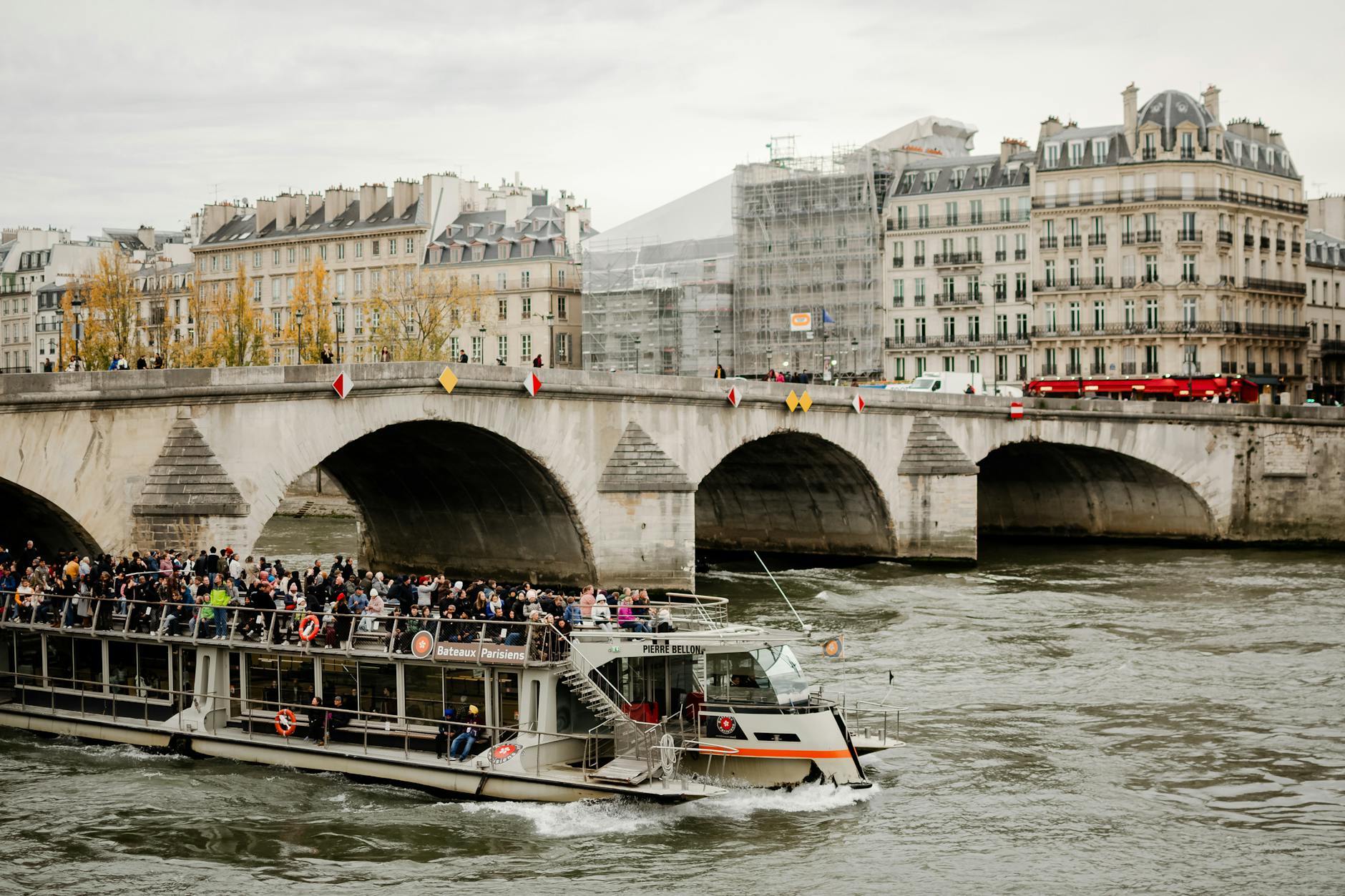
Yes. Bateaux Mouches, Bateaux Parisiens, and Vedettes du Pont-Neuf all run year-round on covered glass-roof boats. A few smaller specialty operators cut back or pause for winter. The winter cruises are heated, far less crowded, and give you a genuinely striking angle on the illuminated monuments, and the dinner cruises lay on special menus for Christmas and New Year’s Eve. See our companion Seine river cruise Paris guide.
Plan the Rest of Your Paris Trip
Winter is one of the best windows to come, but a trip is never only about a season. Start with our guide to planning a trip to Paris for the dates-and-flights logistics, then work through where to stay in Paris for choosing a neighbourhood, getting around Paris for the Métro and the Navigo Easy, and the best time to visit Paris for a straight comparison across all four seasons. For the winter-adjacent stuff, there’s what to do in Paris when it rains, things to do in Paris in summer for the contrast, and free things to do in Paris, plenty of which are at their best in winter once the queues evaporate. To go deeper into specific clusters, our Paris landmarks guide, Paris museums guide, Paris food guide, and Paris neighborhoods guide all branch off from here. Travelling with kids? Paris with kids. Watching the budget? Paris on a budget. Here for the romance? Romantic Paris. Shopping the soldes? Paris shopping guide. Out late? Paris nightlife guide. And for the full sweep of things to do in Paris across every season, the pillar guide pulls it all together.
Plan the rest of your trip
Use these to round out your trip: