Free Museums in Paris: Complete Guide to Free Entry Days
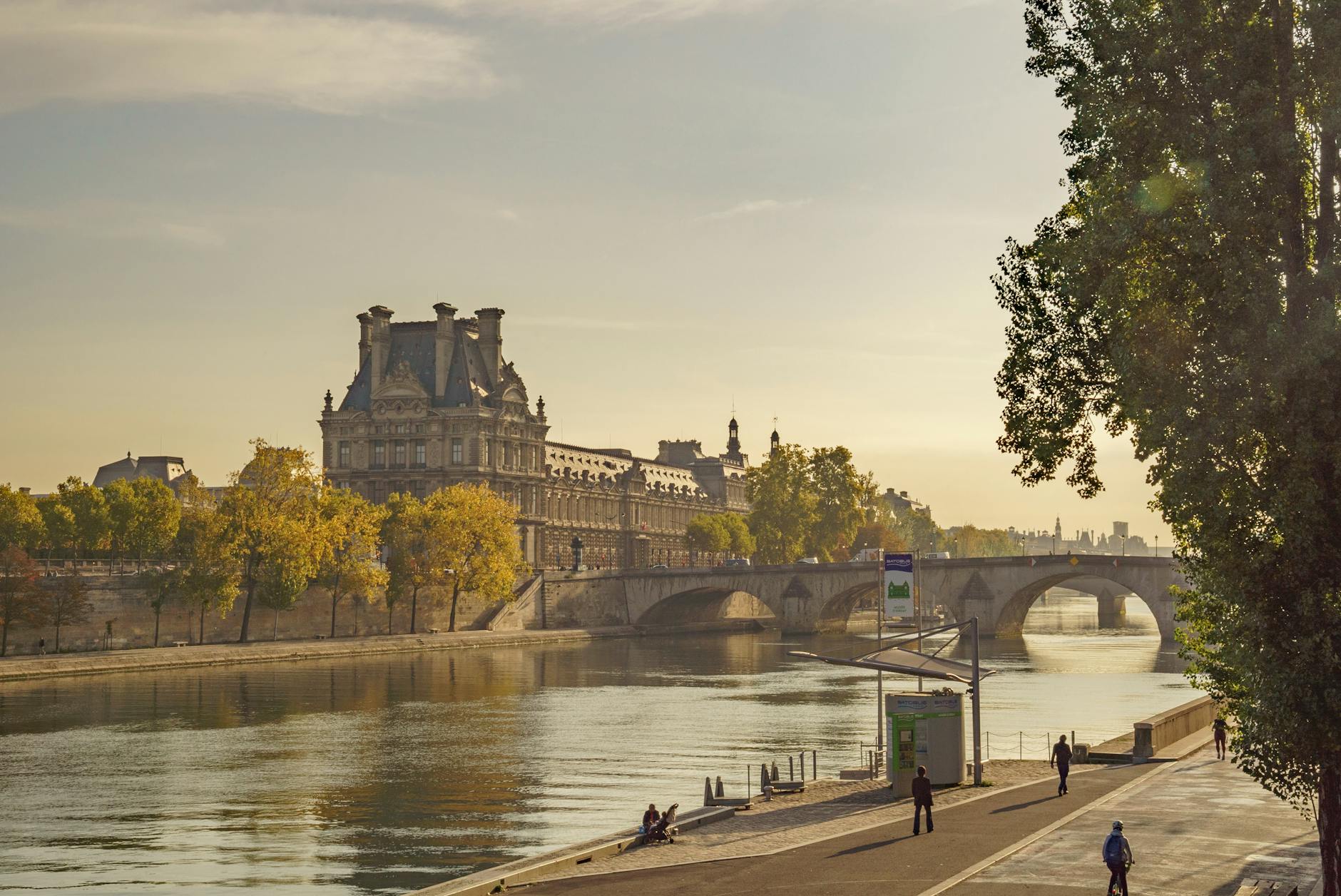
Plan it right and you can spend three days in Paris in front of world-class art, history, and contemporary work without paying a single euro at a ticket desk. That’s not a budget-traveller fantasy; it’s just how the system is built. Paris has more free museums in paris per capita than any other major city. The Paris Musées city network alone runs 14 museums whose permanent collections are free every day they open. The national museums add six or more with free first Sundays from November to March. EU residents under 26 walk into every national museum for nothing, and under-18s of any nationality get in free everywhere. This guide breaks down the city network, the national first-Sunday schedule, the under-26 and under-18 rules, the free private foundations (the Pinault Collection’s first-Saturday evenings included), and a one-day itinerary that costs you zero in admission.
Keep this open beside our Paris museums overview, our free things to do in Paris guide, and our Paris Museum Pass worth-it analysis. The whole trick is knowing which museum sits in which category, because the rules overlap and the differences are worth real money.
Free Museums in Paris: How the System Works
Free entry runs on three overlapping tiers, and reading them carefully pays off fast.
Tier 1: the Paris Musées city network. The City of Paris runs 14 museums whose permanent collections are free every day they open — no booking, no ID, no nationality test. Among them: the Petit Palais, the Musée Carnavalet, the Maison de Victor Hugo, the MAM. Temporary exhibitions usually run €12-15, but the permanent collection never costs a thing.
Tier 2: national museums on the first Sunday of the month, November through March. The state-run museums (Louvre, Orsay, Orangerie, Rodin, Picasso, Cluny, Guimet) waive admission — seven free Sundays per winter. The Louvre also opens free on Friday evenings after 6pm for the under-26s. Bastille Day (July 14) is the one summer free day at most national museums.
Tier 3: age-based free entry, all year. Anyone under 18, any nationality, enters every national museum free, every day. EU residents aged 18-25 do too, with ID. That covers the Louvre, Orsay, Sainte-Chapelle, the Pantheon, the Arc de Triomphe, Versailles, the Conciergerie. For a young EU traveller, Paris is effectively a free-museum city.
The 14 Paris Musées Network (Always Free Permanent Collections)
The Paris Musées network is the most generous museum scheme in Europe. Fourteen city-run museums spanning fine art, decorative arts, literature, history, and modern art, every one with a free permanent collection. Most are small enough to see in 60 to 90 minutes, so a determined visitor can knock off two or three in a day. The temporary shows charge; the permanent galleries don’t.

Petit Palais
Built for the 1900 World’s Fair opposite the Grand Palais, the Petit Palais holds the City of Paris’s fine-art collection: Rembrandt, Delacroix, Courbet, Monet, Cézanne, Mary Cassatt, plus an interior garden with a free café. It’s easily the largest of the always-free Paris Musées museums. Address: Avenue Winston Churchill, 8th. Closed: Monday. Highlight: the courtyard garden and mosaic-floored loggia.
Musée Carnavalet
The history of Paris, told across two joined Marais mansions and more than 600 rooms. The 2016-2021 renovation gave it dramatic Revolution galleries and a 20th-century section, and it’s one of the most rewarding museums going for understanding the city. Address: 23 Rue de Sévigné, 3rd (Marais). Closed: Monday. Highlight: the Revolution rooms and the reconstructed Art Nouveau Café de Paris jewellery boutique.
Maison de Victor Hugo
Hugo lived at 6 Place des Vosges for sixteen years (1832-1848), and the apartment survives with his manuscripts, the Léon Bonnat portrait, and the Chinese drawing-room he decorated during his Guernsey exile. The Place des Vosges out front earns the trip on its own. Address: 6 Place des Vosges, 4th. Closed: Monday. Highlight: the red Chinese drawing-room.
Musée Cognacq-Jay
A small but exceptional 18th-century French decorative-arts collection in the Hôtel Donôn, a 16th-century Marais mansion: Boucher, Fragonard, Chardin, Watteau, plus porcelain, snuffboxes, and miniatures. An hour does it. Address: 8 Rue Elzévir, 3rd (Marais). Closed: Monday. Highlight: the Fragonard pastels and the panelled boudoir reconstruction.
Musée de la Vie Romantique
Behind a wisteria-draped courtyard at the foot of Montmartre, this was the home of the painter Ary Scheffer, whose salon drew Chopin, George Sand, Liszt, and Delacroix. The collection centres on George Sand. Address: 16 Rue Chaptal, 9th. Closed: Monday. Highlight: the spring garden tearoom under the wisteria.
Musée d’Art Moderne de la Ville de Paris (MAM)
The city’s modern-art museum sits in the east wing of the Palais de Tokyo, facing the Eiffel Tower. The free permanent collection includes Matisse’s 1932 mural La Danse, Dufy’s vast La Fée Électricité, and major Modigliani, Soutine, and Léger. Address: 11 Avenue du Président Wilson, 16th. Closed: Monday. Highlight: the Dufy room.
Musée Bourdelle
Rodin’s most important student worked here for forty years, and his studio and apartment are kept as a sculpture museum: plaster maquettes, bronzes, and a garden of monumental works. Far quieter than the Musée Rodin. Address: 18 Rue Antoine Bourdelle, 15th. Closed: Monday. Highlight: Heracles the Archer in the garden.

Musée Zadkine
A tiny gem: the house and garden studio of the Russian-French sculptor Ossip Zadkine, hidden in a courtyard off the Boulevard Raspail in the 6th. Cubist bronzes, primitivist wood pieces, and a small green garden full of sculpture. Twenty minutes covers it, so pair it with the Jardin du Luxembourg next door. Address: 100bis Rue d’Assas, 6th arrondissement. Closed: Monday. Highlight: the garden sculpture installation under the chestnut trees.
Musée Cernuschi
The city’s East Asian art museum — ancient Chinese bronzes, Tang funerary ceramics, Japanese prints, Korean ceramics — set in the elegant 19th-century mansion of the banker-collector Henri Cernuschi on the edge of Parc Monceau. Smaller and quieter than the Guimet, but with one of the world’s great collections of Chinese bronzes. Address: 7 Avenue Vélasquez, 8th arrondissement. Closed: Monday. Highlight: the Shang and Zhou dynasty bronze ritual vessels.
Maison de Balzac
Balzac’s Passy hideaway. He moved in during 1840 to dodge his creditors and wrote portions of La Comédie humaine at the desk still standing in the upstairs study. The museum is small, the garden charming, and the views across the Seine to the Eiffel Tower come as a bonus. The on-site Café Rose makes a good lunch stop. Address: 47 Rue Raynouard, 16th arrondissement (Passy). Closed: Monday. Highlight: the writer’s study with the original coffee pot.
Mémorial du Maréchal Leclerc / Musée Jean Moulin
A combined memorial and museum above the Gare Montparnasse, honouring two pivotal figures of the French Resistance and Liberation: General Leclerc, who led the 2nd Armoured Division into Paris in August 1944, and Jean Moulin, the Resistance organiser the Gestapo tortured to death. Powerful, sharply curated, and nearly always empty. Address: 23 Allée de la 2e DB, 15th arrondissement (above Gare Montparnasse). Closed: Monday. Highlight: the Liberation of Paris film loop.
Musée de la Libération de Paris
Reopened in 2019 in the Pavillon Ledoux beside the Catacombs on Place Denfert-Rochereau, this one recreates the underground command bunker where Colonel Henri Rol-Tanguy ran the Paris uprising of August 1944. You descend into the original bunker, and the staircase is steep. Roll it together with the Catacombs next door for a single Denfert-Rochereau morning. Address: 4 Avenue du Colonel Henri Rol-Tanguy, 14th arrondissement. Closed: Monday. Highlight: the original underground bunker.
Musée d’Architecture — Cité de l’Architecture (Palais de Chaillot)
Permanent galleries tracing French architecture from the 12th century to now: full-size casts of cathedral portals, scale models of modernist housing, and the panoramic Trocadéro view of the Eiffel Tower. (The 14th always-free Paris Musées site is the Crypte archéologique de l’Île de la Cité.) Address: 1 Place du Trocadéro, 16th. Closed: Tuesday. Highlight: the cathedral-portal casts gallery.
National Museums Free First Sunday of Nov-March
Past the city network comes a second free tier: France’s state-run national museums, free on the first Sunday of the month from November to March — seven free Sundays a year. The list runs to big-name museums that usually charge €12-22. The catches: queues form early (turn up at opening), some museums want a free timed reservation, and the Louvre walked away from the scheme in 2019. The museums below are still on it.

Musée Rodin
Rodin’s former studio at the Hôtel Biron in the 7th, with The Thinker, The Gates of Hell, The Burghers of Calais, and a three-acre sculpture garden. The first-Sunday line is brisk but moves; the garden alone justifies the trip. Address: 77 Rue de Varenne, 7th arrondissement. Closed: Monday. Our Musée Rodin guide walks through the full visit.
Musée National Eugène-Delacroix
Delacroix’s last apartment and garden studio on the Place de Furstenberg, where he worked on the murals for nearby Saint-Sulpice. A tiny museum, twenty minutes to see properly, and the cobbled square outside is one of the most photographed in Saint-Germain. Address: 6 Rue de Furstenberg, 6th arrondissement. Closed: Tuesday. Note: your Musée d’Orsay ticket also covers admission here within 96 hours.
Musée de Cluny — National Moyen Age
France’s national museum of the Middle Ages, in the Hôtel de Cluny beside the partly preserved Gallo-Roman thermal baths in the 5th. It holds the Lady and the Unicorn tapestry cycle, came out of a thorough 2022 redisplay, and offers one of the most atmospheric historic interiors in the city. Address: 28 Rue du Sommerard, 5th arrondissement. Closed: Monday. Highlight: the dedicated Lady and the Unicorn rotunda.
Musée Guimet
The national museum of Asian art holds one of the great collections of Khmer sculpture outside Cambodia, alongside Indian, Chinese, Japanese, and Korean galleries. It dwarfs the city’s Cernuschi and gives a far more complete single-day overview of Asian art history. Address: 6 Place d’Iéna, 16th arrondissement. Closed: Tuesday. Highlight: the Khmer galleries (Angkor sculptures from the 9th-13th centuries).
Musée National Gustave Moreau
The Symbolist painter’s combined house and studio in the 9th, kept exactly as Moreau left it in 1898. Two soaring upper galleries hung wall-to-floor with mythological paintings, a tightly wound spiral iron staircase between them, and thousands of drawings in storage racks the staff will pull out on request. Singular, intimate, hard to forget. Address: 14 Rue Catherine de La Rochefoucauld, 9th arrondissement. Closed: Tuesday. Highlight: the spiral staircase between the two studio levels.
Musée Picasso
The national Picasso collection in the Hôtel Salé, a 17th-century Marais mansion. Around 5,000 works spanning every period of his career. The first-Sunday queue is the second-longest after the Orsay, so be at the door at 9am sharp. Address: 5 Rue de Thorigny, 3rd (Marais). Closed: Monday.
Musée des Arts et Métiers
The national museum of science and industry: Foucault’s pendulum, Pascal’s adding machine, the original Cugnot steam carriage, and early aviation hung in the soaring transept of a converted 11th-century church. Address: 60 Rue Réaumur, 3rd. Closed: Monday. Special perk: also free every Thursday after 6pm, year-round.
Under-18 and Under-26 Free Entry
The third tier is age-based and runs all year. Anyone under 18, of any nationality, enters every national museum in France free, every day. Bring a passport or ID that proves the date of birth. The rule covers the Louvre, Orsay, Orangerie, Centre Pompidou, Versailles, Sainte-Chapelle, the Conciergerie, the Arc de Triomphe, the Pantheon, Rodin, Picasso, Cluny, Guimet, Gustave Moreau, Delacroix, and every other state-run site.
EU residents aged 18-25 enter every national museum free too, every day. In practice, EU citizenship documents — a passport or national ID card — do the job. Carry photo ID showing date of birth, and ideally an EU residence permit or EU passport.
You still have to book online at the Louvre, Sainte-Chapelle, the Conciergerie, and the Arc de Triomphe even when you qualify for free entry, so reserve the under-18 or under-26 EU ticket type at €0. Versailles needs a separate timed booking; the gardens are free on most weekdays anyway. The Catacombs aren’t a national museum, so the under-18 rate there is reduced but not free.
For a young EU traveller, Paris is functionally a free-museum city. A student running through the Louvre, Orsay, Orangerie, Versailles, Pantheon, Sainte-Chapelle, Conciergerie, Rodin, Picasso, Cluny, and the Pompidou saves more than €200 in admission over a 26-year-old non-EU visitor doing the exact same circuit.
Free Private Foundation Days
There’s a fourth tier too: the free hours at private foundations and specialist museums. Hit the right window and you get into spaces that normally charge €15-16 for nothing.
Bourse de Commerce — Pinault Collection. Free the first Saturday of each month, 5pm to 9pm. The Tadao Ando rotunda is one of the most photographed contemporary art interiors in Paris. Arrive around 4:30pm to queue; the line thins out after 6pm. Address: 2 Rue de Viarmes, 1st.
Lafayette Anticipations. The Galeries Lafayette family’s contemporary-art foundation in the Marais is free every day, all year. Closed Monday and Tuesday. Address: 9 Rue du Plâtre, 4th.
Musée des Arts et Métiers. Free every Thursday evening after 6pm, all year, on top of the first-Sunday Nov-March window. The crowds are thin and the church-transept aircraft gallery looks better in the half-light. Address: 60 Rue Réaumur, 3rd.
Other foundations that always charge — the Fondation Louis Vuitton (€16), the Fondation Cartier (€11), the Fondation Henri Cartier-Bresson (€10) — have no regular free days. Watch instead for one-off openings tied to Nuit Blanche (early October) and Heritage Days (mid-September).
The Always-Free Monuments and Sights (Separate but Related)
Plenty of the city’s most photographed sights cost nothing, and they belong on any free day out. Our free things to do in Paris guide takes the wider view.

Notre-Dame interior: free since its post-fire reopening in December 2024, by timed reservation. Tower access is paid. Sacré-Cœur nave: free; the dome climb runs about €9. All Catholic churches: free, including Saint-Eustache, Saint-Sulpice (the Delacroix murals), La Madeleine, and Saint-Germain-des-Prés.
All public parks and gardens: free — the Tuileries, the Luxembourg, the Champ de Mars, Parc Monceau, Buttes-Chaumont, the Bois de Boulogne, the Bois de Vincennes. Versailles gardens: free most weekdays, charged on Grandes Eaux days.
Wallace Fountains: 108 free drinking-water fountains scattered across central Paris, cast iron, dating to the 1870s. Bring a refillable bottle. Bouquinistes: 200 second-hand book stalls along the Seine, UNESCO-recognised, free to browse. Promenade Plantée: a 4.7-km elevated walking park on a disused 19th-century railway through the 12th. Petite Ceinture: the abandoned Paris railway loop, now legal walking trails in the 15th and 16th — free and quietly atmospheric.
One-Day Free Museum Itinerary
Here’s a realistic single day: five free museums, two outdoor sights, lunch, and a Seine walk, with €0 in admission. It works Tuesday through Sunday and falls apart on Monday, when most Paris Musées sites are shut. Roughly 7 km of walking, plus two short Métro hops.
9:00am — Petit Palais (8th). Open at the largest free Paris Musées museum. Give it 90 minutes for the collection plus the garden café. Walk five minutes west to Place de l’Alma, then Métro 9 one stop to Iéna.
11:00am — Musée d’Art Moderne de la Ville de Paris (16th). Cross Place de l’Alma to the Palais de Tokyo’s east wing. The Matisse Danse and the Dufy Fée Électricité rooms alone are worth the stop. Give it 75 minutes.
12:45pm — lunch picnic on the Champ de Mars. Grab sandwiches at any bakery on Rue Cler (7th, a ten-minute walk across the Pont d’Iéna) and eat on the lawns under the Eiffel Tower. Free, classic, no effort. Give it an hour.
2:00pm — Musée Carnavalet (3rd, Marais). Métro 8 from École Militaire to Saint-Paul (25 minutes), then a five-minute walk. The history of Paris in more than 600 rooms; give it two hours.
4:15pm — Maison de Victor Hugo (Place des Vosges). A seven-minute walk from the Carnavalet. The apartment is small, so 45 minutes is plenty, and the Place des Vosges arcades afterwards are arguably the most beautiful square in the city.
5:30pm — the bouquinistes Seine walk. From Place des Vosges south to the Seine, cross to the Left Bank near Île Saint-Louis, then west along Quai de la Tournelle and Quai de Montebello past the book stalls. You end up opposite Notre-Dame right at golden hour.
Total admission: €0. Total spend for the day, picnic lunch and a coffee at the Petit Palais garden included: around €15. Five world-class museums, two of the most photogenic outdoor settings in Paris, and a Seine sunset to close.
Bastille Day July 14: Free National Museums Day
Bastille Day is summer’s one free day at most national museums — the Louvre, Orsay, Orangerie, Sainte-Chapelle, Conciergerie, Arc de Triomphe, Pantheon, Rodin, Picasso, and Cluny all waive admission. Check the individual museum’s website, since a handful sit it out. July 14 is also one of the busiest tourist days of the year, with the Louvre queue forming before 8am.
Skip the Louvre on Bastille Day. The queue runs hours and the galleries are punishing. Go for the smaller museums instead: Rodin, Picasso, Cluny, Guimet, and Gustave Moreau will be busy but manageable. The military parade on the Champs-Élysées starts at 10am, so do museums before or after. Fireworks at the Eiffel Tower go off at 11pm, and museums close by 6pm, so you can comfortably do both.
Free Museum Closures and Best Times to Visit
Two closure patterns to lock into memory. Most Paris Musées city museums close on Monday. Most national museums close on Tuesday (the Louvre on Tuesday, the Orsay on Monday). A Monday or Tuesday in Paris is still a perfectly good museum day; you just have to land on the right side of the city-versus-national divide.
The best free-museum day of the year is a Sunday in the Paris Musées network. Permanent collections are free as ever, and the crowds run smaller than at the free-first-Sunday national museums. A Sunday across the Carnavalet, the Hugo, the Cognacq-Jay, and the MAM is about as satisfying as free museum-going gets.
Dodge the first Sunday of Nov-March if you hate queues. The free national museums get packed, and the Louvre and Orsay lines run one to two hours. With any flexibility, spend the first Sunday at the city Musées sites and save the national museums for a weekday afternoon.
Combining Free Museums with Paid (Smart Itinerary)
A pure free-museums plan holds up fine, but most people would rather interleave: one major paid museum a day plus one or two free ones. The free stops work as palate cleansers between heavier visits and let you cover more ground before fatigue sets in.

A sample three-day combined plan. Day 1: Louvre (see our Louvre guide) in the morning, then the Petit Palais and Vie Romantique in the afternoon. Day 2: the Musée d’Orsay in the morning, then Delacroix (free with your Orsay ticket) and Zadkine after lunch. Day 3: the Orangerie in the morning, then the Carnavalet and Maison de Victor Hugo.
The shape is always the same: the heavyweight museum in the morning while your energy is highest, the smaller free ones after lunch. That covers six museums in three days for the price of three. For more options, see our Paris Museum Pass analysis and the small museums of Paris guide.
Common Mistakes
Mixing up the city (Paris Musées) network and the national museums. They run independently. Paris Musées is City-run and includes 14 museums with free permanent collections; the national museums use the free-first-Sunday-Nov-March schedule. Turn up at the Louvre expecting it to be free every day and you’ll be paying full price.
Missing the Pinault Collection’s first-Saturday evening hours. The Bourse de Commerce window (5-9pm) is the most generous free slot at any private foundation, and it’s the easiest to miss because it lands on a Saturday evening rather than the familiar first Sunday. Mark it before you travel.
Forgetting ID for the under-26 EU rule. It requires photo ID showing date of birth plus EU residence or citizenship. Leave the passport at the hotel and you pay full price at the Louvre desk. Carry a passport or national ID card to every national museum.
Turning up at the Louvre expecting a free first Sunday. The Louvre dropped that programme in 2019. Its current free day is the first Friday after 6pm (not Sunday), and only for under-26s. The general public no longer gets a regular free entry day at the Louvre outside Bastille Day.
Free Museums by Neighbourhood
If you’d rather plan your days by district than by museum, here’s the free-museum map by neighbourhood. Each cluster below sits within a 15-minute walking radius and fills a single half-day.
Marais (3rd / 4th)
The densest free-museum cluster in Paris. Musée Carnavalet (history of Paris, large), Maison de Victor Hugo (Place des Vosges), and Musée Cognacq-Jay (18th-century decorative arts), plus the free Lafayette Anticipations contemporary foundation a few streets over. The walk between the three Marais Musées museums is ten minutes. Give it a full afternoon and finish on the Place des Vosges arcades or in a Marais wine bar.
9th Arrondissement (South Pigalle)
A quieter free-museum afternoon below Montmartre. Musée de la Vie Romantique (a Romantic-era artist’s home with a wisteria garden) and the national Musée Gustave Moreau (the Symbolist studio with the spiral staircase). The two are six minutes apart on foot, so pair them and take coffee in the SoPi café scene around Place Saint-Georges. One caveat: the Moreau is national, so it’s only free on the first Sunday Nov-March or for under-18 / under-26 EU visitors.
8th Arrondissement (Champs-Élysées)
Petit Palais (free fine-art collection, courtyard café) at the foot of the Champs-Élysées, and Musée Cernuschi (free East Asian art) on Parc Monceau a fifteen-minute walk north. Pair the two with a Champs-Élysées stroll in between, or pair the Petit Palais with the also-free MAM across the river.
16th Arrondissement (Trocadéro / Passy)
The Right Bank’s free-museum district. Musée d’Art Moderne de la Ville de Paris (MAM) in the Palais de Tokyo, Maison de Balzac in Passy (with its Eiffel Tower views), and the Cité de l’Architecture at Trocadéro. The trio fits into a single day with Métro 6 linking them; close out at the Trocadéro view of the Eiffel Tower at sunset.
14th Arrondissement (Montparnasse / Denfert-Rochereau)
Musée Jean Moulin / Mémorial Leclerc above Gare Montparnasse and the Musée de la Libération de Paris next to the Catacombs entrance at Denfert-Rochereau. Both cover the French Resistance and the Liberation, so pair them on the same morning for a coherent half-day on 1944.
Frequently Asked Questions
Which Paris museums are always free?
The 14 Paris Musées city network museums have free permanent collections: the Petit Palais, Carnavalet, Maison de Victor Hugo, Cognacq-Jay, Vie Romantique, MAM, Bourdelle, Zadkine, Cernuschi, Maison de Balzac, Musée Jean Moulin, Musée de la Libération, the Crypte archéologique, and the Cité de l’Architecture (partial). Lafayette Anticipations is also always free.

Is the Louvre free on the first Sunday of the month?
Not anymore. The Louvre dropped its free-first-Sunday programme in 2019. The current free option is the first Friday of the month after 6pm, restricted to under-26 visitors of any nationality. The general public has no regular free entry day at the Louvre outside Bastille Day (July 14). The other national museums — Rodin, Picasso, Cluny, Guimet, Gustave Moreau, Orsay, Orangerie — still run the first-Sunday-Nov-March free entry.
Do EU residents under 26 really get in free everywhere?
At every national museum, yes, with ID. The rule covers the Louvre, Orsay, Orangerie, Centre Pompidou, Versailles (the Château), Sainte-Chapelle, the Conciergerie, the Arc de Triomphe, the Pantheon, the Musée Rodin, the Musée Picasso, the Musée de Cluny, the Musée Guimet, the Musée Gustave Moreau, the Musée Delacroix, and every other state-run museum and monument in Paris and France. Bring an EU passport or national ID card showing date of birth. Online booking is still required at the major sites, so reserve the €0 under-26 ticket type in advance.
Are children under 18 free at all Paris museums?
At every national museum, yes, whatever the nationality — bring ID or a passport showing date of birth. Most Paris Musées city museums also extend free admission to under-18s for their paid temporary exhibitions, on top of the always-free permanent collections. Private foundations differ: the Bourse de Commerce, Fondation Louis Vuitton, and Fondation Cartier all offer discounted but not necessarily free under-18 rates, so check the specific websites.
Is the Pinault Collection ever free?
Yes — the Bourse de Commerce Pinault Collection is free every first Saturday of the month from 5pm to 9pm. It’s the most generous regular free window at any Paris private foundation. The space is a former grain exchange with a Tadao Ando concrete cylinder inside, one of the most photographed contemporary art interiors in the world. Arrive at 4:30pm to queue; the line thins after 6pm.
What is the best free museum in Paris?
For most first-timers, the Musée Carnavalet — the history of Paris itself across more than 600 rooms in two joined Marais mansions. The 2016-2021 renovation modernised the displays without flattening the atmosphere of the old building. It’s large (give it at least two hours), well curated, and one of the most rewarding single museums in the city. Honourable mentions: the Petit Palais (largest free museum), the Musée d’Art Moderne (Matisse and Dufy), and the Maison de Victor Hugo.
Are temporary exhibitions free at the Paris Musées museums?
Usually not — temporary exhibitions in the Paris Musées city network typically charge €12-15. The free rule applies only to the permanent collection, and this is the single most common confusion among first-time visitors. If you walk into the Petit Palais and hand over €14 at the desk, you’ve just bought into a temporary show you could have skipped — the permanent collection is around the corner and free. Ask the front desk specifically for «la collection permanente».
Can I visit free museums in Paris on a Sunday?
Yes — most Paris Musées city museums are open Sunday (they only close on Monday). Sunday is the best free-museum day of the week: open, free, and quieter than the first-Sunday-Nov-March national crowds. National museums vary — the Louvre, Picasso, Rodin, and most others are open Sunday but charge standard admission (or free on the first Sunday Nov-March, or always free for under-18 / under-26 EU visitors). See also our Paris on a budget guide.

Keep reading
Use these to round out your trip: