Paris Shopping Guide: From Luxury Boutiques to Flea Markets (2026)
There is no single way to shop in Paris, which is exactly the point. You can drop a month’s rent on a handbag at Avenue Montaigne in the morning and dig through a five-euro crate of vintage scarves in Saint-Ouen by lunch, and both feel completely Parisian. This Paris shopping guide covers the full range, the marble jewelry temples of Place Vendôme, the century-old department stores under their glass domes, the flea markets, the perfumeries, the food halls, and the covered passages most visitors walk straight past. The goal is to send you to the right places for what you actually want and save you from the tourist traps in between.
A few things worth knowing up front, because they’ll shape your whole trip. Non-EU shoppers can claw back a chunk of the 20% VAT on bigger purchases, the twice-yearly soldes can knock prices down by up to 70%, and a lot of the best small shops shut on Sundays and take a long lunch besides. Get the timing right and Paris is one of the great shopping cities on earth. Get it wrong and you’ll spend an afternoon staring at locked doors. Below, the districts, the stores, and the logistics that make the difference.
Best Shopping Districts in Paris
The Golden Triangle & Avenue Montaigne
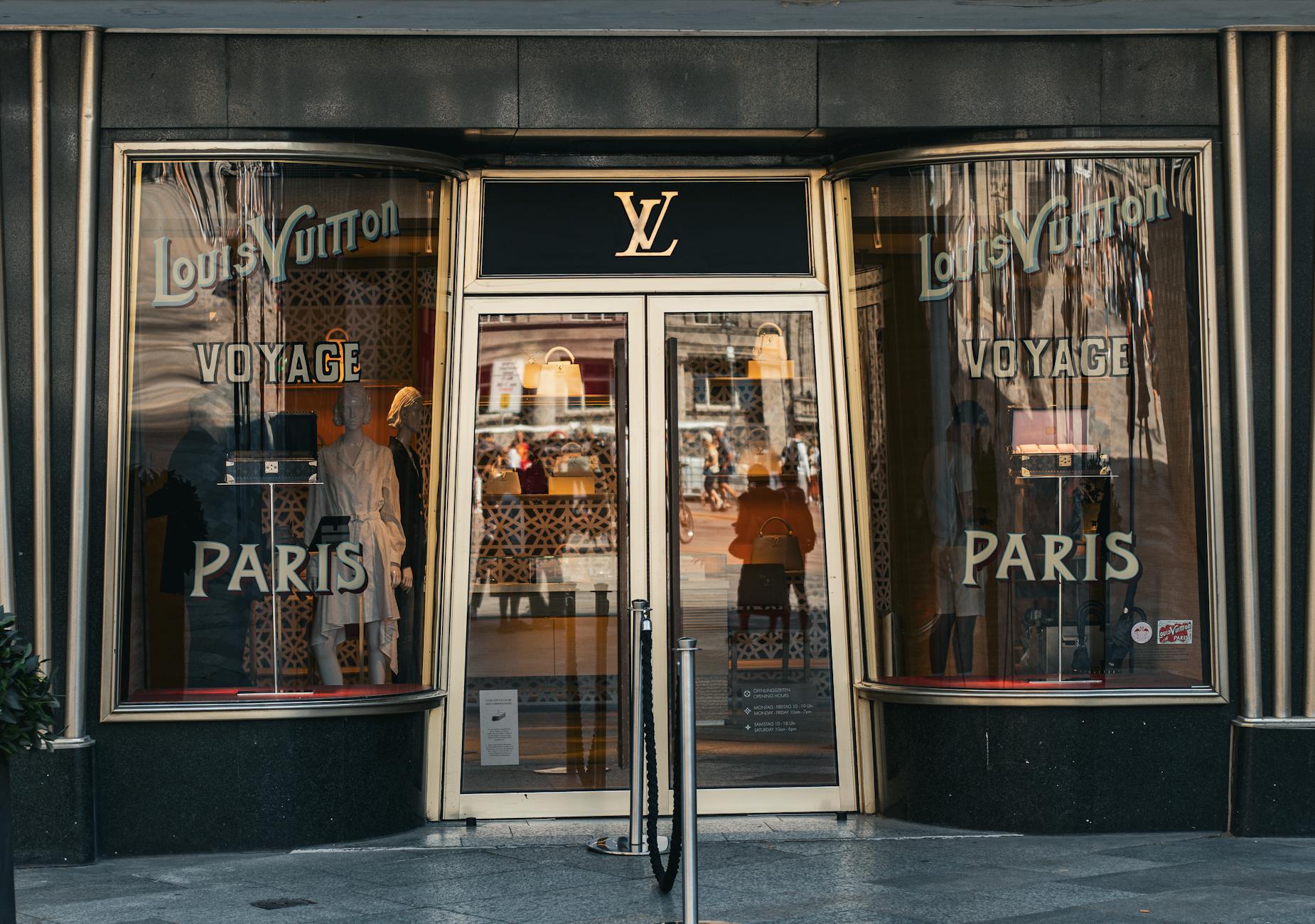
The Golden Triangle, the wedge bounded by Avenue Montaigne, the Champs-Élysées, and Rue de Berri, is the top of the luxury pyramid in Paris. This is where the big houses keep their flagships: Louis Vuitton, Dior, Chanel, Givenchy, Valentino, Celine. Avenue Montaigne runs only a few blocks, but those blocks carry more weight in the global luxury world than almost any other stretch of pavement. The Belle Époque buildings are worth a look in their own right. Shopping here is a quieter, more rarefied affair than the rest of the city, doormen at the entrances, private appointments on request, the whole apparatus of high-end retail. The side streets fill in the gaps with more boutiques, concept stores, and jewelers if the main avenue hasn’t finished off your budget.
Champs-Élysées
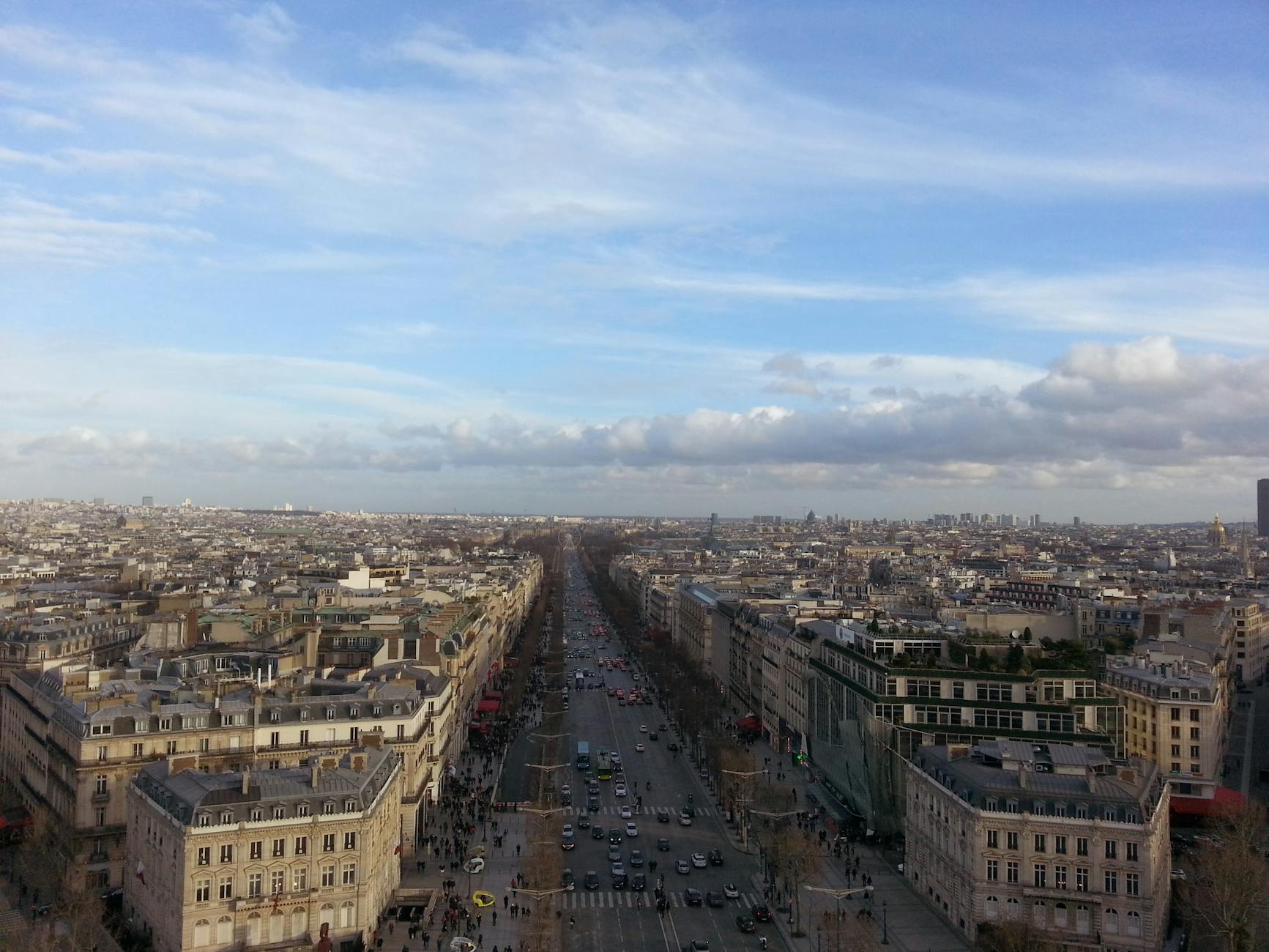
Paris’s most famous avenue runs nearly two kilometers from the Place de la Concorde up to the Arc de Triomphe, packed with shopping, restaurants, and entertainment. It’s gone heavily commercial over the years, and you’ll find H&M, Zara, Gap, and a McDonald’s among the storefronts, but it’s still a Paris rite of passage. The upper end near the Arc de Triomphe holds onto more exclusivity with luxury boutiques, while the lower stretch toward Concorde leans mainstream. The sidewalk cafés are made for people-watching between shops, and the tree-lined promenades are pleasant to walk whether you’re buying anything or not. Come back after dark, when the ornamental lights come on in the trees and the storefronts glow, and you’ll see why the avenue still draws a crowd.
Rue du Faubourg Saint-Honoré & Rue Saint-Honoré
These two streets run parallel and have been the heart of Parisian fashion for centuries. Rue du Faubourg Saint-Honoré cuts through the 8th arrondissement and holds the flagships of Hermès, Lanvin, Valentino, and Balenciaga, plus jewelers and serious perfumeries. It carries itself with an understated confidence that appeals to shoppers who want the real thing over the spectacle. Rue Saint-Honoré, which starts over in the Marais and heads west, mixes things up more, luxury names alongside contemporary design studios and independent boutiques. Both streets sit among the classic beige Haussmann buildings, and both hide courtyards and covered passages that double as shelter, a genuine asset when Paris turns wet and grey on you, which it does without warning.
Place Vendôme
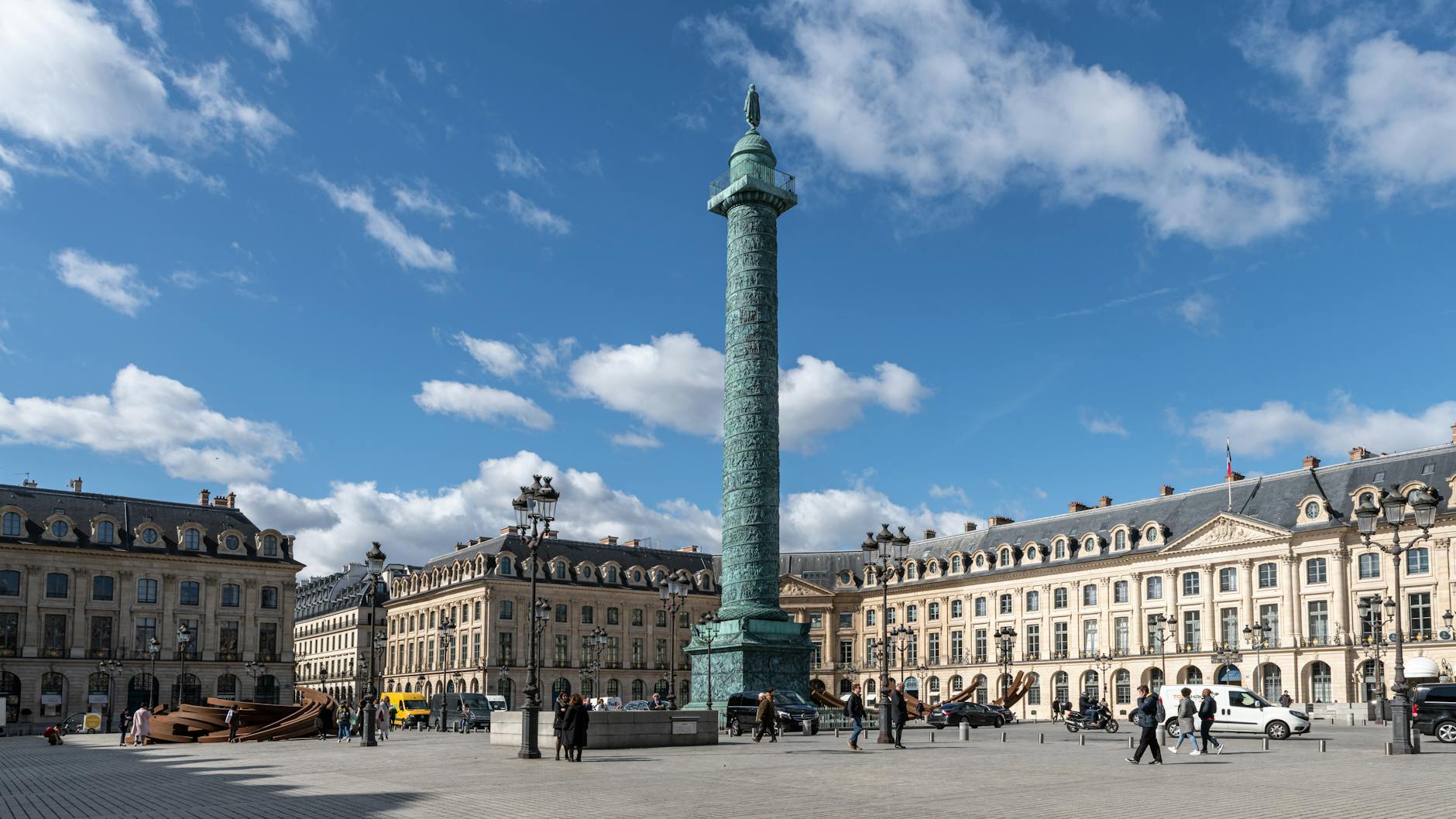
Place Vendôme is the most prestigious jewelry address on the planet, full stop. The octagonal plaza, ringed by arcaded classical buildings, has been synonymous with fine jewelry for more than three centuries, and the tenant list reads like a who’s who: Cartier, Van Cleef & Arpels, Chopard, Bulgari, Baume & Mercier, Patek Philippe. The square went up in the 17th century under Louis XIV, and the architecture still does its job, making a jewelry purchase feel less like a transaction and more like acquiring a small piece of wearable art. Every boutique keeps the same hushed, exacting standard, with specialists who can talk you through stones, metals, and the finer points of watchmaking. This is the high end of high-end shopping in Paris.
Le Marais
Le Marais plays an entirely different game: creative, contemporary, a little bohemian. This old neighborhood spread across the 3rd and 4th arrondissements is home to hundreds of independent boutiques, vintage shops, galleries, and concept stores, the kind of stuff you won’t find in any chain. Rue des Rosiers, the main drag, hums with shoppers browsing contemporary labels, handmade accessories, and design-led homeware. The Marais pulls in young designers, international brands chasing a cooler retail vibe, and established names opening intimate little flagships. There’s more here than fashion, too: excellent jewelers, vintage clothing, art galleries, and the Jewish delis that have held this ground for generations. The tree-lined streets keep opening onto hidden courtyards full of galleries and shops, which makes the wandering itself half the fun.
Saint-Germain-des-Prés
Saint-Germain-des-Prés still trades on its old reputation, the intellectuals, the existentialist cafés, the effortless style, and all of it bleeds into the shopping. Rue de Rennes runs contemporary fashion from mid-range up to luxury, while the smaller side streets hide boutiques carrying local designers and established brands in modestly sized rooms. The neighborhood’s bookshops, Shakespeare and Company chief among them, draw the literary crowd, and cafés like Les Deux Magots and Café de Flore are institutions unto themselves. Shopping here moves at a calmer tempo than the Champs-Élysées, with the weight on quality and craft rather than volume. The district has modernized without paving over its bohemian past, which is precisely what makes it a good place to shop for people who want style with a bit of substance behind it.
Paris Department Stores
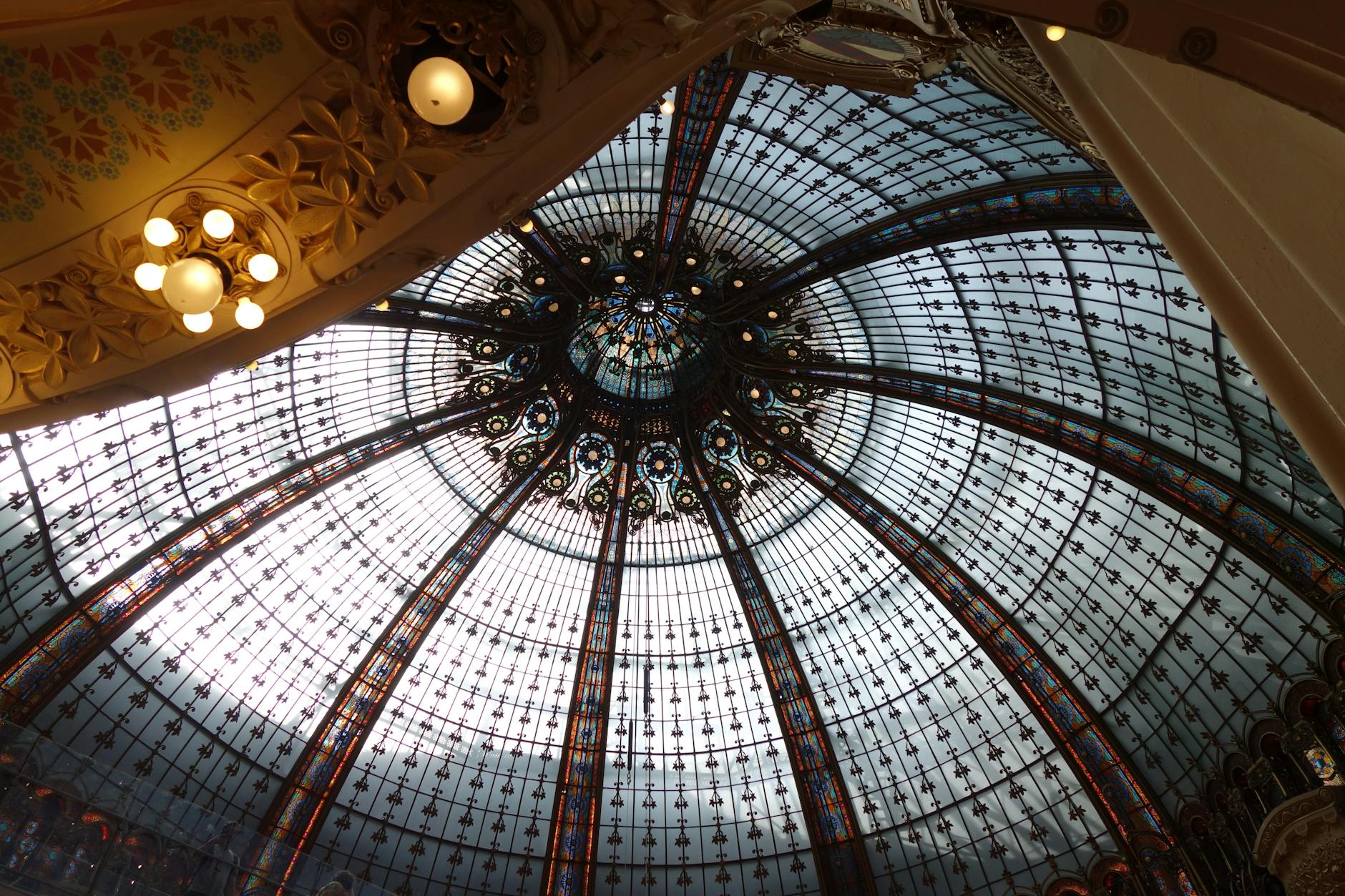
The Parisian department store is its own institution, and the grand ones have been dressing the city for generations. These are buildings worth visiting for the architecture alone, which is why half the people inside aren’t shopping at all. Expect something different from the American version: less sprawl-and-stack, more curation, with merchandising that treats the floor like a magazine spread and a clear point of view about what’s worth selling.
Galéries Lafayette
The flagship Galéries Lafayette on Boulevard Haussmann is the big one, famous for its Belle Époque interior crowned by an enormous stained-glass dome that pours light down through the whole atrium. It stocks every major designer plus a layer of emerging talent, cosmetics from the big international houses and niche French perfumeries, and floor after floor of clothing, shoes, accessories, and homeware. The beauty department runs across several levels with dedicated brand zones, personal-shopping consultations, and makeup applications on offer. There are other Galéries Lafayette branches around the city, each tuned to its local crowd, but Haussmann remains the most complete. Don’t skip the rooftop terrace, which serves up a free panorama of the city’s monuments and is worth the elevator ride even if you buy nothing. Tax-free service helps overseas visitors, and the in-store restaurants mean you don’t have to leave to refuel.
Printemps
Right next door to Galéries Lafayette on Boulevard Haussmann, Printemps offers a parallel experience with its own history going back to 1865. It leans toward accessible luxury and contemporary fashion, with especially strong women’s, men’s, and beauty floors. The look is more modern and easy to browse, mixing international labels with French designers. The beauty hall holds its own against Galéries Lafayette for range and exclusivity, with rare finds and limited editions worth seeking out. There’s a rooftop café for a drink with a view across the skyline, plus proper restaurants for something more substantial. Printemps also runs neighborhood branches around the city, each picking up a bit of local color while keeping the flagship’s eye for design and quality.
Le Bon Marché
The oldest and most prestigious department store in Paris, Le Bon Marché in Saint-Germain-des-Prés has set the bar for luxury shopping since 1852. The building, with a hand from Gustave Eiffel, fills an entire block, with internal courtyards and high ceilings that keep the place flooded with light. The approach here is curation over completeness: each department is tightly edited, with design quality and innovation driving what makes the cut. It draws discerning Parisians and overseas visitors after refined pieces from both established names and newcomers. The beauty section carries exclusive fragrances and cosmetics you won’t find elsewhere, and the home department is full of luxury furnishings and decorative objects. The attached restaurants and cafés are a cut above. The clientele skews more local and less touristy than Galéries Lafayette, which is part of the appeal if you want a calmer, more exclusive atmosphere.
La Samaritaine
La Samaritaine came back in 2021 after a long renovation, reborn as a combined shopping and cultural complex near the Louvre. The store originally opened in 1869, and the new version blends retail with residences, offices, and cultural spaces while keeping faith with the original Art Deco architecture. The shopping side now favors emerging designers, independent brands, and luxury retailers picked with an eye on innovation and sustainability. The rooftop terrace gives you a fine view of the city’s monumental architecture, particularly good at golden hour. It’s smaller than Galéries Lafayette or Le Bon Marché, but that’s the draw for shoppers who want distinctive pieces and a more intimate department-store feel. Being a short walk from the Louvre and the Pont Neuf, it slots neatly into a day that mixes culture with shopping.
Paris Flea Markets Guide
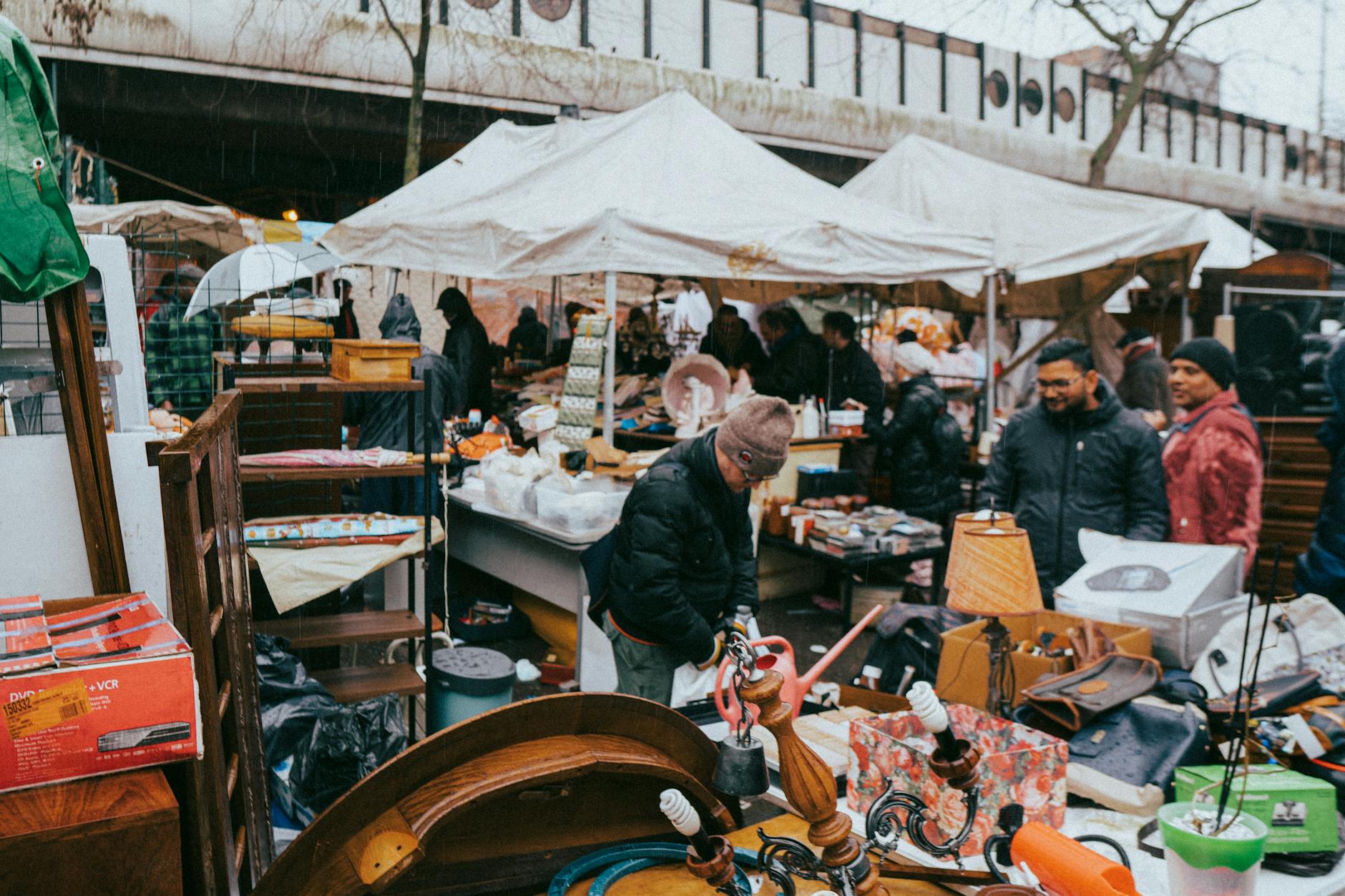
The flea markets are where history, culture, and commerce all pile into the same stall. You’ll find antiques, vintage clothing, decorative objects, and oddments that carry stories stretching back a century or two. Shopping them well takes a bit of strategy and a lot of patience, and that’s the appeal: you genuinely never know what’s waiting at the next table.
Marché aux Puces de Saint-Ouen
The biggest flea market in the world, Marché aux Puces de Saint-Ouen sprawls across several hectares in the northern suburb of Saint-Ouen, with thousands of vendors selling everything from museum-grade antiques to gleeful junk. It got going in the early 20th century, runs on weekends, and pulls in serious collectors, interior designers, and weekend browsers from all over. It breaks into specialized sections: Marché Paul Bert for fine antiques and furniture, Marché Jules Vallès for vintage clothing and bric-a-brac, Marché Cambo for decorative objects, and Marché Serpette for curated vintage. Wear comfortable shoes and bring patience, because the stalls are packed tight and so are the crowds. A good haggler can do well, especially later in the day when sellers loosen up. Come early for first crack at fresh stock, come in the afternoon for better prices. There are plenty of cafés and restaurants on site to keep a marathon session going.
Porte de Vanves
Porte de Vanves is the saner alternative to the sprawl of Saint-Ouen, packing strong antique dealers and vintage sellers into a tidy neighborhood setting. This smaller market runs on weekends along two converging streets, drawing both serious collectors and casual shoppers who’d rather not get lost. You can cover the whole thing in a few hours, yet the finds rival or beat what turns up at the bigger markets. The emphasis here is quality over quantity, with sellers who keep higher standards for how merchandise is shown and priced. The local cafés and restaurants make for easy breaks, and the nearby parks give your feet and your decision-making a rest after a morning of hunting.
Marché d’Aligre
Over in the Bastille neighborhood, Marché d’Aligre works as both a real neighborhood market and a tourist stop, with daily trading in fresh produce, clothing, and antiques. The open-air market runs every day except Monday, and the buzz of local commerce mixed with curious visitors gives it real energy. The flea-market section spills along the narrow street and into the surrounding courtyards, with sellers offering vintage items, clothes, and decorative objects. It feels more authentic than the dedicated flea markets, because locals are picking up their daily groceries right alongside visitors hunting for vintage. The cafés and restaurants here serve the neighborhood, which means you get genuine Parisian meals rather than tourist-grade ones.
Tips for Flea Market Shopping
A good flea-market run rewards a little preparation. Arrive early for the best selection, but know that afternoons are when sellers start cutting deals. Wear comfortable shoes and plan to walk a lot, because these markets pay off thorough exploration. Learn a few French phrases for haggling, since negotiations go smoother in the local language. Inspect anything you’re serious about for damage, wear, or authenticity before you commit. Carry cash, because plenty of vendors would rather not take cards. Look up rough prices for what you’re after beforehand so you can negotiate from a position of knowledge. For specialized hunts, vintage couture or high-end antiques, a local shopping guide is worth considering; the expertise changes the whole experience. Accept that not every trip turns up a treasure, since the unpredictability is half the point. And if you buy something big, sort out shipping in advance or line up a vendor who can arrange delivery, because hauling a marble-topped console onto the Métro is nobody’s idea of a good afternoon.
Vintage and Secondhand Shopping
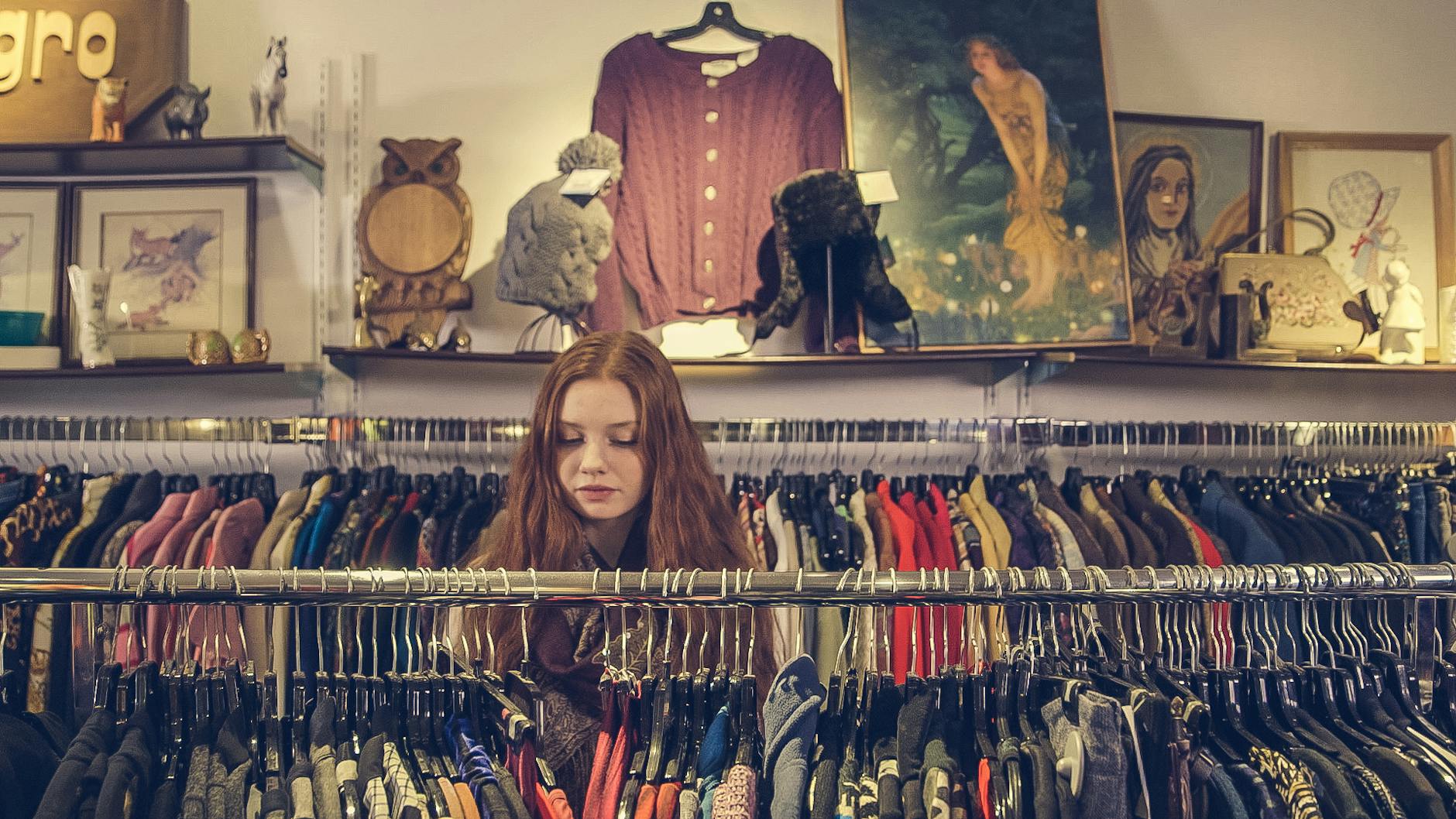
Paris does vintage and secondhand clothing extremely well: curated fashion history, a lower-impact way to shop, and a shortcut to genuine Parisian style. These boutiques pull in people after one-off pieces, vintage designer at prices that don’t require a second mortgage, and garments with some character and provenance behind them. The whole scene reflects the local respect for quality, craft, and the long life of a well-made thing.
Best Neighborhoods for Vintage Shopping
The Marais has the highest concentration of vintage and secondhand shops, with Rue des Rosiers and the streets around it covering different eras and styles. Canal Saint-Martin runs an eclectic mix of vintage stores, contemporary boutiques, and cafés, and it draws the creative Parisian crowd along with visitors looking for an honest neighborhood feel. The side streets of Montmartre turn up vintage boutiques aimed at both tourists and locals after something distinctive. Belleville, one of the city’s most artistic quarters, has emerging vintage dealers and secondhand shops that track the area’s creative energy. In all of these, the shopping bleeds into the broader pleasure of walking tree-lined streets and stumbling on something good in a corner shop you weren’t looking for.
Notable Vintage Stores
Kilo Shop turned vintage on its head with a pay-by-weight model rather than per-item pricing, which delivers real value on carefully chosen clothing. Free’P’Star deals in secondhand designer at prices low enough to keep the fashion crowd coming back for luxury labels. Vintage Désir curates across several decades, with particular depth in 1950s and 1960s pieces. Cherchbi carries Scandinavian and Japanese vintage alongside French stock, a sign of how international the city’s design taste has become. L’Habit d’Abord focuses on vintage leather, handbags, and accessories, the sort of pieces that have already proven they last. The advantage of these specialized shops is the curation: someone has already done the sifting, so you skip the chaos of a general secondhand bin and get straight to things with genuine quality and style.
French Perfume Shopping
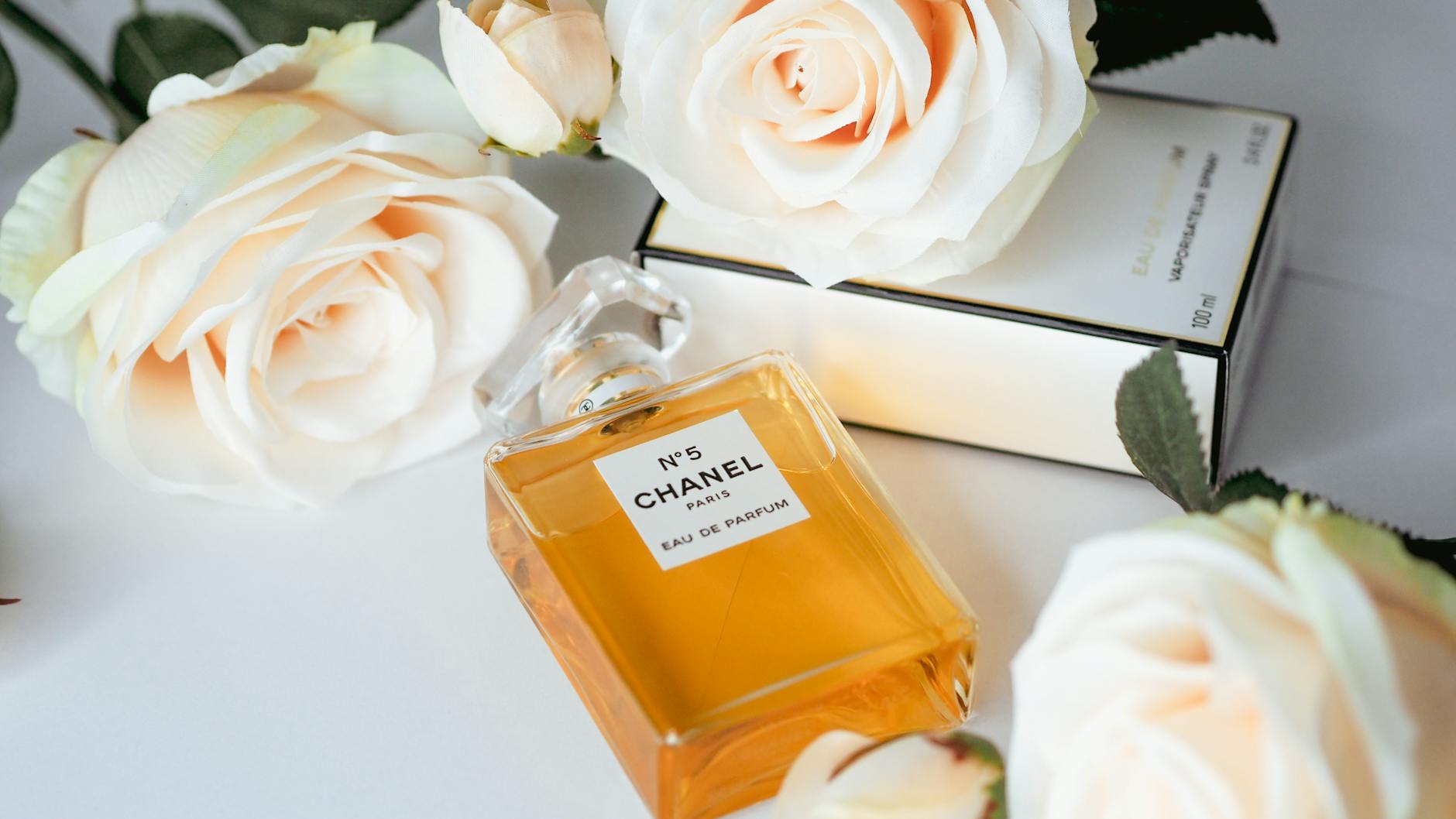
Paris is the world capital of perfume, where a few centuries of tradition sit comfortably next to contemporary experimentation. French perfume here isn’t just a product, it’s closer to a discipline, with its own history, philosophy, and a class of master perfumers treated like artists. Shopping for fragrance in Paris means you can hunt down the classics, dig into niche houses, or commission something made entirely for you.
Historic Perfume Houses
Guerlain, founded in 1828, helped invent modern perfumery and still composes from its Place Vendôme boutique, where a proprietary distillery and lab let the house create new scents while guarding its historic formulas. A visit doubles as a short education in perfume history, with fragrances you won’t find elsewhere. Frédéric Malle sits at the peak of niche perfumery, partnering with master perfumers to build sophisticated scents around a single artistic vision; the Paris boutique offers expert consultations and the chance to smell before you buy. Serge Lutens treats fragrance as an artistic statement, and the boutique feels more like a shrine to the imagination than a shop. Diptyque straddles accessible luxury and real artistic integrity, with candles and scents that the city’s cultured set swears by. Shopping these houses is as much about learning as buying, since each one is a living cultural institution rather than a counter.
Niche Perfumeries
Past the historic houses, Paris is full of niche perfumeries where master noses make small-batch scents driven by vision rather than the bottom line. Nose Paris pulls together a tight selection of independent brands and runs events and launches that bring the fragrance community in. L’Artisan Parfumeur puts natural ingredients and artistic expression first, building scents that push against the mainstream. Frais Monde stocks Italian niche fragrances next to French ones, adding an international angle. These shops are aimed at experienced fragrance lovers chasing discovery beyond the commercial offerings, and shopping them often means long conversations with staff who actually understand fragrance families, how notes evolve, and your own preferences. Many will send you off with samples so you can live with a scent for a few days before committing to a full bottle, which matters when the bottles aren’t cheap.
Creating Custom Scents
A handful of Paris perfumeries will build you a bespoke fragrance from scratch, working alongside a master perfumer. These sessions usually start with a consultation about your preferences, your lifestyle, and your personality, then move into testing notes and combinations. The perfumer guides you through it, layering the scent up bit by bit until it lands on something that feels like yours. Custom fragrances generally run from €300 to €1,000 and up, depending on how complex and exclusive you go. You’ll need to book ahead and commit to more than one session, but you walk away with a scent nobody else has. It’s a quintessentially Parisian luxury, turning perfume shopping into something closer to a collaboration. Many perfumeries hand over a small sample of the finished formula before producing the full bottle, so you can confirm you love it before the final commitment.
Food Shopping and Gourmet Souvenirs
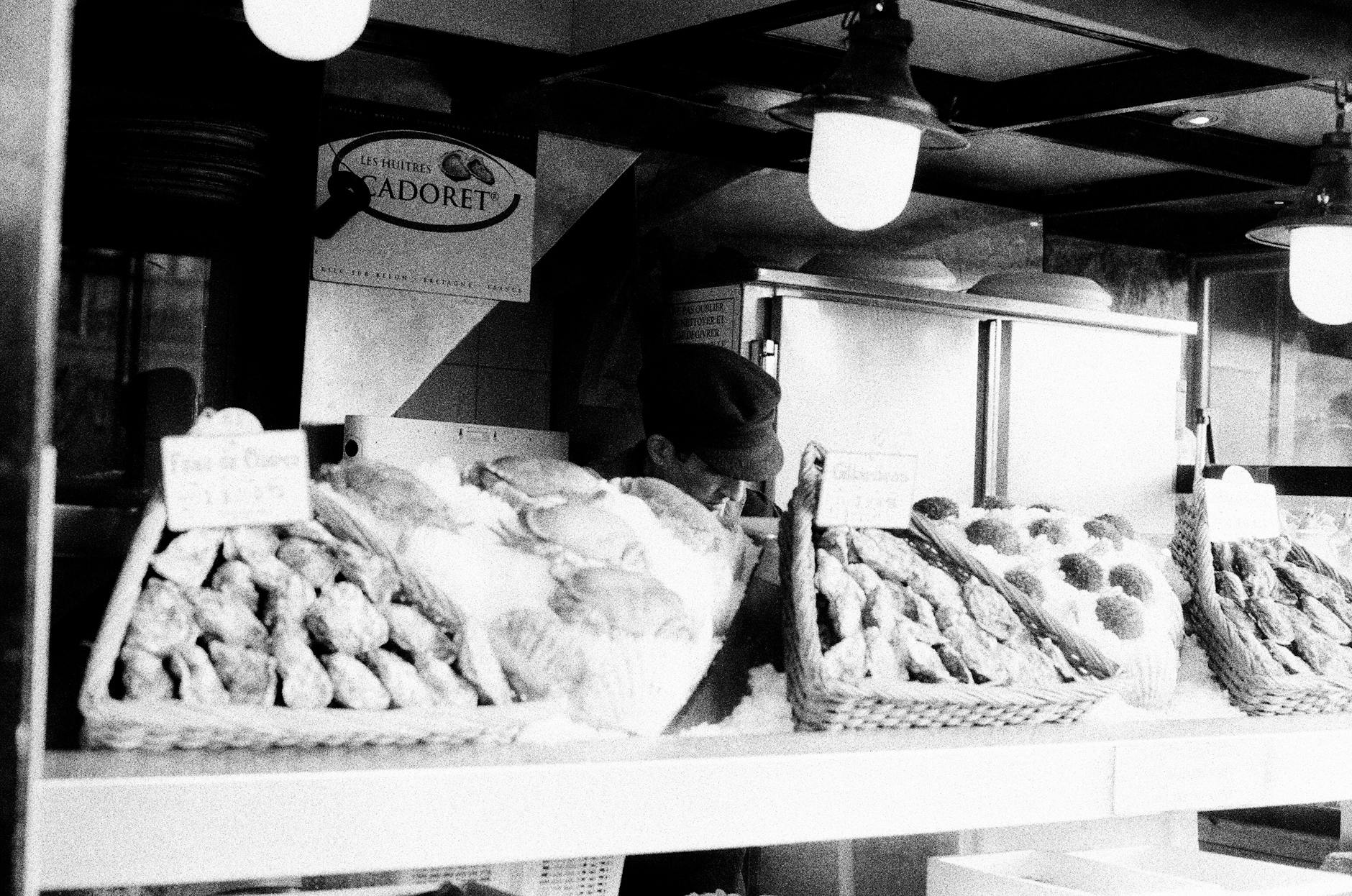
Open-Air Markets
The open-air markets are where the city’s devotion to fresh, seasonal food shows up most clearly, and they’re half social occasion. Markets run daily or a few times a week across the neighborhoods, with vendors selling produce, cheese, meat, fish, flowers, and prepared food. They’re a chance to talk to the people selling the goods, taste things, and pick up ingredients no supermarket carries. Marché Bastille trades three times a week along the Boulevard Richard Lenoir, drawing locals shopping for dinner and visitors after the real thing. Rue Cler in the 7th arrondissement works as a permanent market street, where specialty food shops keep their own storefronts beside the produce stalls, and the relationships between sellers and regulars go back years or decades. Rue Mouffetard, one of the oldest streets in Paris, hosts a daily market famous for its energy and the sheer variety of its vendors. Shopping these markets gives you the smells, the noise, and the human contact that set French food culture apart from pushing a cart down an aisle.
Specialty Food Shops
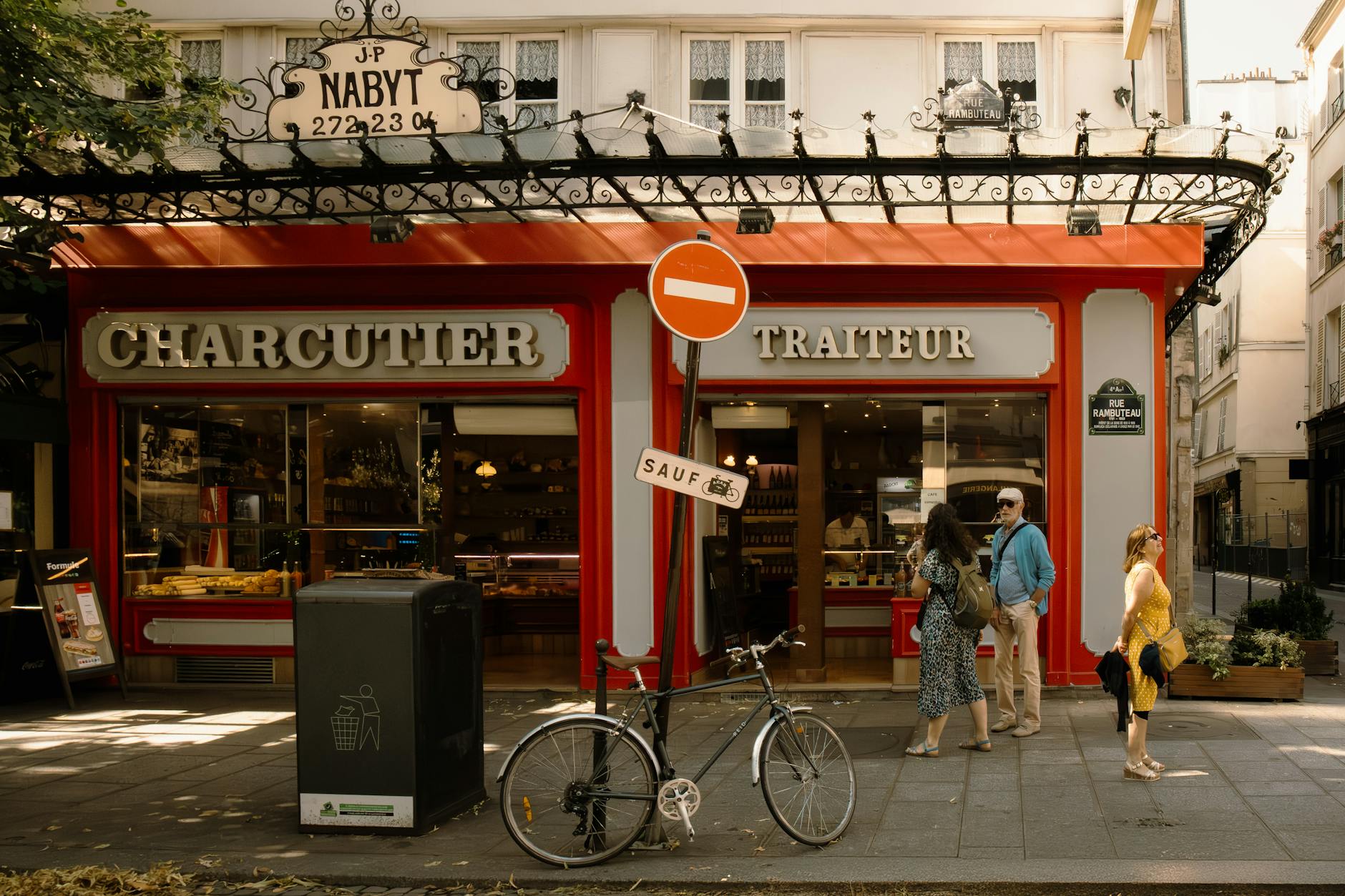
Beyond the markets, Paris is dense with specialty food shops, each one a window into French gastronomy. Fromageries curate French cheeses from quiet regional gems to international names, and the fromagers will walk you through tasting, selection, and how to serve the stuff. Boulangeries are everywhere, each with its own recipes for bread and pastry that reflect the neighborhood; for most Parisians, buying bread is a daily ritual, a fresh baguette for each meal from the local bakery. Charcuteries handle cured meats, pâtés, and prepared dishes, the backbone of French charcuterie culture. Cavistes, the wine shops, give you expert guidance on what to buy, and the best ones run tastings and tailor their advice to your taste and budget. Confiseries keep regional sweets in stock, from calisson out of Aix-en-Provence to nougat from Montélimar. Across the board, the specialty shops deliver quality and authenticity the supermarkets simply can’t touch.
Macarons, Chocolates, Cheese, and Wine
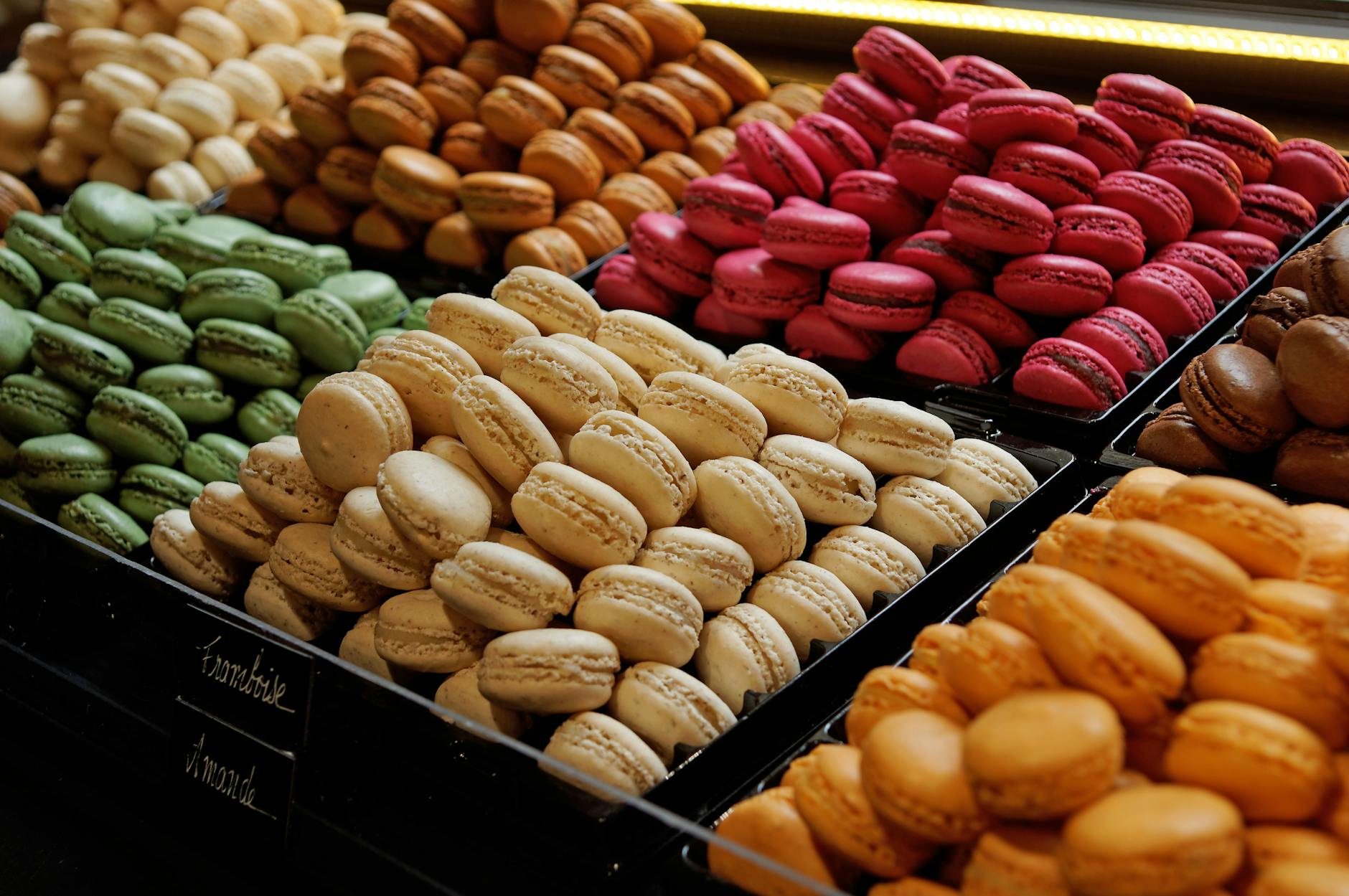
Macarons are the classic sweet souvenir, and shopping for these delicate almond-meringue confections lets you taste how differently each house interprets them. Ladurée and Pierre Hermé are the famous names, with shops across the city and long lists of colors and flavors. Ladurée, going since 1862, keeps the classics, rose, pistachio, chocolate, alongside seasonal runs. Pierre Hermé, the modern master, pushes the form with unexpected flavor pairings and elegant presentation. Both do gift boxes, singles, and tastings to help you choose. Here’s the thing, though: lesser-known pâtisseries often turn out better macarons than the famous brands, so poke into the neighborhood bakeries and you’ll find local talent matching the big names on quality if not on reputation. One catch, macarons need refrigeration and should be eaten within a few days, so they really only travel for short trips, though a proper macaron box gives them some protection in transit.
Chocolate shopping puts you in reach of master chocolatiers working at the top of the craft. Shops like Pierre Hermé, Christian Louboutin’s chocolate boutique, and a long list of independents turn out bonbons and pralines that leave ordinary confectionery in the dust. The good chocolatiers source premium cacao, build their ganaches with real precision, and present the results like edible art, which is what justifies the prices. Cheese might be the most quintessentially French thing you can carry home, and a visit to a fromagerie can yield anything from obscure regional producers to household names. You might come away with Comté, the hard Jura cheese aged for years into something complex; Reblochon, a creamy alpine cheese with a serious aroma; or Camembert de Normandie from its historic Norman home. The fromagers will steer you based on how soon you’ll eat it, what flavors you like, and how far you’re traveling. Wine, finally, opens up French regional bottles you often can’t get back home. At a good caviste, the sommelier-trained staff will point you toward value bottles and talk pairings and cellaring, and even a modest neighborhood wine shop usually has excellent small-production finds.
Covered Passages: Hidden Shopping Gems
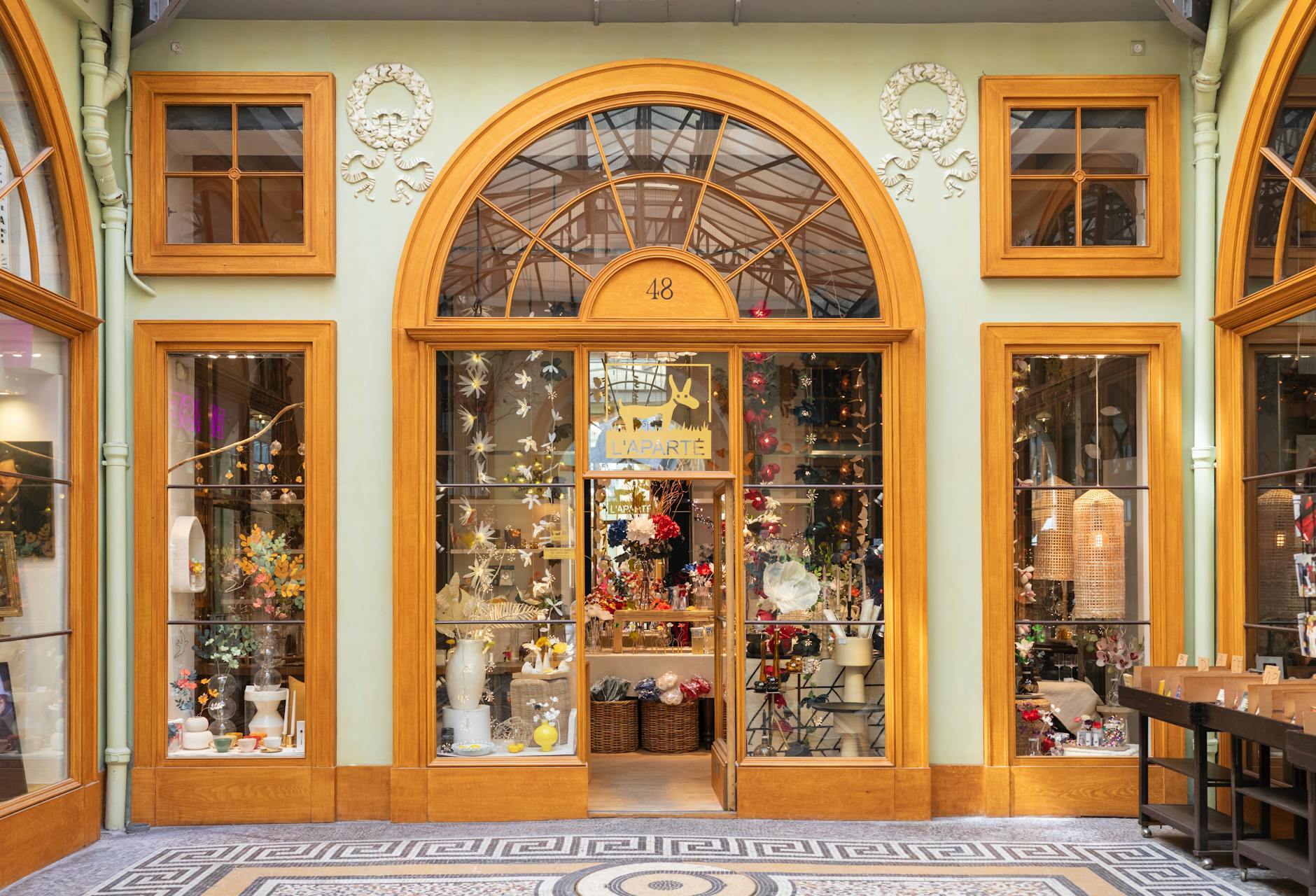
The covered passages went up in the 19th century, before the department store existed, and they’ve preserved a way of shopping that feels frozen in time. These glass-roofed arcades, built to keep shoppers out of the Parisian weather, house boutiques, galleries, antique dealers, and cafés that have each held onto their own character. Walking them is the closest thing to time travel the city offers, the period architecture and lighting creating an atmosphere no modern mall can fake. They’re also genuinely useful on a rainy day, which is half the reason they were built.
Galerie Vivienne
Galerie Vivienne is one of the most elegant of the covered passages, with refined architecture and carefully chosen boutiques that draw a discerning crowd. It holds high-end fashion designers, jewelers, art galleries, and antiquarian bookshops, all of which reflect the galerie’s preference for quality over sheer volume. The mosaic floor, painted ceiling, and well-judged proportions make it a place built for unhurried browsing. A few excellent restaurants and cafés operate inside, good for a break mid-shop. Its spot near the Palais-Royal makes it easy to fold into a day spent on the historic gardens nearby, yet it keeps an understated polish that sets it apart from the more tourist-driven shopping spots.
Passage des Panoramas
One of the longest covered passages in Paris, the Passage des Panoramas runs through the 2nd arrondissement with hundreds of boutiques, restaurants, and galleries crammed in. It hangs onto more of the working-class character that defined the 19th-century arcades, with independent retailers sharing space alongside established brands. Specialist shops for stamps, coins, vintage toys, and other collectibles give it a treasure-hunter’s feel that rewards patience. Restaurants and cafés are scattered throughout, so dining is never a problem. It’s easy to reach from several major metro stations, which makes it a low-effort stop. Given its length and the density of shops, covering it properly takes time, but the side corridors and back alleys hide the best of it for anyone willing to wander.
Passage Jouffroy & Passage Verdeau
These two connect into one continuous shopping stretch through the 9th arrondissement, full of antiquarian bookshops, vintage dealers, restaurants, and galleries. Passage Jouffroy leans into antiques and collectibles, with dealers carrying furniture, decorative objects, and curiosities from centuries back. Passage Verdeau specializes in vintage bookshops and print dealers, which makes it a magnet for collectors and bibliophiles after rare editions and old prints. Internal doorways link the two, so you can drift from one to the other without stepping outside. The restaurants inside pull in locals and visitors alike, lending the passages a sociable energy alongside the shopping. They’ll appeal most to anyone with a thing for antiques, books, and vintage, though honestly the atmosphere works on anyone who appreciates an old-fashioned retail setting.
Tax-Free Shopping and VAT Refunds
If you’re visiting from outside the EU, you can recover the value-added tax on what you buy in France, and on big purchases that’s real money worth chasing. France charges 20% VAT on most goods, so the refund adds up fast on a luxury buy. Non-EU residents qualify on purchases over €100 per invoice at participating stores. You have to ask for the tax-refund form at the register, usually a “Global Blue” or “PABLO” form depending on which company is handling it. Luxury retailers, department stores, and larger boutiques almost all take part; small shops and markets often don’t. Sort out eligibility at the moment of purchase, because the paperwork has to be done before you leave the store. Try to do it later and you’re out of luck.
The process itself is straightforward. Present your refund forms at airport customs before you leave France so officials can verify the goods and stamp the documents. The stamped forms then trigger the refund through the relevant company, usually landing on your credit card within a few weeks. Some airports have desks that pay out in cash on the spot if you’d rather not wait, though the processing fees eat into the amount. Expect to recover roughly 12% of the pre-tax price once fees are deducted. The smart move is to consolidate your shopping with a single retailer to clear the €100 threshold, since separate invoices from different stores mean separate forms and separate processing. For big-ticket items, document everything carefully and keep the refund forms in your carry-on, not your checked bag, so nothing goes missing in transit.
Practical Shopping Tips
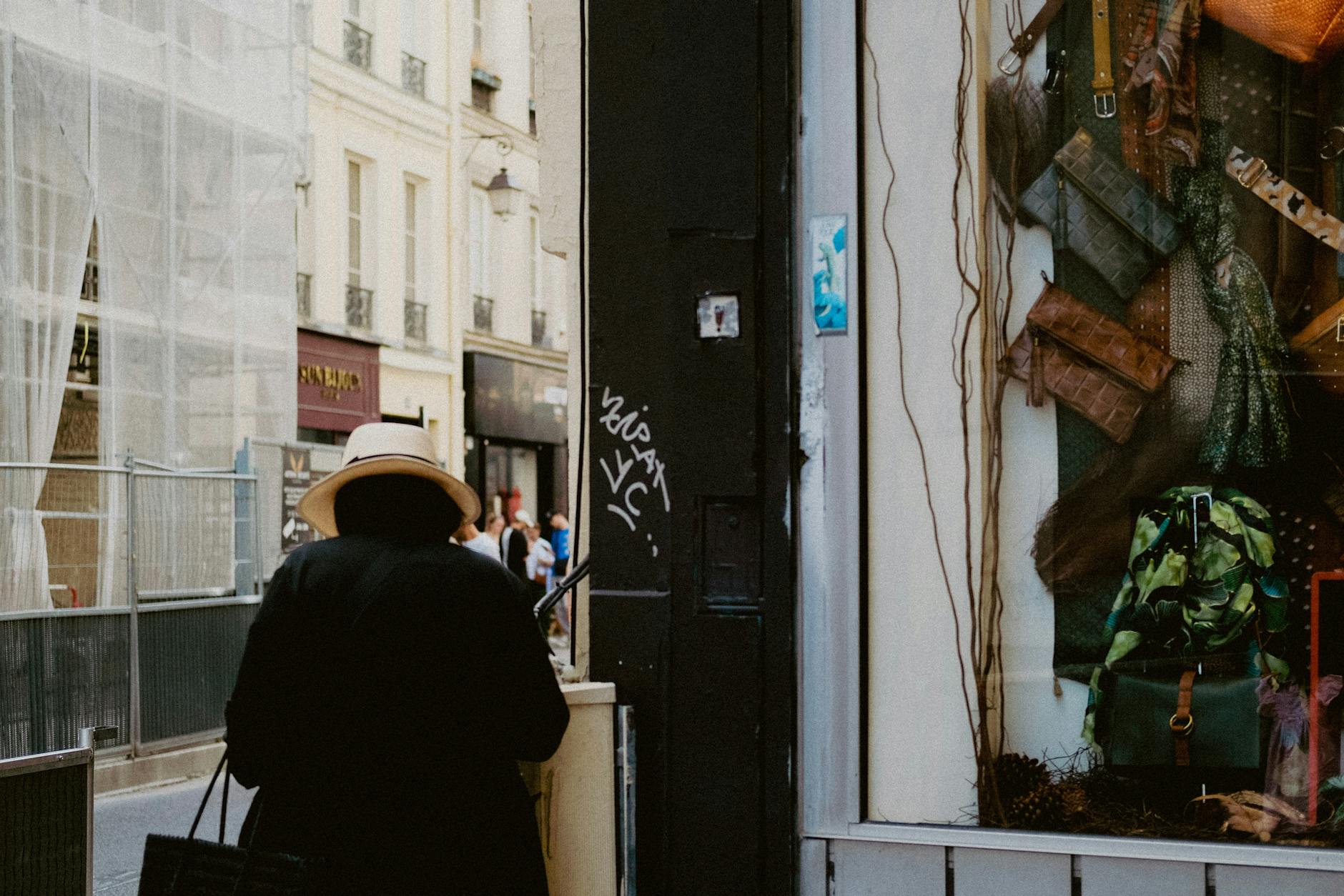
Shopping Hours
Most shops in Paris run from 10:00 AM to 7:00 PM on weekdays and Saturdays, though some open later and close earlier depending on the location and the owner. Neighborhood shops, especially away from the tourist zones, often close for a one- to two-hour lunch around midday, which catches a lot of visitors off guard. Sunday shopping is limited: plenty of shops close or cut their hours, though the big department stores and tourist-facing boutiques tend to stay open longer. The Marais and other tourist districts usually trade on Sundays, but the neighborhood bakeries and specialty shops may shut entirely. Some boutiques in the luxury districts close one day a week, typically Monday or Tuesday. Check hours before you set out, particularly in quieter neighborhoods, or you’ll waste an afternoon on shuttered doors. A quick search online or a word with your hotel concierge will tell you what’s likely open when you are.
Sales Seasons
France runs official sales seasons, the soldes, in January and June/July, and they’re governed by strict rules on how discounts work. The January soldes usually kick off around January 8 to 10, with merchants clearing winter stock at steeper and steeper markdowns. The summer round starts in mid-June, shifting summer inventory before the fall lines arrive. Prices drop progressively, and by the end of each season the final reductions can hit 70% off. If you can, plan a trip around the soldes to stretch your money, just know that the good stuff goes fast at peak. Shopping outside the sales gives you better selection and availability at full price, and it spares you the scrum that builds around big sale events, so quieter seasons make for more relaxed browsing. Many luxury retailers also run private sales throughout the year, by membership or invitation, often with better discounts and selection than the public ones.
Payment Methods
Credit cards are accepted almost everywhere in Paris now, with even small shops carrying readers and contactless terminals. French machines lean on chip-and-PIN, and since some North American cards don’t support a PIN, that can occasionally trip up a transaction. Contactless is the norm for anything under €50, which saves you fishing for cards or cash. ATMs are all over the city for pulling euros when you hit a cash-only place, typically small shops, cafés, and markets. Tell your card company you’re traveling before you go, so a foreign charge doesn’t get flagged as fraud and frozen. Euros rule, but a few tourist-heavy shops will take dollars or pounds, almost always at a lousy exchange rate, so pay in euros. Apple Pay, Google Pay, and the other mobile wallets work fine across the city wherever the terminal supports them.
Best Time to Shop
Weekday mornings are the sweet spot: thin crowds, attentive staff who aren’t juggling ten other customers, and full racks. Weekday afternoons fill up as tourists and local workers join in. Saturday gets genuinely crowded, especially on the main shopping streets and in the big department stores, with lines at the registers and fitting rooms. Sunday mornings make a quieter alternative even with reduced hours at many shops. Season matters too, summer brings the heaviest tourist traffic while winter is relatively calm outside the holidays and the sales. Steer clear of the week before Christmas, when holiday shopping turns chaotic across the board. School holidays and the Easter break bring more families but also more family-oriented services aimed at visitors. For the best balance of decent weather and manageable crowds, travel in April, May, September, or October.
What to Buy in Paris: Best Souvenirs
Fashion and Accessories
French fashion is the obvious Paris souvenir, and you can buy at any altitude, from haute couture down to contemporary streetwear. Designer handbags, scarves, and jewelry are accessible luxury that travels home easily. Hermès scarves (the carrés) are about as iconic as fashion souvenirs get, with designs from classic to contemporary and prices the materials and craftsmanship actually justify. Parisian sneakers from Veja, Serge Blanco, or Bensimon give you comfortable footwear with a French sensibility. If you’re feeling ambitious, refresh the wardrobe outright with pieces from contemporary local designers. Vintage clothing from the flea markets or the boutiques delivers real fashion history plus a look that’s entirely your own. And costume jewelry from small boutiques or department stores is an affordable accessory that won’t weigh down your luggage.
Perfume
Perfume might be the most iconic souvenir category of all, with quality fragrances you can’t get at home and prices that often beat the international markups. The niche perfumeries offer artistic scents well outside the commercial mainstream, which makes for genuinely personal gifts that say something about both your taste and your trip. Travel-sized bottles or samples keep the luggage light while still letting you give fragrance as a gift. Even an inexpensive drugstore scent from a French brand carries a certain cachet for someone back home. And the truth is that discovering a fragrance in Paris often turns into a relationship that outlasts the trip by years, which is what makes a perfume purchase feel like more than a transaction.
Food
Gourmet food makes for lightweight, gift-friendly souvenirs that are easy to share. Macarons, boxed up nicely and ready to hand over, are among the most recognizable edible souvenirs the city produces. Specialty chocolates from the master chocolatiers are premium treats that show off French craft. French cheeses, wines, and delicacies thrill food lovers back home, though refrigeration and liquid rules limit what you can realistically bring. Artisanal jams, honey, and preserves from specialty shops carry authentic French flavor with almost no transport hassle. Foie gras, truffles, and other luxury items appeal to serious food people, but the prices reward careful selection. Pastis, Chartreuse, and other French spirits are a solid pick for the drinkers on your list. And cooking ingredients, fleur de sel, specialty vinegars, French mustards, are a hit with home cooks and stay refreshingly cheap.
Art and Prints
Vintage Parisian posters, especially the Art Deco designs of the Belle Époque, give you a recognizable piece of the city to hang on a wall. Contemporary art prints from local artists reflect the city’s ongoing creative streak. Prints from the museums, the Louvre and the Musée d’Orsay among them, are an affordable way to own a slice of art history. Street-art prints from contemporary Parisian artists capture the rougher, urban side of the city. Photography books of Paris stretch the trip out into long after you’re home. And original work from neighborhood galleries is a real cultural investment, though higher prices and the logistics of getting it home put it out of reach for a lot of travelers.
Artisan Crafts
Handmade pieces from Parisian artisans make distinctive souvenirs with a single maker’s vision behind them. Leather goods from independent craftspeople are a quality alternative to mass-produced luxury labels. Ceramic plates and bowls from contemporary potters bring a bit of Parisian style into your kitchen. Textiles, hand-printed fabrics, embroidered linens, carry French design tradition into your home. Jewelry from independent designers pairs artistic expression with something you’ll actually wear. Candles from the Parisian perfumeries are an olfactory souvenir that fills a room with the city’s atmosphere. And small sculptures or decorative objects from the galleries make good conversation pieces tied to your trip.
Explore More of Paris
With the shopping sorted, round out the rest of your trip with these guides:
Plan Your Paris Trip: Start with our plan a trip to Paris guide for the travel logistics and itinerary ideas.
Accommodations: Find the right base with our where to stay in Paris guide to neighborhoods, hotels, and other options.
Activities & Attractions: Dig into our guide to what to do in Paris and Paris attractions guides, covering the big monuments and the lesser-known corners.
Culinary Exploration: Eat well with our Paris food guide to restaurants, markets, and food experiences.
Transportation: Get around with our getting around Paris guide to the metro, buses, and local travel.
Neighborhood Exploration: Get a feel for the city through our Paris neighborhoods guide to the distinct districts and their personalities.
Cultural Enrichment: Explore the art with our Paris museums guide to the world-class collections and the smaller galleries.
Excursions Beyond Paris: Get out of town with our day trips from Paris guide to Versailles, Giverny, and other regional highlights.
Budget-Conscious Travel: Stretch your money with our Paris on a budget guide to affordable experiences and money-saving tactics.
Family Travel: Plan around the kids with our Paris with kids guide to child-friendly activities and family stays.
Romance in Paris: Set the mood with our romantic Paris guide to candlelit restaurants, scenic walks, and intimate experiences.
Begin Your Parisian Shopping Adventure
That’s the full sweep of what this Paris shopping guide set out to cover, from the grand department stores of Boulevard Haussmann to the back-alley boutiques of Le Marais, from flea markets stacked with antiques to perfumeries guarding centuries of craft. Whatever you’re after, a couture splurge, a vintage find, a wheel of Comté, a candle that smells like the city, you now know where to point yourself and when to show up. The real pleasure of shopping in Paris was never just the haul anyway. It’s the wandering, the conversation with a vendor who clearly loves what they sell, the thing you carry home that comes with a story attached. So go in with patience and a little curiosity, leave room in your schedule and your suitcase for the unplanned find, and let the city do the rest. Some of the best souvenirs are the ones you never went looking for.
Explore every shopping guide
The in-depth guides in this section: