How to Plan a Trip to Paris Step by Step: Complete Checklist
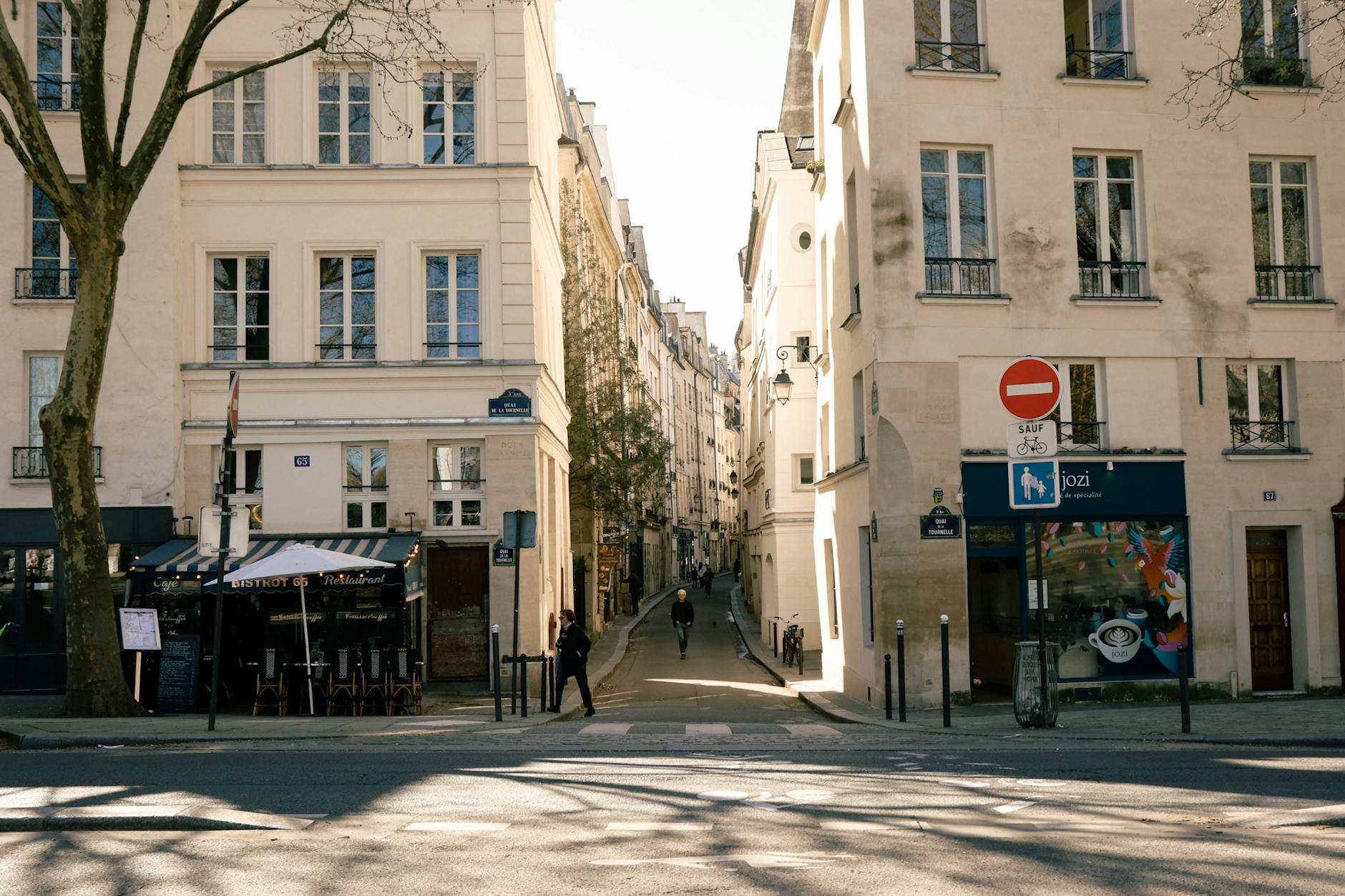
Most botched Paris trips fail at the planning stage, not on the ground. People book the wrong number of days, land in the wrong neighbourhood, show up at the Louvre on a Tuesday when it’s closed, and burn half their budget on coffees facing the Eiffel Tower. None of that is bad luck. It’s a sequence of small decisions made in the wrong order, weeks before the flight. This guide lays out how to plan a trip to Paris step by step, in the order that actually matters, so the choices stack up in your favour instead of against you, whether it’s your first time or your fifth.

Step 1: Determine Your Travel Dates and Duration
When you go shapes almost everything else: flight prices, hotel availability, the weather, the length of the queues. For a first-time visit to Paris, give yourself 5 to 7 days. After you subtract arrival and departure, that leaves 4 or 5 full days, enough to hit the famous landmarks, wander a few neighbourhoods, do the museums, and still keep an afternoon free to follow your nose. Three days is doable, but it’s punishing. You spend a good chunk of it sleeping off jet lag and the rest rushing between sights. Five to seven is the range where you see the essentials without running yourself into the ground.
The best windows are late spring (April to May) and early fall (September to October). You get pleasant weather, around 65 to 75°F, crowds you can actually move through, and the soft light photographers keep coming back for. Summer (June to August) is warm but it’s also peak season, which means long museum lines and higher prices across the board. Winter (November to March, holidays aside) is the cheapest stretch, though temperatures sit near freezing and the days are short. Each season has its own argument. Spring brings blooming gardens and a city shaking off winter. Summer means outdoor festivals and café terraces in full swing, crowds and all. Fall brings harvest menus and the return of Parisians from their August exodus. Winter delivers Christmas markets, thin tourist numbers, and the city at its most intimate.
If budget is the deciding factor, travelling in low season (November 1 to March 31, minus the Christmas and New Year holidays) can knock 30 to 50 percent off your accommodation. That said, plenty of seasoned travellers split the difference and go in spring or fall: kinder weather than winter, fewer people than summer, and prices well under peak. To see exactly what you’re walking into, our breakdown of the best time to visit Paris month by month covers the weather and events for each. April and May are the standouts for a first trip, with weather built for long neighbourhood walks and unhurried hours at outdoor cafés.

Step 2: Set Your Budget and Understand Costs
The way to budget Paris is to split it into five buckets: accommodation, food, transport, attractions, and shopping. A comfortable mid-range week for one person lands around €1,000 to €1,500, flights excluded. That buys a solid 3-star hotel, mid-range meals, museum entries, and getting around town. Once you can see the numbers laid out, you can decide where to spend up and where to pull back. Some people splurge on a hotel in a prime arrondissement and eat modestly. Others put the money on the table and accept a less central room.
Here’s the daily reality. A café or bistro lunch runs €15 to €30, dinner at a decent restaurant €30 to €50. The single best money-saving move is to walk away from the attractions; the streets ringing the big sights are priced for tourists, and prices fall sharply a few corners over. Museum entry runs €12 to €17 a head. The Louvre is €17 on its own, but plenty of smaller museums and churches charge €5 to €12, and many Paris churches are free to walk into. It’s worth being clear-eyed about what’s worth paying for. The Louvre charges, sure, but wandering the old quarters, walking the Seine, and hunting down street art cost nothing, and some of the trip’s best moments come free.
Transport is the cheap part. A single T+ ticket is €2.35 and covers one metro ride, an RER trip within zones 1 to 2, or a bus. Staying a week or more? Get a Navigo weekly pass: €5 for the card plus €31.60 for unlimited travel across zones 1 to 5. It earns its keep after roughly 15 single tickets. For the airport, the RER B from Charles de Gaulle takes about 50 minutes and costs €12.15, the cheapest route in, while an airport taxi runs a flat €55 to the Left Bank or €62 to the Right Bank. Budget €40 to €80 total for getting around over a week if you’re on the weekly pass, which makes transit one of your smallest line items. The unified fare system that came in for 2025 has made all of this far less of a headache than it used to be.
Accommodation usually eats 40 to 50 percent of the budget, and it sets the tone for the whole trip, so know the lay of the land. Luxury 4-star-plus hotels run €200 to €400 and up per night with the service to match. A 3-star gets you comfort and a good location for €80 to €150. Budget hotels and hostels go for €30 to €70 but may sit further out. Airbnb apartments average €90 to €180 a night and come with a kitchen, which means you can cook a few meals. Slot it into the overall plan with care, because the room is where the money goes.

Step 3: Check Your Travel Documents and Requirements
Sort the paperwork before you book a flight. Your passport has to be valid for at least 3 months past your planned departure date. US, Canadian, and most other citizens don’t need a visa for stays under 90 days in the Schengen area. From late 2026, though, citizens of countries without visa-free access will need ETIAS (European Travel Information and Authorization System) authorization. It isn’t a visa; it’s a digital authorization, much like the ESTA that US travel requires. If it applies to you, start the ETIAS application early, since processing can stretch into weeks during the busy seasons.
Copy your passport, your travel insurance papers, and your hotel confirmations, and keep the digital copies somewhere separate from the originals. Before you fly, tell your bank your travel dates so your card doesn’t get frozen mid-trip. Check that your phone plan covers you abroad, or plan to grab a local SIM on arrival. Read your travel insurance closely and make sure it covers medical emergencies, cancellation, and lost bags. Paris is generally safe, but medical care gets expensive fast without cover.
Look up the Paris visa requirements and travel documents for your specific citizenship and the current year, because the rules shift regularly. If your passport is close to expiring, give yourself a wide margin; renewals can take 6 to 8 weeks in some countries, and that’s the kind of delay that quietly kills a trip.
Step 4: Choose Your Accommodation and Book Early
Where you sleep colours everything else you do. For a first trip, the neighbourhoods that consistently deliver are Saint-Germain-des-Prés (6th) for that classic Paris of cafés and bookshops, the Latin Quarter (5th) for student energy and museums, and Le Marais (3rd and 4th) for restaurants, galleries, and a livelier night scene. All three have strong metro links, streets made for walking, and real character. Skip the Champs-Élysées area (8th): it’s pricey, packed, and built for tourists. If you want alternatives, Montmartre brings the bohemian, artistic feel, Canal Saint-Martin the trendy local hangouts, and Bastille a good nightlife-and-gallery mix.
Book 3 to 6 months out for the best rates and the widest choice, more so in peak season. Plan on €80 to €150 a night for a good 3-star in a central spot. Short-term apartments (Airbnb, Vrbo) usually run €90 to €180 a night and come with a kitchen, which makes them a smart pick for longer stays. Budget hotels further out go for €50 to €80 but cost you in longer metro rides. One rule that saves people grief: judge a place by how close it is to a metro station, not to a specific monument. Paris transit is efficient enough that being two stops from a sight barely registers.
Read the recent reviews properly, with an eye on noise, cleanliness, and what the block itself is like. Ground-floor rooms tend to be louder from the street; higher floors rest quieter. Decide whether you want hotel service and daily housekeeping or apartment life with a kitchen. One isn’t better than the other; it comes down to how you travel. Hotels suit short trips where you’d rather not think about logistics. Apartments suit longer stays and anyone who likes to cook and prowl the neighbourhood markets.

Step 5: Research and Plan Your Must-See Attractions
There are thousands of things to see, and that’s exactly the trap. The fix is to choose. Pick 3 to 5 experiences you genuinely cannot miss, then add 2 or 3 second-tier interests, and stop there. The top attractions in Paris are the Eiffel Tower, the Louvre, Notre-Dame, the Arc de Triomphe, and Sacré-Cœur. Further out, the best day trips from Paris take in Versailles, Monet’s gardens at Giverny, and the châteaux of the Loire Valley. Be honest about which of these you actually want, rather than ticking boxes because a name is famous. Some people are there for the art museums; others would rather spend the day in old quarters and cafés.
The one tip that saves the most time: book the big tickets online in advance. The Louvre can run 2 to 3 hour queues in peak season, and a skip-the-line ticket bought online (€22 to €27) buys back a huge slice of your day. The Eiffel Tower rewards advance booking the same way. Most Paris museums want reservations during the busy stretches. Where you can, buy direct from the official sites rather than third-party resellers; they’re usually cheaper and guarantee you’re actually getting in.
Check the closing days before you build anything around a museum. The Louvre is shut Tuesdays, the Musée d’Orsay shuts Mondays, and smaller museums often go dark one or two days a week. A lot of them also close on January 1, May 1, July 14, and December 25. Leave enough slack in your schedule to route around all of it, which matters most in winter when closures pile up. A simple spreadsheet or checklist of your top 10 sights, with hours, prices, and closing days, is the single most useful thing to keep open while you map out each day.
Step 6: Create a Balanced Itinerary by Neighborhood
The most efficient way to plan is to cluster sights by neighbourhood and do them in one go. As our Paris neighborhoods guide shows, the islands (Île-de-France) hold Notre-Dame and Sainte-Chapelle; the Left Bank stacks up museums, cafés, and bookshops; the Marais has the galleries, restaurants, and Place des Vosges; and Montmartre brings Sacré-Cœur, artist studios, and its old bohemian streak. Spend a day per area and you cut your time in transit and actually sink into the character of each one.
Cap it at 2 major attractions a day. Cram in more and you hit museum fatigue and stop absorbing any of it. Leave room for slow meals, for the things you stumble onto, for a café break, for just walking. Most people find 15,000 to 20,000 steps a day comfortable here, so wear cushioned, supportive shoes, not fashion heels. The walking is as much the point as the monuments. It’s how you find the hidden courtyards, the neighbourhood bakery, the streets the guidebooks skip. Paris opens up when you slow down, watch the locals, and start noticing the details overhead.
A workable 5-day shape: Day 1, fresh off the plane, get the lay of your own neighbourhood and its cafés. Day 2, the islands and Left Bank: Notre-Dame, Sainte-Chapelle, the Latin Quarter. Day 3, the big museums: the Louvre or the Musée d’Orsay, not both. Day 4, the Eiffel Tower and the Marais: the tower, a walk along the Seine, then the Marais. Day 5, Montmartre: Sacré-Cœur, the artist quarter, the cafés up the hill. That framework leaves slack for weather, for energy, and for whatever you find along the way.

Step 7: Plan Your Food and Dining Experience
Food sits at the centre of any Paris trip. Our Paris food guide gets into the regional specialties and the table customs, but start with the basics. Greet people: a “Bonjour” (or “Bonsoir” in the evening) when you walk into a shop or restaurant, and an “Au revoir” on the way out. That one small courtesy genuinely changes how you’re treated. Parisians notice when a visitor makes an effort with the language, even if they answer you in English. And don’t order an American coffee; coffee here is taken seriously, and asking for a “large coffee” marks you instantly.
The smart move on dining is to flip your day. Make lunch (déjeuner) your big meal, when the plats du jour put a three-course meal on the table for €12 to €18. Keep dinner (dîner) lighter and more relaxed: a crêpe, a sandwich, a bowl of soup for €8 to €12. Save proper restaurant dinners for the occasions that warrant them, fewer than you’d schedule at home. Bakeries and charcuteries turn out excellent fast meals too, with fresh baguettes, pâtés, cheeses, and pastries ready for a picnic. Go to a Ladurée or a Pierre Hermé if you want the names, but also find the neighbourhood patisserie where the same quality costs half. Every quarter has a great bakery; ask a local which one.
The street markets (marchés) scattered across the city sell fresh produce, cheese, cured meats, and flowers at fair prices, usually opening in the morning and winding down by 1 or 2pm. Grab bread, cheese, and a bottle of wine and you’ve got an afternoon picnic for next to nothing. The wine bars (cavistes) sell good bottles for €8 to €15, and these casual spots often throw in a few snacks with a glass. Getting a feel for French dining customs lets you order with confidence, starting with the fact that the fixed menus (prix fixe) almost always beat ordering à la carte on value.

Step 8: Arrange Transportation and Learn to Navigate
You’ll walk a lot of Paris, but getting around Paris well comes down to learning the metro. The RATP, the city’s transport authority, runs the metro, the RER trains, buses, and trams. For any real distance, take the metro: it’s fast, dependable, and drops you within a 5 to 10 minute walk of every major sight. Buses are the scenic alternative and reach corners the metro doesn’t, and some people prefer them for a slower look at the city above ground.
The metro has 16 lines, colour-coded on the map. Each has a number and a direction (say, “Line 4 toward Mairie de Montrouge”). Download the RATP app before you arrive, or pick up a free paper map at the airport. The big fare overhaul that launched January 1, 2025 flattened the pricing: every T+ ticket now costs €2.35, whether you ride one stop or out to the edge of the airport zone, which makes budgeting transit much simpler. Validate your ticket in the machine before you board, every time. Inspectors fine an unvalidated ticket €50. Transfers between lines, or to a bus, are free within 90 minutes on the same ticket.
Taxis are handy but pricey, roughly €15 to €25 for a short hop. Uber runs in Paris at slightly better rates than the traditional cabs. For the airport, the RER B is the cheapest route, while the Roissybus shuttle costs €13.70 and takes about 60 minutes. A few habits worth keeping: never leave a bag unattended on a train or in a public space, and stay alert in packed cars, which are where pickpockets work. Wear a crossbody bag rather than a backpack on transit; thieves go straight for tourists with expensive-looking luggage.
Step 9: Research Cultural Experiences and Activities
Past the headline museums, the city runs deep. The list of things to do in Paris goes well beyond the Eiffel Tower: cooking classes, Seine cruises, jazz nights, literary walking tours, even yoga in the parks. On the Romantic Paris side, there’s an evening in the Luxembourg Gardens, the sunset from Trocadéro, a glass of wine at a Marais bar. Travelling with children? Paris with kids covers the puppet shows at the Marionnettes du Luxembourg, more puppet shows in the Tuileries Gardens, and the Musée des Enfants.
Our Paris nightlife guide runs the full range, from polished cocktail bars to basement jazz clubs. Be ready for the local clock: Parisians eat late, 8 to 10pm, and the night doesn’t really start until 11. Pigalle is your bet for cabaret, the Marais for LGBTQ-friendly venues, and the 11th arrondissement for the contemporary clubs. Many charge €10 to €20 to get in, drinks on top. Going in, it helps to understand that the night here runs differently than in a lot of cities; it leans more refined, less about drinking to excess and more about the conversation.

Step 10: Common Mistakes to Avoid
You can dodge most of the classic mistakes by hearing them once. Don’t overstuff the itinerary. The usual error is trying to knock out 8 to 10 major sights a day, which lands you in queues and on trains far more than in front of anything worth seeing. Two big attractions plus some neighbourhood wandering is the right pace. Resist the urge to “do it all” on a short trip. You’ll come back, and treating this visit as the first of several takes the pressure right off.
Don’t eat right next to the monuments. The café facing the Eiffel Tower will charge €8 for a coffee; walk two blocks and the same coffee is €2.50. Don’t skip the basic French, either. Even a stab at “Bonjour, S’il vous plaît, Merci, Au revoir” changes how people meet you. Shopkeepers especially notice; walking in without a “Bonjour” reads as rude. A phrasebook or a translation app earns its place in your pocket.
Don’t drag oversized luggage around. The metro isn’t fully step-free, and hauling a big case up and down stairs gets old fast, so pack carry-on size if you can. Don’t assume everywhere takes cards; keep €50 to €100 in cash, since plenty of small shops, market stalls, and public toilets still want coins. And don’t forget a converter. France runs 240V on European two-pin plugs, so bring an adapter or buy one at the airport.
Don’t plan a museum day without checking the closing days first; miss that and you’ve wasted a morning standing at a locked door. Don’t lock yourself into peak season unless your dates are fixed, because the shoulder months (April to May, September to October) genuinely improve the trip by thinning the crowds. Don’t ignore the forecast, since Paris weather turns quickly. And don’t seal yourself inside the tourist bubble: eat where locals eat, shop where they shop, and take at least one neighbourhood walk with the guidebook left in your bag.

Step 11: Budget Travel Options and Discounts
Doing Paris on a budget is entirely workable with a bit of strategy. Start with the museum passes. The Paris Museum Pass (€69 to €89) covers 60-plus sights and gets you skip-the-line access at the major museums, and it pays for itself after 4 or 5 big visits. Lean on the free museums too, like the Musée de Montmartre, the Centre Pompidou exterior, and a long list of smaller galleries. Churches such as Sainte-Chapelle (€11.50) come in cheaper than the Louvre, and a lot of museums offer free or reduced entry on the first Sunday of the month.
The parks cost nothing: Luxembourg Gardens, the Tuileries, Parc de la Villette, Parc Buttes-aux-Cailles. A street-art tour through the Belleville graffiti runs €12 to €15. On food, the budget tricks add up fast: take the apéritif hour for drinks that come with free snacks at €5 to €8, build market picnics from cheese and charcuterie (€10 to €15 for two), and hit the early dinner menus (menu du jour) at restaurants. Working out how many days in Paris you need is itself a budget tool, since the right length keeps you from overspending on a trip that’s too long or too rushed.
Step 12: Final Preparation and Packing Essentials
Two weeks out, run the pre-trip checklist. Confirm every booking: flights, hotels, attraction tickets. Tell your bank your dates. Sort the travel insurance. Download offline maps of the neighbourhoods and the metro. Print or save your confirmation emails. Change a little currency, or plan to pull euros from an airport ATM. Paris ATMs are everywhere and give better rates than the currency-exchange counters.
For the bag itself: comfortable walking shoes broken in before you leave, layered clothing since the temperature swings through the day, a daypack or crossbody for getting around, a universal voltage converter, basic medications, and your prescription details. Bring a reusable water bottle, because Paris tap water is safe and good. Pack a small umbrella too; the rain comes in moderate doses all year. One sharp outfit for a nice dinner or the theatre takes up almost no space and is worth having. The city pays attention to how people present themselves, and neat clothes, even comfortable ones, read as a small mark of respect.
Load the apps that earn their keep: Google Maps (it works offline), the RATP app for transit, Citymapper, and a translation app. English turns up more and more in hotels and at the big sights, but a few words of French still open doors and start real conversations. Learn “Excuse-moi, parlez-vous anglais?” as a polite fallback. And read up on first-time Paris tips so you can build a checklist around your own worries and your own interests.
Bringing It All Together: Your Paris Trip Starts Now
Work through how to plan a trip to Paris step by step and the vague daydream turns into an actual itinerary. Handle the dates, the budget, the documents, the room, the sights, the food, the transit, and the cultural side in order, and you land in Paris settled and ready rather than scrambling. The prep itself becomes part of the fun, honestly: reading up on neighbourhoods, sizing up the museums, learning the metro map. It all builds the anticipation and pulls you into the city before you’ve even left.
Keep one thing in mind, though. The best moments here tend to be the unplanned ones: a courtyard you weren’t looking for, a street festival you walked into, a conversation that started at a café counter, an hour in a park watching the city go by. Plan enough to catch the big sights, but leave the gaps. Planning your Paris trip is about building a frame, not a cage. The city rewards the traveller who’s done the homework and still leaves room to be surprised. Because you’ve prepared, you’ll know which metro to catch when a street pulls you off course, which museums are essential and which are optional, and which quarters fit the way you actually like to travel.
So start now. Book the flights. Lock in the room. Buy the advance museum tickets. With the groundwork laid, the rest of it is just showing up. Au revoir.
Keep reading
Use these to round out your trip: