First Time in Paris: 25 Essential Tips Every Visitor Needs to Know
Most first-timers make the same handful of mistakes in Paris: they cram five museums into a day, they say nothing when they walk into a shop, and they pay €6 for a coffee they could have had for €2. None of it ruins a trip, but all of it is avoidable. These first time visiting Paris tips are the things experienced travellers wish someone had told them before their first visit, organised from pre-trip planning through transport, neighbourhoods, food, etiquette, money, and the scams worth knowing about. The goal is simple: fewer lines, fewer rookie errors, more of the Paris that locals actually live in.
Before You Go: Planning Essentials
The work you do before you land is what saves you money and queue time later. Two decisions matter most up front: how long to stay, and when to come.
How Many Days Should You Spend in Paris?
For a first visit, 5 days to a week is ideal. That’s enough to cover the major sights without sprinting between them, with room left over for the unplanned afternoons that end up being your favourites. Give yourself fewer than 4 days and you’ll burn most of them ticking off landmarks and never reach the neighbourhoods where Parisians actually live. Stay two weeks or more and you can really settle in, fit in day trips, and let the pace slow down.
Best Time to Visit Paris
Paris works in every season, but April-May or September-November hit the best balance of decent weather and bearable crowds. April and May bring blooming gardens and mild days around 55-65°F (13-18°C). September and October give you much the same, plus a city freshly back from its summer holidays. Winter has its charm but turns cold and gets packed around Christmas. Summer (June-August) means the biggest crowds and museums that turn stifling without air conditioning.
Booking Your Tickets in Advance
Book the big attractions online, ideally weeks ahead. The Eiffel Tower, the Louvre, the Musée d’Orsay, and the other headliners regularly sell out in peak season. Booking online locks in your entry, trims your wait, and often costs less than buying at the door. Plenty of sites offer free entry on the first Sunday of each month, but go in expecting serious crowds.
ETIAS Travel Authorization
From late 2026, US and Canadian citizens will need an ETIAS (European Travel Information and Authorization System) to enter France and the wider EU. It’s essentially Europe’s answer to the ESTA. Apply online a few weeks before you travel; the form takes about 10 minutes and costs a small fee. Skip it and you risk being turned away at the airport.
Getting to Paris & Getting Around
Once you crack the transport system, Paris is easy to move around. The centre is compact enough to cover long stretches on foot, and where your legs give out, an extensive métro network picks up the slack.
From the Airport to Your Hotel
Most visitors land at Charles de Gaulle Airport (CDG), and the simplest way into town is the RER B train, which runs straight from the airport to central Paris in about 30-35 minutes for a fraction of what a taxi or private transfer costs. It stops at the major hubs — Gare du Nord, Châtelet-Les Halles, Saint-Michel — so pick your exit based on where you’re staying. Buy your ticket at the airport before you board.
Master the Metro System
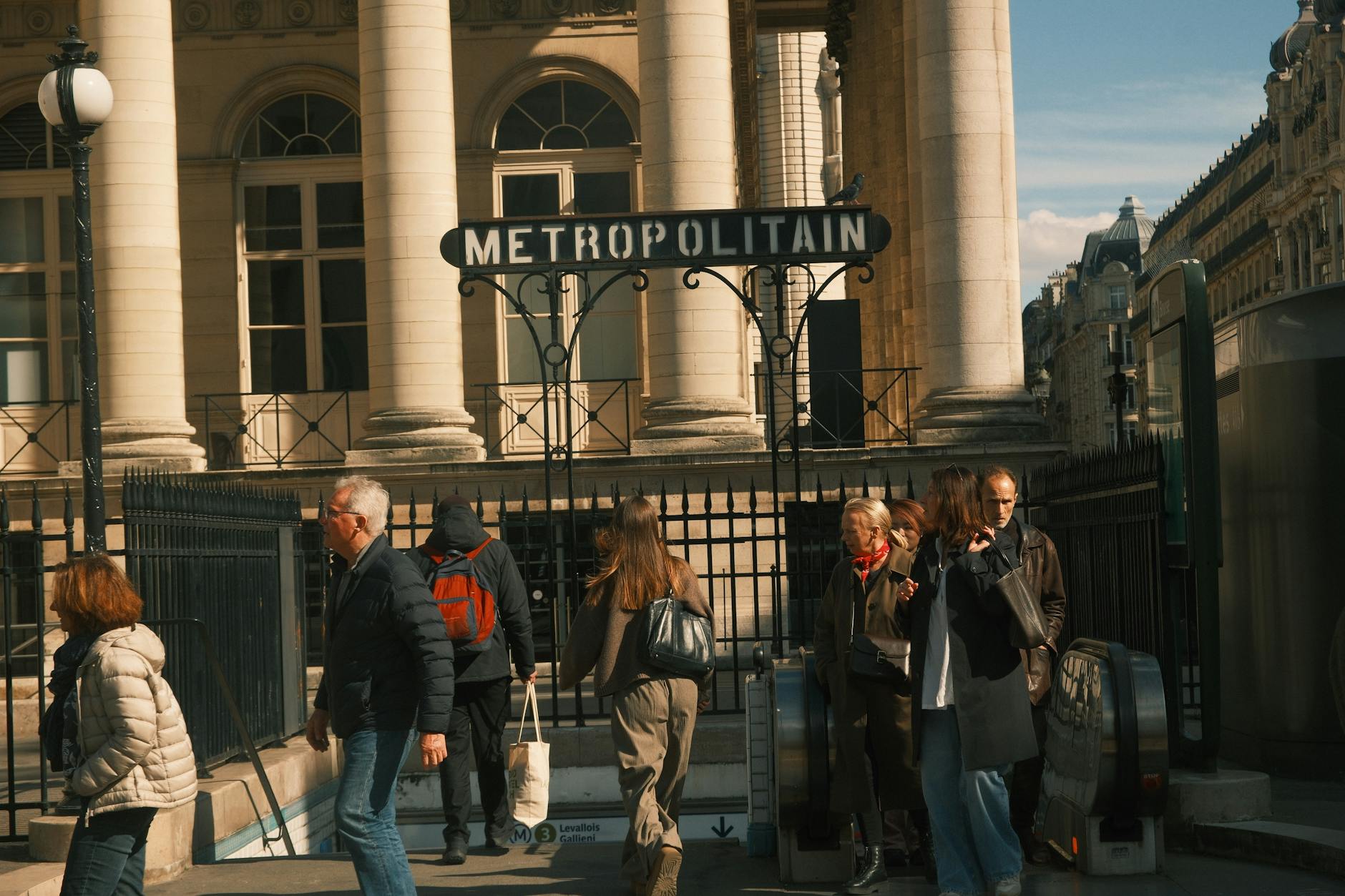
The Paris Métro is one of the best public transport systems anywhere. A single ticket costs €2.50 and works for any ride within Paris, no matter the distance. Buy a carnet (10 tickets) for €16.90 to bring the per-ride cost down, or grab a Navigo Découverte weekly pass (€35.15) if you’re staying a while. Download the RATP app and route-finding becomes trivial. It looks daunting on day one and feels like second nature by day two. One tip: avoid métro cars with your luggage during rush hour (7-9 AM, 5-7 PM), and either take a quieter line or wait for the next train.
Walking and Comfortable Shoes are Essential
Paris rewards walking more than anything. On a normal sightseeing day you’ll rack up 15,000-30,000 steps, which means comfortable shoes are absolutely essential. Leave the brand-new heels at home and pack proper walking shoes instead. Parisians manage to look elegant in footwear that’s actually comfortable, and you can too. The cobblestones look lovely and punish your feet, so go for something with real arch support and cushioning.
Where to Stay: Choosing the Right Neighborhood
Where you sleep shapes the whole trip. Base yourself centrally and you’ll walk to the major sights and into real neighbourhood life without ever touching the métro.
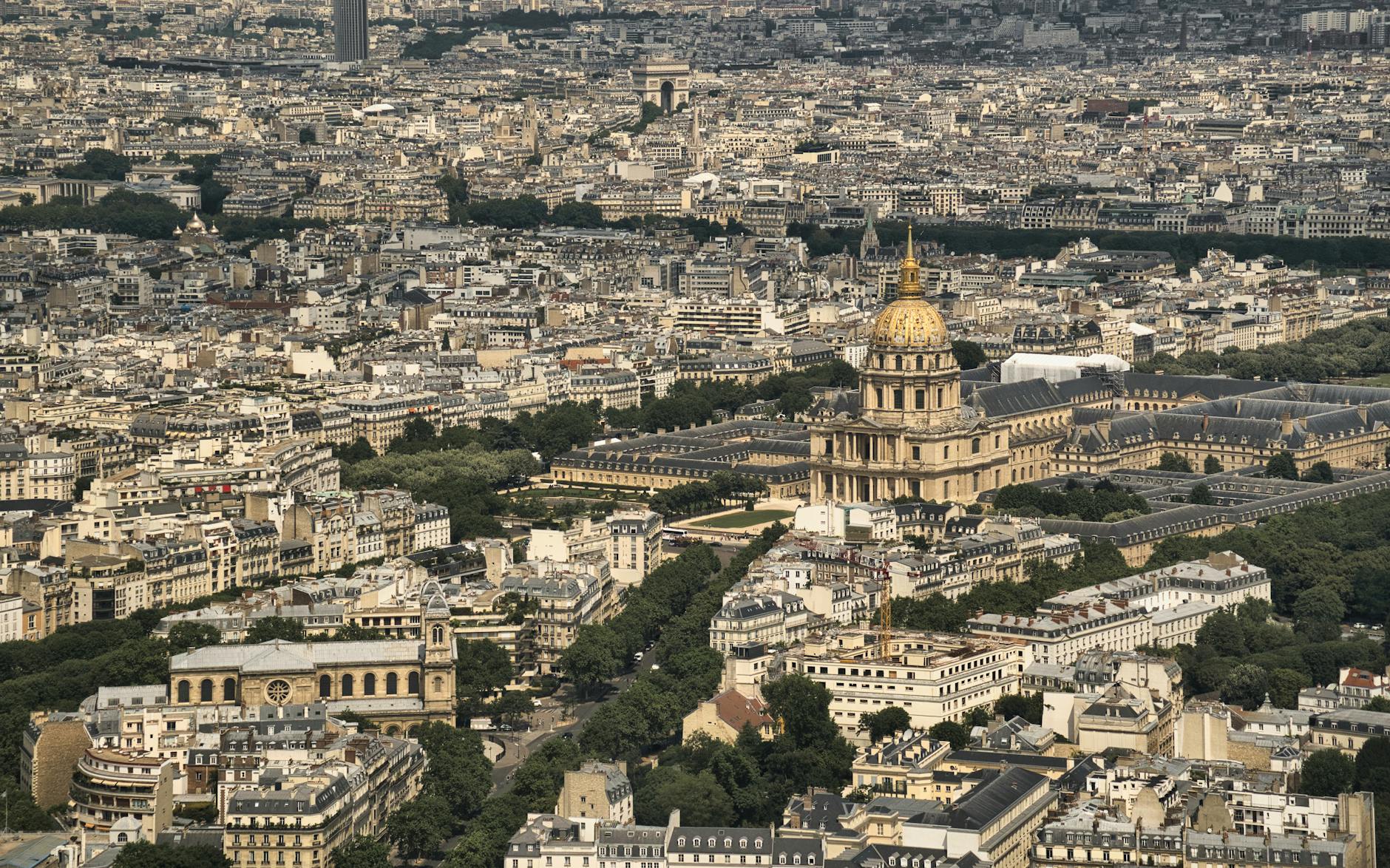
First-timers should aim for somewhere within walking distance of the famous landmarks. The 1st, 4th, 5th, 6th, and 8th arrondissements (neighbourhoods) give you the best mix of location, atmosphere, and access. The Marais (4th) is bohemian and eminently walkable, full of good shops and restaurants. The Latin Quarter (5th) runs on student energy and has the cafe culture to match. The Left Bank (6th) trades that for literary polish and a quieter elegance. The 1st puts postcard Paris right outside your door, though it leans more touristy than the rest. Learn more about choosing the right Paris neighborhood.
Be ready for rooms that are much smaller than North American standards. A generous Paris room runs about 200 square feet. Don’t read that as a downside; it’s how the city works. The room is for sleeping, and the rest of the time you’re meant to be out in the streets.
Must-See Attractions for First-Timers
Paris holds over 1,200 museums and more historical sites than you could see in a lifetime. You won’t see them all, and you shouldn’t try. A reliable rule: no more than 2-3 major attractions per day. That keeps each one enjoyable instead of exhausting, and it leaves space for the discoveries you didn’t plan.
The Eiffel Tower
Yes, it’s touristy. Go anyway. Book online to dodge the worst of the lines. You can get up to the second floor fairly quickly, but the wait for the summit can stretch into hours. Sunset gives you the best light for photos; sunrise gives you the thinnest crowds. It’s also worth seeing after dark, lit up and far less mobbed. And honestly, the view from the second floor is every bit as good as the one from the top.
The Louvre Museum
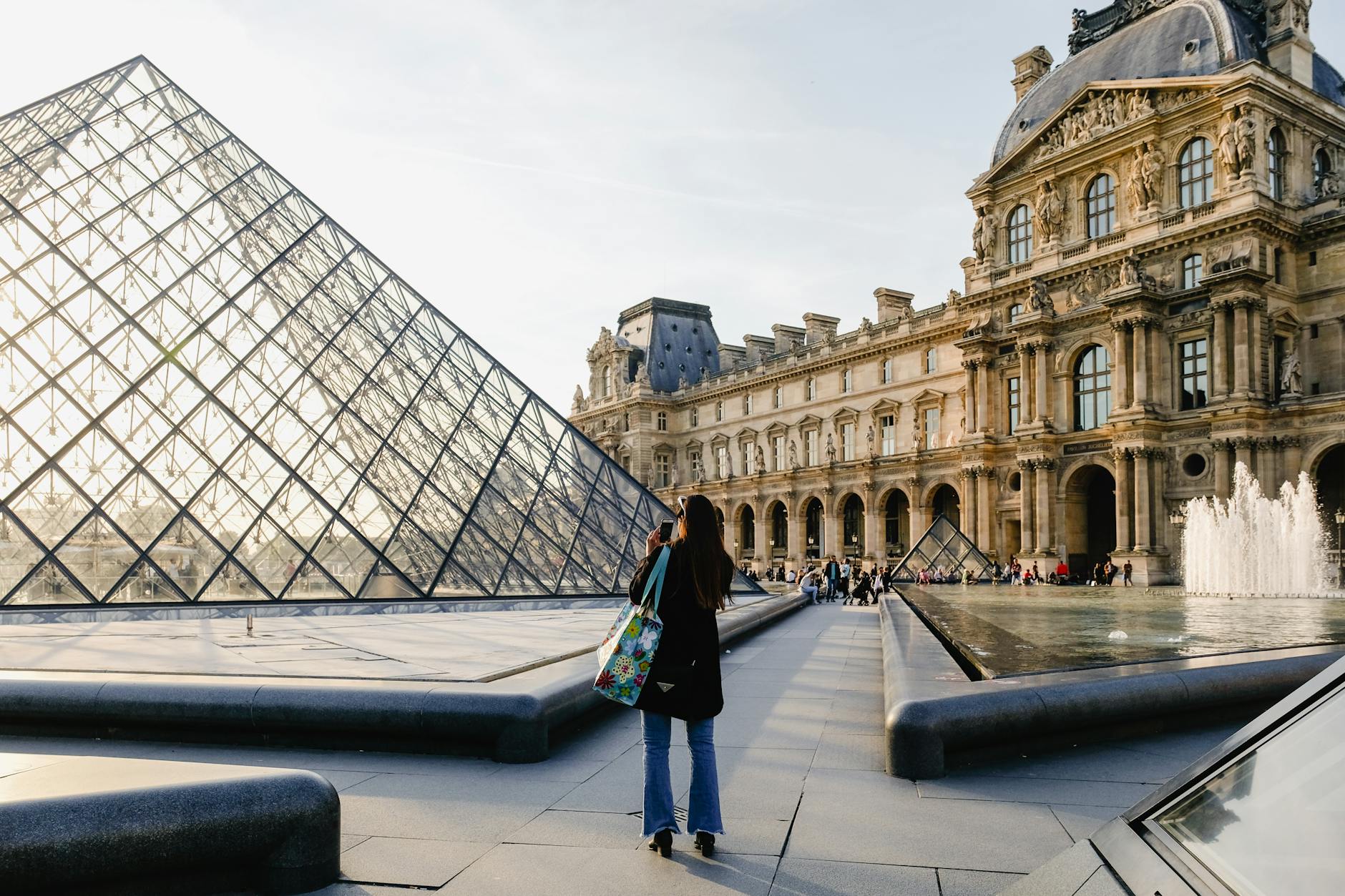
The most-visited museum in the world will swallow you whole if you try to do all of it. First-timers should zero in on the essentials: the Mona Lisa, the Winged Victory, the Venus de Milo. Cap it at 2-3 hours. Early morning and late evening are your quietest windows, and you can dodge the worst of the crowds entirely by going on a Wednesday or Friday evening, when the Louvre stays open late.
Musée d’Orsay
If you have room for just one museum after the Louvre, make it this. It lives inside a beaux-arts railway station and holds the great Impressionist and post-Impressionist works. It’s more manageable than the Louvre and, for a lot of first-timers, more rewarding. Book online to skip the queue.
Notre-Dame Cathedral
The cathedral is still being restored after the 2019 fire, but the exterior and the surrounding Île de la Cité are well worth your time. Walk over the nearby Pont des Arts footbridge for the views. And don’t overlook Sainte-Chapelle a few steps away, which serves up Gothic architecture and stained glass just as remarkable, with a fraction of the crowd.
Montmartre and Sacré-Cœur Basilica
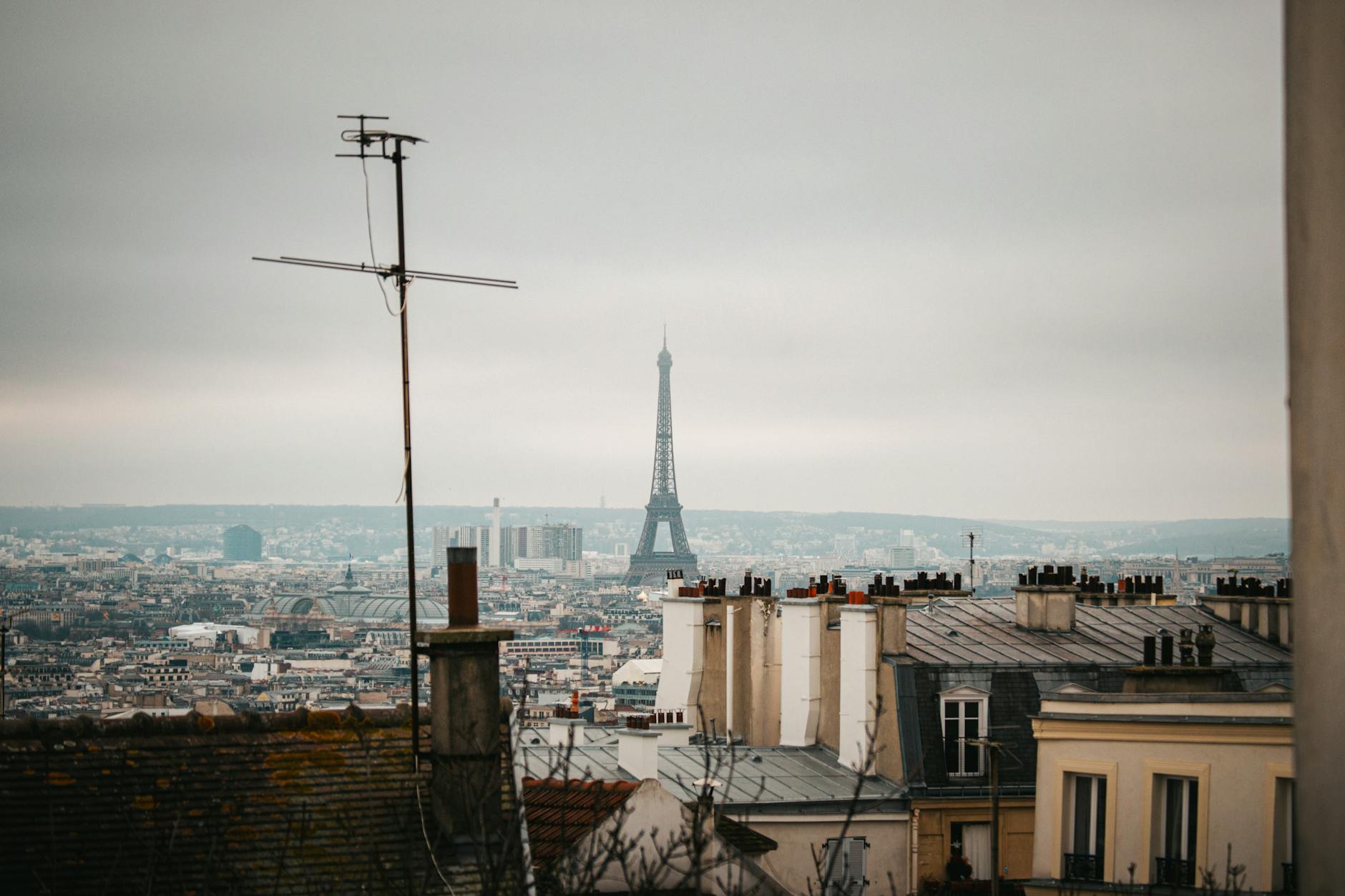
This is the city’s most bohemian quarter, perched on a hill. Climb up to Sacré-Cœur for a sweeping view over the rooftops, then wander the steep lanes where the painters used to live. Grab a seat at a street cafe and watch the crowd go by. It’s one of the few corners of Paris where you immediately understand what pulled the artists here.
Sainte-Chapelle
This 13th-century chapel flies under the radar next to the big names, and it shouldn’t. Its stained glass arguably outshines Notre-Dame’s, and it draws far thinner crowds. The tall, narrow windows pull your eye straight up and flood the place with coloured light in a way photos never quite capture.
Parisian Dining Etiquette & Food Tips
Food sits at the centre of Parisian life. Learn a few of the local customs and you’ll eat better, spend less, and feel a lot less like a tourist.
Meal Times and Restaurant Culture
Parisians keep different hours than most visitors. Restaurants usually don’t open for dinner until 7 or 7:30 PM, and locals don’t sit down until after 8. Show up before 7 and it’ll feel off; show up at 6 and you’ll be the only person in the room. Lunch service runs roughly 12-2 PM. Plan around that, or you’ll spend a hungry hour hunting for somewhere open.
Café Culture: Counter vs. Table Seating
The cafe is essential, but know how the pricing works before you sit. Standing at the counter (comptoir) costs noticeably less than taking a table. A coffee runs €1.50-2 at the bar and €4-6 at a table. Same coffee, same service; you’re paying for the seat. Plenty of Parisians knock back an espresso standing up and walk straight out, and there’s nothing rude about it. That’s just how it’s done.
Tipping in Paris
The tip is already built in by French law. Service charges (service compris) are baked into the menu prices, so nothing extra is expected of you. Rounding up or leaving a little (5-10%) for genuinely great service is a nice touch, never an obligation. Drop a 20% tip and you’ll just puzzle the server, who’ll assume you don’t know how it works here.
Must-Try Foods and Where to Find Them
Start the day at a bakery with a fresh croissant, a pain au chocolat (chocolate croissant), and a strong coffee. There’s an excellent boulangerie on practically every corner, and locals hold fierce opinions about which one. Work your way through the classics: escargot (snails), coq au vin, French onion soup, crêpes. Hit a market like Marché Bastille or Rue Mouffetard for cheap fresh produce and street food. And leave room for dessert, because macarons, éclairs, mille-feuille, and tarte tatin are not optional here.
Cultural Etiquette & Language Tips
Parisians have a reputation for being cold that mostly isn’t earned. The trick is knowing the customs and showing a little respect for how things are done.
Always Say Bonjour and Au Revoir
This one is non-negotiable. Say “Bonjour” the moment you walk into anywhere — shops, cafes, restaurants, pharmacies — and “Au revoir” on your way out. Walking in without a greeting reads as genuinely rude to French people. That one small habit changes everything; you’ll watch servers and shopkeepers warm up the second you say hello. It was never coldness. It was a boundary, and it drops the moment you acknowledge it.
Basic French Phrases
You don’t need to be fluent, but the effort lands. Learn the basics: “Bonjour” (hello), “Au revoir” (goodbye), “S’il vous plaît” (please, formal), “Merci” (thank you), “De rien” (you’re welcome), and “Excusez-moi, parlez vous anglais?” (Excuse me, do you speak English?). That last one is the key. Asking politely in French whether someone speaks English works far better than launching into English and hoping. Many Parisians speak it perfectly well; they just appreciate being asked in their own language first.
Dress Code and First Impressions
Parisians dress with care but practicality. Skip the athletic wear, the flip-flops, and anything oversized. The local uniform is dark, neutral colours, clean cuts, and good basics. This isn’t about being judged; dress the part and you’ll feel more comfortable and blend in better. Even the casually dressed here look pulled together. Check our Paris packing list for specific clothing recommendations.
Money & Budget Tips
Currency and Credit Cards
Paris runs on euros (€). Cards work almost everywhere, but a few smaller spots — certain cafes, vintage shops — still take cash only. ATMs are everywhere, so withdraw euros on the ground rather than exchanging money at home. And when you pay by card, always choose euros, not your home currency. Dynamic currency conversion (when the card reader offers to charge you in your own currency) almost always gives you a lousy rate. Pick euros and let your own bank do the math.
Museum Passes and Free Sundays
The Paris Museum Pass (2, 4, or 6 days) gets you skip-the-line entry to over 60 museums and monuments, and it pays for itself after just 2-3 visits. The free alternative: the first Sunday of each month opens many of the major museums at no charge. Plan for it if you like, but you’ll be sharing the galleries with thousands of equally budget-minded visitors.
Realistic Budget Estimates
Budget roughly €100-150/day per person for food, transport, and attractions, not counting your hotel and flights. The museum pass (€65 for 4 days) is money well spent. A metro carnet (10 tickets) is €16.90. A solid restaurant meal runs €15-30 at lunch and €25-50 at dinner, while street food and cafes keep it cheaper, around €2-5 for a quick breakfast or snack. Setting a daily number helps you spend on the experiences that matter and skip the small stuff that adds up.
Safety & Scam Awareness
Paris is generally safe, but like any big city it has petty theft and scams that target tourists. Stay alert and you’ll sidestep nearly all of it.
Common Scams and Hotspots
The scams cluster around the Eiffel Tower, the Louvre, and Sacré-Cœur. Watch for fake petitions asking you to sign (“Please support the deaf children,” or some variation); these are collection schemes dressed up as charity. Wave off the friendship bracelets pushed on you in the street, because they come with an expectation of payment. Street performers sometimes demand cash after performing near you. Be polite but firm and decline up front. And don’t accept drinks from strangers or leave yours unattended.
Pickpocketing Prevention
Keep your valuables secure, especially on packed métro cars and around the big attractions. Wear your bag in front of you or go with a crossbody. Don’t flash expensive jewellery, cameras, or electronics. Keep copies of your key documents (passport, visas, travel insurance) somewhere separate from the originals. And above all, don’t let any of this spoil the trip. Paris is safe when you pay attention.
Packing Tips for Paris
Pack light and pack smart. You’ll be walking constantly, and trains, buses, and métro cars are tight on space. A carry-on suitcase or a backpack is the sweet spot. Keep in mind that the maximum bag size for attractions is roughly 22 x 13 x 7 inches; anything bigger may be turned away or have to be checked. Layer for the swings in spring and autumn temperatures. Comfortable walking shoes, again, are non-negotiable. Bring a small daypack for your outings, and a lightweight scarf (foulard) that pulls double duty for warmth and style. Parisians rarely sling on a backpack, leaning instead toward a crossbody bag or a small roll-on.
Round out the kit with power adapters for European sockets, a translation app, and a city map (or downloaded offline maps). For a comprehensive packing list, see our detailed guide.
Day Trip Options from Paris
Once you’ve had 5-7 days in the city, a day trip adds welcome variety. Versailles is 30 minutes out by metro and easily fills a day across the palace, the gardens, and Marie Antoinette’s countryside estate. Monet’s gardens at Giverny (90 minutes by train) are catnip for art lovers. Fontainebleau delivers royal history with thinner crowds. Medieval towns like Provins or Rambouillet offer a complete break from the urban pace. These trips break up the museum days and show you how Parisians themselves get out of the city. Explore more Paris attractions and activities.
Final Checklist for First-Time Visitors
A few reminders to carry with you. Come with realistic expectations: you cannot see everything in one visit, and that’s fine. Plan well enough to balance the must-sees against neighbourhood wandering and the odd unplanned afternoon. Comfort beats completeness every time; sore feet have wrecked more good trips than missed museums ever did. Stay scam-aware without tipping into paranoia. Lead with the language and a bit of cultural respect. And let yourself fall into the slower Parisian rhythm — the long cafe lunch, the aimless walk with nowhere in particular to be. Learn about optimal trip duration in our guide.
A first trip to Paris tends to leave a mark. Maybe you fall hard and come back again and again; maybe it lands a little differently than you pictured. Either way, walking those centuries-old streets, tearing into a fresh croissant, and seeing the landmarks with your own eyes is the kind of thing that stays with you. Use these first time visiting Paris tips to make it run smoothly and feel like the real thing.
Additional Paris Resources
Ready to start booking? Dig into our other guides: planning your Paris trip, choosing where to stay, things to do in Paris, our food guide for dining recommendations, getting around Paris, the best neighborhoods guide, museums and galleries, Paris on a budget, and the best time to visit Paris. Don’t skip our detailed packing list or our guide to how many days to spend in Paris.
With a bit of planning, level expectations, and the tips above, your first trip should land close to whatever you’ve been imagining. Bon voyage.
If you would rather not build the days yourself, our Paris itinerary guide has ready-made routes for every trip length, each one arranged so you are not crossing the Seine four times a day.
If this is your first trip and you have three days, you do not need to design the route yourself: our 3 days in Paris itinerary is the one we would hand a first-timer, with the museum closing days already built into the order.
If the safety question is nagging at you before a first trip, we have answered it properly: how safe Paris really is covers what actually happens to visitors, which is almost entirely theft rather than anything worse, and the handful of habits that prevent most of it.
The bracelet, the petition and the gold ring will all be tried on you at some point if your trip takes in Montmartre and the Louvre. Our guide to the 15 Paris scams worth recognising describes each one so you spot it a second before it starts.
The one piece of first-timer advice that pays for itself immediately: carry one bank card, the day’s cash and your phone, and leave everything else in the hotel safe. Almost every visitor who has a bad afternoon in Paris had a full wallet and a passport on them when they did not need either. Our guide to pickpockets in Paris explains why that single habit outranks every anti-theft gadget on the market.
This page is the orientation: what to see first, how to shape the days, what a first trip should feel like. For the reference version — the forty specific things about money, fares, opening hours, tipping and etiquette that decide whether a week runs smoothly — see our companion guide to Paris travel tips, which is organised to be looked things up in rather than read straight through.
One thing worth doing on the flight over: learn six words. Bonjour, bonsoir, merci, au revoir, s’il vous plaît, and “parlez-vous anglais ?” — asked rather than assumed. That is fifteen minutes of effort and it changes the temperature of nearly every exchange you will have. Our guide to French phrases for tourists has the rest, sorted by situation.
Related Paris guides
Use these to round out your trip: