Paris Nightlife & Entertainment: Your After-Dark Guide
Introduction: Paris After Dark
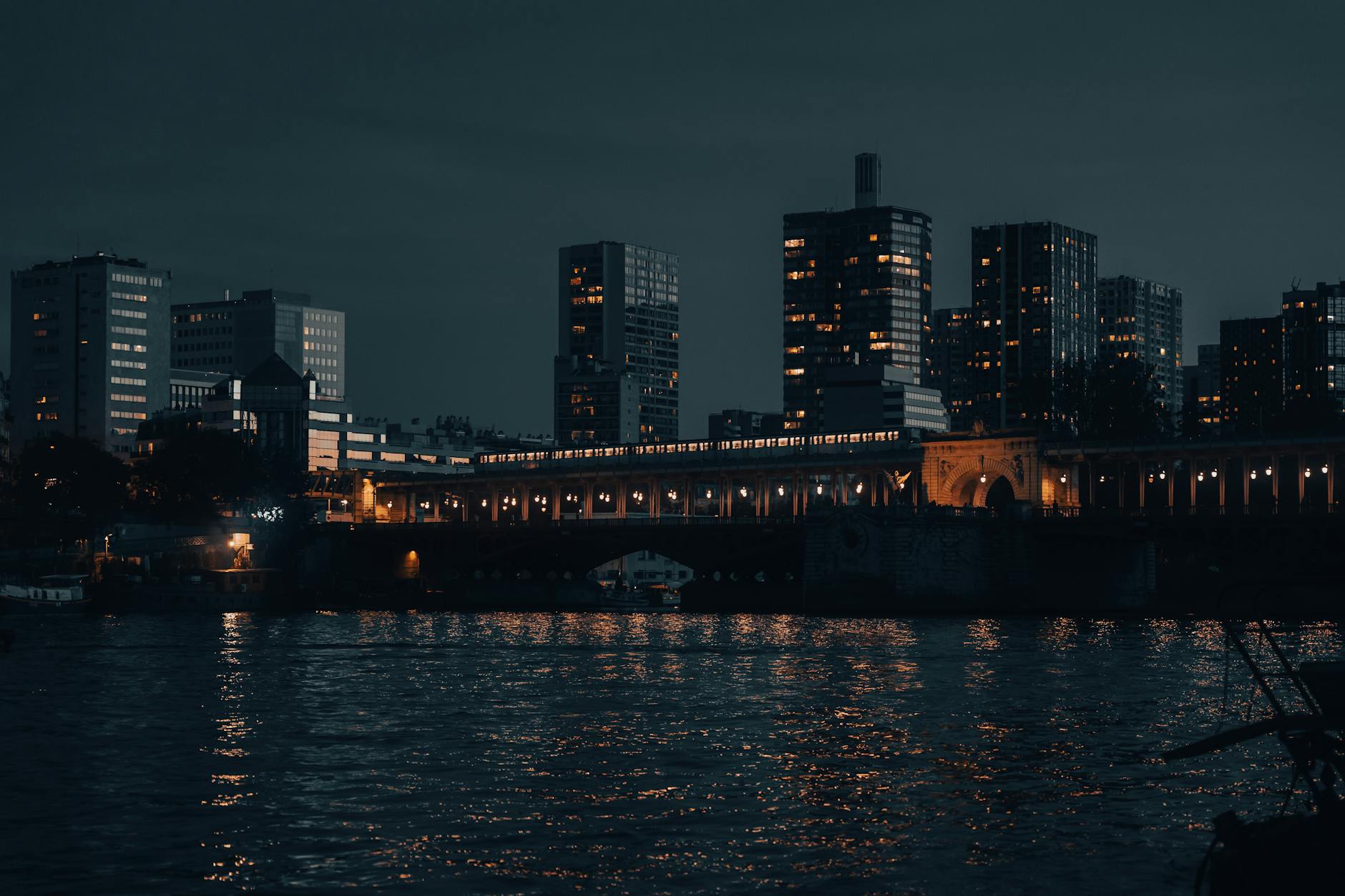
Most cities have a nightlife district. Paris has about eight of them, and they barely resemble each other. You can watch a can-can line that has run since 1889, slip through a fake taqueria counter into a hidden cocktail bar, catch bebop in a 13th-century cellar, or dance to techno until six in the morning, all in the same square mile. This Paris nightlife guide is built for that sprawl. If you’re still sorting out the basics of your Paris trip and wondering what the evenings actually look like, start here.
The thing that surprises first-timers is how spread out it all is. There’s no single strip where the action concentrates. Instead, each neighborhood developed its own after-dark personality over a century or more, and the gap between them is real: the polished hotel bars near the Opéra Garnier have almost nothing in common with the dive bars on Rue Oberkampf, and both are a world away from a Moulin Rouge matinee. That variety is the whole point.
Below you’ll find specific venues with real prices, the booking quirks worth knowing, dress codes that are actually enforced, and how to get home once the métro stops. There’s also advice on where to base yourself in Paris if your evenings matter more than your mornings, plus a few notes on stitching nightlife together with the daytime things to do in Paris so you’re not running on empty by day three.
Best Neighborhoods for Nightlife
Pick the neighborhood first, then the venue. Each district draws a different crowd at a different price point, and matching the area to your mood saves you a lot of wandering. Here’s how the main ones break down.
Pigalle & Montmartre: Historic Cabaret Central
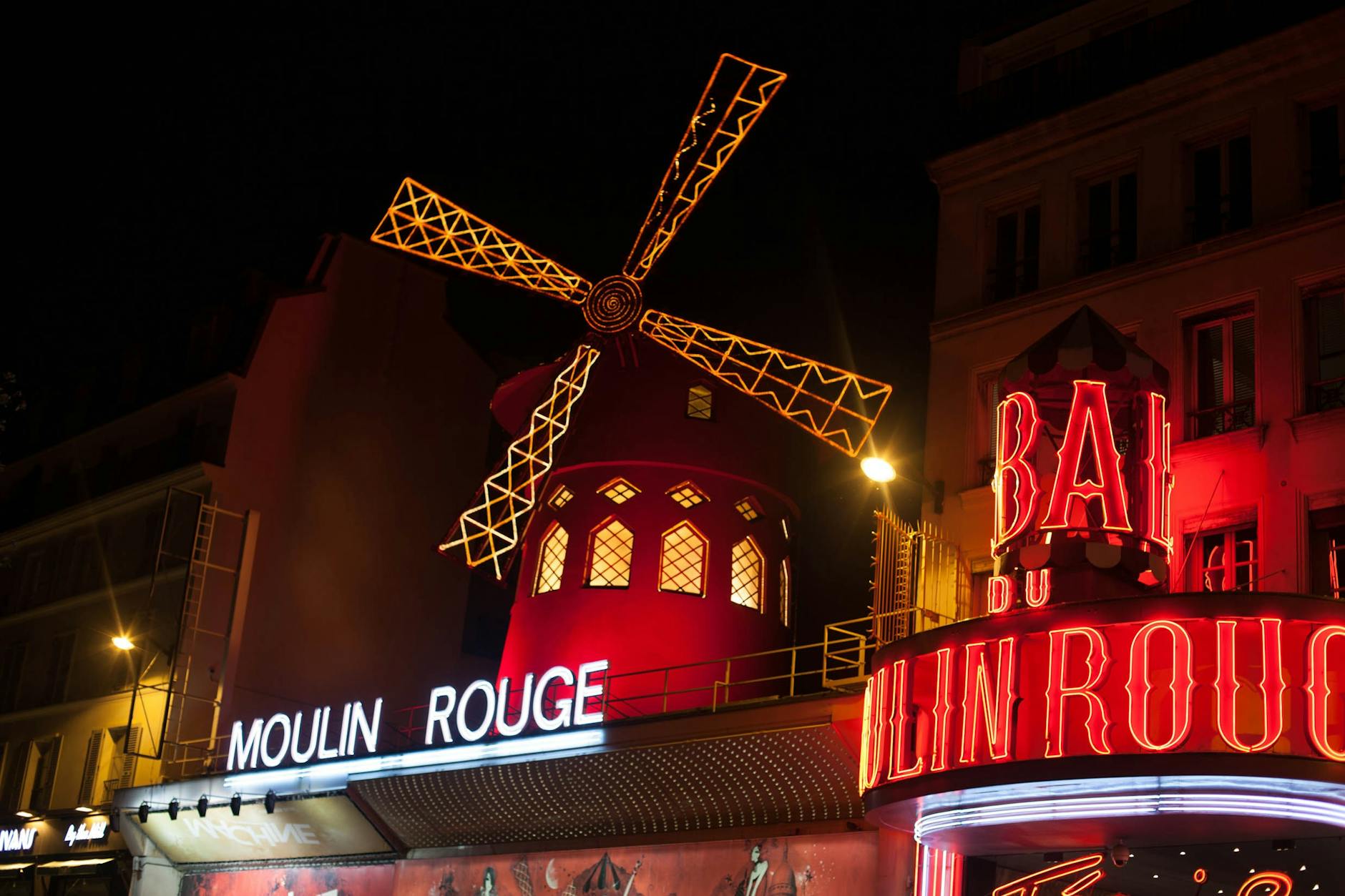
Pigalle, at the foot of Montmartre, has been the loud heart of Paris nightlife since the Belle Époque, and it hasn’t really let go of the title. The neighborhood made its name when the Moulin Rouge opened in 1889, and it’s still where the cabarets cluster. Streets around Place Pigalle stay busy from early evening into the small hours, lined with cafés, music venues, and bars in every direction.
It pulls a mix of locals and tourists, and it’s genuinely fun, but Pigalle also runs a side hustle: vendors pushing drinks, people offering “services,” and the usual small scams aimed at visitors. None of it is dangerous if you keep your wits about you. Stick to the main, well-lit streets, go out with company when you can, and don’t flash anything expensive. The vast majority of venues here are straight-up professional operations where you’ll have a great night.
Oberkampf & Ménilmontant: Hip & Eclectic
Cross town from Montmartre and you hit Oberkampf and Ménilmontant, the trendier end of the scene. Both were working-class districts not that long ago; now they’re where the craft cocktails, independent bars, live-music rooms, and sharper nightclubs live. The crowd skews younger and decidedly more local than Pigalle, with a good number of in-the-know travelers mixed in.
Rue Oberkampf runs for a couple of kilometers and packs in everything from grimy dive bars to polished cocktail lounges. Ménilmontant is a notch quieter but every bit as cool, with a strong arts and music streak and some of the city’s best clubs and live venues. The crowd here tends to run a little older and more clued-in than the Pigalle set.
The Marais: Sophisticated & Diverse
The Marais, on the Right Bank near the center, runs on its celebrated LGBTQ+ scene, boutique hotels, galleries, and some of the most interesting bars and restaurants in Paris. A lot of the city’s best hidden cocktail bars hide here too, behind doorways that give no hint of what’s inside. Medieval lanes and Renaissance facades sit next to thoroughly contemporary culture, and the contrast never gets old.
What people love about the Marais is that it rewards aimless walking. The streets are tight and walkable, the museums and major Paris attractions are close, and half the fun is stumbling onto a wine bar or a speakeasy you didn’t know existed. The crowd is cosmopolitan, and the eating is excellent, so check the Paris food guide before you head out for dinner here.
Latin Quarter: Youthful & Bohemian
The Left Bank’s Latin Quarter, anchored by the Sorbonne and the Panthéon, runs on student energy. Rue de la Huchette and the streets around it fill with bars, cafés, and clubs aimed squarely at the university crowd. Everything skews younger, cheaper, and more casual than the rest of the city, with a loose bohemian feel and live-music rooms, wine bars, cocktail spots, and dance clubs all within a short walk of one another.
This is Parisian nightlife without the tourist surcharge of Pigalle. It’s a good bet if you want to drink among locals, keep the tab reasonable, and poke around the old cellars down here, the same ones that sheltered medieval monks centuries ago and hid resistance fighters during the war.
Saint-Germain-des-Prés: Literary & Cultured
Saint-Germain-des-Prés, the old stronghold of Left Bank intellectual life, plays it more refined. This is where the existentialists argued in cafés and the literary set held court, and the cultural crowd still gathers. Expect wine bars, jazz clubs, upscale restaurants, and quiet cocktail lounges rather than dance floors. You’ll pay more than elsewhere, but the price buys atmosphere, history, and a higher floor on quality.
The crowd runs older here: locals in their 30s and 40s and up, traveling culture buffs, people who’d rather talk than dance. Come for an evening of good wine, live jazz, and conversation, and the sense of stepping straight into the Paris of the postwar photographs.
Bastille: Trendy & Energetic
Bastille, famous for its role in the Revolution, has turned into one of the most energetic nightlife corners in the city. The area around the Opéra Bastille changed dramatically over the past two decades as young professionals, artists, and entrepreneurs moved in. The result is a dense mix of live-music venues, dance clubs, cocktail bars, and wine bars threaded between hip restaurants and shops.
It’s the choice for Parisians who want a lively night without trekking out to the edge of the city. Less touristy than Pigalle, plenty of energy, and well connected by transport, which matters when you’re heading home late.
Grands Boulevards & Opéra: Classic Elegance
The Grands Boulevards, especially Boulevard Saint-Michel and Boulevard Saint-Germain, bring grand Haussmannian architecture and luxury hotels with serious bars. The streets around the Opéra Garnier have long meant refined nights out: top restaurants, cocktail bars with century-old pedigrees, and the theater district. Some of the finest hotel bars in Paris sit in this pocket, trading on landmark views and flawless service.
This is the most formal of the neighborhoods, and it draws a well-heeled international crowd. Dress codes get enforced more strictly, and the prices match the address.
Iconic Cabaret Shows: The Spectacle of Paris
Say “Paris nightlife” to most people and they picture a cabaret. The shows are big-budget productions, all elaborate costumes and drilled performers, and they carry a theatrical tradition that goes straight back to the Belle Époque. People still fly in for them, and the good ones earn it.
Moulin Rouge: The Original Icon
The Moulin Rouge opened on October 6, 1889. It was the world’s first cabaret, and in a real sense it invented the modern nightclub. You’ll find it on Boulevard de Clichy in Pigalle, the red windmill on the roof impossible to miss. The shows star the Doriss Girls, a professional troupe that runs big production numbers with tight choreography, lavish costumes, and a full battery of theatrical effects.
The current production, which has run for decades, mixes high-energy musical numbers, acrobatics, live musicians, and the traditional cancan. It clocks in at about 1 hour and 45 minutes with no intermission on standard shows. The room holds around 885 people per seating, and there are several seatings a night.
Ticket Information: Standard tickets run €120 to €190 per person depending on where you sit. VIP packages with champagne or cocktails go for €200-€290. Dinner packages, which pair a three-course meal at the adjacent restaurant with a show ticket, cost €225-€280. Book through the official Moulin Rouge website to lock in your seat and skip the vendor markups. Shows usually run daily at 9pm and 11pm, with extra times possible in summer. Dress code is smart casual at a minimum, though plenty of people dress up for it, and honestly the occasion suits it.
Crazy Horse: Artistic & Intimate
Crazy Horse, at 12 Avenue George V in the 8th arrondissement, plays cabaret as art rather than spectacle. Alain Bernardin founded it in 1951 and built a new style around nude dancing framed as an artistic act, leaning hard on lighting design, direction, and a kind of theatrical storytelling. It feels closer to avant-garde theater than to the big production numbers up at the Moulin Rouge.
The performances show off real artistic and athletic chops, and the lighting does as much work as the choreography. Shows run about 1 hour and 45 minutes with no intermission, in an intimate room seating roughly 600. There are two shows nightly at 8pm and 10:30pm, plus weekend matinees. Tickets start at €110 and climb to €190 by seat; champagne packages and VIP seating are available. Book online or directly through the venue. Dress code is smart casual. The clientele is international, and the whole thing skews more sophisticated and arts-minded than the classic cabarets.
Paradis Latin: Belle Époque Revival
Paradis Latin, on Rue Monge in the Latin Quarter, comes with a great backstory. Gustave Eiffel (yes, the tower engineer) designed the original theater as a concert hall in 1889. It went dark in 1938 and stayed closed for decades before reopening as a cabaret in 1985. The building itself, with Eiffel’s original ironwork, is half the attraction.
The current show blends classic cabaret with more contemporary numbers, the usual elaborate costumes, dancers, live musicians, and high production values. It runs about 2 hours including intermission, in a room seating roughly 800, with two shows nightly at 8:30pm and 10:30pm. Tickets range from €110 to €185 by seat, and dinner packages are available. It’s a touch less famous than the Moulin Rouge but matches it on production, and the Eiffel-designed hall is a genuine bonus. The Latin Quarter setting also puts good pre-show dinner spots right on your doorstep.
Lido 2 Paris: Modern Music Hall
The Lido, a Champs-Élysées fixture since 1946, closed as a traditional cabaret in 2022. It came back in 2024 as Lido 2 Paris, reborn as a music hall and performance venue. Instead of the old cabaret format, it now stages concerts, comedy, dance, and one-off events. That’s a notable shift in the Parisian cabaret landscape, but it keeps the Lido name in the game.
If the Lido is on your list, check the current programming on the official site, since the format and schedule shift with the season. Just go in knowing it’s a different animal from a traditional cabaret now.
Best Cocktail Bars & Speakeasies
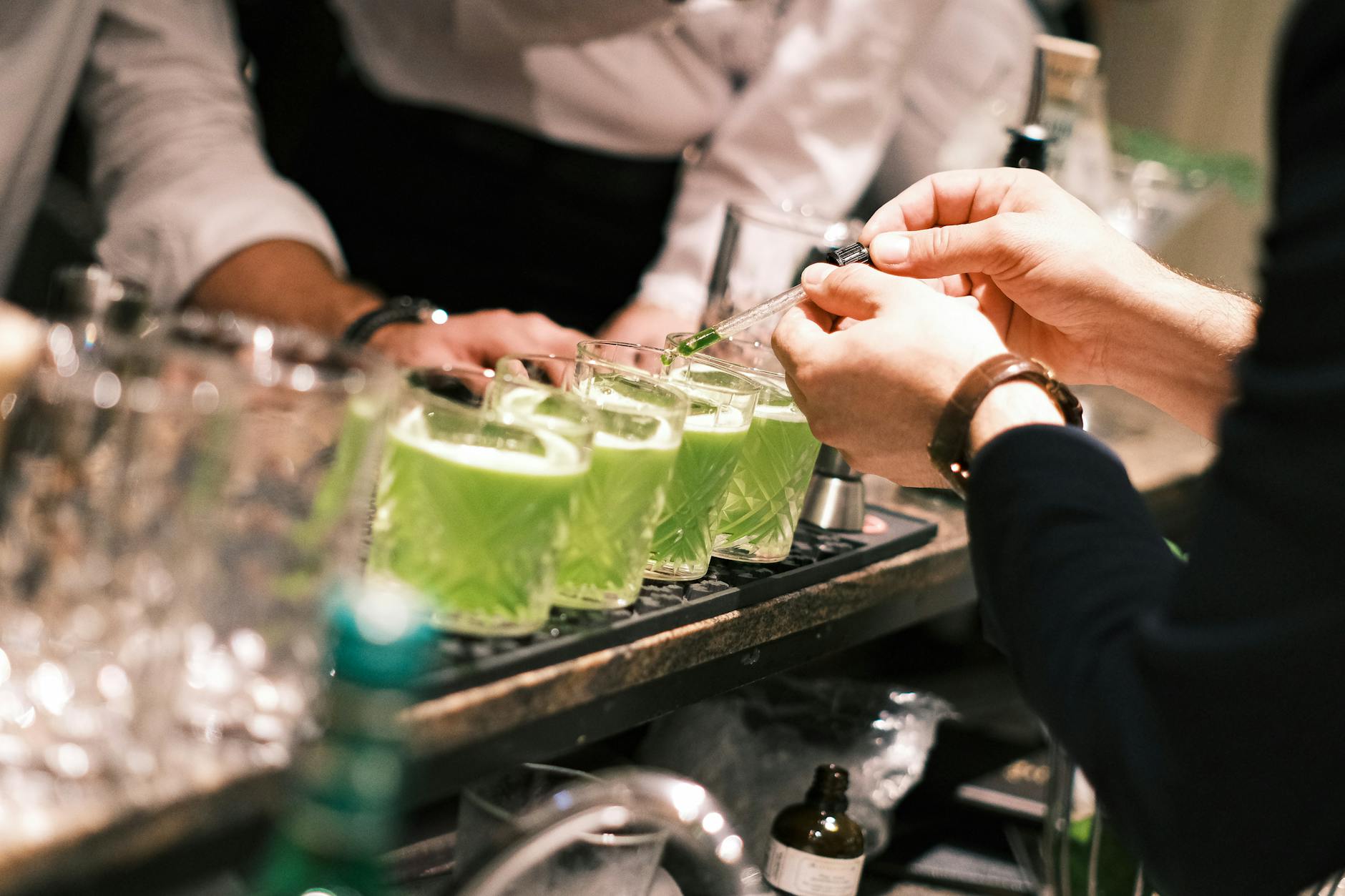
Paris has quietly become a serious cocktail town. Its bartenders turn out drinks that hold their own against London or New York, and the range runs from bars with century-old histories to speakeasies you practically need a tip-off to find.
Harry’s Bar: Historic Institution
Harry’s Bar, at 5 Rue Daunou near the Opéra, is one of the most famous cocktail bars in the world and arguably the most historically loaded. The American bartender Harry MacElhone opened it in 1911, and it became legendary in the 1920s when Hemingway and the rest of the expat literary crowd practically lived in it. The Bloody Mary was invented here, and plenty of other classics were perfected at this counter.
The room still wears its belle époque look: dark wood paneling, brass fittings, period lighting. The menu sticks to classics and house signatures, with most cocktails landing at €17-€22. It’s sophisticated but not snobbish, you don’t need to be a regular or sharply dressed to get good service, and the crowd is a mix of tourists, business travelers, and Parisians. One tip: come before 9pm or book a table, or you’ll be standing all night, especially on weekends.
Little Red Door: Modern Craft Cocktails
Little Red Door, at 60 Rue Charlot in the Marais, is modern Paris cocktail culture in miniature. The name nods to the film “The Red Balloon,” and the striking red door out front has become a reliable Instagram stop. Inside, the team leans theatrical, often building you a custom drink off your flavor preferences rather than the menu, though the signatures are excellent if you’d rather just order.
The space is minimalist and low-lit, which keeps the attention on the drinks and the bartenders. Cocktails run €12-€16. It’s placed among the world’s 50 best bars for several years running, so come early or settle in for a wait, it’s essentially always full. The Marais address means good restaurants and more nightlife are a short walk in any direction.
Candelaria: Hidden Gem in the Marais
Candelaria runs a masterclass in the disguised bar. At 52 Rue de Saintonge in the Marais, it presents as a tiny taqueria, and you walk straight past the taco counter and through to a speakeasy hidden in the back. The surprise is the whole charm. Once you’re in, you find a small room, skilled bartenders, inventive drinks, and a proper underground feel.
Cocktails run €12-€15. The only real challenge is finding the door, and now that you know there’s a taqueria out front, you’re ahead of the casual passerby. Come early to dodge the wait. Because it stays half-secret, it draws fewer tourists than the more obvious spots, and you’ll end up among a mix of locals and travelers who did their homework.
No Entry: Under Pink Mamma Restaurant
No Entry sits beneath the popular Pink Mamma restaurant in the Marais at 50 Rue Charlot. Same hidden-bar playbook: an unmarked door leads down to a basement styled like a Prohibition speak, all dim corners and vintage detailing. The bartenders work with good spirits and fresh ingredients, and the craft shows.
Cocktails run €13-€17. The basement gives it that secretive, almost off-the-grid mood that travelers chasing the “real” Paris tend to love. And since Pink Mamma upstairs is a popular Italian spot, you can knock out dinner and drinks at one address.
Luxury Hotel Bars
The grand hotels hold some of the best bars in Paris, the kind with flawless service, top-shelf spirits, well-built cocktails, and either a stunning view or an opulent room to sit in. Budget €18-€25 a drink.
Bar Hemingway at the Ritz Paris (Place Vendôme): The Ritz’s famous bar, a Hemingway haunt, is still a temple to classic elegance. The focus is exceptional cocktails in a snug, mahogany-paneled room. The dress code is enforced (nothing casual), and reservations are essential. This is old-world Paris luxury, full stop.
Bar Joséphine at Hôtel Lutétia (Boulevard Raspail): An Art Déco gem with original 1920s styling and a thick layer of Left Bank polish. It draws literary and cultural types, and pairs excellent cocktails with the kind of service that doesn’t miss, all in a genuinely historic room.
Les Ambassadeurs at Hôtel de Crillon (Place de la Concorde): One of the most prestigious hotels in Paris houses this spectacular bar overlooking the Place de la Concorde. Crystal chandeliers, gilt mirrors, classical proportions, the whole timeless package, with cocktails built by world-class bartenders.
Jazz Clubs & Live Music Venues
Paris has been a jazz capital since the 1920s, when American musicians came to escape segregation and Prohibition back home and found a city that took them seriously. The legacy runs deep, and the venues range from medieval cellars to modern concert halls, booking both established names and the up-and-coming.
Caveau de la Huchette: Medieval Jazz Club
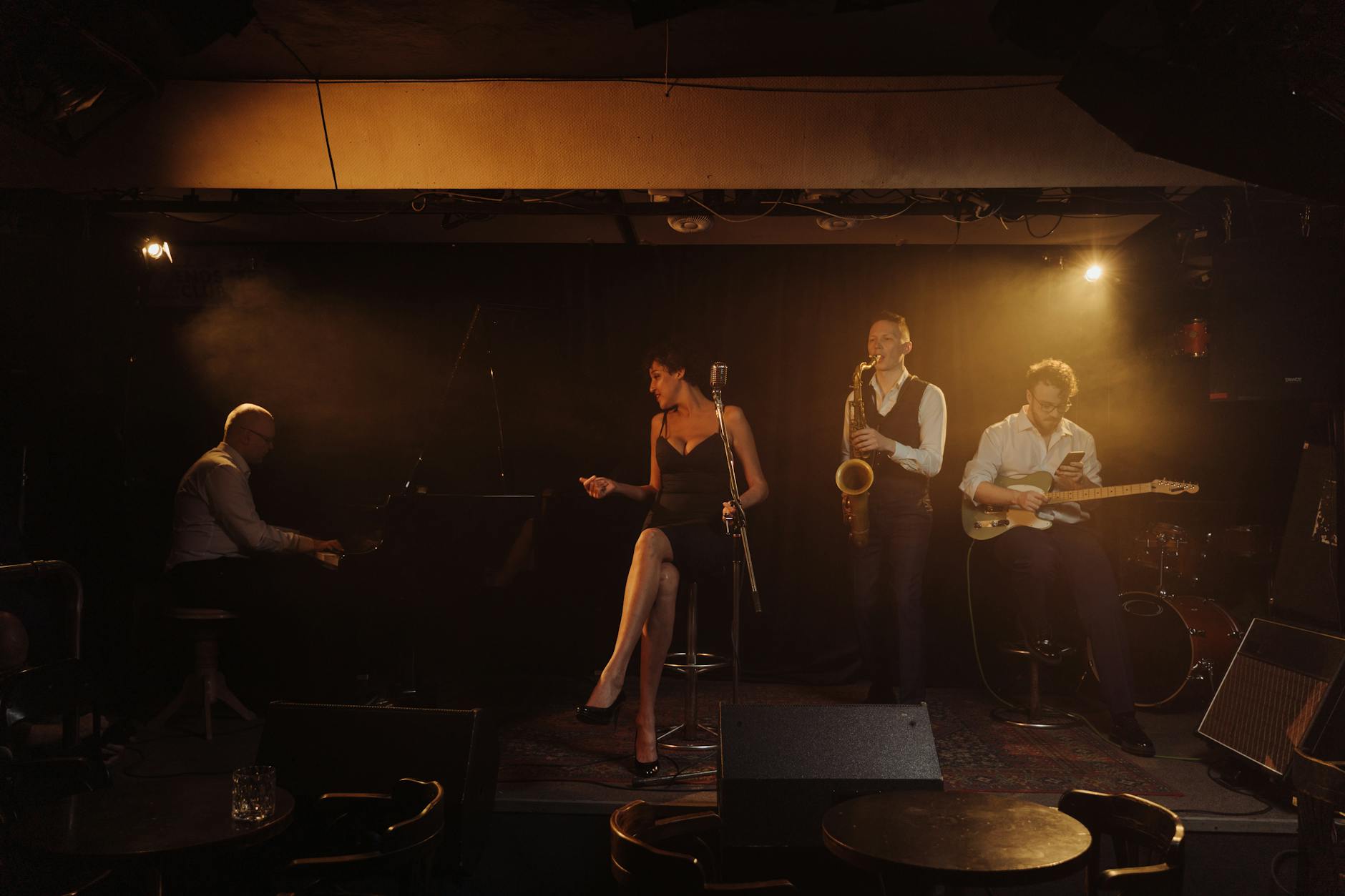
Caveau de la Huchette, on Rue de la Huchette in the Latin Quarter, plays in a stone cellar that dates to the 13th century. It ran as a secret nightclub during the war and turned legendary for its jazz starting in 1949. The stone walls, vaulted ceilings, and low light make for an underground room with real atmosphere, and the history is right there in the masonry.
There’s live jazz every night, generally a main act from 10pm to midnight and music carrying on until 2am on weekdays, 3am on weekends. The sound leans traditional: swing and bebop. Entry is €15-€20 with a one-drink minimum. It’s perennially packed, so get there early for a decent table. A lot of people call this the quintessential Paris jazz night, and it’s hard to argue when you can feel centuries pressing in on the walls while a live band cooks.
Le Duc des Lombards: Jazz Street Authority
Le Duc des Lombards, on Rue des Lombards in the Marais, has been a dedicated jazz room since 1984. It books high-quality acts into an intimate space with excellent acoustics, programming everything from traditional to contemporary jazz and fusion. The bookings pull serious musicians from around the world, not only the Paris regulars.
Sets usually run from 8pm to close, somewhere between 1am and 2am depending on the night. Cover charges land at €15-€25 by act, and drinks are reasonable by Paris standards. The combination of an intimate room and clean acoustics makes it a favorite of people who go to hear the music, not to be seen.
New Morning: Legendary Jazz & Music Venue
New Morning, on Rue des Petites Écuries near the Gare du Nord, opened in 1981 and almost immediately became a magnet for jazz, world music, and contemporary acts. The room has hosted everyone from Herbie Hancock to today’s jazz stars, and it still books an eclectic lineup with a clear bias toward quality and the new.
The hall seats around 400, which keeps things intimate despite a fairly large capacity. Programming spans jazz, world music, blues, funk, and contemporary artists, with sets usually starting at 8pm or 9pm. Tickets run €20-€50 by act. Buy ahead, because the popular shows sell out, and check the website or call for what’s on.
Sunset Sunside: Intimate Dual Venue
Sunset Sunside, on Rue des Lombards in the Marais, is really two clubs in one building. Sunside handles traditional jazz and swing; Sunset leans toward world music and contemporary work. They share hours and facilities but keep separate identities, so you can pick your room by what you’re in the mood for.
Live sets run nightly from around 8:30pm or 9pm, with entry at €15-€30 depending on the bill. Both rooms book strong players into intimate settings. The Latin Quarter location keeps plenty of restaurants and bars within reach for dinner beforehand and a drink after.
Bal Blomet: Europe’s Oldest Jazz Venue
Bal Blomet can claim the title of Europe’s oldest jazz venue still in operation, open since 1924. It sits on Rue Blomet in the 15th arrondissement, off the usual circuit, but the history more than makes up for the trek. The programming runs to jazz, gypsy jazz, and swing in a relaxed, casual room.
The focus is live music, with house players and guest artists, mostly Thursday through Sunday. Cover charges are gentle at €10-€20. The 15th is residential and largely untouristed, so you get a taste of local Paris into the bargain. Pick this one if you want the deep jazz history without the crowds of the central rooms.
La Gare: Pay-As-You-Feel Innovation
La Gare, on Rue de Bagnolet in the 20th arrondissement, occupies a converted train station and does something genuinely unusual: many of its shows run on a pay-what-you-wish basis, which puts world-class music within reach of a tight budget. The lineup is wide open, taking in jazz, world music, electronic, and contemporary sets.
The old-station bones give it a memorable, atmospheric feel, and live music happens several nights a week. Pay whatever you reckon the night was worth. That flexible approach has made La Gare a favorite among budget-minded travelers and Parisians alike, and it’s a refreshing counterweight to the cover-charge circuit.
Rooftop Bars with Views
The pitch for a Paris rooftop bar is simple: a good drink and a long view over the city. Most run seasonally, mainly through the summer, though a few stay open year-round, and all of them fill up fast, especially right before dinner (5pm to 7pm) and again after 10pm. Time your arrival accordingly.
Créatures at Galeries Lafayette: Urban Oasis
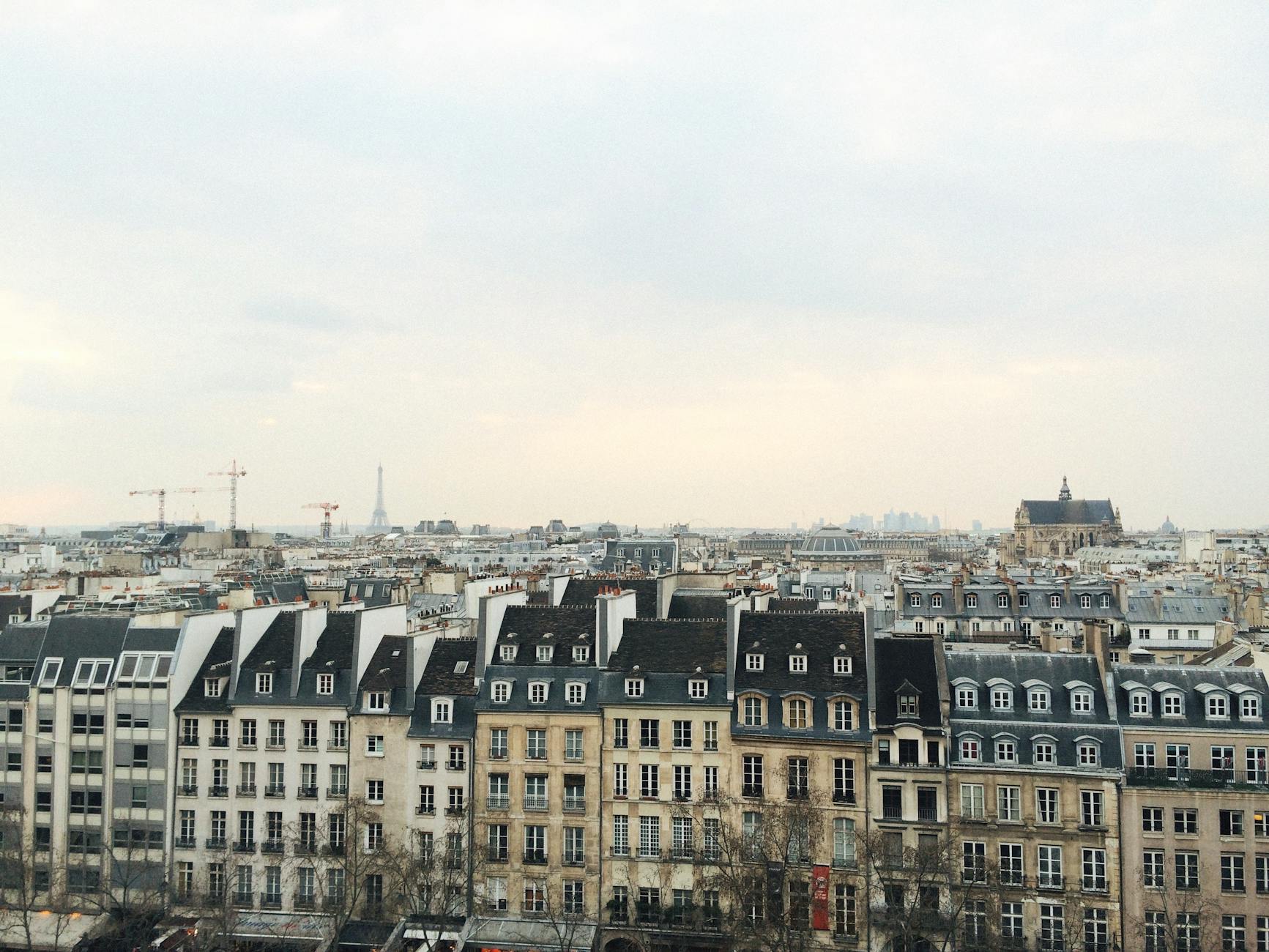
Créatures sits on the roof of the historic Galeries Lafayette department store on Boulevard Haussmann, and the payoff is a 360-degree sweep that takes in the Opéra Garnier, the Eiffel Tower, and Sacré-Cœur. The space mixes an outdoor bar, lounge seating, and indoor sections, and it’s built for slowing down and looking out rather than for a big night.
It runs year-round but peaks in warm weather. Cocktails are €15-€20, the dress code is smart casual, and entry is free, though seating areas can carry a minimum spend at busy times. The crowd is a mix of tourists and locals, busiest in the late afternoon and early evening. Come before 7pm if you want a seat with a view before the evening rush lands.
Les Ombres: Eiffel Tower View Perfection
Les Ombres, on the roof of the Quai Branly museum above the Seine, has a real claim to the best Eiffel Tower view in Paris. The rooftop is built into the museum’s architecture and comes with a full restaurant and bar, well-made cocktails, and a setting that turns romantic without trying.
It’s open year-round, busiest in summer. Cocktails run €16-€22. The catch is the crowd, because everyone has heard of it. Aim for off-peak hours, late afternoon or later in the evening, to have a shot at a seat. Or just book a table at the restaurant and enjoy the rooftop over dinner. Dress code is smart casual.
Girafe: Trocadéro Tower Views
Girafe takes the top floor of the Palais de Chaillot at Trocadéro, which means the Eiffel Tower is dead ahead from the terrace. The interior pairs a bar with a lounge, the cocktails are well made, and the mood is upscale without tipping into stuffy. A lot of people rate it the best Eiffel-view bar in the city, and the angle backs them up.
Open year-round, busiest April through October. Cocktails are €15-€20. It draws a crowd, particularly at sunset, so arrive early or during a quieter stretch to enjoy the view without feeling pushed along. The Trocadéro setting is tourist-friendly, with museums and monuments close by.
L’Heure Dorée at The Peninsula: Luxury Rooftop
L’Heure Dorée, on the roof of the Peninsula Paris on Avenue Kleber, is the luxe end of the rooftop spectrum. Bar and restaurant share a panoramic view, and the design, service, and overall positioning aim squarely at refined. Cocktails are steep at €22-€28, which tracks for a hotel of this caliber.
It pulls an international, well-heeled crowd, and the dress code is enforced (smart casual minimum, jacket recommended). Choose it if you want the rooftop experience with fewer elbows and more polish, just go in clear-eyed about the prices.
Paris Opéra & Ballet: High Culture Evening
Paris keeps a world-class opera and ballet tradition across two major houses, and both deliver a high-culture night out in buildings that count as attractions in their own right. You go partly for the performance and partly for the room.
Palais Garnier: The Grand Opéra House
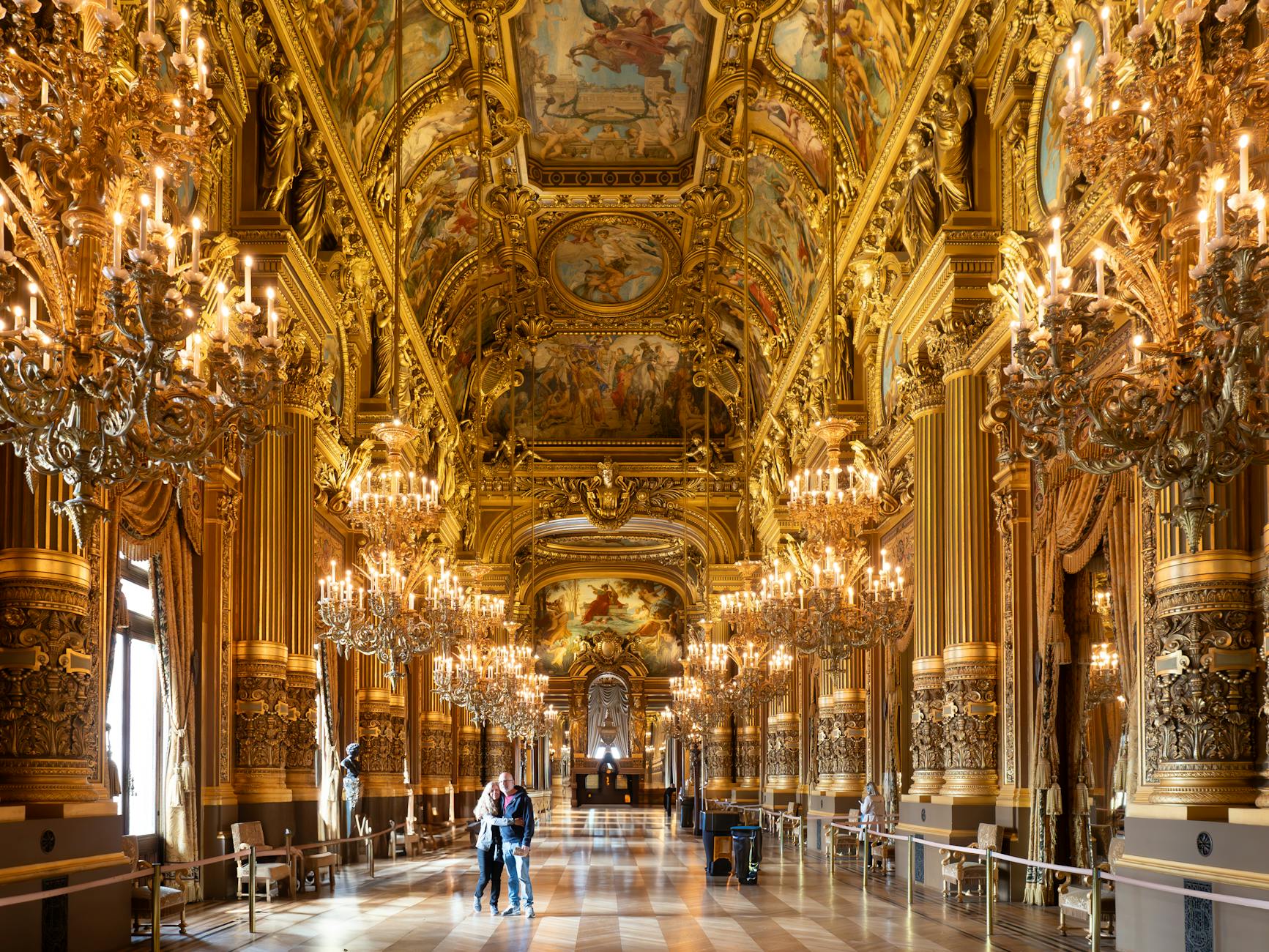
The Palais Garnier, finished in 1875, is one of the most spectacular opera houses anywhere. The architecture alone earns the trip: the grand staircase, the foyer, and the auditorium are Beaux-Arts at full tilt. The house stages roughly 180 performances a year, mostly ballet with the occasional opera.
Programming: Check the official Palais Garnier website for the season. Most performances run October through June, with a lighter summer schedule. Ballet leads, with occasional opera productions. Curtain is typically 7:30pm to 10pm.
Ticket Information: Prices run from €5 to €200+ depending on seat and performance. The cheapest tickets (€5-€15) are obstructed-view seats up in the higher balconies, but even those give you a strong look at both the stage and the interior. Mid-price seats (€30-€80) get you good sightlines. Premium orchestra seating runs €100-€200+. Book online through the Palais Garnier website or an official ticketing partner. Last-minute tickets: Same-day seats often turn up at the box office, and the occasional single not sold online appears in person.
Under-28 Discount: If you’re under 28, you can grab tickets for €25 for select performances by buying at the box office on the day with valid ID. For anyone in that age bracket, this is extraordinary value, easily one of the best deals in the city. Queue at the box office 1-2 hours before curtain.
Dress Code: Formal dress is common but not required. Plenty of Parisians dress up for the opera, but if you show up in neat casual clothes you won’t feel out of place. When in doubt, smart casual covers you.
Opéra Bastille: Modern Venue
The Opéra Bastille, opened in 1989, is the modern counterpart, all contemporary architecture and a focus on access and present-day staging. It hosts opera, ballet, and contemporary work. The room is far plainer than the Palais Garnier, but the acoustics and sightlines are excellent, which is what you’re really there for.
Programming: Check the official Opéra Bastille website for the season. Performances generally run September through July, with opera and ballet alternating roughly evenly. Curtain is typically 7:30pm to 10:30pm.
Ticket Information: Prices run €5 to €150+ depending on seat and performance, with the cheapest seats starting at €5-€20. The under-28 youth discount (€25 for select performances) applies here too. Book through the Opéra Bastille website or by phone, and last-minute box office seats are often available.
Nightclubs & Electronic Music Scene
Paris keeps a strong electronic music scene, from underground techno to mainstream house, and it varies wildly by neighborhood and venue, from tiny basement rooms to big dance halls. Most clubs run Thursday through Saturday, with limited hours midweek, so plan your big night for the back half of the week.
Rex Club: Techno Institution
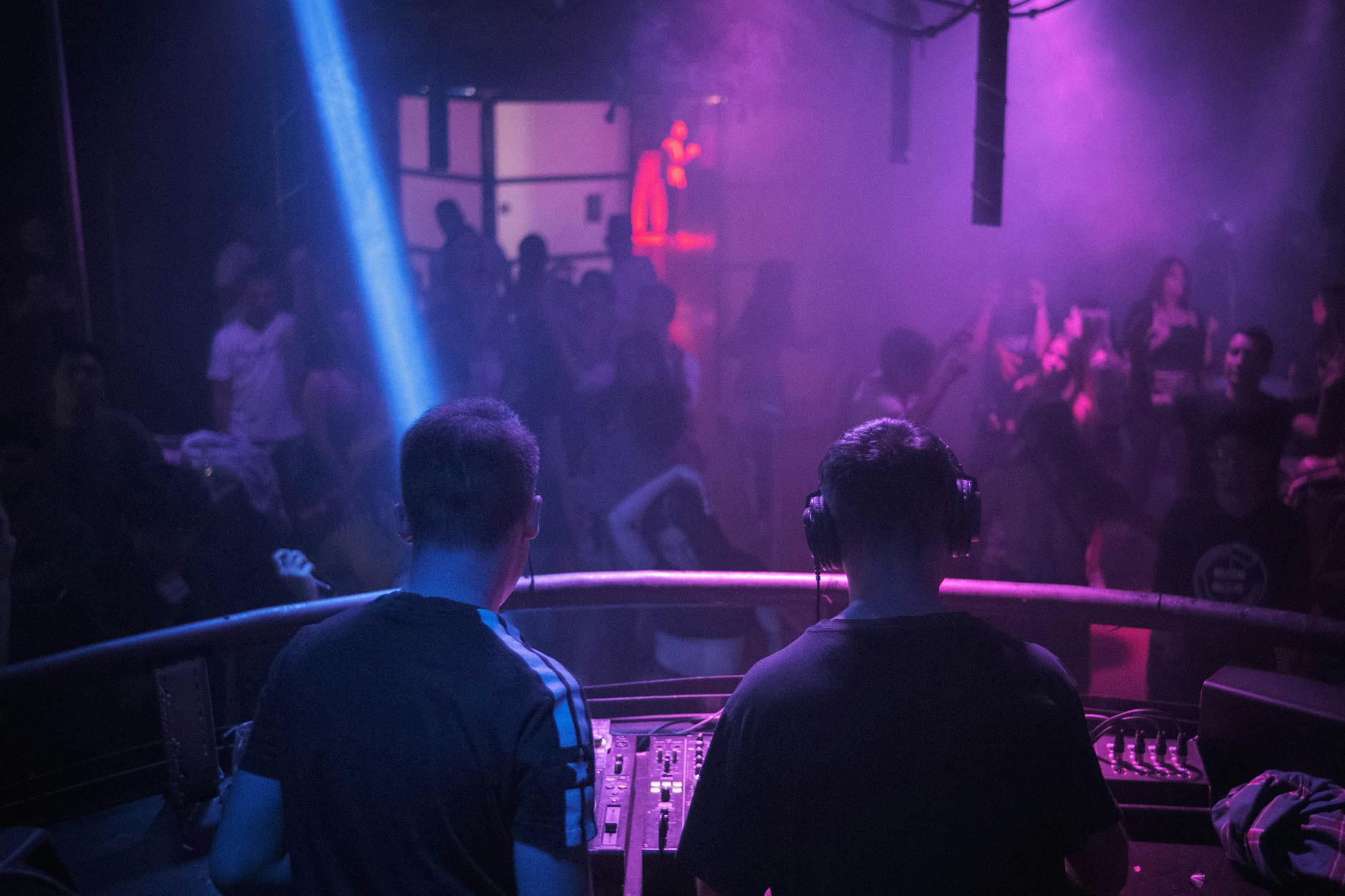
Rex Club, on Boulevard Poissonnière near the Grands Boulevards, has run since 1992 and stands as the most important electronic venue in Paris. It’s a legend in European techno circles, the home of Laurent Garnier’s Thursday residencies that ran for years. The sound system is world-class, and the booking policy never budges off quality.
It opens Wednesday through Saturday, 11pm to 6am, with hours shifting by night. Entry is €10-€20 depending on the lineup. The crowd is serious about the music, a mix of dedicated clubbers and traveling heads, and drinks are fair at €6-€10. It packs out on the big nights, but the large floor and multiple levels keep it breathable. If you want the real Paris electronic scene, this is the room.
La Machine du Moulin Rouge: High-Energy Dance Hall
La Machine du Moulin Rouge is a dedicated dance hall right next to the famous cabaret in Pigalle, and despite the name it has nothing to do with the show. This is a pure nightclub built for electronic music, house, and dancing in a big room, with no seated performances of any kind.
It runs mostly Friday and Saturday, with the occasional other night, doors at 11pm and the music going until 6am. Entry is €12-€20. The crowd mixes tourists and locals out for high-energy dancing, and the DJs keep the floor moving all night. Drinks are €6-€10. The Pigalle location puts other bars and late-night food right outside the door when you eventually surface.
Badaboum: Marais Music Venue
Badaboum, on Rue de la Verrerie in the Marais, deals in electronic and house in a mid-size room, booking both established names and newer artists. The Marais setting brings an international crowd and keeps good restaurants and bars close at hand. Entry is €10-€18, and it runs Friday and Saturday plus some weeknights depending on what’s booked.
Concrete: Seine Barge Club
Concrete (also running as Wanderlust) operates on a barge on the Seine near the Gare de Lyon, which is exactly the draw: river views paired with electronic music. The booking leans contemporary, techno and house, and the novelty of dancing on the water wins a lot of people over. Entry is €15-€25, and it mostly runs Friday through Sunday. The floating setting gives it a feel no land club can match, though weather can dent the comfort in the shoulder seasons.
La Station-Gare des Mines: Underground Techno
La Station-Gare des Mines, beneath Place Colonel Fabien, is an underground venue in a converted train station, and it earns the word “underground” literally. The focus is techno, experimental electronic, and avant-garde sets, and the room can feel genuinely industrial. It draws the serious heads who want something edgier and less commercial than the big-name clubs.
Seine River Cruises at Night: Illuminated Landmarks
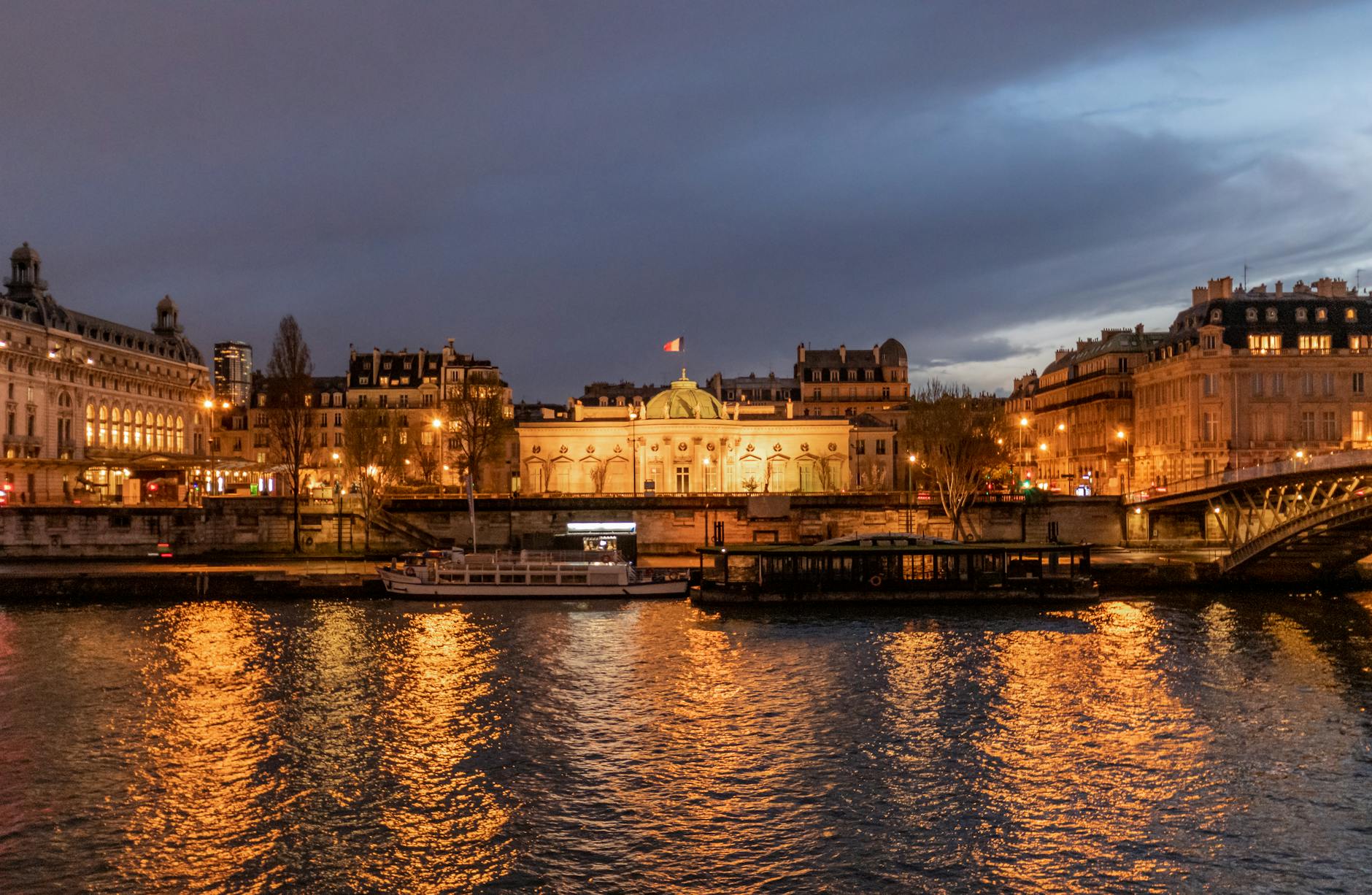
A night cruise on the Seine gives you the monuments and bridges lit up and reflected on the water, an angle you simply can’t get on foot. The options run from bare-bones sightseeing to full dinners and champagne tastings, and they work for just about any age or group.
Bateaux Mouches: Traditional Cruise Experience
Bateaux Mouches runs from Port de l’Alma near the Eiffel Tower and offers everything from a basic sightseeing loop to dinner and champagne cruises. The boats are large, with both indoor and open-deck space, and they leave several times through the evening.
Sightseeing Cruises: Around 1 hour, departing 10pm to 11pm, €15-€18. The focus is the lit-up monuments, the Eiffel Tower, Nôtre-Dame, and the bridges, with a guide providing commentary.
Dinner Cruises: Around 2 hours, €65-€95. A multi-course dinner with wine pairings. These run most nights and are a popular romantic choice, so book ahead.
Champagne Cruises: Around 1 hour, departing several times between 6:30pm and 10:30pm, €25-€35. Champagne and light appetizers included. A good pre- or post-dinner option.
Bateaux Parisiens: Flexible River Cruises
Bateaux Parisiens runs from two spots, Pont d’Iena (near the Eiffel Tower) and Quai de Montebello (near Notre-Dame), with a similar menu of cruises to Bateaux Mouches at slightly different prices and times. The two-location setup makes it easy to pick whichever embarkation point suits your plans.
Evening Sightseeing Cruises: 1 to 1.5 hours, multiple departures 8pm to 11pm, €14-€18. Illuminated monuments with optional guide commentary.
Dinner Cruises: 2 to 2.5 hours, departing 7pm and 9pm, €75-€130 depending on menu. A multi-course dinner with wine. Dress code is smart casual.
Wine Bars & Late-Night Dining
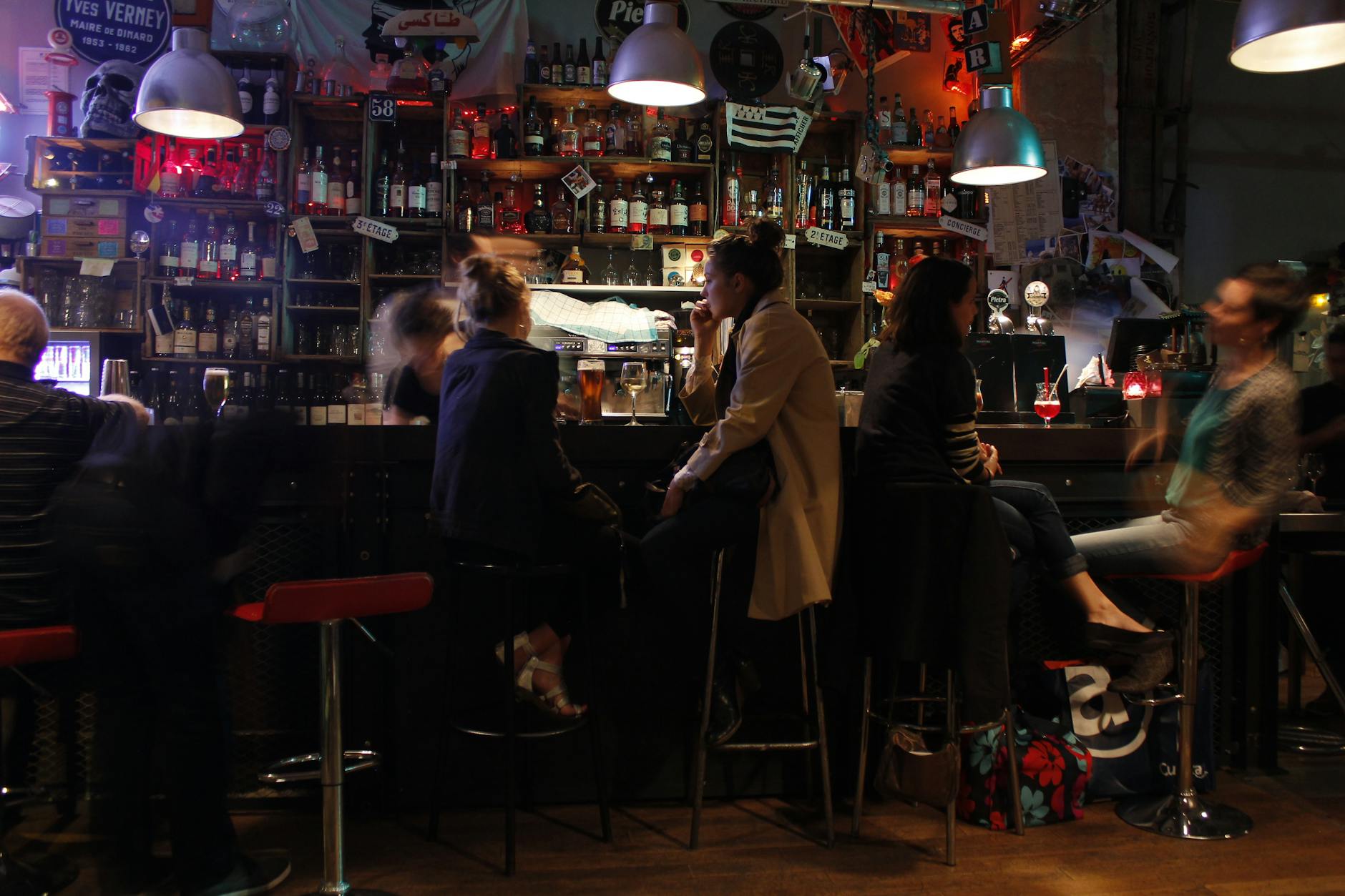
For a lot of nights in Paris, the right move isn’t a club at all, it’s a wine bar. The bars à vin run from scruffy neighborhood spots to serious natural-wine rooms, and plenty of bistros stay open late enough to catch you after a show or a club.
Natural Wine Bars: Organic & Biodynamic Focus
Natural wine bars have multiplied across Paris over the past decade, riding the global swing toward organic and biodynamic bottles. They champion small producers, minimal-intervention winemaking, and unfiltered flavors. A few that sum up the category: La Belle Hortense in the Marais, which doubles as a bookshop; Le Verre Volé, all natural wines and small plates; and Chez Prune along the Canal Saint-Martin. Reckon on €5-€12 a glass, with bottles from €20 to €60.
Traditional Wine Bars & Bistros
The classic Parisian wine bar pours by the glass, sets out charcuterie and cheese, and turns out a few simple, well-made dishes. These are neighborhood anchors, where locals stop in for a glass and conversation, and they capture the essence of a Paris evening as well as anything in this guide. Most open around 5pm or 6pm and run until 10pm or 11pm, sometimes later. Many take walk-ins, but the tables are small, so you may end up sharing space. This is authentic Paris nightlife at its core: affordable, social, and very good.
Late-Night Dining After Theater or Clubs
A good number of bistros, cafés, and restaurants stay open late to feed theater-goers (until midnight or 1am) and clubbers hunting for something to eat on the way home. The neighborhoods near the big theaters, the Grands Boulevards and the Opéra district, are thick with late options, and the Latin Quarter stays busy past 2am thanks to the students. Look for old-school bistros serving French comfort food, crêperies, and classic neighborhood spots in these areas. Many trim their menus after hours to keep service quick. Budget €15-€30 for a late meal depending on the venue.
Practical Tips for Paris Nightlife
A great night out in Paris is mostly logistics, getting the dress code right, knowing when things actually start, and having a way home. Here’s the practical side.
Dress Code & Etiquette
Parisians notice what you’re wearing, and at certain venues it’s the difference between getting in and not. Casual bars and clubs: Smart casual is fine, nice jeans and a shirt do the job. Skip gym wear, sneakers, and anything visibly worn out. Upscale bars and nightclubs: Smart casual to dressy, meaning dress pants or a skirt, decent shoes, a collared shirt or blouse. Leave the very casual sandals at the hotel. Cabarets: Dressing up is common and appreciated, though not strictly required; smart casual is the floor. Opera and ballet: Dress up if you like, but smart casual passes. Luxury hotel bars: Smart casual minimum, with a jacket recommended at some. Many clubs spell out what’s banned, tracksuits, athletic wear, very casual clothing, and sometimes large backpacks.
Safety & Security
Paris nightlife is generally safe; just apply the same sense you would in any big city. Pickpocketing: The main risk in the busy nightlife districts, Pigalle especially. Keep valuables secure and don’t flash expensive things. A crossbody bag worn in front beats a backpack. Taxis and transportation: Use official white taxis or apps like Uber, not unmarked cabs. Walking alone: The main streets stay well-lit and busy, which keeps them safe; it’s the isolated back streets late at night you want to avoid. Drinks: Never leave a drink unattended, and watch it being made at the bar. If a place feels off, leave. Drugs: Some clubs have drug activity; it varies by venue, so use good judgment.
Getting Around After Dark
Paris public transport thins out after midnight, but you’re not stranded. Métro: The main system stops around 12:30am on weekdays and 1:30am on weekends, so plan around that or have a backup. Night Buses (Noctilien): A comprehensive night network runs hourly from 1:00am to 5:00am across the city, picking up where the métro leaves off. The buses are free with a valid Paris pass, or €2 with a ticket. Taxis: Official white taxis run all night, though they get scarcer toward dawn. Figure €15-€40 for a typical short trip, with rates up 30-50% between 10pm and 7am. Uber/Rideshare: Uber and the rest run through the night, with surge pricing in the peak window from midnight to 2am. Accommodation location: When you pick where to stay in Paris, weigh the late-night transport. A base well served by night buses or near round-the-clock options is ideal if your trip is built around the evenings.
Typical Hours & When Things Happen
Paris runs late, and knowing the rhythm keeps you from showing up to an empty club at 11pm. Aperitif Hour (5:00pm-7:30pm): The local happy hour, when people gather for a drink before dinner, and many bars drop their prices. Dinner (7:30pm-10:30pm): Restaurant service generally runs 7:30pm to 11pm, with late diners rolling in around 9:30pm or 10pm. Post-Dinner Drinks (10:30pm-12:30am): After dinner, Parisians move to bars for cocktails or wine; this is prime time, and clubs start filling around 11pm. Club Hours (11:00pm-6:00am): Clubs open at 11pm or midnight and often don’t peak until 1am or 2am, with the heaviest crowds from 2am to 4am and most closing by 5am or 6am. Late-Night Food (12:00am-3:00am): Once the clubs empty out, falafel shops, kebab stands, creameries, and a few bistros stay open to feed everyone on the way home.
Cover Charges & Minimum Drinks
Cover charges and drink minimums are all over the map by venue. Jazz clubs and live music venues: Usually €10-€30 entry with a one-drink minimum. Nightclubs: Generally €10-€25, sometimes more for premium nights or guest DJs. Bars and wine bars: No entry fee; you just pay for drinks. Hotel bars and rooftop bars: No cover, but high drink prices (€16-28+) act as a de facto minimum. Cabarets: Entry is baked into the show ticket or dinner package. One warning: some touristy spots in Pigalle aggressively push champagne or “bottle service,” which can balloon your bill fast. Stick to venues with clear, posted pricing.
Tipping & Payment
Tipping works differently here than in the US. In bars and restaurants: A tip isn’t required, since service is already in the price. That said, rounding up or leaving 5-10% for good service is increasingly common, especially among visitors. In nightclubs and music venues: Slipping the bartender €1-2 a drink is appreciated but not expected. Payment methods: Most places take both cash and cards. If you’re in a group, tell the server you’re paying separately, French custom usually has each person covering their own drinks rather than one person buying rounds.
Language Tips
English is increasingly common in bars and tourist areas, but a little French goes a long way. Essential phrases: “Un verre de vin, s’il vous plaît” (a glass of wine, please), “Un déca” (a small coffee), “L’addition, s’il vous plaît” (the bill, please), “Combien ça coûte?” (how much is it?). In bars: Most bartenders speak English, particularly in tourist areas and cocktail bars. More traditional spots tend to warm up if you open in French. Attitudes: Making the effort, even badly, gets noticed, and it often buys you friendlier service.
Conclusion: Your Paris Nightlife Adventure
What makes a night out in Paris memorable is rarely a single venue. It’s the range, and how easily you can move between worlds: a can-can line at the Moulin Rouge, jazz in a medieval cellar, a rooftop cocktail with the Eiffel Tower lit up across the river, a techno room going until dawn. There’s a register here for every taste and energy level, and most of it is closer together than you’d expect.
That range means you can shape your evenings to fit, whether you’ve got three days or three weeks. First-timers usually want the famous cabarets and landmark venues, and they should, those are genuinely worth doing. On a return trip, or if you lean adventurous from the start, dig into the jazz rooms, go hunting for a Marais speakeasy, catch a serious DJ, or just settle into a neighborhood wine bar where the locals are.
The smart approach, as you’re putting your Paris trip together, is to mix the two. Book the cabarets and opera seats ahead of time, but leave room to wander the Latin Quarter or Saint-Germain and turn up a small wine bar or music room on your own. Planned highlights plus a little spontaneity is the formula that produces the nights you’ll actually remember.
One last thing: Paris doesn’t rush its evenings, and neither should you. People linger over drinks, conversation, and the show. Arrive early to beat the crowds, reserve where you can, and resist the urge to hop frantically from place to place. The pleasure here is in the unhurried pace as much as in any single venue, so plan well, stay safe, dress the part, and let the night take its time.
First visit or fiftieth, the city keeps finding ways to surprise you after dark. Get the logistics sorted, then go let it.
Explore every nightlife guide
The in-depth guides in this section: