Paris Visa Requirements and Travel Documents: What You Need in 2026
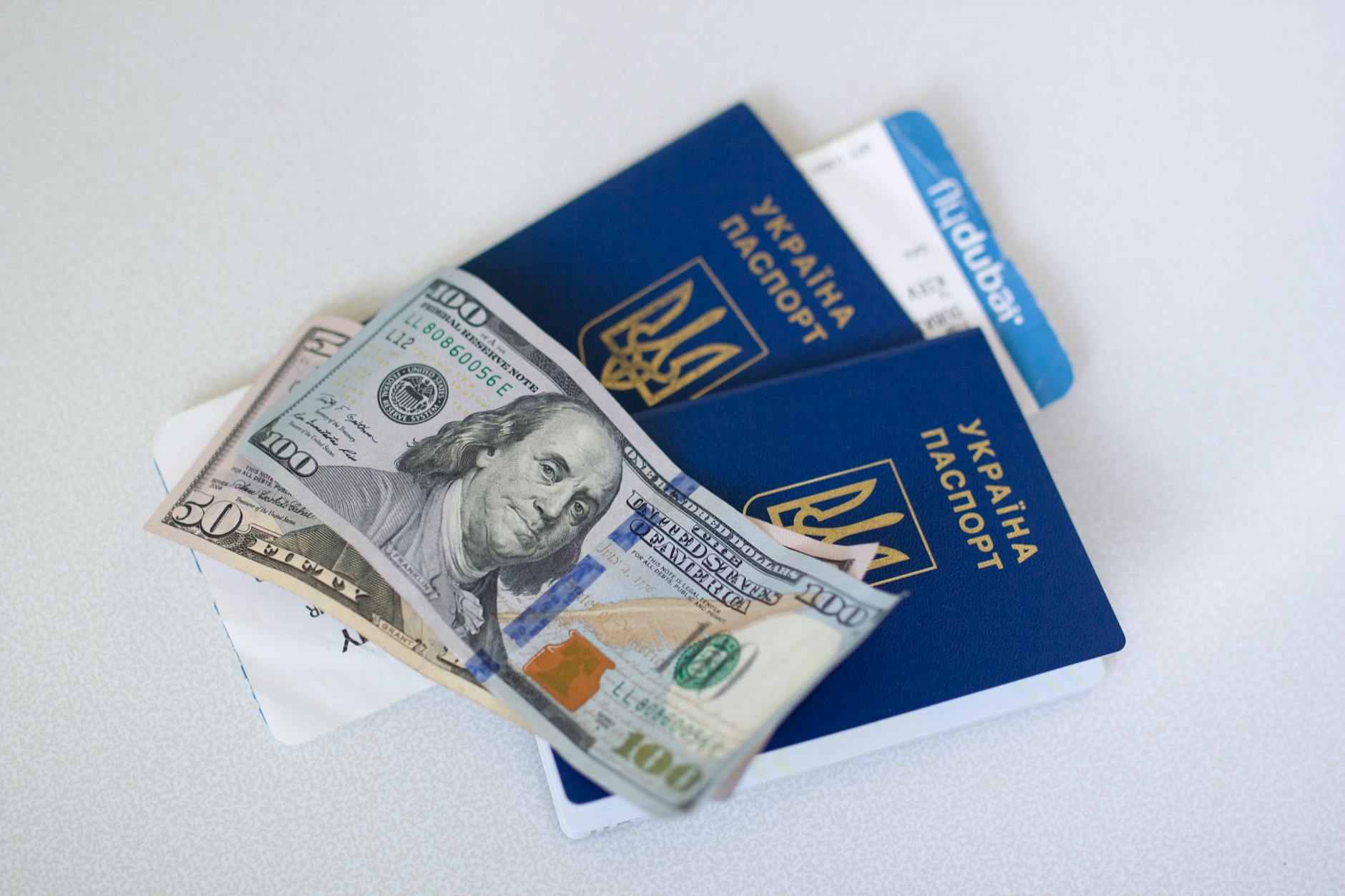
Two systems went live at Europe’s borders in 2026, and between them they’ve quietly rewritten the rules for getting into France. So before you book a thing, sort out your paris travel documents and visa requirements. This is the part of planning your Paris trip that people skip until it’s too late, and an expired passport or a missed authorization can cost you the flight, the hotel deposit, and the trip. The good news is that most travelers from the US, UK, Canada, and Australia need very little. The bad news is that “very little” now includes a few things that didn’t exist a year ago. Here’s what actually applies to you in 2026, from passport rules to the new Entry/Exit System, the incoming ETIAS authorization, and the insurance you may be legally required to carry.
Visa-Free Travel for Short Stays: Who Doesn’t Need a Visa?
Start with the easy question: do you even need a visa? If you carry a passport from the United States, United Kingdom, Canada, Australia, Japan, or any of 54 other countries, the answer for a holiday is no. Citizens of these visa-exempt countries can stay in France for up to 90 days within any 180-day period, no visa required. That covers tourism, business meetings, visiting family, short conferences, basically anything that isn’t paid work.

One detail trips people up: those 90 days are shared across the whole Schengen Area, all 27 countries of it. Spend a week in Paris, hop to Barcelona, then finish in Vienna, and every one of those days draws down the same allowance. Burn through your 90 days inside a 180-day window and you have to leave, with no return until enough time has rolled off the back end. If your plans involve a long, multi-country swing through Europe, keep a running count. The math is unforgiving, and overstaying carries real consequences, including entry bans.
ETIAS: What You Need to Know About the New Pre-Travel Authorization (Arriving Q4 2026)
The biggest change on the horizon is ETIAS, the European Travel Information and Authorization System. As of April 2026 it isn’t mandatory yet, but that changes in the last quarter of 2026, when it becomes a requirement for citizens of all 59 visa-exempt countries, the US, UK, Canada, and Australia included. If you’re used to simply showing up in Paris with a passport, this is the new step to plan for.
Let’s clear up the most common confusion first: ETIAS is not a visa. It’s a pre-travel screening, much like the UK’s ETA or the US ESTA. Think of it as a digital permission slip the EU checks before you board. It doesn’t grant a visa and it doesn’t replace your passport. It just pre-clears you to enter the Schengen Area.

The application itself is painless and entirely online. No embassy visit, no interview, no documents in the post. The specifics worth knowing:
- Application Fee: €7 per application (revised down from the €20 figure floated in earlier reports)
- Processing Time: Most approvals come back within minutes, though in some cases a decision can take up to 96 hours
- Validity Period: Once approved, your ETIAS is good for 3 years and covers as many trips as you want during that time
- Exemptions from Fee: Children under 18, adults over 70, and EU family members of EU citizens pay nothing, but they still have to apply
- Official Website: The only legitimate site is travel-europe.europa.eu/etias. Steer clear of copycat sites that overcharge or promise to “fast-track” you
You can fill it out yourself in a few minutes on the official site. Since the system is still new, give yourself a buffer rather than applying the night before you fly. From Q4 2026, your ETIAS approval needs to be in hand before you board or attempt to cross any Schengen border.
The Entry/Exit System (EES): A Digital Border Control Revolution (Live April 10, 2026)
The other big shift is already here. As of today, April 10, 2026, the Entry/Exit System (EES) is live at European borders, and it retires the inked passport stamp that generations of travelers have collected. If you’re crossing into or out of the Schengen Area, this is how it now works.
Arrive at a French border, whether at the airport, a train terminal, or a land crossing, and instead of an officer reaching for a stamp, you’ll go through a quick biometric registration. The system captures and stores:
- Biometric Data: Your fingerprints, collected by scanner
- Facial Image: A digital photo used for facial recognition
- Entry/Exit Records: Automatic logging of when and where you enter and leave
All of it feeds the EES database, which tracks your movements across the Schengen Area in place of those old ink stamps. For most people it’s actually faster than the paper system once you’re enrolled. You won’t see a stamp in your passport anymore, but rest assured your entry is recorded in full.
Essential Passport Requirements for Paris and France
Your passport is the one document everything else hangs on, and it has to clear a few specific hurdles to get you into France and the Schengen Area. Don’t take its validity on faith. A surprising number of travelers only discover the problem at the check-in desk, when there’s nothing left to do about it.
Run your passport against this checklist:
- Validity Beyond Your Stay: It must be valid for at least 3 months past the date you plan to leave the Schengen Area. Leaving Paris on June 30th? Your passport needs to be good through at least September 30th.
- Recent Issue Date: It must have been issued within the last 10 years. An older passport can be technically unexpired and still get refused.
- Blank Pages: Keep at least 2 blank pages free for stamps or entry records, even though physical stamping is being phased out under EES.
- Biometric Passport: You want a modern biometric passport (an e-passport) with a digital chip. ETIAS requires it, and an older non-biometric document can cause problems at the gate.
If your passport fails any of these, renew it before you book. Renewals can run several weeks to several months depending on where you live, so this is the first thing to handle, not the last.
Schengen Visa Requirements: For Citizens Who Need a Visa
Not everyone gets the visa-free shortcut. Citizens of certain countries do need to secure a Schengen visa before they travel, and that process is a real undertaking compared to ETIAS. It rewards early planning. The upside is meaningful, though: a Schengen visa isn’t a France-only ticket. It lets you move freely through any Schengen country for the length of the visa.

If a Schengen visa applies to you, here’s how the process runs:
- Official Portal: Apply through france-visas.gouv.fr, the French government’s official visa portal and the only legitimate source.
- Visa Wizard Tool: Run the site’s “Visa Wizard” first to confirm whether your nationality actually needs a visa at all.
- Application Method: Anyone 12 or older has to apply in person. For children under 12, a parent or guardian can apply on their behalf with the right paperwork.
- Application Location: Submit at your nearest French embassy or consulate, or at a VFS Global center, the outfit that handles French visa applications.
Processing Timelines: Standard processing takes 15 days, but the French consulate can stretch to 45 days, especially in peak travel season. Build that worst case into your timeline and apply well ahead.
Visa Fees:
- Adults age 12 and older: €80
- Children age 6-11: €40
- Children under 6: Free
A Schengen visa application means assembling a file. You’ll need to submit:
- Valid Biometric Passport: Meeting all the requirements above
- Completed Application Form: Available on france-visas.gouv.fr
- ICAO-Standard Photograph: A recent passport-style photo to international spec, typically 3.5cm x 4.5cm
- Medical Insurance: Travel medical cover of at least €30,000 for emergencies and repatriation (more on this just below)
- Proof of Financial Means: Bank statements, proof of employment, or a sponsorship letter showing you can fund your stay
- Accommodation Proof: A hotel booking, an Airbnb reservation, or a letter from a host confirming where you’ll stay
- Flight Reservation: Evidence of onward or return flights, which can be a booking confirmation without full payment
Travel Medical Insurance: A Mandatory Requirement for Visa Applicants
Here’s one people underestimate. If you’re applying for a Schengen visa, medical insurance isn’t a nice-to-have, it’s a legal condition of the application. And even if you sail in visa-free, going without solid travel cover is a gamble. One ambulance ride or a night in a Paris hospital can erase whatever you thought you were saving.
For visa applicants, the policy has to tick these specific boxes:
- Minimum Coverage: At least €30,000 in medical expenses
- Medical Emergency Coverage: Urgent treatment anywhere in the Schengen Area
- Repatriation Coverage: Emergency medical repatriation back home if it comes to that
- Coverage Duration: Your full planned stay in the Schengen Area
Even if you’re traveling visa-free, comprehensive cover is money well spent, and a good policy should ideally fold in:
- Medical emergency coverage
- Trip cancellation and interruption coverage
- Lost baggage and travel delay coverage
- Emergency evacuation insurance
- Dental and vision emergency coverage
None of this is expensive, often €1-3 a day, and it can stand between you and a five-figure bill. Plenty of providers advertise Schengen-compliant policies outright, so meeting the visa requirement is easy enough once you know to look for it.
Practical Tips for Managing Your Travel Documents in Paris
Paperwork in order is half the job. Keeping it safe once you’re on the ground is the other half. A few habits worth adopting for your time in Paris:
- Hotel Safe Storage: Lock your physical passport in the hotel safe instead of carrying it around all day. Nearly every hotel has one for exactly this.
- Digital Copies: Keep a photo or scan of your passport’s photo page on your phone, in cloud storage, or in your email. It speeds everything up if the original goes missing.
- Cloud Backup: Stash digital copies of everything that matters, passport, visa, insurance policy, hotel confirmations, in Google Drive, OneDrive, or iCloud so you can reach them from anywhere.
- Embassy Registration: Register your trip with your country’s embassy or consulate before you arrive. It helps them find you if there’s trouble back home or you need help abroad.
- Advance Passport Renewal: If your passport expires within 6 months of the trip, renew it now. Most countries let you renew before the expiry date.
- Travel Document Checklist: Build a checklist, paper or digital, before you leave home: passport, insurance, ETIAS confirmation, hotel bookings, flight confirmations, and any visa documents.
Additional Practical Considerations for Your Paris Visit

A handful of non-document details will save you small headaches once you land:
- Electrical System: France runs on 240 volts with European plugs (Type C and E). Bring a voltage converter if your devices need it, though most modern electronics are dual-voltage and only want a plug adapter.
- Currency: It’s the Euro (€). Cards are widely accepted, but carry some cash for markets, small shops, and the odd place that still doesn’t take plastic.
- Mobile Communication: A European SIM or an international roaming add-on from your carrier keeps you connected without a nasty bill.
- Travel Notifications: Tell your bank and card issuers your travel dates so a Paris transaction doesn’t trip a fraud block and freeze your card.
Get your paris travel documents and visa requirements sorted alongside these small logistics and you’ve cleared the boring part. What’s left is the trip itself.
How to Organize and Store Your Travel Documents Safely
Having the right documents is only useful if you can put your hands on them when it counts. A little organization up front spares you a lot of panic mid-trip:
Physical Document Organization: Before you leave, gather everything physical into one folder or envelope: passport, visa approval letter if you have one, insurance documents with the policy numbers highlighted, hotel confirmations, flight itineraries, and anything else official. One place, easy to grab.
Secure Storage at Your Hotel: Once you check in, put the original passport and key documents in the hotel safe and carry only photocopies during the day (or your national ID card, if you’re from an EU country). Most Paris hotels offer an in-room or front-desk safe for exactly this. It’s the single best way to cut your risk of losing the document you can least afford to lose.
Digital Document Backup: Secure digital copies are non-negotiable now. Photograph or scan:
- Passport biographical page and all visa pages
- Travel insurance policy documents and coverage details
- Hotel reservation confirmations
- Flight booking confirmations
- ETIAS approval notification (when applicable)
- Visa approval letter (when applicable)
- Travel insurance emergency contact numbers and policy information
Cloud Storage Solutions: Upload those copies somewhere you can reach from any device, Google Drive, Microsoft OneDrive, Apple iCloud, or Dropbox. If your physical copies vanish or you hit an emergency, they’re a tap away. Lock the account down with a strong password and two-factor authentication.
Email Backup Method: As a second line, email your key documents to yourself or a trusted family member. It’s another way in if a cloud service happens to be down. Label each email clearly by document type and date so you can find it fast.
International Traveler Registration: Before you fly, register your trip with your country’s embassy or consulate. Many governments run free registration services that flag your travel plans, so if there’s an emergency, natural disaster, or unrest in France, they can locate and help you more easily. It usually takes a couple of minutes online.
Common Mistakes to Avoid When Planning Your Paris Trip
Most document disasters are entirely preventable. Here are the ones that catch travelers out most often, and how to dodge each:
Mistake 1: Not Checking Your Passport Expiration Date Early Enough: The classic. People wait until the trip is almost here to glance at their passport. Remember the rule, valid for at least 3 months beyond your stay in France. Spot an expiry problem a week out and there may be no time to fix it. Check at least 6 months ahead.
Mistake 2: Confusing ETIAS with a Visa: A lot of travelers think ETIAS is a visa, or that it stands in for a passport. It does neither. It’s a pre-travel authorization, full stop. You’ll need your valid passport and your ETIAS approval to enter Europe. Get that distinction clear and the rest falls into place.
Mistake 3: Applying for ETIAS Too Late: Yes, most applications clear in minutes. But what happens if yours gets flagged for extra information and drags on? Apply 2-3 weeks before you travel so a hiccup doesn’t become a crisis.
Mistake 4: Carrying Your Original Passport Everywhere: The instinct to keep it on you at all times actually works against you, because the more you carry it, the more chances there are to lose it or have it lifted. Leave it in the hotel safe and carry a copy. French police and most businesses will take a photocopy for ID.
Mistake 5: Ignoring Medical Insurance Requirements: Some visa applicants skip the insurance line, assuming they can get away with it or lean on their home policy. They can’t. Schengen-specific travel medical cover is mandatory for the application and has to hit the €30,000 minimum. Your domestic insurance very likely won’t qualify in Europe.
Mistake 6: Not Reading Visa Validity Windows: If you do get a Schengen visa, read the dates carefully. It’s only valid within its specific window. Try to enter after it lapses and you can be turned away at the border, or worse.
Mistake 7: Booking Nonrefundable Flights Before Securing Your Visa: If you need a Schengen visa, never lock in non-refundable flights before it’s approved. A cheap fare is tempting, but a denied visa means you lose both the application fee and the ticket. Wait for the approval, then buy.
Planning Your Perfect Paris Trip
That’s the document and visa side handled. For everything else that goes into planning your Paris trip, these guides pick up where this one leaves off:
- The Ultimate Guide to Planning Your Trip to Paris—the full overview of every planning piece
- First Time in Paris: 25 Essential Tips Every Visitor Needs to Know—the practical stuff first-timers wish they’d known
- How to Plan a Trip to Paris Step by Step: Complete Checklist—a start-to-finish planning framework
And once the paperwork’s behind you, dig into the rest:
- Where to stay in Paris—accommodation by neighborhood
- Things to do in Paris—the attractions and experiences worth your time
- Best time to visit Paris—weather and seasonal trade-offs
- Getting around Paris—metro, RER, and the rest
- Paris neighborhoods guide—the city district by district

The 2026 rules around paris travel documents and visa requirements look fiddlier than they are. Strip it back and it comes down to one principle: start early. Whether you’re visa-free, applying for ETIAS, getting registered through EES, or working through a full Schengen visa, the travelers who run into trouble are almost always the ones who left it to the last minute. Check the passport this week, note which new systems apply to you, and the only thing left to organize will be where to eat your first dinner in Paris.
Plan the rest of your trip
Use these to round out your trip: