How Many Days in Paris? The Perfect Trip Length for Every Traveler
There is no single right answer to how many days do you need in Paris, and anyone who gives you one without asking what you actually want to do is guessing. It hinges on how you travel, what you came for, and how far past the postcard you want to get. One traveler does the highlights in a packed weekend and leaves happy. Another spends two weeks and still finds a new street on the final morning. This guide runs through every length, from a single hard-charging day to a slow fortnight, so you can plan a trip to Paris that matches the time you’ve actually got.
Here is where we land after building a lot of these itineraries: five days is the sweet spot for most first-time visitors. Five gives you the marquee sights, a real run at the food, time to get lost in a couple of neighborhoods, and a day trip to Versailles, without the death-march pacing that ruins shorter trips. That said, three, four, or seven days each make sense for different people. The trick is matching the length to your priorities, not the other way around.
What follows is broken down by trip length, with sample itineraries and specific advice for families, couples, budget travelers, and first-timers, plus the practical stuff on booking and pacing that decides whether your days in Paris feel generous or frantic.
The Quick Answer: How Many Days Do You Need in Paris?
Short on time? Here is what each length realistically buys you:
- 1 day: A taste of Paris — one or two iconic landmarks and a meal you’ll remember.
- 2 days: Enough for the Eiffel Tower, the Louvre, and Île de la Cité.
- 3 days: The minimum to get a genuinely satisfying experience of the city’s main sights and flavors.
- 4 days: The ideal minimum if you want to avoid rushing between attractions.
- 5 days: The sweet spot for first-timers — covers must-sees, food, neighborhoods, plus a day trip.
- 7 days: A comprehensive experience with multiple day trips and deeper exploration.
- 10–14 days: Enough time to live like a Parisian and venture well beyond the tourist trail.
Now the detail, with sample itineraries, honest notes on pacing, and links into our deeper guide to things to do in Paris.
1 Day in Paris: A Lightning Tour
One day is not the trip Paris deserves, but if you’ve got a layover or a single free day bolted onto a wider European route, you can still come away with something real. The whole game is ruthless prioritization. Pick one or two landmarks, lock in one good meal, and let yourself absorb the atmosphere instead of sprinting after a checklist you won’t finish anyway.
Sample 1-Day Itinerary
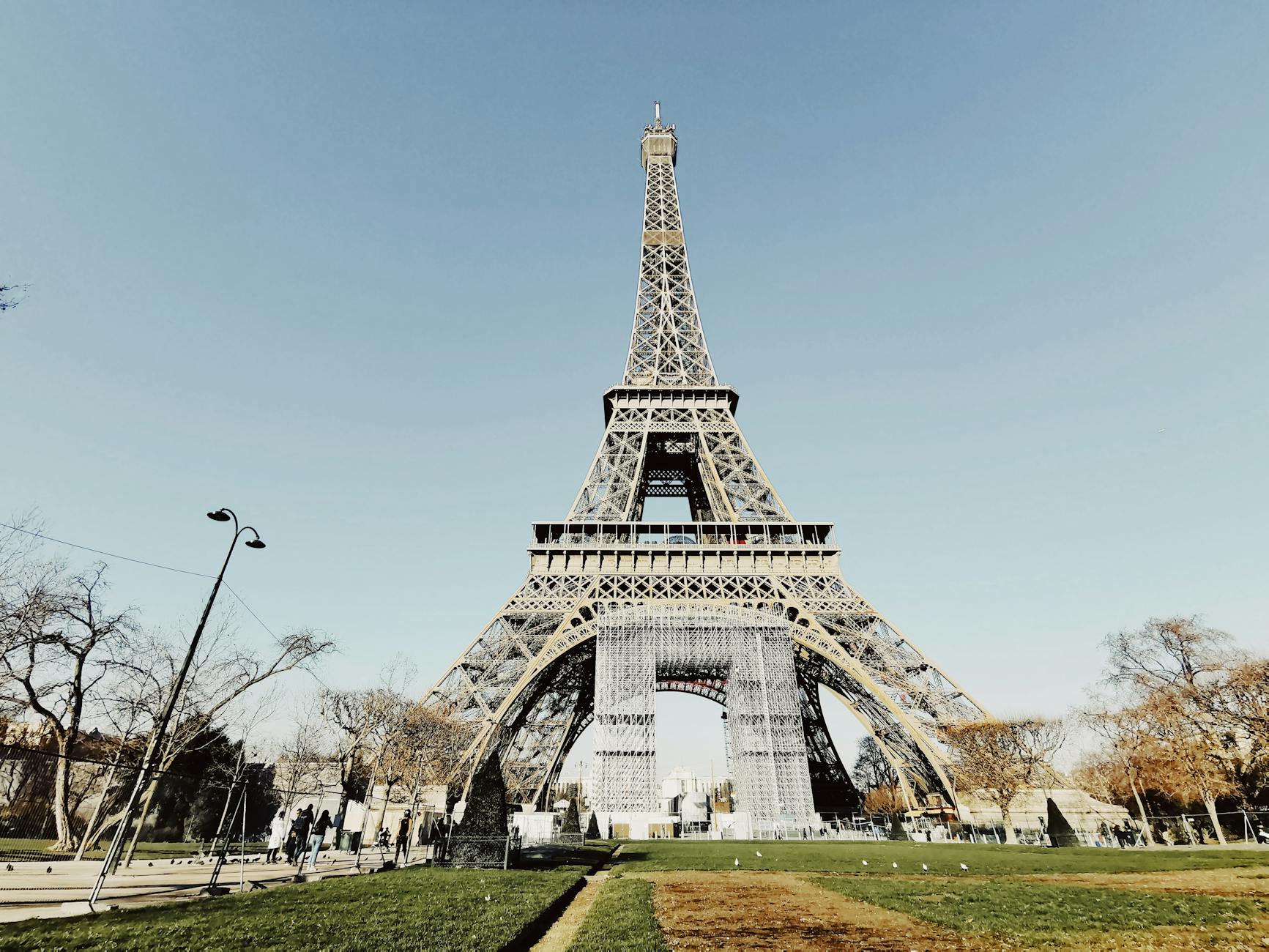
- Morning: Start at the Eiffel Tower (book your timed slot months in advance). Enjoy the views from the second floor, then stroll through the Champ de Mars.
- Midday: Walk or take the Métro to a classic bistro in Saint-Germain-des-Prés for a long French lunch — this is Paris, after all.
- Afternoon: Cross to Île de la Cité to admire Notre-Dame’s exterior (and interior, if restoration allows), then wander the Left Bank bookshops.
- Evening: End with a Seine river cruise at sunset for a panoramic farewell to the city.
With one day, skip the Louvre. You’ll burn most of your time in line for a museum that needs hours you don’t have, so save it. To move fast, lean on the Métro; our guide to getting around Paris has the shortcuts.
2 Days in Paris: The Essential Highlights
Two days is enough to bag the three landmarks most people picture when they think of Paris, the Eiffel Tower, the Louvre, and Île de la Cité, with a little left over for a couple of unhurried meals and one neighborhood walk. It’s a tight schedule. Stay efficient and it holds together.
Sample 2-Day Itinerary
Day 1 — Iconic Paris
- Morning at the Eiffel Tower (pre-booked timed entry).
- Walk to the Musée d’Orsay for Impressionist masterpieces (two hours is enough for the highlights).
- Lunch in Saint-Germain-des-Prés.
- Afternoon stroll through the Luxembourg Gardens.
- Evening: dinner in the Latin Quarter.
Day 2 — History & Culture
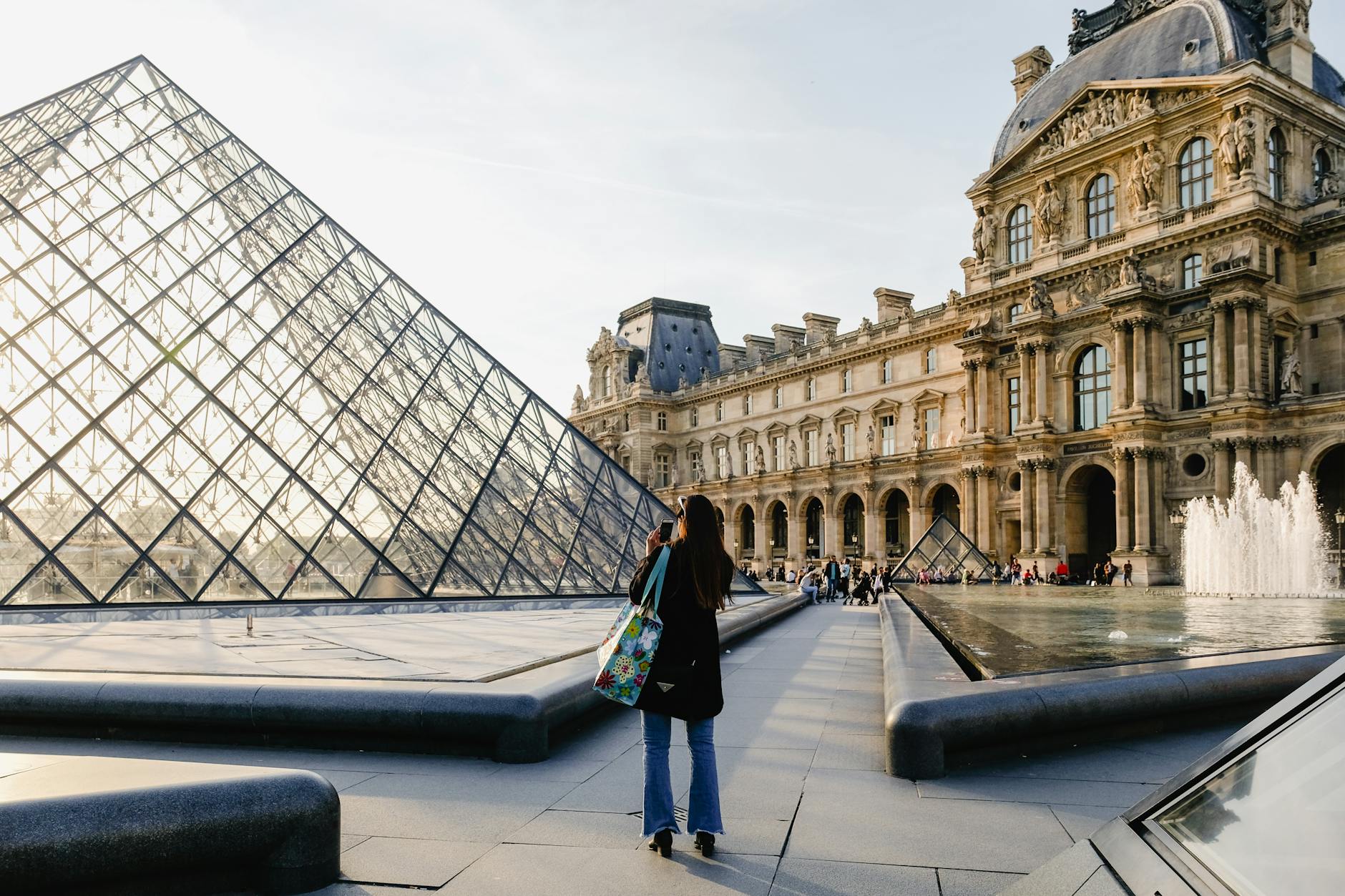
- Morning at the Louvre (arrive at opening; focus on the Denon wing for the Mona Lisa, Venus de Milo, and Winged Victory).
- Walk to Île de la Cité for Notre-Dame and Sainte-Chapelle.
- Lunch on Île Saint-Louis (try Berthillon ice cream).
- Afternoon in Le Marais — browse boutiques, visit Place des Vosges.
- Evening: Seine cruise or rooftop drinks.
On two days you’ll have to pick between Montmartre and Le Marais; cramming both in rarely works. Our Paris neighborhoods guide helps you call it based on what you’re into.
3 Days in Paris: The Minimum for a Great Experience
Three days is the shortest trip we’ll recommend to anyone who wants to leave actually satisfied rather than merely having been. You’ll cover the major Paris attractions, get one slow neighborhood afternoon, and finally have time to sit through a proper meal instead of inhaling a sandwich between sights.
Sample 3-Day Itinerary
Day 1 — Historic Paris
- Start on Île de la Cité: Notre-Dame exterior, Sainte-Chapelle (the stained glass is extraordinary), Conciergerie.
- Cross to the Latin Quarter for lunch — Rue Mouffetard is a foodie treasure.
- Visit the Panthéon, then wander through the Luxembourg Gardens.
- Evening: dinner in Saint-Germain, drinks along the Seine.
Day 2 — Art & Museums
- Morning at the Louvre (three hours minimum for a meaningful visit; see our Paris museums guide for a highlight route).
- Lunch near Palais Royal.
- Afternoon at the Musée d’Orsay or the Orangerie.
- Walk through the Tuileries to Place de la Concorde.
- Evening: Eiffel Tower at sunset (pre-booked).
Day 3 — Neighborhoods & Local Life
- Morning in Le Marais: Place des Vosges, Musée Carnavalet (free), falafel on Rue des Rosiers.
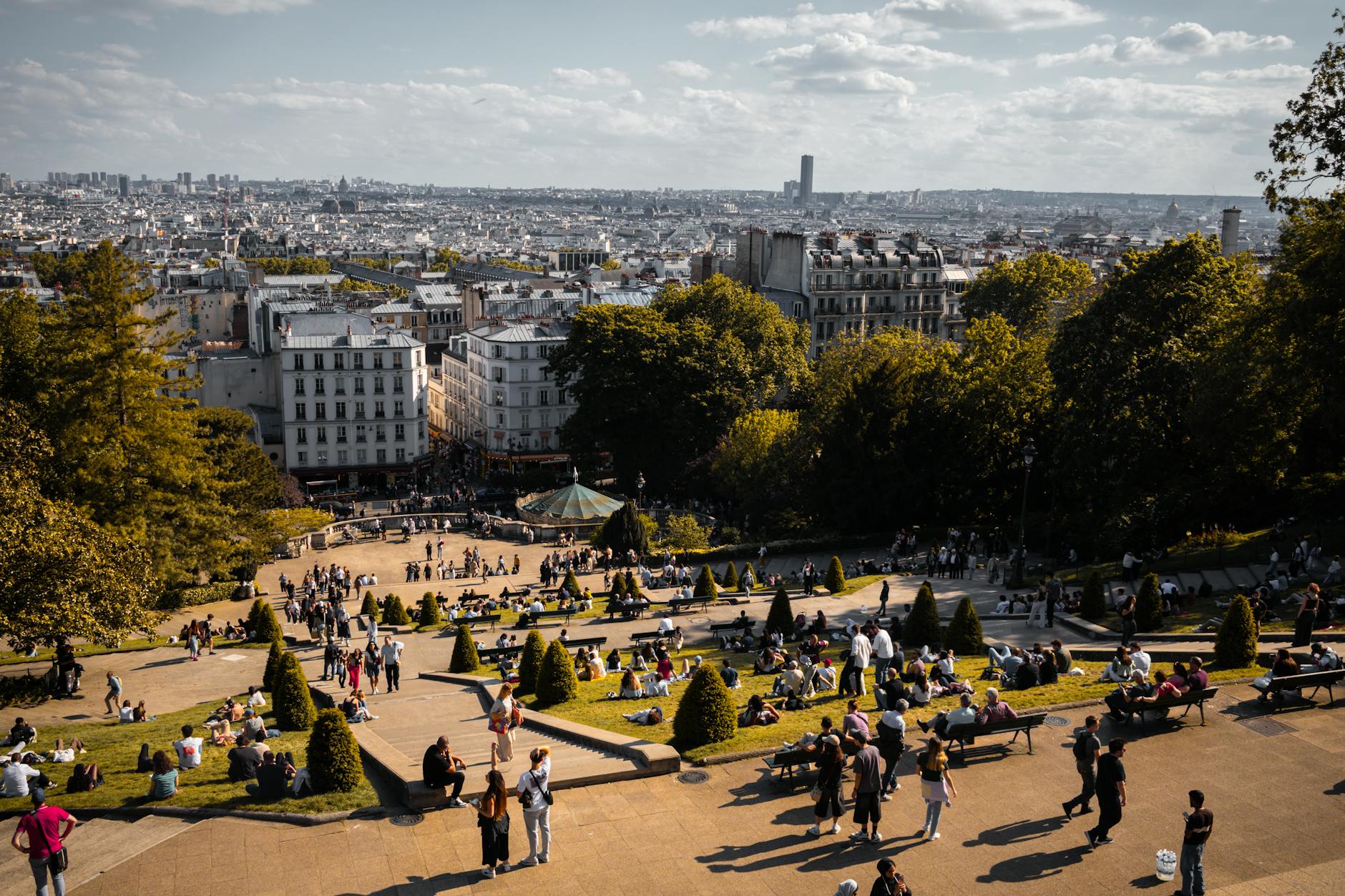
- Afternoon: Métro to Montmartre — climb to Sacré-Cœur, explore Place du Tertre, find a quiet café on a side street.
- Late afternoon: shopping in the Grands Boulevards or Canal Saint-Martin area.
- Farewell dinner at a neighborhood bistro.
Three days covers the essentials, but you’ll feel the clock the whole time. Add a fourth and the change in tempo is striking, almost like a different trip.
4–5 Days in Paris: The Sweet Spot for First-Timers
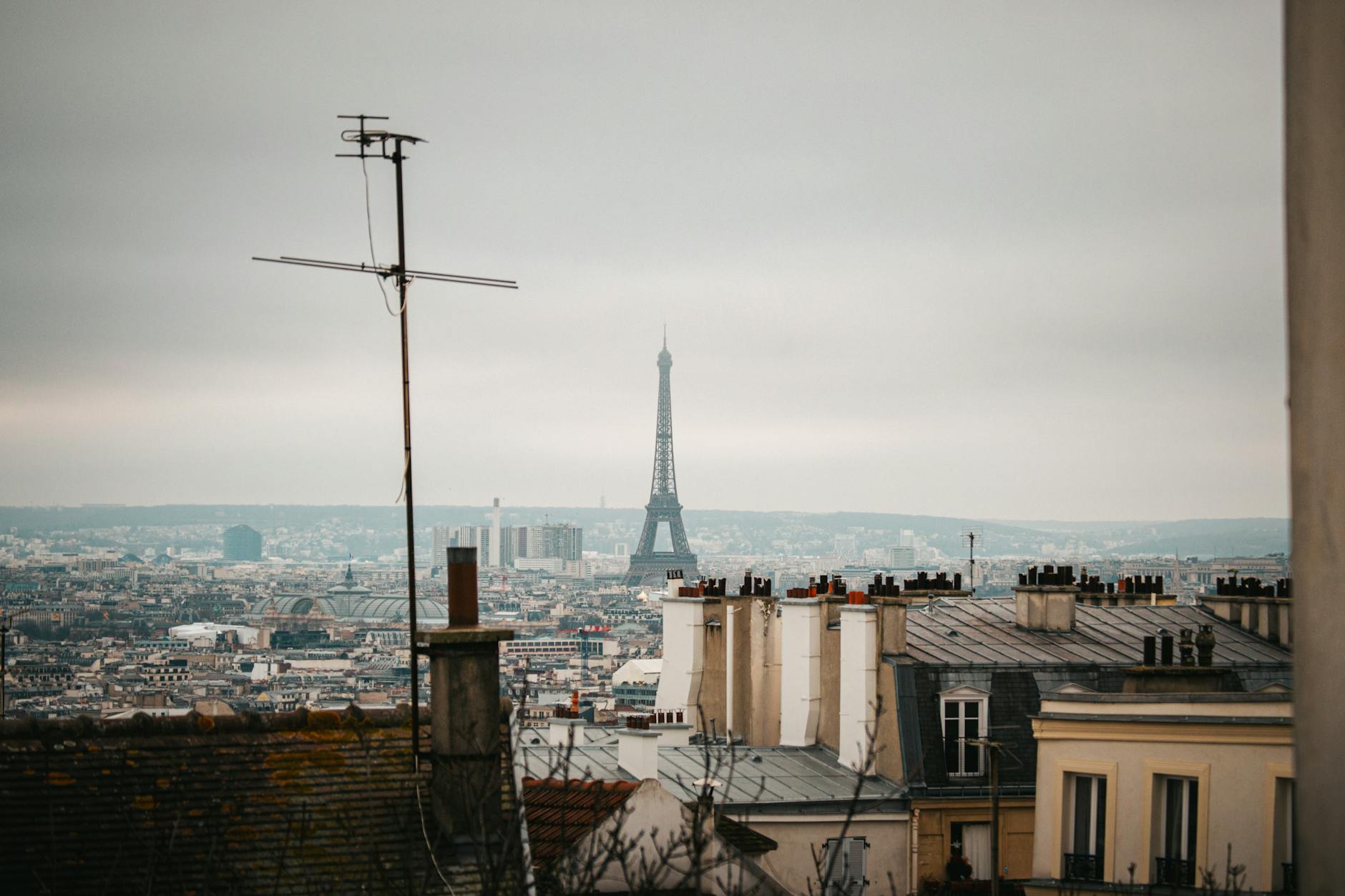
For a first visit, four to five days is the range we steer people toward most often. Four is the floor for not feeling rushed; five adds the breathing room for a day trip, an extra neighborhood, or a morning where the only item on the agenda is watching the world go by from a café terrace, coffee in hand.
At this length you can pencil in one or two major sights a day and still leave room to walk neighborhoods, poke through markets, and stumble into the unplanned moments that end up being the trip’s best. Our first-time Paris tips cover the practical know-how for moving through the city without the rookie mistakes.
What 5 Days Adds Over 3 Days
- A full day trip to Versailles (budget a minimum of five hours, ideally eight — that’s one hour of transport each way plus three to six hours exploring).
- Deeper neighborhood exploration: spend a half-day in Canal Saint-Martin, the Batignolles, or the 11th arrondissement’s café scene.
- Time for a cooking class, a wine tasting, or a guided food tour through Paris’s best culinary neighborhoods.
- An evening at the Opéra Garnier, a jazz club, or a classic Parisian cabaret.
- A leisurely morning at a flea market (Puces de Saint-Ouen) or a neighborhood brocante.
Sample 5-Day Itinerary
Day 1 — Arrival & Orientation
- Settle into your accommodation (see our guide to where to stay for neighborhood recommendations).
- Afternoon walk along the Seine from the Pont Neuf to the Eiffel Tower.
- Evening: dinner in the 7th arrondissement with a view of the tower’s hourly sparkle.
Day 2 — Historic Heart
- Île de la Cité, Sainte-Chapelle, Notre-Dame.
- Lunch in the Latin Quarter.
- Panthéon, Luxembourg Gardens.
- Evening in Saint-Germain-des-Prés.
Day 3 — Museum Day
- Louvre (morning, three hours).
- Tuileries Gardens, lunch near Palais Royal.
- Musée d’Orsay or Rodin Museum (afternoon).
- Eiffel Tower at sunset.
Day 4 — Neighborhoods & Culture
- Morning in Le Marais: Place des Vosges, boutiques, falafel.
- Afternoon: Métro to Montmartre, Sacré-Cœur, vineyard walk.
- Evening: Pigalle nightlife or Moulin Rouge area.
Day 5 — Day Trip to Versailles
- Catch the RER C early (aim to arrive by 9:00 AM).
- Palace state rooms, Hall of Mirrors, Queen’s apartments.
- Gardens and Grand Trianon (pack a picnic or eat at La Flottille).
- Return to Paris by late afternoon; farewell dinner in Le Marais or Montparnasse.
Important Versailles tip: don’t attempt Versailles on a three- or four-day trip; that time belongs in the city. The palace is closed on Mondays, and Sundays and Tuesdays are the worst for crowds. In summer, book two to three months ahead. Our day-trip guide has the full rundown.
7 Days in Paris: The Comprehensive Experience
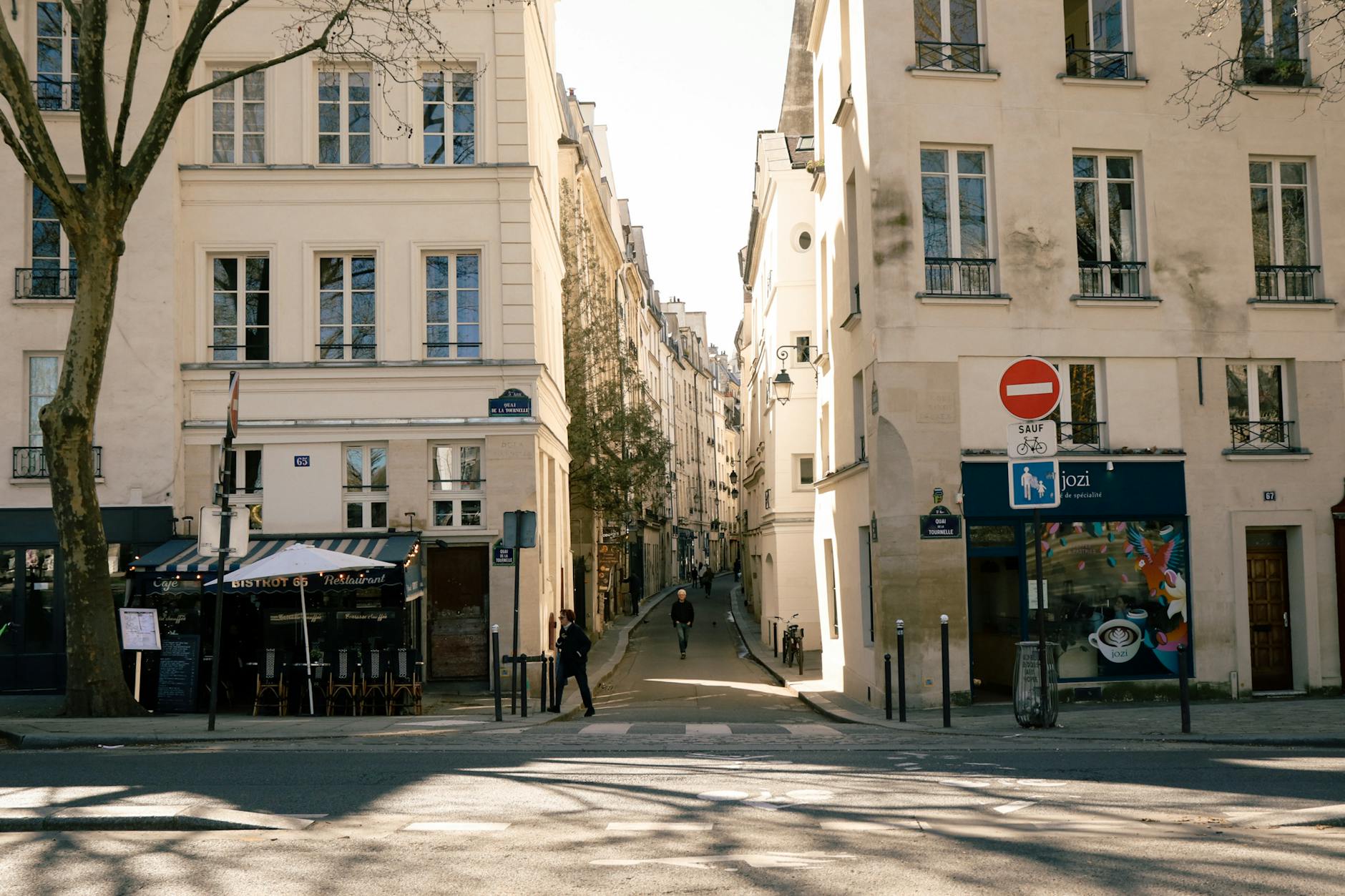
A week tips a vacation into something closer to temporary residency. You hit every major museum at a human pace, fit in two day trips, get into neighborhoods that don’t show up on the highlight reels, and still keep one day completely empty, which, oddly, is often the day people describe most vividly afterward.
What a Full Week Adds
- A second day trip — Giverny (Monet’s gardens), Fontainebleau, or Chartres.
- Time for the Musée de l’Orangerie, Musée Picasso, Centre Pompidou, or the Musée de Cluny.
- A full day for Paris shopping: Le Bon Marché, Galeries Lafayette, Rue du Faubourg Saint-Honoré.
- Deeper neighborhood immersion: spend a half-day each in Belleville, Oberkampf, the 13th arrondissement’s Chinatown, or the Buttes-Chaumont park area.
- An evening at the Palais Garnier opera or a Seine-side cocktail bar.
Seven days also gives you a weather buffer, which matters more than people expect. If it pours on your Montmartre day, swap in a museum and circle back when the sky clears. That single bit of slack takes most of the stress out of the trip. Our guide to the best time to visit Paris helps you plan around the seasons.
10–14 Days in Paris: Living Like a Local
Give yourself ten days to two weeks and the city changes character. You’ll acquire a regular bakery, a default café, and a favorite bench in the Luxembourg Gardens. You’ll also have room for several day trips, Versailles, Giverny, the Loire Valley, Champagne, or a TGV down to Lyon just for lunch, which is exactly the kind of thing a longer stay makes possible.
- Take a multi-day cooking course at Le Cordon Bleu or La Cuisine Paris.
- Explore every neighborhood in our Paris neighborhoods guide.
- Visit smaller museums: Musée Jacquemart-André, Musée Marmottan Monet, the Palais de Tokyo.
- Spend a full day at the Puces de Saint-Ouen flea market.
- Attend a Sunday morning marché (Bastille, Aligre, or Raspail organic market).
- Take a half-day bike ride along the Canal de l’Ourcq or through the Bois de Vincennes.
Stretching the stay but watching the spend? Our Paris on a budget guide is full of concrete ways to cut costs on accommodation, food, and transport over a longer trip.
How Many Days in Paris by Traveler Type
There’s no universal number. The right length shifts depending on who’s coming with you and what you’re chasing.
Families with Kids: 5 Days Recommended
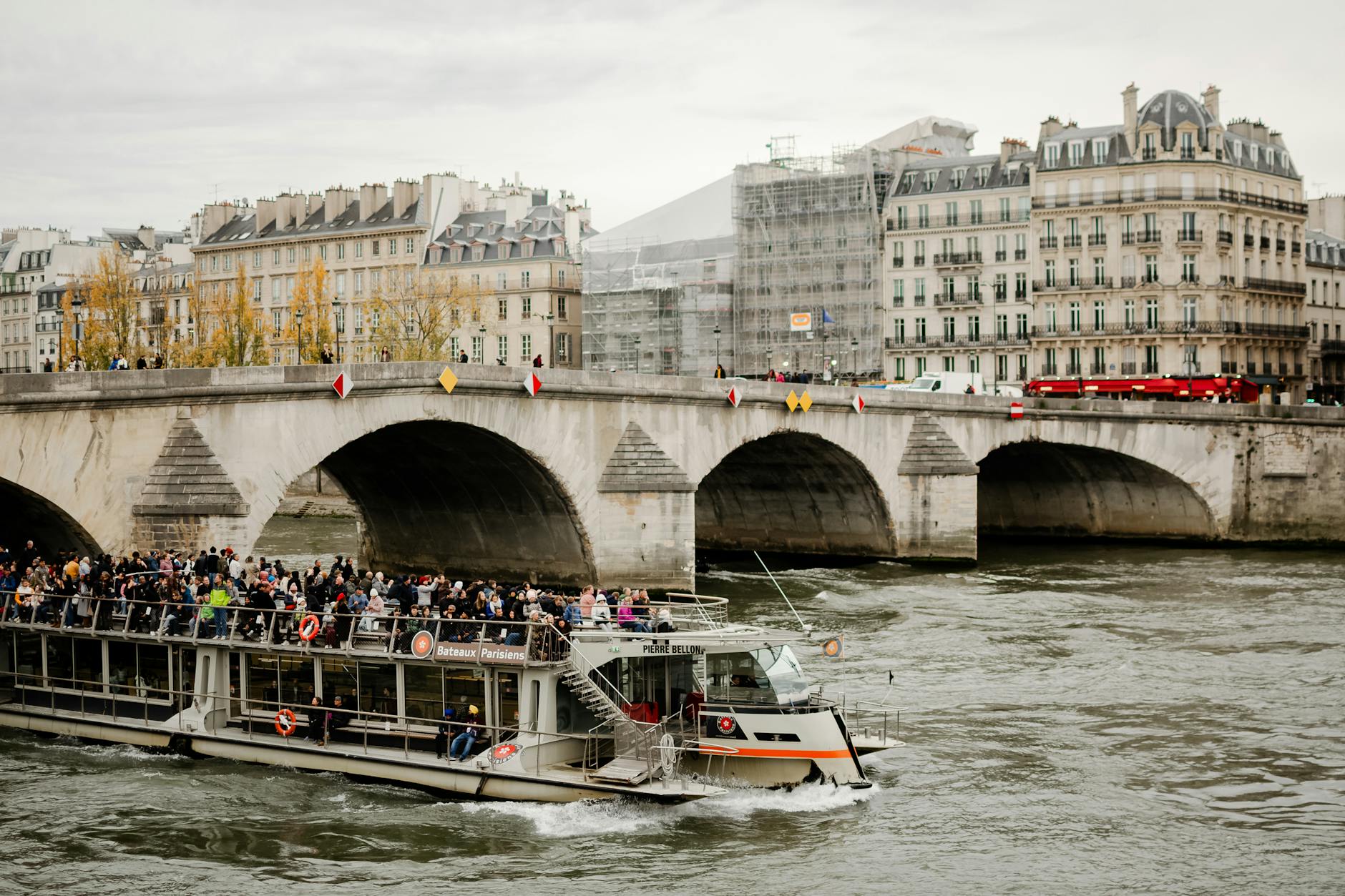
With kids, plan for about five days, and plan it loose. Children run out of steam faster than you do, so cap it at one big sight a day and pad the rest with park time, ice cream stops, and early dinners. Push past a week with young kids and the trip tips from fun into a slog for everyone.
- Day 1: Eiffel Tower + Champ de Mars playground.
- Day 2: Jardin du Luxembourg (puppet show, sailboats, playground) + Latin Quarter.
- Day 3: Musée d’Orsay (more manageable than the Louvre with kids) + Seine cruise.
- Day 4: Sacré-Cœur + artists’ square + crêpes in Montmartre.
- Day 5: Jardin d’Acclimatation (amusement park in Bois de Boulogne) or Cité des Sciences.
For age-by-age activity ideas and restaurants that won’t blink at a stroller, see our full Paris with kids guide.
Romantic Getaways & Couples: 4–5 Days Ideal
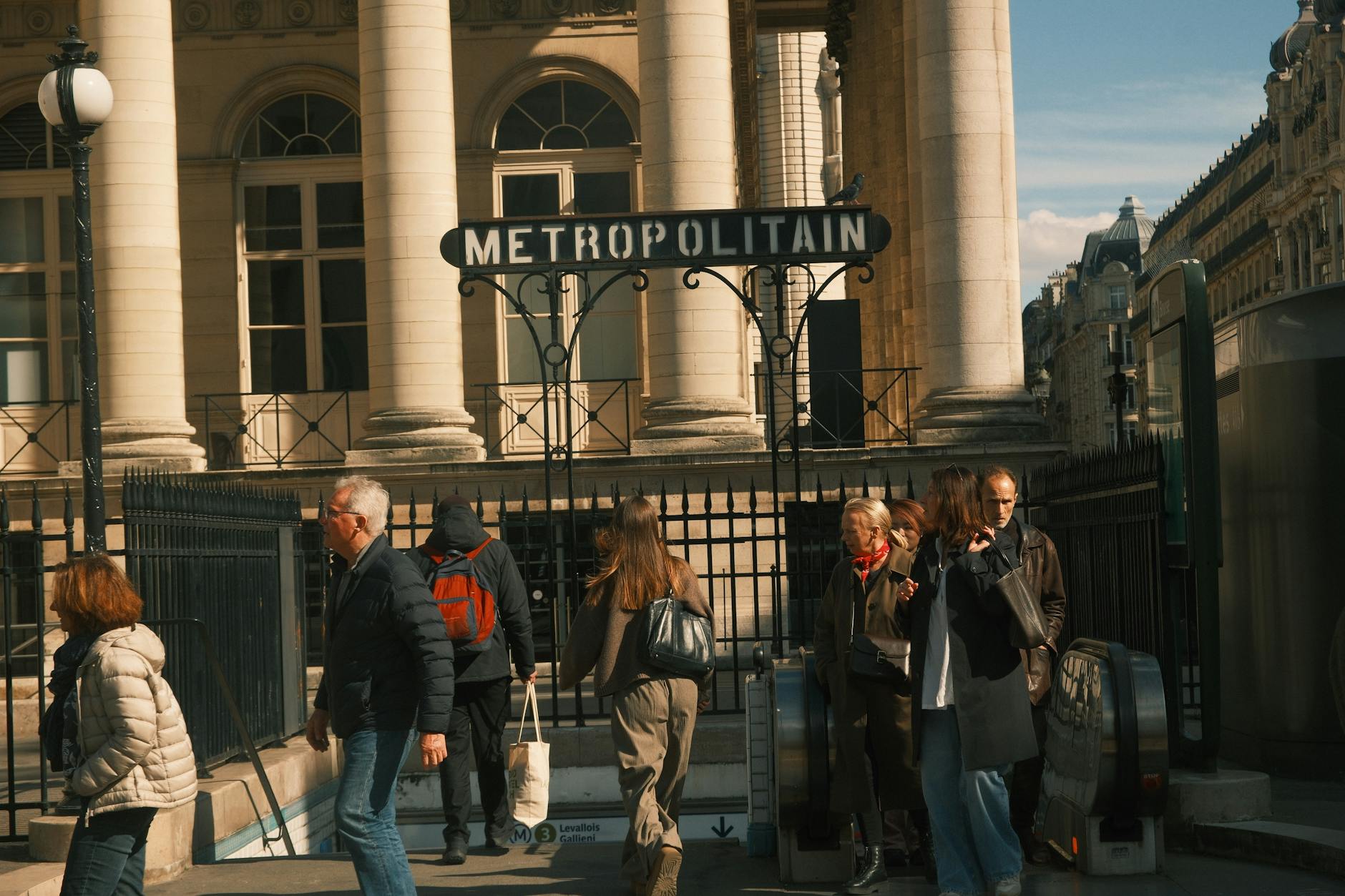
For couples after a romantic Paris trip, four to five days hits the mark. That’s room for candlelit dinners, a sunset picnic on the Pont des Arts, a shared hour with the Rodin sculptures, and a slow morning in the Montmartre lanes that drew artists here for a century.
- Book a wine-tasting experience in a Saint-Germain cellar.
- Schedule at least one “no agenda” morning for café lingering.
- Reserve a table at a restaurant with a view (Le Jules Verne, Les Ombres, or a rooftop in Le Marais).
- Consider a day trip to Champagne for a private vineyard tour.
Budget Travelers: 3–4 Days Can Work Well
Counting euros? Three to four days is the practical sweet spot. Paris hotels and restaurants add up fast, and a short, well-planned trip usually beats a longer one where you’re cutting corners on everything to make the days stretch. Our Paris on a budget guide shows how to see the best of the city for less.
- Many of Paris’s best experiences are free: walking the Seine, exploring neighborhoods, picnicking in parks, window-shopping, people-watching.
- First Sunday of each month = free entry at many museums.
- Buy a carnet of Métro tickets or a Navigo Easy pass instead of individual fares.
- Eat lunch as your main meal (prix-fixe lunch menus are half the price of dinner).
- Stay in the 10th, 11th, or 18th arrondissement for better hotel rates.
First-Time Visitors: 5 Days Recommended
First trip? Five days. It covers the essential landmarks, frees up a full day for museums, leaves time for at least one day trip, and, most importantly, holds back a flex day for circling back to a spot you loved or chasing down an area that caught your eye on the way past. Our first-time Paris tips and step-by-step trip-planning guide give you the full prep checklist.
Practical Tips for Planning Your Paris Trip Length
Pacing: Don’t Over-Schedule
The mistake we see more than any other is stuffing too many sights into a single day. Paris is a walking city, and you’ll rack up 15,000 to 25,000 steps without trying. Pin down one or two big sights a day and hand the rest of the time to neighborhoods, long meals, and your feet.
By “major sight” we mean anything that eats two hours or more: the Louvre (three to four hours minimum), Versailles (five to eight including transport), the Eiffel Tower (two with the queues), or the Musée d’Orsay (two to three). The smaller stuff, Sainte-Chapelle, the Panthéon, a neighborhood walk, slots neatly around those anchors.
Booking Ahead
For a summer trip (June through September), book the following two to three months out:
- Eiffel Tower timed entry (sells out weeks ahead).
- Louvre timed entry (mandatory since 2023).
- Musée d’Orsay timed entry.
- Versailles entrance tickets.
- Any special exhibitions at major museums.
- Popular restaurants (especially Michelin-starred or trending spots).
Off-season (November through March, Christmas and New Year aside), a week or two of lead time usually does it, though the Eiffel Tower still wants planning. Our month-by-month Paris guide breaks down the seasonal booking rhythm.
The Versailles Question
Versailles earns its own section because it’s the scheduling trap we watch people fall into again and again. The palace needs a minimum of five hours (an hour of transport each way plus three at the palace itself), and to do it right, the gardens, the Grand Trianon, Marie Antoinette’s Estate, you want a full eight.
Our rule of thumb: only go if you have five or more days in Paris. On three or four, that day is better spent in the city. Versailles is closed Mondays, mobbed on Sundays and Tuesdays, and at its best on a Wednesday or Thursday. The full details are in our day trips from Paris guide.
What to Pack for Your Trip Length
How long you stay shapes what you bring. A three-day visit fits in a carry-on, which spares you the baggage carousel at the airport and the scrum at the train station. A week or more wants a fuller wardrobe, especially if there’s a nice dinner or two on the books. Our Paris packing list runs from broken-in walking shoes to seasonal layers and an outfit you can actually wear out.
Getting Around Efficiently
However long you’re here, transport is what holds the days together. The Métro reaches nearly the whole city and runs roughly 5:30 AM to 1:00 AM (2:00 AM on Fridays and Saturdays). For most visitors the winning formula is simple: Métro for distance, feet for everything in between. Our full getting around Paris guide covers tickets, passes, buses, bikes, and the moments when a taxi is actually worth it.
Paris Trip Length Comparison at a Glance
Match your available time to the right expectations:
- 1 day: Best for layovers. See 1–2 landmarks. No museums. Budget €50–€100.
- 2 days: Eiffel Tower, Louvre, Île de la Cité. Tight but doable. Budget €100–€200/day.
- 3 days: Great first taste. Main sights + 2 neighborhoods. Budget €100–€200/day.
- 4 days: Comfortable pace. No rushing. Good for repeat visitors. Budget €80–€180/day.
- 5 days: Ideal first trip. Must-sees + day trip + food scene. Budget €80–€180/day.
- 7 days: Comprehensive. Multiple day trips. Deep exploration. Budget €70–€160/day.
- 10–14 days: Live like a local. Markets, classes, off-path gems. Budget €60–€150/day.
Note: daily budgets are per person and cover accommodation, food, transport, and attractions, but not flights. The per-day figure drops on longer stays because you can rent an apartment, cook a few meals, and buy weekly transport passes.
Frequently Asked Questions
Is 3 days enough for Paris?
Yes, as a minimum. Three days lands the main sights, the Eiffel Tower, the Louvre, Notre-Dame, and a neighborhood or two, but day trips and deeper wandering get squeezed out. Find a fourth day and the whole thing loosens up noticeably.
Is 5 days too long in Paris?
Not even close. Five days is the length most travelers wish they’d booked. There are enough museums, neighborhoods, restaurants, and day trips here to fill a month; five days simply lets you enjoy the best of it without the grind of a shorter trip.
Is it better to spend more days in Paris or visit other French cities?
On a first trip to France, give Paris at least four full days before you branch out; the city alone justifies a week. With ten days or more, two or three days in Provence, the Loire Valley, or Normandy round things out nicely. Just don’t rob Paris to bolt on another city. That’s the trade people come home regretting.
When is the best time to visit Paris?
The best time to visit Paris comes down to what you value. Spring (April–June) and fall (September–October) deliver the best weather with thinner crowds. Summer is lively but packed shoulder to shoulder. Winter is cold, atmospheric, and easy on the wallet. Our month-by-month breakdown gets into the specifics.
How do I choose a neighborhood to stay in?
Let trip length and interests decide. For short visits (one to three days), stay central, Le Marais, Saint-Germain, or the 1st arrondissement, so you waste no time in transit. For longer stays, the 10th, 11th, or 18th save money and feel more lived-in. Our Paris lodging guide breaks down every area.
Final Verdict: How Many Days Should You Spend in Paris?
So, how many days do you need in Paris? For most first-timers, five is the number. It’s enough for the iconic sights, a real spread of neighborhoods, the food the city is famous for, and a day trip to Versailles, all without racing the clock from breakfast to bedtime.
Can’t swing five? Three days is the floor for a genuinely satisfying visit, and four takes most of the pressure off. Land a full week or more and you start meeting a quieter, more personal Paris that day-trippers never see.
Whatever the length, the same three things make or break it: plan ahead, book the must-sees early, and fight the urge to over-schedule. This is a city that pays you back for wandering, for lingering, for saying yes to the thing that wasn’t on the list. Start with our complete plan a trip to Paris guide, and run through the Paris packing list before you fly.
Bon voyage — and however many days you book, you’ll come home wishing you’d had one more.
Related reading
Use these to round out your trip:
- the full Paris planning guide
- what to wear in Paris
- whether you need travel cover
- 15 Essential Paris Travel Apps You Need to Download Before Your Trip
- covering Paris on foot
- the Bastille Day parade and fireworks
Whatever number you land on, the next step is deciding exactly what to do with those days. Our master itinerary lays out routes for one through ten days, and it is honest about which sights you can drop without regretting it.
Even a single day is worth having, provided you spend it on one part of the city rather than all of it. Our one day in Paris itinerary is the version we would actually follow ourselves, and it is honest about what will not fit.
Forty-eight hours is the classic city break, and it works better than its reputation suggests. See our 48-hour Paris itinerary for the version we would follow, including which of the big two museums to drop.
Three days is what we would recommend to most first-timers, and our three-day Paris itinerary lays it out hour by hour — including a straight answer on whether Versailles fits, which it does not.
Four days is where a Paris trip stops asking you to give things up. See the 4 days in Paris itinerary for how the extra day reshapes everything — and for the case against spending it at Versailles.
Five days is our answer if you are free to choose. See the five-day Paris itinerary for why: it is the shortest trip that includes both all the famous things and enough unscheduled time to enjoy them.
If you have a full week, the shape of the trip changes rather than just its length. Our one week in Paris itinerary covers it — including three alternative versions built around art, food or a second visit.
One variable this calculation usually ignores: who you are travelling with. Alone, four days beats three by more than the extra day suggests, because the value of an unplanned afternoon rises sharply when nobody else is waiting on your decision. We make the case in our guide to spending time in Paris on your own.