Paris Packing List: What to Wear in Paris for Every Season
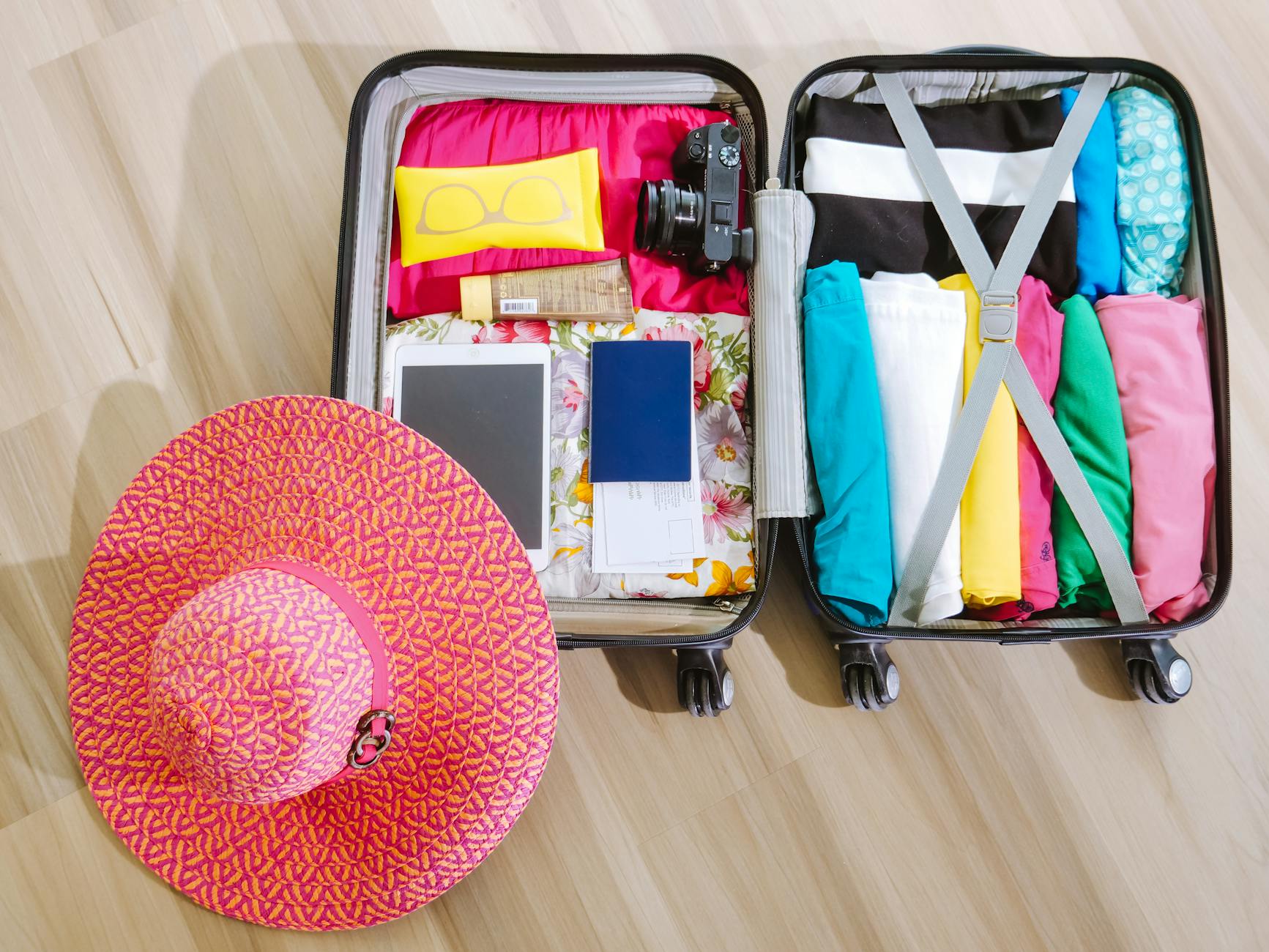
Here is the thing nobody tells you about your paris packing list what to wear: the tourists who stick out aren’t the ones in the wrong brand, they’re the ones who clearly tried too hard or not at all. Paris runs on a quiet kind of dressing, neutral, well-fitted, unbothered, and you can hit that register without a designer wardrobe or a bulging suitcase. A tight capsule of versatile pieces and a few sensible accessories will get you through cobblestone streets, museum staircases, and café terraces looking like you belong, not like you got lost on the way back from the gym.
This guide runs through wardrobe essentials for each season, the shoes that actually survive a 20,000-step day, the items to leave at home, and the practical gear that rounds the whole thing out. First trip or fifth, whether you’re still planning a trip to Paris or already counting down, the goal is the same: pack lighter, dress sharper, and never once stand in a hotel room hating your options.
One idea underpins everything below, the Parisian default of less is more. French style leans on quality basics over fast fashion, neutral tones over neon, and quiet elegance over loud logos. Hold that in mind as you read, and you’ll build a suitcase that pulls its weight.
Understanding Parisian Style Before You Pack
Spend an hour in any Paris neighborhood and the pattern jumps out: people dress in muted, well-fitted clothes that look composed without looking laboured. The much-mythologised “je ne sais quoi” isn’t magic. It comes down to a few repeatable rules anyone can borrow.
Rule one: a tight colour palette. Navy, black, white, cream, grey, camel, and olive carry most outfits, with a single accent doing the contrast, a red lip, a burgundy scarf, a cobalt handbag. Keep it to two or three colours per outfit and you read as pulled-together immediately.
Rule two: fit beats brand, every time. Well-tailored trousers off the high street will outclass an ill-fitting designer piece, and Parisian women know it. They build around quality basics, the perfect white tee, a well-cut blazer, a silk scarf. Parisian men do the same with fitted jeans, structured blazers, leather shoes, and as little branding as they can manage.
Rule three: accessories with restraint. Instead of piling on statement jewellery, the French reach for one delicate necklace, a good watch, or a beautiful leather bag. Over-accessorising is among the fastest ways to look like you’re visiting. Treat accessories as punctuation: one or two well-placed pieces, and the outfit is finished.
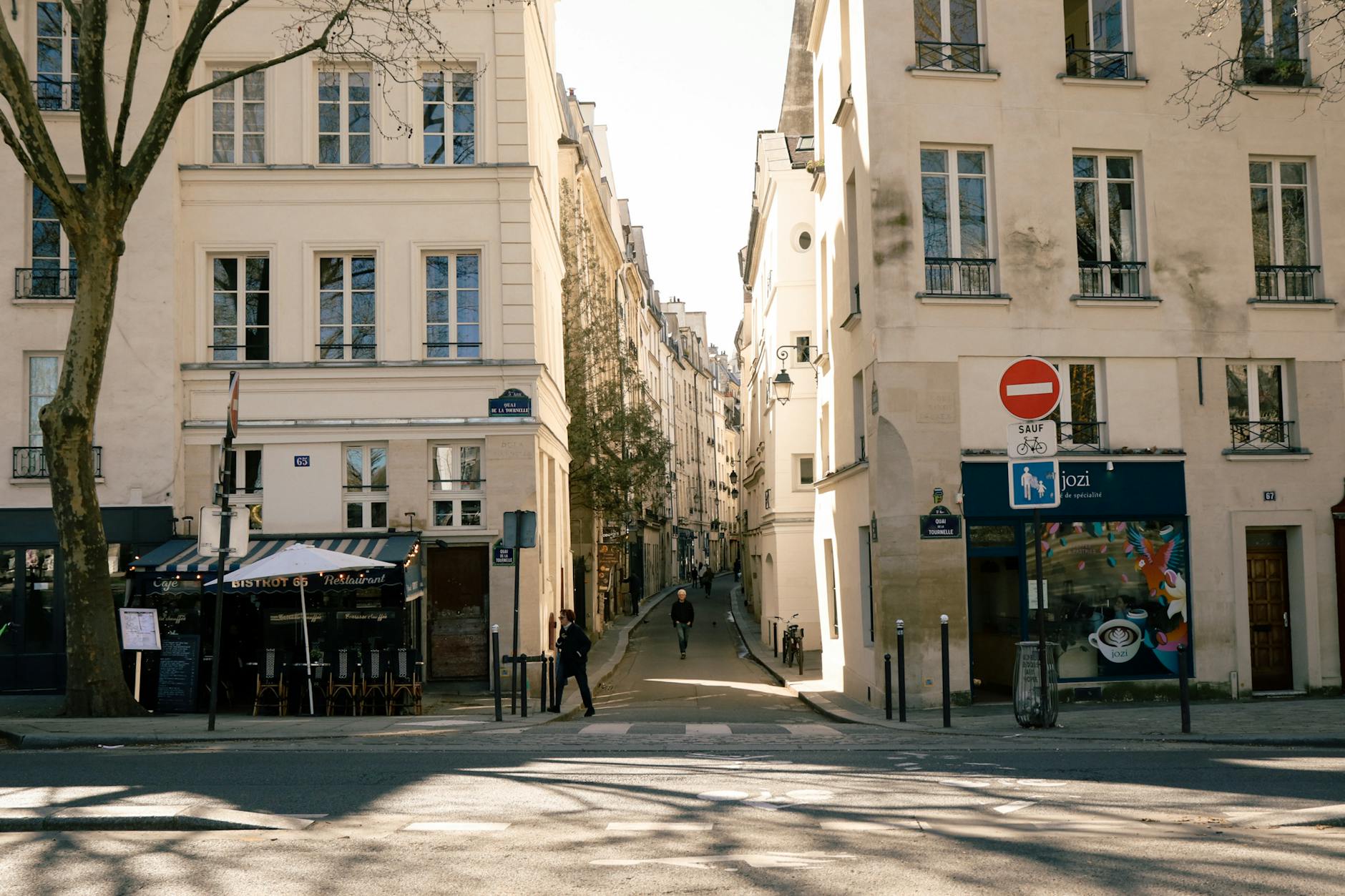
None of this means gutting your wardrobe. It means editing with intent: choose pieces that mix and match, pack what you genuinely like wearing, and starve the “just in case” outfits that do nothing but eat suitcase space.
The Year-Round Paris Capsule Wardrobe
The capsule wardrobe is the trick behind every suitcase that looks effortless. The premise is plain: a small set of interchangeable pieces that recombine into a lot of outfits. For a week in Paris, the core below works in any season and anchors your whole paris packing list what to wear plan.
Bottoms (2 Pairs)
- One pair of tailored trousers – High-waisted, straight-leg or slightly tapered, in black, navy, or charcoal. They carry you from daytime sightseeing at the top Paris attractions straight into a dinner reservation.
- One pair of dark-wash jeans – Slim or straight cut, no rips, no heavy distressing. Dark denim reads dressier than a light wash and plays nicely with every top you own.
Tops (3 Pieces)
- Silk or satin blouse – Cream, white, or a subtle print. Tuck it into trousers for a refined day at a world-class museum, or leave it open over a camisole for something looser.
- Breton stripe tee – The French wardrobe staple, near-cliche but it earns its place. Navy-and-white striped cotton goes with jeans and sneakers by day, then disappears under a blazer at night.
- Classic button-down shirt – White or light blue in breathable cotton or linen. Roll the sleeves, leave the collar open, and the easy Parisian look is done.
Layers (2 Pieces)
- Light layer – A fine-knit cardigan or a cotton blazer. It earns its keep in cool museum interiors, on breezy river cruises, or just thrown over a casual tee for a bit of polish.
- Outer layer – The trench coat is the all-season Paris classic. In winter you swap it for something heavier (more on seasonal tweaks below).
Dress (1 Piece)
A plain midi or knee-length dress in a solid colour or quiet print does a lot of work. Sneakers and a crossbody bag by day, loafers and a structured bag by night. Pick a wrinkle-resistant fabric and it lands ready to wear, no ironing board hunt required.
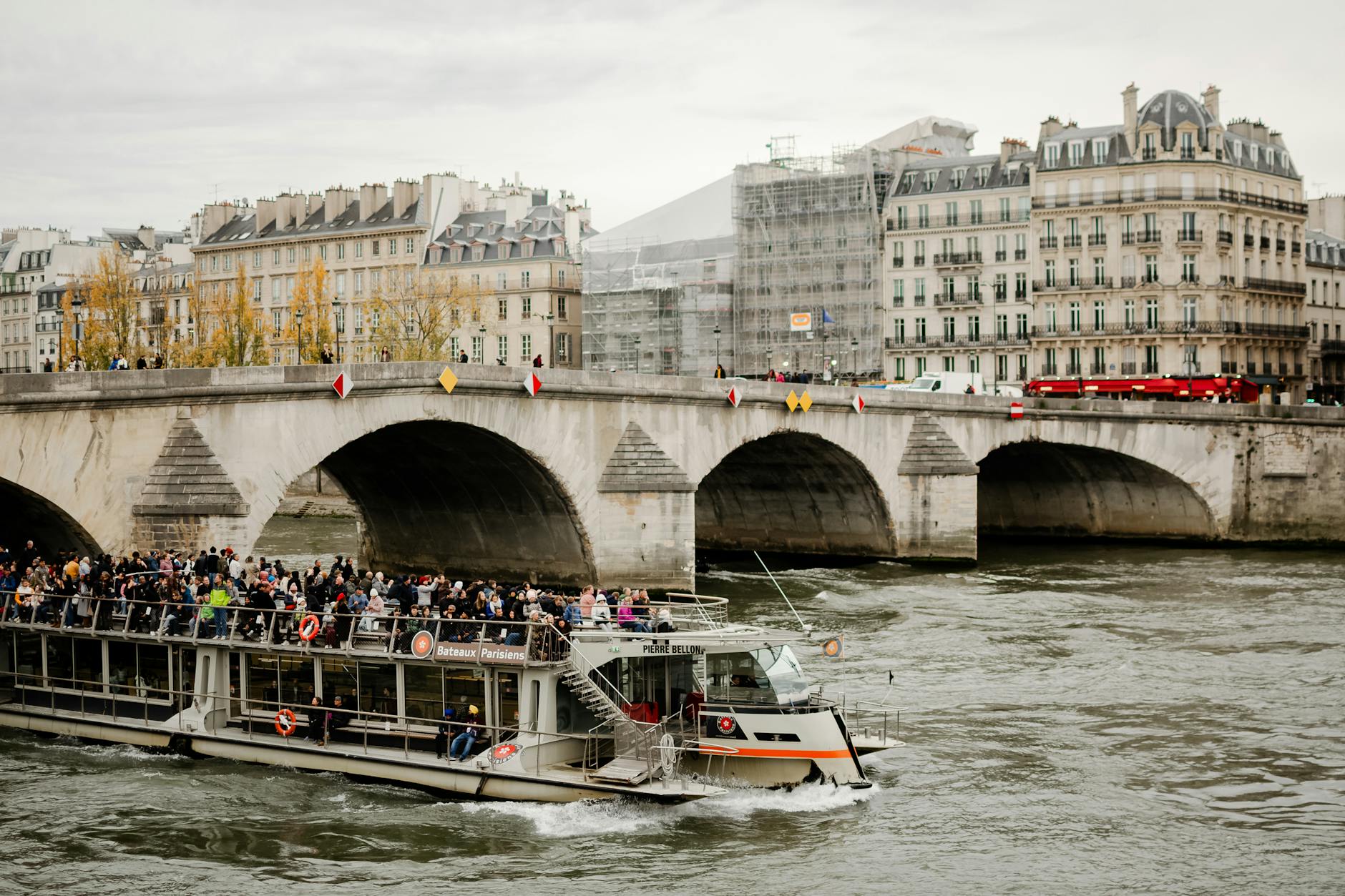
Ten core pieces give you at least fifteen distinct outfits, enough for a full week without repeating a single combination. The whole thing hinges on the neutral palette: every top has to work with every bottom, and every layer has to flatter every outfit. Stray from that and the maths falls apart.
Seasonal Packing Adjustments
Paris has four genuinely distinct seasons, and each one asks for specific additions to the capsule. The best time to visit Paris guide digs into the weather patterns; here’s what to actually throw in the bag, season by season.
Spring in Paris (March – May): 8–15°C / 46–59°F
Spring here is gloriously unreliable. A sunny morning flips to a cold, wet afternoon in a couple of hours, so layering isn’t a style choice, it’s survival. This is the season the trench coat truly earns its keep as your most useful outer layer. Add a lightweight scarf and a compact umbrella stashed in your bag and you’re covered.
- A medium-weight trench coat or water-resistant jacket
- Lightweight scarves for warmth and style
- A compact, windproof umbrella
- Ankle boots or waterproof leather shoes
- A light sweater or hoodie for chilly mornings
- Transitional fabrics: cotton, light wool, jersey
Spring is also one of the prettiest stretches for exploring Paris. Cherry blossoms line the streets, the café terraces reopen, and the city shakes off winter. Layers let you strip down when the sun breaks and pile back on when the clouds return, which they will.
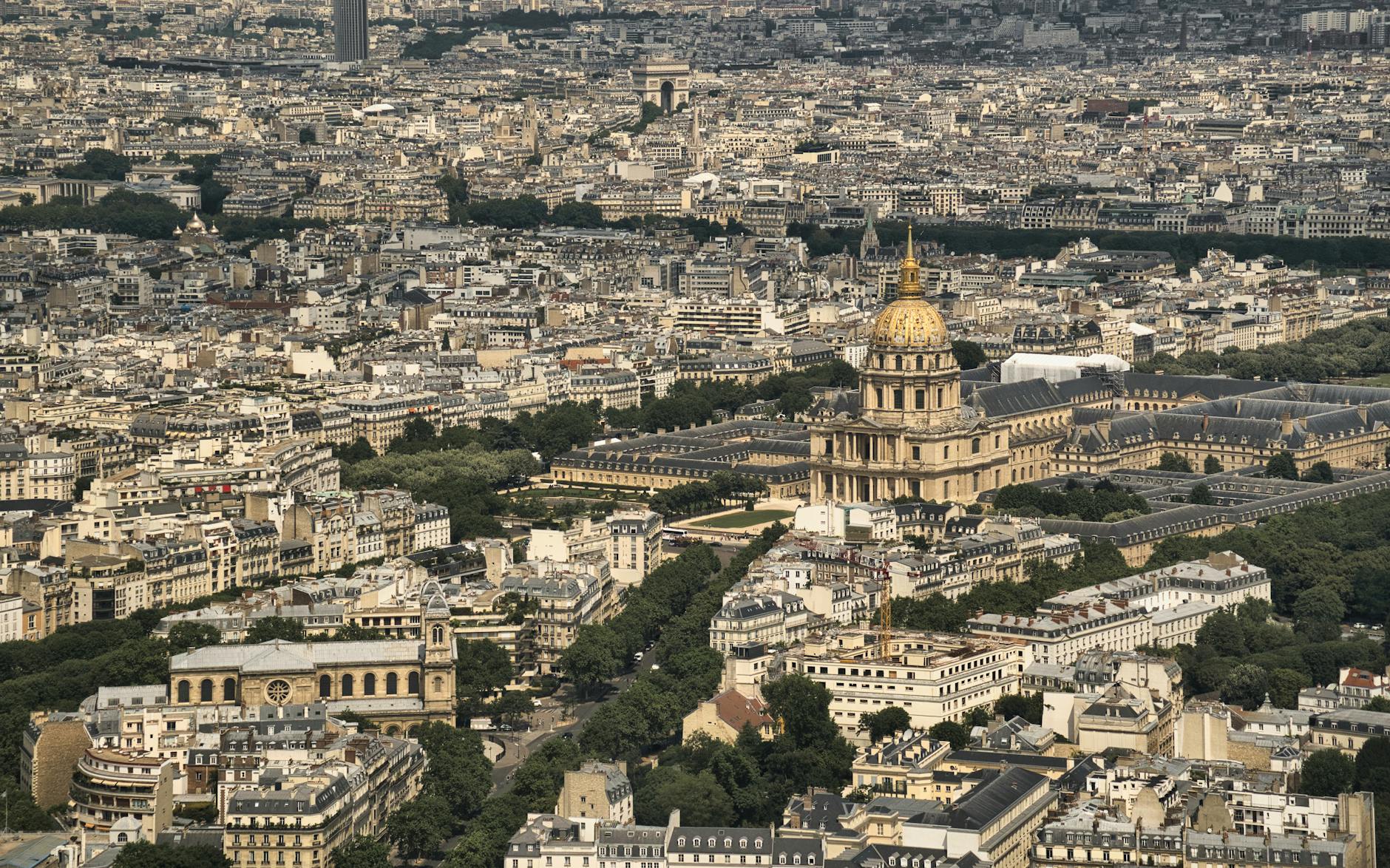
Summer in Paris (June – August): 15–25°C / 59–77°F
Heat waves can push summer past 30°C (86°F), so breathable fabrics are your allies. Linen, cotton, and light blends keep you cool wandering from the Louvre to the Musée d’Orsay. Here’s the catch most first-timers miss: air conditioning is far rarer in Paris than back home, so dress for comfort outdoors and in, because indoors won’t rescue you.
- Linen trousers or a flowy midi skirt
- Breathable cotton and linen tops
- A wide-brimmed hat or stylish straw hat
- Quality sunglasses with UV protection
- Sunscreen (SPF 30 or higher)
- Light cardigan for air-conditioned restaurants and churches
- Comfortable sandals with back straps (avoid flip-flops)
Even in a heat wave, Parisians hold the line on looking put-together. You’ll almost never see a local in athletic shorts or a tank top outside a park jog. If you must do shorts, make them linen and above the knee; otherwise a breezy cotton dress does the job. Finish with white sneakers or leather sandals and you’re set.
Autumn in Paris (September – November): 7–18°C / 45–64°F
Autumn may be the city’s most stylish season. Golden light, leaves dropping across the Jardin du Luxembourg, layering season back in business. Early September can still feel like summer while November leans toward winter, so versatility carries the trip.
- A fitted jacket or structured blazer
- Trench coat (the autumn hero piece)
- Warm-toned scarves in burgundy, mustard, or forest green
- Ankle boots in leather or suede
- Thicker knit sweaters for layering
- Tights or thermal leggings (to wear under trousers or dresses)
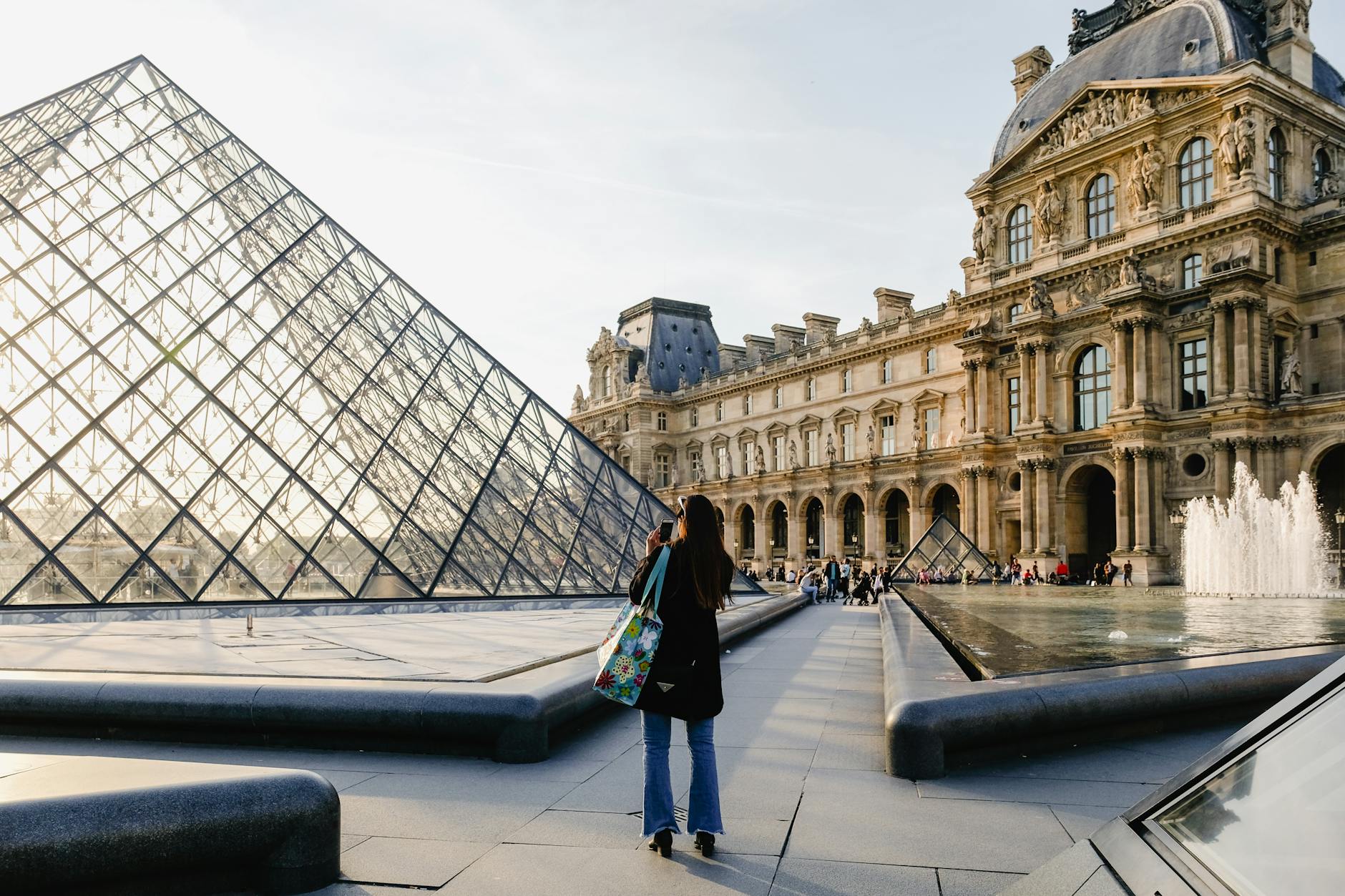
Autumn is also prime time for eating well and settling into long bistro dinners. A blazer over a fine-knit turtleneck with dark jeans and leather boots is the rare outfit that carries you from a morning market to an evening table without a single change.
Winter in Paris (December – February): Average 7°C / 45°F Daytime
Paris winters are grey, damp, and now and then properly freezing. They’re also wonderful: Christmas markets, vin chaud steaming in your hands, lights strung along the Champs-Élysées. The trench comes out, a real coat goes in, and you build out the cold-weather kit.
- A warm wool or down coat (knee-length for maximum warmth)
- Cashmere or merino wool scarves
- Lined leather gloves
- A warm hat or beret-style cap (if you want to have fun with it)
- Thermal base layers for particularly cold days
- Waterproof boots with good traction
- Thicker socks (merino wool is ideal)
Visiting in winter means planning your warm-ups: museums, department stores, cosy cafés. Dress in layers you can peel off indoors, because heated interiors turn tropical the second you walk in bundled for the cold. A good wool coat in black, navy, or camel will end up your most-worn item by a mile.
Shoes: The Most Important Part of Your Paris Packing List
If there’s one place you genuinely cannot cut corners, it’s footwear. The average Paris visitor walks 15,000 to 20,000 steps a day, roughly 10 to 15 kilometres of cobblestones, Métro stairs, museum corridors, and uneven sidewalks. The wrong shoes will wreck a trip faster than a week of rain.
Best Shoe Choices for Paris
- White sneakers – The single most versatile shoe in the bag. They go with everything in the capsule, handle all-day walking, and Parisians wear them constantly. Leather or leather-look versions stay cleaner than canvas, which matters by day three.
- Ballet flats – A French staple for a reason. Get a cushioned-insole pair in black, nude, or navy. They lie flat in the suitcase and dress up jeans in seconds.
- Loafers or derbies – The pick if you want polish without sacrificing comfort. Leather loafers work with trousers, jeans, and dresses alike.
- Ankle boots – Essential for autumn, winter, and early spring. A low-heeled leather ankle boot takes cobblestones in stride and looks effortlessly Parisian with midi dresses or slim jeans.
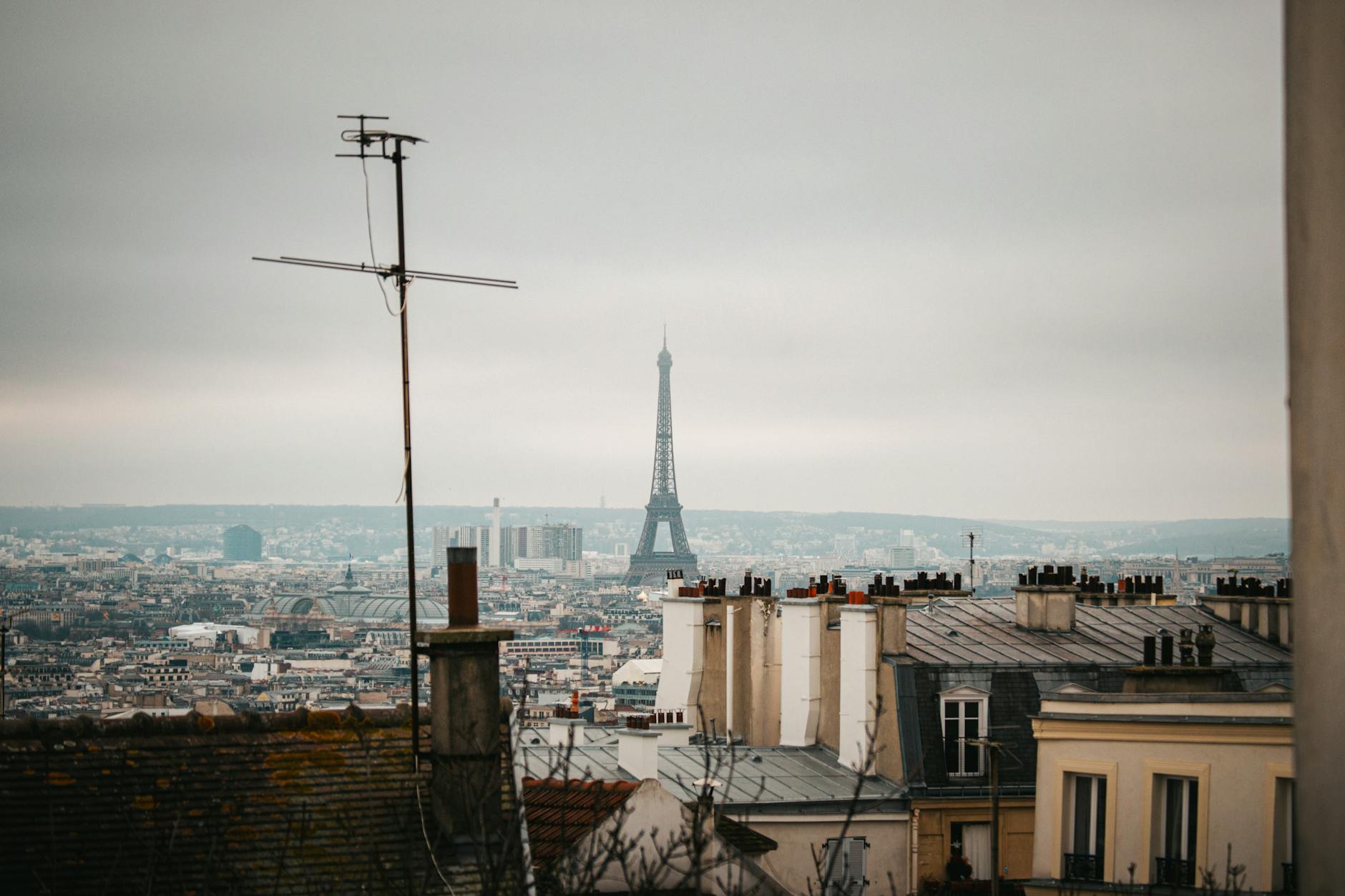
Shoes to Avoid in Paris
- High heels – Cobblestones, uneven pavement, and endless Métro stairs make stilettos a punishment. If you want height, go for a block heel or a low wedge.
- Flip-flops – Zero support, and they look out of place anywhere past the hotel pool.
- Brand-new shoes – Paris is the worst possible place to break in footwear. Wear your chosen pairs for at least two weeks beforehand to soften them and find the pressure points before they find you.
- Bulky hiking boots – Unless your day trip from Paris involves an actual trail, leave the heavy boots at home.
A reliable rule: cap it at three pairs, one of sneakers, one of dressier flats or loafers, one of boots if you’re travelling in the cooler months. Wear the bulkiest pair on the plane and reclaim the suitcase space.
What NOT to Wear in Paris
What you leave behind matters as much as what you pack. A handful of items will flag you as a tourist on sight, or just leave you uncomfortable, and reading the local dress code spares you both. Here’s the skip list.
Athletic Wear as Street Clothes
Parisians wear gym clothes to the gym, and nowhere else. Yoga pants, joggers, university hoodies, and running shoes as everyday footwear announce a visitor from across the street. If comfort is the priority, and it should be, reach for well-fitting dark jeans and clean sneakers instead. You lose nothing and gain the local camouflage.
Tourist Clichés
- Berets – Iconic, yes, but a tourist in a beret is the Paris equivalent of a cowboy hat in New York. Locals don’t wear them, and you’ll collect a few amused looks.
- Fanny packs – They shout “tourist” and quietly mark you for pickpockets. A sleek crossbody bag is safer and looks better.
- Baseball caps and college sweatshirts – Pure American-casual, and at odds with the Parisian eye. If you need a hat, a structured fedora or a plain winter beanie does the job.
Overly Branded or Logo-Heavy Clothing
Parisian style favours quiet luxury. Clothes plastered with big logos or flashy branding cut against the grain of it. That’s not a ban on your favourite labels, just a nudge toward the pieces where the cut talks louder than the tag.
Shorts and Casual Beach Wear
Not strictly forbidden, but shorts (cargo and athletic ones especially) tend to out you. Parisians stay polished even in July. If you run hot, linen trousers or a cotton midi skirt keep you cool while still passing muster at restaurants, boutiques, and cultural sites where bare legs feel out of step.
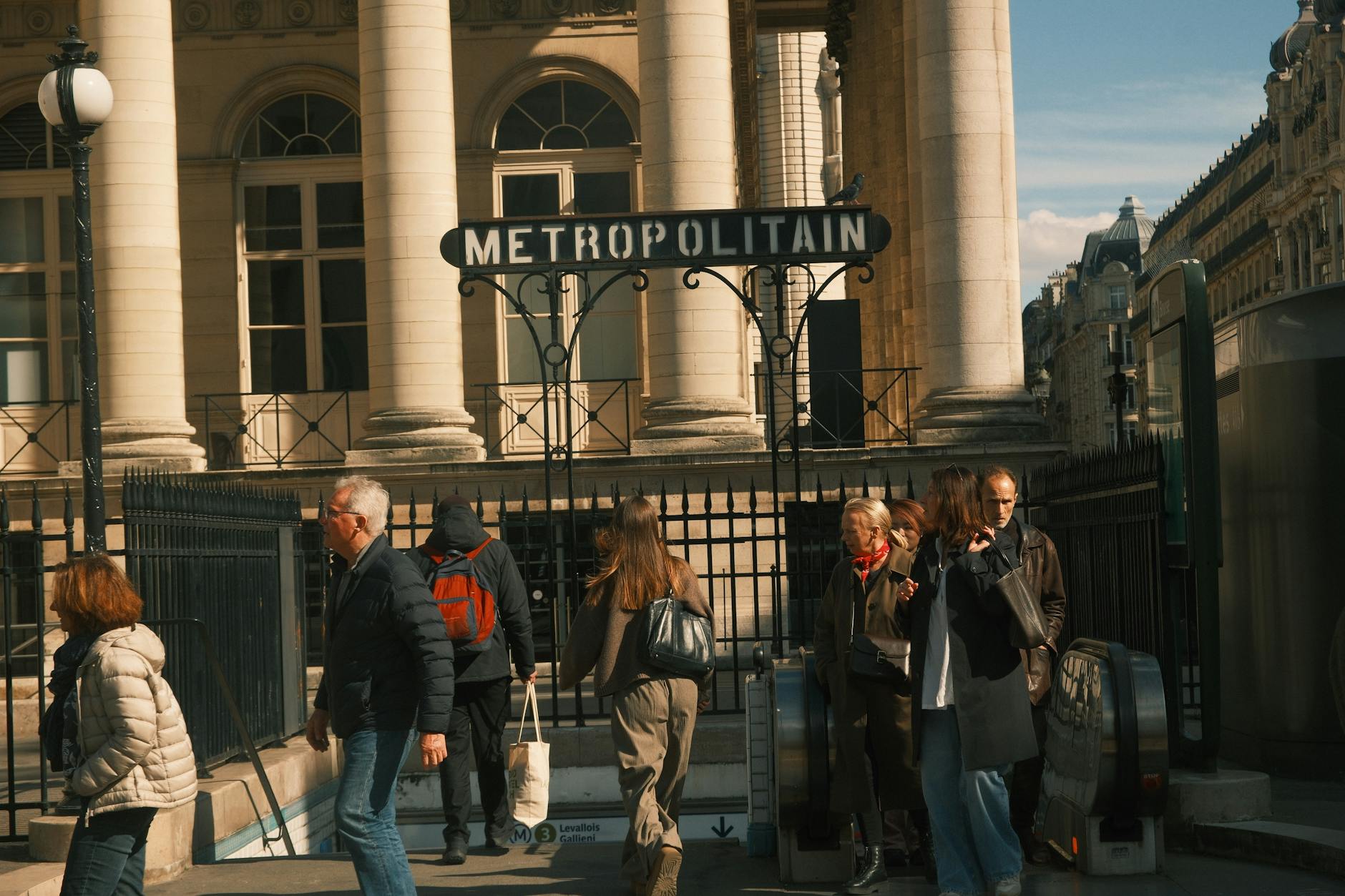
Dressing for Specific Paris Activities
Your itinerary should steer your outfit. Here’s the quick read on the situations you’ll run into most.
Museums and Galleries
Most Paris museums don’t enforce a dress code, but you’ll feel more at home in smart-casual. A blazer over a tee, tailored trousers, loafers, that combination never misfires. Skip the big backpack in crowded galleries; a crossbody keeps your hands free and your wallet where you left it.
Fine Dining and Upscale Restaurants
Some Michelin-starred rooms and upscale dining rooms do hold a dress code. For women, a simple dress with elegant flats or a blouse with tailored trousers covers it. For men, a collared shirt, dark jeans or chinos, and leather shoes usually suffice. When in doubt, check the restaurant’s website; the Paris food guide walks through dining etiquette in more detail.
Cafés and Bistros
Café culture here runs on relaxed elegance. Jeans, a nice top, comfortable shoes, that’s the whole brief. You’ll be parked on a terrace watching the street, so lean into comfort while still looking like you chose the outfit on purpose.
Walking Tours and Day Trips
On foot all day, comfort wins. White sneakers, dark jeans, a breathable top, and a light jacket make the ideal kit. Heading on a day trip from Paris to Versailles, Giverny, or the Loire Valley? Dress as you would for a full sightseeing day: comfortable, but neat enough for a chateau.
Nightlife and Bars
Parisian nightlife spans quiet wine bars and selective clubs. For most of it, your capsule already has you sorted: dark jeans, a silk blouse or crisp shirt, loafers or ankle boots, a good bag. Certain clubs run strict door policies, so when one’s on the list, aim sleek rather than casual.
Essential Practical Items for Paris
Past the clothes and shoes, a few practical items deserve a slot. These are the things repeat Paris travellers stop forgetting after the first trip.
Weather Protection
- Compact umbrella or hooded waterproof jacket – Rain turns up in every season. A small windproof umbrella tucks into a crossbody and saves you from buying a flimsy replacement at double the price from a tourist shop.
- Sunscreen and sunglasses – Even in spring and autumn the UV can bite. Pack a travel-size SPF 30+ and a decent pair of sunglasses.
Bags and Security
- Crossbody bag – The number-one anti-pickpocket move. Get one with a zip closure and wear it across your body, opening facing in. Leather or faux-leather looks polished while keeping your things safe, which matters most when you’re using the Métro at rush hour.
- Packable tote or day bag – A lightweight nylon tote folds down to nothing and earns its place on shopping trips or market runs.
Electronics and Adapters
- Travel adapter – France runs Type C and Type E plugs at 240V. Coming from outside Europe, a universal adapter is non-negotiable. Confirm your devices handle dual voltage too (most modern ones do, but the cheap hair tools often don’t).
- Portable phone charger – Between maps, photos, and restaurant lookups, your battery drains fast. A 10,000mAh power bank gets you through most of a day.
- Reusable water bottle – Paris tap water is perfectly safe, and the city has more than 1,200 free water fountains (the green Wallace fountains). A refillable bottle saves money and plastic, an easy win for budget-conscious travelers.
Toiletries and Health
- Travel-size toiletries in a clear bag (if flying carry-on only)
- Blister plasters and moleskin—even broken-in shoes raise hot spots after 20,000-step days
- Any prescription medications in original packaging
- Hand sanitizer and tissues (not every restroom comes stocked)
- Consider travel insurance to cover unexpected medical needs
Smart Packing Tips and Strategies
How you pack is nearly as important as what. These few strategies get everything into a single carry-on or a small checked bag.
Roll, Don’t Fold
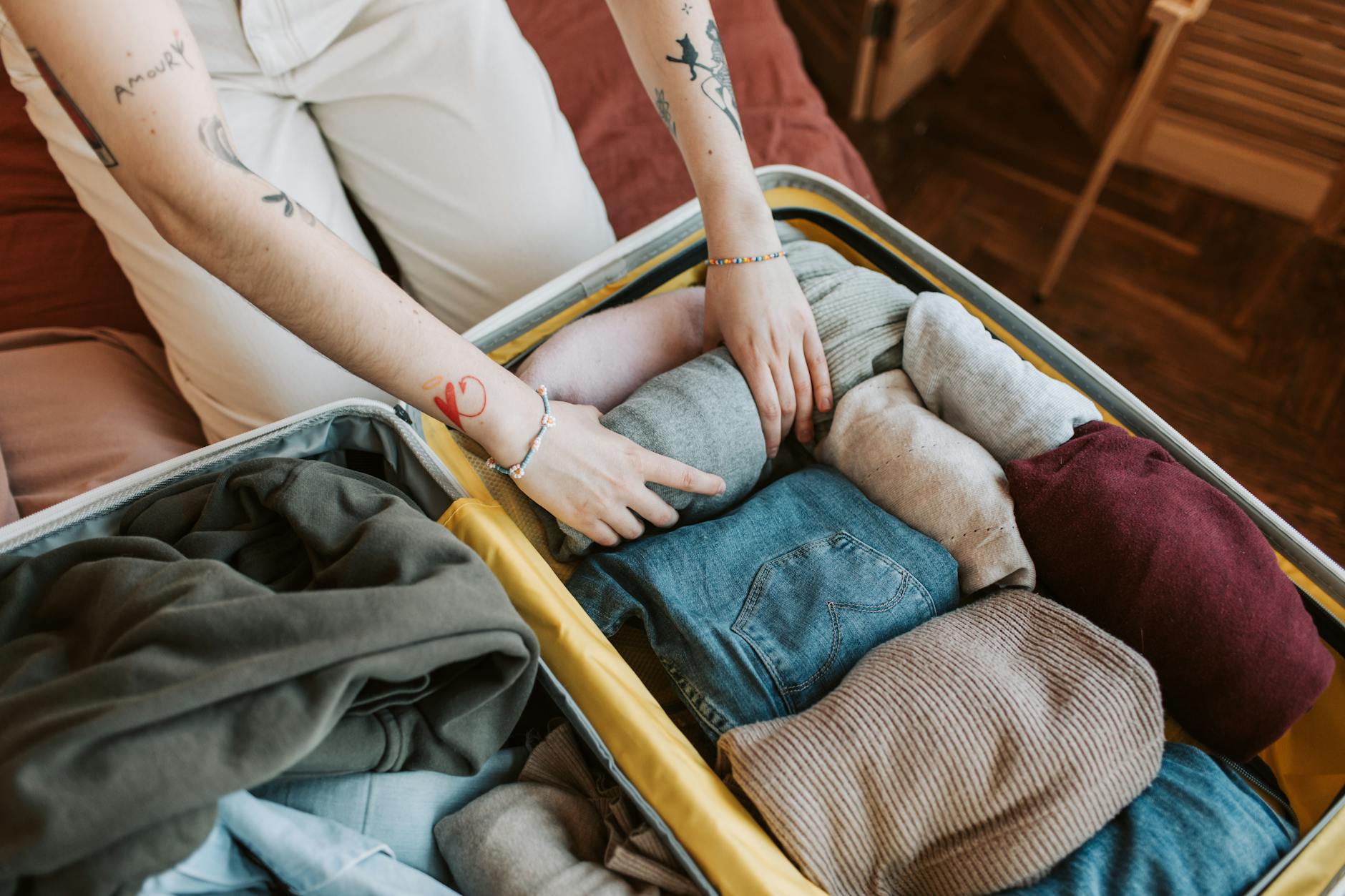
Rolling instead of folding cuts wrinkles and frees up to 30 percent more space. Put the heavy stuff, jeans and trousers, at the bottom, lighter fabrics on top. Packing cubes keep categories apart so the suitcase stays organised past day one.
Wear Your Bulkiest Items on the Plane
Your heaviest coat, chunkiest shoes, and thickest scarf all belong on your body in transit. It frees serious suitcase space and keeps you warm in a frigid cabin, which is a win on both counts.
The One-In, One-Out Rule
Before any item goes in, ask one question: does it make at least three different outfits with what’s already packed? If not, it stays home. That single filter keeps the bag lean and your choices flexible.
Leave Room for Souvenirs
Paris is a shopper’s paradise, and you’ll almost certainly haul something home, a scarf from a boutique, macarons from Ladurée, a vintage find from the Marais. Pack to about 80 percent full and leave the rest for the loot.
Packing Tips for Specific Travelers
Paris with Kids
Travelling to Paris with children flips the priorities to comfort and practicality. Dress kids in layers, choose machine-washable fabrics, and stash a spare set of clothes in the day bag for spills and the inevitable mess. Comfortable sneakers are non-negotiable for small feet covering big distances.
Romantic Getaway
Planning a romantic trip to Paris? Pack one genuinely elevated outfit for a special dinner, a cocktail dress or a sharp blazer-and-trouser combination. The rest of the time, the capsule above keeps you date-ready without a second thought.
Budget Travelers
Packing light pays off in several directions: you dodge checked-bag fees, you can take public transit instead of taxis (no wrestling a giant case down Métro stairs), and you kill the urge to overpack “just in case” items you’ll never wear. The Paris on a budget guide has more money-saving strategies.
First-Time Visitors
On a first trip the decisions can pile up fast. Start with the capsule above, bolt on the seasonal items for your dates, and read our first-time Paris tips for the wider lay of the land. Pinning down how many days to spend in Paris also helps you calibrate exactly how much to bring.
Complete Paris Packing Checklist
Run this as your final sweep before the suitcase zips shut. It covers every category in this guide and flexes to any season.
Clothing
- 2 bottoms (tailored trousers + dark jeans)
- 3 tops (silk blouse, Breton stripe tee, button-down shirt)
- 1 light layer (cardigan or cotton blazer)
- 1 outer layer (trench coat or seasonal coat)
- 1 versatile dress
- Underwear and socks for each day (plus one spare set)
- Sleepwear
- Seasonal additions (thermal layers, linen pieces, etc.)
Shoes
- White sneakers (broken in)
- Ballet flats, loafers, or derbies
- Ankle boots (fall/winter/spring)
Accessories
- 1–2 scarves (silk for summer, wool for winter)
- Sunglasses
- Minimal jewelry (delicate necklace, quality watch)
- Belt (if needed for trousers)
- Hat (sun hat in summer, beanie in winter)
Bags
- Crossbody bag (daily use)
- Packable tote for shopping
- Packing cubes
Practical Essentials
- Travel adapter (Type C/E, 240V)
- Portable phone charger
- Reusable water bottle
- Compact umbrella
- Sunscreen (SPF 30+)
- Blister plasters
- Travel-size toiletries
- Prescription medications
- Copies of travel documents
- Travel insurance details
How Your Neighborhood Affects What to Wear
It sounds far-fetched, but where you stay in Paris nudges your daily outfit choices. Each arrondissement has its own register, and dressing roughly to match helps you feel woven into the neighborhood rather than just passing through it.
- Le Marais (3rd–4th) – Trendy and eclectic. A slightly more fashion-forward look slots right in.
- Saint-Germain-des-Prés (6th) – Intellectual chic. Think turtlenecks, loafers, and accessories with a literary streak.
- Montmartre (18th) – Bohemian and artistic. Flowy dresses, vintage finds, and relaxed layers feel at home on the hill.
- Champs-Élysées / 8th – Polished and upscale. Save your most refined outfits for dining and shopping around here.
- Latin Quarter (5th) – Casual and student-heavy. Jeans, sneakers, and a nice top blend in without effort.
Whichever neighborhood you land in, the capsule adapts. The trick is swapping accessories and layers to suit the setting, not repacking the whole bag.
Final Thoughts: Pack Light, Dress Smart, Enjoy Paris
A good paris packing list what to wear comes back to one idea: Parisian style is understated, intentional, and quietly elegant. Build a capsule of neutral basics, comfortable shoes, and a few smart accessories and you’ll move from a morning café au lait to a late Seine-side walk without straining a single zipper.
If you remember nothing else, remember three things: two or three colours per outfit, fit ahead of labels, and never trade comfort for style. Break in the shoes before you go, carry a crossbody for peace of mind, and keep a compact umbrella within reach. Do that and you’ll spend far less energy on what to wear and far more on the city itself.
Next step: the Plan a Trip to Paris guide covers flight tips, itinerary builders, and the rest of the logistics. Once the outfits are sorted, browse the best month to visit Paris so you can time the trip, and the wardrobe, to land just right.
Round out your trip
Use these to round out your trip: