Paris Apartment vs Hotel: Which Is Right for Your Trip?
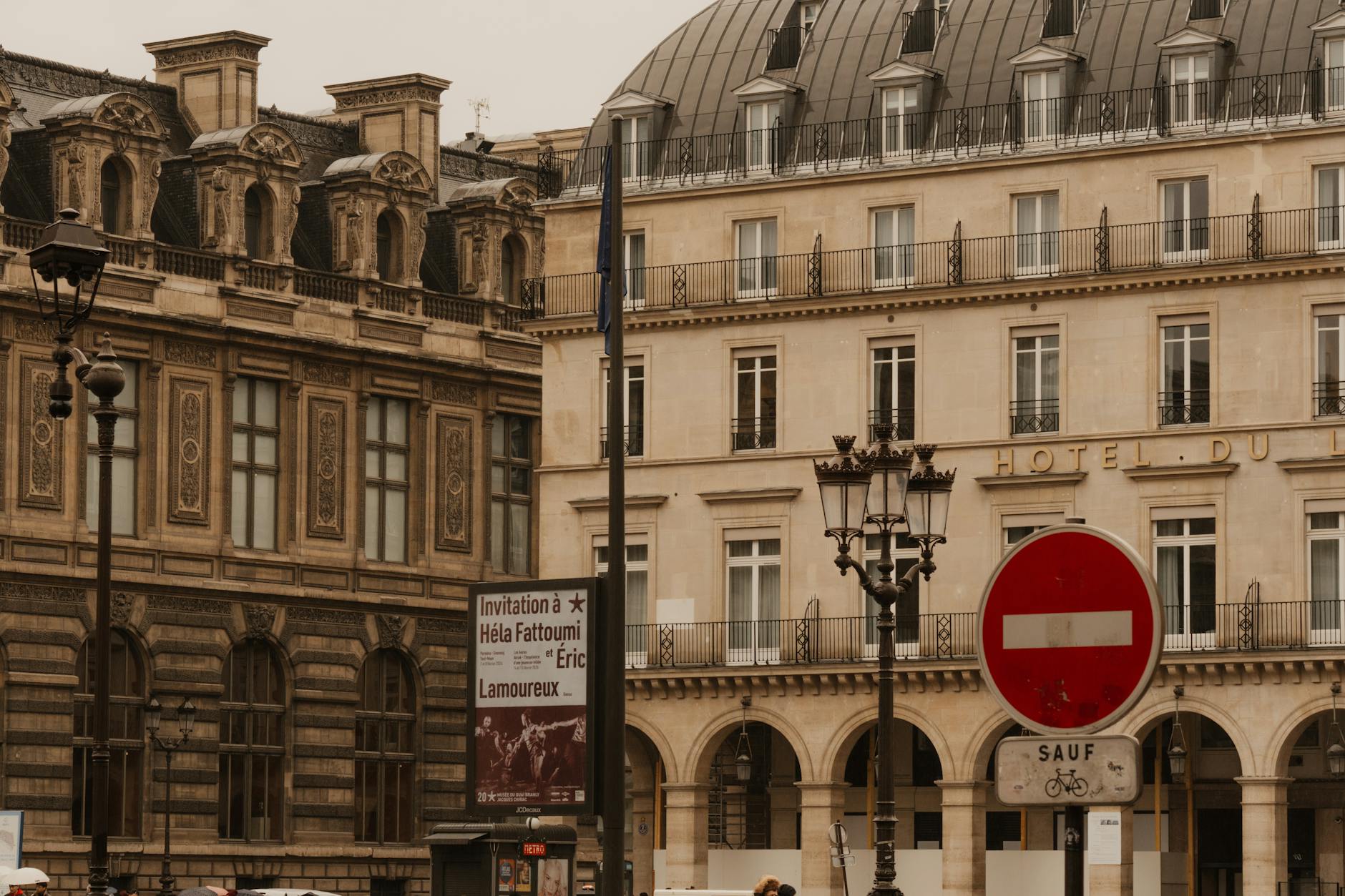
Where you sleep is the biggest line on most Paris budgets, often 30 to 50 percent of the whole trip, which means the paris apartment rental vs hotel call quietly decides a lot of the rest: how often you eat out, whether you can do laundry halfway through, how well your kids sleep, and whether you wake up to a concierge or a coffee machine. Nail this one and everything downstream gets easier. Get it wrong and you feel the friction every day. This guide lays out the real 2026 prices, the new short-term rental laws, the trade-offs nobody warns you about until you’re standing on the doorstep, and a clean way to match the format to the trip. Still deciding which arrondissement to base yourself in? Start with our full guide to where to stay in Paris, then come back here to settle the format.
Quick Answer: Which Should You Choose?
Pressed for time? Here’s the fastest decision rule there is. Apartments win on cost, space, and authenticity once you’re staying four or more nights, and especially with three or more people. Hotels win on convenience, climate control, and reliability for short stays, solo travellers, and anyone arriving in a heatwave. The table below stacks the two formats against the variables that actually move the needle, then maps each to a traveller type.
| Factor | Apartment Rental | Hotel |
|---|---|---|
| Cost (5+ nights, 3+ guests) | 20–40% cheaper | Higher per-person cost |
| Cost (1–2 nights, solo/couple) | Cleaning fees kill value | Better value short-term |
| Living space | 30–60 m² typical | 12–18 m² standard double |
| Kitchen | Full or kitchenette — saves €400–800/week eating in | Mini-bar at best |
| Daily housekeeping | No (mid-stay clean optional, €40–80) | Yes, included |
| Reception / concierge | Lockbox or remote host | 24/7 staff, luggage hold, recommendations |
| Air conditioning | Rare — fewer than 25% of listings | Standard at 3-star and above |
| Family-friendliness | Excellent — separate bedrooms, washer, kitchen | Good at 4-star+, cramped at 3-star and below |
| Booking ease & cancellation | Stricter, deposits, deep cleaning fees | Flexible rates widely available |
| Best for | Families, groups, 5+ nights, repeat visitors | Solo, couples, 1–3 nights, summer, business |
The shorthand is nights and heads. Two adults flying in for a long weekend? Hotel. Family of four for a week in October? Apartment. Six friends for New Year’s? Apartment, no contest. Solo on business for three nights in July? Hotel with AC you can count on. The rest of this guide is the why, with the numbers and the trade-offs behind each call.
The Paris Accommodation Landscape in 2026
Paris has roughly 80,000 hotel rooms across about 1,500 properties, running from one-star budget chains tucked behind the Gare du Nord up to the eight legally designated “Palace” hotels (Le Bristol, The Ritz, Le Meurice, George V, Plaza Athénée, Cheval Blanc, Mandarin Oriental, and the Crillon). Legal short-term rental supply has gone the other way, and fast. From a peak of more than 60,000 listings before 2024, the count has dropped to an estimated 25,000–35,000 fully compliant units after the rollout of the Le Meur law and a determined enforcement push by the City of Paris.
Demand is settling too. Paris drew close to 50 million visitors in the 2024 Olympic year, the most in its history. 2025 dropped back to a more normal 38 million, and 2026 looks much the same. Hotel average daily rates hover around €280 city-wide, with central occupancy near 72 percent. Translation: leave it until a month out for the peak weeks (May, June, September, December) and you’ll pay up and pick from scraps. Apartment supply has tightened so hard that the good listings in the Marais, Saint-Germain, and the 7th now routinely book three to six months ahead in high season.
For the wider planning picture, our overview of how to plan a trip to Paris covers timing, budgeting, and arrival logistics. And if your dates are flexible, the best time to visit Paris guide points you toward the cheaper shoulder windows.

Apartment Rental in Paris: The Pros
The case for an apartment comes down to four things: space, kitchen savings, family logistics, and the texture of real Parisian life. Each one grows on you the longer you stay.
Space is the difference you feel first. A standard Paris hotel room outside the luxury tier runs 12 to 18 square metres, roughly 130 to 195 square feet, and that’s the whole room, bathroom included. A two-person rental, even at the budget end, usually hands you 30 to 60 square metres with a separate bedroom, a living area, and a kitchen. Spend a few rainy April afternoons indoors and the gap between a cramped chambre and an actual living room becomes the gap between a relaxed trip and a tense one.
The kitchen savings run deeper than people expect. A basic café breakfast is €8–15 a head. A simple lunch is €18–28. Dinner at a neighbourhood bistro, not a destination restaurant, just an ordinary one, lands at €35–60 a head before wine. A family of four eating out three times a day burns €180–320 on food alone. Cook even half your meals from a Monoprix run or a market haul and a typical family saves €400–800 a week. Our Paris food guide covers where to splurge and where to skip; the money you save on the in-between meals is what funds the splurges.
Separate bedrooms rewrite family travel. Anyone who’s tried to get toddlers down at 8 p.m. while two adults sit on the floor of the same hotel room reading by phone-light gets it immediately. A one-bedroom with a sofa bed, or better still a true two-bedroom, lets the adults pour a glass of wine and talk like grown-ups while the kids sleep. It’s the single biggest quality-of-life upgrade you can hand a family trip. Our companion guide to families with kids gets into layout-specific picks.
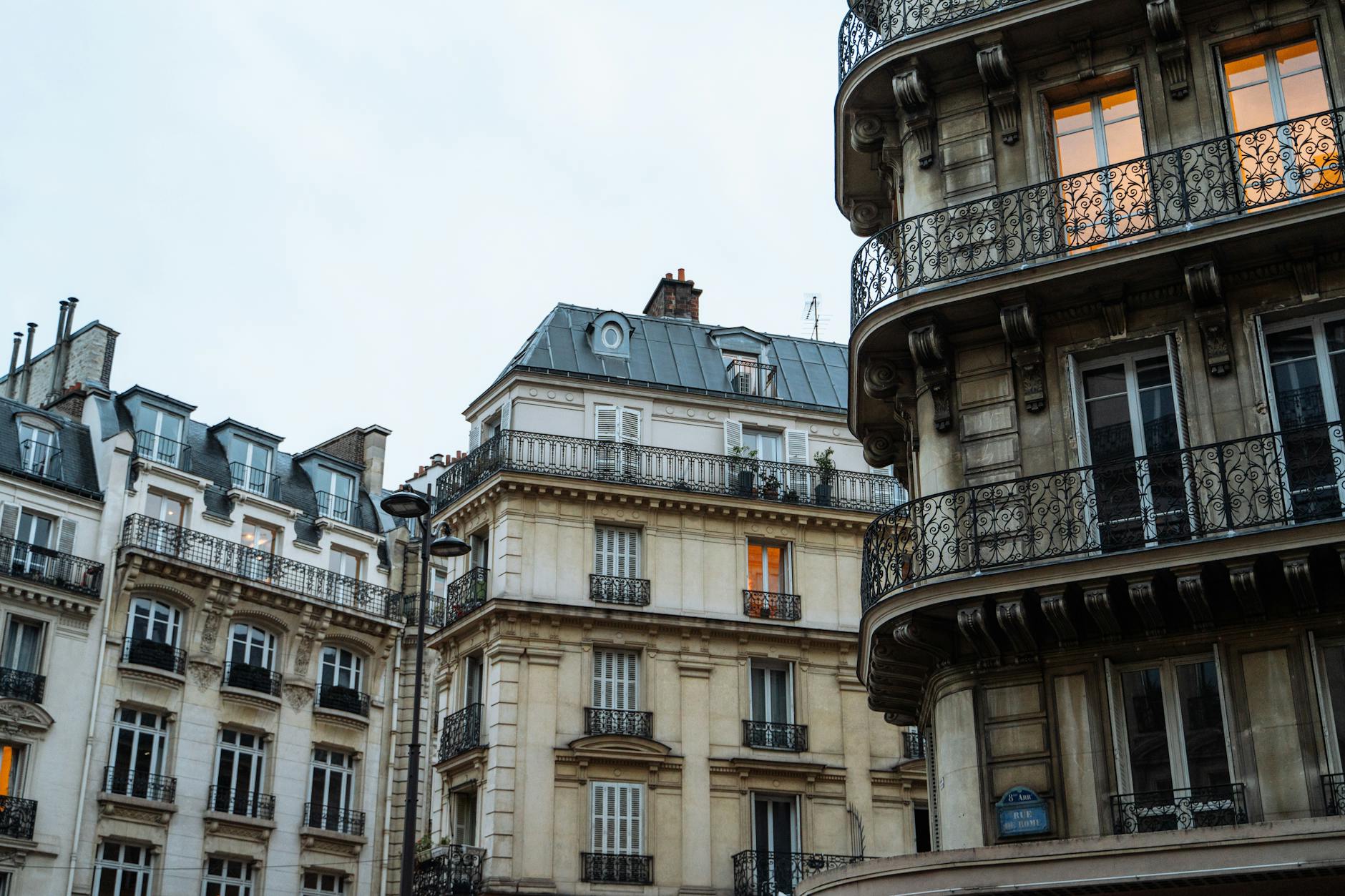
Laundry, balconies, and Haussmann character. Nearly every Paris rental comes with a washing machine, standard kit in a French household. On any trip of five nights or more that means lighter packing and no living out of a suitcase of dirty clothes. Plenty of apartments throw in a private balcony over the zinc rooftops, parquet floors that creak with age, ornate mouldings, decorative marble fireplaces, and the wrought-iron Juliet rails that define the Haussmann look. For a lot of travellers, sleeping under 3.5-metre ceilings with morning light flooding through casement windows is the whole point.
The live-like-a-local feeling is real. Wake up, walk down to the corner boulangerie, trade a “bonjour” with the same baker for the third morning running, carry a baguette home through your own front door, and something shifts. You stop being a guest passing through and start being someone who, for now, lives in the 11th. The neighbourhood opens up in a way no concierge can stage. Pair that with the Paris activities guide nearby and an apartment lets you treat the city as a place to live in rather than a list to tick off.
The math tips toward apartments at five nights and three travellers. Below that, hotel pricing usually wins. Above it, apartments win, sometimes by a lot. A family of four for seven nights in a 4-star hotel will pay €3,500–5,500. The same family in a comparable two-bedroom Marais apartment pays €1,800–3,200, plus cleaning. That gap often covers the entire dinner budget for the trip.
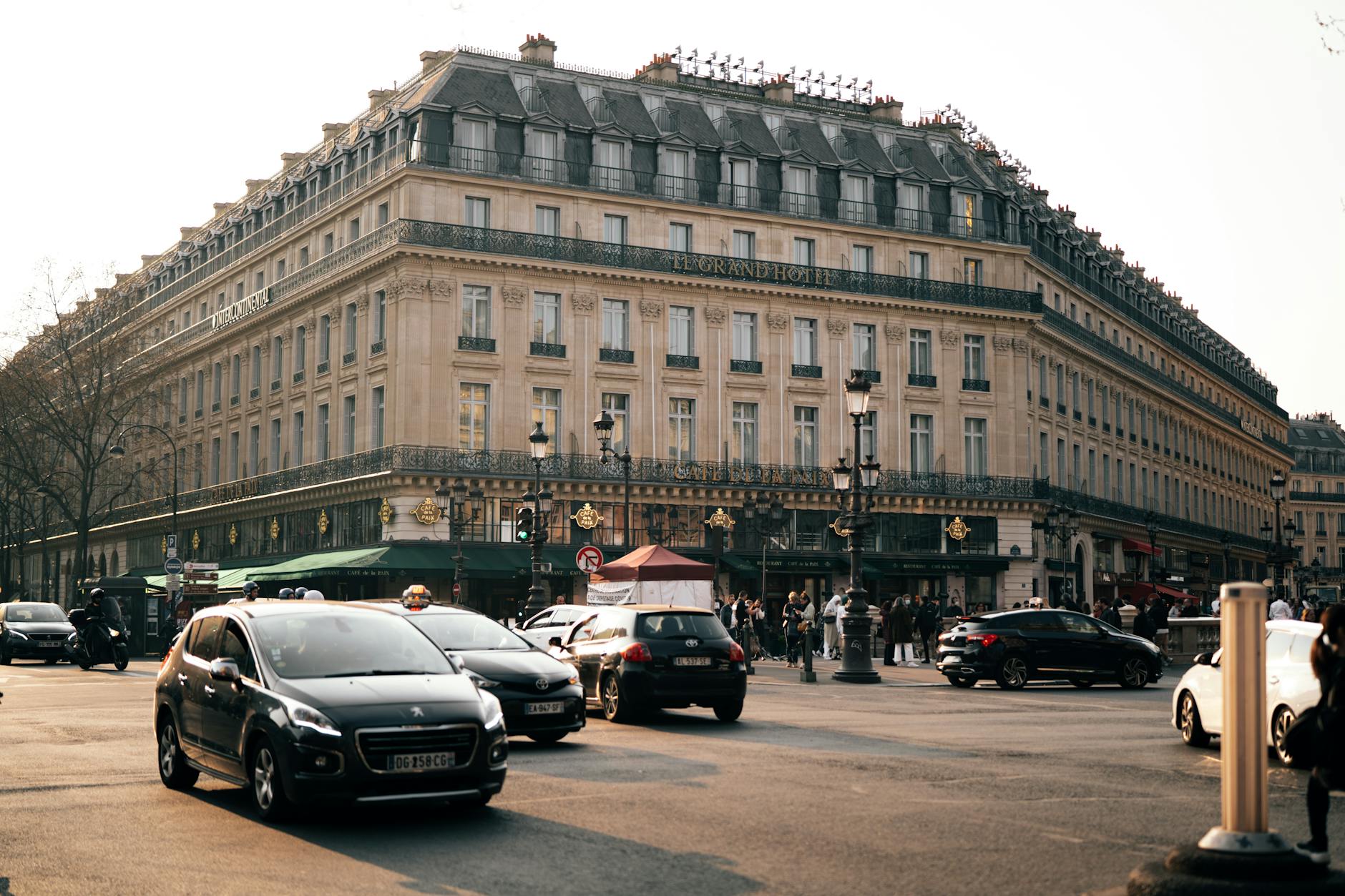
Apartment Rental in Paris: The Cons
The other side of the ledger is real, and ignoring it is how trips go sideways. Apartments aren’t just cheaper hotels. They’re a different product with different ways to fail.
No housekeeping, no concierge, no front desk. Lock yourself out at 11 p.m. and there’s no one at reception to call. A pipe springs a leak and the host might be 90 minutes away. Land at 4 a.m. needing to stash your bags before a 3 p.m. check-in, and there’s no bell desk. Hosts patch over this with WhatsApp support and lockboxes, but the safety net of a 24-hour-staffed building just isn’t there. For a first visit, that matters more than it sounds.
Lockbox check-in failures are the classic Paris apartment horror story. Codes that don’t work, lockboxes hidden in baffling spots, a host you can’t reach for 90 minutes after a long flight: these turn up in reviews on every platform. Confirm the check-in process in writing 48 hours out, get a phone number, and have a fallback ready, like a nearby café with Wi-Fi where you can wait it out.
No air conditioning is the thing almost nobody flags. Fewer than 25 percent of Paris short-term rentals have working AC. The city has had a heatwave (canicule) every summer since 2019, with peaks of 35–42°C in June, July, and August. Haussmann buildings have stone walls a metre thick that soak up heat all day and breathe it back out at night; without AC, a third-floor walk-up turns brutal. If you’re travelling June through September, search Airbnb specifically for “climatisation” or filter for AC, and confirm it with the host in writing. Plenty of listings flag a “fan” as though it counts. It doesn’t.
Walk-up Haussmannian buildings are the default, not the exception. Parisian buildings put up before about 1950 often have no elevator (“sans ascenseur”), and plenty have only a narrow lift that fits two people and no luggage. That romantic 5th-floor apartment with rooftop views is also a 5-flight haul with three suitcases on a hot July afternoon. The French ground floor (rez-de-chaussée) counts as zero, so a “2ème étage” in a French listing is the third floor by American counting. Read carefully.
Thin walls and noise. A lot of Haussmann buildings have surprisingly flimsy internal partitions, and you will hear your neighbours. Quiet hours run 22:00 to 07:00 in most buildings, written into the co-owner regulations (règlement de copropriété). Noisy guests get reported, and hosts can dock fees from your security deposit.
Deposits and cleaning fees pad the headline price. Most Paris apartments hold a deposit of €300–1,500 against your card or through the platform. Cleaning fees run €60–150 per stay no matter the length, which is exactly why a two-night booking rarely pencils out. Add the platform service fee (12–16% on Airbnb), the tourist tax, and a possible mid-stay clean, and that “€140 a night” listing can land at €220 effective.
Cancellation is tougher. Most Paris apartments run moderate to strict cancellation policies; only Flexible listings refund close to arrival. Hotels routinely give you free cancellation up to 24–72 hours before check-in. If your plans are shaky, that asymmetry alone can be reason enough to take the hotel.
Legitimacy and legal risk. The Le Meur law (more on it below) means a real chunk of historic Paris listings are now technically illegal. Book an unregistered property and it can be cancelled on short notice. Always check that the 13-character registration number is shown before you pay.
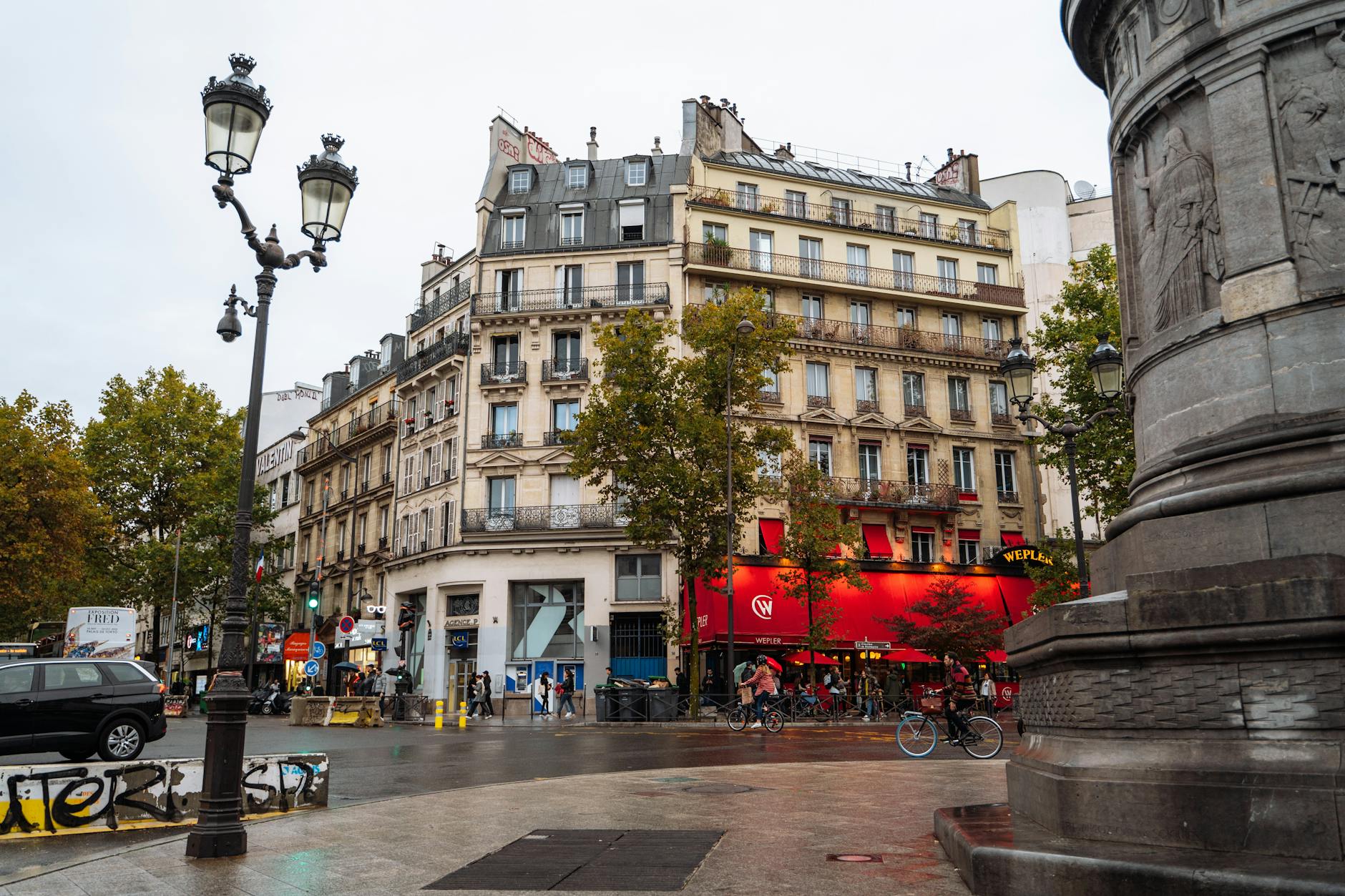
Hotels in Paris: The Pros
Paris has been refining the hospitality trade since the 19th century, and that institutional muscle is exactly why hotels stay the default for short stays. The bundle of services packed into even a mid-tier property is hard to recreate on your own.
Daily housekeeping resets your room every morning. Beds made, towels swapped, bin emptied, bathroom restocked. After a long day at the Louvre and other museums, walking back into a tidy room is a small luxury that adds up over a week. Apartments don’t do this without an extra fee.
24-hour reception and a real concierge. Late arrivals, taxi calls, tables at restaurants with no Instagram presence, theatre tickets, dinner-cruise bookings, lost-passport help, mail forwarding, and that priceless “where do locals actually go” conversation, all on tap at any decent 3-star and up. A good 4-star concierge can land you a same-day table at a restaurant that shows no online availability to ordinary punters.
Air conditioning is standard from 3-star up. French hotels rated by Atout France at 3 stars or above are required to provide effective room cooling. That one fact can settle the whole question for summer travel. In a heat dome, your hotel room sits at 22°C while the apartment renters across the street sleep with the windows open and the scooters for company.
Reliable, free, in-room Wi-Fi. Apartment Wi-Fi is a lottery. Hotel Wi-Fi isn’t always quick, but it’s at least monitored and someone can fix it.
Loyalty programmes and chain consistency. Accor ALL (Sofitel, Pullman, Mercure, Novotel, ibis; Accor is French and has unmatched Paris density), Marriott Bonvoy, Hilton Honors, IHG One Rewards, and Hyatt’s World of Hyatt all hand out free nights, breakfast vouchers, late checkouts, and upgrades to members. If you travel for work, your existing status is worth real money in a city where the average daily rate runs this high.
Easy to cancel, easy to change. Refundable rates dominate hotel inventory. Plans shifting two days out is routine, not a crisis. Travel insurance also plays more nicely with hotels than with apartment platforms.
Breakfast, a bar, a restaurant, sometimes a spa. A grand café-style breakfast in the lobby is one of the city’s underrated pleasures. The lobby bar at somewhere like the Hotel Costes or Le Bristol is an evening in itself. Restaurants run by hotel chefs (Stephen Leroux at Le Bristol, Christian Le Squer at George V) hold Michelin stars. Apartments offer none of that.
Regulated standards through Atout France. The 1- to 5-star-plus-Palace system is enforced and re-audited every five years. You know what you’re buying before you book. Add a tight regulatory bar on cleanliness, fire safety, and accessibility, and hotels are simply lower-variance.
Best for short stays and solo travellers. If your trip is one to three nights, the cleaning fees and deposit friction of an apartment rarely earn their keep. Travelling alone, the social pull of a lobby, a bar, and a concierge easily outweighs a kitchen you won’t use. For specifics, see our guides to hotels near the Eiffel Tower, boutique hotels in Le Marais, and luxury hotels in Paris.
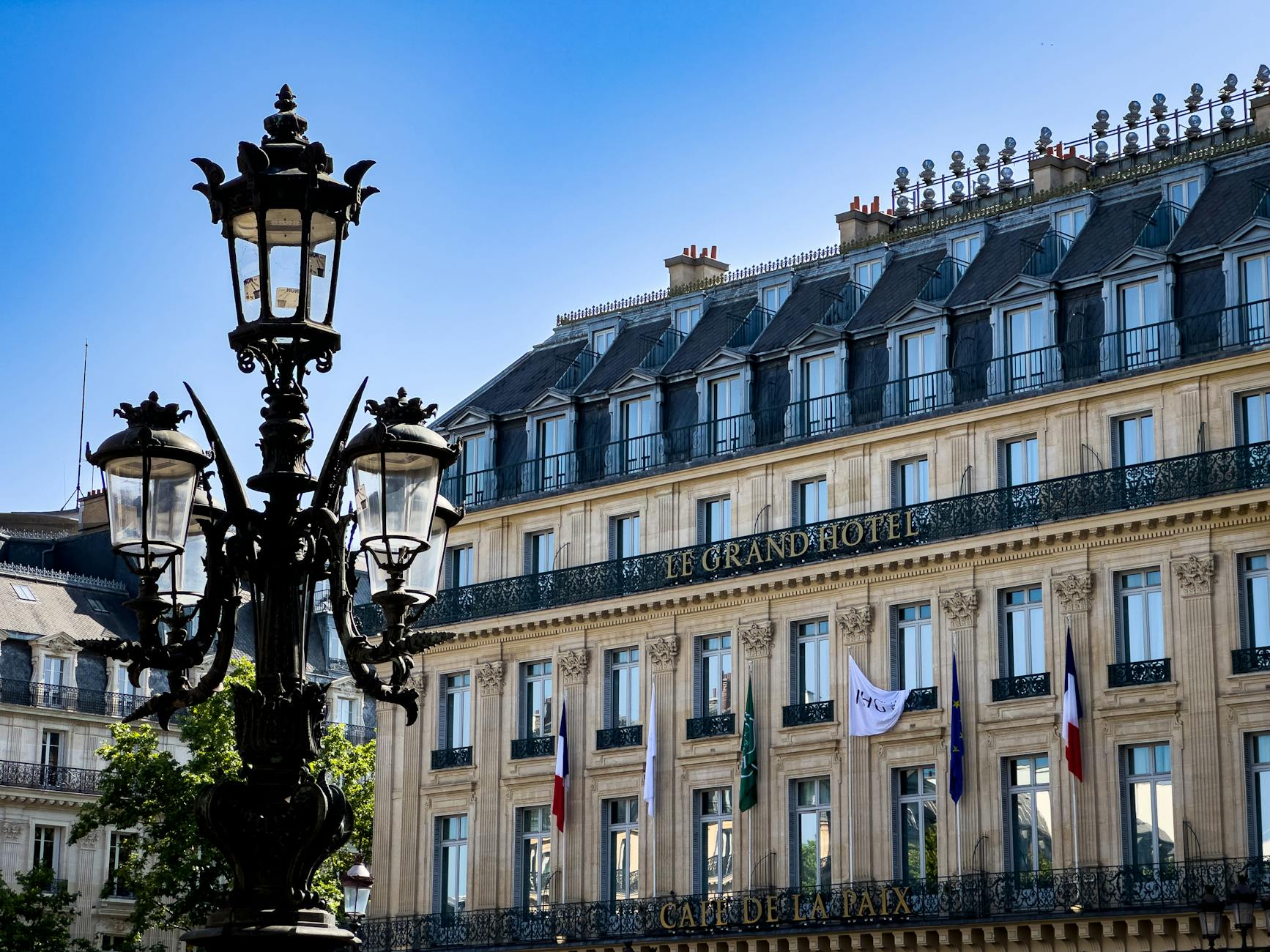
Hotels in Paris: The Cons
Rooms are small, and that goes for 4-star properties too. Paris hotel rooms are famously compact even by European standards, because most of the buildings predate the modern hotel and were carved out of residential use. A €380-a-night 4-star room in the 6th might be 16 square metres with a half-bath. American travellers expecting Marriott Courtyard dimensions get caught out constantly. Check the listed room size before you book; anything under 20 m² will feel tight for two adults with luggage.
Cost per square metre runs much higher than apartments. You’re paying for service, location, and brand, not floor area. Two adjoining rooms for a family of four can run €500–900 a night against €220–350 for a comparable apartment. For families and groups, the math punishes hotels.
Tourist tax piles up. Paris levies a per-person, per-night tourist tax (taxe de séjour) from about €0.65 (1-star) to €14.95 (palace) per adult per night. Under-18s are exempt. For a couple in a 4-star for seven nights, that’s roughly €90–140 on top of the bill. Apartments charge it too, but platforms now collect it automatically and it tends to be lower per night.
Less local feel. Hotels are built to buffer you from the city. You walk into a curated lobby, ride the elevator, and live at hotel temperature. Some people want exactly that; others find it isolating after a few days. If you want to feel like you’re visiting Paris rather than a hotel that happens to be in Paris, think hard about whether seven nights in a Marriott delivers that.
Family rooms are thin on the ground. Most Paris hotels weren’t built for families. Triple rooms exist but are rare and sell out fast. Quadruples are rarer still outside the budget chains. Adjoining rooms double the bill. Cribs are usually free but cramped in a 14 m² room. Apartments solve all of this outright.
Real Cost Comparison: 2026 Prices
Below are realistic 2026 nightly ranges for central Paris (1st through 8th, plus 11th and 16th). Shoulder season (March, late October–November, January apart from the first week) pulls toward the low end; peak season (May, June, September, December, fashion weeks) pulls toward the high end. These are nightly rates before tourist tax.
| Format / Tier | Typical Nightly Range (2026) | Notes |
|---|---|---|
| Budget chain hotel (ibis, B&B, Hotel F1) | €90–160 | Tiny rooms 9–14 m²; AC variable at 1- and 2-star |
| 3-star hotel | €160–280 | AC standard; rooms 14–18 m² |
| 4-star hotel | €280–500 | Concierge, restaurant; rooms 16–22 m² |
| 5-star hotel | €500–1,200 | Full service; rooms 22–35 m² |
| Palace hotel (8 properties) | €1,500–3,500+ | Le Bristol, Ritz, George V, Plaza Athénée, etc. |
| Budget apartment studio | €90–140 | 20–30 m², often walk-up, kitchen |
| Mid-range 1-bedroom apartment | €160–250 | 35–55 m², washer, often elevator |
| Premium 1-bedroom apartment | €250–450 | Marais/St-Germain, AC sometimes, doorman possible |
| Luxury 2-bedroom apartment | €500–1,200 | 70–120 m², full service, often concierge |
| Aparthotel (Citadines, Adagio) | €220–380 | Studio or 1-bed with kitchenette + reception |
Then layer on the apartment-only extras: cleaning €60–150 per booking, the platform service fee of 12–16% on Airbnb (baked into the total at checkout), tourist tax of €1–5 per person per night, and a refundable deposit of €300–1,500 held against damages. A “€180 per night” one-bedroom for four nights looks more like €900 all-in (180 × 4 + 110 cleaning + 70 tax/fees), or €225 effective per night.
The break-even rule holds up remarkably well across the price tiers. At four or more nights with three or more guests, apartments win by 20–40 percent. At one or two nights for one or two guests, hotels win because the cleaning fee never gets a chance to amortise. The exact crossover shifts with the season and the specific properties, but this rule of thumb has survived seven years of Paris booking data and stays the cleanest heuristic going. On a tight budget, see Paris on a budget and weigh up the best hostels in Paris.
Paris Short-Term Rental Regulations You Must Know in 2026
France passed the Le Meur law in November 2024 (loi Le Meur, after deputy Annaig Le Meur), and Paris has enforced it harder than anywhere else in the country. Here’s what every traveller needs to know before booking a short-term rental.
The 90-day cap on primary residences. Before 2025, a Parisian could legally rent out their primary residence on platforms like Airbnb for up to 120 nights a year. The Le Meur law cut that to 90 nights, and the Paris city council confirmed the lower cap. Owners who blow past it face €15,000 fines. Platforms enforce the cap automatically by blocking listings once they hit the threshold, which is why a beautifully reviewed apartment can suddenly go “unavailable” in late autumn even with an otherwise empty calendar.
The 13-character registration number. Every legal Paris short-term rental has to display a 13-character registration number issued by the Paris town hall (mairie). It looks like “7501234567890.” Listings without one are illegal. The reputable platforms now refuse to publish without it, but listings on smaller sites and through private channels still slip the net. Confirm the number is visible on the listing page before you pay, every time.
Secondary residences need a “changement d’usage.” If the apartment isn’t the owner’s primary home (defined as their main address for at least 8 months a year), it can only be let short-term after a formal change-of-use authorisation plus a commercial compensation requirement, meaning the owner has to convert an equivalent surface of commercial space back into housing somewhere else in the same arrondissement. That’s so expensive that the vast majority of legal rentals are owners’ primary homes rather than full-time investment flats. The 25,000–35,000 legal listing count is the result of that filter.
Fines jumped sharply in 2025. Operators of illegal rentals can be fined up to €100,000 per unit. Platforms can be fined €50,000 per non-compliant listing. The City of Paris runs a dedicated Bureau de la Protection des Locaux d’Habitation that audits listings, sends agents to verify physical addresses, and hands down sanctions every month.
Tourist tax (taxe de séjour) is now collected by the platforms. Airbnb, Booking.com, VRBO, and the rest bill the tax at checkout and remit it straight to the city. You no longer hand cash to the host. Rates run roughly €1–5 per adult per night for short-term rentals depending on category.
Energy performance (DPE) is turning into a hard barrier. Since January 2025, apartments with a G energy rating can’t be rented (under tighter rules covering both long-term and short-term tourism use). F-rated flats follow in 2028, E-rated in 2034. Plenty of gorgeous but poorly insulated Haussmann flats sit at F or G. Owners are scrambling to insulate, but the rule is shrinking inventory further. If an apartment booking gets cancelled at short notice, the DPE may well be why.
Bottom line: in 2026 the legal short-term rental market in Paris is real, regulated, and about half the size it was four years ago. Booking through a major platform with a verified registration number is safe. Booking through an unfamiliar website, or direct from a host with no paperwork, is a genuine risk.
Best Neighborhoods for Apartments vs Hotels
Paris is built from 20 arrondissements, and each carries its own mix of residential housing stock, hotel inventory, and visitor infrastructure. So the right answer to apartment-or-hotel depends partly on which arrondissement you want to be in. Our deeper dive in the Paris neighborhoods guide covers vibe and logistics; this section is strictly about which format each neighbourhood actually supports.
Best for apartment rentals
These arrondissements have deep residential housing stock, plenty of legal listings, and the kind of neighbourhood texture that rewards staying put for several days. Hotel options are moderate, but apartment supply is genuinely excellent.
- Le Marais (3rd and 4th) — the densest concentration of premium short-term rentals, walkable to almost everything, packed with independent cafés and design shops.
- Saint-Germain-des-Prés (6th) — quintessential Left Bank, classic bookshops, and elegant 1- and 2-bedroom apartments above tree-lined streets.
- Latin Quarter (5th) — student energy, the Pantheon, lower prices than the 6th, and Sorbonne-adjacent buildings with charming top-floor flats.
- Canal Saint-Martin (10th, north section) — younger, more relaxed, picnic-friendly canal banks, and strong value next to the central districts.
- South Pigalle (“SoPi,” 9th) — the cocktail-bar revival and quieter side streets make it a sleeper pick for couples, with lots of nicely renovated stock.
- Batignolles (17th, eastern half) — deeply residential, organic markets, leafy parks, and rentals that feel like actually living in Paris.
- 11th around Bastille and Oberkampf — nightlife-adjacent without being touristy, plenty of legal one-bedrooms, and a great base for repeat visitors.
Best for hotels
These arrondissements concentrate the hotel inventory, the palace properties, and the tourist infrastructure (luggage transport, taxi ranks, a high density of English-speaking concierges). Apartment supply exists, but it’s thinner and pricier per square metre.
- 1st arrondissement (Louvre, Tuileries) — the Costes, the Meurice, and dozens of 4- and 5-star options; you walk out the door into the heart of Paris.
- 8th arrondissement (Champs-Élysées, Triangle d’Or) — palace hotels, luxury shopping, and the highest density of 5-star inventory in the city.
- 9th arrondissement near Opéra and Galeries Lafayette — central, transit-rich, a huge range of 3- and 4-star hotels at fairer prices than the 1st.
- 7th arrondissement (Eiffel Tower, Invalides) — classic Paris views, government-district calm, and several mid-luxury hotels with rooftop terraces.
- 16th arrondissement (Trocadéro, Passy) — quieter, residential luxury, several hotels with spas and gardens; ideal if you want elegance without the bustle.
Areas to think twice about for either format
Some districts are perfectly fine to visit but less ideal to sleep in on a first trip. The blocks right around Pigalle and Barbès in the 18th, Stalingrad and Jaurès in the 19th, and the streets directly outside Gare du Nord in the 10th aren’t dangerous, but they feel rougher after dark and see more pickpocketing. The hilltop of Montmartre itself is lovely; the descent toward Boulevard de Rochechouart is where it gets dicey. For more nuance, see our guide to the safest areas of Paris and the wider breakdown of the best arrondissement.

Which Option Fits Your Trip?
Boiling all of the above into a one-glance answer, here’s how the apartment-versus-hotel call usually shakes out by traveller type. The third column names the single variable that most often flips the decision.
| Traveler Profile | Recommendation | Decisive Factor |
|---|---|---|
| Solo, 2–3 nights | Hotel (3-star, central) | Cleaning fees and lockbox friction kill apartment value |
| Couple, 3–5 nights | Either — lean hotel for 1st visit, apartment for return | Familiarity vs. local feel |
| Family with young kids, 4+ nights | 2-bedroom apartment | Separate bedrooms for bedtime; kitchen for early breakfast |
| Group of 4–6 friends | Apartment (or two adjoining) | Per-person economics; shared living space |
| Business traveler | Hotel or aparthotel | Reception, Wi-Fi reliability, expense reporting |
| Long stay (7+ nights) | Apartment | Laundry, kitchen, lower per-night cost |
| First-time short visit (3–4 nights) | Hotel | Concierge, easy logistics, no learning curve |
| Summer trip (June–September) | Hotel with confirmed AC | Heatwave risk; apartment AC unreliable |
| Mobility issues, seniors | Hotel with elevator confirmed | Many apartments are walk-ups |
| Honeymoon / romance | Boutique hotel or premium apartment with view | See romantic Paris for picks |
How to Book Apartments Safely in Paris
If you’ve landed on an apartment, the platform you book through matters nearly as much as the property itself. The good news: the Le Meur law forced the major platforms into compliance, so the risk has dropped a lot. The bad news: fraudulent and shady listings still lurk at the edges.
Reliable platforms
- Airbnb — largest inventory, strong dispute system; just verify the 13-character registration number is displayed.
- VRBO — better for whole-home rentals, fewer single-room or shared listings, generally larger family-friendly properties.
- Booking.com — the “Apartments” filter surfaces aparthotels and serviced apartments with hotel-like cancellation terms.
- Paris Perfect — family-run, all-inclusive luxury rentals, excellent customer service, ideal for families with no tolerance for surprises.
- Haven in Paris — curated portfolio of about 200 properties, hands-on local team, premium pricing.
- onefinestay (now part of Accor) — high-end serviced homes, hotel-grade hospitality wrapped around private apartments.
- Plum Guide — quality-vetted boutique selection, every home physically inspected against a 150-point checklist.
Aparthotels (a separate category, fully legal)
- Citadines — central Paris locations, studio to 2-bed, 24-hour reception, weekly housekeeping included.
- Adagio Aparthotel — Accor-owned, often family-friendly, kitchenette plus hotel services.
- Fraser Suites Le Claridge — Champs-Élysées, large suites with separate living rooms.
- Pierre & Vacances — budget-friendly aparthotel chain, often the best value for families on a tighter budget.
Red flags when booking
- No registration number on the listing — almost certainly illegal in 2026.
- Host wants payment off-platform by bank transfer or wire — never do this; it voids your platform protection.
- Photos that turn up in a reverse-image search on other listings — classic bait-and-switch.
- A brand-new listing with no reviews and prices well under market — if it looks too good, it is.
- Vague check-in instructions, or refusal to share the address until after you’ve paid.
- Pressure to book outside the normal channels (“message me on WhatsApp for a discount”).
The Aparthotel Compromise
If you’re torn between formats, aparthotels are the genuinely useful third door. They sit in the regulatory and operational middle: legally classified as tourism residences (residences de tourisme), exempt from the Le Meur 90-day cap, professionally run, and built like serviced apartments with a 24-hour reception and weekly housekeeping. The big brands, Citadines, Adagio Aparthotel, Fraser Suites, and Pierre & Vacances, run dozens of properties across central Paris.
Pricing usually lands at €220–380 a night for a studio with a kitchenette and dining nook, scaling to €380–650 for a one-bedroom suite. You get a real bed (not a sofa bed), a small fridge, an induction cooktop, a microwave, an espresso machine, and dishware for four. Most offer washer access either in-suite or in a shared laundry on the floor. Several Citadines locations (Tour Eiffel, Saint-Germain, Opéra Vendôme) have small fitness centres and pools.
For a family of four on a three-to-five-night stay, the aparthotel often gives you the best of everything: hotel-style check-in and luggage handling, a kitchenette for cereal and tea, separate sleeping areas, no surprise cleaning fees, and full legal compliance. The catch is that it feels a little less “Parisian” than an authentic flat in the Marais; the buildings tend to be 1980s–2010s mid-rises rather than Haussmann classics.
Common Pitfalls First-Timers Don’t Expect
A handful of small Parisian conventions trip up nearly every first-time apartment renter. Knowing them in advance is the difference between an irritating first day and a smooth one.
- No air conditioning is the most under-discussed issue, full stop. Search the listing for “climatisation.” If a working unit isn’t spelled out, assume there’s none. A “ventilateur” (fan) is not AC.
- French floor numbering is offset by one. Rez-de-chaussée (RDC) = American ground / 1st floor. 1er étage = American 2nd. 2ème étage = American 3rd. A “3rd floor walk-up” in a French listing is the 4th floor by US counting.
- “Sans ascenseur” means no elevator. Always check this before booking, especially for upper floors and anyone with luggage or mobility issues.
- Digicode + lockbox is the standard check-in. You enter the building with a numeric code at the door (digicode), then pull a key from a lockbox in the entryway, hallway, or sometimes the apartment itself. Confirm the codes 24 hours before arrival.
- French “double” beds are 140 cm wide. That’s roughly a US full, narrower than a US queen (152 cm). Couples used to a queen will notice. “Lit deux personnes” means double, not queen. For a true queen you want “lit queen” or 160 cm.
- Separate WC. Many older Paris apartments put the toilet (WC) in its own tiny room, away from the bathroom (salle de bains). It’s a feature, not a bug, but unfamiliar to most North Americans.
- Kitchenette is not a full kitchen. “Cuisine équipée” means an equipped kitchen, ideally with an oven, four burners, and a full fridge. “Coin cuisine” or “kitchenette” means a counter with maybe two burners and a half-fridge. Read the photos closely.
- Sundays are quiet. Most non-tourist shops close on Sundays. Monoprix and Carrefour City branches in central arrondissements stay open Sunday morning until about 13:00, so plan your grocery run around that.
- Trash sorting is mandatory. Most Paris buildings have three bins: yellow (recycling: paper, cardboard, plastic, metal), white (glass), and green/black (general waste). Put it in the wrong bin and the building syndic will note it.
- Quiet hours after 22:00. Building rules enforce silence from 22:00 to 07:00. Loud music, late guests, or clomping around in heels at 1 a.m. will get you reported. Some hosts have noise sensors.
- Tap water is safe and excellent. Paris tap water (eau de Paris) is high quality. Those carafes on café tables are tap, refilled all day; do the same at home.
- Electrical outlets are Type E (220V). US devices need a plug adapter and a voltage check; modern laptops and phone chargers handle 220V automatically, but hair dryers and curling irons usually don’t.
Final Verdict: A Decision Framework
It all reduces to four variables: nights × people × purpose × season. Run those through the table and the answer falls out. To make it concrete, here are four representative scenarios and the call each one points to.
Scenario A: Two adults, 4 nights, late September, first time in Paris. The call: a 4-star hotel in the 1st or 4th, ideally on a refundable rate. Why: shoulder season is mild, so AC isn’t the deciding factor, but concierge service and central walkability make a first visit dramatically smoother, and the cleaning-fee math works against apartments at this length.
Scenario B: Family of four, 7 nights, July, second time in Paris. The call: a verified-AC two-bedroom apartment in the 6th, 4th, or 11th, or a 4-star hotel with a pool like Molitor or Le Royal Monceau. Why: at seven nights with four people, apartment economics take over (savings of €1,500–2,500 against comparable hotels), but July heat makes AC non-negotiable. If you can’t get AC confirmed in writing on the apartment, take the hotel.
Scenario C: Solo business traveller, 3 nights, October. The call: a 3- or 4-star hotel near Opéra (9th) or the Champs-Élysées (8th) on a refundable corporate rate. Why: short stay, single occupant, evening meetings, and the expense-report friction of apartment platforms. An aparthotel works fine if you want a kitchen.
Scenario D: Six friends, 5 nights, New Year’s Eve. The call: a large 3-bedroom apartment in the Marais or Saint-Germain, booked four months out. Why: three hotel rooms over five peak-season nights would clear €6,500–10,000; a comparable apartment lands at €3,500–5,500 with shared common space for evening drinks. The social value of one shared apartment on a milestone trip is hard to overstate.
When you’re genuinely unsure, default like this: short stay, or solo, or summer, or first time, take the hotel. Long stay, or a group, or a family, or a repeat visitor, take the apartment. Either way, book earlier than you would in most cities. Paris has tightened supply, and the best inventory at fair prices is gone three to six months out for high season.
For the next layer of planning, our guides on getting around Paris, Paris attractions, Paris shopping, Paris nightlife, Paris with kids, and day trips from Paris fill in the rest of the itinerary.
Frequently Asked Questions
Is Airbnb legal in Paris in 2026?
Yes, but with real restrictions. Primary residences can be rented out for a maximum of 90 nights a year and must display a 13-character registration number. Secondary residences need a costly “changement d’usage” authorisation. Listings without a registration number are illegal, and platforms now block most non-compliant ones automatically. Booking a legitimate listing through a major platform is safe.
Is it cheaper to stay in an Airbnb or a hotel in Paris?
For four or more nights with three or more guests, apartments typically come in 20–40 percent cheaper than equivalent hotels once cleaning and platform fees are in. For one or two nights with one or two guests, hotels usually win because the cleaning fee never amortises. The break-even point sits at roughly four nights and three guests.
What is the 90-day rule in Paris?
The 90-day rule, set by the Le Meur law in November 2024, caps how many nights a Parisian can rent out their primary residence on short-term rental platforms each year. The previous cap was 120 nights; it dropped to 90 from 2025. Hosts who exceed it face a €15,000 fine, and platforms enforce the cap automatically by blocking listings.
Do Paris apartments have air conditioning?
Most don’t. Fewer than 25 percent of short-term rental listings have working AC, and many Haussmann-era buildings can’t be retrofitted easily. If you’re visiting June through September, search for “climatisation” in the listing description and confirm it with the host in writing before booking. A fan (“ventilateur”) is not the same thing.
How much is the tourist tax in Paris?
The Paris tourist tax (taxe de séjour) is charged per adult per night and ranges from about €0.65 in 1-star accommodation to €14.95 at palace hotels. For most 3- and 4-star hotels and short-term rentals, expect €3–8 per person per night. Under-18s are exempt. Platforms now collect the tax automatically at checkout for short-term rentals.
Can you stay in a Paris apartment for a month?
Yes. Stays of one to several months are usually treated as medium-term rentals (locations meublées de courte durée or bail mobilité), which fall outside the 90-day short-term cap and follow different rules. Specialist platforms like Lodgis, Spotahome, and Paris Attitude focus on this market, offering one-to-twelve-month furnished rentals from around €1,500–2,500 a month for a small studio in central Paris.
What is an aparthotel?
An aparthotel is a serviced apartment building run like a hotel. Each unit has a kitchenette, a dining area, and separate sleeping space, but the property has a 24-hour reception, weekly housekeeping, and often a fitness centre. Major brands in Paris include Citadines, Adagio Aparthotel, Fraser Suites, and Pierre & Vacances. Aparthotels are fully legal under tourism residence regulations, are exempt from the 90-day cap, and suit families and stays of three to seven nights especially well.
Are Paris hotel rooms small?
Yes. Paris hotel rooms are famously small even by European standards. A standard double in a 3-star property is typically 12–18 square metres (130–195 square feet), and even 4-star rooms often run 16–22 square metres. The reason is that most Paris hotel buildings predate modern hotel design and were converted from residential or commercial use within tight footprints. Always check the listed room size before booking; under 16 m² will feel very tight for two adults with luggage.
Related reading
Use these to round out your trip: