Luxembourg Gardens: A Complete Visitor Guide
Free chairs, a queen's fountain, toy boats and a Senate that keeps the gravel raked.
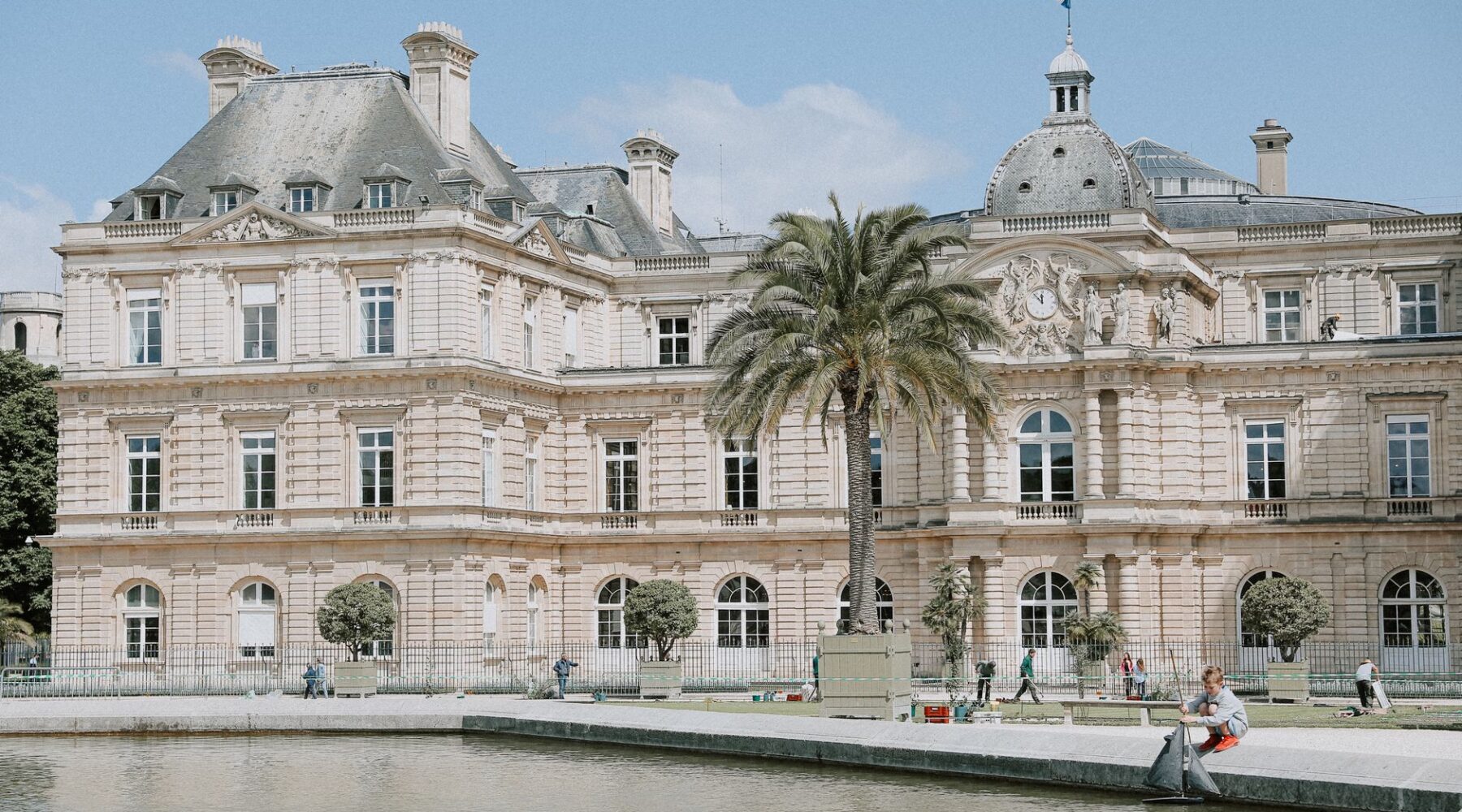
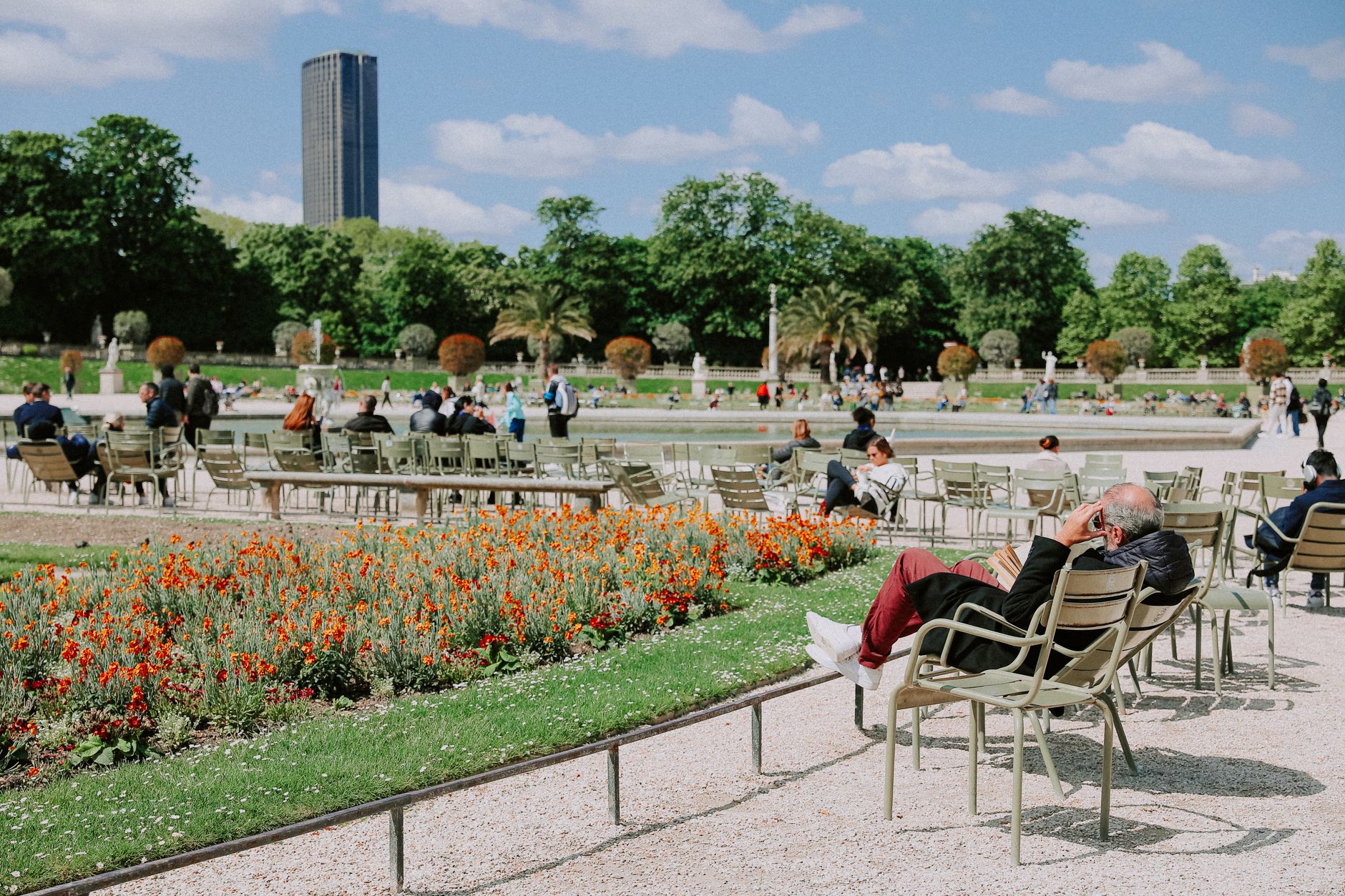
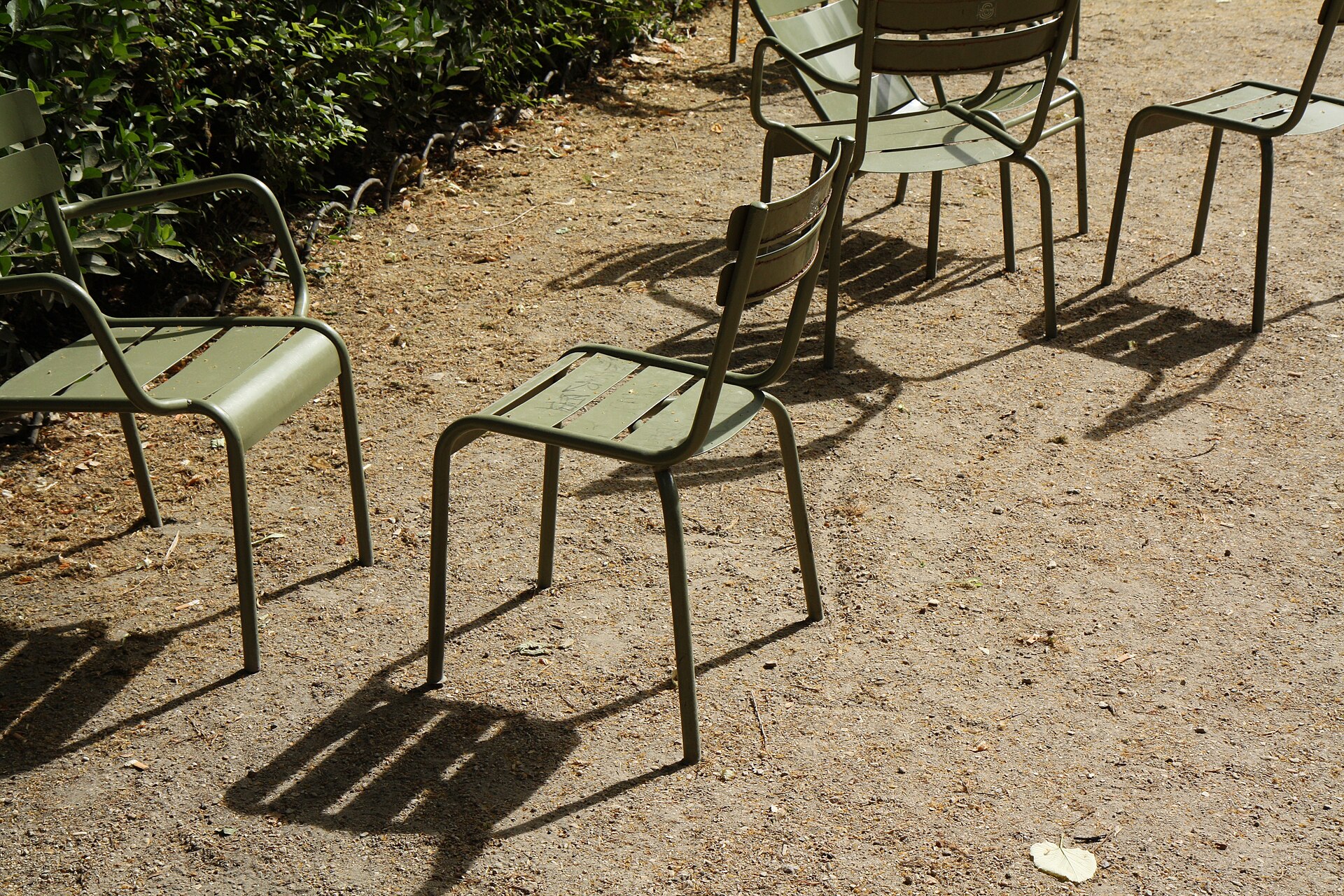
The first thing to understand about the Jardin du Luxembourg is the chairs. There are hundreds of them, sage-green metal ones scattered loose across the gravel, and anyone can pick one up and carry it off to wherever the light is best. Parisians drag two together, one to sit on and one for their feet, and point them at the fountain or the sun. The chairs tell you most of what you need to know about the place: it’s formal, it’s owned by the French Senate, and it’s also one of the most relaxed spots in the city. This luxembourg gardens paris guide covers how to get the most from a visit, from the best corners and the things children love to the hours, the rules and where to eat nearby.
We’ll go through the layout, the things worth finding, activities and what they cost, the best time to come, how to get there and what to pair it with in the surrounding Latin Quarter and Saint-Germain. Prices and hours were checked in September 2026; the garden’s hours change twice a month and the concession prices move from year to year, so treat them as the right order of magnitude.
The Luxembourg Gardens at a glance
| What | Details |
|---|---|
| Entry | Free |
| Hours | Opens 7.30am from March to September, 7.45–8.15am in winter. Closes between 4.30pm (December) and 9.30pm (late June), changing on the 1st and 16th of each month |
| Size | About 23 hectares |
| Arrondissement | 6th, on the border with the 5th |
| Nearest stations | RER B Luxembourg; Metro Odéon (4, 10), Saint-Sulpice (4), Notre-Dame-des-Champs (12) |
| Main gates | Place Edmond-Rostand, Place André-Honnorat, Rue Guynemer, Rue de Vaugirard |
| Toy sailboats | €6 for 30 minutes |
| Playground | €2.50 per child, €1.50 per adult |
| Time needed | An hour for a walk-through; half a day with children or a book |
A short history: a queen’s garden, a senator’s lawn
The garden began as a homesick queen’s project. After the assassination of Henri IV in 1610, his widow Marie de’ Medici bought land on what was then the southern edge of Paris and commissioned a palace that would remind her of the Pitti Palace in Florence, where she grew up. The architect Salomon de Brosse built the Palais du Luxembourg in the 1610s and 1620s, and the garden was laid out around it in the Italian-influenced French style, with terraces, a central pond and long avenues.
The palace changed hands many times. It was a royal residence, a prison during the Revolution, and eventually the seat of the upper house of the French Parliament. The Senate has sat there since the early 19th century, and it still owns and manages the garden, which is why the Luxembourg feels better kept than most city parks: the gravel is raked, the flowerbeds change several times a year and the gardeners have their own training school on site.
In the 19th century Haussmann’s rebuilding of Paris cut off part of the grounds, but the garden survived largely intact, and it became the playground of the Left Bank: of students from the Sorbonne, of painters and writers, of nannies with prams. Hemingway, broke in the 1920s, later claimed he had eyed up the pigeons here for dinner. It’s a good story, and quite possibly just a story.
How the garden is laid out
The Luxembourg is easier to enjoy once you have a mental map. Think of it in four parts.
The central terrace and Grand Bassin
The heart of the garden is the formal French section directly in front of the palace. A sunken area of lawns and flowerbeds surrounds the octagonal Grand Bassin, the large pond with a fountain jet in the middle. Around it, raised terraces with stone balustrades and urns form a horseshoe, and it is from these terraces that you get the classic view down to the palace. This is where the chairs are thickest and where most people spend their time.
The queens of France
Along the terraces stands a ring of 20 white marble statues of French queens and illustrious women, installed in the 19th century: Anne of Brittany, Marie de’ Medici herself, Mary Queen of Scots, Saint Geneviève (patron saint of Paris) and others. They make a good slow loop, and they’re a pleasant way to show children a little French history without calling it that.
The English garden
West and south of the central terrace, the formal layout loosens into an English-style garden of winding paths, lawns and big shade trees: chestnuts, planes and limes. This is where you’ll find most of the quieter corners, the chess players, the orchard and many of the smaller statues and monuments.
The south avenue
From the Grand Bassin, a long avenue lined with trees runs south towards the Observatoire. It’s the jogger’s side of the garden, and it continues beyond the gates as the Jardin Marco-Polo, ending at the Fontaine de l’Observatoire with its bronze horses and globe-carrying figures.
Things to see in the Luxembourg Gardens
The Medici Fountain
Tucked into the north-east corner near the Rue de Médicis gate, the Medici Fountain is the most romantic spot in the garden. A long, narrow pool shaded by plane trees leads to a Baroque grotto built in the 1630s, where a 19th-century sculpture shows the giant cyclops Polyphemus crouching above the lovers Acis and Galatea, about to crush them. Put a chair by the water in summer and it’s ten degrees cooler than the rest of the garden. Early morning is best for photographs, before the benches fill.
The Palais du Luxembourg
The palace itself is home to the French Senate and isn’t open for casual visits. You can admire it from the garden, and the view across the Grand Bassin is the best in the park. The Senate opens its doors to the public during the European Heritage Days in September, and group tours can sometimes be arranged in advance; check the Senate’s website if you’re keen.
The little Statue of Liberty
In the western part of the garden, not far from the Rue Guynemer side, stands a small bronze Statue of Liberty by Frédéric Auguste Bartholdi, the sculptor of the New York original. It’s a fun find with children and a surprisingly common question from American visitors, who don’t expect to see it here.
The orchard and the apiary
In the south-west corner is a walled fruit orchard, the Verger du Luxembourg, where hundreds of old varieties of apples and pears are trained along espaliers and wires. It descends from a monastery orchard that stood here before the garden, and it’s one of the loveliest and least-visited parts of the Luxembourg, especially in spring blossom and in autumn when the fruit is ripening. Next to it, a teaching apiary runs beekeeping courses, and the honey is sold in a small annual sale.
The railings exhibitions
The tall iron railings along the Rue de Médicis and Rue de Vaugirard sides of the garden double as an open-air gallery. The Senate hangs large-format photography exhibitions there, changing a few times a year. They’re free, lit at night and seen by many thousands of passers-by, and worth a slow walk along the outside of the fence.
The statues, monuments and sculpture
More than a hundred statues are scattered through the garden. Beyond the queens, look for the monument to Eugène Delacroix, the Ugolino sculpture, the Mask Seller, a memorial to Stendhal and the poets and writers dotted through the English garden. Many of the most interesting are in the quieter western and southern sections.
Things to do in the Luxembourg Gardens
Sail a toy boat on the Grand Bassin
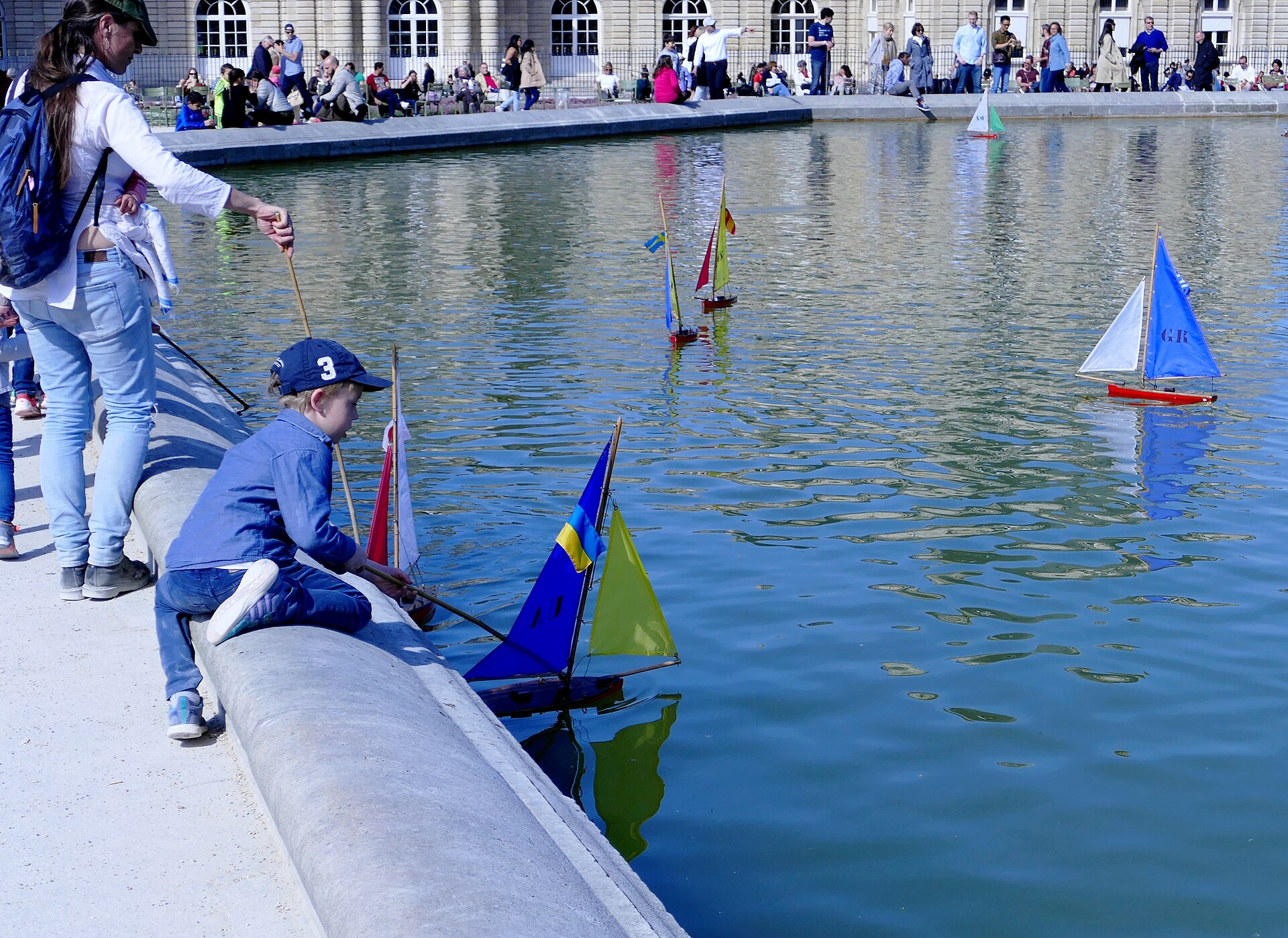
The wooden sailboats of Les Voiliers du Luxembourg are one of the garden’s great traditions. Children rent a boat with a numbered flag and a long stick, launch it off the stone rim and chase it round the pond as the breeze pushes it across. The rental costs €6 for 30 minutes. The stand runs every day in summer and during school holidays, and generally on Wednesdays and at weekends during the rest of the year, weather permitting. It’s charming, cheap by Paris standards, and a favourite memory for a lot of children.
Take the children to the playground
The garden’s only playground is on the west side, and it’s paid: €2.50 per child and €1.50 per adult. It has two enclosed sections, one for under-7s and one for ages 7 to 12, with around thirty pieces of equipment including climbing frames, slides and zip lines. It opens at 10am and closes at 7pm in summer and around dusk in winter. For families, the fee is well worth it; it’s clean, well supervised and keeps children busy for an hour. Our guide to Paris parks and playgrounds for children has more options.
Ride the carousel and the ponies
Near the playground, an old-fashioned carousel still has children trying to catch rings on a stick as they go round, a game that’s disappeared almost everywhere else. Pony rides also operate in the garden at weekends and during school holidays. Both are paid; check the price at the stand.
The puppet theatre
The Théâtre des Marionnettes du Luxembourg has been staging Guignol puppet shows for children for generations. In 2026 the theatre was closed for renovation, with reopening planned for the autumn, so check before you promise it to anyone. When it’s running, shows last about 40 minutes and play on Wednesdays, weekends, public holidays and during school holidays. The shows are in French, but young children follow the slapstick easily.
Watch or join a chess game
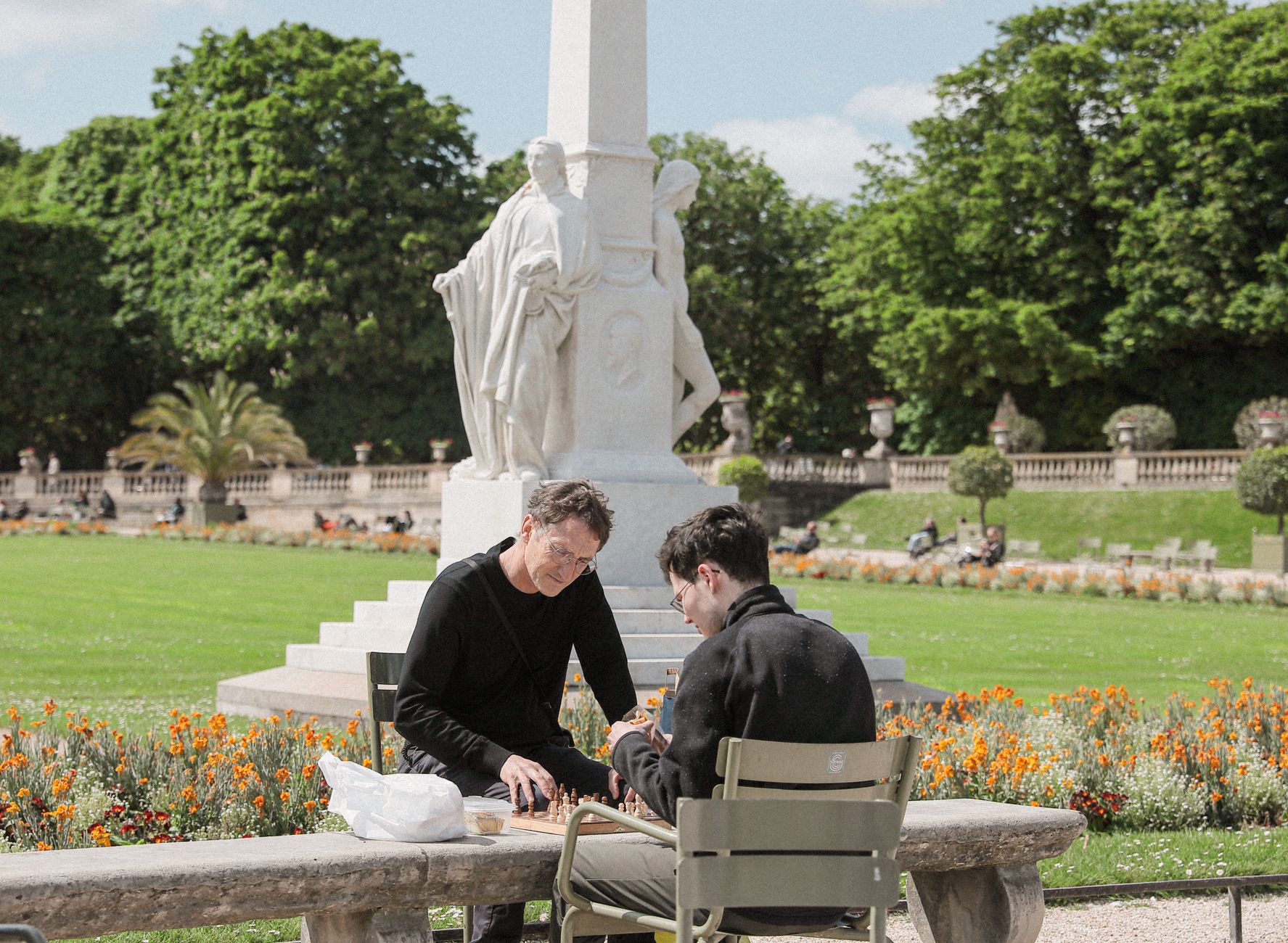
Under the trees in the western part of the garden, regulars gather at the chess tables most afternoons. Some play fast and loudly, others silently. Spectators are tolerated if they stay quiet. If you play, bring a set and you may find an opponent; don’t expect them to go easy.
Play tennis, boules or basketball
The Luxembourg has public tennis courts, which need to be booked, and basketball courts. Boules players take over the gravel areas near the courts in the afternoons. The pétanque games are fun to watch, and you may get invited to join if you look interested and stay a while.
Run the Luxembourg loop
The garden is one of the most popular running spots in Paris. The path around the inside of the railings gives you a loop of about two kilometres, mostly flat, with lots of shade. Runners arrive at opening time; it’s a lovely way to start a day in the Latin Quarter.
Listen to a concert at the bandstand
In the warmer months the octagonal bandstand near the Boulevard Saint-Michel side hosts free concerts, from military bands and jazz ensembles to amateur orchestras. Grab a chair and settle in; the programme is usually posted at the kiosk.
See an exhibition at the Musée du Luxembourg
On the Rue de Vaugirard side, in the old orangery building, the Musée du Luxembourg is a small museum that hosts two or three big temporary exhibitions a year. Its autumn 2026 show, “Andy Warhol: The Line and the Image”, runs from 16 September 2026 to 10 January 2027, with tickets from about €15.50. Booking a timed slot online is wise; the queues can be long at weekends.
The rules: chairs, lawns, picnics and dogs
The Luxembourg is run with more discipline than most Paris parks. None of it is unreasonable, but it helps to know before you unpack a picnic.
- The lawns are mostly off limits. The grass in the formal gardens is for looking at. A small number of lawns are opened for sitting in the warmer months; look for the signs and stick to them. Wardens will ask you to move otherwise.
- The chairs are free. Take them anywhere on the gravel, but don’t take them outside the garden and leave them where you found them, more or less.
- Picnics are fine on the chairs and benches, and on the lawns that are open. Take your rubbish with you.
- Dogs are only allowed in a small designated area, on a lead.
- Bikes must be walked; young children’s bikes and scooters are tolerated in some areas.
- Closing time is announced by wardens with whistles about 15 minutes ahead. Head for the gate promptly.
If you want to lie on the grass, the Luxembourg isn’t the place. Walk 25 minutes to the Jardin des Plantes, or head for the parks listed in our guide to Paris parks and gardens, many of which have lawns open all summer.
Opening hours through the year
The Luxembourg follows the daylight, with the times adjusted on the 1st and 16th of each month. These were the published hours when we checked in September 2026.
| Month | Opens | Closes |
|---|---|---|
| January | 8.15am | 4.45–5pm |
| February | 8am / 7.45am | 5.30–5.45pm |
| March | 7.30am | 6.15–6.30pm; 7.30pm after the clock change |
| April | 7.30am | 8–8.15pm |
| May | 7.30am | 8.45–9pm |
| June | 7.30am | 9.15–9.30pm |
| July | 7.30am | 9.15pm, then 9pm |
| August | 7.30am | 8.45pm, then 8.15pm |
| September | 7.30am | 7.45pm, then 7.15pm |
| October | 7.45am / 8am | 6.45pm, 6.15pm, then 5.15pm after the clock change |
| November | 8am | 5–4.45pm |
| December | 8.15am | 4.30pm |
The garden may also close without notice during storms, strong winds or official Senate events.
When to visit
Best time of day
Early morning is the Luxembourg at its best: joggers, gardeners at work, the light low across the Grand Bassin and chairs everywhere. Late afternoon on a weekday is also lovely, when students drift in from the Sorbonne. The busiest time is weekend lunchtime and early afternoon in good weather, when finding two chairs together can take a while.
Best time of year
| Season | What you’ll see |
|---|---|
| Spring | Blossom in the orchard, tulips and pansies in the formal beds, the chestnuts coming into leaf. Probably the prettiest season. |
| Summer | Palm trees and orange trees wheeled out of the orangery, full flowerbeds, concerts at the bandstand, long evenings until 9.30pm. Busy but wonderful. |
| Autumn | Golden chestnuts and plane trees, fruit on the orchard espaliers, fewer visitors. A strong contender for the best season. |
| Winter | Bare trees and early closing, but crisp bright days can be beautiful and you’ll have the garden largely to yourself. |
For more on how Paris changes through the year, see our guides to Paris in spring and Paris in autumn.
Getting there
- RER B, Luxembourg station: exits right next to the east side of the garden. The easiest option from the Gare du Nord or CDG.
- Metro Line 4, Saint-Sulpice or Odéon: a five to ten-minute walk to the north gates.
- Metro Line 10, Odéon: for the Rue de Vaugirard side.
- Metro Line 12, Notre-Dame-des-Champs: for the western and south-western gates, and the orchard.
- Bus: several lines stop along the Boulevard Saint-Michel and the Rue de Vaugirard.
- On foot: 15 minutes from Saint-Germain-des-Prés, 10 from the Panthéon and about 25 from Notre-Dame.
For a full introduction to getting around the city, see our Paris Metro guide.
Where to eat in and around the gardens
Inside the garden
There are a few kiosk cafés with terraces under the trees, selling coffee, crêpes, sandwiches, ice creams and drinks. They’re pleasant for a coffee in the shade, but they’re priced for their location and the food is average. Treat them as a place for a drink rather than lunch.
Picnic supplies
A picnic is a much better idea. The streets around the garden, especially towards the Rue de Seine and the Rue de Buci, and around the Rue Soufflot and Place Monge to the east, have excellent bakeries, cheese shops and delis. Pick up a baguette sandwich or quiche on the way in. Our guide to the best bakeries in Paris has several nearby.
Cafés and restaurants nearby
The streets north of the garden, towards Odéon and Saint-Sulpice, are full of cafés with terraces, and the Latin Quarter to the east has plenty of cheaper options aimed at students. Our guides to the best cafés in Paris and cheap eats will help you choose.
What to combine with a visit
The Luxembourg sits between two of the most enjoyable neighbourhoods in Paris, so it’s easy to build a half-day or full day around it.
- The Panthéon, five minutes east: the neoclassical temple where France buries its great figures, with views from the colonnade in summer. See our Panthéon guide.
- Saint-Sulpice, five minutes north: a vast church with Delacroix murals and the brass meridian line made famous by The Da Vinci Code.
- Saint-Germain-des-Prés: the literary cafés, bookshops and boutiques of the Left Bank. See our Saint-Germain guide.
- The Latin Quarter: the Sorbonne, the Rue Mouffetard market street and the medieval lanes around Saint-Séverin. See our Latin Quarter guide.
- Montparnasse, 15 minutes south: the old artists’ cafés of the Boulevard du Montparnasse and the cemetery where Sartre and de Beauvoir are buried.
A relaxed half-day route
- Start with coffee and a croissant near Saint-Sulpice.
- Enter the garden by the Rue de Vaugirard gate and walk to the Medici Fountain.
- Take a chair by the Grand Bassin, then walk the queens’ terrace.
- Wander west through the English garden past the chess players and the little Statue of Liberty.
- Find the orchard in the south-west corner.
- Leave by the east side for the Panthéon and lunch in the Latin Quarter.
Photographing the Luxembourg
The garden is one of the most photographed places on the Left Bank, and most of the good pictures come from the same handful of spots. A few pointers:
- The classic palace shot is from the southern terrace, looking north across the Grand Bassin. Morning light hits the façade front-on; by late afternoon it is backlit and flat.
- The Medici Fountain photographs best on a still morning, when the long pool reflects the grotto. Shoot from the far end of the basin and keep the plane trees in the frame.
- The chairs are at their most graphic in low winter or evening sun, when they throw long shadows across the gravel.
- The orchard in April, when the espaliered pear trees flower, is one of the prettiest and least-photographed scenes in the city.
- Tripods and professional shoots need permission from the Senate. Handheld photography for personal use is fine everywhere.
Our guide to the best photo spots in Paris has more locations nearby.
Visiting with a pushchair or limited mobility
The Luxembourg is mostly flat, and its main avenues are wide, but nearly all the paths are gravel rather than tarmac. That makes a pushchair perfectly manageable and a manual wheelchair harder work, especially after rain. The central terraces are reached by short flights of steps, though there are ramped routes around the sides. The easiest entrance is the Place Edmond-Rostand gate opposite the RER station, which leads onto a broad, level path towards the Grand Bassin.
Benches and chairs are everywhere, which makes the garden a good choice for anyone who needs frequent rests: you are never more than a few metres from a seat. Step-free access on the RER and Metro is patchy, so check the route before you travel. Our guide to a stroller-friendly Paris covers the wider city.
Is the Luxembourg worth it?
Yes, without reservation, but it’s worth being clear about what it is. The Luxembourg isn’t a sight in the way the Eiffel Tower is. There’s nothing to tick off and no single “wow” moment. Its pleasure is in the doing: the chairs in the sun, the boats on the pond, the long look down the terrace to the palace, the half-hour you meant to spend that becomes two.
If you’re trying to cover the big museums in two days, walk through it on the way between Saint-Germain and the Panthéon and it will still be a highlight. If you have more time, give it a slow morning, bring something to read, and let it do its job. Of all the gardens in the city, it’s the one where you’ll feel most like you live here.
The one thing we would skip: lunch at the garden kiosks. Bring a picnic, or eat in the streets outside, and use the café only for a coffee in the shade.
Frequently asked questions
Is the Luxembourg Garden free?
Yes, entry to the Jardin du Luxembourg is free. Some activities inside are paid, including the playground (€2.50 per child, €1.50 per adult), the toy sailboats (€6 for 30 minutes), pony rides, the carousel and the puppet theatre. Prices checked September 2026.
What time does the Luxembourg Garden close?
It depends on the date. Closing time ranges from 4.30pm in December to 9.30pm in the second half of June, and changes on the 1st and 16th of each month. Opening is at 7.30am from March to September and a little later in winter.
Can you sit on the grass in the Luxembourg Gardens?
Mostly not. The majority of lawns are decorative and off limits, though a few are opened for sitting in the warmer months and are signposted. The free movable chairs are the Luxembourg way to sit.
How long do you need at the Luxembourg Gardens?
An hour is enough for a walk through the main sights: the Grand Bassin, the palace view and the Medici Fountain. Allow two or three hours to explore the orchard and the quieter corners, and half a day with young children.
Which Metro station is closest to the Luxembourg Gardens?
RER B Luxembourg is right next to the garden’s eastern side. On the Metro, Odéon (Lines 4 and 10) and Saint-Sulpice (Line 4) are within about ten minutes’ walk, and Notre-Dame-des-Champs (Line 12) is closest to the western gates.
Can you visit the Luxembourg Palace?
Not casually. The palace is the seat of the French Senate. It opens to the public during the European Heritage Days in September, and group tours can occasionally be arranged through the Senate.
Are there toilets in the Luxembourg Gardens?
Yes, there are public toilets in the garden, including near the playground area. Queues can build on busy summer weekends.
Is the Luxembourg Garden good for children?
It’s one of the best places in Paris for young children: toy sailboats, a large supervised playground, pony rides, a vintage carousel and, when it’s open, a puppet theatre. Combine it with an ice cream and a long sit by the Grand Bassin.
Related Paris Guides
- Paris Parks and Gardens: The Complete Guide
- Saint-Germain-des-Prés Guide
- The Latin Quarter Guide
- The Panthéon Guide
- Paris Parks and Playgrounds for Children
- Paris With Kids
- Free Things to Do in Paris
- Romantic Walks in Paris
Photo Credits
Toy sailboats on the Grand Bassin: Luxembourg 2017 a by Siren-Com, CC BY-SA 4.0, via Wikimedia Commons.
Green chairs in the Jardin du Luxembourg: Chairs in Jardin du Luxembourg (5829320696) by Olga Khomitsevich, CC BY 2.0, via Wikimedia Commons.