Saint-Germain-des-Pres: Paris’s Most Elegant Neighborhood
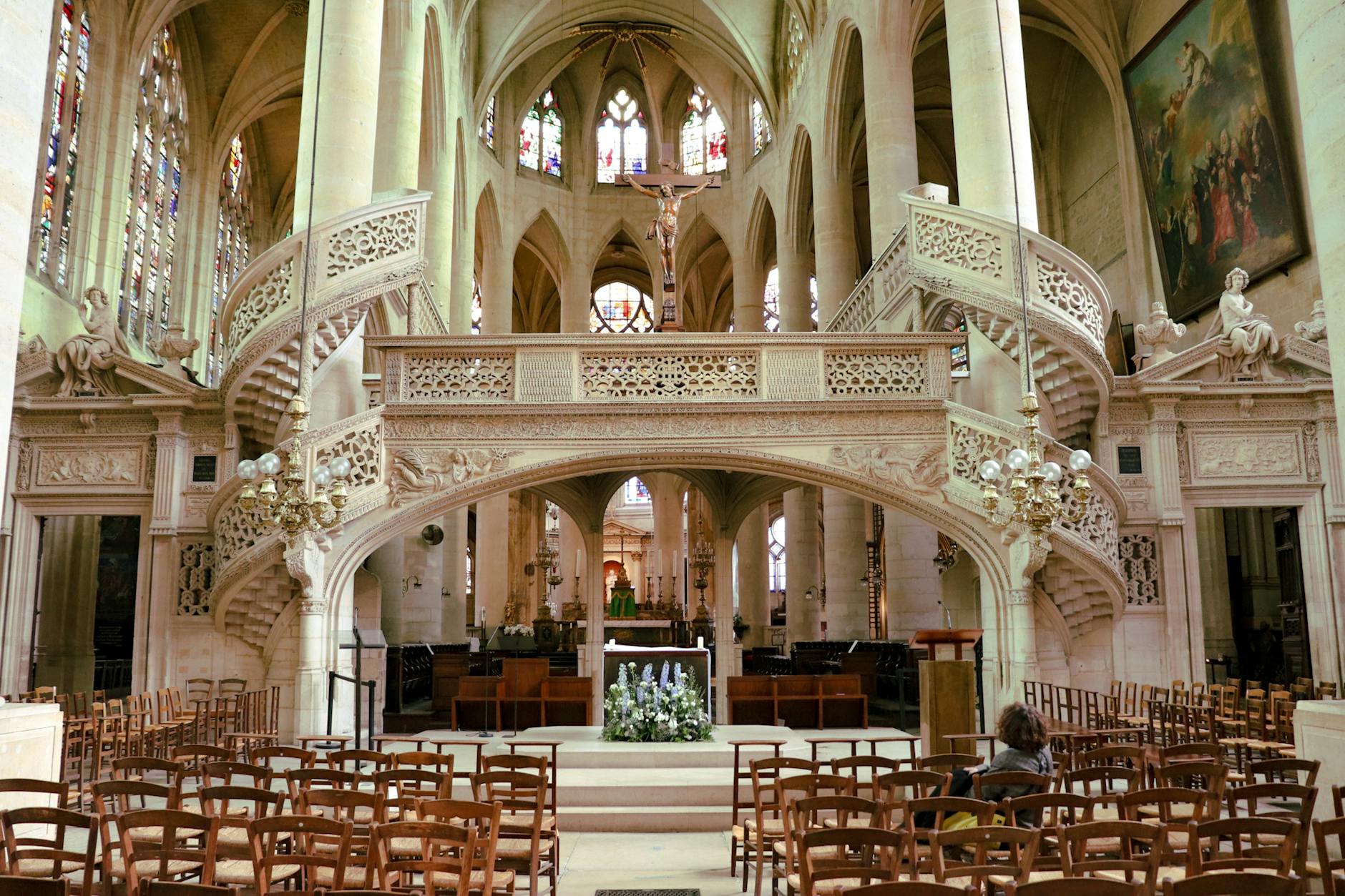
saint germain des pres paris is really just shorthand for the 6th arrondissement, the Left Bank’s most elegant quarter and, arguably, the most influential cafe district in literary history. Sartre and de Beauvoir worked out their existentialism here at Café de Flore. Hemingway, Picasso, Camus, and James Baldwin all drank next door at Les Deux Magots. The abbey church of Saint-Germain-des-Prés is the oldest in Paris, its origins traced to 542 AD. Place Saint-Sulpice has Delacroix murals and the gnomon Dan Brown turned into a thriller prop, and the Luxembourg Gardens close off the neighborhood to the south. Today you’ll find the densest run of designer boutiques, antiquarian bookshops, art galleries, and serious patisseries in central Paris. This guide covers the literary history, the must-see sights, the cafe canon (and which ones actually merit your time), the shopping streets, and where to stay.
You can walk five minutes here, from a ninth-century bell tower to a Michelin-starred kitchen, pass three antiquarian bookshops on the way, and finish the evening at a wine bar where a retired diplomat is arguing with a film director about a screenplay. The blocks are short, the architecture is handsome more or less without exception, and nearly every street carries a plaque or a story. So the place rewards slow walking better than anywhere else in Paris. Read this guide once before you go, then pocket the phone and wander. That is the proper Saint-Germain method.
Where is Saint-Germain-des-Pres?
Saint-Germain-des-Pres sits at the heart of the 6th arrondissement on the Left Bank, straight across the river from the Louvre. Its rough edges: the Seine to the north, Boulevard du Montparnasse to the south, Boulevard Saint-Michel to the east (the dividing line with the Latin Quarter), and Rue du Bac to the west (separating it from the 7th and the diplomatic district at the western end of Boulevard Saint-Germain).
Getting there is simple. The Métro stop Saint-Germain-des-Pres on Line 4 puts you right in front of the abbey church and Les Deux Magots. Mabillon on Line 10 is the gateway to Rue de Buci’s food market. Odeon, on both Lines 4 and 10, is the busiest entrance and feeds you to the southern cafes around Carrefour de l’Odeon. Saint-Sulpice on Line 4 drops you a block from the church and fountain. Rennes on Line 12 is the best stop for Le Bon Marché and the western shopping streets, and the RER C at Musée d’Orsay is a five-minute walk from the northern edge.
| Border | Boundary |
|---|---|
| North | Seine (Quai de Conti, Quai Malaquais) |
| South | Boulevard du Montparnasse |
| East | Boulevard Saint-Michel |
| West | Rue du Bac |
| Nearest Métro hub | Saint-Germain-des-Pres (Line 4) |
On foot, you can cross the neighborhood north to south in about twelve minutes and east to west in about fifteen. That tightness is half of what makes it work: every sight, cafe, and shop in this guide sits within an easy walk of every other one.
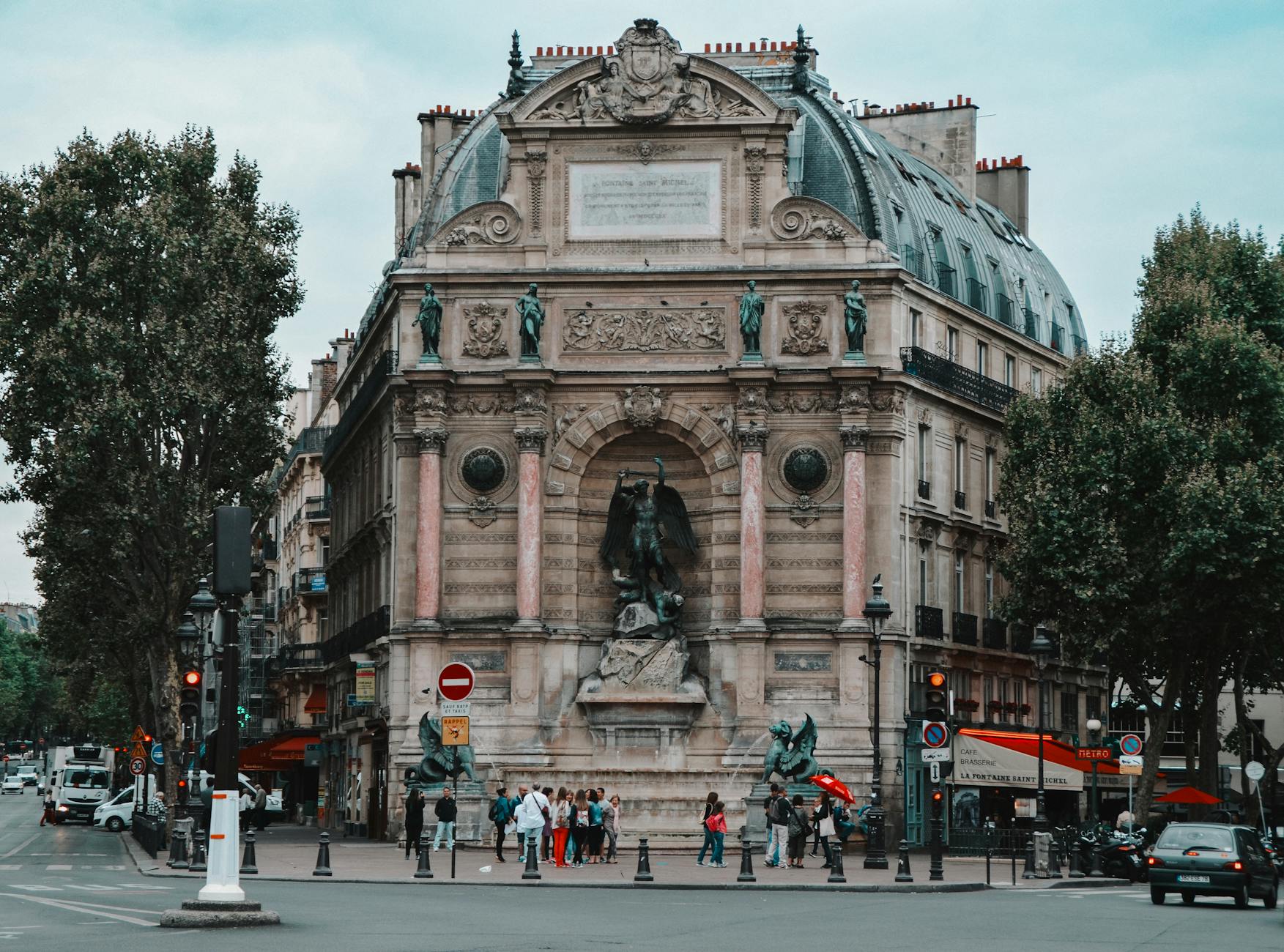
A Brief History of Saint-Germain-des-Pres
The story starts in 542 AD, when the Merovingian king Childebert I, son of Clovis, came back from a Spanish campaign carrying a relic of Saint Vincent and ordered a basilica built to house it in the fields southwest of still-walled Lutetia. The church, Saint-Germain-des-Pres, “Saint Germain of the Fields,” was consecrated by the bishop of Paris, Germanus, and took his name. The basilica grew into a powerful Benedictine abbey that, by the early Middle Ages, was the largest landowner in Paris and an intellectual rival to Notre-Dame.
The Romanesque church you see today was largely rebuilt in 990 and then again, with a new choir, in 1163, the same stretch of years that produced Notre-Dame de Paris. Its bell tower is the oldest in the city. The abbey was sacked over and over during the Wars of Religion, then again in the Revolution, which destroyed much of its medieval library and most of its cloister. What came through, the nave, the tower, fragments of the cloister wall, is what you walk into now.
In the nineteenth century the area filled up with publishers, bookshops, and art galleries serving the nearby École des Beaux-Arts and the Sorbonne. By the 1920s Saint-Germain had become a bohemian rival to Montparnasse. Its defining era, though, was the 1940s and 1950s. Jean-Paul Sartre, Simone de Beauvoir, and Albert Camus wrote, argued, and ran what amounted to a daily salon at Café de Flore and Les Deux Magots, while Boris Vian played trumpet in the jazz cellars off Rue Saint-Benoît and Juliette Greco sang. By the 1980s the rents had climbed, the jazz cellars had closed, and the neighborhood had settled into its current shape: luxury shopping, serious art galleries, and literary tourism laid over a still-working village of long-time residents.
The Literary Cafe Trinity
Three cafes hold up the Saint-Germain literary myth. Two face each other across Place Saint-Germain-des-Pres; the third sits a hundred metres east on Boulevard Saint-Germain. None is cheap, all are tourist-heavy, and each still earns the visit if you arrive with the right expectations. You are paying for a seat in a room where some of the most important writing of the twentieth century actually happened, not for a good-value coffee.
Café de Flore
172 Boulevard Saint-Germain, open 7:30am to 1:30am, every day. This is the more genuinely literary of the two flagship cafes. The Flore was Sartre and de Beauvoir’s second office from roughly 1940 well into the 1980s. Sartre wrote much of Being and Nothingness at a corner table upstairs; de Beauvoir worked on The Second Sex on the ground floor. The Art Deco interior is basically untouched. A coffee on the terrace runs about €7, and the omelette aux truffes is a famous house dish at around €30. The Café de Flore literary prize, given each year since 1994, comes with a glass of Pouilly-Fumé a day for a year.
Les Deux Magots
6 Place Saint-Germain-des-Pres, directly across from the abbey church. The roll call of regulars is the longest in Paris: Verlaine, Rimbaud, and Mallarmé in the late nineteenth century; Hemingway, Picasso, Joyce, Brecht, Camus, and André Breton between the wars; James Baldwin and Richard Wright in the 1950s. Coffee runs about €7. The Deux Magots literary prize, founded in 1933, is one of the oldest and most prestigious in France. The terrace is prime people-watching, but the interior is the real draw: mirrors, wood panels, and the two Chinese figurines (the “deux magots”) that gave the cafe its name.
Brasserie Lipp
151 Boulevard Saint-Germain, across the street from the Flore. Lipp is the third leg of the trinity and the least touristed of the three. An Alsatian refugee from the Franco-Prussian war founded it in 1880, and for more than a century it has been the canteen of the French political class. Mitterrand and Chirac were regulars, and the downstairs room is still where ministers eat. The decor runs to Belle-Époque mosaic and mirrors. Order the choucroute garnie (around €28) or the millefeuille. Reservations are essential at dinner; lunch is easier.
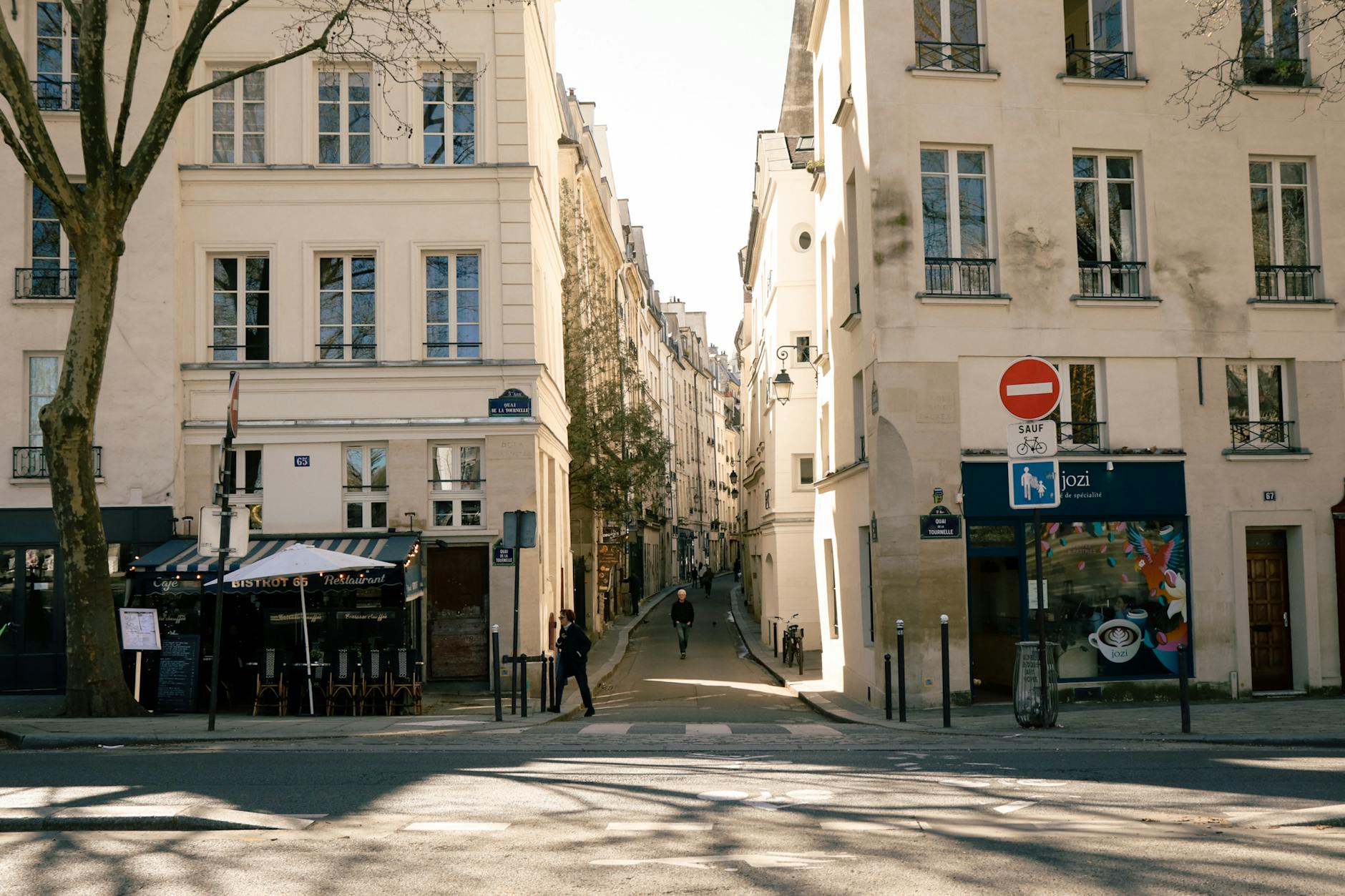
Saint-Germain-des-Pres Abbey Church
The abbey church is the oldest in Paris and the spiritual centre of the neighborhood. Its origins, as noted above, run back to 542 AD; the current Romanesque structure dates largely from 990 (the nave and tower) and 1163 (the choir). The bell tower, square and stocky, is one of the few surviving pieces of pre-Gothic religious architecture in central Paris, and it beats Notre-Dame by more than a century.
Inside, the painted columns of the nave, restored in the nineteenth century by Hippolyte Flandrin, a pupil of Ingres, give the church a jewel-box quality you won’t find in the pale stone interiors of most Paris churches. The tomb of King Childebert I, the founder, sits in the choir. René Descartes was buried here after his remains were brought back from Sweden in 1666. His skull went missing during the Revolution and now lives at the Musée de l’Homme, while the rest of him rests under a stone in a side chapel.
Entry is free. Free organ recitals run regularly, especially on Sunday afternoons; check the noticeboard inside the entrance for the month’s program. Photography is fine without flash. The church opens daily from roughly 9:30am to 8pm, and mass schedules are posted on the door.
Top 10 Must-See Sights in Saint-Germain
If you have a single day, here’s the priority list. Most of these sit within five minutes’ walk of each other, with the Musee d’Orsay the only one that takes real planning. For the wider area, see our Paris arrondissements guide.
1. Saint-Germain-des-Pres Abbey Church
Start here. The oldest church in Paris, free, and ten minutes is plenty for a first look. Sit in a back pew for a moment; the acoustics are extraordinary.
2. Saint-Sulpice
The second-largest church in Paris, three blocks south. Delacroix murals, a giant Cavaillé-Coll organ, and the gnomon line that Dan Brown made famous in The Da Vinci Code. Free entry; Sunday morning organ recitals at 11:30am.
3. Café de Flore
An espresso on the terrace, no more, no less. You’re paying to sit where Sartre sat; don’t order the omelette unless you’re feeling flush.
4. Les Deux Magots
Across from the abbey church. Same logic as the Flore. The view of the church from the terrace tables makes the better photograph.
5. Place Saint-Sulpice
One of the loveliest squares in Paris. The fountain at the centre, the Fontaine des Quatre-Évêques, was designed by Visconti in 1844. Cafe tables ring the square. Sit on the fountain steps for ten minutes and you’ll understand why people move to this neighborhood.
6. Le Procope
13 Rue de l’Ancienne-Comédie. Founded in 1686, Le Procope is the oldest continuously operating cafe in Paris. Voltaire, Rousseau, Diderot, Benjamin Franklin, and Napoleon all ate here. It runs as a restaurant now rather than a pure cafe, but a coffee at the bar is still possible and worth it for the historic interior.
7. Musée National Eugène-Delacroix
6 Rue de Furstemberg. Delacroix’s last studio and apartment, kept as a small national museum on what may be the prettiest courtyard in the neighborhood. Free on the first Sunday of every month, otherwise €7. Combine the ticket with the Louvre.
8. Musée d’Orsay
Technically in the 7th, but a five-minute walk from the western edge of Saint-Germain. The world’s greatest collection of Impressionist and post-Impressionist painting, housed in a former railway station. Book online; it’s essential. See our Paris museums guide for strategy.
9. The Luxembourg Gardens Border
The northern edge of the Jardin du Luxembourg forms Saint-Germain’s southern border. Go in at Place Edmond-Rostand or through the gate opposite Rue de Tournon. The Medici Fountain, on the eastern side near the palace, is the most photographed corner.
10. Pont des Arts
The pedestrian bridge linking Saint-Germain (at the Institut de France) to the Louvre. Cross it at sunset for one of the best views in Paris: the Seine, the Louvre, the Île de la Cité. The famous love-locks came off in 2015, but the view hasn’t changed.
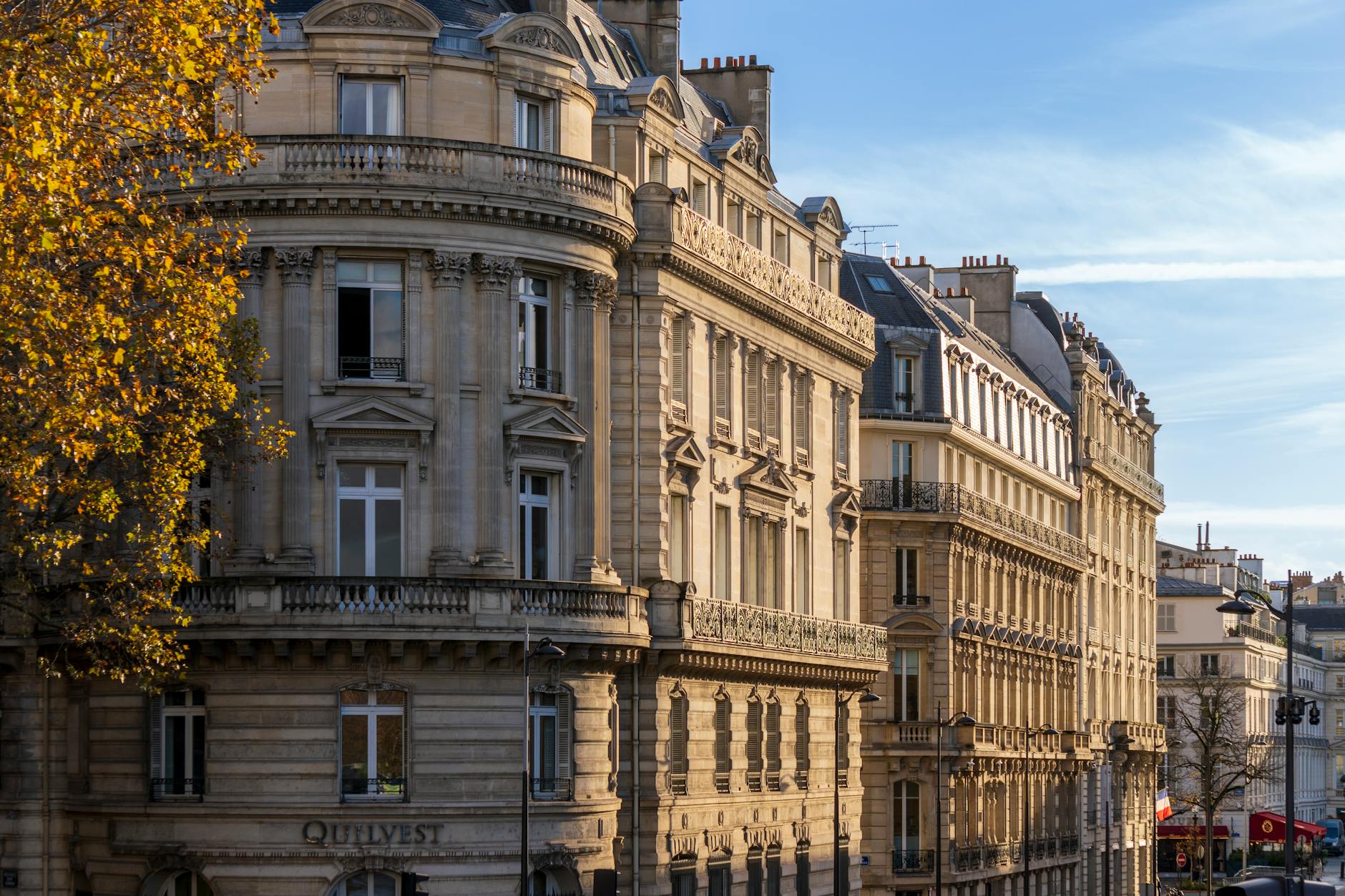
Saint-Sulpice Deep Dive
Saint-Sulpice earns a section of its own. It’s the second-largest church in Paris after Notre-Dame, only a few metres shorter and noticeably wider. Construction began in 1646 and dragged on for more than 130 years, which is why the two front towers stand at different heights: the south tower got finished, the north was abandoned mid-build when the money ran out.
Inside, the Chapelle des Saints-Anges holds three Delacroix murals, immediately on your right as you enter: Jacob Wrestling with the Angel, Heliodorus Driven from the Temple, and Saint Michael Defeating the Demon on the ceiling. Delacroix gave the last twelve years of his life to them, living a block away on Place de Furstemberg (now the museum).
The gnomon, a brass meridian line running across the floor and up an obelisk in the north transept, was installed in 1727 to calculate the exact date of Easter. A small hole in the south stained glass throws a beam of sunlight that crosses the line at solar noon. Dan Brown built an entirely fictional “Rose Line” mythology around it for The Da Vinci Code, and the church now has a polite plaque pointing out that the gnomon is, in fact, a piece of astronomical equipment.
Free organ recitals run every Sunday at 11:30am after the high mass. The Cavaillé-Coll organ from 1862 has 102 stops and ranks among the three or four greatest in the world. Even a non-religious visitor should make time for one of these recitals. They are the best free thirty minutes in Paris.
The Best Shopping in Saint-Germain
Shopping here breaks down by street rather than by district. Each of the main commercial streets has its own character and its own kind of shop. See our wider Paris shopping guide for context.
Rue de Buci
The neighborhood’s casual heart. A market street by morning (oysters, cheese, bread, fruit) that turns into a cafe row by afternoon. Bar du Marché on the corner is excellent for a glass of wine and a long look at the passing crowd. Casual fashion shops fill the gaps between the food stalls.
Rue de Seine
Art galleries and antiques. This is the spine of the Saint-Germain art trade, and the Thursday-evening gallery openings spill onto the sidewalk and welcome the public. The southern end runs into Rue de Buci’s market.
Rue Bonaparte
Luxury fashion and serious books. Yves Saint Laurent, Armani, and a string of established French houses fill the storefronts between the abbey and the Seine. At the southern end you’ll find the flagship Pierre Hermé and Ladúree macaron boutiques side by side.
Rue de Tournon
A short, gracious street running from Place Saint-Sulpice down to the gates of the Luxembourg Gardens. Pierre Hermé’s original shop is here, along with several elegant home and stationery boutiques.
Rue de Sèvres
The western edge. Le Bon Marché, the oldest department store in Paris (1852), dominates the street, with La Grande Épicerie food hall opposite. The blocks east of Le Bon Marché carry mid-range fashion and a cluster of good shoe shops.
Rue Saint-Sulpice
Designer boutiques and a couple of cosmetics flagships. Anchored at one end by Place Saint-Sulpice and at the other by Carrefour de l’Odeon, this is where the smaller independent designers turn up between the bigger luxury houses on Rue Bonaparte.
Rue des Saints-Pères
Galleries, antiques, and several excellent perfumeries. The street runs from the Seine south into Boulevard Saint-Germain and stays markedly quieter than the parallel Rue Bonaparte.
Le Bon Marché and La Grande Épicerie
Le Bon Marché, on Rue de Sèvres at the western edge of the neighborhood, opened in 1852 and is generally reckoned the oldest department store in the world. The original building, expanded by Gustave Eiffel’s engineering firm, set the template every grand magasin would follow: a central light well, a sweeping iron staircase, and a layout built around browsing rather than counter service. Even if you have no intention of buying anything, the building itself rewards twenty minutes.
Across the street, La Grande Épicerie de Paris is the store’s food hall and one of the finest anywhere. The cheese cellar, held at cellar temperature in the basement, carries more than 250 varieties from across France and Europe. The bakery counter turns out some of the best viennoiserie in Paris, and the wine cave stocks more than 3,000 references. Buy a picnic here and carry it to the Luxembourg Gardens. It’s one of the great affordable luxuries of the neighborhood.
Best Restaurants in Saint-Germain
The restaurant scene here runs from historic to experimental, with a strong middle band of classic bistros. For more across the city, see our Paris restaurants guide.
Le Procope
Founded 1686. The oldest cafe in Paris, now a full restaurant serving a classic French menu under the same painted ceilings Voltaire ate beneath. Order the coq au vin or the boeuf bourguignon; this is no place for experiments. Mains €28-€42.
Le Comptoir du Relais
9 Carrefour de l’Odeon. Yves Camdeborde’s tiny bistro, and the spiritual founder of the modern Paris “bistronomie” movement. Lunch is bistro-classic and walk-in; dinner is a fixed five-course menu (around €75) that needs booking weeks ahead. Michelin-recommended for years.
L’Avant Comptoir
Camdeborde’s standing-room wine bar next door, with a sister outpost around the corner. Spanish tapas, French charcuterie, oysters, and excellent wines by the glass. No reservations, no seats. Go early.
Bouillon Saint-Michel
3 Rue Racine. A classic Parisian bouillon: cheap, fast, traditional. Starters around €3, mains under €15. The best low-budget dinner in the neighborhood, and a tidy answer to how you eat well in Saint-Germain without spending a fortune.
Polidor
41 Rue Monsieur-le-Prince. A working bistro since 1845 and barely touched since: communal tables, hand-written menu, simple French cooking. Hemingway, Joyce, and Verlaine all ate here, and Woody Allen shot a scene of Midnight in Paris in the back room. Cash only for many years; check the current policy.
Brasserie Lipp
The Alsatian classic, discussed above. Choucroute, beer, mirrors, politicians. Lunch is the easier reservation.
Le Petit Saint-Benoît
4 Rue Saint-Benoît. A tiny, intimate, family-run bistro that has worked the same short menu for a century. Boeuf gros sel, blanquette de veau, île flottante. Mains around €18-€22; cash preferred.
Sola
12 Rue de l’Hôtel-Colbert. Michelin-starred French-Japanese fusion. The tasting menu runs around €120 and is the most interesting fine-dining experience within easy walking distance of the cafe trinity.
Cafes, Tea Salons, and Patisseries
Beyond the literary trinity, Saint-Germain keeps a dense, serious constellation of cafes, salons de thé, and patisseries. See our broader best cafes in Paris piece for citywide picks.
The Literary Trinity, Recapped
Café de Flore, Les Deux Magots, and Le Procope. All three are worth one visit each. None of them is the place for your daily coffee; for that, find a local spot.
Pierre Hermé Flagship
72 Rue Bonaparte. The original boutique of the man widely credited with reinventing the macaron as a luxury object. The Ispahan (rose, lychee, raspberry) is the signature, and the chocolate work is every bit as serious. No seating; this is strictly takeaway.
Ladúree
21 Rue Bonaparte. The older macaron house, founded on the Right Bank in 1862 and the inventor of the modern double-shelled macaron in 1930. This branch is small but has a tea salon upstairs. The pistachio and the salted caramel are the classics.
Le Cherche-Midi District Cafes
The streets around Rue du Cherche-Midi, on the western edge, are lined with neighborhood cafes far cheaper and quieter than the boulevard headliners. Café de la Mairie on Place Saint-Sulpice is a particular favorite of long-time residents.
Caves Legré-Allut
An old-school wine bar with a serious cellar and a low-lit tasting room. Excellent for a glass and a board of charcuterie at the end of a long shopping afternoon.
Where to Stay in Saint-Germain
Staying in Saint-Germain costs more than most Paris neighborhoods, but it buys you central walkability and access to the cafe trinity at unsociable hours. See our broader where to stay in Paris guide for citywide picks; the four hotels below are the local favorites.
- Hotel Bel Ami — a four-star design hotel on Rue Saint-Benoît, behind Les Deux Magots. Contemporary rooms, a good spa, central but quiet. From around €350 in low season.
- L’Hotel — 13 Rue des Beaux-Arts. The smallest five-star in Paris, and the only hotel where Oscar Wilde died, in room 16 in 1900. Dramatic Jacques Garcia interiors and a Michelin-starred restaurant downstairs. From around €500.
- Hotel des Saints-Pères — a discreet boutique on Rue des Saints-Pères with a famous frescoed room (the Fresco Room, under a seventeenth-century painted ceiling). From around €280.
- Hotel Esmeralda — technically just over the boulevard in the Latin Quarter, but the closest budget-friendly option to the neighborhood proper. Wood-beamed rooms, a Notre-Dame view from some windows, prices from €120.
Saint-Germain Photo Spots
Saint-Germain photographs well because of its scale: the buildings are tall enough to read as urban but low enough to let the light in. The five spots below are the reliable ones. For more across the city, see our Paris photo spots guide.
- Place Saint-Sulpice fountain — shoot from the south side looking north at the church facade, with the fountain in the foreground for depth.
- Abbey church facade — the best angle is from the cafe terraces of Les Deux Magots across the square, especially at dusk when the tower is lit.
- Rue de Buci — market morning, looking east down the street, with the awnings and the fruit stalls.
- Pont des Arts — the bridge itself, looking either way down the Seine, especially at sunset.
- Luxembourg Gardens border — shoot through the gates on Rue de Vaugirard for a classic Paris frame: black ironwork in the foreground, the palace and gardens beyond.
Best Walking Route: A 90-Minute Loop
This is the route I give friends visiting for the first time. It runs ninety minutes at a slow pace with photo stops, and it stretches to a full afternoon if you break for coffee and a museum. For longer options, see our Paris walking tours page.
Start at the abbey church (Saint-Germain-des-Pres Métro). Walk around it once, anti-clockwise, to see the Romanesque tower from every side. Cross the boulevard for an espresso at Les Deux Magots or Café de Flore, one of them, not both. Continue south on Rue Bonaparte. Stop at the Musée Delacroix on Place de Furstemberg, a two-minute detour. Carry on to Place Saint-Sulpice, then go inside the church: the Delacroix chapel is on the right, the gnomon obelisk in the north transept.
Leave Saint-Sulpice and walk east along Rue Saint-Sulpice, past the designer boutiques, to Carrefour de l’Odeon. Here you can stop for lunch at Le Comptoir du Relais (if you booked) or a tapas plate at L’Avant Comptoir. From the carrefour, head north on Rue de l’Ancienne-Comédie past Le Procope, then turn east onto Rue de Buci and walk the market. Finish at the Seine via Rue de Seine, turn left along the quai, and walk to the Pont des Arts for the view back to the Louvre. From there, the Métro at Saint-Germain-des-Pres is a five-minute walk south.
A Sunday in Saint-Germain
Sunday is the neighborhood’s best day. Most of Paris goes quiet, but Saint-Germain works as a tourist-and-residential quarter rather than an office district, so its cafes, restaurants, and even many shops stay open. The rhythm below is the one I recommend.
Start at the abbey church at 10am for the Sunday mass. Even non-believers should sit through at least one Paris mass for the music. From the church, walk three blocks south to Saint-Sulpice for the 11:30am organ recital, free and roughly thirty minutes long. Lunch after at Le Petit Saint-Benoît or one of the brasseries on Place Saint-Sulpice.
In the afternoon, cross south into the Luxembourg Gardens. The model boat pond near the palace is the iconic spot; the chess players in the southwest corner are the more interesting one. Most shops, Le Bon Marché, Pierre Hermé, the boutiques along Rue Bonaparte, reopen on Sunday afternoons, so the late-day browsing window from 2pm to 7pm is genuinely productive. End at one of the Boulevard Saint-Germain cafes as the lights come on.
Frequently Asked Questions
Is Saint-Germain-des-Pres safe?
Yes. The 6th is among the safest arrondissements in central Paris, with a heavy residential population and a constant cafe-and-tourist presence. Standard precautions against pickpockets, especially around the Métro stations and the abbey square, make sense, but the area has no real nighttime safety problem.
How many days should I spend in Saint-Germain?
A first-timer can see the headline sights in a single well-paced day. To absorb the neighborhood, stay two or three nights. Saint-Germain rewards repeat coffees at the same cafe and second looks at the same churches.
Is Saint-Germain-des-Pres expensive?
Yes, but with ways around it. Coffee at the literary trinity runs about €7, and dinner at Le Comptoir or Lipp is €60-€80 per head. But the bouillons, the market food on Rue de Buci, and a picnic from La Grande Épicerie taken to the Luxembourg Gardens all keep meals under €20. The sights are largely free.
What is the difference between Saint-Germain and the Latin Quarter?
They’re neighbors, split by Boulevard Saint-Michel. The Latin Quarter (5th) is older, denser, cheaper, and student-driven, anchored by the Sorbonne and the Pantheon. Saint-Germain (6th) is more elegant, more expensive, and built around the abbey, the cafe trinity, and the luxury shopping streets.
Which cafe should I choose if I only have time for one?
Café de Flore, just barely. The interior is a touch more intact, the literary association is more focused (Sartre and de Beauvoir made it their second home for forty years), and the kitchen is better. Les Deux Magots has the better view of the abbey church but a busier terrace.
Is Saint-Sulpice really the “Da Vinci Code” church?
Yes, in the sense that Dan Brown set a major scene there and invented a fictional “Rose Line” mythology around the real eighteenth-century gnomon. The church has a small plaque politely correcting the novel’s claims. Go for the Delacroix murals and the organ; treat the gnomon as a bonus.
Are shops open on Sunday in Saint-Germain?
Most are open Sunday afternoons, typically from 1pm or 2pm until 7pm. Le Bon Marché opens at 11am on Sundays. Some smaller independents close entirely, but the main shopping streets, Rue Bonaparte, Rue de Sèvres, Rue de Buci, stay active.
How do I get from Saint-Germain to the Eiffel Tower?
By Métro: Line 10 from Mabillon or Odeon to La Motte-Picquet-Grenelle, then change to Line 6 for one stop to Bir-Hakeim. About twenty minutes. On foot, allow roughly forty-five minutes along the Seine, which happens to be one of the great urban walks in Paris.
Of all the Paris neighborhoods, Saint-Germain is the one that most resembles the Paris that lives in books and films, partly because so many of those books were written right here, in upstairs rooms of the cafes you can still walk into. The literary myth has turned into its own kind of preservation order: the buildings, the trade, the back-and-forth of cafe and church and bookshop have held more or less steady for eighty years. So visit slowly, pick one cafe, sit longer than feels reasonable, and the neighborhood starts to open up. Skip the trophy-hunting and that is what a day here actually delivers.
More to explore
Use these to round out your trip:
- our Paris neighborhoods guide
- Champs-Elysees Paris
- walking Ile de la Cite
- the Belleville and Oberkampf guide
- Best Hostels in Paris for Solo Travelers and Backpackers
- 25 French Dishes You Must Try in Paris
Ten minutes south of the cafés, the Jardin du Luxembourg is the neighbourhood’s back garden. Pick up a sandwich on the Rue de Buci, walk down past Saint-Sulpice and claim two of the green chairs by the Grand Bassin. Our Luxembourg Gardens guide covers the hours, the best corners and what to skip.