Musee de l’Orangerie: Monet’s Water Lilies & Beyond
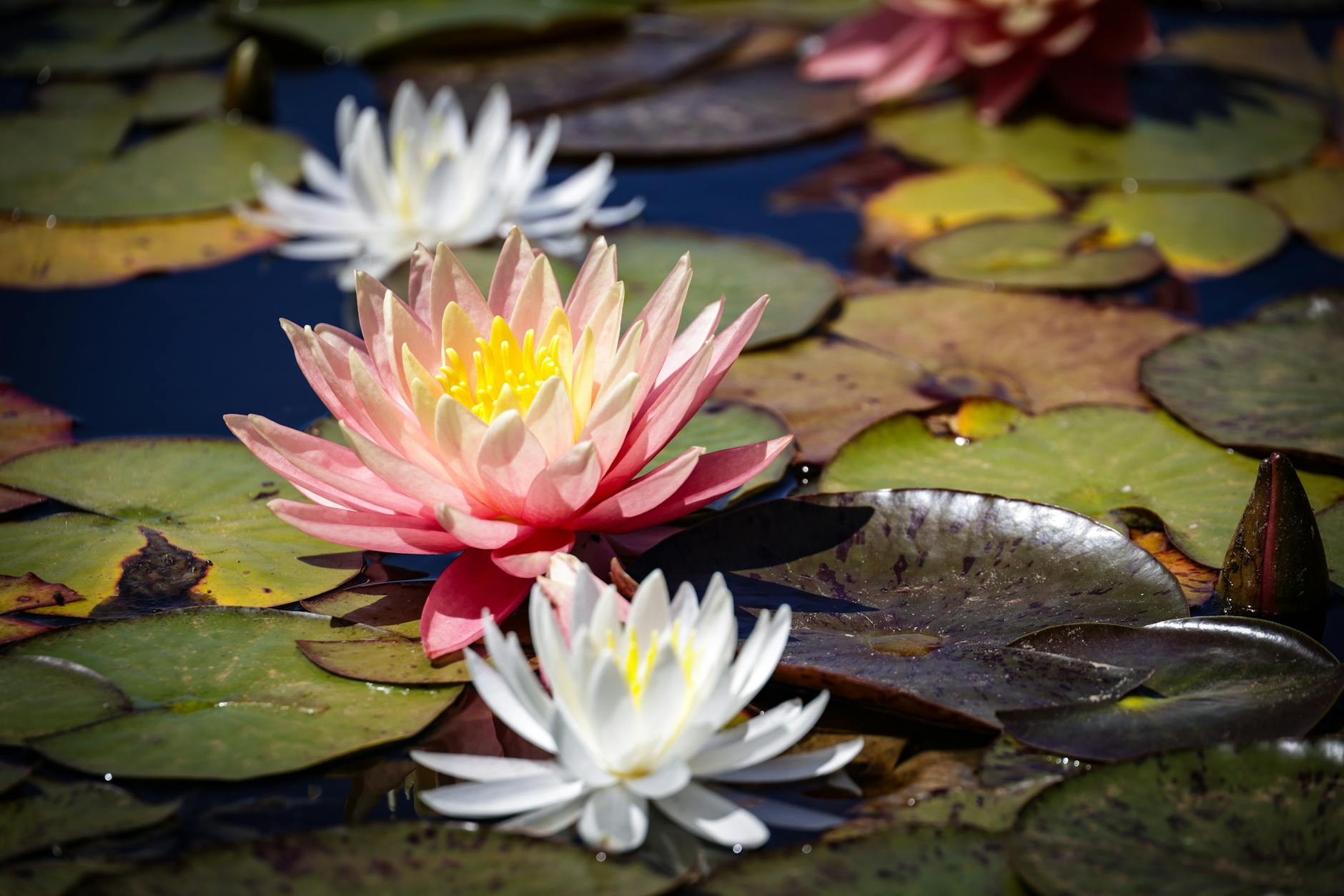
Most Paris museums ask you to keep moving. The musee de l orangerie monet water lilies asks you to sit down. Eight enormous Water Lilies canvases (the Nymphéas) wrap two oval rooms that Monet designed himself, gifted to France in 1922 as a peace memorial after the First World War. The paintings circle you 360 degrees, daylight drops in through oval skylights overhead, and the rooms are kept deliberately hushed. People go quiet without being told to. Downstairs there’s a second museum entirely: the Walter-Guillaume Collection, 144 paintings a single dealer assembled, with Renoir, Cézanne, Modigliani, Picasso, Soutine, Matisse, Derain, Utrillo, and Laurencin. All of it inside an old orangery in the Tuileries Gardens. Plan on 90 minutes and €12.50, and it’s among the best returns on either in the city.
For the wider picture, our Paris galleries guide covers the whole field, with separate deep dives on the Musée d’Orsay and the Louvre. Weighing up a pass? Crunch the numbers in our museum pass guide.
Musée de l’Orangerie at a Glance
- Address: Jardin des Tuileries, Place de la Concorde side, 75001 Paris.
- Métro: Concorde (Lines 1, 8, 12).
- Hours: 9am-6pm; closed Tuesday.
- 2026 ticket: €12.50 adult; FREE under 18 worldwide; FREE EU 18-25; FREE first Sunday Nov-March.
- Combined with Musée d’Orsay: €22.
- Paris Museum Pass: included.
- Annual visitors: ~1M.
- Building: 1852 orangery (greenhouse for the Tuileries citrus trees) converted to museum 1921-1927.
- Visit time: 90 minutes ideal; can be done in 60 minutes if rushed.
Brief History
The building went up in 1852 as a winter shelter for the Tuileries orange trees, which explains the name and the glasshouse light. The art came later. After the First World War, Monet gave France eight monumental Water Lilies canvases as a peace memorial, on one condition: they had to live in a space built to his specifications. Architect Camille Lefevre carved the orangery into two oval rooms laid out exactly to Monet’s plan, with a north-south light orientation, an oval format that lets the canvases run unbroken around the walls, and daylight falling from above. The rooms opened on May 17, 1927, six months after Monet died on December 5, 1926. He never saw them finished. The Walter-Guillaume Collection, the private holdings of dealer Paul Guillaume and his widow Domenica Walter, arrived between 1959 and 1963 and filled the basement and ground floor.
The Two Water Lilies Oval Rooms
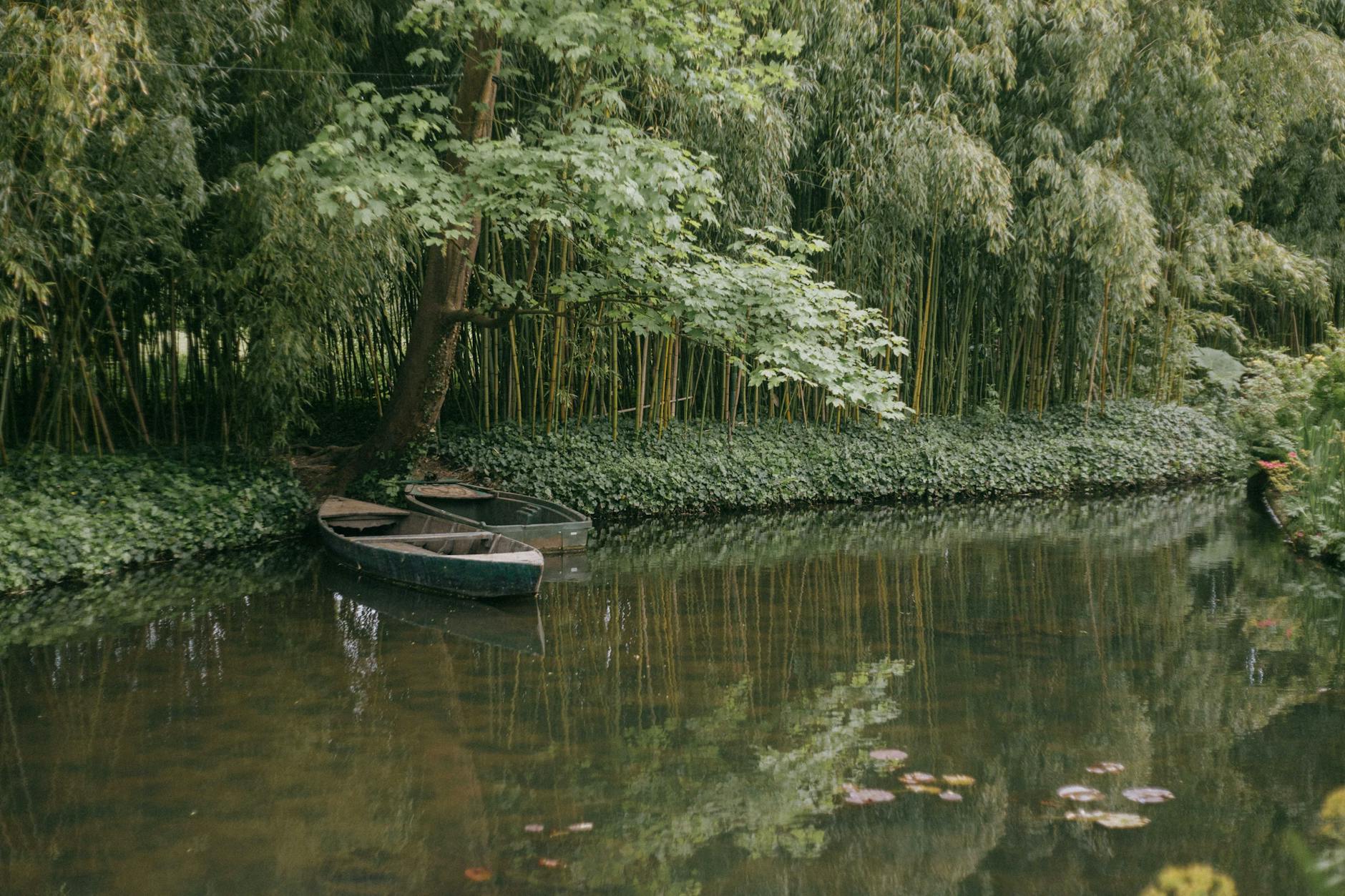
This is what you came for. Two oval rooms in sequence, eight monumental canvases (each roughly 2m by 6m), 100m of continuous painted surface with no frames to interrupt it. Monet worked on these in his Giverny studio from 1914 to 1926, the last twelve years of his life, painting through cataracts that left him nearly blind. They show his water-garden pond at different hours and in different weather: Morning, Reflections of Trees, Clouds, Setting Sun, and Morning with Willows are the four wall panels of Room 2. Because the light falls from oval skylights above, the canvases shift in mood as the day moves. Give them 30 to 45 minutes at minimum, and use the bench in the middle. Standing and circling misses the point.
The Walter-Guillaume Collection (Lower Level)
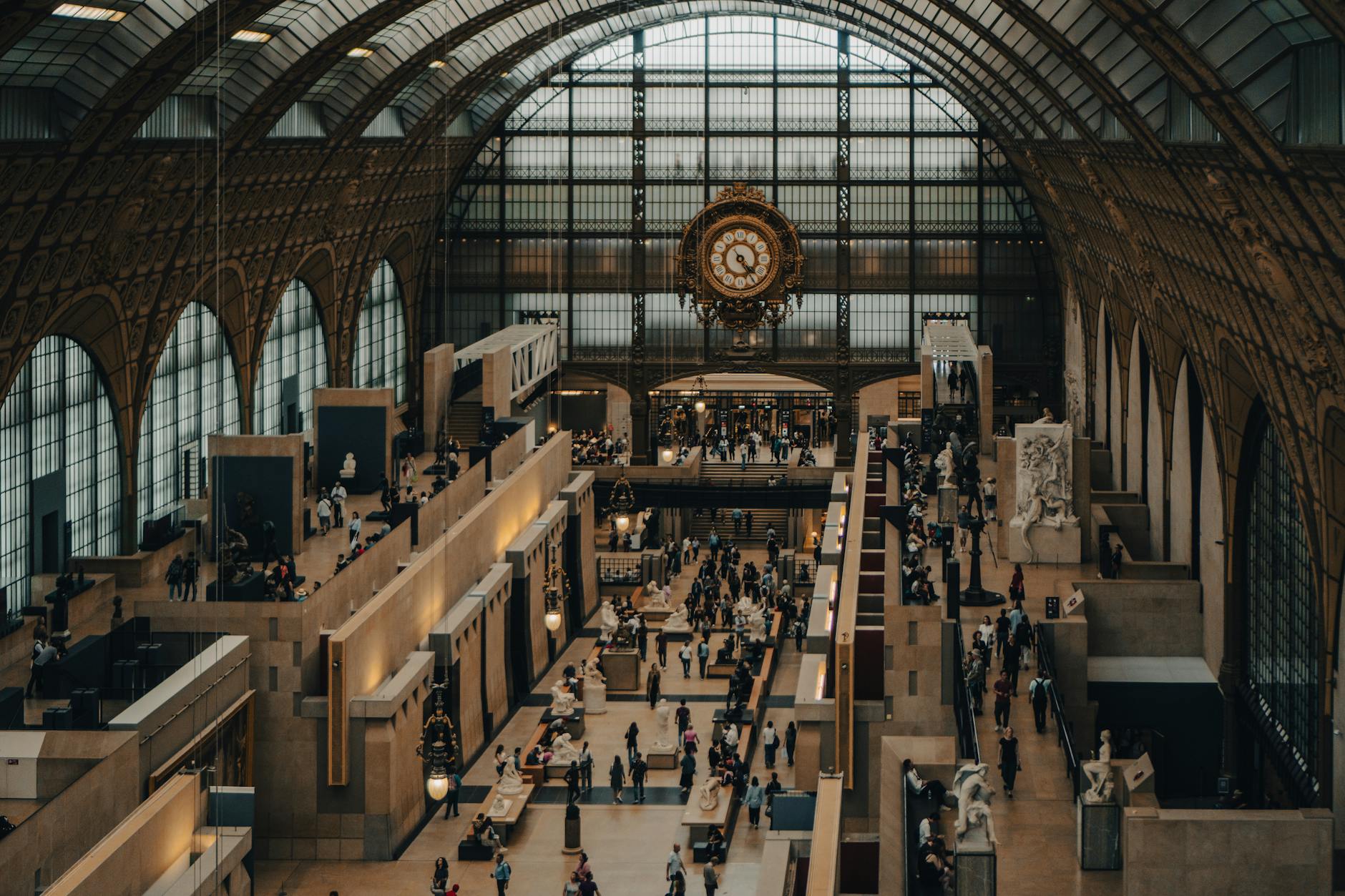
Plenty of visitors do the Water Lilies and leave, which is a mistake. Downstairs, 144 paintings from collector Paul Guillaume (1891-1934) and his widow Domenica Walter make one of the strongest small modern collections in Paris. The highlights:
- Renoir — 24 paintings; the largest Renoir collection outside the Orsay.
- Cézanne — 14 paintings; landscapes, still lifes, portraits of his wife.
- Modigliani — 5 paintings, including the Paul Guillaume portrait.
- Picasso — 12 paintings spanning the Blue, Rose, and Cubist periods.
- Soutine — 22 paintings; the largest Soutine collection in Paris.
- Matisse — 11 paintings.
- André Derain — 28 paintings.
- Utrillo — 10 Montmartre cityscapes.
- Marie Laurencin — 11 paintings.
- Henri Rousseau — 9 paintings.
Visit Strategy: 90 Minutes Well Spent
The order that works: 45 minutes with the Water Lilies first, sitting more than walking, because the rooms are the experience. Then head down to the Walter-Guillaume Collection for another 30 to 45 minutes. Finish in the gift shop, which is better than most. The Monet posters and prints are worth a look, and the Water Lilies postcard book is the souvenir people actually buy.
Best Time to Visit
- 9am opening: empty rooms, and the Water Lilies at their most contemplative.
- 11am-3pm: peak crowds; reflections off the canvases sometimes get in the way.
- 5pm-6pm: the light shifts and the crowds thin.
- Closed Tuesday.
- First Sunday of Nov-March: free entry, and very crowded for it.
- Avoid: summer 12-4pm, when the tour groups peak.
Combining the Orangerie with Other Sights
- Musée d’Orsay — 15-minute walk west along the Seine; combined ticket €22.
- Louvre — 5-minute walk through the Tuileries to the Pyramid.
- Place de la Concorde + Egyptian Obelisk — right outside.
- Champs-Élysées — walk west from Concorde.
- Jardin des Tuileries — the museum sits inside the gardens.
- Sainte-Chapelle + Conciergerie — 15-minute walk east.
- Musée Rodin — 20-minute walk south.
Eating Near the Orangerie
- Café Marly (Louvre arcades, 5 minutes east) — terrace with a pyramid view.
- Angelina (226 Rue de Rivoli, 5 minutes north) — the famous chocolat chaud and Mont-Blanc pastry.
- Le Meurice (228 Rue de Rivoli) — 3-Michelin lunch, if you’re splurging.
- Restaurant du Musée d’Orsay (10 minutes walk; that Belle Époque ceiling).
- Le Fumoir (6 Rue de l’Amiral de Coligny, 10 minutes east) — cocktail bar and bistro.
- Café Verlet (256 Rue Saint-Honoré) — a coffee roaster going since 1880.
Practical Tips
- Pre-book online at musee-orangerie.fr; same-day walk-up is sometimes available off-peak.
- Bags larger than 56x45x25cm aren’t allowed; coat check is free.
- Photography is fine without flash.
- No tripods.
- Wheelchair accessible, with elevators.
- Audio guide €5, in English, French, Spanish, German, Italian, Japanese, and Mandarin.
- Restrooms on the lower level.
- Keep it quiet in the Water Lilies rooms; everyone else is trying to.
- Pair it with the Musée d’Orsay for the best Impressionist day in Paris; the €22 combined ticket covers both.
Frequently Asked Questions
How much does Musée de l’Orangerie cost?
€12.50 for an adult. Free for under-18s worldwide, EU residents aged 18-25, and everyone on the first Sunday of the month from November to March. The combined ticket with the Orsay is €22, and the Paris Museum Pass covers it.
How long should I spend at the Orangerie?
Ninety minutes is the sweet spot: 45 in the Water Lilies oval rooms, 30 to 45 in the Walter-Guillaume Collection. You can do it in 60 if you’re pushed.
Where exactly are Monet’s Water Lilies?
In the two oval rooms at the Musée de l’Orangerie, in the Tuileries Gardens on the Place de la Concorde side, 1st arrondissement. Eight monumental canvases went in during 1927, arranged by Monet to work as a single 360-degree environment rather than a wall of separate pictures.
Is the Orangerie better than the Orsay?
They’re different beasts. The Orsay has the broad Impressionist and Post-Impressionist sweep (Monet, Renoir, Van Gogh, Cézanne, Gauguin, Manet, Degas). The Orangerie has the immersive Water Lilies plus the Walter-Guillaume modern collection. Both are worth your time, and the €22 combined ticket makes doing them together an easy call.
When is the Orangerie closed?
Tuesdays. Otherwise it’s open 9am-6pm, Wednesday through Monday. It also closes on May 1, Christmas Day, and January 1.
Can you take photos in the Water Lilies rooms?
Yes, without flash, and no tripods. Honestly, the rooms land harder without a camera in the way. Sit on the central bench and let them work on you.
Is the Orangerie wheelchair accessible?
Yes. There’s elevator access to all floors, and entry is free for visitors with disabilities plus one companion.
Is the Orangerie included in the Paris Museum Pass?
Yes, it’s included. Our museum pass guide does the math on whether the pass is worth it for your trip.
Plan the Rest of Your Paris Trip
Pair the Orangerie with the Musée d’Orsay, Louvre, Rodin, and Pompidou, or start from the Paris museums overview (the pillar) and the museum pass breakdown. For the trip itself: plan a trip, sort where to stay and getting around, and line up the best Paris attractions and things to do.
Plan the rest of your trip
Use these to round out your trip:
- Paris’s galleries and museums
- Centre Pompidou
- Musee Rodin: Sculptures, Gardens & The Thinker
- the small museums
- Notre-Dame Cathedral Paris
- Best Things to Do in Paris at Night
The Orangerie sits at the western end of the Tuileries, so the best way to arrive is on foot through the garden from the Louvre, past Maillol’s bronzes and the round pond. Our guide to the Jardin des Tuileries has the seasonal opening hours, the summer funfair dates and an hour-long route that finishes at the Water Lilies.