Best Wine Bars in Paris: A Sommelier’s Guide to Tastings
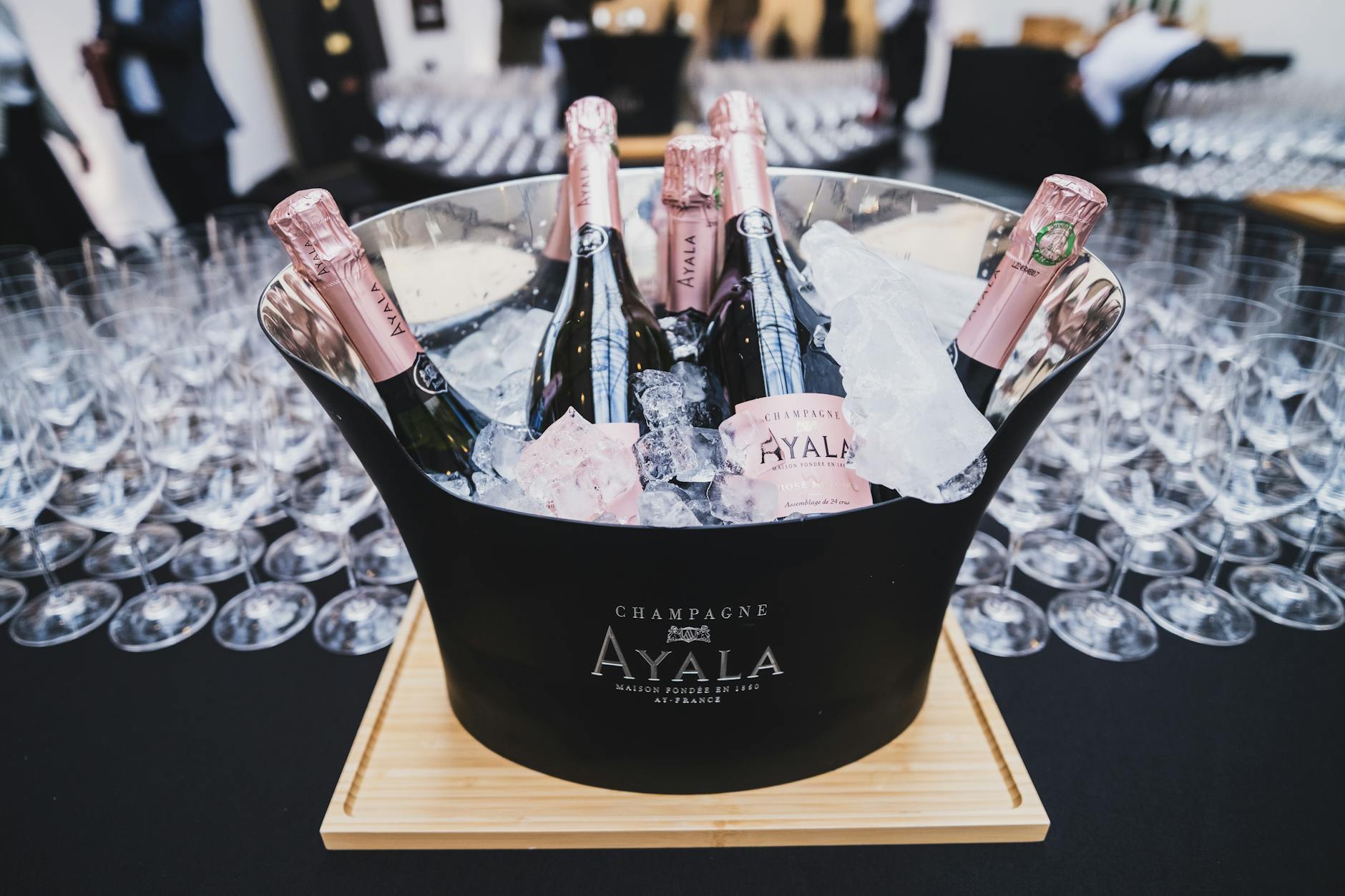
Walk into a Parisian wine shop, point at a bottle on the shelf, and someone will open it and pour it for you at a table in the back for the price of a sandwich on top of retail. That move, the cave à manger, is the thing to understand about the best wine bars in paris, and it sits at the center of three drinking cultures stacked on top of each other. The 1980s caves à manger are the bedrock: small, comptoir-focused, half-cellar and half-bistro. The natural-wine revolution that caught fire in the 11th around 2005 turned the city into the low-intervention capital of the world. And the formal wine programmes at the grand hotels and Michelin cellars give Paris a depth of classical wine service that few cities can touch. This guide works through all three: natural wine in Belleville and the 11th, serious Burgundy poured at a wine bar instead of a restaurant, Champagne by the flute without the trip to Reims, and the etiquette that makes the whole system run.
For the wider context, our guide to Parisian food sets the table, and the best restaurants in Paris covers the sit-down side. Be warned that the categories bleed into each other here. Half the places below serve a proper dinner, and the line between a wine bar that happens to cook and a bistro that happens to have a great cellar is genuinely impossible to draw in Paris.
The Three Paris Wine-Bar Traditions
Start with the cave à manger, which translates literally as “cellar to eat in.” It is a wine shop with a handful of tables. You pick any bottle off the shelf, the sommelier opens it for a corkage fee of roughly €7-15, and that is the whole genius of it. A €25 bottle costs you €35 here, against the €60-90 a restaurant would slap on the same wine. This is the real Parisian contribution to wine drinking. The names to know: La Cave de l’Insolite, Le Verre Volé, La Cave des Climats, Le Garde-Robe, Aux Tonneaux des Halles.
Next comes the natural-wine bar, the second-wave revival. It began in the early 2000s with rooms like Le Baratin, La Buvette, and Septime’s Clâmato, and within a decade Paris had become the global epicenter of the style: low-intervention, often unfiltered, sometimes funky or faintly fizzy in ways that catch first-timers off guard. The 11th and 10th arrondissements hold the densest cluster, though by now you will spot natural-leaning bottles on half the serious lists across the city.
Last, the classical wine programme, which lives in hotel bars and Michelin cellars: Bar Hemingway at the Ritz, Le Bar 228 at Meurice, Bar 8 at Mandarin Oriental, and the sommeliers’ lists at Le Cinq, Plenitude, and the Crillon. Champagne by the flute runs €25-50, vintage Burgundy by the glass €30-80, and if you ask a question you will get a short lecture thrown in. This is the wine-tourism end of town.
The 10 Best Wine Bars in Paris (Ranked by Combination of Wine List, Atmosphere, and Food)
Le Verre Volé (67 Rue de Lancry, 10th)
The Canal Saint-Martin benchmark since 2000, and the place where Cyril Bordarier essentially wrote the modern cave à manger template: a natural-leaning shop up front, eight tables in back, and simple bistro plates at €14-26 that fall into line behind whatever you pulled off the shelf. Corkage is €7. The Burgundy and Loire selection runs deep, so ask Cyril or the team what is drinking well that night rather than guessing. Book ahead, always. Métro: Jacques Bonsergent (Line 5).
Le Baratin (3 Rue Jouy-Rouve, 20th)
Rachel Charrier’s Belleville institution has been open since 1988, which makes it the natural-wine bistro that predates “natural wine” as a marketing phrase. The cooking draws on South American family recipes, the menu changes weekly on the chalkboards, and the wine list is formidable in the old sense of the word. Plates €14-28. Closed Sunday and Monday. Reservations are essential, and you want to book a week or two out. Métro: Pyrénées or Belleville (Line 11).
La Buvette (67 Rue Saint-Maur, 11th)
Eighteen seats, a regular on the World’s 50 Best Bars list, and Camille Forque running the room. The format is cheese, charcuterie, and something like 200 natural-wine bottles. Plates €9-22, bottles €30-90, and no corkage because the whole list is priced by the glass or the bottle. Métro: Saint-Maur (Line 3) or Parmentier (Line 3).
Clâmato (82 Rue de Charonne, 11th)
Septime’s seafood sibling, walk-in only, and best experienced from a stool at the marble counter. Bertrand Grebaut runs the wine programme; oysters are €3.50 each and the ceviche and crudo plates land at €9-22. The list is built for sharing and ranks among the most adventurous in the city. Evenings only, so aim for 5pm or after 10pm if you want a seat without waiting.
Septime Cave (3 Rue Basfroi, 11th)
The wine-shop arm of Septime, with about 30 standing-room spots, glasses at roughly €5-9, and charcuterie boards at €14. It stays open until midnight and is the cheapest way to drink what the Septime sommelier team is excited about. Walk-in.
Frenchie Bar à Vins (6 Rue du Nil, 2nd)
Gregory Marchand’s standing-room wine bar sits directly across the lane from his bistro. No reservations, so turn up around 6:30pm to claim a spot at the counter. The wines by the glass come out of the same cellar that stocks the Frenchie tasting menu, and the small plates run €9-19. Closes at 11pm.
La Cave des Climats (44 Rue de Bourgogne, 7th)
If Burgundy is the point of your evening, this is the address. It is the wine-bar sibling of the gastronomic Les Climats, and the list is exhaustive, down to grand crus poured by the glass. Plates €14-26. Métro: Solférino (Line 12) or Varenne (Line 13).
Le Garde-Robe (41 Rue de l’Arbre-Sec, 1st)
A Right-Bank cave à manger with approachable bottles at €25-60 and €7 corkage. The cheese-and-charcuterie program does the heavy lifting; the plates are smaller than what you get at Verre Volé. It runs from noon to 2am, which is rare enough for a Paris wine bar to be worth flagging.
Caves Légré-Allut (10 Rue Cassette, 6th)
A Saint-Germain cave à manger leaning hard into Loire and natural wine, with tables in the back. It makes a calm alternative to the crush around the Marais and Bastille. Plates €13-22.
Aux Tonneaux des Halles (28 Rue Montmartre, 1st)
An old-school bar dating to around 1900, parked in Les Halles, with a zinc bar, a painted tin ceiling, and charcuterie boards. For my money it is the most authentic “bar à vin” experience in central Paris, full stop. Glasses €5-9, plates €12-28.
Best Champagne Bars in Paris
Six places to drink Champagne properly, from the legendary to the conveniently mid-afternoon:
- Bar Hemingway at the Ritz (15 Place Vendôme, 1st): the storied cocktail bar pours Champagne flutes at €30-45, with vintage Krug or Salon climbing to €80. Smart casual dress; budget 30 minutes to get in, more after 7pm.
- Krug Room at Café Pouchkine (Madeleine): smaller room, with the full Krug-vintage range available by the glass.
- Champagne Bar at Galeries Lafayette (Boulevard Haussmann): the selection is more serious than you would expect from a department store, €15-35 a flute, with a rooftop terrace close by.
- Le Dokhan’s Champagne Bar (16th, inside Le Dokhan’s hotel): the only bar in Paris dedicated solely to Champagne, with 350 references and glasses from €18-90.
- Bar à Champagne at Galeries Lafayette Le Gourmet: covered, easy to reach, and built for daytime drinking.
- Plaza Athenée Le Bar: a sleek Patrick Jouin room pouring Krug, Salon, and Dom by the flute at €30-50.
Natural Wine Bars: The 11th/10th Concentration
The natural-wine scene packs into the 10th and 11th arrondissements, tightly enough that a six-stop crawl in a single evening is entirely doable:
- La Buvette (67 Rue Saint-Maur, 11th): reservation only.
- Le Verre Volé (67 Rue de Lancry, 10th): reservation only.
- Septime Cave (3 Rue Basfroi, 11th): walk-in.
- Le Baratin (3 Rue Jouy-Rouve, 20th): reservation only, and a 20-minute walk east of the rest.
- Aux Deux Amis (45 Rue Oberkampf, 11th): the Oberkampf classic, with small plates and aged Vins de France.
- Le Mary Celeste (1 Rue Commines, 3rd): nearer the Marais, mixing cocktails and natural wine.
- La Cave de l’Insolite (125 Rue de la Roquette, 11th): a cave à manger with a sprawling natural-wine catalogue.
- Vivant (43 Rue des Petites-Écuries, 10th): Pierre Jancou’s legendary natural-wine bistro; reservations.
Hotel Bar Wine Programmes (Old-School Splurge)
- Bar Hemingway at the Ritz: legendary, carrying the Colin Field legacy, with cocktails at €25-35 and wine flutes from €30.
- Bar 228 at Le Meurice: live jazz every night and Champagne flutes at €28-45.
- Le Bar at Plaza Athenée: the Patrick Jouin glass bar, cocktails €25-32.
- Bar 8 at Mandarin Oriental: another Patrick Jouin design, and to my eye the most beautiful hotel-bar interior in Paris.
- Le Bristol Bar: a classic English-style hotel bar with piano every night.
- Bar Botaniste at Shangri-La: a botanical cocktail bar with a smaller wine programme.
- Bar du Crillon: Les Ambassadeurs, set in gilded 18th-century state rooms.
By Neighborhood: Where to Drink Wine in Each Arrondissement
- 1st (Louvre): Le Garde-Robe, Aux Tonneaux des Halles, Bar Hemingway.
- 2nd (Montorgueil): Frenchie Bar à Vins, Le Coq & Fils.
- 3rd (Upper Marais): Le Mary Celeste, Candelaria, Sherry Butt.
- 4th (Marais): La Cave du Marais, Café Hugo wine list.
- 5th (Latin Quarter): La Quincave, Le Coq Rouge.
- 6th (Saint-Germain): Caves Légré-Allut, Le Comptoir du Relais wine bar.
- 7th (Eiffel): La Cave des Climats.
- 8th (Champs): Le Bar 8 (Mandarin), Le Bristol Bar, Plaza Athenée bar.
- 9th (SoPi/Opéra): La Maison du Whisky, Lulu White (absinthe-focused but excellent wine).
- 10th (Canal Saint-Martin): Le Verre Volé, Vivant, Le Doisne, Liquides bar.
- 11th (Bastille/Oberkampf): La Buvette, Septime Cave, Clâmato, Aux Deux Amis, La Cave de l’Insolite.
- 16th (Trocadéro): Le Dokhan’s Champagne Bar.
- 18th (Montmartre): Buvette (Henri Monnier), La Cave Henri IV.
- 20th (Belleville): Le Baratin, Le Chateaubriand wine bar.
The Cave-à-Manger System: How Corkage Works
Here is the mechanics of the signature Parisian move. You walk into a wine shop, pull any bottle off the cellar shelves, and the bar uncorks it at your table for a fee that usually lands between €7 and €15. Crucially, the bottle is priced at retail rather than restaurant markup, so a €25 bottle ends up costing you €32-40 all in, against €55-90 for the same wine across town. Food tends to stay simple: charcuterie, cheese, and a few small plates such as terrine, tartare, or a bit of seafood.
The etiquette is straightforward. Tell the staff your price range and what you feel like eating, and let them steer; they know the cellar far better than you do, every time. Most rooms take walk-ins but fill up after 7pm, so book if you want a table. Hours generally run 6pm to midnight, with lunch service at a few holdouts like Verre Volé and Frenchie Bar à Vins.
Wine + Cheese: Where to Pair Properly
Get the pairing right and you do not need a separate dinner:
- La Buvette: the natural-wine, sausage, and cheese plate done as well as anyone does it.
- Le Verre Volé: the deeper cheese selection.
- La Cave des Climats: Burgundy set against Epoisses or Comté.
- Le Garde-Robe: a solid cheese-and-charcuterie program.
- Paris by Mouth Cheese & Wine Tour: the educational route, 12 cheeses and 6 wines for €700-900 (private group of 4).
- Maison Marie-Anne Cantin: a legendary fromager running wine-and-cheese workshop tastings at €70.
Wine Tastings & Classes
- O Chateau Wine Tasting (Rue Jean-Lantier, 1st): a 90-minute sommelier-led tasting for €55, heavy on history.
- The Wine Society Paris: classroom-style afternoon courses at €120.
- La Cave des Caves (3rd): cellar tastings in a private space.
- Champagne Day Trip from Paris: the TGV out to Reims or Epernay for cellar tours at Taittinger, Mumm, and Veuve Clicquot, €200-350 per person.
- Wine class at Le Cordon Bleu: an afternoon session at €120-180.
Etiquette and Practical Tips
- Reservations are mandatory at La Buvette, Le Verre Volé, Le Baratin, Septime, Vivant, and La Cave des Climats. You can walk into Aux Tonneaux des Halles, Frenchie Bar à Vins, Clâmato, and Septime Cave.
- Dress code is smart casual everywhere except the hotel bars, where a jacket is suggested at the Ritz, Crillon, and Bristol.
- Cards work at every modern wine bar; keep cash for tips.
- Tip 5-10% for excellent service; rounding up to the euro is standard.
- Closed days: most natural-wine bars shut Sunday and Monday, so check before you walk over.
- Best night: Tuesday or Wednesday for serious drinking; Friday or Saturday for atmosphere.
- By-the-glass list rotates through 6-15 wines; ask which one is drinking best right now.
- Bottle service: most bars will gladly open whatever you point at on the shelf for the cave-à-manger fee.
- Pacing: an evening here runs 2-3 hours, so do not eat dinner first.
Frequently Asked Questions
What is the best wine bar in Paris?
Le Verre Volé (10th) is the long-running reference for the cave à manger. La Buvette (11th) is the smaller natural-wine pick that keeps landing on World’s 50 Best Bars. Le Baratin (20th) is the cult Belleville institution running since 1988. Among them they define the modern Paris wine bar.
How much does a glass of wine cost in Paris?
Figure €5-9 by the glass at a wine bar, €8-14 at a restaurant, and €15-35 at a hotel bar. By the bottle: €25-60 at most wine bars (plus €7-15 corkage), €55-150 at restaurants, and €90-400 at the Michelin level.
What is natural wine?
Wine made with minimal intervention: no commercial yeasts, little or no added sulfites, no fining, and often unfiltered. Paris has been the global center of the style since the early 2000s, with the 10th and 11th arrondissements as the densest neighborhoods.
What is a cave à manger?
Literally a “cellar to eat in”: a wine shop with a few tables where you choose any bottle off the retail shelf and the bar opens it at your table for a small corkage fee (€7-15). Bottles are priced at retail, not restaurant markup, which is exactly what makes serious wine affordable here.
Where do locals drink wine in Paris?
The 10th and 11th arrondissements (Canal Saint-Martin, Bastille, Oberkampf) dominate the modern scene. Belleville (20th) is the legacy natural-wine pocket. Saint-Germain (6th) holds the classic-restaurant wine programmes, and the Marais (3rd-4th) has the highest density of trendy bars.
Can I drink Champagne by the glass in Paris?
Yes, and easily. Bar Hemingway at the Ritz, Bar du Crillon, Le Bar 228 at Meurice, and the Champagne Bar at Galeries Lafayette all pour flutes at €25-50, including vintage Krug and Salon. Le Dokhan’s in the 16th is the most dedicated Champagne bar in the city.
Do you tip at Paris wine bars?
Service is included by law (around 12-15%), so tipping is optional. Round up to the euro or leave 5-10% for excellent service, and use cash for it.
Are Paris wine bars open on Sunday?
Plenty close Sunday and Monday. Reliable bets: Le Garde-Robe (1st), Bar Hemingway (Ritz), and Frenchie Bar à Vins (Wed-Sat). Most natural-wine bars, La Buvette, Verre Volé, and Le Baratin among them, shut Sunday and Monday, so confirm before you walk.
Plan the Rest of Your Paris Trip
A wine evening slots neatly into the rest of your eating and planning. On the food side: best restaurants in Paris, Paris food guide, French dishes to try in Paris, best cafes in Paris, best bakeries, food markets, Paris Michelin restaurants, food tours, cheap eats, and cooking classes. For the logistics: plan a trip to Paris, where to stay in Paris, getting around Paris, Paris neighborhoods guide, things to do in Paris, Paris attractions, Paris museums guide, day trips from Paris, Paris on a budget, Paris with kids, romantic Paris, Paris shopping guide, Paris nightlife guide, and best time to visit Paris.
Keep reading
Use these to round out your trip: