Paris Train Stations Explained: Which Gare for Which Destination
Seven stations, three halls at Gare de Lyon and one platform 300 metres from the rest.
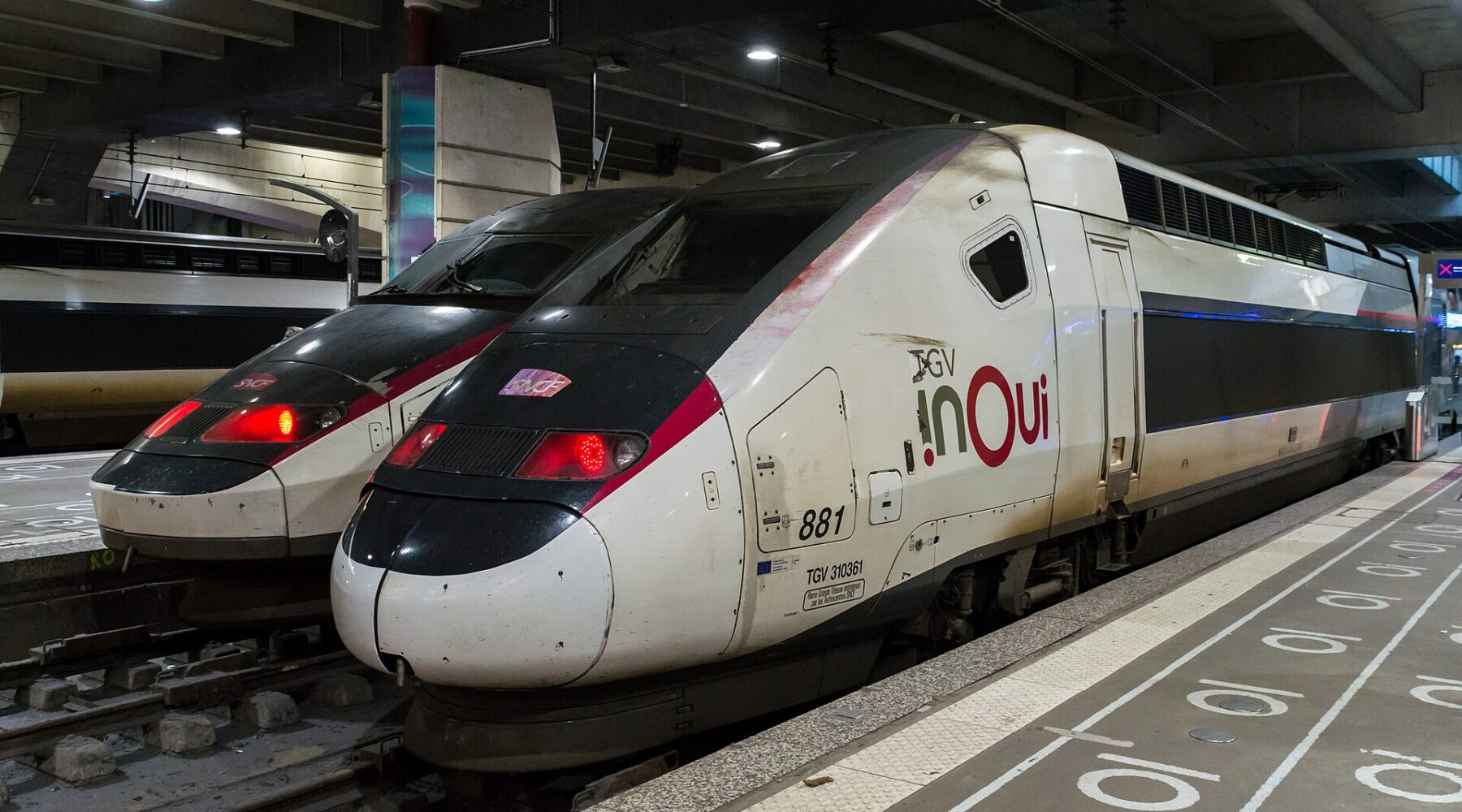
The first time most visitors discover that Paris has several mainline stations is when they’re standing in the wrong one. It happens every day: the family at Gare de Lyon clutching tickets for a train from Bercy, the couple at Gare du Nord with twenty minutes to find a train that leaves from Gare de l’Est, the group on the Metro to Montparnasse only to find their platform is a 300-metre walk away in a separate hall. None of it is complicated once you know how the system works. This paris train stations guide takes each station in turn: which destinations it serves, how it’s laid out, how to reach it, where to eat, store bags and wait, and the particular traps each one sets.
We’ll start with a quick-reference table and the rules that apply to all of them, then go through Gare du Nord, Gare de l’Est, Gare de Lyon, Bercy, Austerlitz, Montparnasse and Saint-Lazare, plus the outer stations that serve the airport and Disneyland. For choosing trains, fares and routes, see our companion guide to trains from Paris. Information was checked in September 2026; station layouts change during renovations, so follow the signs on the day.
Which station for which destination
| Station | Main destinations | Metro / RER |
|---|---|---|
| Gare du Nord | London, Brussels, Amsterdam, Cologne; Lille and northern France; CDG airport by RER B | Metro 4, 5; RER B, D; RER E at Magenta |
| Gare de l’Est | Reims, Strasbourg, Metz, Nancy; Luxembourg; Frankfurt, Stuttgart, Munich; Provins | Metro 4, 5, 7 |
| Gare de Lyon | Lyon, Provence, Marseille, the Riviera, Montpellier, the Alps; Geneva, Lausanne, Zurich; Milan; Barcelona; Fontainebleau | Metro 1, 14; RER A, D |
| Paris-Bercy | Burgundy, central France, OUIGO Train Classique services | Metro 6, 14 |
| Gare d’Austerlitz | Orléans, Limoges, Toulouse; OUIGO Train Classique to Bordeaux, Nantes and Toulouse; most night trains | Metro 5, 10; RER C |
| Gare Montparnasse | Bordeaux, Rennes and Brittany, Nantes, Tours and the Loire, the Basque coast; Chartres | Metro 4, 6, 12, 13 |
| Gare Saint-Lazare | Rouen, Caen, Le Havre, Deauville; Vernon for Giverny; western suburbs | Metro 3, 12, 13, 14; RER E |
The single most useful habit: read the station name on your ticket twice, once when you book and once before you leave your hotel.
Rules that apply at every station
Platforms appear late
At all the big Paris stations, the departure platform (voie) for long-distance trains is only shown on the boards around 20 minutes before departure. Until then, crowds gather in front of the screens, and when the number flashes up there’s a rush for the platform. Don’t panic if it isn’t showing when you arrive. Do stand where you can see a board and walk quickly when it appears, because TGVs are long and your coach may be near the far end.
Allow enough time
- TGV INOUI and Intercités: arrive 20–30 minutes before departure.
- OUIGO: arrive at least 30 minutes before, as boarding closes early.
- Eurostar to London: arrive well ahead for security and passport control, following Eurostar’s current advice.
- With luggage or children, or at an unfamiliar station: add 15 minutes.
Watch your bags
The mainline stations are among the busiest places in Paris, and pickpockets work them, particularly the concourses, escalators and ticket machines. Keep your phone and wallet in a zipped pocket or bag in front of you, don’t leave luggage unattended even for a moment, and be wary of anyone offering unsolicited help with tickets or bags. Our guide to pickpockets in Paris explains their methods.
Use official taxis only
Every station has an official taxi rank, signposted Taxis. Ignore anyone who approaches you inside the station offering a taxi or a ride; they are unlicensed and overcharge. Licensed Paris taxis have a roof light reading “TAXI PARISIEN”. See our taxi and Uber guide for fares.
Left luggage
Most of the mainline stations have SNCF left-luggage lockers, behind an X-ray security check, costing roughly €5.50–9.50 for 24 hours depending on locker size. They close overnight and can fill up on busy days. Our guide to luggage storage in Paris compares them with nearby app-based storage.
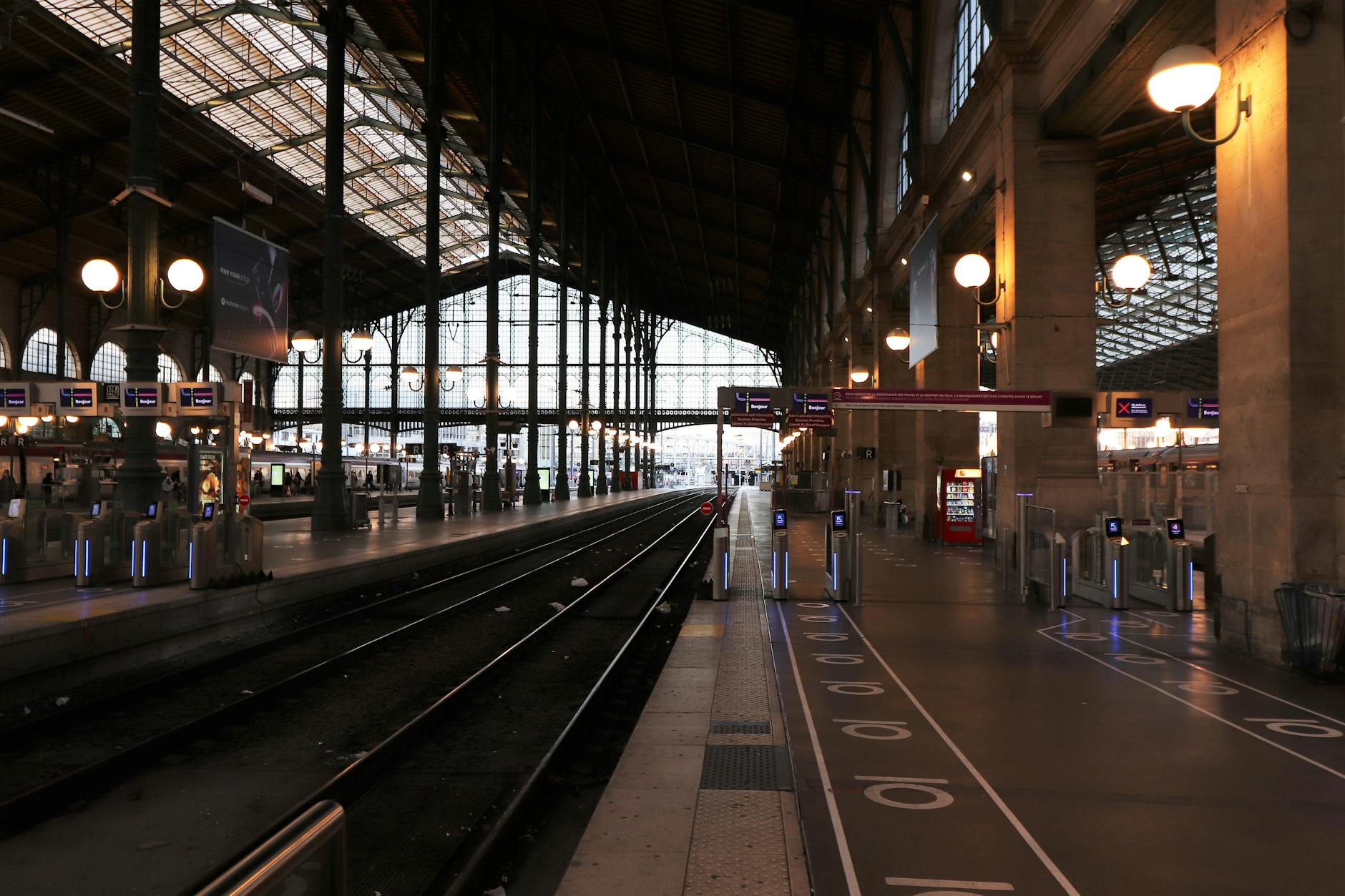
Gare du Nord
For: London, Brussels, Amsterdam and Cologne by Eurostar; Lille and northern France; Chantilly; CDG airport by RER B.
Gare du Nord is the busiest railway station in Europe, and it feels it. Behind the grand 1860s façade, with its row of statues personifying the cities of the north, the station is a crowded, sprawling mix of high-speed, suburban and RER platforms on several levels.
Layout
- The main concourse, straight in from the façade, serves the long-distance platforms, including Eurostar trains to Brussels and Amsterdam and TGVs to Lille.
- The Eurostar terminal for London is on the upper level, reached by escalators from the concourse. Security and French and British passport controls happen here, before the departure lounge.
- The lower levels hold the RER B and D platforms (including trains to CDG airport) and the Metro. Allow time: the walk from the Metro to the Eurostar terminal is longer than it looks.
- Suburban trains leave from platforms on the western side of the station.
Tips
- The RER B to Charles de Gaulle leaves from here, and the airport ticket costs €14. See our airport transfer guide.
- Gare de l’Est is a 10-minute walk away, down the Rue de Dunkerque and Boulevard de Magenta, which is useful if you’re changing between the two.
- Gare du Nord has a poor reputation for touts, fake taxi drivers and pickpockets, especially around the exits and ticket machines. It’s safe to pass through, but stay alert. Our guide to areas to avoid in Paris covers the surrounding streets.
- Eating: the station has fast food and chain cafés. For something better, the streets towards the Canal Saint-Martin and the 10th arrondissement are full of good, cheap restaurants, or pick up a sandwich before you arrive.
For the London service in detail, see our Paris to London Eurostar guide.
Gare de l’Est
For: Reims and Champagne, Strasbourg, Metz, Nancy; Luxembourg; Germany (Frankfurt, Stuttgart, Munich); Provins and the eastern suburbs.
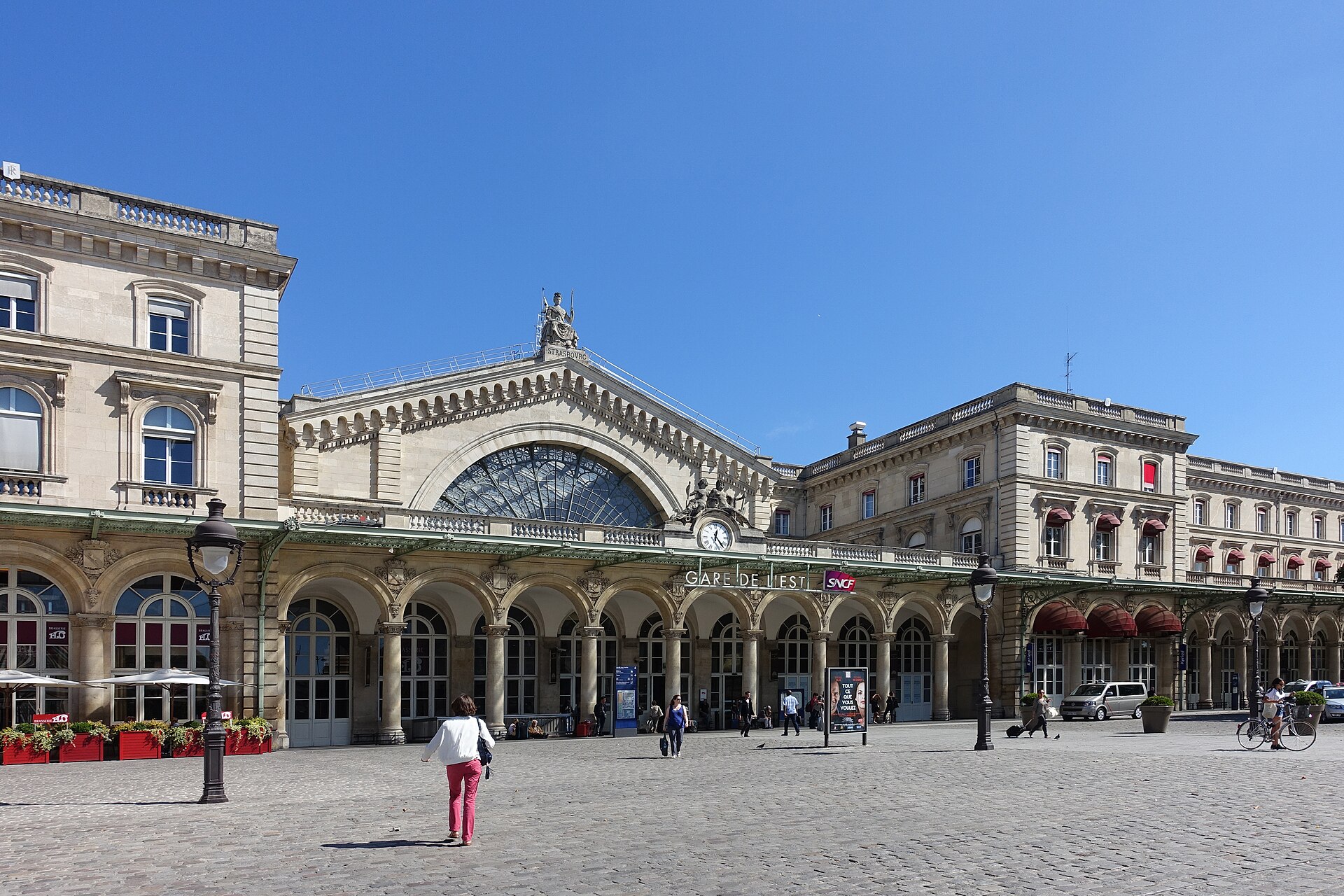
Just south of Gare du Nord, Gare de l’Est is its calmer, more orderly neighbour. Its elegant 19th-century façade is crowned by a statue representing Strasbourg, and inside the station is bright, simple and easy to navigate: one main concourse, with the platforms laid out in front of you.
It’s also a station with history. Hundreds of thousands of soldiers left from here for the front in the First World War, and a huge painting by the American artist Albert Herter, Le Départ des poilus (The Departure of the Soldiers), hangs in the hall in their memory. Look up for it while you wait.
Tips
- Reims is only about 45 minutes away by TGV, making a Champagne day trip easy. See our Champagne day trip guide.
- Provins, the medieval walled town, is served by suburban trains from here. See our Provins guide.
- Christmas in Strasbourg: trains to Strasbourg sell out in December, when the city’s markets are in full swing. Book early.
- The Canal Saint-Martin is a five-minute walk away, with cafés and bakeries far better than the station’s.
Gare de Lyon
For: Lyon, Dijon, Provence, Marseille, the Riviera, Montpellier, the Alps; Switzerland (Geneva, Lausanne, Basel, Zurich); Milan; Barcelona; Fontainebleau and the south-eastern suburbs.
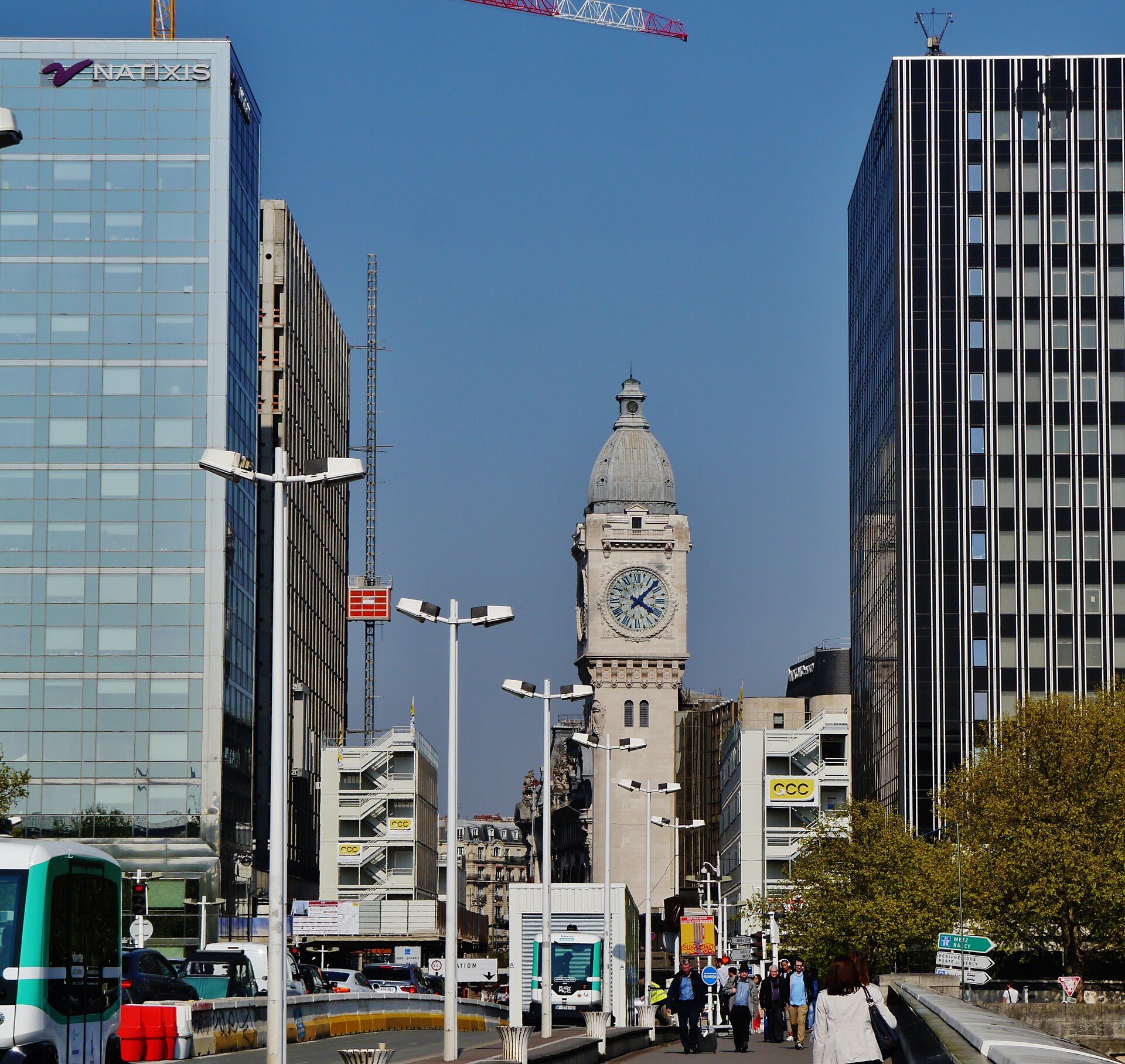
Gare de Lyon is the busiest long-distance station in France after Gare du Nord, and the gateway to the south. It was rebuilt for the 1900 Universal Exhibition, and its tall clock tower is one of the landmarks of eastern Paris.
Layout: the three halls
Gare de Lyon is the station where knowing the layout matters most.
- Hall 1 faces the main building and the clock tower. Its platforms are labelled with letters, A to N.
- Hall 2 is further along to the east, a modern glass hall, with platforms labelled with numbers, 5 to 23.
- Hall 3 is an underground passage running across the station from the Rue de Bercy to the Place Henri-Frenay, with access to the platforms of both halls, the Metro and the RER.
Your ticket and the departure board will say “Hall 1” or “Hall 2” with the platform. The two halls are a few minutes’ walk apart, which is not far, but it’s a lot when the platform appears 15 minutes before departure and you’re standing in the wrong one with a suitcase. Check the hall as soon as you arrive.
Le Train Bleu
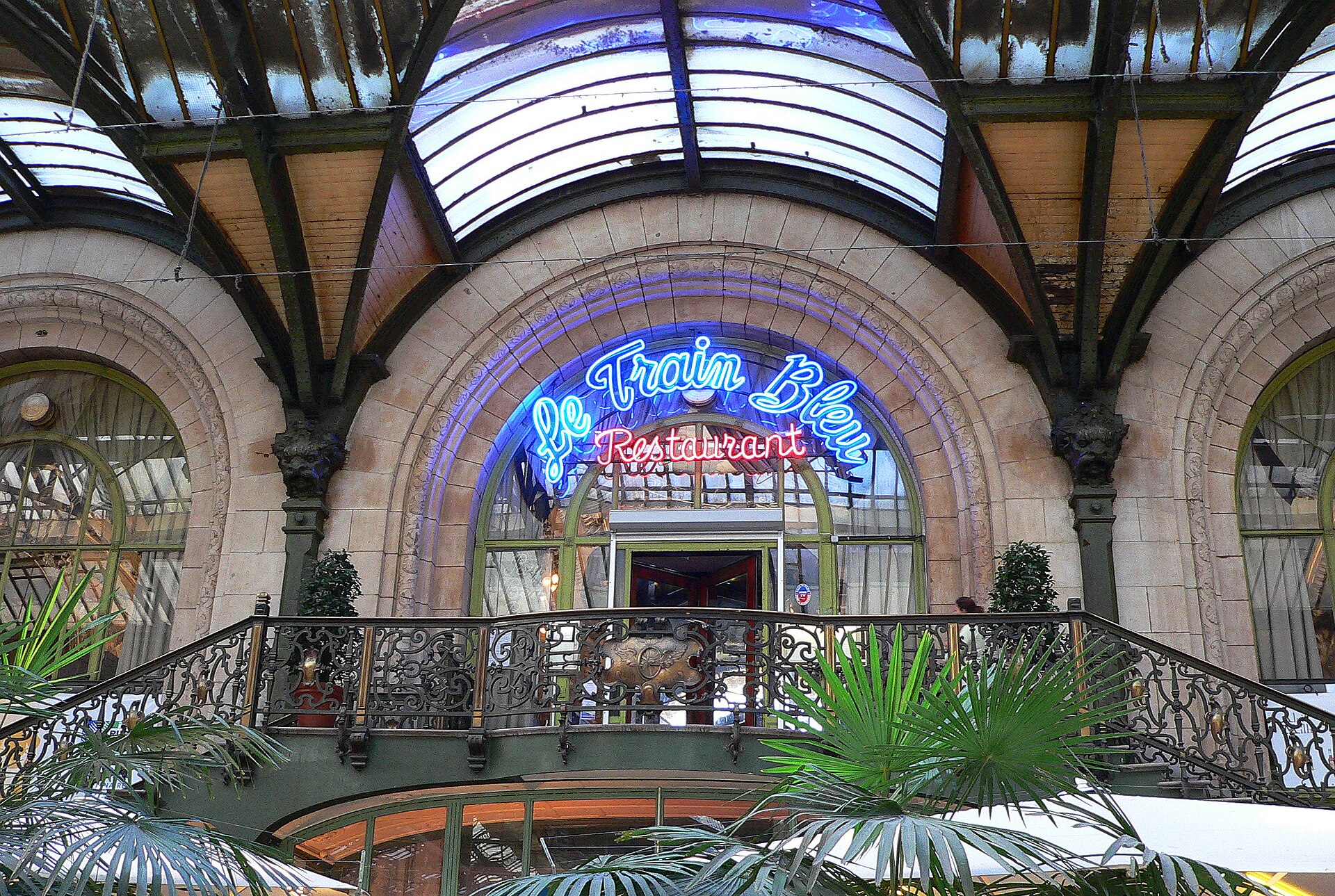
Up a flight of stairs above Hall 1 is one of the most beautiful restaurants in Paris: Le Train Bleu, opened with the station in 1901 and named after the luxury overnight train that once carried the wealthy from Paris to the Riviera. The dining rooms are covered in gilded mouldings, chandeliers and dozens of painted scenes of the cities and landscapes the railway served. Lunch or dinner is expensive; a drink or a coffee in the bar, sitting in a leather armchair overlooking the platforms before your train, is one of the great small pleasures of travelling from Paris.
Tips
- Metro Line 14, the fast automatic line, links Gare de Lyon directly with Châtelet, Saint-Lazare and, in the other direction, Bercy and Orly airport.
- Bercy is a 10-minute walk away. If your ticket says Paris-Bercy, don’t wait at Gare de Lyon.
- Fontainebleau trains leave from the suburban platforms; see our Fontainebleau day trip guide.
- Food: the station has plenty of chain options; the streets towards the Aligre market, 10 minutes away, have much better food.
Paris-Bercy
For: Burgundy and central France, including Dijon, Nevers and Clermont-Ferrand; some OUIGO Train Classique services.
Officially Paris Bercy Bourgogne – Pays d’Auvergne, this small, modern station sits about 10 minutes’ walk south-east of Gare de Lyon, and it’s the station most often confused with its big neighbour. It handles slower Intercités and regional trains and some low-cost services, and it’s quiet and easy to navigate, but facilities are limited, so bring food.
Tips
- Metro Bercy (Lines 6 and 14) is right next door.
- Walking from Gare de Lyon takes around 10 minutes along the Rue de Bercy and the Boulevard de Bercy. With luggage, allow 15.
- Parc de Bercy and Bercy Village, with its restaurants in old wine warehouses, are a short walk away if you’re early.
Gare d’Austerlitz
For: Intercités to Orléans, Limoges and Toulouse; OUIGO Train Classique to Bordeaux, Nantes and Toulouse; most of France’s domestic night trains.
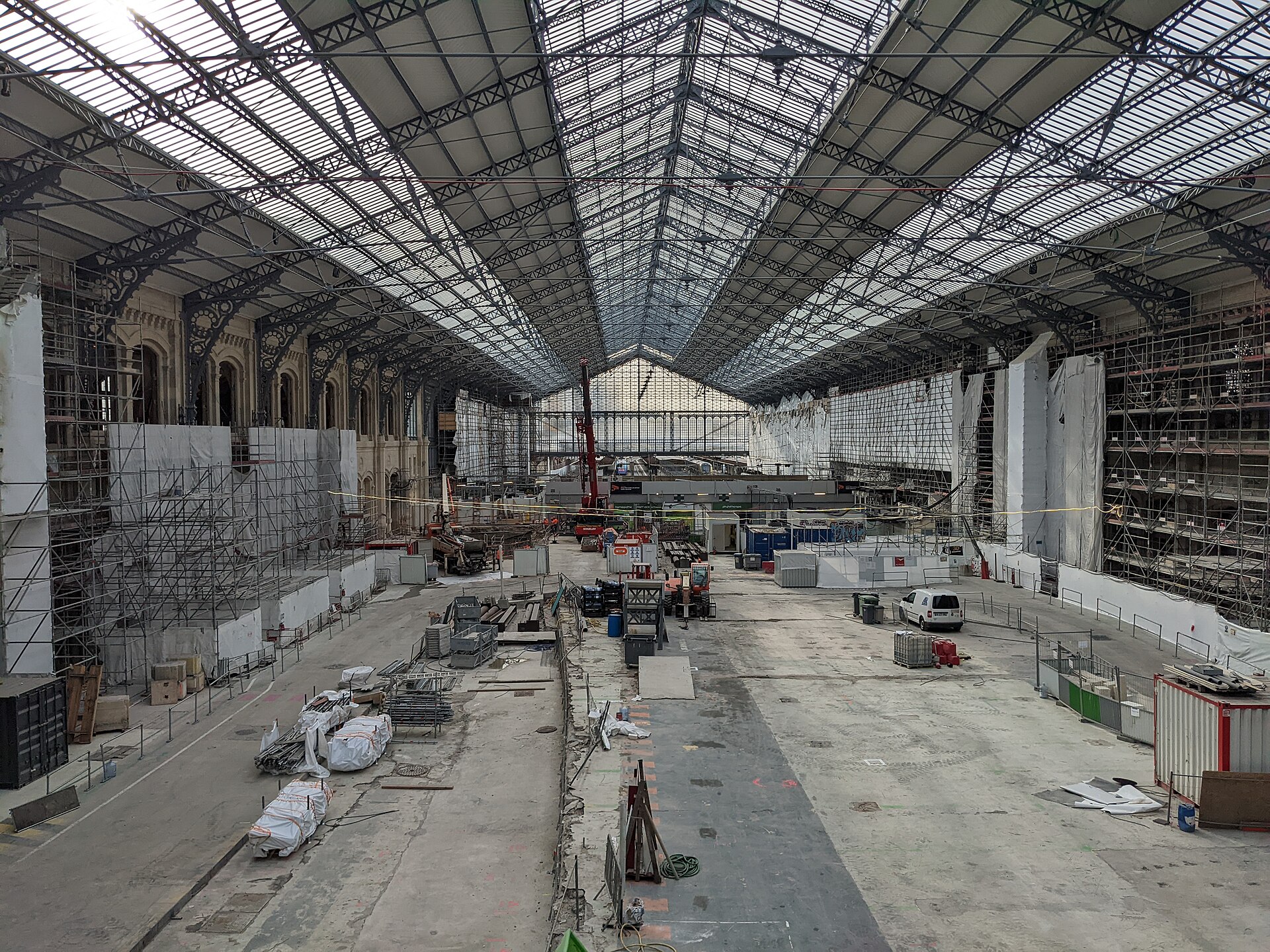
On the Left Bank of the Seine, opposite Gare de Lyon, Austerlitz is one of the oldest stations in Paris, and it’s in the middle of a long transformation. The vast iron-and-glass train shed, the Grande Halle, has been under renovation for years, with the long-distance trains moved to other platforms and a construction site where the tracks once were. The station works fine, but it isn’t always pretty, and signage changes as work progresses.
Night trains
Austerlitz is the main departure point for France’s Intercités de Nuit sleeper trains, with services towards the Alps, the Pyrenees and, in season, the Riviera. In summer 2026 the Paris–Nice night train ran Monday to Friday from 6 July to 28 August, leaving at 21:25. Night train timetables change often because of engineering works, so check your train carefully.
Tips
- The Jardin des Plantes is right next door, a lovely place to wait if you’re early. See our Jardin des Plantes guide.
- Metro Line 5 and 10 and the RER C serve the station. Line 5 crosses the Seine on a viaduct straight into the station building.
- Gare de Lyon is directly across the river, a 15-minute walk over the Pont Charles-de-Gaulle, which is usually quicker than any Metro route.
Gare Montparnasse
For: high-speed trains to Bordeaux, the Basque coast, Toulouse, Nantes, Rennes, Brittany and Tours for the Loire Valley; regional trains to Chartres; suburban trains to Versailles-Chantiers.
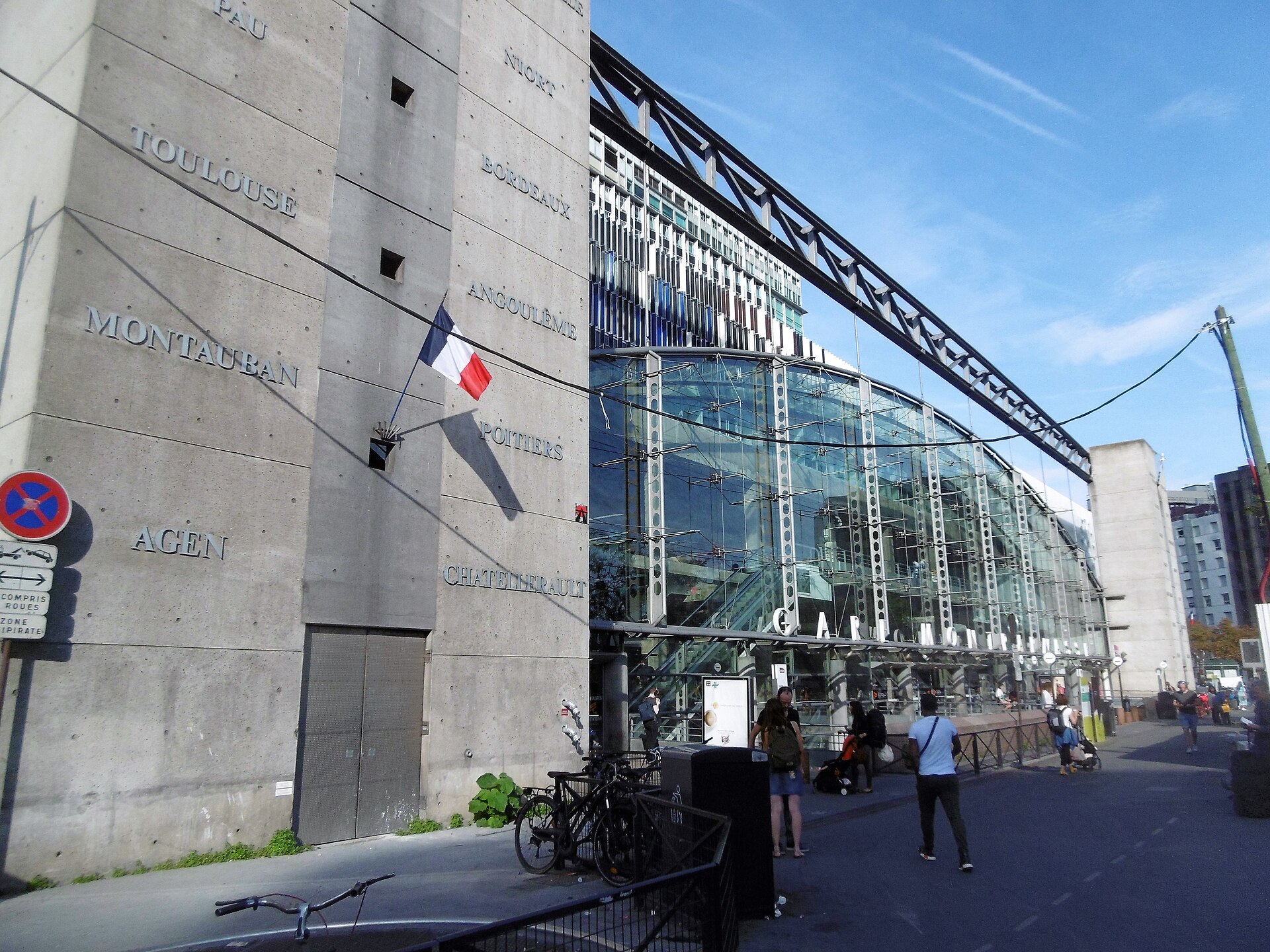
Montparnasse is the least charming of the big stations, a modern complex rebuilt in the 1960s and heavily refurbished since, but it’s busy, functional and full of shops. The original station, which stood in front of the current one, witnessed two famous moments: the 1895 accident in which a train crashed through the façade and hung over the street below, and the surrender of the German garrison of Paris to the Free French in August 1944. Above the tracks, hidden from view, is a surprisingly peaceful roof garden, the Jardin Atlantique.
Layout: watch out for Hall 3
- Halls 1 and 2 are the main part of the station, reached from the forecourt facing the Tour Montparnasse and the Metro.
- Hall 3, known as Vaugirard, serves platforms 25 to 28. It sits at the far end of the station, a walk of about 300 metres along platform 24, or it can be reached directly from the street at 7 Rue du Cotentin. With luggage, allow an extra 5–8 minutes if your train leaves from here.
Tips
- The Metro connection is a long walk. The Montparnasse–Bienvenüe Metro station is huge, with long corridors between lines and the station. Allow 10 minutes.
- Mont-Saint-Michel: take the TGV to Rennes, then a bus. See our Mont-Saint-Michel guide.
- The Loire Valley: trains to Saint-Pierre-des-Corps (for Tours) leave from here. See our Loire Valley day trip guide.
- Versailles: suburban trains to Versailles-Chantiers leave from Montparnasse. See our Versailles transport guide.
Gare Saint-Lazare
For: Normandy (Rouen, Le Havre, Caen, Cherbourg, Deauville, Trouville), Vernon for Giverny, Versailles Rive Droite and the western suburbs.
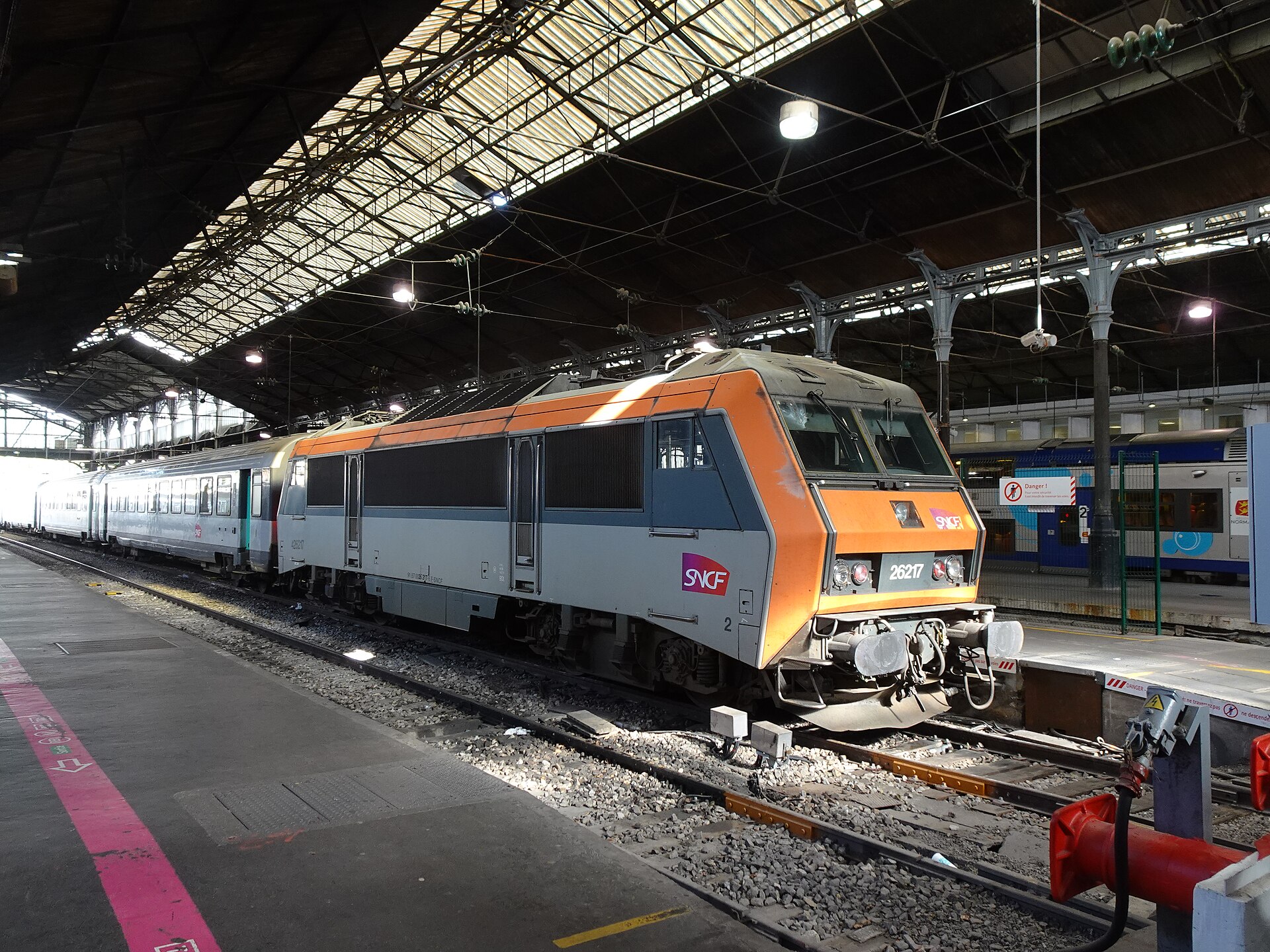
Saint-Lazare is the oldest station in Paris, on the site of the city’s first passenger line, which opened in 1837, and it’s the one the Impressionists loved. Claude Monet painted it again and again in 1877, filling the great iron shed with steam and light; one of those canvases hangs in the Musée d’Orsay. Today it’s one of the busiest stations in France, mostly with commuters, and it has been turned into a bright shopping centre on several levels.
Tips
- Giverny: take a Nomad train from Saint-Lazare to Vernon, then the shuttle bus. See our Giverny day trip guide.
- Look for Arman’s sculptures outside the two forecourts: a tower of clocks (L’Heure de tous) and a stack of suitcases (Consigne à vie).
- Department stores: Printemps and Galeries Lafayette are a five-minute walk away. See our guide to Galeries Lafayette and Printemps.
- The platforms are at street level above the shopping centre, so follow the Grandes Lignes signs up.
The outer stations
Some high-speed trains skip central Paris altogether and call at stations on the edge of the city. They’re useful if you’re connecting to a flight or heading to Disneyland, but check carefully before you book a train from one of them.
| Station | Where | Useful for |
|---|---|---|
| Aéroport Charles de Gaulle 2 TGV | Inside CDG Terminal 2 | Going straight from a flight to Lyon, Marseille, Bordeaux, Lille, Brussels or Strasbourg without entering Paris |
| Marne-la-Vallée–Chessy | Next to Disneyland Paris | High-speed trains to and from the regions for Disneyland visitors; also on RER A |
| Massy TGV | Southern suburbs | Trains avoiding central Paris; connected to RER B and C |
| Versailles-Chantiers | Versailles | Some regional and OUIGO Train Classique services; the palace is a 20-minute walk |
See our guides to Disneyland Paris and airport transfers for more.
Changing stations in Paris
If you’re arriving at one station and leaving from another, as many travellers do between London and the south of France, allow plenty of time.
| From → To | Best route | Allow |
|---|---|---|
| Gare du Nord → Gare de l’Est | Walk (about 10 minutes) | 30 min |
| Gare du Nord → Gare de Lyon | RER D (two stops) or RER B then Metro 14 | 60 min |
| Gare du Nord → Montparnasse | Metro Line 4 direct | 75 min |
| Gare du Nord → Saint-Lazare | RER E from Magenta, or taxi | 60 min |
| Gare de Lyon → Bercy | Walk (about 10 minutes) or Metro 14 | 30 min |
| Gare de Lyon → Austerlitz | Walk across the Seine (about 15 minutes) | 40 min |
| Gare de Lyon → Montparnasse | Metro 14 then 4, or taxi | 75 min |
| Gare de l’Est → Gare de Lyon | Metro 5 to Bastille, then Line 1 one stop, or taxi | 60 min |
“Allow” includes time to reach the platform and a buffer for delays. With children or heavy bags, a taxi is often the least stressful option; licensed taxis from one station to another usually cost €15–30 depending on traffic. Our Paris Metro guide explains tickets, and remember that many Metro stations have stairs and no lifts.
Through tickets and missed connections
If you book a journey with a change of station in Paris on a single ticket, the booking will include a minimum connection time. If you book separate tickets, you’re on your own if the first train is late. For important connections, particularly Eurostar to TGV, leave a generous margin or buy tickets with flexibility.
Waiting, accessibility and station services
Where to wait
Seating in the big concourses is limited and usually taken, especially at Gare de Lyon and Gare du Nord in the hour before the evening departures. SNCF runs lounges at the main stations for holders of its frequent-traveller cards and some premium tickets, with seats, drinks and Wi-Fi; check whether your ticket qualifies. For everyone else, a café a few minutes’ walk outside the station is a far more pleasant place to spend a spare half-hour than the concourse, as long as you keep an eye on the time. Free Wi-Fi is available in the main stations, though it can be slow at peak times.
Accessibility
All the mainline stations have lifts and ramps to the long-distance platforms, but the routes to them from the Metro can be long and are not always step-free; many Metro stations have only stairs. SNCF offers a free assistance service for travellers with reduced mobility, who can be met at the entrance and helped to their seat, and it should be booked in advance. If you need step-free access between stations, a taxi or an accessible van is usually far easier than public transport.
Toilets, shops and pharmacies
Every mainline station has toilets, usually paid and staffed, plus newsagents, bakeries and small supermarkets for supplies before a long journey. Gare Saint-Lazare and Montparnasse have the widest choice of shops. Buy water and snacks before boarding if you’re travelling on OUIGO, which has no bar car.
Where to stay near the stations
Staying near your departure station makes early trains much easier. Our view:
- Gare de Lyon and Bercy: the 12th arrondissement is calm, residential and well connected, with good value hotels and the Aligre market. A strong choice.
- Montparnasse: the 14th and 15th are pleasant and practical, with lots of mid-range hotels.
- Saint-Lazare: central, close to the department stores and the Opéra, with many business hotels.
- Gare de l’Est and Gare du Nord: very convenient, and the area around the Canal Saint-Martin is lively, but the streets immediately around Gare du Nord can feel rough at night. Choose your street carefully.
- Austerlitz: close to the Latin Quarter and the Jardin des Plantes, a pleasant area to base yourself.
See our guide to where to stay in Paris for the full picture.
Frequently asked questions
How many train stations are there in Paris?
Paris has six major mainline stations (Gare du Nord, Gare de l’Est, Gare de Lyon, Gare d’Austerlitz, Gare Montparnasse and Gare Saint-Lazare), plus Paris-Bercy, which is sometimes counted as a seventh. Several other stations on the edge of the city, including CDG Airport, Marne-la-Vallée–Chessy and Massy TGV, also have high-speed trains.
Which Paris station is for the Eurostar?
Gare du Nord. Eurostar trains to London leave from a dedicated terminal on the upper level, with security and passport checks. Eurostar trains to Brussels and Amsterdam leave from the main platforms and have no passport checks.
Which Paris station is for trains to the south of France?
Gare de Lyon, for high-speed trains to Lyon, Provence, Marseille, Montpellier and Nice. The seasonal night train to Nice leaves from Gare d’Austerlitz.
What is the difference between Gare de Lyon Hall 1 and Hall 2?
They are two separate halls a few minutes’ walk apart. Hall 1, facing the clock tower, has platforms labelled with letters (A to N). Hall 2 has numbered platforms (5 to 23). Check which hall your train leaves from as soon as you arrive.
Is Gare du Nord safe?
It is safe to pass through, but it’s crowded and known for pickpockets, touts and unlicensed taxi drivers. Keep your valuables secure, use only the official taxi rank, and don’t accept help from strangers at ticket machines.
How long does it take to get between Paris train stations?
It varies from a 10-minute walk (Gare du Nord to Gare de l’Est, Gare de Lyon to Bercy) to 30–40 minutes by Metro or RER for stations on opposite sides of the city. Allow at least an hour for a connection between stations, more with luggage.
Which station do trains to Normandy leave from?
Gare Saint-Lazare, for Rouen, Caen, Le Havre, Deauville and Vernon for Giverny.
Do Paris train stations have luggage storage?
Most mainline stations have SNCF left-luggage lockers, behind a security scanner, costing roughly €5.50–9.50 for 24 hours. Many app-based storage hosts also operate nearby.
Heading to the Riviera? Daytime trains to Nice leave from Gare de Lyon, but the sleeper leaves from Austerlitz across the river, and mixing the two up is an easy way to miss a train. Our guide to the Paris to Nice train explains the options, times and which side of the carriage to sit on.
Related Paris Guides
- Trains From Paris: The Complete Guide
- Paris to London by Eurostar
- Luggage Storage in Paris
- The Paris Metro Guide
- Paris Taxis and Uber
- The Best Day Trips From Paris
- Pickpockets in Paris
- Where to Stay in Paris
Photo Credits
A TGV at Gare Montparnasse: 2024-12-27 TGV Euroduplex rame 881, Paris Montparnasse by RAIL P (RAIL.PHOTOGRAPHY), CC0, via Wikimedia Commons.
The clock tower of Gare de Lyon: Paris Gare de Lyon Tour de l’Horloge 1 by Zairon, CC BY-SA 4.0, via Wikimedia Commons.
Gare de l’Est: Gare de l’Est, Paris 22 August 2016 by Guilhem Vellut from Paris, France, CC BY 2.0, via Wikimedia Commons.
Le Train Bleu: Le Train Bleu, Gare de Lyon, 2007 – panoramio by simon tunstall, CC BY 3.0, via Wikimedia Commons.
The Grande Halle at Gare d’Austerlitz: Grande halle de la gare d’Austerlitz octobre 2023 by Artvill, CC BY-SA 4.0, via Wikimedia Commons.
Gare Montparnasse entrance: 14 parvis de la gare Montparnasse by VVVCFFrance, CC BY-SA 4.0, via Wikimedia Commons.
A train at Gare Saint-Lazare: BB 26017, Saint-Lazare, 3 octobre 2020 by Stratoswift, CC BY-SA 4.0, via Wikimedia Commons.