Is Paris Safe? An Honest 2026 Safety Guide for Visitors
Violent crime against visitors is rare. Theft is common, organised and almost entirely preventable.
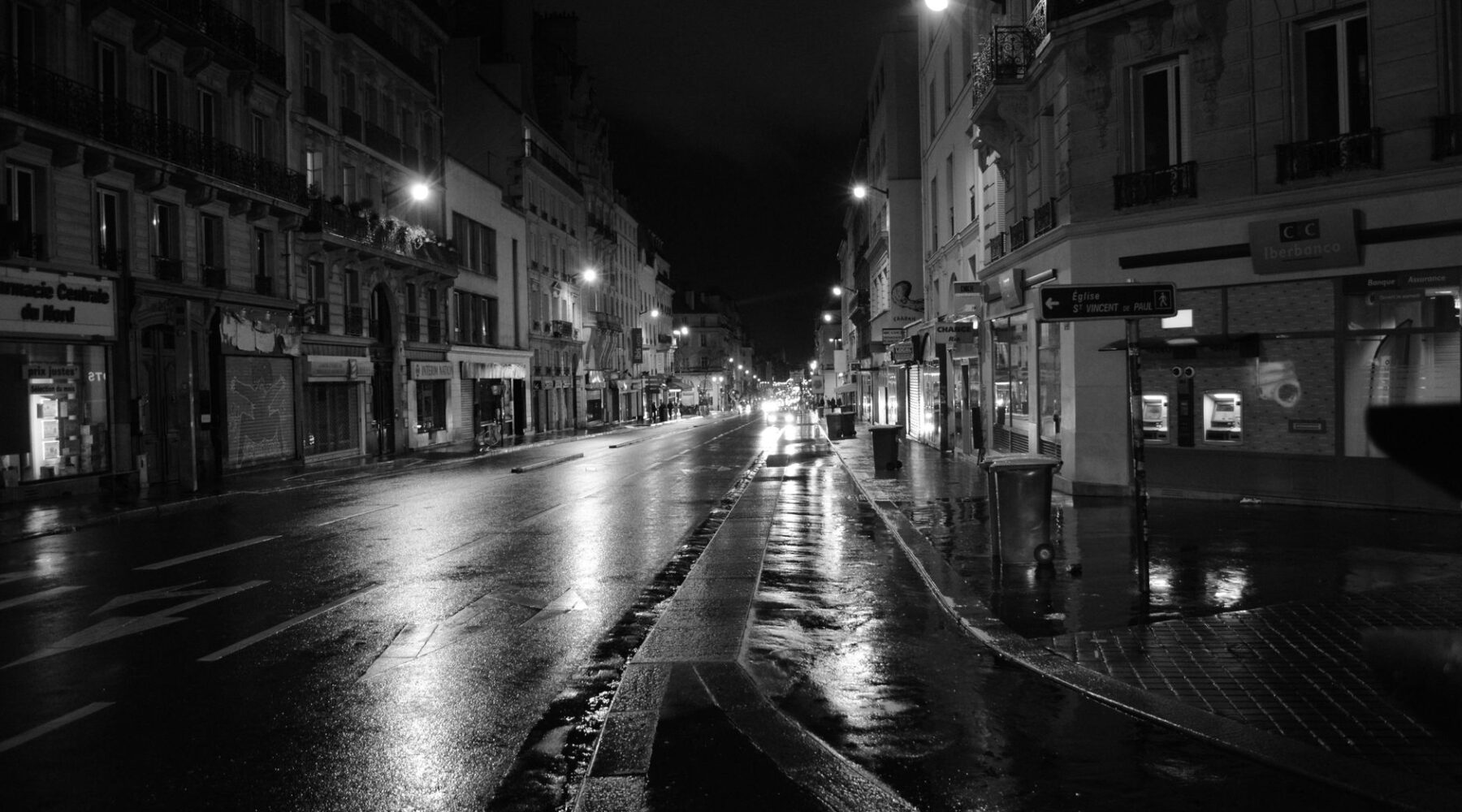
Ask a Parisian whether their city is dangerous and you will get a shrug and a warning about your bag, in that order — which is almost exactly the right answer. Is paris safe is a question that gets answered badly in both directions online: by travel forums that treat a stolen phone as evidence of a city in collapse, and by guidebooks that wave the whole subject away. The truth is narrower and more useful. Violent crime against visitors is rare. Theft against visitors is common, highly organised, and almost entirely preventable once you know what it looks like.
This guide answers the yes-or-no question first, then goes through what actually happens to tourists in Paris, where and when it happens, and the specific habits that make you a bad target. It covers travelling solo, with children, as a woman, as an LGBTQ+ visitor and at night, plus strikes, protests, emergency numbers and what to do if something does go wrong. For a neighbourhood-by-neighbourhood breakdown of which arrondissements feel comfortable and which do not, our companion guide to the safest areas of Paris covers that ground and this page does not duplicate it.
The short answer
Yes, Paris is safe for visitors, in the sense that matters most: the risk of being physically harmed is low, comparable to other large Western European capitals, and the overwhelming majority of the tens of millions who visit each year go home with nothing worse than sore feet.
What Paris is not is safe for your belongings if you behave the way you would at home. Pickpocketing and distraction theft are the defining crime of tourist Paris — organised, practised, targeted at specific locations, and carried out by people who are extremely good at it. This is the single risk worth genuinely preparing for, and preparing for it takes about five minutes of thought.
Two things follow from that. First, almost all the practical advice in this guide is about property rather than personal safety. Second, the correct posture is alertness rather than anxiety. People who arrive in Paris frightened have a worse time and are, perversely, easier to distract.
| Risk | How likely | What actually helps |
|---|---|---|
| Pickpocketing / bag theft | Common — the main risk to visitors | A zipped bag worn across the body, in front, in crowds |
| Distraction scams | Common at specific sites | Recognising the five or six standard scripts |
| Phone snatching in the street | Occasional, rising with expensive handsets | Not standing still on a pavement edge with a phone out |
| Overcharging by taxis or restaurants | Occasional, mostly at the big sights | Fixed airport fares; checking the menu before sitting |
| Violent street crime against tourists | Rare | Normal city sense; avoiding altercations |
| Terrorism | Very rare; the security posture is visible | Nothing you can usefully do; carry on |
| Being caught in a demonstration | Seasonal and predictable | Checking the news; walking the other way |
How to read the official advice
Every government publishes travel advice for France, and it says roughly the same thing: France is a safe destination, exercise normal precautions, be aware of pickpocketing in Paris, and be aware that demonstrations occur. That is genuinely the level of the risk. If your own foreign ministry’s advice ever changes materially, it will be for a specific and temporary reason — a major event, a strike affecting transport, a period of unrest — and it will say so.
What official advice cannot tell you is the texture of the thing. Advisory language is written to cover everyone, so “remain vigilant” reads the same whether the risk is a mugging or a man with a clipboard. The rest of this guide is about the texture.
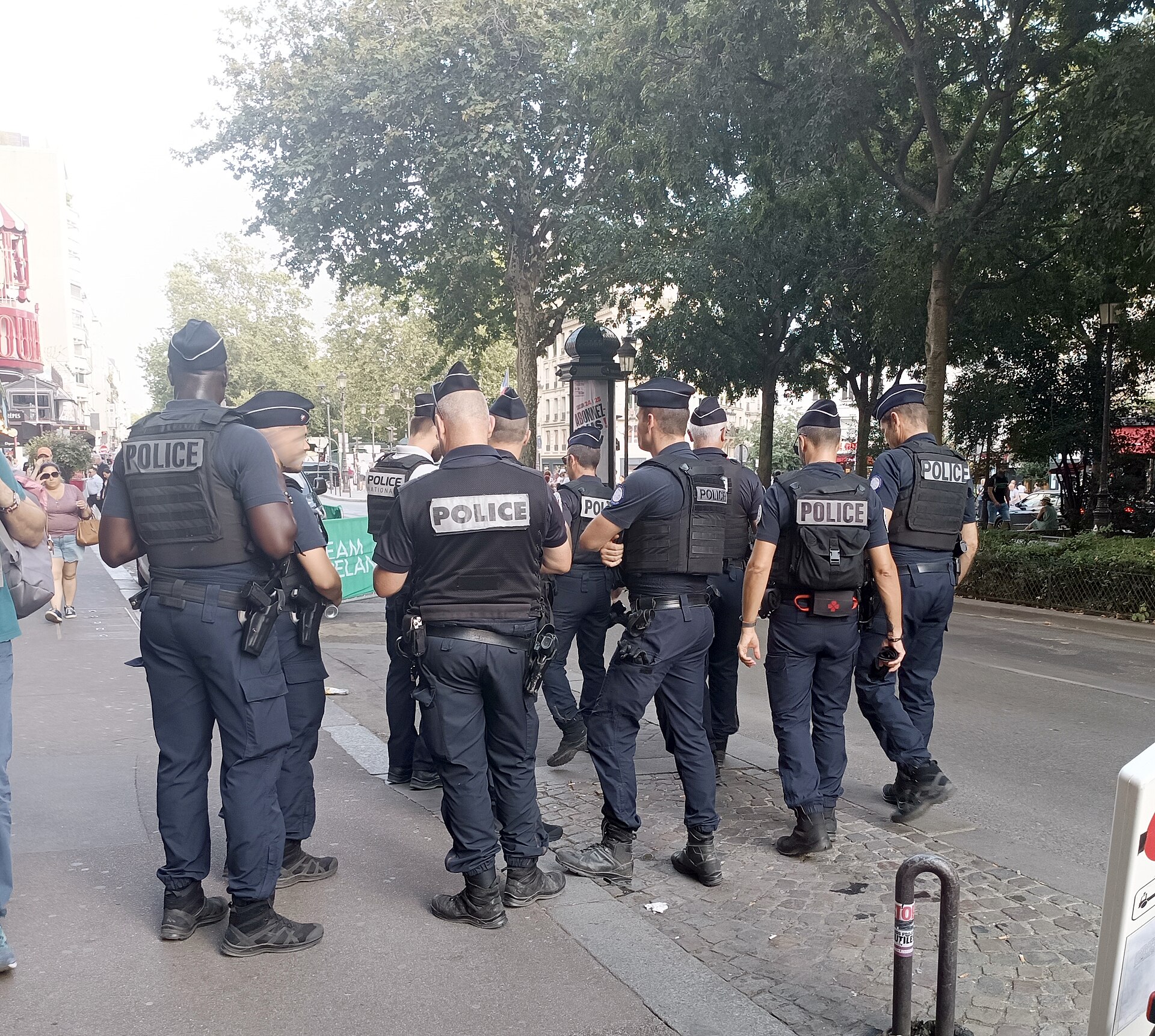
One structural fact worth knowing: France has maintained a heightened national security posture, with soldiers and police visible at stations, stadiums and major sights, for many years. Bag checks at museum and department store entrances are routine. None of this indicates a current emergency — it is the baseline, and it has been for a decade.
What actually happens to visitors
Here are the things that genuinely go wrong, in rough order of how often you will encounter them.
Pickpocketing
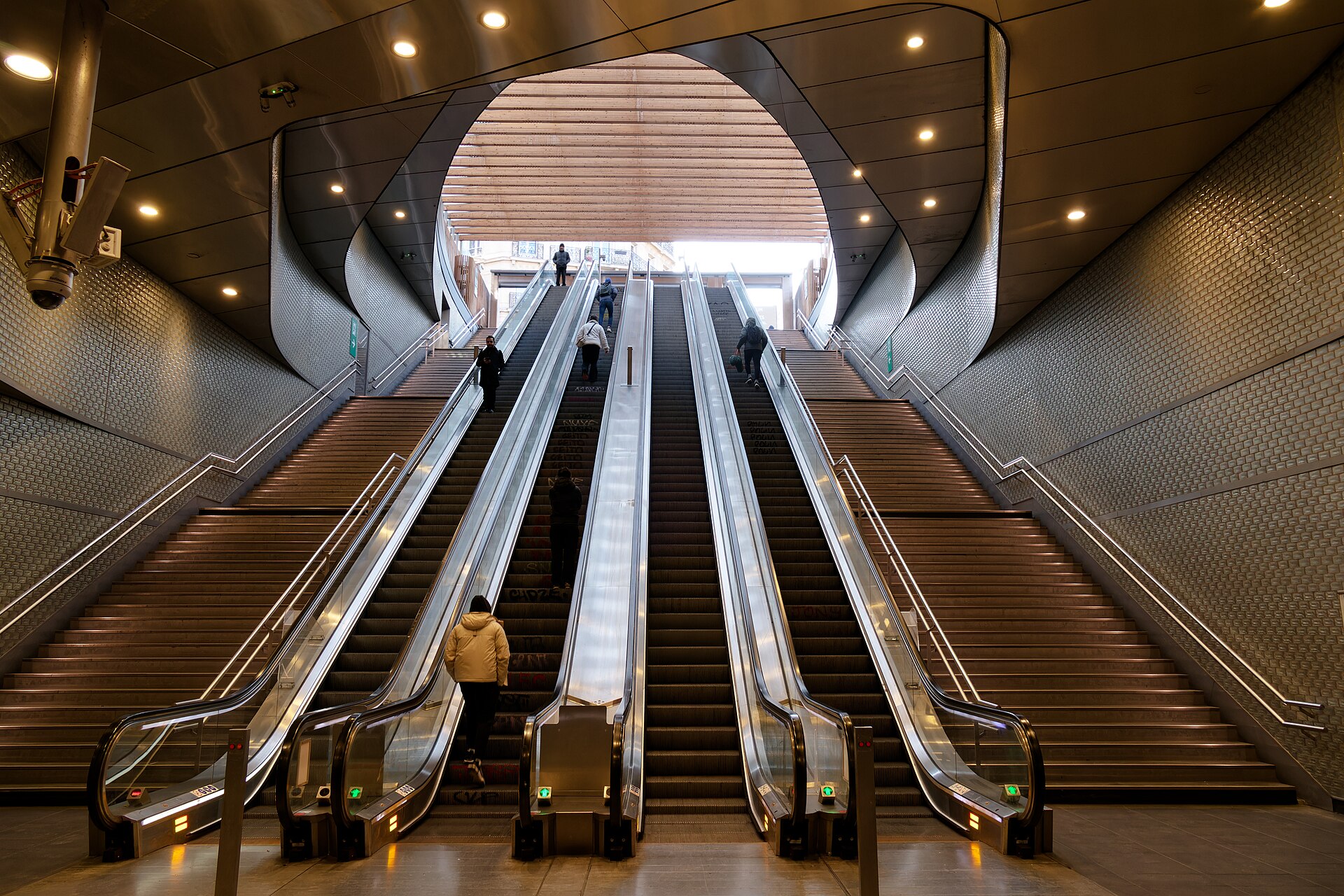
This is the one. Paris pickpockets work in teams, usually of three or four, and they work the places where tourists are dense, distracted and pressed together: Metro line 1, the RER B between the airport and the centre, the approach to the Eiffel Tower, the Louvre entrance, the steps of Sacré-Cœur, the Champs-Élysées, and the escalators at Châtelet–Les Halles.
The mechanics are always the same: one person creates a reason for you to look away or stand still, a second takes the item, a third receives it immediately so the thief is clean if challenged. You are unlikely to feel it. People routinely discover the loss two stations later.
The defences are boring and effective. A bag that zips, worn across the body and held in front of you in any crowd. Nothing in a back pocket, ever. A phone that lives in a zipped pocket rather than a hand. Wallet in an inside pocket. Bag on your lap on the Metro, not on the floor and not on the seat beside you. Do this and you become a bad target, and bad targets get skipped.
Distraction scams
A small number of scripts account for almost all of them, and every one of them starts with a stranger approaching you with a reason to engage. The friendship bracelet at Sacré-Cœur, the petition on a clipboard near the Louvre, the gold ring “found” at your feet on the quais, the shell game on the bridges, the person who spills something on you and helps you clean it. In each case the trick is the same: your attention goes to a puzzle and your pockets go unwatched.
The universal defence is a firm non, merci and continuing to walk. It feels rude the first time. It is not. Parisians do it constantly. We have written up every one of the standard scripts in detail elsewhere on the site, because knowing the shape of a scam is the entire defence.
Phone snatching
A more recent problem in most European cities, and Paris is no exception: a phone taken from a hand, usually by someone on a bicycle or scooter, usually on a pavement near a road, usually while the owner is standing still and looking down. It is over in a second.
Do not stand at the kerb with your phone out. Step into a doorway or against a wall to check a map, and put the phone away before you start walking again. Set your phone to require a passcode immediately and know how to remotely lock it.
Overcharging
Less dramatic and more common than people expect. The two-tier café pricing — cheaper at the bar, dearer on the terrace — is legal, published and not a scam, but a restaurant that brings you a bottle of water you did not order and a bread basket you did not ask for, then charges for both, is nudging. Read the menu posted outside before you sit down; French law requires it to be displayed. Ask for une carafe d’eau, which is free tap water. And know that service is included by law, so a tip is a rounding-up rather than a percentage.
Taxis from the airports charge a fixed published fare into each half of the city rather than running a meter, which is a genuine protection — if a driver at the rank proposes a price instead, that is the wrong driver. Never accept a ride from someone who approaches you inside the terminal. Our taxi and Uber guide covers the rules, and the airport transfer guide covers the alternatives.
Aggressive begging and street selling
Around the Eiffel Tower, Sacré-Cœur and Trocadéro you will meet people selling miniature towers, offering to take your photograph, or asking for money with some persistence. It is uncomfortable rather than dangerous. Keep walking, do not engage, and do not hand your camera or phone to anyone who offers to take a picture of you.
Where and when to pay more attention
Risk in Paris is concentrated to an unusual degree. A short list of places accounts for most of what happens to visitors.
The high-attention list
- RER B between CDG and the centre. The single most-reported location. Tired arrivals, luggage, phones out, unfamiliar system. Keep bags closed and in front of you, especially at station stops.
- Châtelet–Les Halles. The largest interchange in Europe, with long corridors and escalators. Fine, but not a place to stand studying a map.
- Metro line 1, which links most of the major sights and is therefore the most tourist-dense line in the network.
- The Eiffel Tower approaches and Trocadéro. Crowds, queues, street sellers, and people looking upward.
- Sacré-Cœur steps and the funicular. The bracelet operation works here specifically.
- The Louvre entrance and the Tuileries side. Petition clipboards.
- Gare du Nord — perfectly navigable, and the surrounding streets are considerably less pleasant late at night than the station’s convenience suggests.
- The Champs-Élysées after dark on weekends, which is busy in a way that is more chaotic than threatening.
Areas that get talked about
Some outer areas — parts of the 18th north of Barbès, the 19th around Stalingrad, the northern edge of the 10th — have real social problems and look and feel rougher than central Paris. Visitors rarely have any reason to be there, and the honest framing is that these are neighbourhoods with poverty and drug markets rather than places where tourists are targeted. If your accommodation is in one of them, you will be fine coming home at eleven and less comfortable at three in the morning, which is true of a great many city neighbourhoods everywhere. Our safest areas guide goes through the arrondissements one by one with a good deal more nuance than a list can carry.
Is the Paris Metro safe?
Yes, in the sense that violence on the Metro is rare and the system is used by millions of people daily without incident. It is also the highest-theft environment in the city, which is a different question.
Practical rules that cost nothing:
- Bag closed, in front of you, in the carriage and on the platform.
- Do not stand next to the doors holding a phone. The classic snatch is a hand reaching in as the doors close.
- If a carriage is empty when the rest of the train is full, there is usually a reason. Move.
- Late at night, use the front carriages, where the driver is, and prefer busier stations for interchanges.
- The Metro largely stops around 1am on weeknights and 2am at weekends. The Noctilien night buses take over; they are safe and slow. Our Metro guide and the getting around guide have the timings.
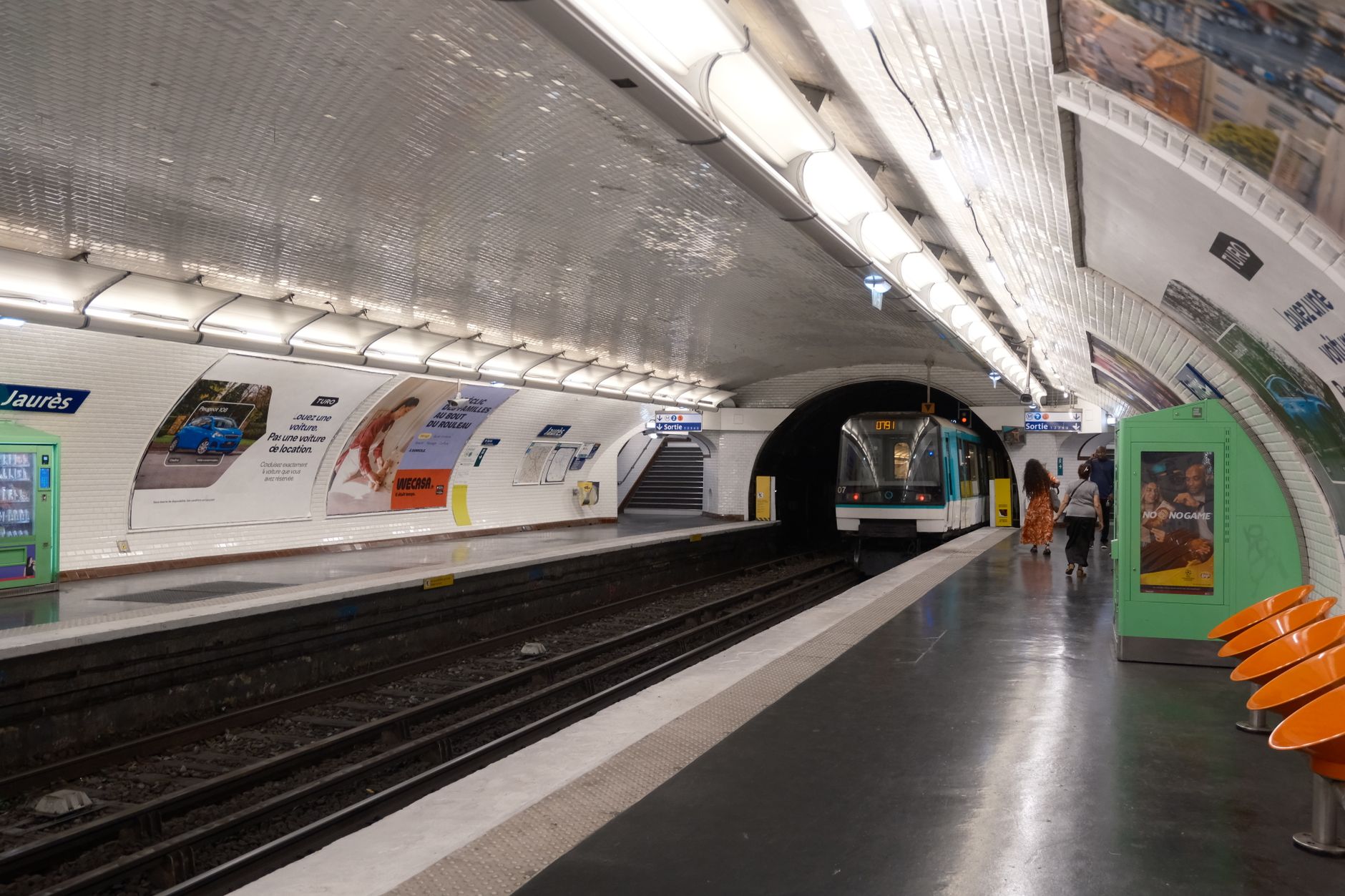
One more thing: keep your ticket or your Navigo card until you have left the station entirely. Inspectors do check, fines are issued on the spot, and “I threw it away at the barrier” is not a defence.
Is Paris safe at night?
Central Paris at night is busy, well lit and full of people out doing ordinary things, and walking home through the 1st through 7th, the Marais or Saint-Germain at midnight is unremarkable. The city has a genuine night life and the streets reflect it.
The sensible adjustments are the ones you would make in any large city. Stick to lit streets with people on them. Avoid the parks after dark — they are mostly locked anyway. Do not walk alone through the areas immediately around the big northern stations late at night. If you have been drinking, take a taxi or a licensed ride rather than a long walk, and use the app rather than a car that approaches you.
The areas that repay a little more care after midnight are the streets around Gare du Nord and Gare de l’Est, the northern end of Boulevard de Clichy and Pigalle, parts of Les Halles, and the far end of the Champs-Élysées on a weekend night. None of these is a no-go zone; all of them are simply more chaotic than the rest of the centre. See our nightlife guide and Paris at night for where to actually go.
Is Paris safe for solo female travellers?
Broadly yes, and a great many women travel alone in Paris without difficulty. Eating alone, drinking alone at a bar and travelling alone on the Metro are all entirely normal here and attract no attention.
The honest caveat is street harassment, which exists in Paris as it does in most large cities and which women visiting often report as the least pleasant part of the trip — comments, following for a street or two, persistent approaches. It is unpleasant rather than dangerous in the overwhelming majority of cases. France made it a specific offence in 2018 and officers can issue on-the-spot fines, which has changed the legal position more than the daily experience.
What helps, from women who travel here regularly: walk with a destination rather than hesitantly; do not feel obliged to be polite to someone who has ignored a first refusal; use the front carriages of the Metro late at night; and choose accommodation on a street with something open on it rather than a residential cul-de-sac. If someone will not leave you alone, going into a shop, a café or a hotel lobby is the fastest way to end it — staff will not mind.
Is Paris safe for families and children?
Very. Paris is a straightforwardly child-friendly city: parks everywhere, museums that expect children, restaurants that do not mind them, and pavements busy enough that nobody looks twice at a family with a buggy.
The real risks with children in Paris are mundane rather than criminal. Traffic — French drivers treat pedestrian crossings as advisory and scooters use pavements; hold hands at kerbs. The Metro — most stations have stairs only, and a buggy on the stairs at rush hour is genuinely difficult; the buses and the Batobus are far better with small children. And heat, in July and August, in a city with very little air conditioning.
Agree a plan for getting separated: a photograph of each child on your phone taken that morning, a note in a pocket with your phone number, and a named meeting point at every big sight. See Paris with kids, the stroller guide and the parks guide.
Is Paris safe for LGBTQ+ travellers?
Yes. Paris is among the more comfortable major cities in the world for LGBTQ+ visitors. Same-sex marriage has been legal in France since 2013, discrimination on grounds of sexual orientation is unlawful, and the Marais has been an openly gay neighbourhood for decades with an established scene of bars and clubs.
Public affection in central Paris is unremarkable. As anywhere, the picture is less uniform in the outer suburbs and late at night, and homophobic incidents do occur. But the baseline is a city where the question rarely arises. Our Marais guide covers the neighbourhood and the nightlife guide the venues.
Terrorism, protests and strikes
Terrorism
France has experienced major attacks, and the security response is permanently visible: armed patrols, bag searches at museums and department stores, bollards and barriers around crowded places. The statistical risk to any individual visitor is very small, and there is nothing useful you can do about it beyond what you already do — know where the exits are in crowded places, and follow instructions immediately if you are ever given any. It is not a reason to change a trip.
Demonstrations
Protest is a live part of French public life and Paris sees marches regularly, usually announced days ahead, usually on Saturdays, and usually along known routes — République to Nation, or Bastille to Place d’Italie. The overwhelming majority are peaceful. A small minority end with tear gas and broken windows around the edges, generally in the late afternoon and generally at the tail of the march rather than at its head.
The advice is simple: they are easy to avoid because they are announced. Check the local news the night before if you are here on a Saturday, and if you come across one, walk away from it rather than through it or alongside it. Do not stand and photograph. Tear gas drifts a long way and is extremely unpleasant, and being at the back of a crowd that becomes a police operation is a bad place to be for reasons that have nothing to do with you.
Strikes
Not a safety issue, but the most likely disruption to your trip. French transport strikes are announced in advance and are usually partial — one train in three rather than none. Check the Île-de-France Mobilités app the night before. If a strike is on, walk: central Paris is genuinely walkable, and the distances are shorter than they look. The travel apps guide covers the two that are worth installing.
Health and everyday safety
- Tap water is safe and good, and there are around 1,200 public drinking fountains across the city. Ask for une carafe d’eau in any restaurant.
- Pharmacies, marked by a green cross, are excellent. Pharmacists will diagnose minor complaints and hand you what you need without a prescription. Every district has a rota for a night pharmacy.
- Heat. July and August can be genuinely hot and very little accommodation has air conditioning. Plan indoor afternoons, carry water, and take the heat seriously if you are travelling with small children or older relatives.
- Traffic. The most likely way to be injured in Paris. Crossings are advisory to many drivers, electric scooters are fast and quiet, and cycle lanes run in directions you do not expect. Look twice.
- Insurance. EU visitors should carry a European Health Insurance Card or its national equivalent; everyone else needs travel insurance with medical cover. French healthcare is very good and not free to non-residents. See our travel insurance guide.
Emergency numbers
| Number | Service | Notes |
|---|---|---|
| 112 | All emergencies | The Europe-wide number; works from any phone, in English |
| 17 | Police | French national police |
| 15 | Medical emergency (SAMU) | Ambulance and emergency doctors |
| 18 | Fire brigade | Also handles many medical call-outs in Paris |
| 114 | Emergency by SMS | For deaf and hard-of-hearing callers, and when you cannot speak |
| 116 000 | Missing children | Europe-wide hotline |
Save 112 in your phone before you travel. It works from a locked handset and from a phone with no credit.
What to do if something happens
If you are pickpocketed
- Cancel the cards first, from wherever you are standing. Every bank has an app or a 24-hour number; save that number somewhere that is not in your wallet.
- Report to the police. Go to any commissariat. You need the report for an insurance claim. France also has an online pre-complaint system for thefts without violence, which lets you fill in the details in advance and shortens the visit considerably.
- Contact your consulate if your passport is gone. Most can issue an emergency travel document, usually within a day or two, and most want the police report first.
- Remotely lock your phone and wipe it if it holds anything sensitive.
If you feel unsafe on the street
Go into the nearest open business — a café, a shop, a hotel lobby, a pharmacy. Staff are used to this and will not mind. Call 17 or 112 if you need to. In the Metro, every platform has an emergency intercom, and station staff are usually near the barriers.
If you lose something
Paris has a central lost property office and the transport network runs its own; items handed in genuinely do reappear, at a rate that surprises people. It is worth checking before assuming theft.
Money, cards and avoiding the expensive mistakes
A meaningful share of what visitors describe as being “ripped off” in Paris is not crime at all — it is a set of avoidable choices made in the first hour of a trip. Four are worth knowing before you arrive.
Never change money at an airport or a tourist bureau de change
The rates at the airport kiosks and at the exchange windows around the Champs-Élysées and Opéra are poor, sometimes strikingly so, and the “no commission” sign is doing a lot of work. Withdraw euros from a bank ATM inside the city, or simply pay by card, which works essentially everywhere including on buses and at bakeries.
Always decline dynamic currency conversion
When a card machine or an ATM offers to charge you in your home currency rather than in euros, say no. The rate it uses is chosen by the machine’s operator and is invariably worse than your own bank’s. This one habit saves more money over a week than almost anything else in our money-saving guide.
Use bank ATMs, not the standalone ones
Cash machines attached to actual bank branches charge no surcharge and are less likely to have been tampered with. The independent machines in tourist areas frequently charge a fee on top of your own bank’s. Cover the keypad, and if a machine looks like it has anything attached to the card slot, walk to the next one.
Know what the free things are
Tap water in a restaurant is free and legally required on request. Service is included by law. Entry to Notre-Dame, Sacré-Cœur, all the city parks and the permanent collections of the municipal museums is free. Public toilets marked sanisette are free. Anyone charging you for these is not running a scam so much as counting on you not knowing. See free things to do in Paris and the free museums guide.
Safety at the big sights
Most of the friction in a Paris trip happens in a handful of square kilometres, and each of the major sights has its own small set of things to know.
- The Eiffel Tower. The approaches, the Champ de Mars and the Trocadéro terrace are the most worked areas in Paris for both pickpocketing and street selling. Bags closed, phone away, and buy tickets only from the official site — the resale operations charging a large premium are legal but poor value.
- The Louvre. Petition clipboards outside, dense crowds inside the Denon wing. Bag searches at entry are routine and quick. Large bags must be left in the cloakroom.
- The Sacré-Cœur steps. The bracelet operation works this specific location: someone takes your wrist, ties a thread, and then asks for money. Keep your hands to yourself, do not stop, and do not let anyone take hold of you.
- The bridges and the quais. Shell games and the “found ring” both live here. Both are as old as the city and neither has ever paid out.
- The Catacombs queue, which is long, static and outdoors — a good environment for a thief and a reason to book a timed slot.
- The department stores. Bag checks at the doors, busy shop floors, and a lot of visitors carrying purchases. Perfectly safe; simply the sort of crowd where bags get opened.
Older travellers and travellers with reduced mobility
Paris presents a genuine physical challenge that has nothing to do with crime and that catches people out. The Metro is largely inaccessible: most of the 300-odd stations have stairs and no lift, corridors between lines can run several hundred metres, and rush-hour interchanges involve a good deal of pushing. Line 14 is fully accessible; almost nothing else is.
The buses are the answer. Every bus in the city is low-floor and ramped, they run everywhere, and you see the city from them. The Batobus river shuttle is similarly step-free and pleasant. Pavements are cobbled and uneven in the older districts, kerbs are high, and scooters share the pavement whether they should or not. Our getting around guide and the stroller guide both cover the step-free routes, which are the same routes whether you are pushing a buggy or using a stick.
Ten habits that make you a bad target
- A zipped bag, worn across the body, held in front of you in any crowd. This single habit removes most of the risk.
- Nothing valuable in a back pocket or an outside pocket. Ever.
- Split your money. One card and some cash on you, the rest in the hotel safe. Losing a wallet should be annoying, not trip-ending.
- Phone away when you are moving. Step aside, against a wall, to check a map.
- Learn the word non. Say it once, keep walking, do not explain.
- Do not stop for strangers who approach you. Not for a petition, not for a ring, not for a bracelet, not for a game.
- Photograph your documents and email them to yourself before you travel.
- Know your hotel’s address and the nearest Metro station without looking them up.
- Do not look lost in a station. Step to the side, out of the flow, and then work it out.
- Trust the feeling. If a situation feels engineered, it probably is. Leaving costs you nothing.
None of this requires paranoia and none of it costs money. Our first-time Paris tips covers the wider orientation, and the packing list includes the bag types that actually work.
Frequently asked questions
Is Paris safe for tourists in 2026?
Yes. The security situation is stable, the visible policing is routine rather than exceptional, and the risks to visitors are overwhelmingly to property rather than to person. Pickpocketing remains the defining issue and remains highly preventable.
Is Paris more dangerous than other European cities?
For violent crime, no — Paris sits in the ordinary range for large Western European capitals. For pickpocketing and organised distraction theft, Paris is at the higher end, alongside Barcelona and Rome, largely because it receives more visitors than almost anywhere else and volume attracts specialists.
What part of Paris should tourists avoid?
There is no central area a visitor needs to avoid in daylight. Late at night, the streets immediately around Gare du Nord and Gare de l’Est, parts of Barbès and Stalingrad, and the northern edge of the 18th and 19th are less comfortable, and there is very little reason for a visitor to be in any of them. Our safest areas guide works through the arrondissements individually.
Is it safe to walk in Paris at night?
In central Paris, yes — the streets are lit and busy and people walk home routinely. Apply the same judgement you would in any large city: lit streets, avoid empty parks, take a taxi if you have been drinking or if the walk is long and quiet.
Are Paris taxis and Ubers safe?
Yes, with the standard caveat: use the official rank or the app, never a driver who approaches you inside an airport terminal or a station concourse. Airport taxis charge a fixed published fare rather than running a meter, which removes the most common overcharging problem. See our taxi and Uber guide.
How common is pickpocketing in Paris?
Common enough that every experienced visitor and every Parisian takes precautions automatically, and concentrated enough that a handful of locations account for most of it. The RER B from the airport, Metro line 1, Châtelet–Les Halles, the Eiffel Tower approaches and the Sacré-Cœur steps are the places to be most deliberate.
Do I need to worry about terrorism in Paris?
No more than in any major European capital, and not enough to change a trip. The visible security presence is a permanent posture rather than a response to a current threat.
What should I do if I am caught near a protest?
Walk away from it, not through it or alongside it, and do not stop to watch or photograph. Most demonstrations are peaceful, but the small proportion that are not become so at the tail of the march and in the late afternoon.
Is the water safe to drink in Paris?
Yes. Tap water is safe and good, restaurants must supply it free on request as une carafe d’eau, and there are public fountains across the city, including sparkling ones in a few parks.
Is Paris safe for solo travellers?
Yes, and it is one of the easier European cities to be alone in — eating alone at a counter is entirely normal, the transport is comprehensive, and there is always somewhere open. Solo women should expect some street harassment and very little more than that.
Every one of the distraction scripts is written up in full, with the locations and the wording that stops them, in our companion guide to the 15 Paris scams and how to shut them down. Knowing the shape of a scam is genuinely the whole defence.
The general picture changes shape a little if you are travelling on your own as a woman — not because the crime figures are different, but because the questions are: the walk home from the last Metro, the street harassment that the statistics do not capture, the hotel with the keypad door and no night desk. We deal with all of that separately in our guide to solo female travel in Paris, including the areas that are worth the extra euros for the walk alone.
People usually arrive at this question with a list of districts in mind, picked up from a forum or a guidebook. Most of those lists are wrong, or at least wrong in shape — Paris sorts its risk by street and by hour rather than by arrondissement, and the same postcode routinely contains both a problem corner and one of the best parks in the city. Our guide to areas to avoid in Paris works through which reputations are earned and which are not.
Related Paris Guides
- The safest areas of Paris — arrondissement by arrondissement
- First-time Paris tips — what nobody warns you about
- The Paris Metro guide — tickets, lines and etiquette
- Taxis and Uber in Paris — fixed fares and how they work
- Paris travel insurance — what cover you actually need
- Where to stay in Paris — neighbourhood by neighbourhood
- Paris with kids — the practical version
- The complete Paris itinerary guide — plans for one to ten days
Photo Credits
Police patrol: Police Nationale patrol — Boulevard de Clichy by Kyah117, CC BY 4.0, via Wikimedia Commons.
Châtelet–Les Halles: Chatelet les Halles — les escaliers mécaniques by FrT-eclairage, CC BY-SA 2.0, via Wikimedia Commons.