25 Unique Things to Do in Paris Most Tourists Miss
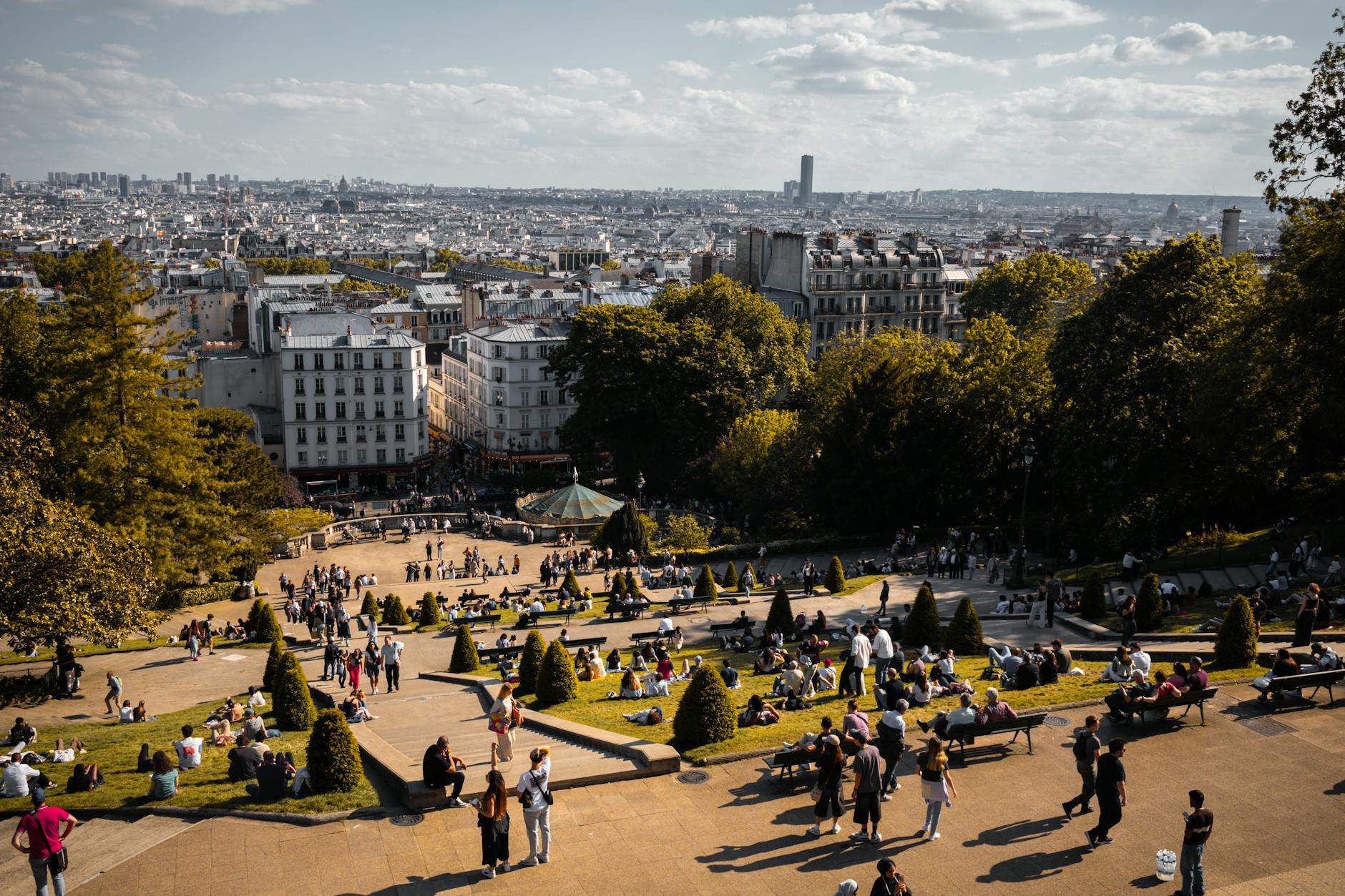
A hunting museum where a stuffed wild boar sits under an 18th–century writing desk. An antique carousel you pedal yourself, locked behind a Bercy gate. A covered market that has been serving lunch since 1615. There are unique things to do in Paris like these all over the center, and almost none of them reach a first–timer’s itinerary. Most visitors tick off the Eiffel Tower, the Louvre and Notre–Dame, then go home sure they’ve seen the city. What they’ve seen is the postcards. This guide pulls together 25 places and experiences that locals actually use and that return visitors keep coming back for: the dusty arcades behind Palais Royal, secret gardens, deliberately strange museums, real food halls, and neighborhoods worth a half–day each.
Treat it as a counter–itinerary to the standard things to do in Paris list. If you’ve never seen the icons, see them. But by day three, or on a second visit, trade one big–ticket queue for two of the entries below. That swap gets you the Paris that shows up in novels and in captions written by people who live here, not the one printed on fridge magnets.
Why Skip the Top–10 Lists?
Almost every first–timer runs the same script: Eiffel Tower, Louvre, Notre–Dame parvis, Sacré–Cœur, Champs–Élysées, maybe Versailles. The buildings deserve the hype. But five days of queues and gift–shop exits leave a lot of people feeling like they photographed Paris rather than spent any time in it.
Here’s the thing: locals don’t live near those monuments. They live in the 11th, the 19th, the 20th, the 13th. They picnic at Canal Saint–Martin, walk the Promenade Plantée on Sundays, and buy coffee from places that predate the war. The unique things to do in Paris below cluster around exactly that, around what residents love and what slower travelers stumble onto the second or third time round.
Expect 19th–century arcades, hidden gardens, small odd museums with no queue, working food halls, and neighborhoods that fill an afternoon. Most of it is cheap or free. None of it needs a tour booking. All you need is a Navigo card, decent shoes, and the willingness to skip one obvious thing.
If the trip itself is still taking shape, read this alongside our plan–a–trip overview and our best time to visit calendar. Both decide how many of these spots are actually open when you land.
Hidden Museums & Strange Collections
Paris has roughly 130 museums. About six of them absorb 80% of the visitors. These five are the ones museum–loving Parisians send their out–of–town friends to instead.
1. Musée de la Chasse et de la Nature
62 Rue des Archives, 3rd. Closed Monday. €12. This is the one that converts skeptics. It occupies two restored Marais hôtels particuliers and is supposedly about hunting, but in practice it’s the strangest contemporary–art space in the city. Rooms blend period interiors with taxidermy and rotating commissions: a unicorn cabinet, an owl room where motion sensors trigger a flutter of wings, that wild boar dozing beneath the writing desk. Give it 90 minutes. The courtyard tearoom is one of the prettiest lunch stops in the quarter.
2. Musée des Arts Forains
53 Avenue des Terroirs de France, 12th, in Bercy. Reservation only. €18.80. A privately run fairground museum where you don’t just look at the 19th–century carousels, you ride them. The 1897 velocipede carousel is pedal–powered. There’s a working hall of mirrors, antique shooting galleries, and a Belle Époque ballroom full of mechanical organs. Guided visits run 90 minutes in French and English, and they sell out weeks ahead during the Christmas Festival du Merveilleux. It feels nothing like a tourist attraction, which is rather the point.
3. Musée Édith Piaf
5 Rue Crespin du Gast, 11th. By appointment only, Tuesday and Wednesday afternoons. Free, but tip the caretakers. It’s a two–room apartment kept up by the Friends of Édith Piaf association: her boxing gloves (a gift from Marcel Cerdan), her tiny black dresses, the gold records, photos with Cocteau, a childhood teddy bear. You phone ahead, ring an unmarked door, and an elderly volunteer tells you stories for 45 minutes. No gift shop, no audio guide, no other tourists. Few cultural visits in Paris land harder.
4. Musée Curie
1 Rue Pierre et Marie Curie, 5th. Free. Closed Sunday and Monday. This is Marie Curie’s actual laboratory and office, decontaminated in the 1980s and kept as she left them. You stand where she isolated polonium and radium, see her notebooks (still faintly radioactive, stored in lead boxes), and read about Irène Joliot–Curie’s Nobel work next door. Small, quietly moving, and almost always empty. Allow 45 minutes.
5. Musée Fragonard d’Alfort
7 Avenue du Général de Gaulle, Maisons–Alfort, just outside the ring on Métro 8. €8. Closed Monday and Tuesday. Not for the squeamish. Honoré Fragonard preserved dissected animals and humans in theatrical poses, the most famous being the “Cavalier de l’Apocalypse,” a flayed horseman on a flayed horse, both caught mid–gallop. It sits inside a working vet school, surrounded by wax models and monstrous skeletons. Disturbing in the best 18th–century way. For a more conventional museum day, see our Paris museums guide.
Secret Gardens & Romantic Hidden Spots
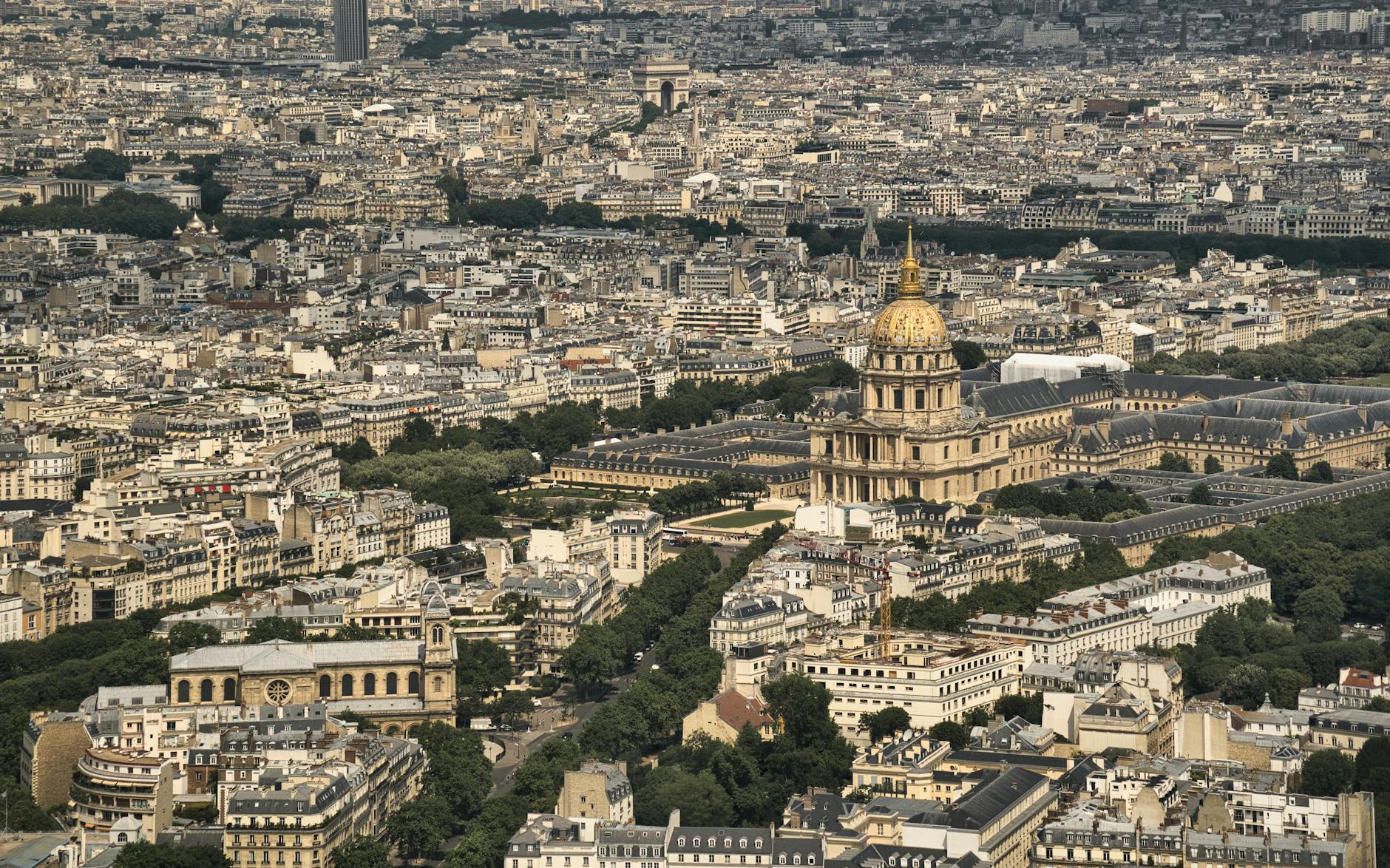
Parisians are serious about their gardens, and the famous ones earn it: Luxembourg, Tuileries, Palais Royal are world–class. The tier below is where you find an empty bench at golden hour, a picnic spot under wisteria, locals reading on the grass. These four turn up again and again in local romantic Paris itineraries.
6. Square du Vert–Galant
Western tip of the Île de la Cité, down the stairs from Pont Neuf. Free, always open. The little triangular park sits at water level and points downstream. At sunset it gives you the best free view in Paris: the river splits around you, the Conciergerie rises behind, and the sun drops between the two banks. Bring wine and plastic cups, and get there 45 minutes before the light goes.
7. Promenade Plantée (Coulée Verte René–Dumont)
From Bastille opera (12th), 4.5 km east toward the Bois de Vincennes. Free, dawn to dusk. They built it on the abandoned Vincennes railway in 1993, sixteen years before New York opened the High Line, and it runs through rose arbors, ponds and bamboo. The first kilometre rides above the Viaduc des Arts (covered in section 5). Reckon on 90 minutes end to end. See also our rainy–day activities guide.
8. La Petite Ceinture
Best stretches in the 15th (Rue Olivier de Serres), 16th (near La Muette) and 20th. Free. This was a 32 km circular freight railway, built in 1852 and abandoned in 1934, now half–reclaimed by nature. The open segments are overgrown linear parks: rusting rails, butterflies, tunnels thick with graffiti. The 15th segment runs 1.5 km; the 16th is the prettiest. Locals walk dogs here. Tourists never find it.
9. Jardin de l’Hôtel de Sully
62 Rue Saint–Antoine, 4th, with a discreet exit onto the Place des Vosges. Free. The 17th–century Hôtel de Sully courtyard hides a passage that runs straight through to the square. Cross the parterre garden with its orange trees, push through the back arch, and you come out under the arcades of the prettiest square in Paris. A 90–second shortcut that feels like a card trick.
Covered Passages: 19th–Century Arcades Most Tourists Miss
Between 1800 and 1860 Paris built more than 150 covered shopping arcades, glass–roofed pedestrian streets designed to keep walkers out of the mud. Haussmann demolished most of them; about 20 survive, mostly in the 2nd, 9th and 10th. They’re free, atmospheric, and rarely crowded. Walking five of them in a 90–minute loop is one of the best unique things to do in Paris on a wet afternoon.
10. The 90–Minute Five–Passage Walk
Start at the Palais Royal métro. Cut through the Palais Royal gardens, leave at the north end, and step into Galerie Vivienne (1823), the grandest of the lot: mosaic floors by Mazzioli, the Wolff & Arnoux booksellers, the cult Café Legrand, and Jean Paul Gaultier’s former boutique. Cross the road into Galerie Colbert, its quieter neoclassical neighbour, now part of the BnF. Keep going north on Rue Vivienne to Passage des Panoramas (1800), the oldest surviving arcade in the city, lined with stamp and postcard dealers, tiny natural–wine bistros (Racines, Caillebotte) and the original Stern engraver’s shop.
Cross Boulevard Montmartre into Passage Jouffroy (1845). Here you’ll find the Hôtel Chopin, a 19th–century survivor, the side entrance to the Musée Grévin waxworks, the Pain d’Épices toy shop, and the bookseller Paul Vulin. Pass straight through into Passage Verdeau (also 1845), narrower and heavier on the antique dealers, with old cameras, prints and watches and the Photo Verdeau camera shop. You come out on Rue de la Grange Batelière, two minutes from the Folies Bergère. The whole loop runs well under 2 km, and it’s free.
Got an extra hour? Add Passage du Grand Cerf (2nd, off Rue Saint–Denis) for its soaring 12–metre glass roof and craft jewellers, then Passage Brady (10th), the “Indian quarter,” a completely different sensory experience of Bangladeshi and Pakistani restaurants and spice shops crammed into a narrow 1828 arcade. Strung together, these passages are the closest thing Paris has to a time machine.
Weird & Wonderful Sights
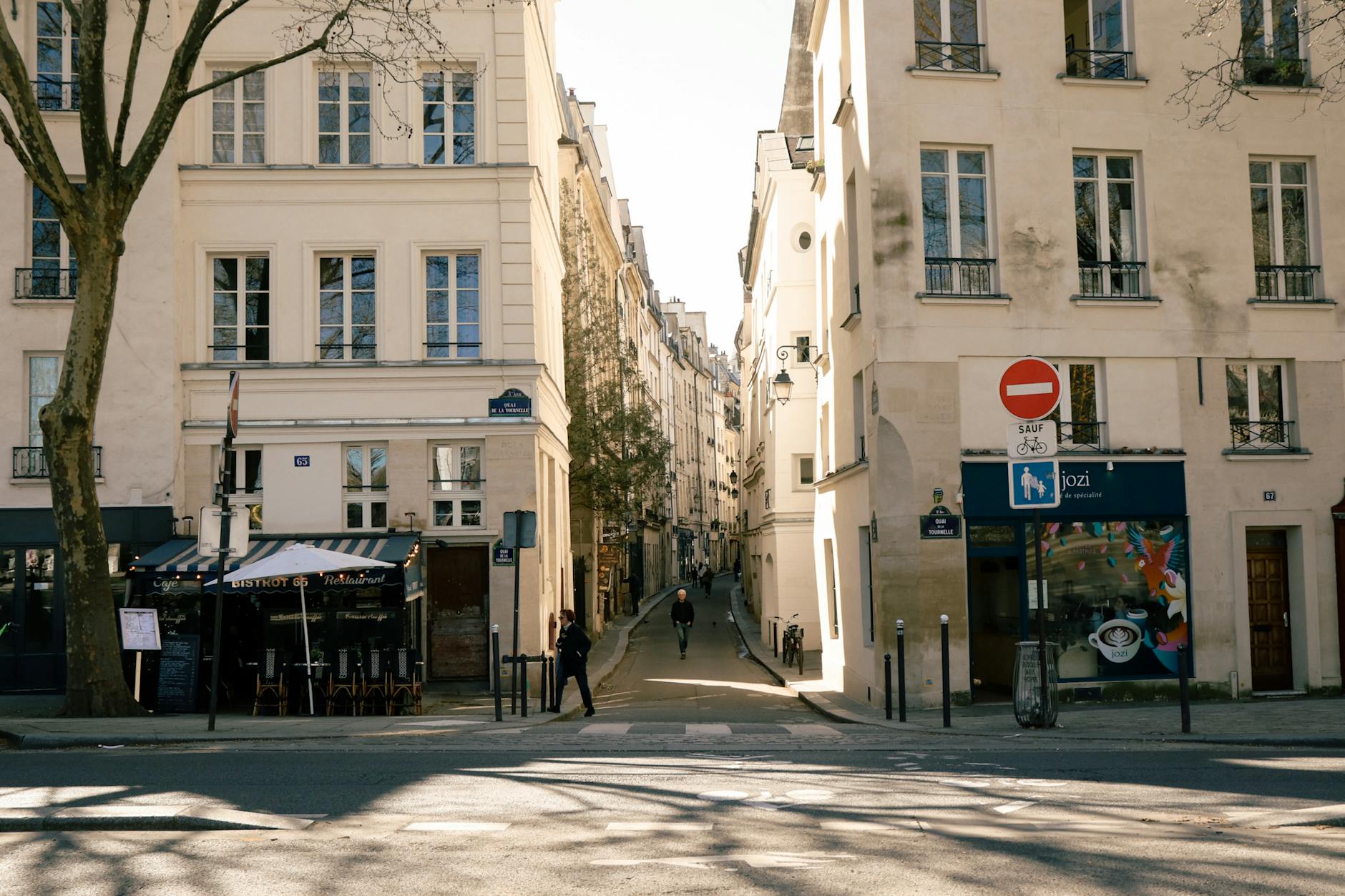
This is the category for things that won’t sit cleanly under “museum” or “garden.” All of them are walk–in (with one bookable exception), and all of them score well with the friend who insists they’ve already seen everything.
11. The Catacombs
1 Avenue du Colonel Henri Rol–Tanguy, 14th. €29 timed ticket, booked 2–3 weeks ahead. The remains of six million Parisians, moved here between 1786 and 1860, are stacked along 1.5 km of ossuary tunnels cut from limestone quarries 20 metres below Denfert–Rochereau. Walls of femurs and skulls, engraved Latin epitaphs, a constant 14°C. Allow 45 minutes. There’s no toilet inside and the audio guide is worth it. Book through the official site; resellers charge double for the same ticket. You won’t forget it.
12. Viaduc des Arts
Beneath the Promenade Plantée, 1–129 Avenue Daumesnil, 12th. Free. Every brick arch has become an artisan workshop: lute makers, gilders, glass blowers, milliners, tapestry weavers. Most are happy for you to browse, and some run weekend workshops. It stretches a kilometre and costs nothing to wander. Pair it with the Promenade walk above.
13. Deyrolle
46 Rue du Bac, 7th. Free. Closed Sunday. Founded in 1831, Deyrolle is the taxidermy boutique you’ve seen in Moonrise Kingdom and Midnight in Paris. The ground floor sells stationery; upstairs holds lions, zebras, polar bears, peacocks and pinned butterflies in Victorian cabinets. Browsing is free. A pinned beetle starts around €10; a giraffe runs to €30,000. It’s one of the strangest shops in the city, and one of the most beautiful.
14. The Stravinsky Fountain
Place Igor–Stravinsky, 4th, just south of the Pompidou. Free. A 1983 collaboration between Niki de Saint Phalle, who made the brightly coloured pieces, and Jean Tinguely, who made the black kinetic ones. Sixteen sculptures (an elephant, a clef, a heart, a mermaid) spin, spit and clatter to Stravinsky. Kids park themselves here for half an hour. Combine it with the Pompidou rooftop. See also our Paris photo spots guide.
Real Local Food Experiences
Skip the demonstration markets in the 6th and the bistros with English menus and matching red–and–white awnings. These three are where Parisians actually eat. For the bigger picture, read them alongside our Paris food scene.
15. Marché des Enfants Rouges
39 Rue de Bretagne, 3rd. Closed Monday. The oldest covered market in Paris, founded in 1615 and named for a 16th–century orphanage whose uniforms were dyed with madder. Today it’s produce stalls and lunch counters: Moroccan tagines at Le Tagine, Japanese bento at Taeko, Italian pasta at Les Enfants du Marché, Lebanese mezze, and Alain Miam Miam’s €10 ham–and–Comté sandwich, which has a queue out the door for good reason. Saturday lunch is mobbed; come at 11:30 or 14:30 if you want a seat.
16. Du Pain et des Idées
34 Rue Yves Toudic, 10th, near Canal Saint–Martin. Closed Saturday and Sunday. Christophe Vasseur bakes here in a preserved 1875 storefront, and it ranks among the three or four best bakeries in Paris. The cult item is the escargot, a snail–shaped laminated pastry, best in pistache–chocolat. The pavé rugbyman, chausson aux pommes and country breads are excellent too. Arrive before 10am for the full selection, then eat it warm on a bench by the Canal.
17. The Bouillons
Three locations: Bouillon Pigalle (18th), Bouillon République (3rd), and the original Bouillon Chartier (9th, open since 1896). These were 19th–century working–class canteens serving cheap broth–based meals, and the format simply never died. Three courses run €15–20 with wine, served at communal tables under tiled walls, no reservations, queue out the door from 7pm. Snails, œuf mayo, blanquette de veau, pavé–frites, profiteroles. It’s the opposite of a tourist trap, even when the queue happens to be full of tourists.
Hidden Neighborhoods Worth Half a Day
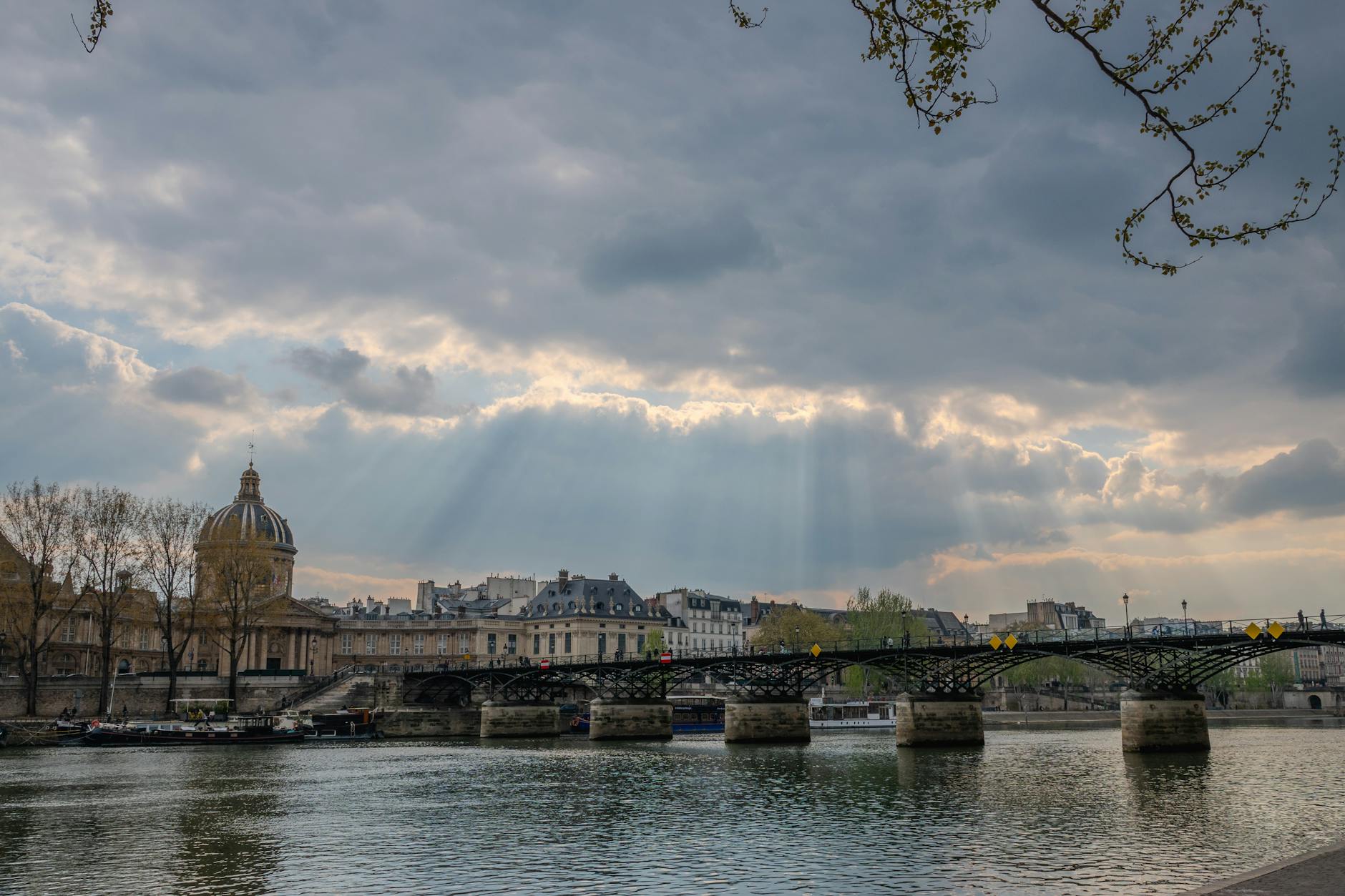
Paris is small enough to cross in 45 minutes by métro, which means you can give a whole half–day to one neighborhood and barely dent your itinerary. These four are the ones we point returning visitors toward first. For street–by–street breakdowns, see our Paris neighborhoods guide.
18. Canal Saint–Martin
Métro Jacques Bonsergent, 10th. Four and a half kilometres of canal, nine locks, iron footbridges and tree–lined quays, immortalised in Amélie. Walk north from the Bastille marina along Quai de Valmy: stop at Du Pain et des Idées, browse Centre Commercial, have lunch at Hai Kai or the Hôtel du Nord (yes, the one from the 1938 film). On Saturday evenings the embankment fills with picnickers. Come for sunset.
19. Butte–aux–Cailles
Métro Corvisart, 13th. A hill with the feel of a village: cobbled streets, low houses, street art everywhere. Rue de la Butte–aux–Cailles is the strip for bars (Le Merle Moqueur). Look for the Lurçat Art Deco housing on Rue Daviel, the Sevestre cottages on Cité Florale, and the 1924 Art Deco Piscine de la Butte–aux–Cailles, fed by an artesian well, €3.50 to swim. Pair it with our guide to Paris on the cheap.
20. Belleville
Métro Belleville, 20th. The most diverse arrondissement in Paris, with Chinese, North African, Tunisian Jewish and sub–Saharan African communities and a Sunday street market on Boulevard de Belleville. Climb to Parc de Belleville and you get the Eiffel Tower, Sacré–Cœur and the Panthéon in a single sweep, a better skyline than the one from Sacré–Cœur itself, and free. While you’re up here, add the open–air galleries on Rue Denoyez, dim sum on Rue de Belleville, and a drink at Aux Folies, the bar where Édith Piaf was discovered.
21. Rue Crémieux
Métro Gare de Lyon, 12th. A single pedestrian block of pastel 19th–century cottages, pink and mint and lemon and lavender, now an Instagram pilgrimage site. The residents have pushed back against influencer antics (7am yoga shoots, tap–dancing for the camera), and fair enough. Visit briefly, photograph quickly, keep your voice down. Five minutes does it.
Hidden Architectural Surprises
Paris’s architectural icons are documented to death. Its smaller surprises are not. Each of these is an easy add–on that turns an ordinary sightseeing day into one you’ll remember.
22. Galerie Vivienne’s Mosaic Floors
In the 1823 arcade behind Palais Royal, look down instead of up. The original François–Jean Delannoy mosaics are still underfoot, black, white and ochre geometric tesserae, restored in the 1970s. Almost everyone tips their head back to admire the glass roof and walks straight over them.
23. Sainte–Chapelle’s Bottom Row of Windows
Even the visitors who queue for Sainte–Chapelle tend to miss that the upper–chapel windows are meant to be read in sequence: start at the bottom row, go left to right from the entrance, then work clockwise and up. That order takes you through 1,113 scenes from the Old Testament and the Passion, plus the story of the Crown of Thorns relics, in chronological order. Bring binoculars. The audio guide is included.
24. Hôtel de Sens
1 Rue du Figuier, 4th. Free; closed Sunday. One of only three medieval mansions left in Paris, built between 1475 and 1519 for the archbishops of Sens. It now houses the Forney art and architecture library: the courtyard is open whenever, the reading rooms during opening hours. The pepperpot turrets and stone–mullioned windows haven’t changed since the 16th century. It’s five minutes from the Place des Vosges and nearly always empty.
25. Salle des Gens d’Armes, Conciergerie
Inside the Conciergerie, Île de la Cité (€13, or €20 combined with Sainte–Chapelle). This is the largest surviving medieval hall in Europe, a Gothic vaulted refectory built around 1305 to feed Philip the Fair’s 2,000–odd staff. Four naves of pillars and ribbed vaults. The Conciergerie is also where Marie–Antoinette spent her final weeks, and her reconstructed cell is open to visitors.
One bonus, since you’re in medieval mode: the wisteria–draped courtyards of the Collège des Bernardins (5th) and the cloister of the Musée de Cluny give you two more old corners, both free to wander into during opening hours.
Underground Paris
There’s nearly as much city below ground as above it: quarries, sewers, métro tunnels, medieval foundations. Three of those underground sites are open to visitors.
The Catacombs, covered back in section 5, are still the headline. Right under the Notre–Dame parvis, the Crypte Archéologique de l’Île de la Cité (€9, closed Monday) preserves Roman, Merovingian and medieval foundations dug out between 1965 and 1972: a Gallo–Roman quay wall, 4th–century baths, the medieval rue de la Lanterne. It’s small, well lit, and nearly always empty even when the cathedral plaza overhead is heaving. Allow 45 minutes.
The Paris Sewers Museum (Musée des Égouts) sits on the Quai d’Orsay opposite the Pont de l’Alma. It closed for renovation in 2019 and reopened in late 2024 with a refreshed exhibition on the city’s 2,500 km of sewers and the men and women who maintain them. €9, closed Thursday and Friday. The smell is real, by the way, but nowhere near as bad as people brace for. Combine it with a Seine–side walk; for the full range of water–based options, see our Seine river cruise guide.
Quirky Cultural Things You Can Only Do in Paris
A handful of experiences that don’t fit any category above but absolutely earn a place on the unique things to do in Paris shortlist:
- Atelier des Lumières (38 Rue Saint–Maur, 11th). €16. Immersive digital art projected across the walls and floor of a former 1835 iron foundry; recent shows have run Klimt, Chagall, Van Gogh and Cezanne. The space is huge, the visuals saturate everything, the sound wraps around you. Give it an hour, and go on a weekday afternoon if you can.
- Père Lachaise at sunrise. The 44–hectare cemetery (free) opens at 8am and holds Jim Morrison, Oscar Wilde behind his lipstick–kissed glass case, Edith Piaf, Chopin, Proust and Apollinaire. Buy the €3 paper map at the gate, because without it you’ll wander for hours. Funeral processions still pass through daily, so keep your distance and stay respectful.
- Marché aux Puces de Saint–Ouen. Saturday and Sunday mornings, Métro Porte de Clignancourt. The largest flea market in Europe: 7 hectares, around 1,700 traders, split into themed sub–markets (Biron for fine antiques, Vernaison for quirky bric–a–brac, Paul Bert Serpette for film–set–quality vintage). Get there by 9am, bring cash, haggle politely. Lunch at Chez Louisette in the Vernaison market for steak–frites and live Edith–Piaf–style cabaret.
- Dinner on a péniche. Several converted river barges along the Seine and the Canal de l’Ourcq run floating restaurants and jazz clubs: Le Marcounet (jazz, Quai de l’Hôtel de Ville, 4th), Marina de Bercy (cocktails and dinner, 12th), Le Quai 50 (Indo–Asian fusion, 13th). They all have small capacity, so book a week ahead.
- An evening at a guinguette. These 19th–century riverside dance halls have mostly retreated to the suburbs (Joinville, Nogent), but Rosa Bonheur sur Seine on the Port des Invalides (7th) brings the format back into central Paris: an outdoor dance floor, accordion bands on Sundays, cheap rosé by the carafe.
- Bookbinding or watercolour at a Parisian atelier. The Atelier d’Estienne sits at the serious end (formal, advanced courses); for a 2–3 hour drop–in, look at Mon Chéri Cheri or the Crous Beaux–Arts open workshops. Around €60. Book through Airbnb Experiences or Klook.
Practical Tips for Off–the–Beaten–Path Paris
A few practical habits turn this list from intimidating to relaxed. Most of them are second nature to locals and almost never spelled out in mainstream guidebooks.
- Tuesday and Wednesday are golden. Most national museums close Tuesday or Wednesday, but rarely both. The smaller museums in section 2 often close Monday plus a second day, so building your hidden–museum day around a Tuesday or Wednesday hits the sweet spot, with thinner crowds than the weekend.
- First Sunday of the month means free national museums. The Musée Rodin, Musée Picasso, Musée National du Moyen Âge (Cluny), Musée Guimet, Arts Décoratifs, Carnavalet (always free) and plenty more waive admission. Arrive at opening, because the queues build by 11am.
- Get a Navigo Easy card at any métro counter (€2 for the card, then top it up). The unlimited zone 1–2 day pass is €8.65 (2026), it’s transferable between people, and it’s far cheaper than singles once you’re riding the métro more than three times a day. Our Paris getting-around guide has the full transport breakdown.
- Apps to install before you land: Citymapper (the best transit routing), Bonjour RATP (official métro and RER live status), Toilettes Paris (a free public WC locator), TheFork (restaurant reservations with discounts), and Open Food Facts (scan packaged food for additives if that matters to you).
- Go early, even for the hidden stuff. Plenty of the entries here, the Catacombs, the Musée des Arts Forains, the Marché des Enfants Rouges on a weekend, draw lines or fill up by 11am even out of season.
- Off–season (November to March) is the secret weapon. Hidden Paris becomes effortless, and even queue–notorious sites like the Catacombs let you walk straight in. Pack rain layers and you’re set.
- Don’t over–schedule. Three of these a day is plenty. Two is better. Leave yourself time to sit in a café doing nothing.
Quick Comparison: Hidden vs Headline
| Hidden Pick | Headline Equivalent | Saves | Why It’s Worth It |
|---|---|---|---|
| Musée de la Chasse | Musée d’Orsay | €4 + ~2 hrs queue | Weirder, emptier, contemporary art commissions |
| Promenade Plantée | Champs–Élysées walk | Free vs free | Greener, quieter, ends at the Bois |
| Belleville panorama | Sacré–Cœur steps | €0 | Same view, no buskers, no pickpockets |
| Bouillon Pigalle | Brasserie Lipp | ~€25 per head | 1890s atmosphere at 1890s prices |
| Square du Vert–Galant | Pont Alexandre III | Free vs free | Sunset over the Seine, no traffic |
| Marché des Enfants Rouges | Galeries Lafayette food hall | ~€20 | 1615 vs 2015, real stallholders |
Frequently Asked Questions
What are the most underrated places in Paris?
The Musée de la Chasse, the Promenade Plantée, the covered passages, and the panorama from Parc de Belleville all get skipped by first–timers and loved by locals. The free, near–empty Musée Curie is the most underrated central visit of the lot. And the Petite Ceinture walks in the 15th and 16th are essentially unknown to tourists.
Are the Paris Catacombs worth it?
For most people, yes. They’re unique in Europe (only Rome and Palermo come close), and the curation is sober rather than ghoulish. Reckon on a 45–minute walk past six million bones, €29 with the audio guide. Book 2–3 weeks ahead; same–day queues can hit four hours. Skip it if you have mobility issues, since it’s 130 steps down and 112 back up.
What are the best hidden gems in Paris?
My top five: the Musée des Arts Forains for the carousels; Square du Vert–Galant at sunset; the five–passage walking loop; Marché des Enfants Rouges for Saturday lunch; and the Petite Ceinture sections. Each takes 1–2 hours and costs somewhere between €0 and €19.
Are covered passages free in Paris?
Yes. Every surviving 19th–century arcade (Vivienne, Panoramas, Jouffroy, Verdeau, Grand Cerf, Colbert, Brady) is a public pedestrian street, free to walk through, roughly 7am to 9pm. The individual shops charge, of course, but wandering the arcades themselves costs nothing. See also our free things to do in Paris roundup.
What unique experiences should I have in Paris?
A jazz dinner on a Seine péniche, sunset at Square du Vert–Galant, an antique–carousel ride at the Musée des Arts Forains, a meal at a Bouillon, Sunday morning at the Marché aux Puces, and a slow walk through five covered passages. Together those feel more like Paris than the icons do. Add Sainte–Chapelle and Père Lachaise at sunrise if you have the days.
Is the Promenade Plantée worth visiting?
It is. You get 4.5 km of elevated landscaped path with rose arbors, ponds and bamboo, opened sixteen years before New York’s High Line. It’s free and lightly used. The first kilometre above the Viaduc des Arts is the most photogenic stretch. Budget 90 minutes end to end, or 30 minutes for the scenic Bastille section alone.
What’s the best secret park in Paris?
For sunset, Square du Vert–Galant. For a half–day walk, the Promenade Plantée and Petite Ceinture together. For families, Parc de Belleville. For a romantic hideaway, the Jardin de l’Hôtel de Sully passage. All free, all missed by about 95% of visitors.
What unusual museum is worth seeing in Paris?
If you only do one, make it the Musée de la Chasse et de la Nature: historic hôtels particuliers, surreal taxidermy and rotating contemporary art, unlike anything else in Europe. Honourable mentions go to the Arts Forains (carousels), Curie (the laboratory) and Fragonard (the anatomical theatre).
Where to Go from Here
Layer this onto our other Paris guides. The icons themselves are covered in detail in the broader things to do in Paris guide. Our Paris at night guide pairs naturally with the péniche dinners and the Atelier des Lumières, while our Paris walking tours roundup includes a self–guided covered–passages route. Traveling with children? The Paris-with-children guide adapts the Stravinsky Fountain, the Arts Forains and Deyrolle.
Seasonally, our winter activities guide leans on the passages, the museums and the Bouillons, while summer activities push Canal picnics and Promenade walks. From there, branch into day trips from Paris, shopping, where to stay, nightlife, and the Paris attractions guide.
None of this is a substitute for the Eiffel Tower or the Louvre. It’s what comes after them. Save these entries for the second day, the third trip, the grey February Tuesday when you’ve already done the obvious and want something better. Pick one neighborhood, one strange museum, one sunset park, and you’ll understand why people keep booking the flight back.
Keep reading
Use these to round out your trip:
- our guide to what to do in Paris
- Best Things to Do in Paris at Night
- What to Do in Paris When It Rains
- Best Self-Guided Walking Tours in Paris
- Louvre Museum Guide
- Musee d’Orsay Guide
For something both beautiful and strange, spend a morning among the 70,000 tombs of Père Lachaise, where fans leave kisses on the glass around Oscar Wilde’s grave and couples rub the polished bronze of Victor Noir for luck. Our guide to Père Lachaise explains where to find the famous graves and how to visit respectfully.