5 Days in Paris: The Sweet-Spot Itinerary
Four days of sights and one that is genuinely yours - the shape that makes Paris click.
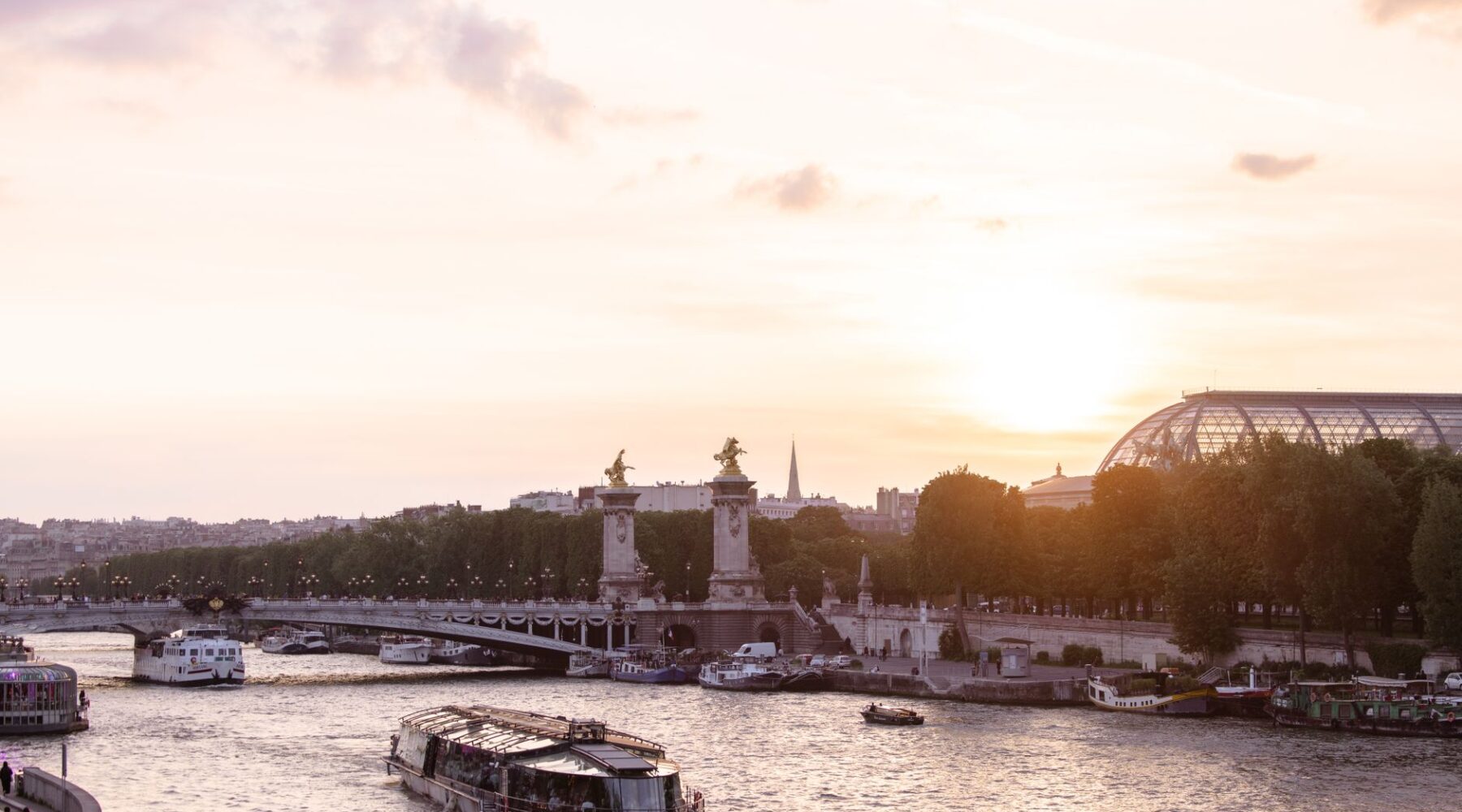
Five days is the point at which Paris stops being a sequence of monuments and becomes a place you have some feel for. Every headline sight fits, Versailles fits, and there is still a day left over that belongs to nobody’s checklist. The 5 days in paris itinerary below is the one we would recommend above every other length, because it is the shortest trip that lets you both see the famous things and go back to something you liked.
The structural difference between four days and five is not one more sight. It is slack. Five days absorbs the museum that turned out to be closed, the morning that started slowly, the restaurant that could not fit you in, and the afternoon you spent longer somewhere than you meant to — which is usually the afternoon people describe afterwards. Prices were checked in September 2026 and should be treated as the right order of magnitude, since French state-museum tariffs changed sharply in January 2026.
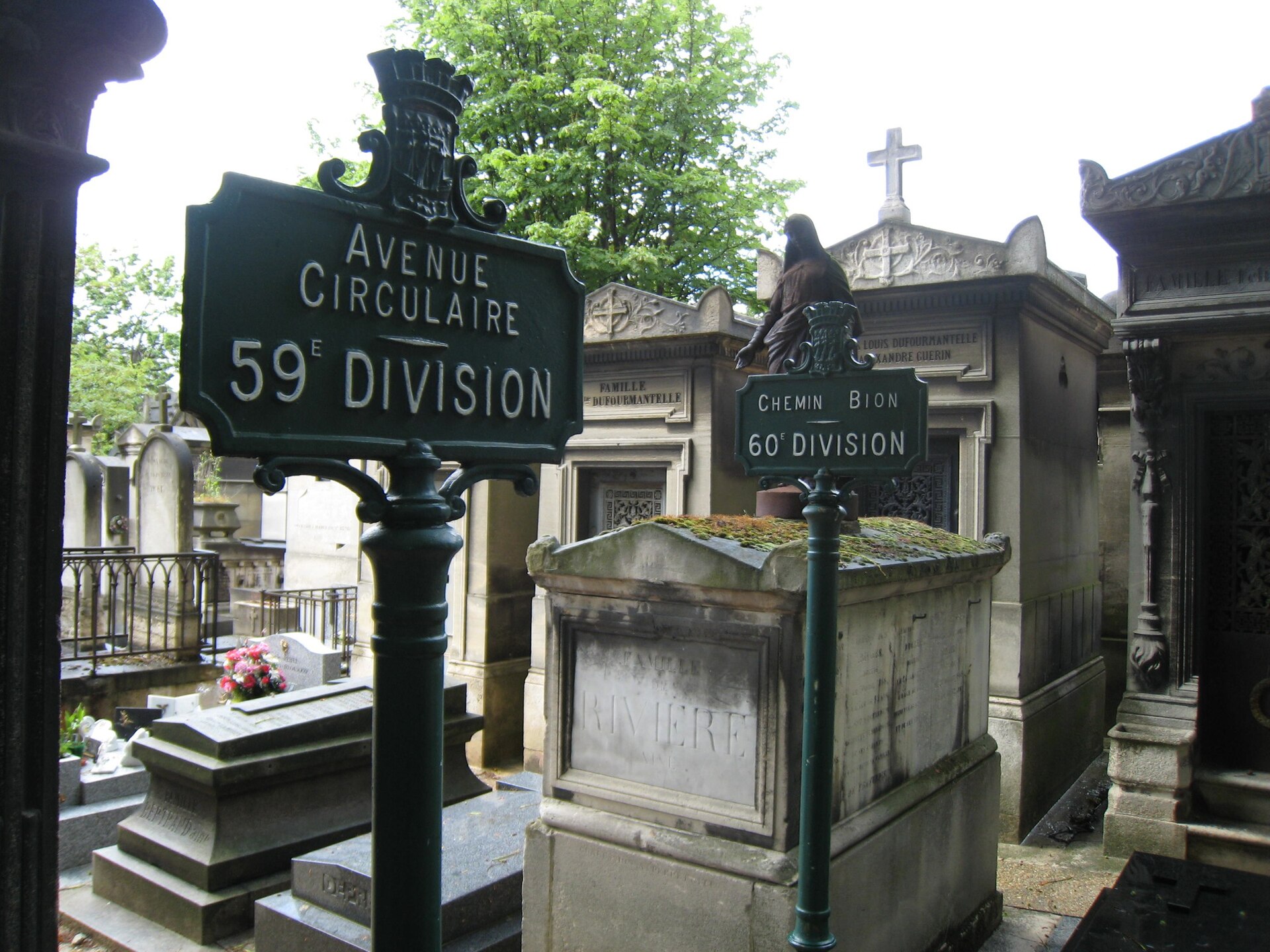
The five days at a glance
| Morning | Afternoon | Evening | |
|---|---|---|---|
| Day 1 Orientation |
Île de la Cité, Notre-Dame, Sainte-Chapelle | Latin Quarter, Panthéon, Luxembourg | Saint-Germain, early night |
| Day 2 The great axis |
Louvre, 9am slot | Tuileries, Concorde, Arc de Triomphe | The Marais |
| Day 3 The hill and the tower |
Montmartre and Sacré-Cœur | Musée d’Orsay | Eiffel Tower at dusk, Seine cruise |
| Day 4 The day trip |
Versailles, or Giverny, or Fontainebleau — the whole day | Something low-effort near the hotel | |
| Day 5 Your Paris |
Market, canal, cemetery or second museum | Whatever you have been meaning to go back to | The dinner you booked |
Days 1 to 3 are the standard first-timer sequence, written out in full in our three-day itinerary. Day 4 is covered in detail in the four-day version. This page summarises those and then spends its length on Day 5, which is the day that makes a five-day trip worth taking.
What five days costs
| Item | Price | Notes |
|---|---|---|
| Louvre | €22 EEA / €32 non-EEA | Timed slot; closed Tuesdays |
| Musée d’Orsay | ≈€16 | Closed Mondays |
| Sainte-Chapelle | ≈€13 | Open daily |
| Versailles Passport | €22–32 EEA / €25–35 non-EEA | Closed Mondays; zone 4 transport extra |
| Eiffel Tower, stairs / lift to level 2 | €14.80 / €23.50 | Level 2 is the better view |
| Seine cruise | ≈€16–20 | Roughly an hour |
| Père Lachaise, Coulée verte, canal walks | Free | Day 5 costs almost nothing |
| Navigo Découverte weekly | €32.40 + €5 card | Monday–Sunday only; covers all zones and both airports |
| Paris Museum Pass, 4 or 6 days | €109 / €139 | Worth doing the arithmetic at this length |
| Two-course lunch formule | €19–28 | Half the dinner price for the same kitchen |
Budget €380 to €520 per person for five days excluding accommodation, or about €200 if Day 5 stays free, lunches are picnics and you take the stairs at the tower. Our cost breakdown works through the variables.
The pass question, at five days
Five days is where the Paris Museum Pass becomes a plausible buy rather than a marketing exercise, particularly for non-EEA visitors paying €32 at the Louvre and €35 at Versailles. The four-day pass at €109 covers the Louvre, the Orsay, Versailles, Sainte-Chapelle, the Conciergerie, the Arc de Triomphe, the Panthéon and most of the smaller museums. On the itinerary above that is roughly break-even for an EEA visitor and a clear saving for everyone else — but it still does not include the Eiffel Tower, and it only pays if you are actually going into things rather than walking past them. Add up your own list.
The transport question, at five days
Five days is also where a Navigo Découverte weekly starts to make sense — but only if your trip runs Monday to Sunday, because that is the pass’s fixed validity rather than a rolling seven days. At €32.40 plus a €5 card fee it covers every zone, including Versailles and both airports, which on this itinerary is comfortably better than buying tickets one at a time. A Tuesday-to-Saturday trip gets nothing from it and should buy singles on a Navigo Easy card instead. See the tickets and passes guide.
Days 1 to 4, in brief
Day 1 — the island and the Left Bank
Start at Notre-Dame before nine, walk the Île de la Cité to Place Dauphine and back to Sainte-Chapelle, then the Latin Quarter, the Panthéon and the Jardin du Luxembourg. Evening in Saint-Germain. Keep it light: this is the jet-lagged day.
Day 2 — the Louvre and the axis
The Louvre at 9am for three hours and two wings, then a green chair in the Tuileries, the Place de la Concorde, the Champs-Élysées walked once for the scale, and the Arc de Triomphe. Evening in the Marais, which has the best small restaurants in central Paris and opens on Sundays.
Day 3 — Montmartre, the Orsay, the tower
Up to Abbesses, walk rather than take the funicular, free minutes inside and outside Sacré-Cœur, then the streets north and west of the basilica rather than Place du Tertre. Afternoon at the Musée d’Orsay, fifth floor first. Then the Eiffel Tower an hour before sunset and a Seine cruise after dinner.
Day 4 — the day trip
Versailles is the obvious choice and needs the whole day: first train out, the château while the crowds are arriving, then the gardens and the Trianon palaces, which are the better half and which almost everyone skips. It closes on Mondays. The alternatives are genuinely competitive — Giverny for Monet’s garden from April to October, Fontainebleau for a comparable palace with a tenth of the crowds, Reims for a Gothic cathedral and chalk cellars 45 minutes away by TGV. The day trips guide ranks them by time cost.
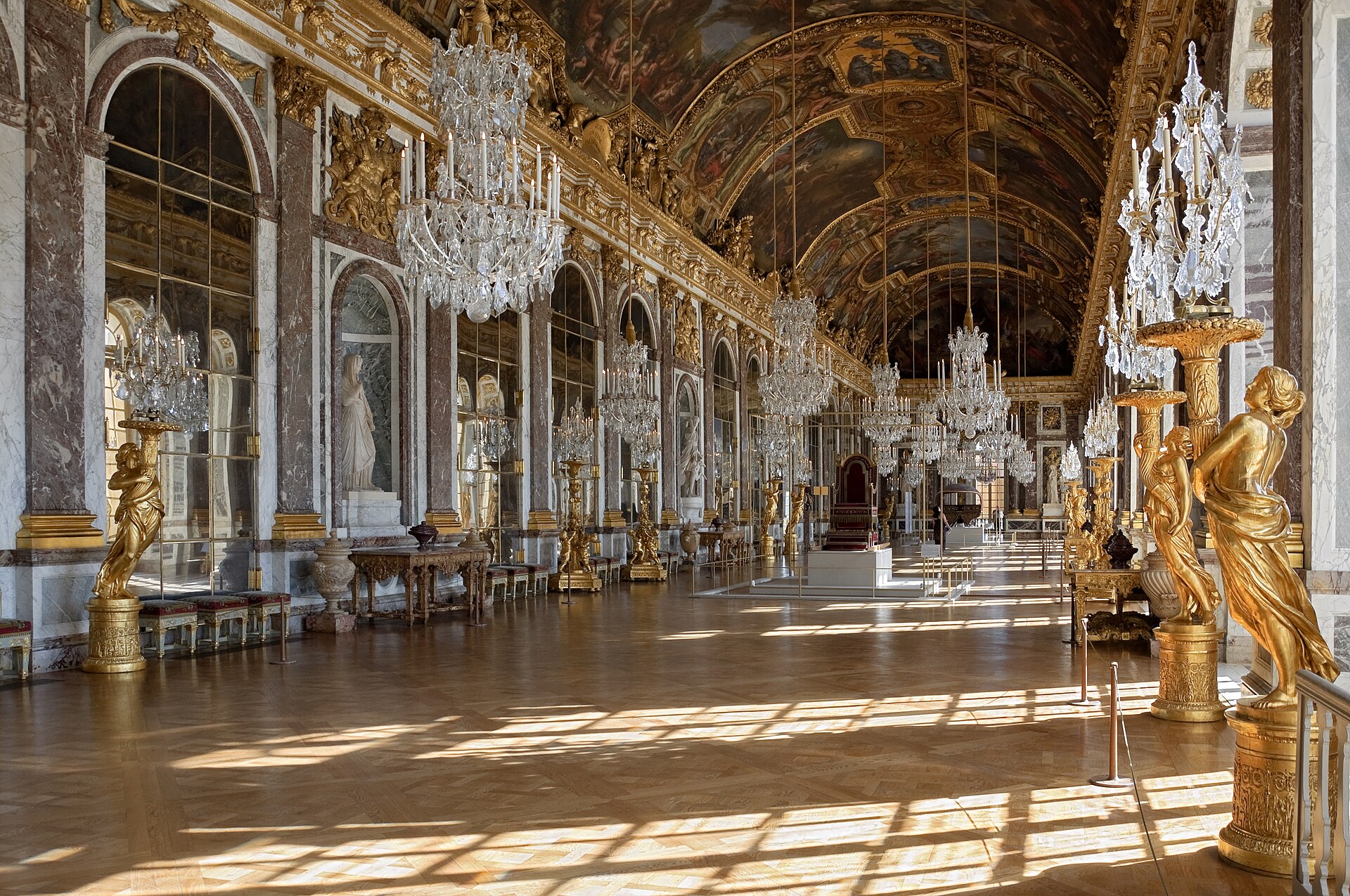
Whatever you choose, keep the evening of Day 4 deliberately empty. You will have walked twelve to fifteen kilometres and you will not want a project.
Day 5 — the day that earns the trip
Here is the argument for five days over four, stated plainly: the fifth day is the one where you stop being a visitor and start being someone who is in Paris. It should have exactly one fixed point in it, which is dinner. Everything else is chosen on the morning.
Four shapes work well. Pick whichever matches what the first four days left you wanting.
Shape A — the eastern day
Start at the Marché d’Aligre in the 12th, the market Parisians actually shop at: a covered hall, an open-air food market along the street, and a permanent brocante on the square selling other people’s furniture. Tuesday to Sunday mornings, best before ten. Buy lunch as you go — see the food markets guide for the alternatives.
Then walk the Coulée verte René-Dumont, the elevated linear park built on a disused railway viaduct that runs nearly three miles east from Bastille. It predates New York’s High Line by fifteen years and is planted with roses, bamboo and lime trees. On a weekday morning you share it with joggers and nobody else.
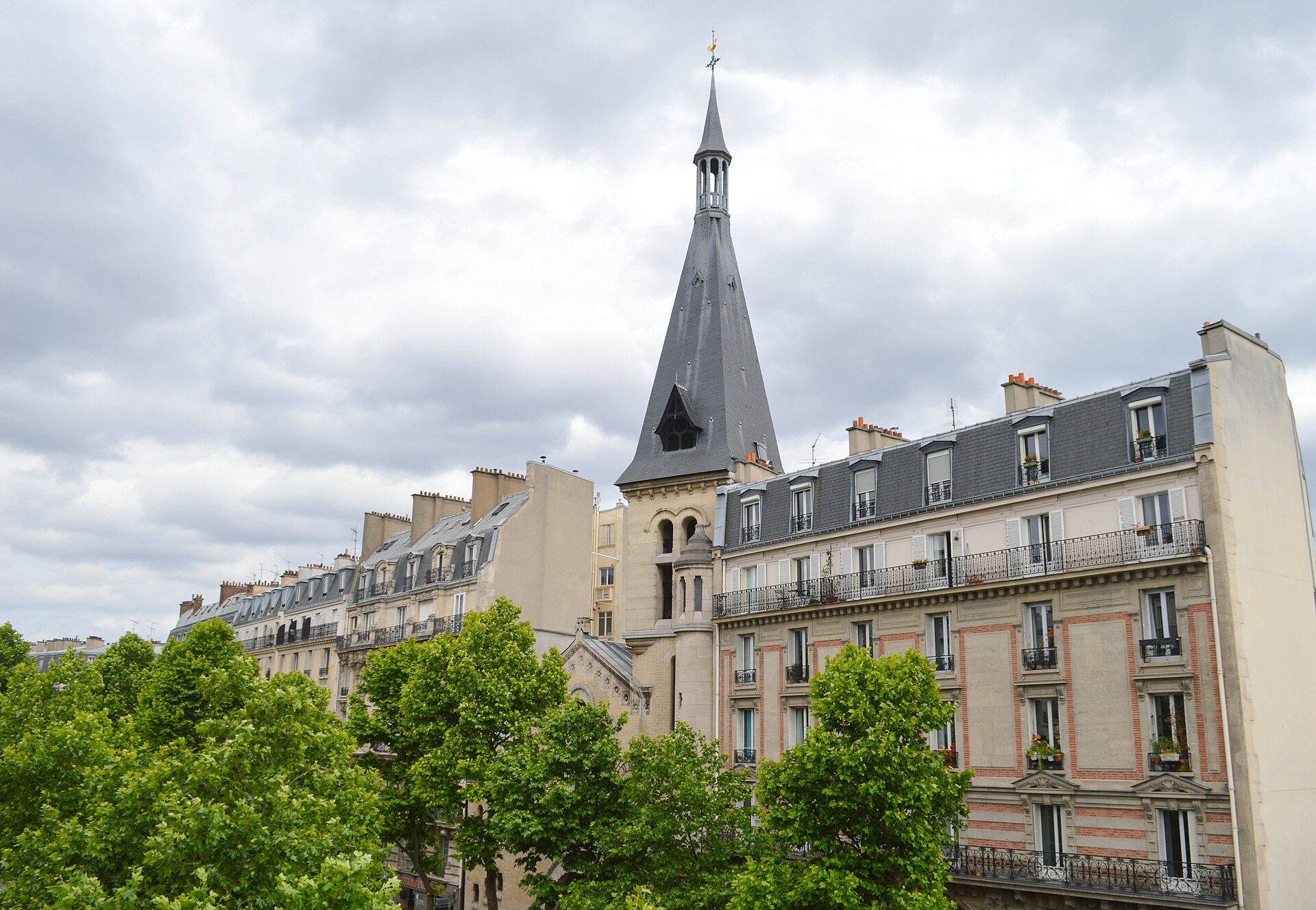
Afternoon at Père Lachaise, which is not a museum and not a sight but is one of the best two hours in Paris: 44 hectares of hillside laid out as a city, with avenues, street signs and divisions, and Chopin, Wilde, Piaf, Proust and Jim Morrison somewhere in it. Take a map from the gate or you will not find any of them. Evening in Belleville or Oberkampf, which is where the best cheap eating and most of the interesting bars have ended up.
Shape B — the second-museum day
If the first four days left you wanting more art rather than more city, five days is when the smaller museums finally earn their place — and they are, for a lot of people, better experiences than the big two.
- Musée Marmottan Monet — the largest collection of Monet anywhere, including the painting that gave Impressionism its name, in a house in the 16th where you will sometimes have a room to yourself.
- Musée Jacquemart-André — a nineteenth-century collector’s mansion left largely as it was, with a tea room in the dining room that is worth the visit on its own.
- Musée de Cluny — medieval art in a Gothic mansion built over Roman baths, and the Lady and the Unicorn tapestries.
- Musée Rodin — the sculpture garden alone justifies the ticket; see the Rodin guide.
- Musée de l’Orangerie — two oval rooms of Monet water lilies, forty minutes, and arguably more complete than three hours anywhere else. The Orangerie guide has the detail.
Two of these plus a long lunch is a full and unhurried day. Our museums guide covers the rest, and the galleries guide handles the contemporary end.
Shape C — the food day
A food tour in a neighbourhood you have not walked — the 11th, Batignolles in the 17th, or Rue des Martyrs in the 9th, which is as good a food street as exists in the city. Two to three hours, and what you are buying is a local walking you into shops you would not have entered. Or a cooking class, where the market-to-table format beats the macaron workshop for the same money.
Then a long lunch, an afternoon of nothing, and an evening that starts in a wine bar rather than a restaurant. Cheaper than dinner, more Parisian than dinner, and it leaves you able to walk afterwards.
Shape D — go back to whatever you liked
The least glamorous option and frequently the best one. By day five you will have found something — a street, a park, a café, a room in a museum — that you wanted more of. Go back to it. Sit in the Luxembourg for two hours. Do the Left Bank quais again slowly. Return to the neighbourhood you had dinner in on the first night and see it in daylight. Nobody has ever regretted this and a great many people regret cramming in one more monument instead.
Where to stay for five days
At five nights the calculation changes. You are no longer only buying minutes; you are buying a neighbourhood to come home to, and that is worth something on the days when you are tired.
- Central and safe: the Marais (3rd and 4th) or Saint-Germain (6th). Everything on this itinerary is walkable, and both have enough life at night that you do not have to plan the evening.
- Better value, real neighbourhood: the 9th around South Pigalle, the 11th around Oberkampf, the 10th along Canal Saint-Martin, or Batignolles in the 17th. Fifteen to twenty minutes from the centre, noticeably cheaper, and your Day 5 starts on the doorstep rather than after a journey.
- Quieter and residential: the 5th around the Panthéon or the 7th around Rue Cler. Less nightlife, better mornings.
- With family: a lift in the building and a park within five minutes beat everything else. See the family accommodation guide.
Five nights is also the length at which an apartment rather than a hotel starts to win on arithmetic as well as on space, once breakfast and laundry are in the calculation. Central Paris hotel rooms are genuinely small — a 12-square-metre double in the 6th is normal, not a bad-luck room. Our where to stay guide and the arrondissement comparison have the detail.
Eating across five days
Fifteen meals is enough to eat genuinely well rather than merely to eat, and five days is the length at which food becomes part of the trip rather than an interruption to it.
Lunch is the main meal, dinner is the social one
The single most useful piece of food advice in Paris. Neighbourhood bistros run a two-course lunch formule at €19 to €28 with the same chef, the same suppliers and often the same dishes they charge €40 to €50 for at dinner. You get a table without booking, you eat better, and you save perhaps €100 a head over five days. Then make dinner light — a wine bar, a plate of cheese, a bowl of soup — and go for a walk afterwards.
The three warning signs, and where they cluster
Photographs of the food on a board outside. A menu in six languages. Someone on the pavement inviting you in. Any one is a yellow flag; all three together is close to a guarantee. They cluster exactly where a first-time visitor ends up: around Notre-Dame, on Rue de la Huchette, along the Champs-Élysées, directly beneath the Eiffel Tower, and at the foot of Sacré-Cœur. Two streets inland almost always fixes it. Our restaurant guide covers what to look for instead and the guide to what to order is a good thing to read before you go.
Use five days to eat across five neighbourhoods
The pleasure of a longer trip is that you can eat somewhere different every night without ever going out of your way. Saint-Germain on the first night, the Marais on the second, the 7th around Rue Cler on the third, wherever you land after your day trip on the fourth, and the restaurant you booked on the fifth. Add one proper café morning, one bakery breakfast, one picnic from a boulangerie and one long lunch you did not plan, and you will have eaten better than most people manage in a fortnight.
Two things worth knowing about the bill
Service is included by law — the service compris line on the menu is not optional and not a suggestion — so tipping is a matter of rounding up a euro or two rather than a percentage. And tap water is free and normal: ask for une carafe d’eau rather than accepting the €6 bottle. Neither of these is a trick; both save a surprising amount over five days. The money-saving guide has the rest.
How to keep five days from becoming a forced march
One anchor a day, not two
Days 1 to 4 above each have two big things in them, which is the maximum. If you find yourself adding a third — a museum in the morning, a monument at midday, a cathedral in the afternoon — take one out. The unstructured hours between the anchors are where the trip actually happens.
Alternate heavy and light
A museum day, then a walking day, then a day trip, then a free day. Two consecutive heavy days is how people end up sitting in a hotel room at four in the afternoon feeling defeated by art.
Book four things and nothing else
The Eiffel Tower, roughly sixty days out. The Louvre, two to three weeks out for a 9am slot. Versailles, one to two weeks out. One restaurant. That is the list. Everything else on these five days you can turn up for, and anyone selling you priority access to a sight with no queue is selling you nothing.
Protect one afternoon
Genuinely unplanned, with nothing booked either side of it. Every five-day Paris trip we have heard described fondly had one of those in it, and every one described as exhausting did not.
Five days by traveller type
The skeleton above works for most people, but a few groups should bend it.
Couples
Slow the whole thing down by about a fifth. Drop one of the two big museums, make both lunches long, and give the evenings to walking rather than to a second sight. Move the Seine cruise to a night of its own. Our romantic Paris guide, the walks and the restaurants worth booking cover the version of this trip that is actually about being here together rather than about coverage, and the sunset spots guide is worth a look before you pick where to end each day.
Families
Five days is a good length with children precisely because Day 5 absorbs everything that overran. Halve every museum, double every park, use the Batobus instead of the Metro where you can, and consider swapping the Versailles day for something shorter and greener. The Jardin des Plantes, the Luxembourg puppet theatre and the Cité des Sciences all buy you an easy half-day. See Paris with kids, the family itinerary, the kid-friendly museums and, if there is a buggy involved, the stroller guide — the Metro is mostly stairs and that is worth knowing on day one rather than day three.
Second-time visitors
Keep Days 4 and 5 and rebuild the first three. Swap the Louvre for two of the small museums, the Latin Quarter for Belleville and the canal, and Montmartre for Batignolles or the Butte-aux-Cailles. Add Père Lachaise, the Catacombs and a proper afternoon at the Saint-Ouen flea market. The unusual things to do guide is written for exactly this trip.
Solo travellers
Five days alone in Paris is one of the easier solo trips in Europe — the city is safe, walkable and full of places where eating alone at a counter is entirely normal. Lunch at the bar rather than at a table, take a free walking tour on the first morning for the orientation and the company, and use the fifth day for whatever you would not have done with anyone else in tow.
What still does not fit in five days
- Two day trips. Possible, but it costs you both the fifth day and the slack, and you end up with a five-day trip that felt like three days in Paris. Do one properly.
- Mont-Saint-Michel as a day trip. Four to five hours each way. Extraordinary place; fourteen-hour day. See why it works only as an overnight.
- Disneyland plus everything above. A Disneyland day replaces a Paris day rather than adding to one — see the Disneyland guide.
- The Eiffel Tower summit. Still the wrong ticket. The second floor is the better view and the shorter queue.
- Every museum on your list. Nobody has ever finished the list. Pick the three you actually want and let the rest go.
Frequently asked questions
Is 5 days in Paris too long?
No, and this is the most common worry people have about it. Five days is the shortest trip that includes both all the famous things and enough unscheduled time to enjoy them. If anything, five days in Paris is where visitors start wishing they had booked six.
Is 5 days enough to see Paris properly?
Enough to see everything most people come for, comfortably, with a day trip and a free day. Not enough to exhaust the city — nothing is — but enough that you will leave with a sense of how Paris is put together rather than a list of things you photographed.
What should I do on the fifth day in Paris?
Nothing on anyone’s top-ten list. A market, a long walk, a cemetery, a small museum, or simply going back to whatever you liked most in the first four days. The fifth day is where the trip stops being an itinerary, and filling it with a sixth monument wastes it.
Should I do two day trips in five days?
We would not. Two day trips means two days of trains and only three days in Paris, which is a strange shape for a Paris holiday. If you want a second escape, make it a short one — Auvers-sur-Oise takes an afternoon rather than a day.
Is a Paris Museum Pass worth it for 5 days?
Quite possibly, especially if you are a non-EEA visitor facing €32 at the Louvre and €35 at Versailles. The four-day pass at €109 covers both plus the Orsay, Sainte-Chapelle, the Conciergerie, the Arc de Triomphe and the Panthéon. It does not cover the Eiffel Tower. Add up your own list before buying — our pass analysis shows the working.
How much walking is a five-day Paris itinerary?
Nine to twelve kilometres a day in the city and twelve to fifteen at Versailles — roughly 15,000 to 22,000 steps daily. Over five days that adds up, which is another argument for keeping Day 5 gentle. Broken-in shoes; see the packing list.
What is the best time of year for five days in Paris?
Late September and early October, when the light is at its best and the August crowds have gone. May is a close second and busier. February is cheapest, but eight and a half hours of daylight materially shortens a five-day itinerary. See the best time to visit.
Should I stay in one place for all five nights?
Yes. Moving hotels mid-trip costs you a morning and gains you very little in a city this compact. Pick one base and accept that some days involve a longer journey home.
Two more days buys a second day trip and the eastern arrondissements most visitors never reach. See our one week in Paris itinerary for how a seven-day trip is paced so it does not become five days of sightseeing with two tired days on the end.
Related Paris Guides
- The complete Paris itinerary guide — plans for one to ten days
- 4 days in Paris — the version without the free day
- 3 days in Paris — the first three days above, in full
- Day trips from Paris — for Day 4
- The small museums of Paris — for Day 5
- Where to stay in Paris — neighbourhood by neighbourhood
- The Paris food guide — eating well over five days
- Unusual things to do in Paris — the fifth-day list
Photo Credits
Père Lachaise: Avenue circulaire and Chemin Bion — Pere Lachaise by Jeff Keen, CC BY 2.0, via Wikimedia Commons.
Coulée verte: Along the Promenade plantee, Paris June 2015 by Francisco Anzola, CC BY 2.0, via Wikimedia Commons.
Hall of Mirrors, Versailles: Chateau Versailles Galerie des Glaces by Myrabella, CC BY-SA 3.0, via Wikimedia Commons.