One Week in Paris: A 7-Day Itinerary With Day Trips
Five days in the city, two in the country, and one you do not plan at all.
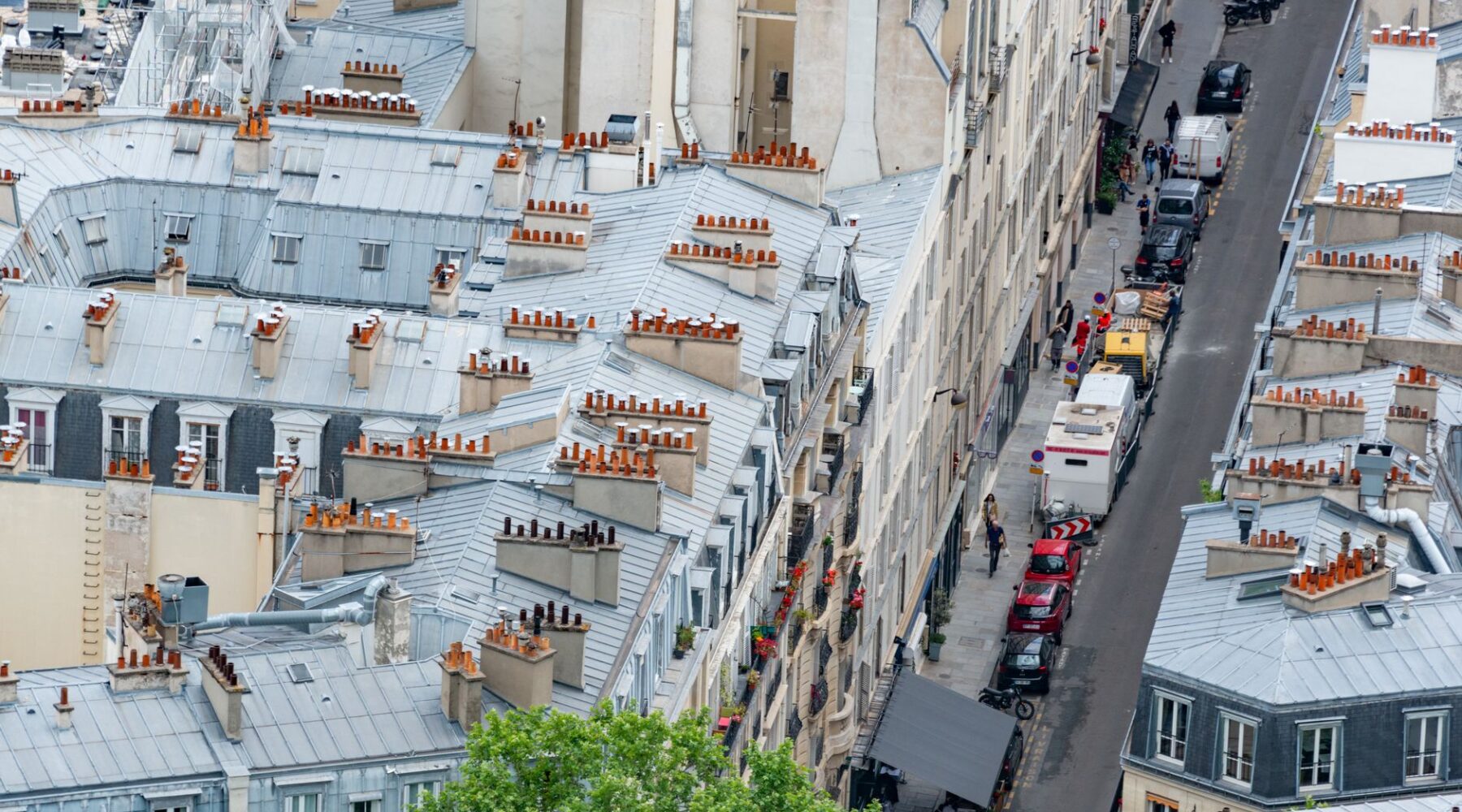
A week is the point at which a Paris itinerary stops being a route and becomes a rhythm. You have enough days that missing something no longer matters, enough slack that a wet afternoon is an opportunity rather than a disaster, and — crucially — enough time for two days outside the city without the trip becoming a train timetable. This 7 days in paris one week itinerary is built on that principle: five days in Paris, two out of it, and no day with more than two things in it.
It is also the first length at which we would tell you to deliberately leave a whole afternoon unplanned. Every week-long Paris trip anyone has ever described fondly had one of those in it. Prices below were checked in September 2026; treat them as the right order of magnitude, because French state-museum tariffs changed sharply in January 2026 and will change again.
The week at a glance
| Day | Morning | Afternoon | Evening |
|---|---|---|---|
| 1 Orientation | Île de la Cité, Notre-Dame, Sainte-Chapelle | Latin Quarter, Panthéon, Luxembourg | Saint-Germain, early night |
| 2 The great axis | Louvre, 9am slot | Tuileries, Concorde, Arc de Triomphe | The Marais |
| 3 The hill and the tower | Montmartre and Sacré-Cœur | Musée d’Orsay | Eiffel Tower at dusk, Seine cruise |
| 4 First day trip | Versailles — the whole day, first train out | Nothing scheduled | |
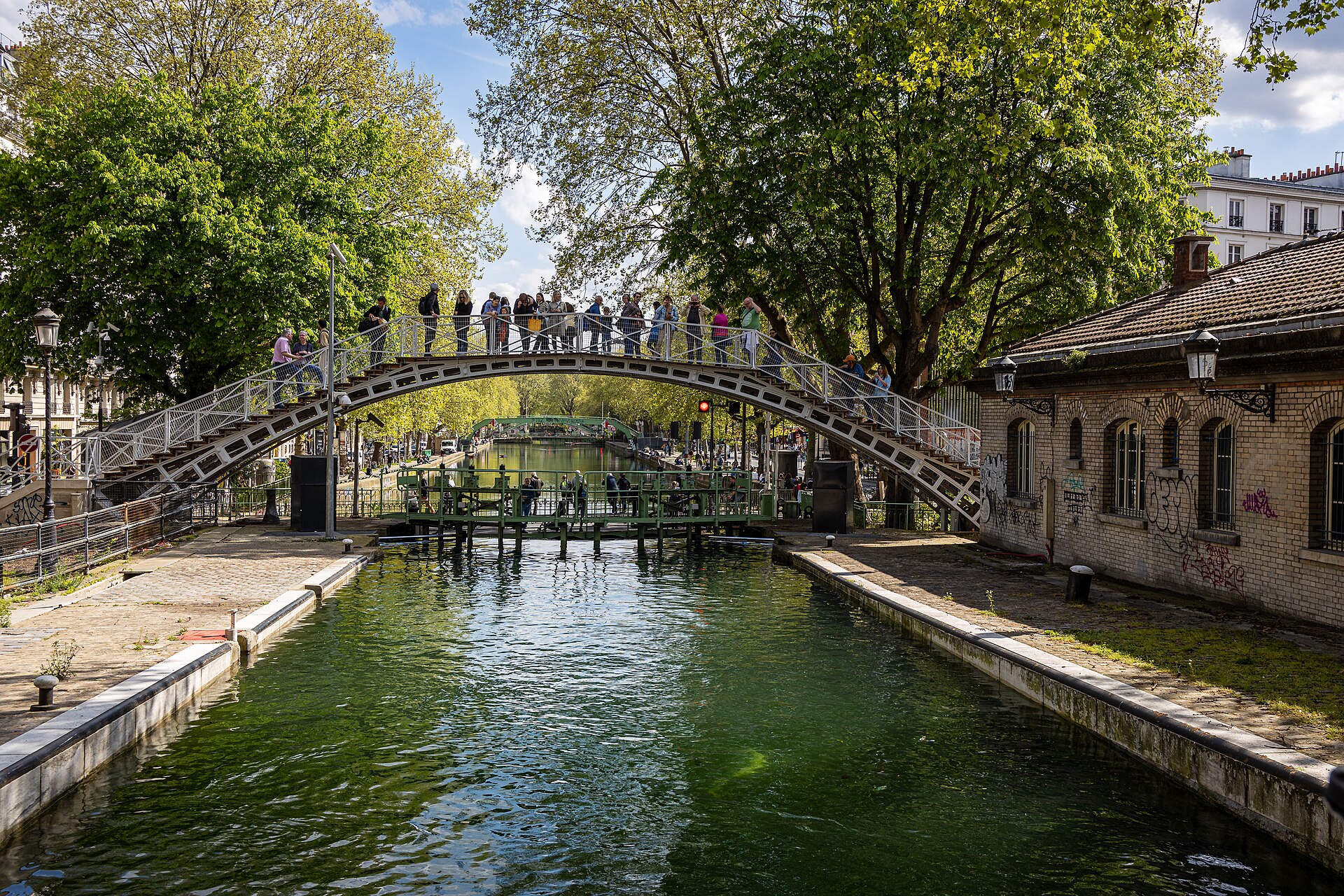
| 5 The eastern city | Marché d’Aligre, Coulée verte | Père Lachaise, Canal Saint-Martin | Belleville or Oberkampf |
| 6 Second day trip | Giverny, Fontainebleau, Reims or Chartres | The dinner you booked | |
| 7 Your Paris | Small museums, or a food tour | Deliberately unplanned | |
Days 1 to 3 are the standard first-timer sequence, set out in full in the three-day itinerary; Days 4 and 5 are covered in the four-day and five-day versions. What this page adds is the second day trip, the seventh day, and how to pace a week so it does not turn into five days of sightseeing with two exhausted days on the end.
What a week costs
| Item | Price | Notes |
|---|---|---|
| Louvre | €22 EEA / €32 non-EEA | Timed slot; closed Tuesdays |
| Musée d’Orsay | ≈€16 | Closed Mondays |
| Versailles Passport | €22–32 EEA / €25–35 non-EEA | Closed Mondays; zone 4 transport extra |
| Second day trip, transport | €20–60 return | Giverny ≈€35, Fontainebleau ≈€20, Reims from ≈€50 if booked early |
| Eiffel Tower, stairs / lift to level 2 | €14.80 / €23.50 | Level 2 is the better view |
| Three or four smaller museums | €10–14 each | Marmottan, Jacquemart-André, Cluny, Rodin |
| Navigo Découverte weekly | €32.40 + €5 card | The obvious buy — if your week runs Monday to Sunday |
| Paris Museum Pass, 6 days | €139 | Genuinely worth the arithmetic at this length |
| Two-course lunch formule | €19–28 | Half the dinner price for the same kitchen |
Reckon on €500 to €700 per person for the week excluding accommodation, and rather less if two of the seven days stay free. Our cost breakdown and the budget guide both go deeper.
The two purchases that actually matter at a week
The Navigo Découverte weekly at €32.40 plus a €5 card fee covers every zone in the Île-de-France, including Versailles, Fontainebleau and both airports. On a seven-day trip with two day trips that is a substantial saving over singles at €2.55 — but it runs Monday to Sunday only, not seven rolling days, so a Thursday-to-Wednesday trip gets half the value. Check your dates before you count on it. The tickets guide has the alternatives.
The six-day Paris Museum Pass at €139 covers the Louvre, the Orsay, Versailles, Sainte-Chapelle, the Conciergerie, the Arc de Triomphe, the Panthéon, Cluny, Rodin and most of the rest. On a week that includes Versailles and four or five museums it pays back comfortably, especially for non-EEA visitors facing the higher tariffs. It still does not include the Eiffel Tower. Our pass analysis shows the working, and the city pass comparison covers the bundled alternatives, most of which are worse value than they look.
Days 1 to 5, in brief
Day 1 — the island and the Left Bank
Notre-Dame before nine, the Île de la Cité west to Place Dauphine, back to Sainte-Chapelle, then the Latin Quarter, the Panthéon and the Luxembourg. Evening in Saint-Germain. Keep it deliberately light — this is the jet-lagged day and there are six more.
Day 2 — the Louvre and the axis
The Louvre at 9am, three hours, two wings. Then the Tuileries chairs, the Place de la Concorde, the Champs-Élysées walked once, and the Arc de Triomphe — the viewpoint from which you can see the Eiffel Tower. Evening in the Marais.
Day 3 — Montmartre, the Orsay, the tower
Abbesses, walk up, free time inside and outside Sacré-Cœur, then the streets north and west of it rather than Place du Tertre. Afternoon at the Musée d’Orsay. Eiffel Tower an hour before sunset, Seine cruise after dinner.
Day 4 — Versailles
First train out on the RER C. The château while the crowds are still arriving, then the gardens and the Trianon palaces, which are the better half and which most visitors skip. Closed Mondays; the estate is far larger than photographs suggest. See the Versailles guide and the transport guide.
Day 5 — the eastern city
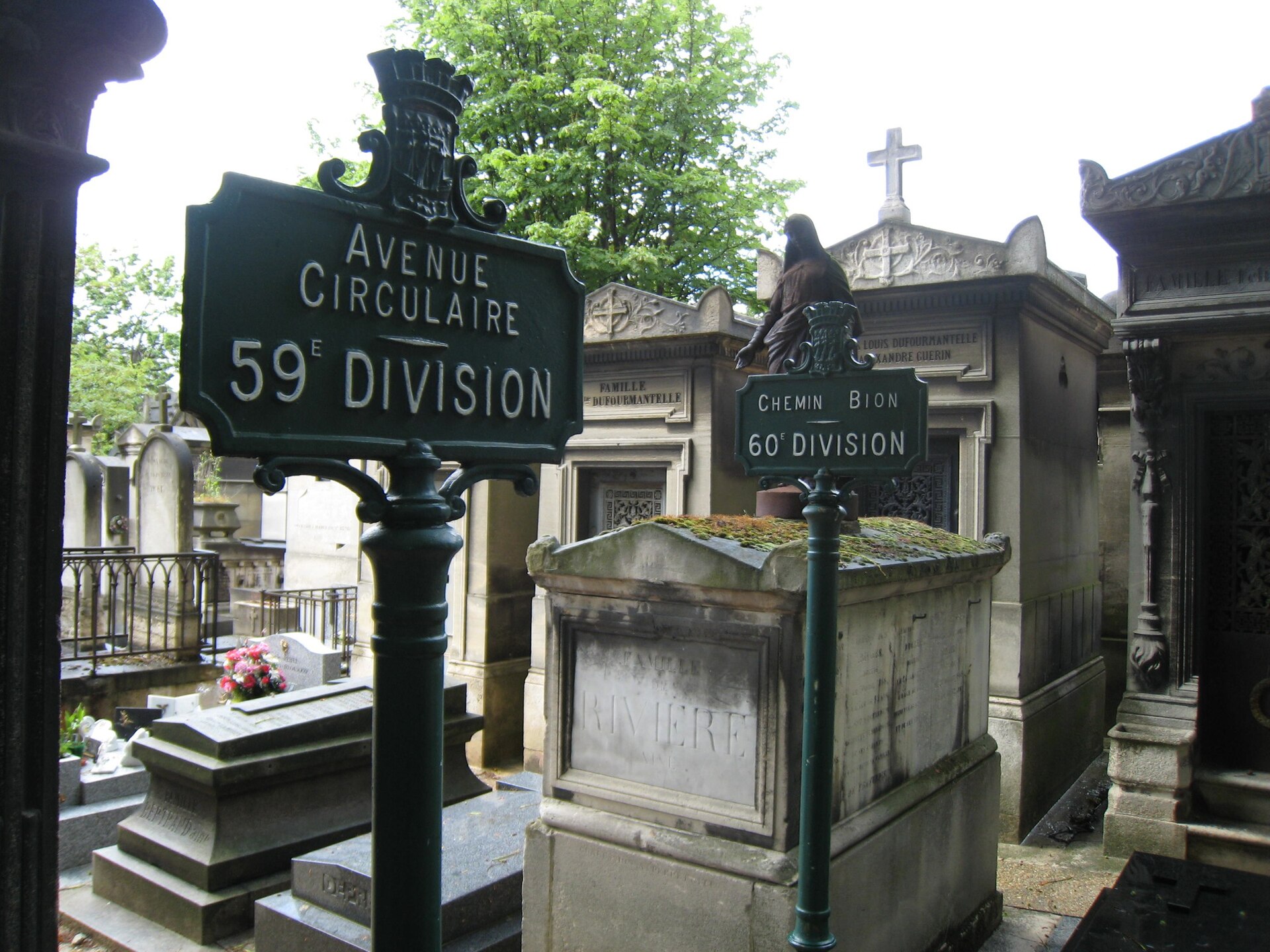
The Marché d’Aligre in the morning, the Coulée verte west to Bastille, Père Lachaise in the afternoon — 44 hectares of hillside laid out as a city, with avenues and street signs — and the evening in Belleville or Oberkampf, where the best cheap eating in Paris has ended up. Free, or nearly.
Day 6 — the second day trip
Here is what a week buys you that five days does not. One day trip is a highlight; two is a pattern, and it changes the character of the holiday from “Paris” to “Paris and the country around it”, which is a better trip.
Giverny — the obvious one
Monet’s house and garden, 45 minutes by train to Vernon and then a shuttle bus or a rented bike along the old railway path. The water lily pond, the Japanese bridge, the wisteria, the house painted in colours nobody else would have dared. It is open roughly April to October and closed in winter, and in winter there is no garden, so it is genuinely seasonal rather than merely better in summer.
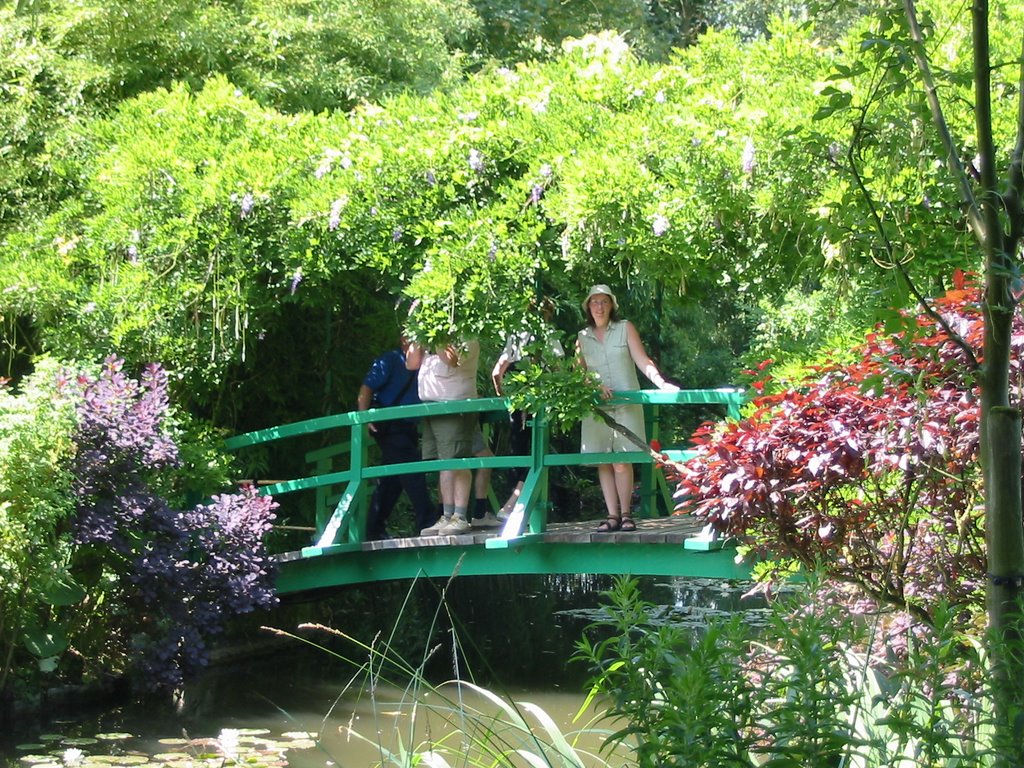
Pair it with the Orangerie and the Orsay earlier in the week and you have an accidental thread running through the trip: the paintings, then the place. See our Giverny guide for the timings.
Fontainebleau — the best value
A palace of genuinely comparable grandeur to Versailles, an hour south, with perhaps a tenth of the visitors — and a forest of sandstone boulders around it that is one of the world’s great bouldering sites and a lovely walk even if you never touch a rock. If Versailles on Day 4 was crowded and hot, this is the antidote. Our guide has the detail.
Reims and the Champagne houses
Forty-five minutes by TGV. A Gothic cathedral where the kings of France were crowned, and cellars cut into Roman chalk pits beneath the city. Book a house tour before you go rather than turning up; the good ones fill. See the Champagne day trip guide.
The shorter options
- Auvers-sur-Oise — Van Gogh’s last seventy days, an hour north, doable in an afternoon.
- Provins — a walled medieval town, largely intact, an hour and a half east.
- Chartres — an hour from Montparnasse, and the best-preserved Gothic cathedral in France: almost all its original thirteenth-century glass survives, which is true of nowhere else. A half-day, and a very good one.
- The Loire châteaux — a long day for one or two of them, better as an overnight.
- Bruges — two hours by train and a different country. An odd choice on a Paris week, and a genuinely lovely one.
The one we would steer you away from is Mont-Saint-Michel: four to five hours each way makes it a fourteen-hour day for two hours on the rock. It is extraordinary and it wants an overnight. The full day trips guide ranks everything by what it costs you in time.
Day 7 — the day you do not plan
Leave the last full day genuinely open, with one fixed point in it at most. By day seven you will know what you want, and it will not be on any list.
If you need a starting point rather than a blank page, the smaller museums are what a week finally has room for: the Marmottan for the largest Monet collection anywhere, the Jacquemart-André for a collector’s house left as it was, Cluny for medieval art over Roman baths, the Musée de la Vie Romantique or the Nissim de Camondo for rooms you will sometimes have to yourself. Two of those plus a long lunch is a complete day.
Or spend it on food: a food tour in a neighbourhood you have not walked, or a cooking class where you shop with the chef first. Or on the things a week makes possible and a short trip does not — the Saint-Ouen flea market, which is a half-day in itself; the Catacombs, which need booking and are genuinely unsettling; a swim in a municipal pool; two hours in a park with a book.
The honest advice, though, is simpler: go back to whatever you liked most. Nobody regrets a second afternoon in the Luxembourg. Plenty of people regret the eighth monument.
Three other shapes for a week
The itinerary above is the general-purpose version. If you have a particular reason for coming, a week is long enough to build the trip around it rather than bolting your interest onto a standard route.
The art week
Day 1 the Louvre, Day 2 the Orsay and the Orangerie, Day 3 Rodin and the Musée Marmottan Monet, Day 4 Giverny, Day 5 the Musée Picasso and the Marais galleries, Day 6 Auvers-sur-Oise for Van Gogh’s last months, Day 7 the Centre Pompidou’s collection if it is open, or the Musée d’Art Moderne de Paris and the Palais de Tokyo if it is not. That is a coherent chronology from the medieval to the contemporary, and each day builds on the one before. The museums guide and the galleries guide map it out.
The food week
A different market every morning — Aligre, Bastille, Enfants Rouges, Batignolles, Saint-Quentin. A food tour on the second day, once you have your bearings, and a cooking class mid-week. One day given to a wine region: Reims and the Champagne houses, 45 minutes by TGV. Lunches booked rather than improvised, one of them at a starred restaurant where the lunch menu costs half the dinner one. Evenings in wine bars rather than restaurants. And an apartment with a kitchen, so that two of the seven dinners are things you bought at a market that morning.
The second-visit week
Skip everything on the standard list. Spend the week in the arrondissements most visitors never reach: the Butte-aux-Cailles in the 13th, which is a village of low houses and street art; Batignolles in the 17th; the Buttes-Chaumont in the 19th, which is the most dramatic park in the city and full of Parisians rather than visitors; the Bois de Vincennes and its château; the covered passages of the 2nd, walked end to end; the Saint-Ouen flea market given a full day rather than a rushed morning. Add the Catacombs, a night at the jazz clubs in the Latin Quarter, and one day trip somewhere genuinely obscure — Provins is the pick. Our unusual things to do guide is written for this trip.
Practicalities of a longer stay
Arriving and leaving
On a week-long trip the transfers matter less than they do on a weekend, which is a good reason to take the cheap option rather than the fast one. From Charles de Gaulle the RER B reaches Gare du Nord, Châtelet and Saint-Michel in around 35 minutes on the €14 airport flat fare; from Orly, Orlyval plus the RER B or the Orlybus run on the same fare, and a weekly Navigo covers all of it if your dates line up. Taxis from both airports charge a fixed published fare into each half of the city, which makes them competitive for two or more people with luggage. See the airport transfer guide and, if you are coming from London, the Eurostar guide, which puts you fifteen minutes from the Île de la Cité on Line 4.
Two things worth building in. Give yourself nothing to do for the first three hours after you land, because Day 1 above is already the light day and jet lag makes it lighter. And on the way out, remember that the RER B is reliable until the afternoon it is not — leave more margin than feels sensible, particularly on a Sunday.
Laundry
Seven days is the point at which this becomes a real question. Hotel laundry in Paris is expensive to the point of absurdity — €8 for a shirt is normal. Every neighbourhood has a laverie automatique, they take cards, and a full load costs around €6 to €10 including drying. Doing it on the afternoon of the free day costs you an hour and saves a lot.
The pharmacy
French pharmacies, marked by a green cross, are genuinely useful and the pharmacists will diagnose minor things and hand you what you need without a doctor. Blister plasters, which you will want by day four, are behind every counter in the city.
Money and cards
Contactless works essentially everywhere, including on buses and at bakeries. Carry perhaps €50 in cash for markets and the odd small café. Decline the machine’s offer to charge you in your home currency — the exchange rate it uses is always worse than your bank’s. Our money-saving guide has the rest, and the insurance guide is worth five minutes before a longer trip.
Data and apps
Two apps do most of the work: Île-de-France Mobilités for live transport, and Citymapper for routing that actually accounts for the Metro’s closures and its many stairs. Bonjour RATP is useful for strike notices. Everything else is optional — see the travel apps guide.
How to pace a week so it does not exhaust you
Alternate, always
Heavy day, light day, heavy day, light day. The itinerary above does this deliberately: museum, museum, hill-and-tower, day trip, walking day, day trip, nothing. Two consecutive heavy days is survivable; three is how people end up back at the hotel at four in the afternoon.
Take a real lunch break
Not a sandwich on the move. An hour and a half sitting down, every day, ideally as the main meal — the two-course formule at €19 to €28 is the same kitchen that charges €45 in the evening. Over seven days this is both the cheapest and the most restorative decision you can make.
Do not move hotels
Paris is compact enough that one base works for the whole week. Moving costs you a morning and gains almost nothing.
Accept that one day will be wasted
Rain, a strike, a closed museum, a bad night’s sleep. On a three-day trip that is a third of the holiday; on a seven-day trip it is a footnote. This is the real luxury of a week — see our rainy day guide for the covered passages, the department store rooftops and the museums best seen in flat light.
Where to stay for a week
At seven nights, neighbourhood beats centrality. You will have walked the middle of the city to death by day four, and what you want on days five to seven is somewhere with a bakery you recognise and a café where they have started nodding at you.
- The 11th around Oberkampf or Charonne — genuinely lively, excellent food, twenty minutes from everything, and Day 5 of this itinerary starts on your doorstep.
- The 9th around South Pigalle — Rue des Martyrs is one of the best food streets in the city and Montmartre is a walk rather than a journey.
- The 10th along Canal Saint-Martin — the water, the footbridges, and the easiest access to both Gare du Nord and Gare de l’Est for day trips.
- Batignolles in the 17th — quiet, residential, a covered market and a genuine village feel, and Saint-Lazare is ten minutes away for Giverny.
- The Marais or Saint-Germain if you would rather be in the middle of it and are happy to pay for that.
A week is also comfortably the length at which an apartment beats a hotel — on space, on breakfast, on laundry and usually on price. Our where to stay guide and the arrondissement comparison have the full picture.
Eating over seven days
Twenty-one meals is enough to eat across the whole city rather than around your hotel. A rough shape that works:
- Breakfast — a bakery and a café, not a hotel buffet. Coffee standing at the bar costs about half what sitting on the terrace does, and that is published pricing rather than a trick.
- One market picnic — bread, cheese, charcuterie, fruit, eaten in the Luxembourg or on the quais for around €10. See the food markets guide.
- Lunch as the main meal, most days — the single most useful money-saving decision in Paris.
- One wine bar evening — charcuterie, cheese and three glasses instead of a restaurant. See the wine bars guide.
- One booked dinner, two weeks ahead, somewhere you actually want to go. The restaurant guide has the shortlist; the Michelin guide covers the top end, where the lunch menus are frequently half the dinner price.
- One night you cook, if you have an apartment. Shopping for dinner in a French market is one of the underrated pleasures of a week here.
And two warnings. Many restaurants close on Sunday evening and all day Monday, so a Sunday-night arrival needs a plan. And in August a genuinely large number of the best small places close for the annual holiday — check before you build an evening around one. Our food guide covers the rest.
What to leave out, even with a week
- Three day trips. Two is the maximum before the trip becomes a rail tour. If you want a third escape, make it a half-day.
- Mont-Saint-Michel as a day trip. Fourteen hours door to door. Overnight or not at all.
- The Eiffel Tower summit. Seven days does not make it better value. The second floor is the better view.
- Doing the Louvre twice. Tempting on a long trip, and almost always less rewarding than a small museum you have not been to.
- Filling day seven. The whole point of it is that it is empty.
Frequently asked questions
Is 7 days in Paris too long?
No. A week is where the city stops being a set of attractions and starts being a place. Visitors who find seven days too long are usually the ones who kept the pace of a three-day trip for all seven, which is exhausting rather than excessive. Slow down and a week is not long enough.
What can you do in Paris in a week that you cannot in three days?
Two day trips, four or five of the smaller museums, the eastern arrondissements, Père Lachaise, a food tour or cooking class, a proper flea market, and — most importantly — the same thing twice. Going back to something is the thing a short trip cannot buy.
How many day trips should I do in a week in Paris?
Two. One is Versailles, if you have not been; the second is whichever of Giverny, Fontainebleau or Reims fits your season and your interests. Three day trips leaves only four days in Paris, which is an odd shape for a Paris holiday.
Is a weekly Navigo pass worth it for 7 days?
Almost certainly, provided your trip runs Monday to Sunday — the pass has fixed weekly validity rather than seven rolling days. At €32.40 plus a €5 card it covers all zones including both airports and every day trip in this guide. If your week starts on a Wednesday, buy singles on a Navigo Easy instead. See the tickets guide.
How much walking is a week in Paris?
Eight to twelve kilometres on city days, twelve to fifteen on day trips, so 60 to 80 kilometres over the week. That is a lot of cobbles. Two pairs of broken-in shoes beats one; see the packing list.
Should I visit other cities as well as Paris in a week?
We would not on a first visit. A week in Paris is not a week too long, and adding a second city costs you two travel days and the depth that makes a week worthwhile. If you have ten days, that changes — see the master itinerary guide for how longer trips shape up.
Is a week in Paris good with children?
Very. The extra days absorb the slow mornings and the meltdowns, and you can afford whole afternoons in parks without feeling you are wasting the trip. Halve the museums, add the Jardin des Plantes, the Luxembourg puppet theatre and a day at Disneyland if that is on the list. See Paris with kids and the family itinerary.
What is the best week of the year to visit?
The last week of September or the first of October. Best light, thinned crowds, everything reopened after August, and days still long enough for an evening at the tower. See the best time to visit.
Related Paris Guides
- The complete Paris itinerary guide — plans for one to ten days
- 5 days in Paris — the shorter version of this trip
- 4 days in Paris — with one day trip rather than two
- Day trips from Paris — ranked by time cost
- Giverny day trip — Monet’s garden, and when to go
- The small museums of Paris — what a week has room for
- Where to stay in Paris — neighbourhood by neighbourhood
- Unusual things to do in Paris — for the seventh day
Photo Credits
Canal Saint-Martin: Passerelle de la Grange-aux-Belles by Superbass, CC BY-SA 4.0, via Wikimedia Commons.
Giverny: Bridge, Garden, Monet, Giverny by Donar Reiskoffer, CC BY 3.0, via Wikimedia Commons.
Père Lachaise: Avenue circulaire and Chemin Bion — Pere Lachaise by Jeff Keen, CC BY 2.0, via Wikimedia Commons.